
Most people have been there. You buy the same bag of beans your favorite café uses, follow a recipe online, and still end up with something that tastes a bit flat, a bit off, or just somehow less. It’s not in your head – at least, not entirely. The gap between home coffee and café coffee is real, and it comes down to a layered mix of chemistry, equipment, skill, and even the room you’re sitting in.
The difference is rarely caused by one single issue. It’s usually the result of many small variables stacking up: water chemistry, grinder quality, recipe precision, freshness, equipment maintenance, brewing technique, and even how the drink is served. Once you understand what those variables actually are, fixing your morning cup becomes a lot less mysterious.
Water Is Doing More Than You Think
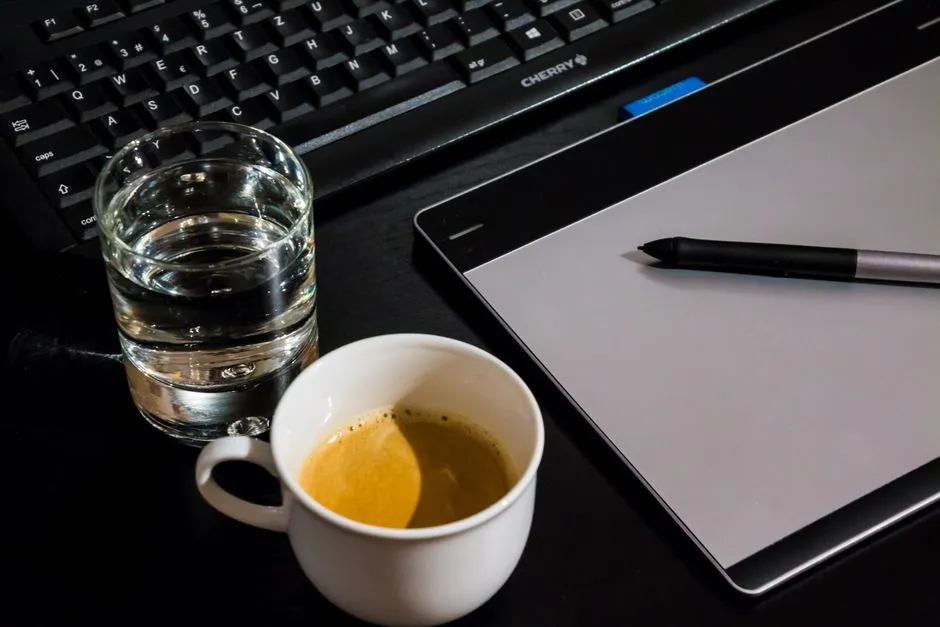
Water is the largest single ingredient in a cup of coffee, typically making up about 98 percent of the beverage. That simple fact alone explains why water quality tends to be the most overlooked and most impactful variable in home brewing.
Water quality impacts coffee’s elemental composition, which consequently affects the taste and aroma of the final beverage. The minerals dissolved in your tap water are not neutral – they actively shape how flavor compounds are extracted from the grounds.
Cafés use filtered water with a balanced mineral profile – typically around 100 to 150 parts per million in total dissolved solids – to extract flavors properly. Too little mineral content, and coffee tastes flat. Too much calcium or magnesium, and the result becomes harsh or scale-prone.
Minerals in water interact with coffee particles, affecting how flavors are extracted during brewing. Soft water may lead to overly acidic coffee, while hard water can produce a flat taste. Most home brewers never adjust for this at all.
Your Tap Water May Be Quietly Sabotaging the Cup
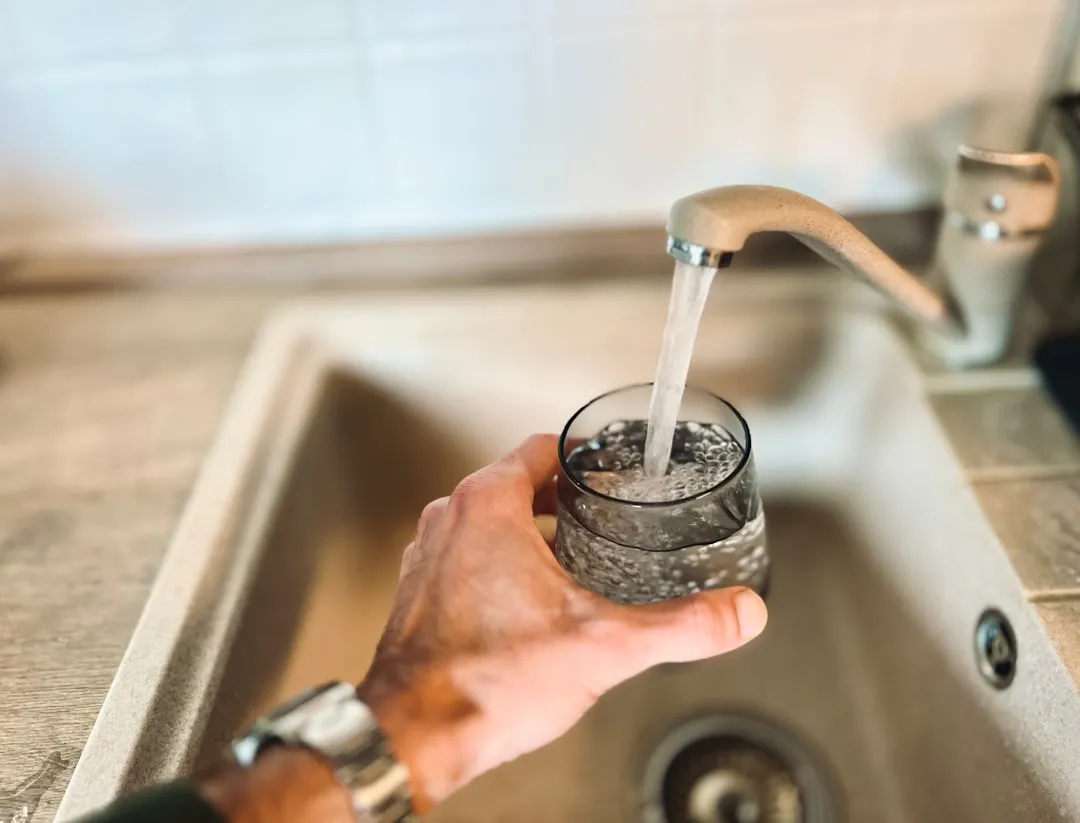
Tap water varies drastically by region. Some municipal supplies contain chlorine, chloramine, or excessive hardness that alters flavor and damages equipment. These are chemicals designed to make water safe to drink – not to enhance a light roast.
Unfiltered tap water may contain organic compounds, minerals, and other impurities that can lead to a sour or metallic taste in coffee. This is why filtering tap water before brewing makes a practical difference.
Research shows that water samples of high or low hardness values benefited the extraction of taste compounds differently depending on whether the coffee was a dark or light roast. So it’s not just about having “good” water – it’s about matching your water to your beans.
Whether or not a coffee tastes good depends to a certain extent on the overall mineralization and alkalinity, in other words, the carbonate hardness of the water. Cafés understand this. Many home brewers don’t.
The Grinder Gap Is Bigger Than It Looks
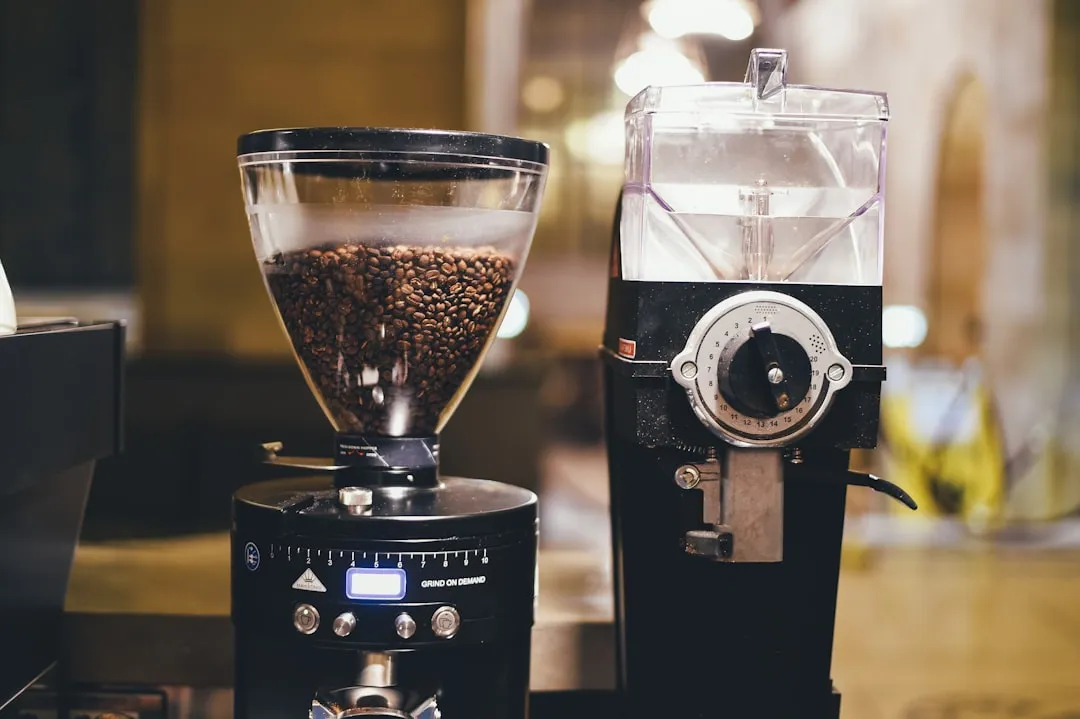
Even great coffee can taste disappointing if the grind is inconsistent. Most cafés use commercial grinders designed to produce uniform particle sizes. This consistency allows water to extract flavor evenly during brewing.
At home, lower-quality grinders often create uneven particles. Some grounds extract too quickly while others extract too slowly, leading to cups that taste bitter, sour, or muddy at the same time. That baffling combination of flavors in a single cup usually traces back to grind inconsistency.
With blade grinders, the coffee is effectively being chopped like spices, but there is no consistency in the grind size distribution. The particles range from powder-fine to nearly whole chunks, and each size brews at a completely different rate.
Inconsistent grinders will often retain significant amounts of ground coffee, which will negatively impact extraction and impart old, stale flavours in espresso. Even a good grinder that hasn’t been cleaned properly starts working against you.
Freshness: The Variable Everyone Underestimates
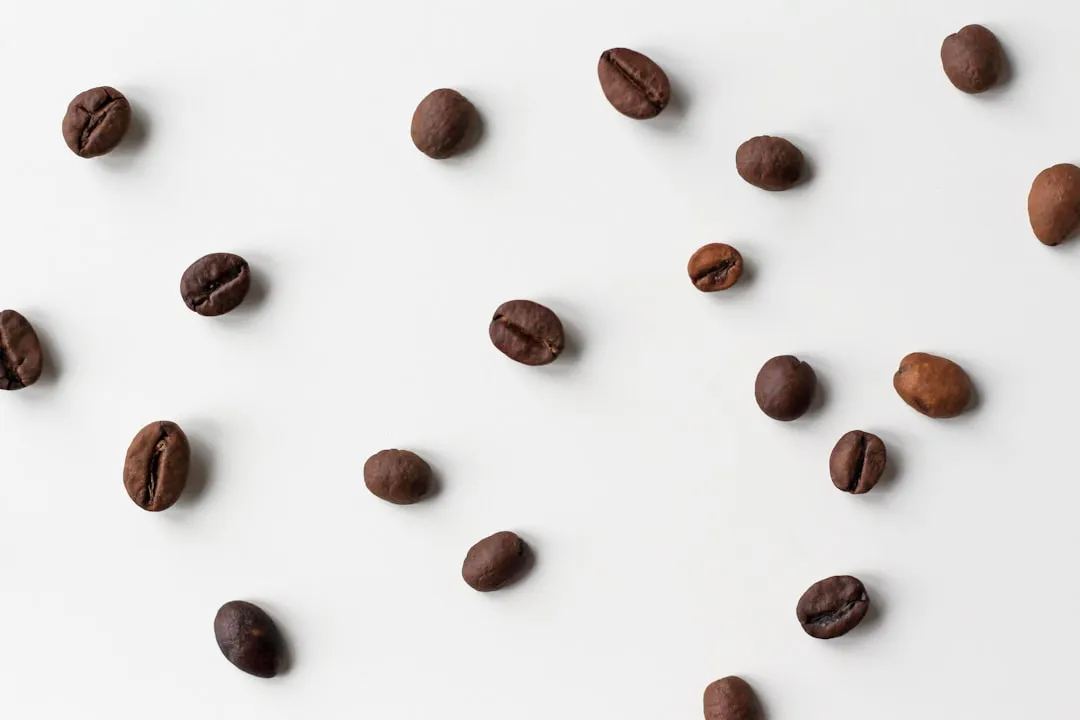
At home, coffee often sits too long after opening. Exposure to oxygen, heat, moisture, and light gradually flattens flavor and reduces complexity. This is one reason why freshly roasted coffee tastes more vibrant and balanced – it preserves the natural sugars, acidity, and aromatics that give coffee depth in the cup.
Cafés typically move coffee through faster than most households, so beans rarely sit long enough to lose their peak character. A busy café might go through several kilograms of a single origin in a week. A home brewer might nurse that same 250-gram bag for a month.
If coffee tastes dull regardless of adjustments, freshness may be the issue. Stale beans can resist extraction or produce a thin, papery quality that no amount of technique can fix. Buying smaller bags, more frequently, is often the simplest upgrade available.
Extraction Temperature: A One-Degree Problem
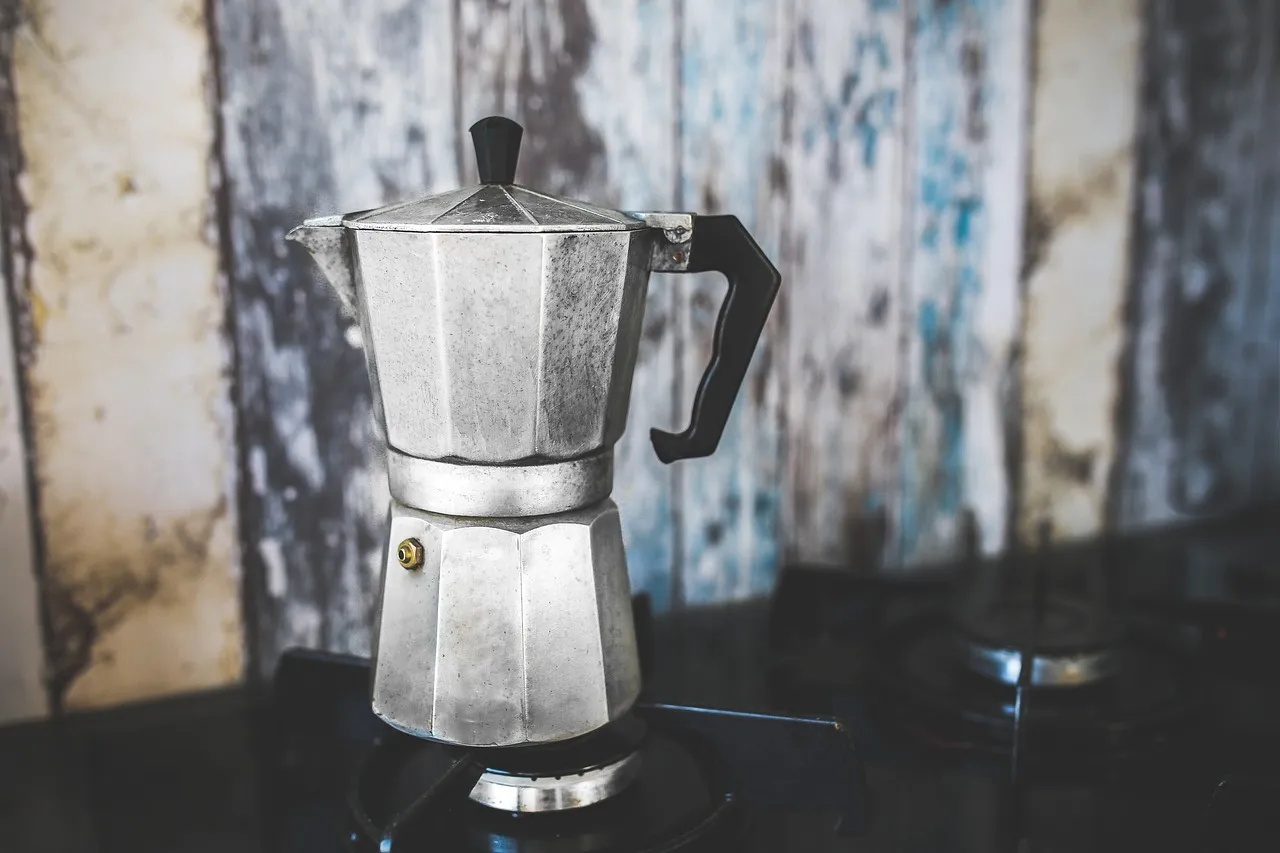
Water temperature during brewing is one of the most precisely controlled variables in any well-run café – and one of the least controlled at home. Most standard drip machines heat water to temperatures that can vary widely across the brew cycle, and many don’t reach the recommended brewing range at all.
Coffee flavor changes based on extraction. Extraction refers to how water pulls flavors from ground coffee during brewing. Temperature directly governs the rate at which that happens – too cool, and you get sour, underdeveloped flavors; too hot, and bitterness dominates.
The biggest reason café coffee tastes different is not one piece of equipment or one secret technique – it is consistency. And temperature consistency, brew after brew, is something commercial equipment is specifically engineered to deliver.
The Skill Behind the Bar
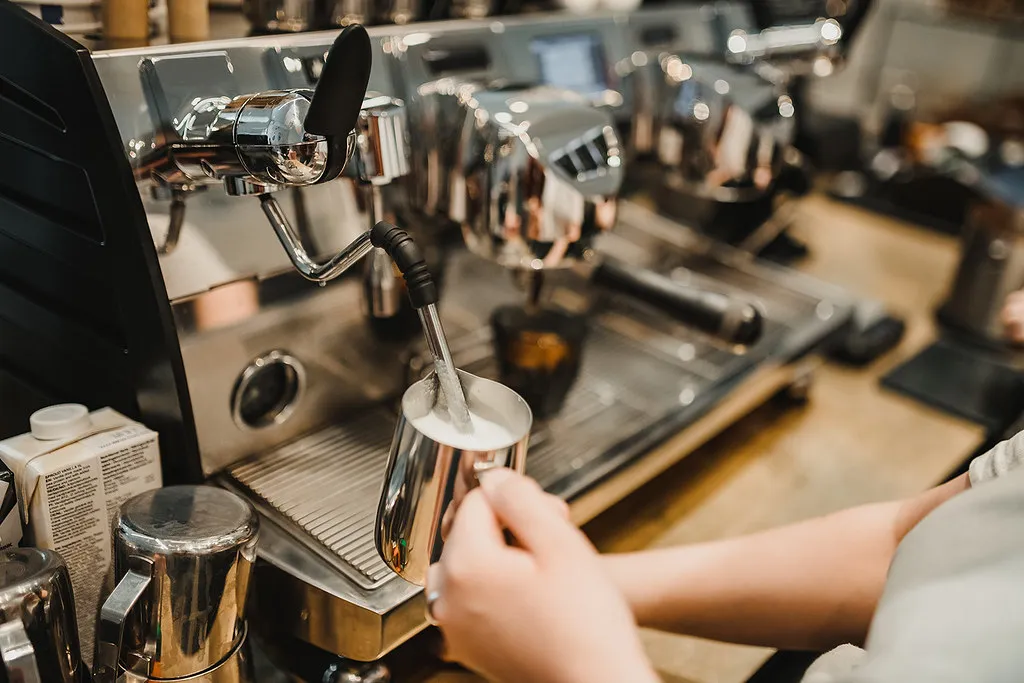
A trained barista has likely pulled thousands of espresso shots. They understand what a 27-second extraction should look like, sound like, and taste like. That embodied knowledge takes years to build. It’s not something that comes packaged with an espresso machine.
The need for consistency and accuracy is extremely significant to maintain espresso quality throughout the day, as industry professionals note. A barista adjusts grind settings based on humidity, temperature, and how the shot is flowing – often several times across a single shift.
In contrast, home brewing often follows a “set it and forget it” mentality. Once the machine starts, attention drifts. Pour-over rhythms become rushed. Espresso shots run too long or too short without correction. The outcome changes every time, even when the recipe stays the same on paper.
The Surprising Role of the Environment
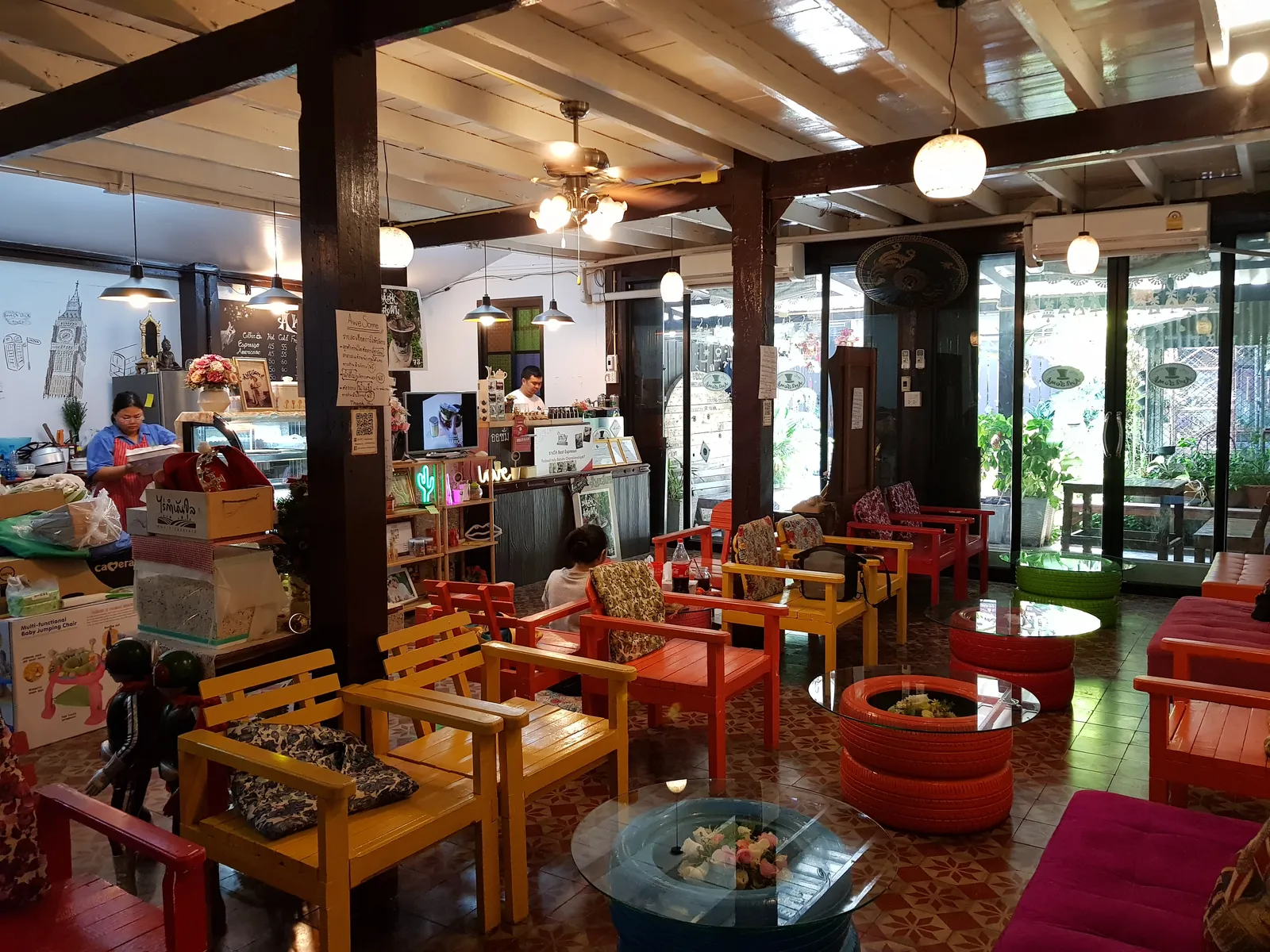
The sensory coffee experience in a café is shaped by every element of the room around you: the smell, the sound, the lighting, and the ritual of being served. These aren’t decorative extras – they actively change how your brain processes flavor.
The visual, auditory, olfactory, and tactile aspects of the environment have all been shown to impact the experience of tasting and drinking coffee. This is not anecdotal – it’s been confirmed through formal sensory research.
Research shows that noisy backgrounds dull sweetness and heighten bitterness. So the same cup can literally taste different depending on whether you’re at a quiet corner table or in a loud space. The coffee doesn’t change – your perception of it does.
According to research, high-pitched music enhances perceived sweetness, while lower tones amplify bitterness – a phenomenon sometimes called “sonic seasoning,” showing how closely sound and flavor are linked.
Psychology Is Playing a Bigger Role Than Expected
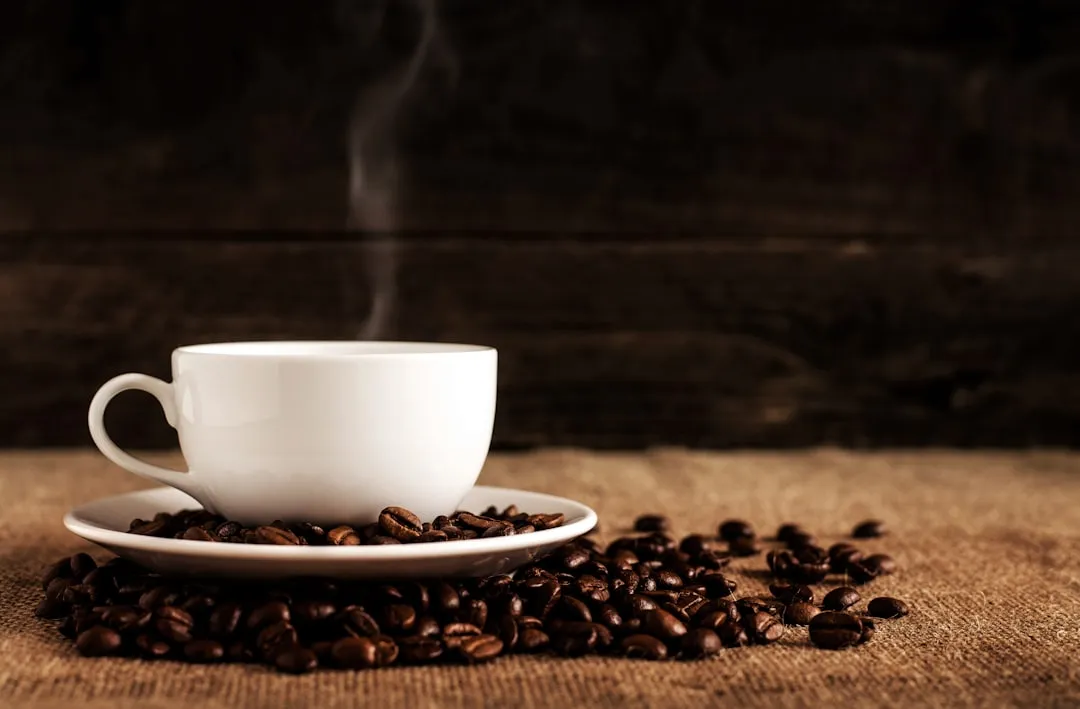
A real psychological effect is at play. When someone else makes your coffee, you’re released from the cognitive load of preparation, which makes the experience feel more special and intentional. The anticipation, the ritual of waiting, and the element of surprise all prime your brain to perceive the flavor more positively.
Most people assume flavor is inherent to the coffee itself, but perception is far more complex. Our brains integrate signals from every sense – sight, sound, touch, smell – and even emotion and memory. What we expect to taste often shapes what we actually experience.
One of the most powerful components of flavor perception is aroma. Roughly 80 percent of what we perceive as flavor comes from smell, not taste. This process, known as retronasal olfaction, occurs when aroma molecules travel from the back of your mouth to your nasal passages as you sip. A freshly ground café that fills the room with coffee aroma before you even order has already started shaping your experience.
The Equipment Quality Divide
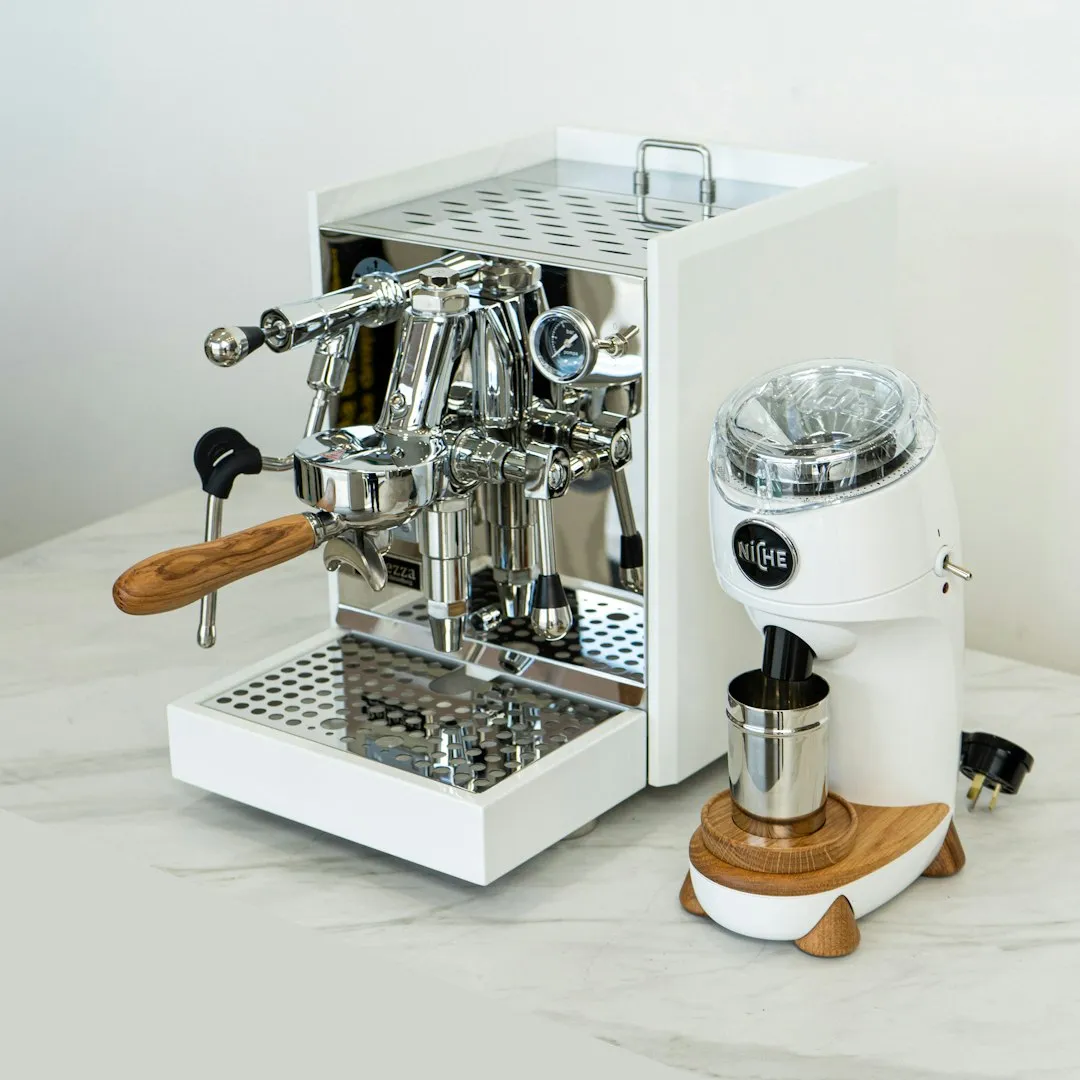
Cafés invest heavily in consistency, precision, and sensory calibration. At home, convenience often takes precedence over control. That trade-off shows up in the final cup in ways that aren’t always obvious.
Commercial grinders at coffee shops are designed for volume and workflow. They are often more consistent than the grinders home users have access to – however, today some prosumer grinders can actually rival professional equipment. The gap between home and café has narrowed considerably at the higher end of the market.
You can invest in top-tier beans and a high-end machine, but without the right grind, you’ll never unlock their full potential. The key is consistency and freshness – grinding beans to the precise size your brew method demands. Equipment only matters if it’s doing that job reliably.
How to Close the Gap Without Overhauling Everything
In most cases, the difference comes down to a few small variables: grind size, coffee-to-water ratio, water quality, freshness, and consistency. Improving coffee at home rarely requires expensive equipment. It requires paying attention to the right things.
A steady supply of freshly roasted coffee removes guesswork. It allows you to refine grind and ratio gradually because the coffee itself stays consistent. Over time, this stability improves flavor naturally.
Better home coffee does not require copying a café exactly. You do not need commercial equipment, professional training, or a complicated setup to dramatically improve your results. What you need is a clearer understanding of the variables that cafés control well and home brewers often overlook.
The Takeaway
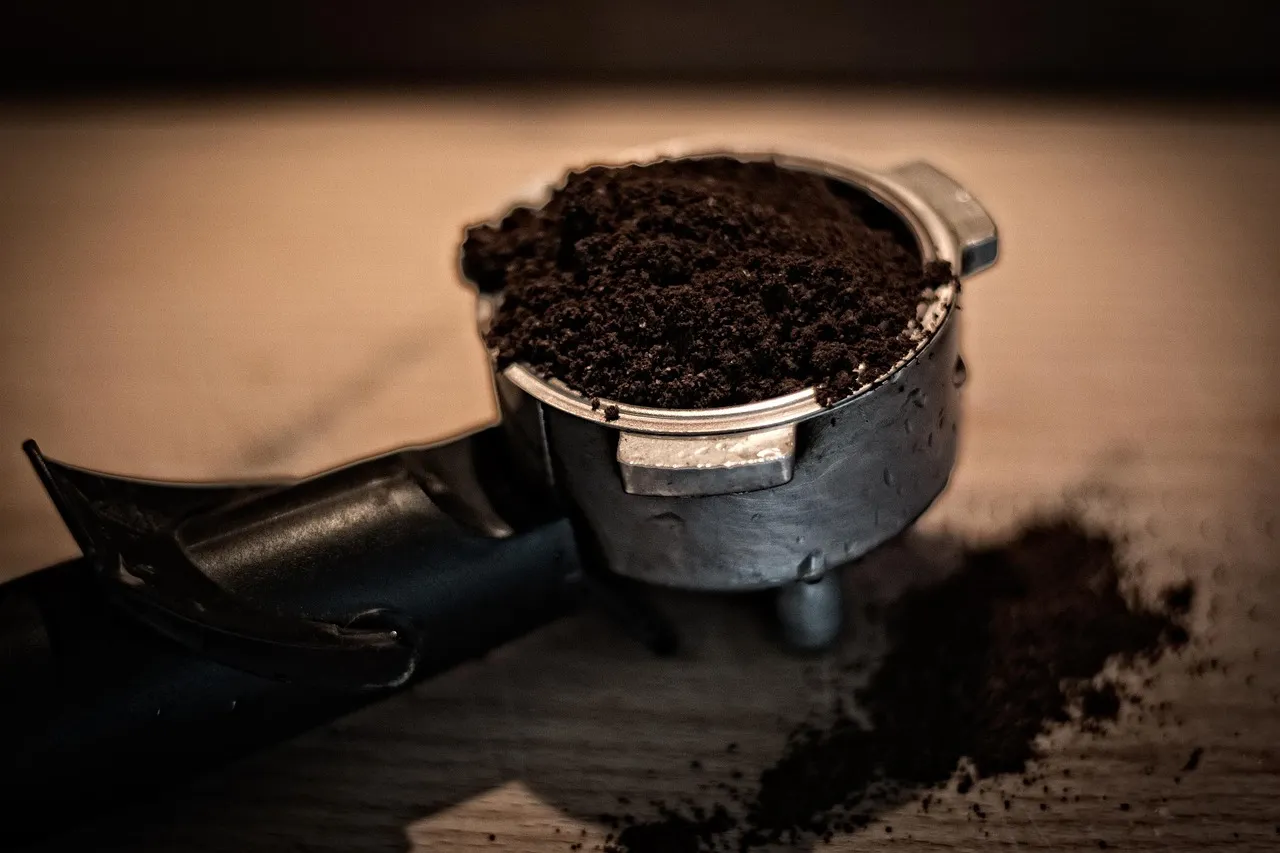
The reason your café coffee tastes better isn’t magic, and it isn’t the beans – at least not only the beans. It’s the accumulation of dozens of small, controlled decisions that professional settings make automatically and that home brewing tends to skip. Water chemistry, grind uniformity, bean freshness, extraction temperature, barista skill, and even the room itself all contribute to what lands in the cup.
The good news is that closing this gap doesn’t require a commercial kitchen. It requires understanding which variables matter most, then addressing them one at a time. Start with fresher beans, filtered water, and a decent burr grinder, and the difference becomes noticeable quickly – no barista training required.
Coffee is, in the end, a system. Cafés have just had more time to optimize theirs. With a little attention to the right details, so can you.
AI Disclaimer: This article was created with the assistance of AI tools and reviewed by a human editor.