
Walk into any well-stocked kitchenware store today and you’ll find shelves loaded with gadgets promising to revolutionize the way you cook. Spiralizers, egg separators, specialty presses, and single-purpose slicers all compete for space in your cart. The marketing is convincing, and the price tags vary wildly.
According to Business Research Insights, the kitchen tools market was valued at more than $31 billion globally in 2024. That is a lot of money spent on gear, and a meaningful chunk of it goes toward products that professional chefs would never bother to own. According to a 2024 survey by the National Kitchen and Bath Association, nearly 70% of home cooks invest in at least three specialty tools each year to improve efficiency, yet most culinary professionals agree the same principle applies every time: a few excellent, versatile tools will always outperform a drawer full of single-use gadgets.
1. The Garlic Press: A Clean-Up Nightmare in Disguise
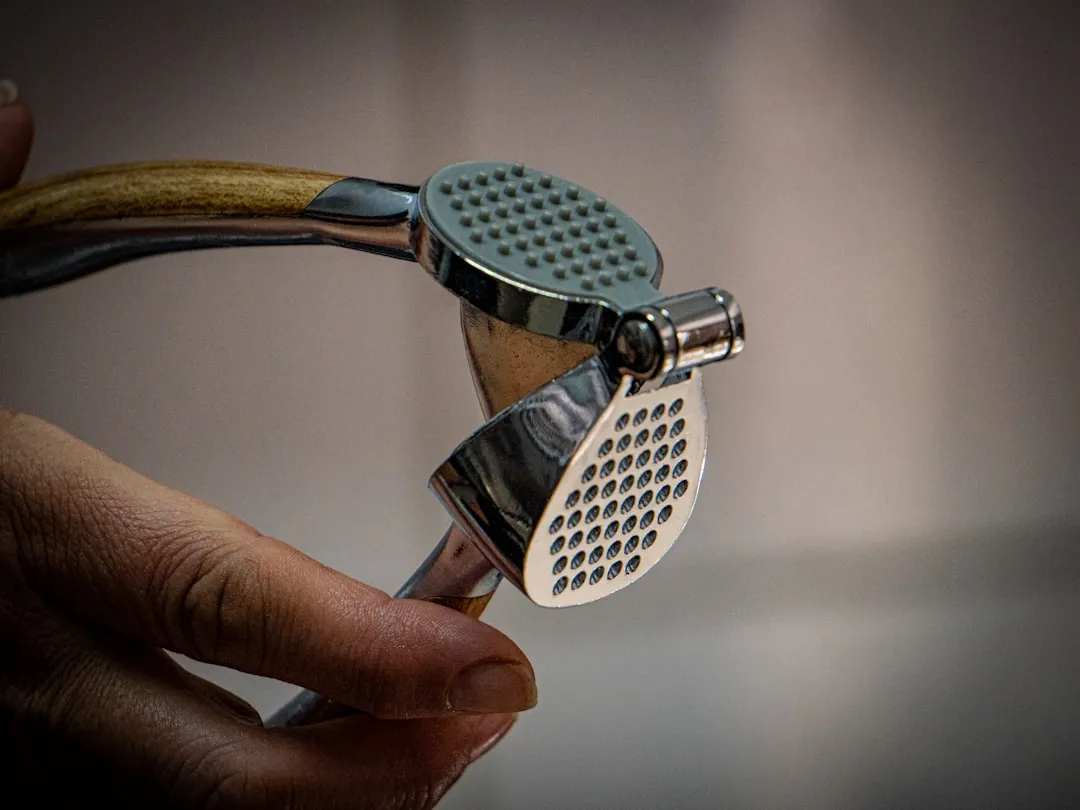
A garlic press is specifically designed to help home cooks mince garlic quickly. The metal tool has small openings that the clove squeezes through, creating instant minced garlic. Although effective, chefs feel this is a useless tool for anyone who knows how to properly mince with a sharp knife.
One reason chefs deride the press is that it is single-use, which makes it part of a family of gadgets known in culinary circles as a “unitasker.” Cleaning the tool is genuinely difficult, and by crushing the garlic rather than slicing it, you can lose a significant amount of its flavor and potency.
If you want to skip the press entirely, try grating garlic cloves on a cheese grater or zester, or simply smash them with the flat side of your knife. The results are arguably better, the cleanup is faster, and you keep your countertop clear of another specialized tool that earns its keep maybe twice a month.
2. The Spiralizer: A Trend That Outlasted Its Usefulness
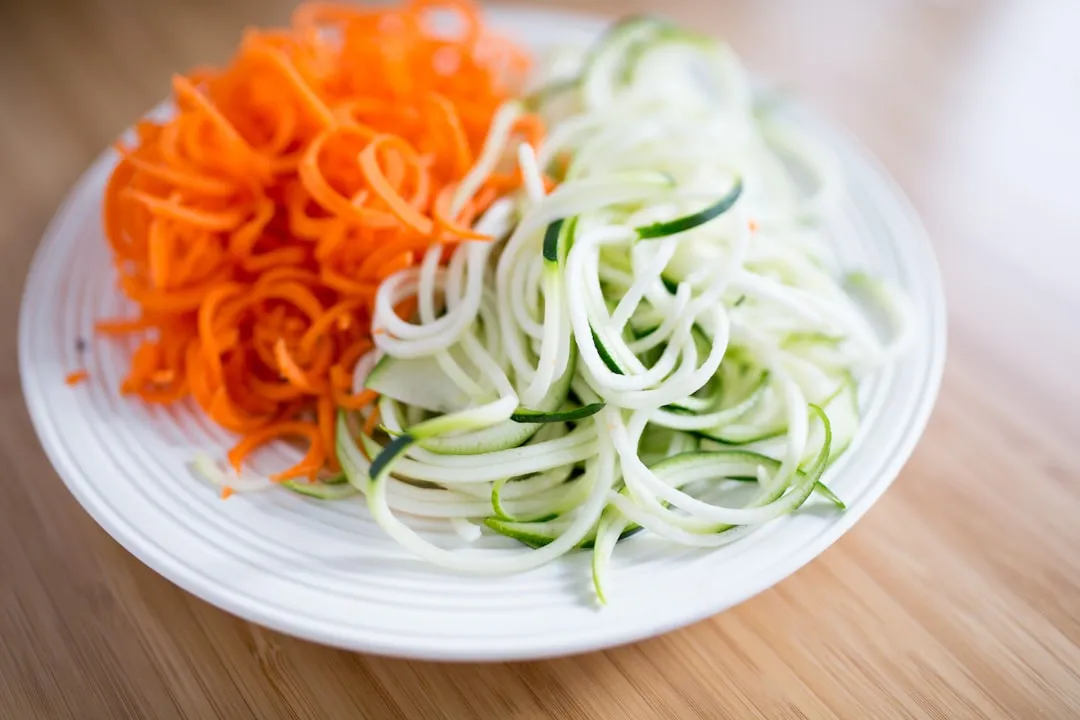
The spiralizer had its heyday in the 2010s with the rise of keto and low-carb diets. It had one stated overarching purpose: to turn any vegetable or hard fruit into long, noodle-like strands or ribbons, promising to replace starchy pasta with healthy, fresh, spiralized veggie noodles.
The most common vegetable spiralizers were made out of plastic, which easily stained from the juices of bright vegetables like beets and sweet potatoes. They also proved clunky, often tearing softer zucchini in half and producing mushy noodles. On top of that, they take up plenty of room in your cupboards or drawers.
Whether you buy a special handheld spiralizer or a mechanical spiralizer attachment for your mixer, chefs believe home cooks would be better off saving their money and their kitchen space. The truth is, you don’t really need a spiralizer if you have a shredder, a julienne peeler, a mandoline, or even a box grater.
3. The Panini Press: Space Wasted, Results Matched by a Pan
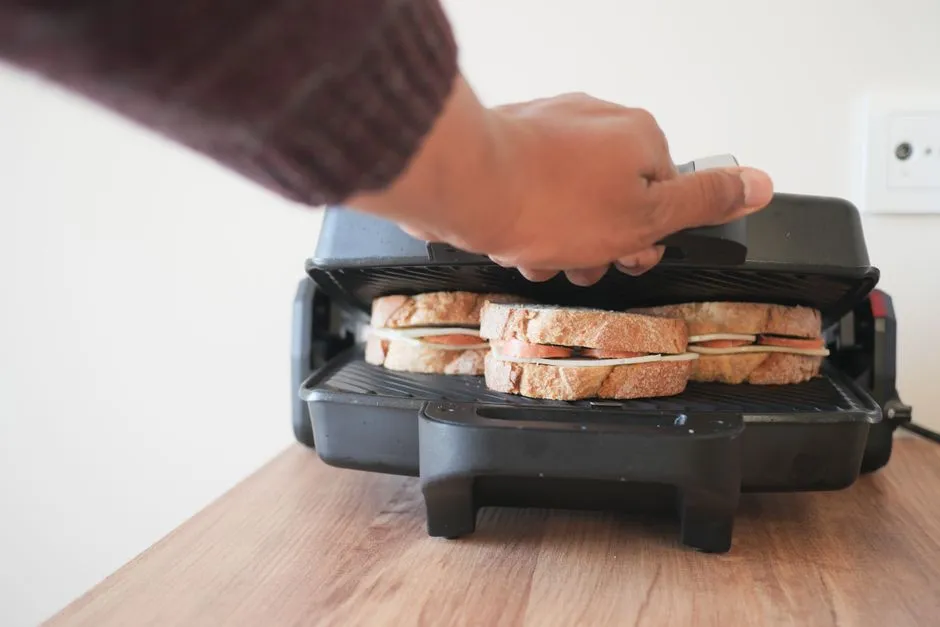
Professional chefs generally frown upon any item that is only designed to complete one culinary task, as it contributes to clutter and can often be replaced by items you already have. The panini press falls squarely into this category, and chef Glenn Rolnick of Carmine’s and Virgil’s Real BBQ in New York City calls it “not a necessary piece of equipment.”
Rolnick’s preferred alternative is a non-stick griddle pan paired with a small, inexpensive weighted grill press. That combination handles sandwiches, melts, burgers, French toast, and griddled vegetables without requiring a dedicated appliance that lives on your counter or takes up half a cabinet shelf.
With so many enticing gizmos and gadgets filling kitchen aisles, it is easy to accumulate too many specialty cooking devices that end up cluttering your cupboards. An avocado slicer or pastry-making tool that promises to make your life easier will most likely end up collecting dust or taking up valuable real estate. The panini press is one of the clearest examples of this pattern.
4. The Egg Separator: Solved by Your Own Two Hands
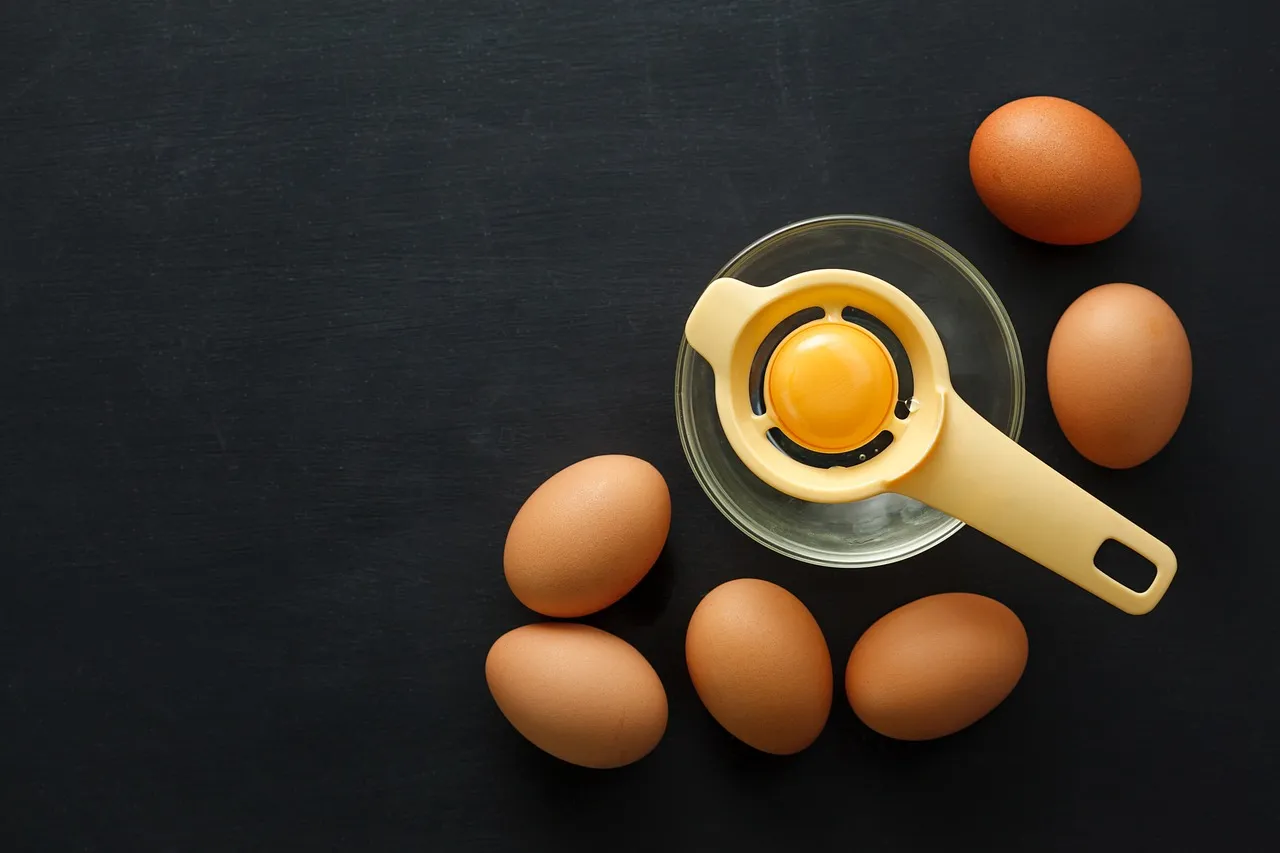
Many recipes require you to separate an egg to use the yolk or the white on its own. In lieu of buying an egg separator, professional chefs say it is easier to use your clean hands. Crack the egg and let it slide into your palm, using your fingers as a sieve to let the whites run through into a bowl and leave the yolk behind. Then simply transfer the yolk into a separate bowl.
Another option is to use the eggshell itself. Crack the egg and hold it upright as you open the shell, gently passing the yolk from one half to the other until it separates from the white. It is easy and completely free.
The egg separator is a textbook example of a gadget that sounds helpful but teaches nothing and solves almost nothing. As of 2025, the average American consumes about 276 eggs per year according to Statista, which means separating eggs is a skill worth actually learning rather than outsourcing to a single-use tool.
5. The Electric Can Opener: Countertop Clutter with Limited Upside
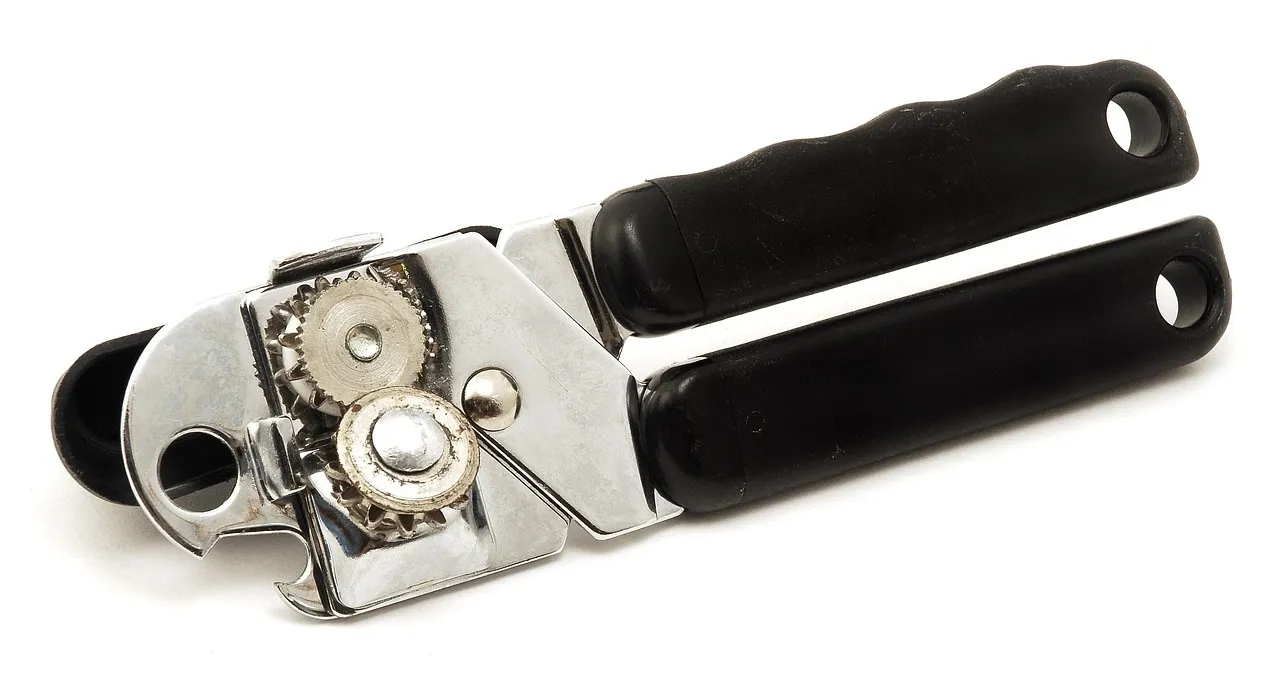
Electric can openers have become a lot more compact than they used to be, so the clunky countertop gadgets of an earlier era are no longer necessary for most people, unless dexterity is a genuine factor. For those looking to declutter their countertops, letting go of the big, upright electric can opener is an easy choice.
A manual can opener can also pull double duty by opening difficult plastic packaging with a quick turn of the handle, which is a level of versatility the electric version simply cannot match. That flexibility alone makes the manual model a smarter investment for most kitchens.
Rather than moving toward multi-use products, the kitchen tool industry tends to market a unique tool as the absolute best way to do one single kitchen task. There is also a drive to infuse tools with technological advances that are often unnecessary, making many gadgets needlessly complicated. The electric can opener is a small but very real example of that trend.
6. The Pastry Blender: Replaced by Tools You Already Own
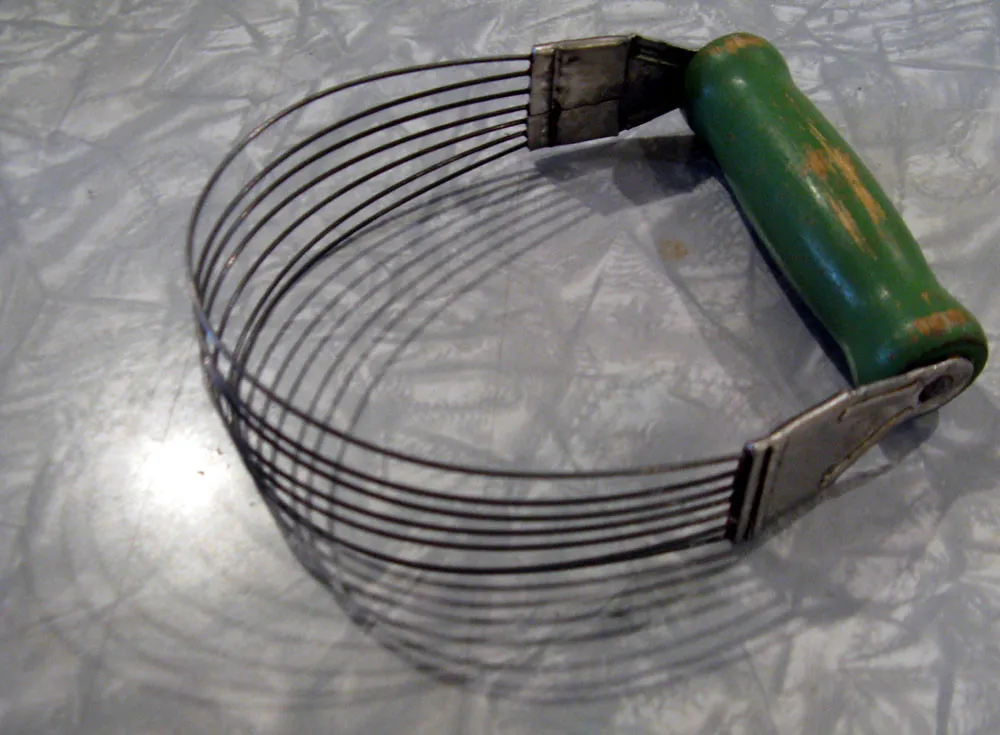
Executive pastry chef Leah Morrow of Brooklyn Bread Lab and The Williamsburg Hotel considers the pastry blender an unnecessary kitchen tool. She reaches for a KitchenAid stand mixer instead, using it to cut butter into cubes, chill them, and then combine them with flour using the paddle attachment, mixing until the butter breaks down into pea-size pieces.
If you do not own a stand mixer, your fingertips work nearly as well. Pastry chefs have been cutting butter into flour with their hands for generations, and the technique produces excellent results with zero additional equipment to store or clean.
Chef Gigi Gaggero, a culinary professional with decades of experience, expresses a broader frustration at the sheer number of unnecessary tools that retailers push. Her preference is always her chef’s knife because it handles so many tasks so well. Her guiding principle: invest in gadgets that serve a specific purpose that no other tool can perform. The pastry blender fails that test fairly easily.
7. The Bread Machine: A Pricey Shortcut That Undercuts the Craft
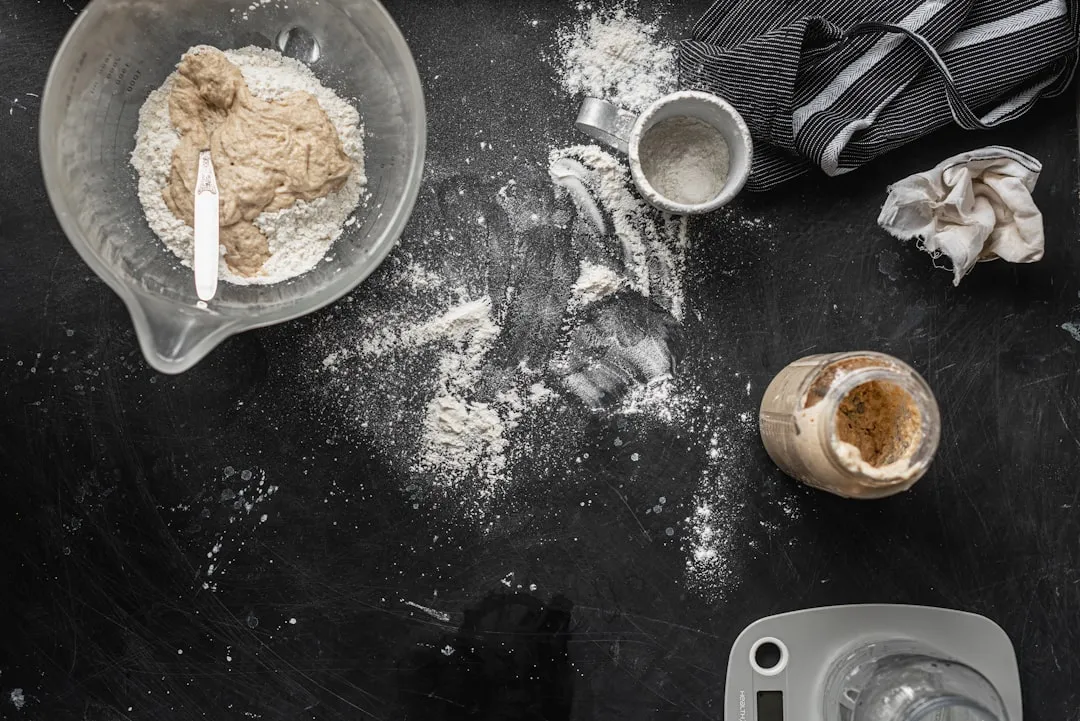
Consumer Reports, citing a study by King Arthur Flour Company, revealed that bread maker purchases jumped by roughly 800% during 2020. The bread maker appliance market was worth $627.6 million in 2024 and is expected to hit a billion-dollar valuation by 2033. That is an enormous amount of money spent on a machine that most experienced bakers consider redundant.
Even as interest in bread making has grown, spending hundreds of dollars on a dedicated machine is difficult to justify. Making a good loaf of bread using just your oven is entirely possible, and for those serious about the hobby, investing in bread pans typically priced between two and twenty dollars is a far more sensible starting point.
Bread machines are an upscale kitchen gadget ranging from $80 to $150 or more, and they simply are not worth the price or the counter space for most people. Learning to mix, knead, and shape dough by hand builds a far more transferable skill than pressing a button and walking away.
8. The Egg Cooker: Boiling Water Does the Same Job
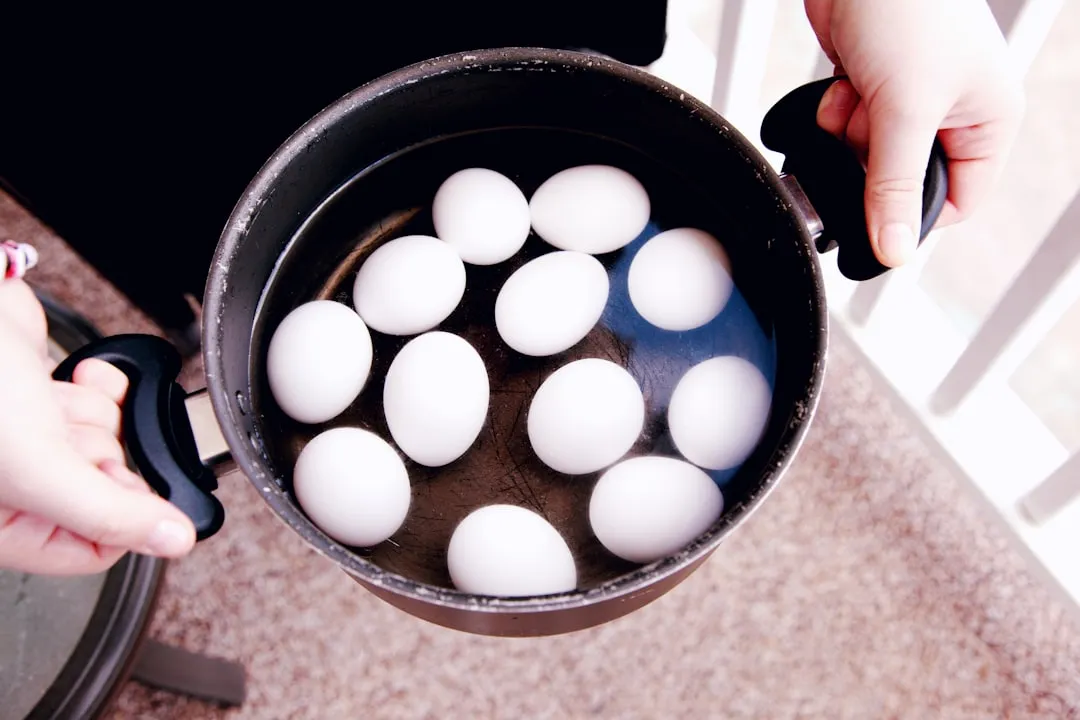
It is genuinely hard to justify buying an egg cooker if your goal is to save money and avoid wasteful spending. Egg cookers are used to prepare a single food in a specific way. While they offer a choice of how hard or soft to cook an egg, they are not capable of preparing it any differently from how you can do so yourself by boiling eggs in water.
Any pot, any stove, any kitchen can handle perfectly boiled, poached, or steamed eggs. No dedicated appliance required. The egg cooker sits in a long line of gadgets that take a task already achievable with basic equipment and wrap it in unnecessary plastic and circuitry.
Instead of multi-use products, the industry seems to market a unique tool as the absolute best way to do one single kitchen task. There is also a drive to infuse tools with technological advances that are often unnecessary, making many gadgets needlessly complicated. The egg cooker is one of the cleaner examples of that marketing logic at work.
9. The Vegetable Chopper: Basic Knife Skills Beat Plastic Every Time
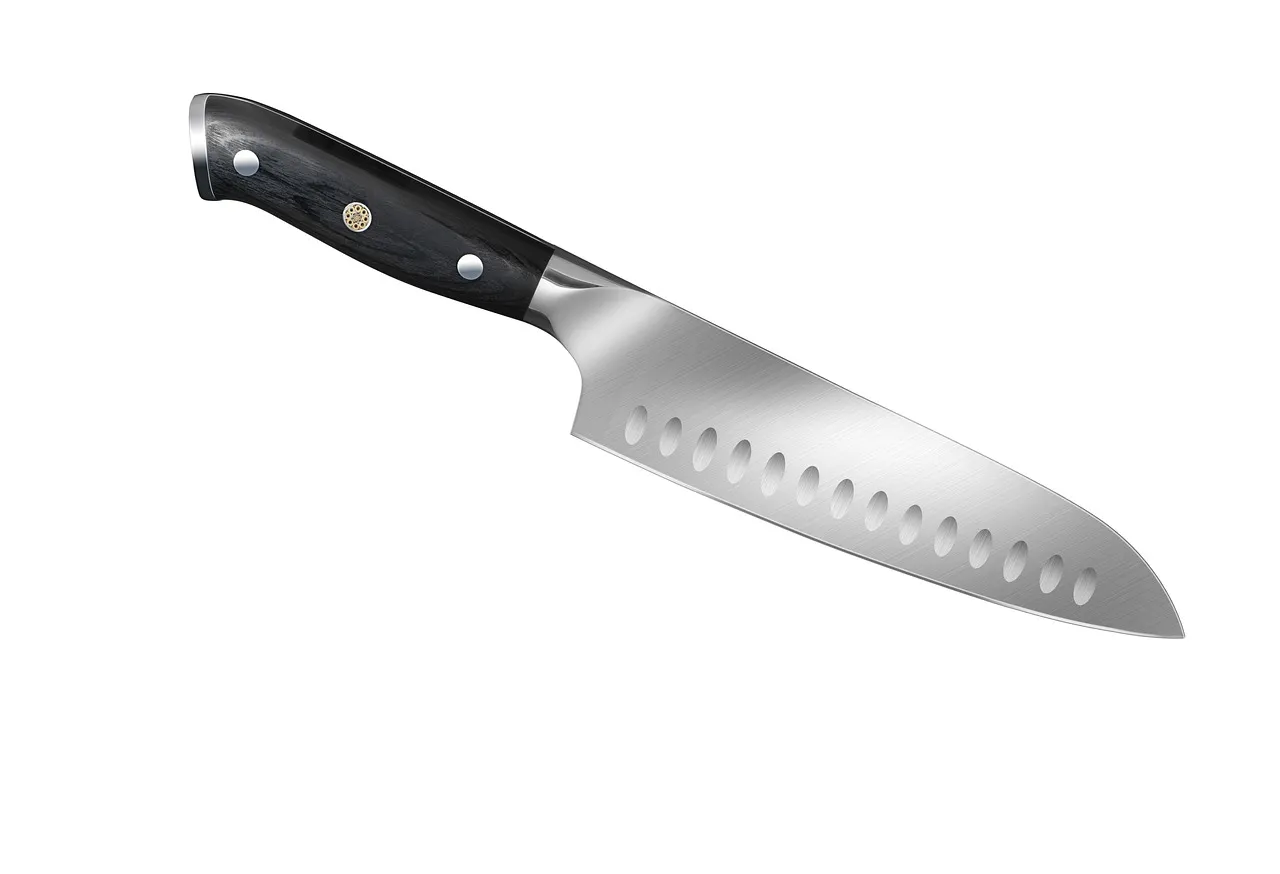
Generic vegetable choppers take up a whole lot of space in your cabinet. For those with physical limitations, they can be a lifesaver. If you are able to master some basic knife skills, though, they might just be a big use of valuable space.
These kitchen gadgets that only serve one function get in the way and are hardly ever used due to their specialization. Chopper-style gadgets usually replace what could be considered a basic knife skill, and it is better to just use a knife rather than clutter up your kitchen with more plastic junk, as executive chef Manuel Hewitt of The Barrel Room in San Francisco has pointed out.
The more useful principle is to invest in gadgets that serve a specific purpose no other tool can perform. Chef Gigi Gaggero keeps it simple with just a chef’s knife, a paring knife, a whisk, a high-heat spatula, and a bench scraper at home. She might pull out a food processor for more extensive jobs, but nothing replaces the knife.
10. The Electric Knife Sharpener: Expensive, and Not Actually Better

Just because well-sharpened knives can handle almost any job in the kitchen does not mean they warrant a fancy, electric gadget to sharpen them. Opting instead for a simple and effective manual sharpener, or sharpening your knives like a chef using a honing rod, works just as well as an electric sharpener for a lot less money and without the fuss.
While an electric knife sharpener may offer an easier and faster way to sharpen kitchen knives, the significantly higher price tag is simply not worth it. With a little practice, manual sharpeners available for a few dollars can produce edges that are just as sharp as their electric counterparts.
The U.S. kitchenware market was estimated at nearly $9 billion in 2024 and is expected to keep growing steadily through the next decade, driven in part by a growing preference for home cooking. That growth makes it all the more important to spend those dollars wisely, and an expensive electric sharpener is rarely where that money belongs.
The Takeaway: A Smaller Kit, Used Well, Wins Every Time
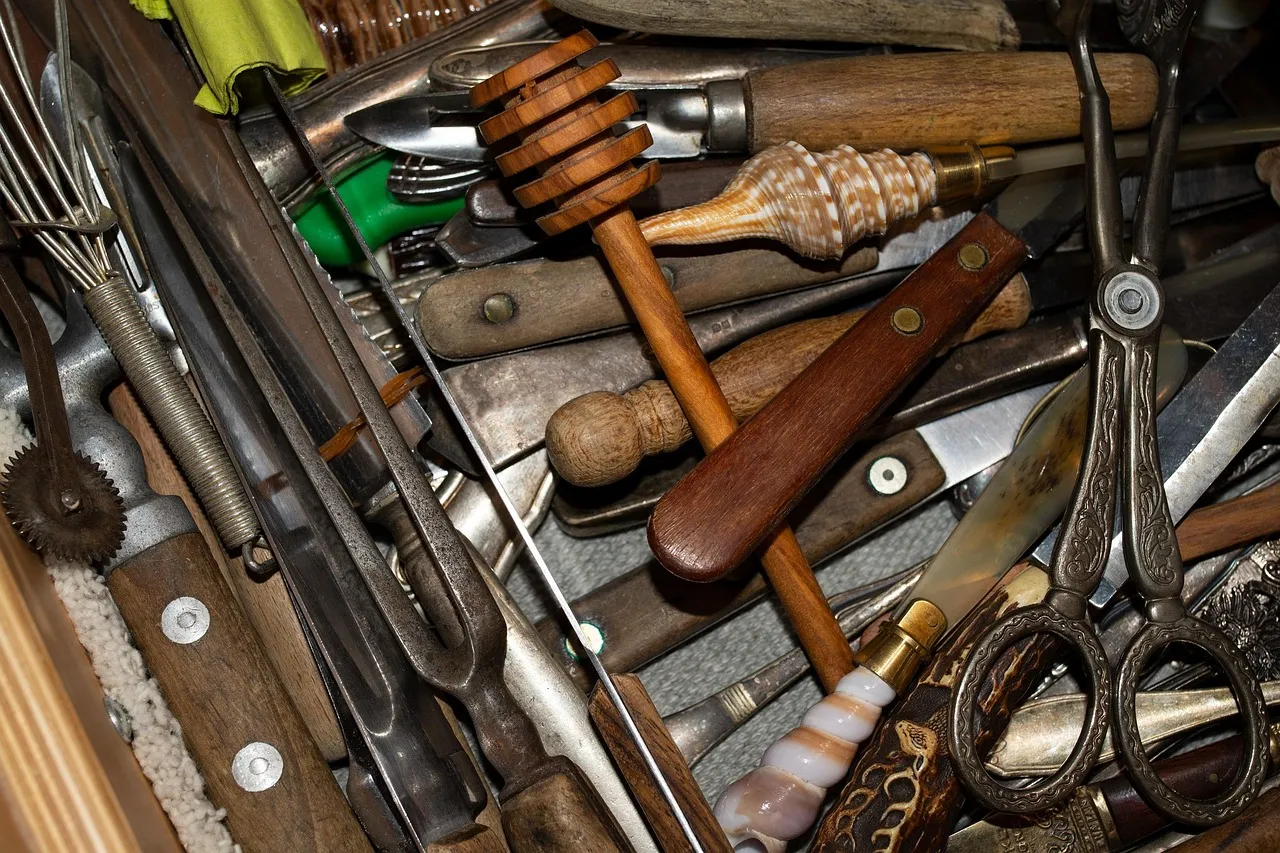
Tons of kitchen gadgets are marketed toward amateur home cooks, but that does not mean they make cooking fuss-free. A simple guideline to follow is to skip the single-function tools and make the most out of things that can be used in multiple ways.
According to the National Frozen and Refrigerated Foods Association, in 2024, nearly two thirds of Americans cook at home to save money and maintain better control over their budgets, and the vast majority prepare most of their meals at home. That is a meaningful commitment of time and effort, and it deserves a toolkit that genuinely earns its place.
The chefs who work at a high level every day tend to own fewer tools, not more. They know exactly what each piece does and they reach for it with confidence. That kind of clarity in the kitchen is hard to buy, but it starts with being honest about what you actually use versus what just takes up room. Clearing out the drawer might be the best kitchen upgrade you make all year.
AI Disclaimer: This article was created with the assistance of AI tools and reviewed by a human editor.