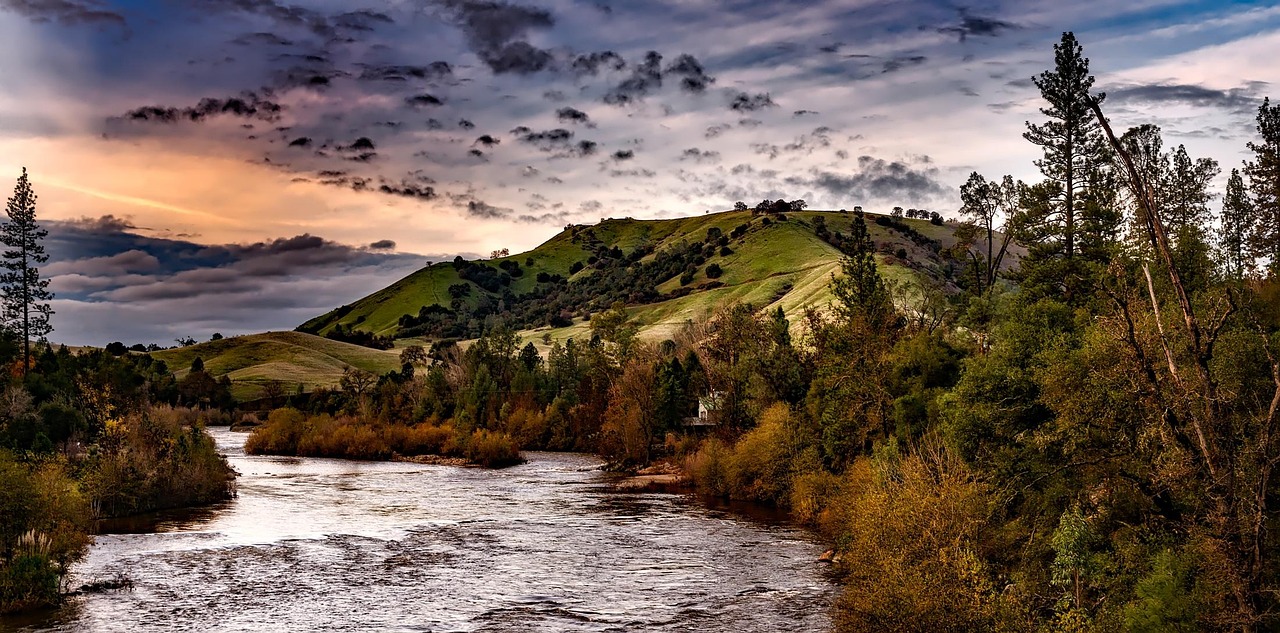

There’s something quietly powerful about walking through a yard that actually smells like something. Not the faint green smell of cut grass, but real, layered fragrance that slows your pace and makes you stop for a moment. Northern California, with its range of microclimates and generous growing conditions, is one of the best places in the country to build that kind of sensory landscape.
The San Francisco Bay Area, including cities like Oakland, Berkeley, Napa, Sonoma, Santa Rosa, and Santa Cruz, generally sits in USDA zones 9a through 10b, offering Mediterranean seasons with marine influence and many near-frost-free pockets. That range opens the door to an exceptional roster of aromatic trees. These are ten worth planting.
1. Incense Cedar (Calocedrus decurrens): The Mountain Brought Home
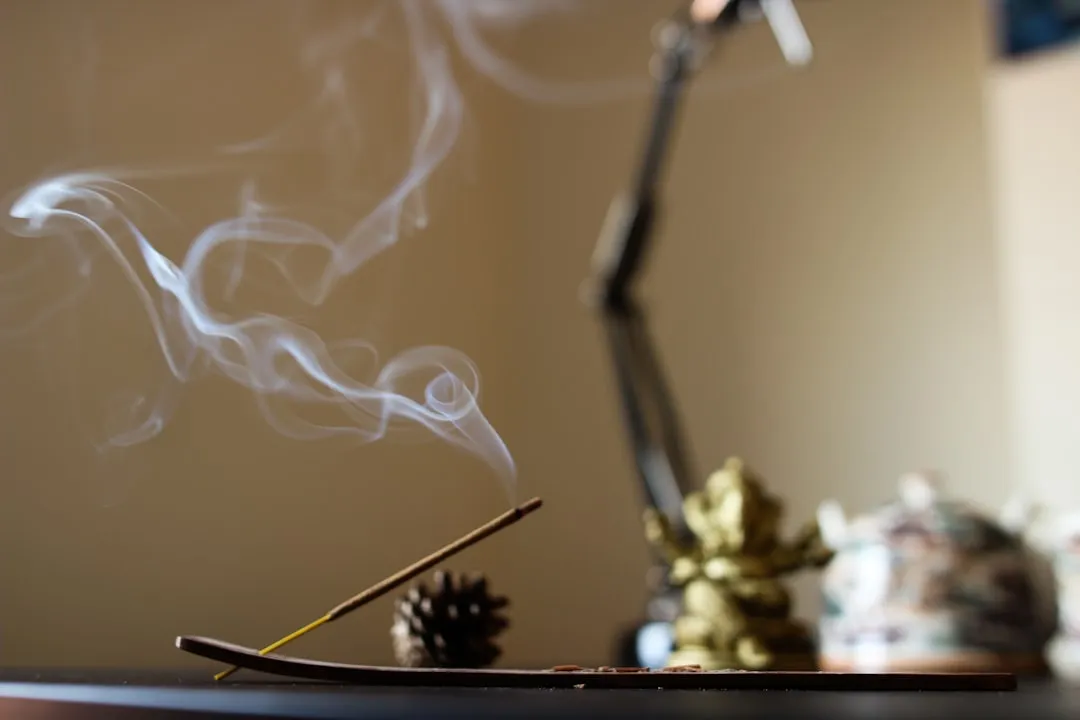
The California incense cedar is a tall and relatively drought-resistant evergreen, and its red bark and foliage carries an iconic, fresh, mountain-like scent that earned the tree its name. It’s the kind of smell that transports you instantly to a Sierra Nevada trail, even when you’re standing in your backyard in Sacramento.
This tree is smog tolerant, drought tolerant, heat tolerant, adaptable to a wide range of soils including poor soil, deer resistant, and virtually pest-free. You may already be familiar with the smell of the incense cedar because its reddish fragrant wood was used in the manufacturing of pencils for decades. On a warm day, the air around an incense cedar is filled with its spicy, pleasant scent.
This tree can grow slowly at first but increases its growth rate once established, maturing at heights from 70 to 90 feet while keeping a narrow form. Plan your placement accordingly, and give it room to become the landmark tree it naturally wants to be.
2. California Bay Laurel (Umbellularia californica): Fragrance You Can Cook With
California bay laurel grows from Baja California to southwestern Oregon, occurring near the coast through the coast ranges to the Klamath Range and in the interior along the length of the Sierra Nevada. It’s genuinely native to the region, which means it already knows how to thrive here.
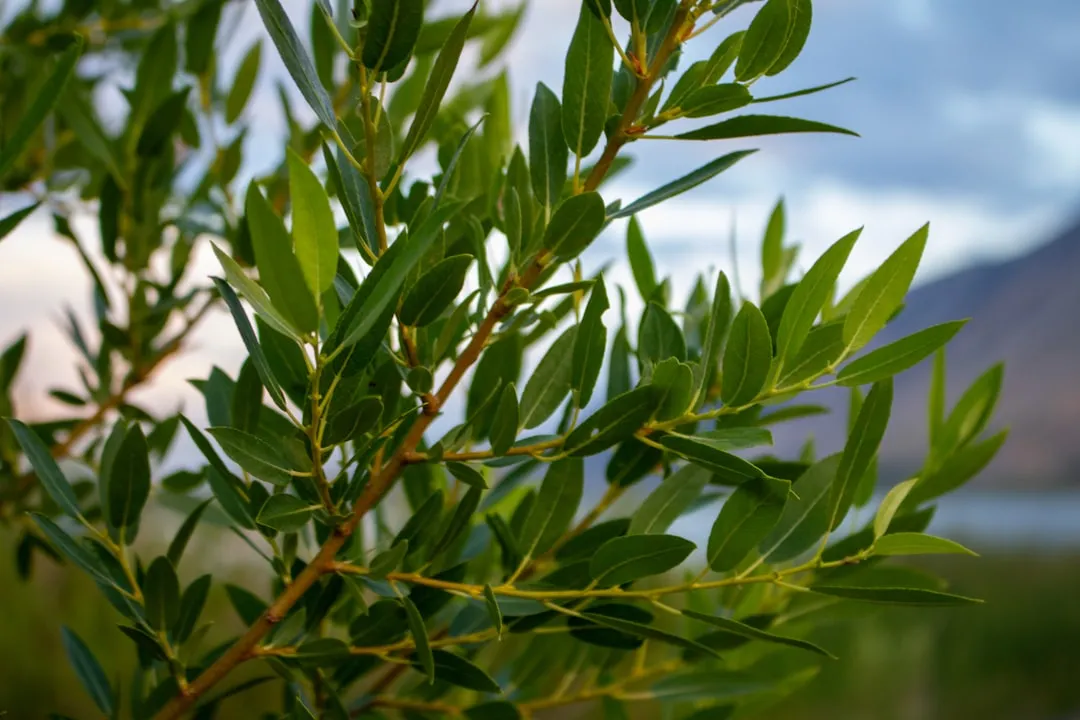
Bay laurels are aromatic evergreens that can grow into large shrubs or small trees. Unlike most fragrant trees, bay laurels get their aroma from their foliage rather than their blooms, giving them fragrance year-round. Even better, the leaves can be used in cooking, making them a functional addition to the garden.
Rub your fingers along the distinct flat leaves and you’ll recognize them as the same bay leaves used in cooking. These trees grow well in the Bay Area and are drought-tolerant, offering golden blooms that become seed pods. The sweet bay is considered a very low-maintenance choice.
3. Southern Magnolia (Magnolia grandiflora): Drama, Scent, and Staying Power
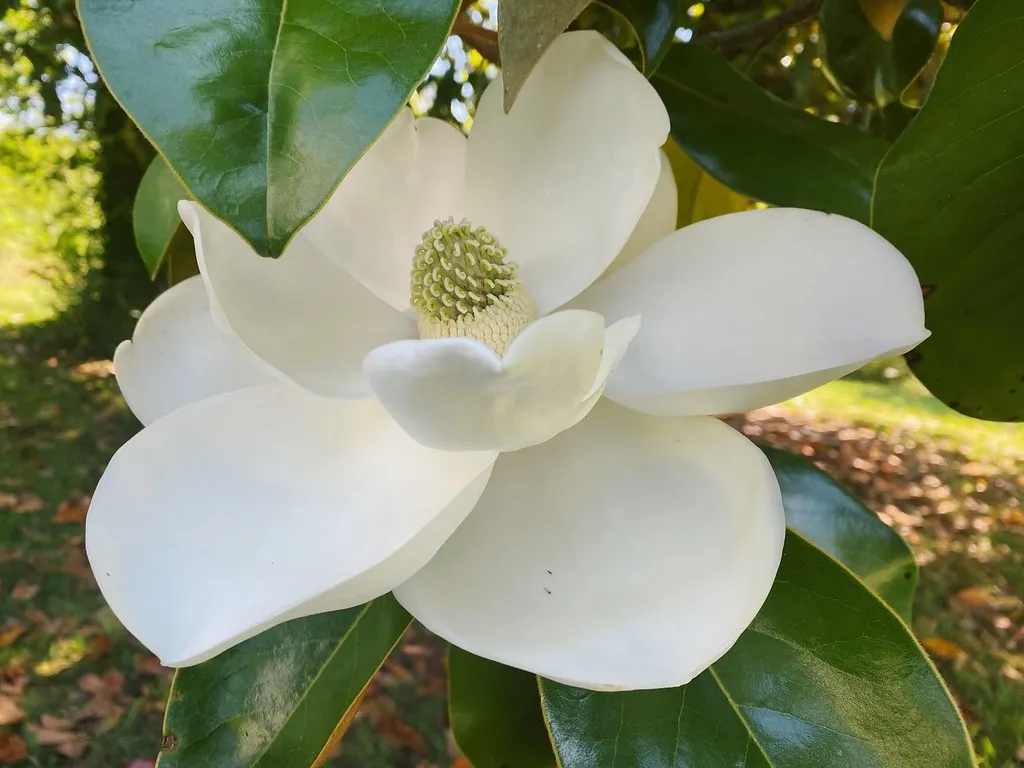
Many broad-leaved evergreen magnolia trees are perfect for hot growing zones, including the Southern Magnolia, which is well-suited for USDA growing zones 9 and up. Long-lived, sweet citrusy-scented, and full of year-round foliage, these southern beauties are a delight to behold.
A classic choice for larger landscapes, the Southern Magnolia has massive, fragrant white flowers and evergreen foliage. While not the most drought-tolerant, it adapts well once its roots are established. California’s coastal areas provide the right balance of warmth and moisture for magnolias to thrive.
Some magnolias are grown primarily for their large showy flowers, usually in shrub or small tree form, while others grow into large shade trees or are used as evergreen hedges. Each variety is very easy to care for, resistant to many diseases and pests, and beloved by migrating birds. For a smaller yard, compact cultivars are readily available from most California nurseries.
4. Citrus Trees (Citrus spp.): Blossom Perfume That Rivals Anything
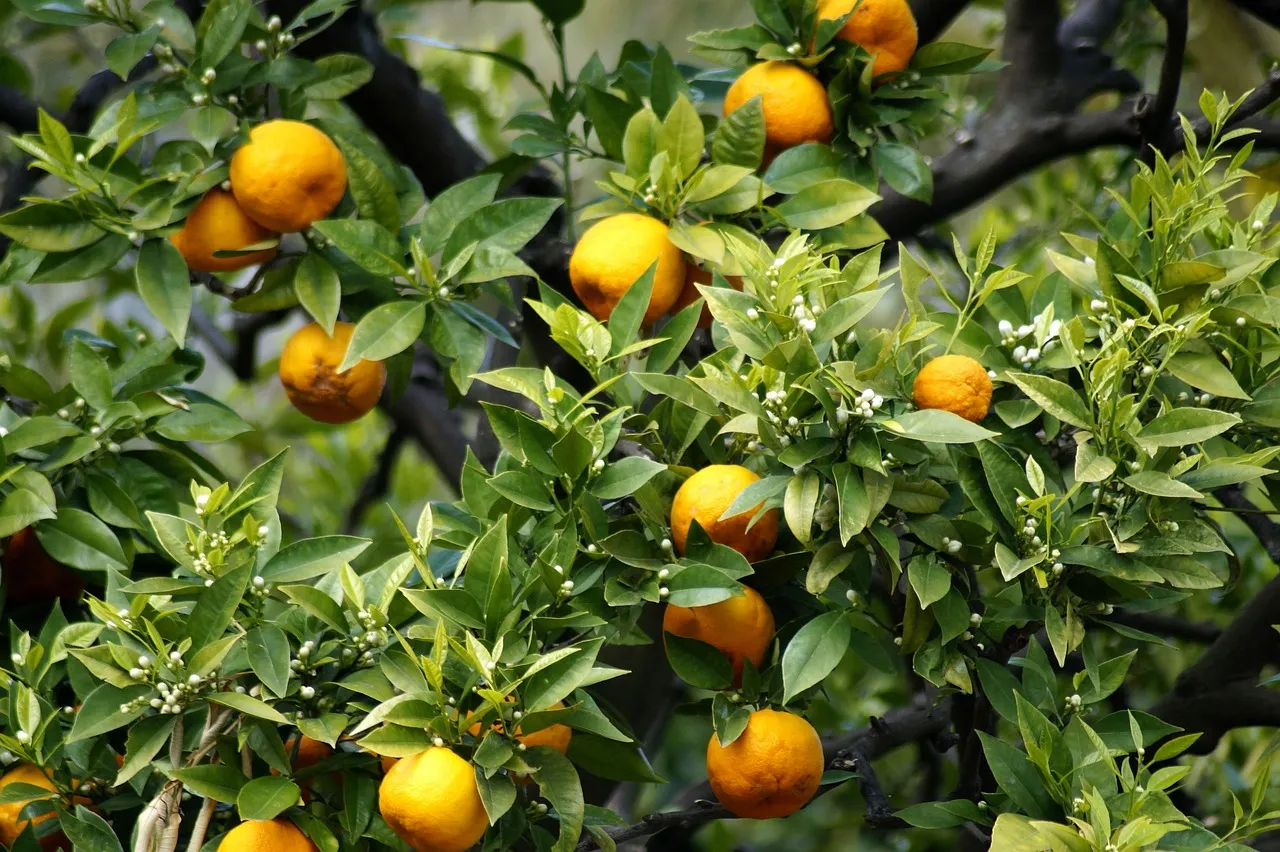
With glossy evergreen leaves, fragrant spring flowers, and bountiful yields of delicious, vitamin-rich fruit, a citrus tree can be a high-value, highly attractive addition to the Northern California gardener’s edible landscape. Few things in the plant world rival the scent of citrus blossoms drifting through a warm spring evening.
There is a citrus tree variety for every NorCal microclimate or garden size, and some can even be grown indoors. Meyer lemons, Nagami kumquats, and Washington navel oranges are among the shining stars for this region. Each brings its own flowering season and its own personality to the scent profile of your yard.
High-yielding and very attractive, Bearss seedless lime offers deep green foliage that contrasts beautifully with a springtime show of fragrant white flowers and a subsequent fall and winter crop of tangy limes. Planted near a patio or seating area, the effect is remarkable.
5. Jeffrey Pine (Pinus jeffreyi): A Vanilla-Scented Surprise
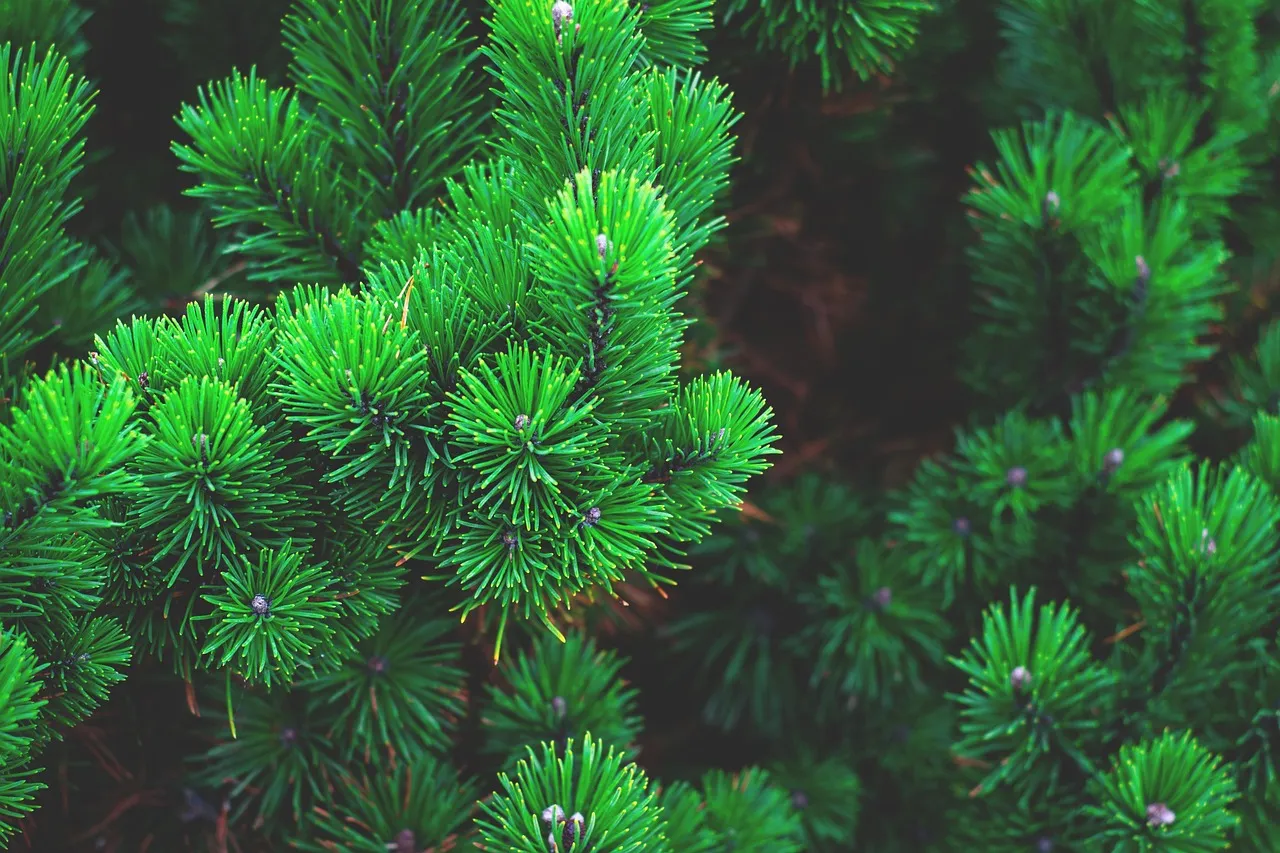
The Jeffrey Pine would be perfect in a mountain garden, offering a sweet incense and lavender fragrance sometimes compared to vanilla cookies. It’s one of those trees that people often smell before they realize what’s producing the scent, because the fragrance carries on the breeze in a way that feels almost inexplicable.
When you are in the vicinity of the Jeffrey Pine, you can smell the wonderfully sweet, incense-type fragrance. It doesn’t have the fragrance right up close, but at a slight distance the scent becomes unmistakable. This makes it especially effective planted at the edge of a yard or along a garden boundary.
The Jeffrey Pine does best at higher elevations and in mountain-adjacent communities in Northern California. It’s a better fit for larger properties in the foothills than for compact urban gardens, but for those with the right conditions and space, the payoff is genuinely special.
6. California Buckeye (Aesculus californica): A Native with Fragrant Flair
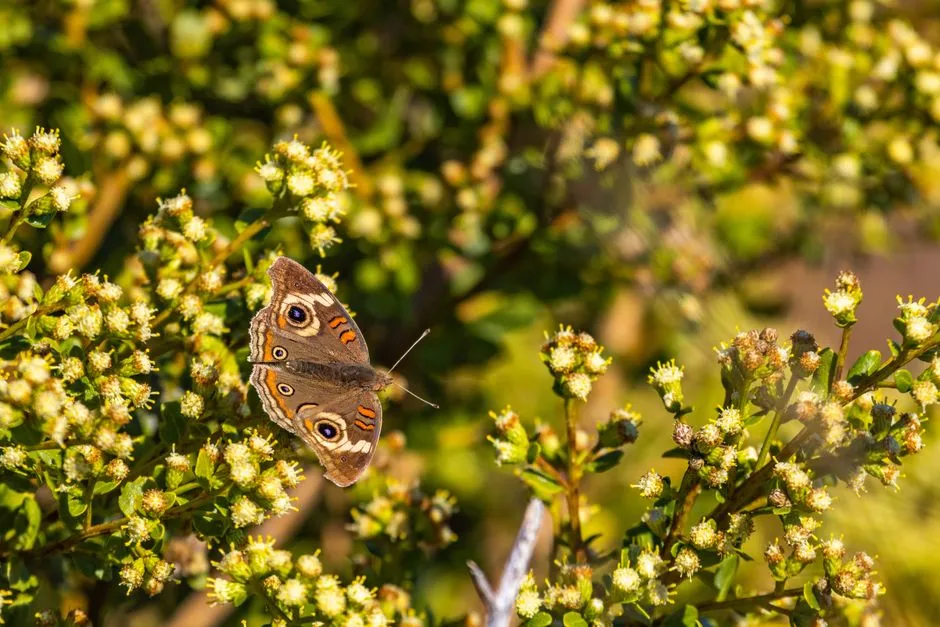
The flowering spikes of the California buckeye are beautiful and fragrant, and a magnet for butterflies and native bees. Found on north-facing slopes and near streams, this small tree is summer deciduous. Its habit of dropping its leaves in summer can surprise gardeners expecting an evergreen, but that seasonal shift is part of its charm.
The flowering spikes are beautiful and fragrant, drawing pollinators in numbers, and the tree itself is summer deciduous. The fruit matures by late fall and holds ornamental value. That combination of show-stopping spring bloom and textural winter form makes it one of the most visually interesting native choices available.
The California Buckeye grows well throughout the Bay Area, the coastal ranges, and the Sacramento Valley foothills. It’s a tree deeply tied to the Northern California landscape, and planting one feels like an act of regional belonging as much as garden design.
7. Tea Olive (Osmanthus fragrans): Small Blooms, Enormous Presence
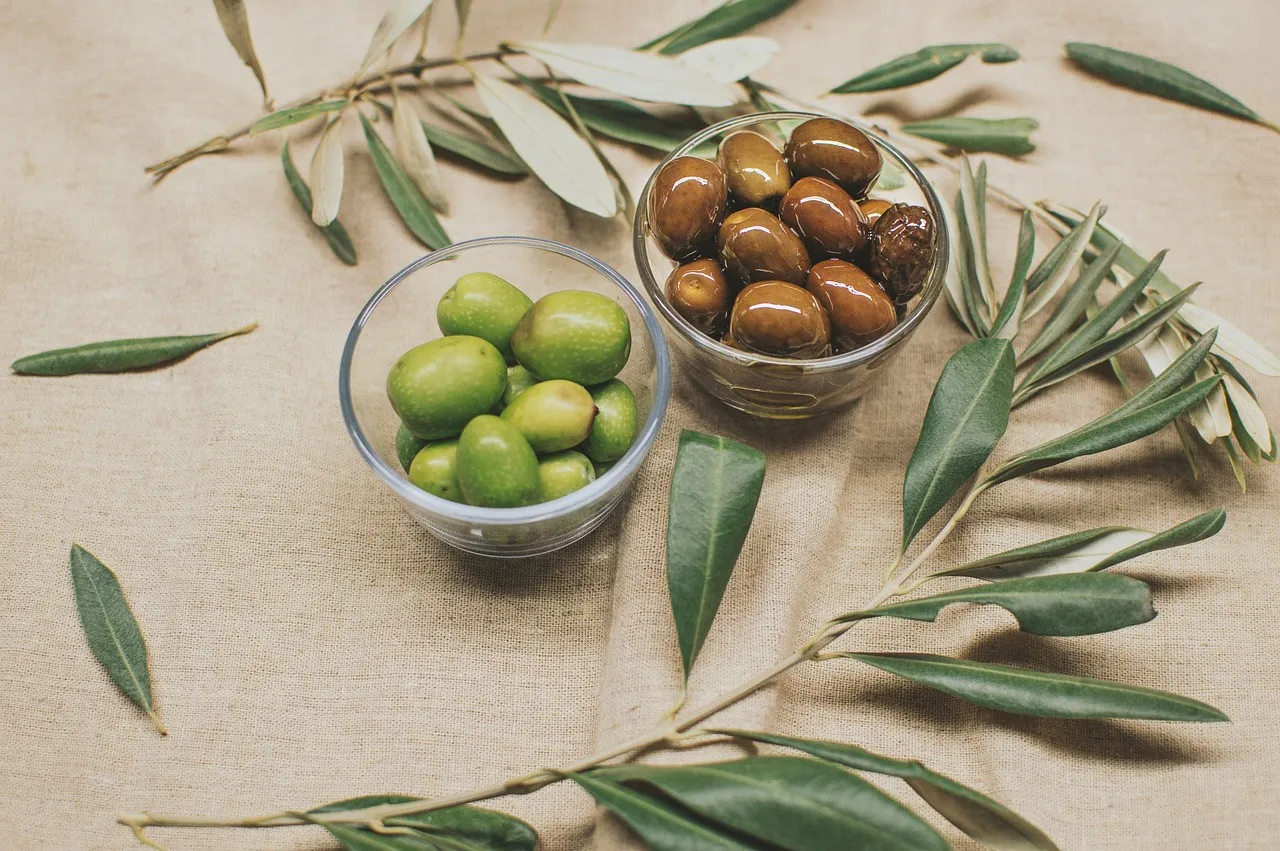
Fragrant tea olive plants are evergreens that grow into large shrubs or small trees with extremely fragrant small white blooms reminiscent of the scent of jasmine, ripe apricots, or peaches. The scent is famously disproportionate to the tiny flower clusters that produce it, which makes the first encounter always a little surprising.
Unlike flowering cherry trees, these scented shrubs make their first show of blooms when temperatures are a bit cooler. They have a long bloom period extending from fall, periodically throughout winter, and into spring, giving your garden fragrance nearly year-round. For Northern California gardeners who feel the absence of scent most acutely in the cool months, this is an especially welcome quality.
Tea olive is well-suited to the Bay Area and the warmer pockets of the Central Valley. It can be trained as a small tree or left to grow as a large screening shrub, and it holds its evergreen structure tidily without demanding much in the way of maintenance or water once established.
8. Pink Jasmine (Jasminum polyanthum): Classic Scent, Well-Behaved Growth
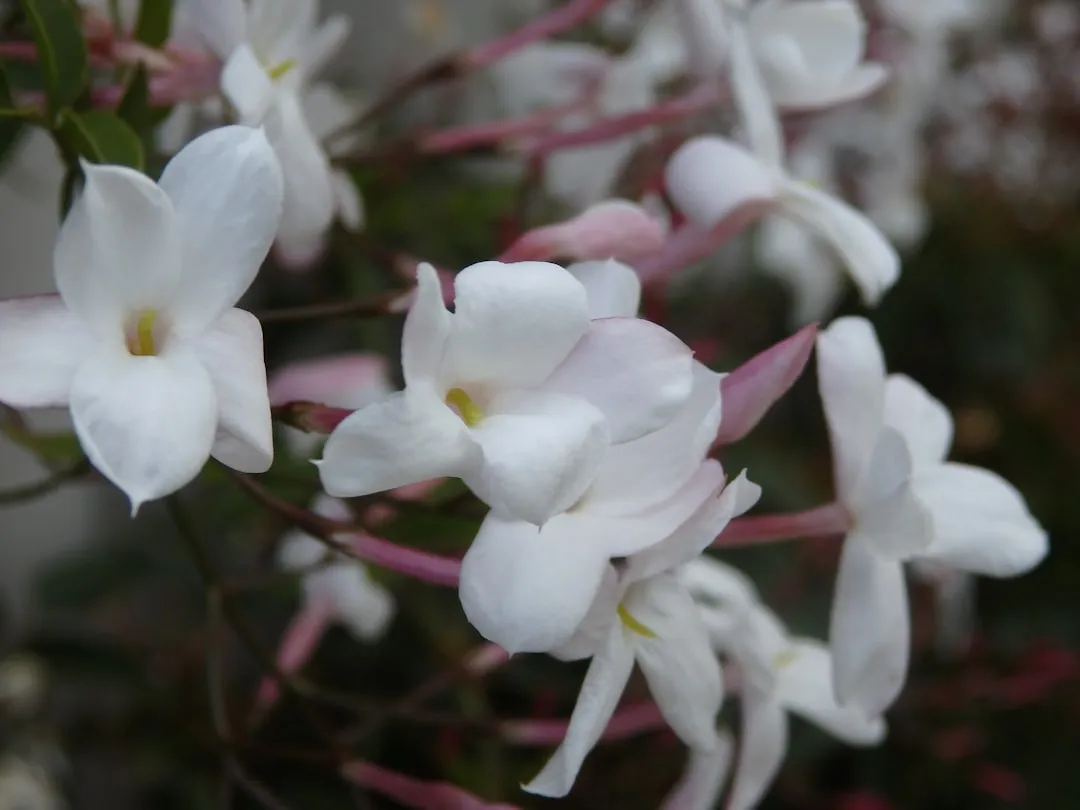
Pink jasmine is known for its well-behaved growth habit, typically reaching 10 to 15 feet high and wide. It has dark rosy-pink flower buds that open to sparkling white, inch-long, deliciously fragrant blooms in early spring. The contrast between those deep buds and the bright white open flowers is striking, and the fragrance is everything the name implies.
Despite its almost delicate appearance, this vigorous evergreen vine is easy to care for and fast-growing, quickly covering an obelisk, arbor, trellis, or fence. It’s a hummingbird favorite, not fussy about soil, and grows well in full sun to partial shade with minimal water needs once established.
Jasmine polyanthum thrives in USDA zones 8 through 11, which covers most of NorCal’s populated growing regions. It performs best when given something to climb, and positioned near a window or entry path, the spring fragrance becomes a genuine daily pleasure rather than something you notice only when you go looking for it.
9. California Lilac (Ceanothus spp.): Honey-Scented and Wildly Useful
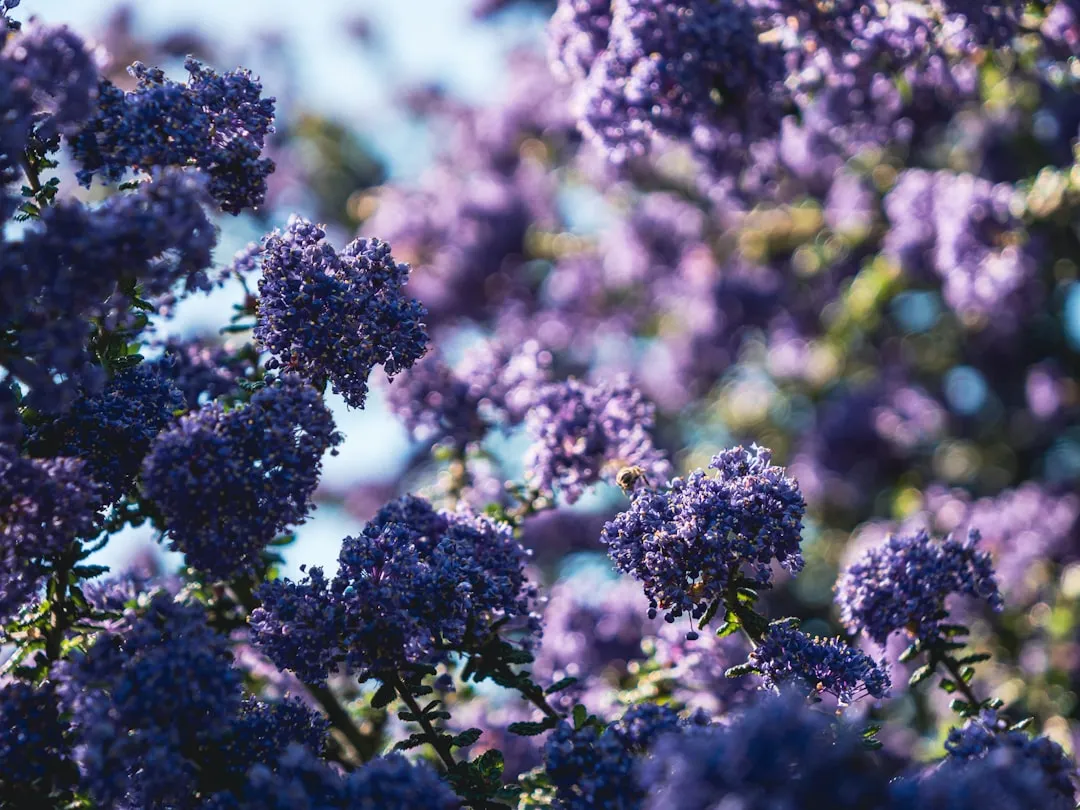
California lilac comes in a variety of forms, from groundcovers to shrubs to small trees, with flowers in the blue-violet spectrum. The flowers are mildly fragrant and a magnet for butterflies and bees. The tree forms of Ceanothus are often overlooked in favor of the more commonly sold shrub types, but they can be genuinely striking in a yard setting.
Many of the California lilacs have very fragrant foliage and flowers, with some varieties releasing their honey-like scent most strongly on warm afternoons. The bloom period typically runs from late winter through spring, bridging a gap when many other fragrant trees haven’t yet woken up.
Ceanothus is drought-tolerant once established and grows naturally across much of Northern California’s chaparral and foothill communities. It’s among the most ecologically valuable choices on this list, supporting native insect populations and requiring very little supplemental water after the first couple of seasons in the ground.
10. ‘Angel White’ Lilac (Syringa vulgaris ‘Angel White’): Fragrant Success in Warmer Winters
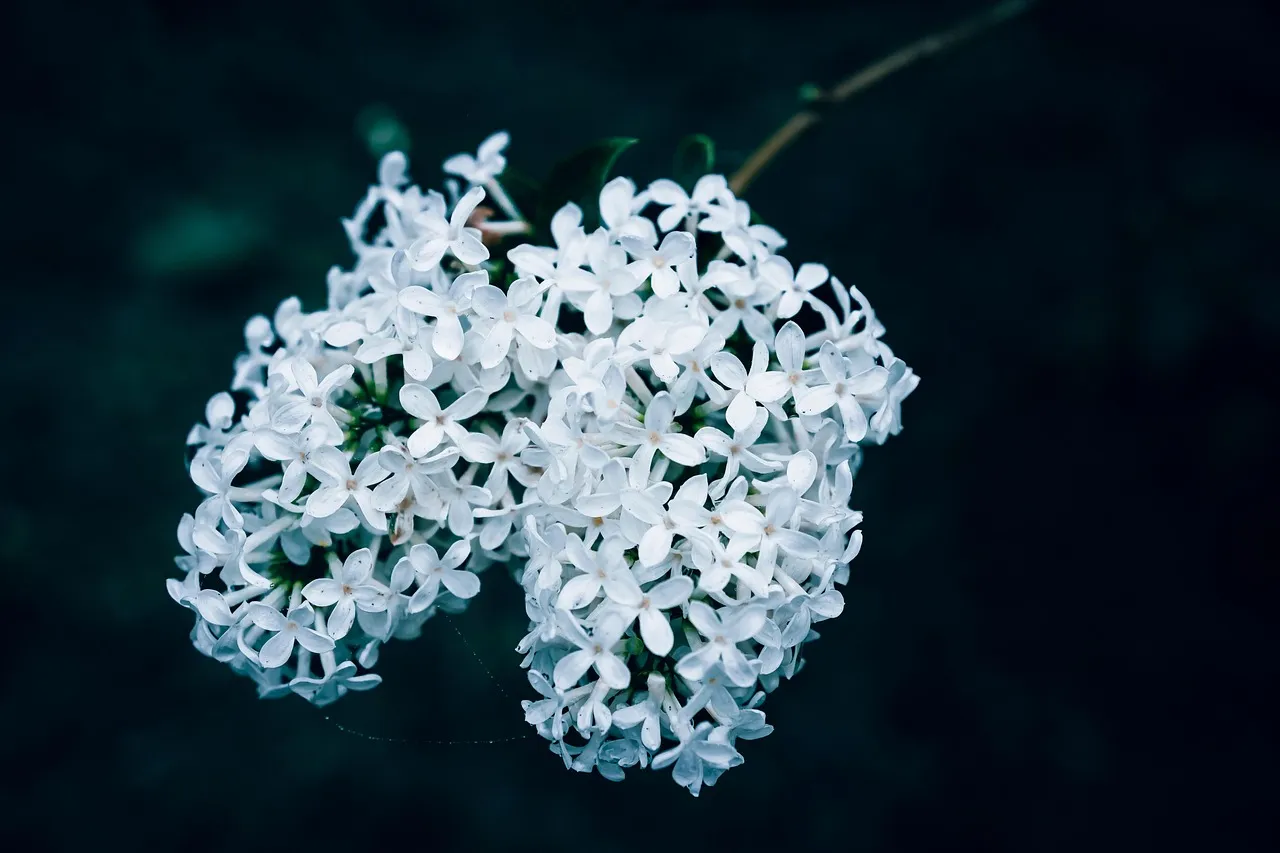
This charming lilac is one of the best lilacs for warm winter areas, requiring minimal winter chill yet still producing a spectacular late-spring display of huge, elongated clusters of fragrant, pure white blooms. Reaching 12 feet tall and 10 feet wide, its open-branched, upright form lends itself to training into a small accent tree.
For best results, plant it in full sun or partial shade in rich, well-drained soil. Water regularly and prune directly after flowering if shaping is needed. The sweet, classic lilac perfume is the kind most people associate with old farmhouse gardens, and having it perform reliably in Northern California’s milder winters is genuinely useful.
Most traditional lilac varieties struggle in NorCal because they need prolonged cold to set blooms. ‘Angel White’ was selected specifically for warm-winter performance, making it a practical and rewarding choice for Bay Area and Central Valley gardeners who want that iconic fragrance without the mountain chill.
Choosing What’s Right for Your Yard
On the 2023 USDA Plant Hardiness Zone Map, California stretches roughly from zone 5a to zone 11a. Colder zones hug the high Sierra Nevada and Cascade ranges, while the warmest zones wrap around the Southern California coast and low deserts. Most home gardens fall between zones 8a and 10a. Knowing your specific zone before purchasing any tree saves a lot of guesswork and disappointment.
Fragrant trees thrive when matched to the right site and growing zone. Most flowering trees bloom best in full sun, though some tolerate light shade. Plant in well-drained soil enriched with organic matter. Placement near a patio, walkway, or bedroom window multiplies the benefit considerably, since scent carries best in still evening air and warm afternoon breezes.
Scents can provoke powerful memories, and fragrant plants let you experience your garden on an entirely different level, perhaps making new memories to be shared and cherished. That’s a quiet but real reason to take the selection seriously. The tree you plant this season may be the one your family walks past for decades to come.
AI Disclaimer: This article was created with the assistance of AI tools and reviewed by a human editor.