
Most gardeners treat it like public enemy number one. They get on their knees, reach for the weeding fork, and try everything they can to clear their lawn of its sunny yellow flowers. The plant they’re hunting is the dandelion, and it turns out they’ve been wrong about it for generations.
Most gardeners see dandelions (Taraxacum officinale) as an enemy. In 2025, however, this bright yellow plant is being reconsidered – not as a weed, but as a valuable ecological partner that helps restore soil and support pollinators. The science behind that shift is more compelling than you might expect.
A Weed by Name Only
The common dandelion (Taraxacum officinale) is a perennial plant native to Europe and Asia, now widespread across the world. Dandelions were originally brought to the United States in the 1600s as an edible and medicinal plant. That’s a long way from “unwanted weed.”
Though they’re non-native to North America, dandelions are not considered invasive by federal agencies. The distinction matters, because invasive species, which are non-native plants that aggressively outcompete native vegetation, can have devastating effects on ecosystems, disrupting food chains, reducing biodiversity, and even altering entire habitats. Dandelions simply don’t fall into that category.
The Underground Worker: What That Taproot Actually Does
Dandelion is characterized by its deep taproot, which can penetrate compacted clay soils, typically reaching depths of 15 to 45 cm (6 to 18 inches), though it can extend deeper under optimal conditions. The deep rooting system of dandelions is highly effective at breaking up hard soil layers, enhancing soil aeration and improving water infiltration. This ability to access deeper soil layers allows dandelion roots to bring nutrients, such as calcium, from the subsoil to the surface, where they become available to surrounding plants.
Their wide-spreading roots loosen hard-packed soil, aerate the earth and help reduce erosion. The deep taproot pulls nutrients such as calcium from deep in the soil and makes them available to other plants. While most think they’re a lawn killer, dandelions actually fertilize the grass.
A Soil Health Indicator You Didn’t Know You Had
Dandelions can indicate compaction and low calcium in soils. Rather than creating a problem, they often signal one already in progress. When dandelions show up, it’s often less about the plant itself and more about what’s happening in the soil and the lawn overall. They’re not creating the problem. They’re pointing to it.
If you find a lot of dandelions in your lawn, this is likely a sign of decreased fertility and/or low pH. Knowing that makes the dandelion a surprisingly useful diagnostic tool. Fertilizing and liming according to the recommendations of a soil report will have longer-lasting effects, and will be the least harmful to pollinators, instead of using herbicides.
Early Pollinators Depend on Them More Than We Realized

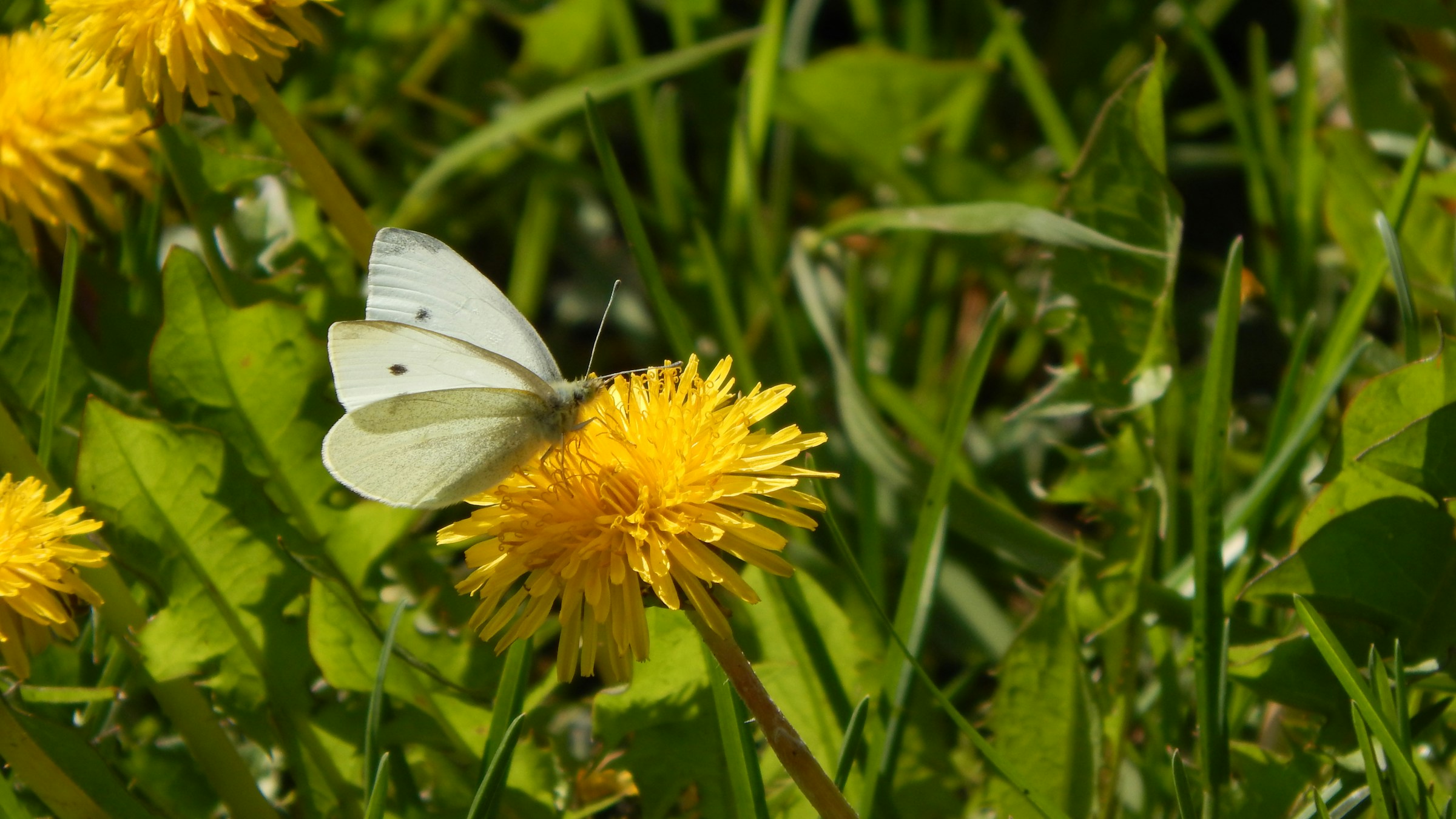
Dandelions bloom early in the season, offering nectar to bees and butterflies when little else is flowering. Their presence supports pollinator populations that are vital for fruit and vegetable production. Ecologically, dandelions are becoming very important as a food source for domestic and wild species of bees, particularly in early spring because they grow so soon. Butterflies and moths also feed on them as a source of sugar, and some species of birds feed on dandelion seeds.
The quality of dandelion nectar and pollen for pollinators is argued; however, their early spring bloom and adaptability to harsh conditions can provide nectar and pollen sources to pollinators when other sources are unavailable. That seasonal timing, more than anything else, is what makes them worth keeping around.
They Support Far More Wildlife Than Just Bees
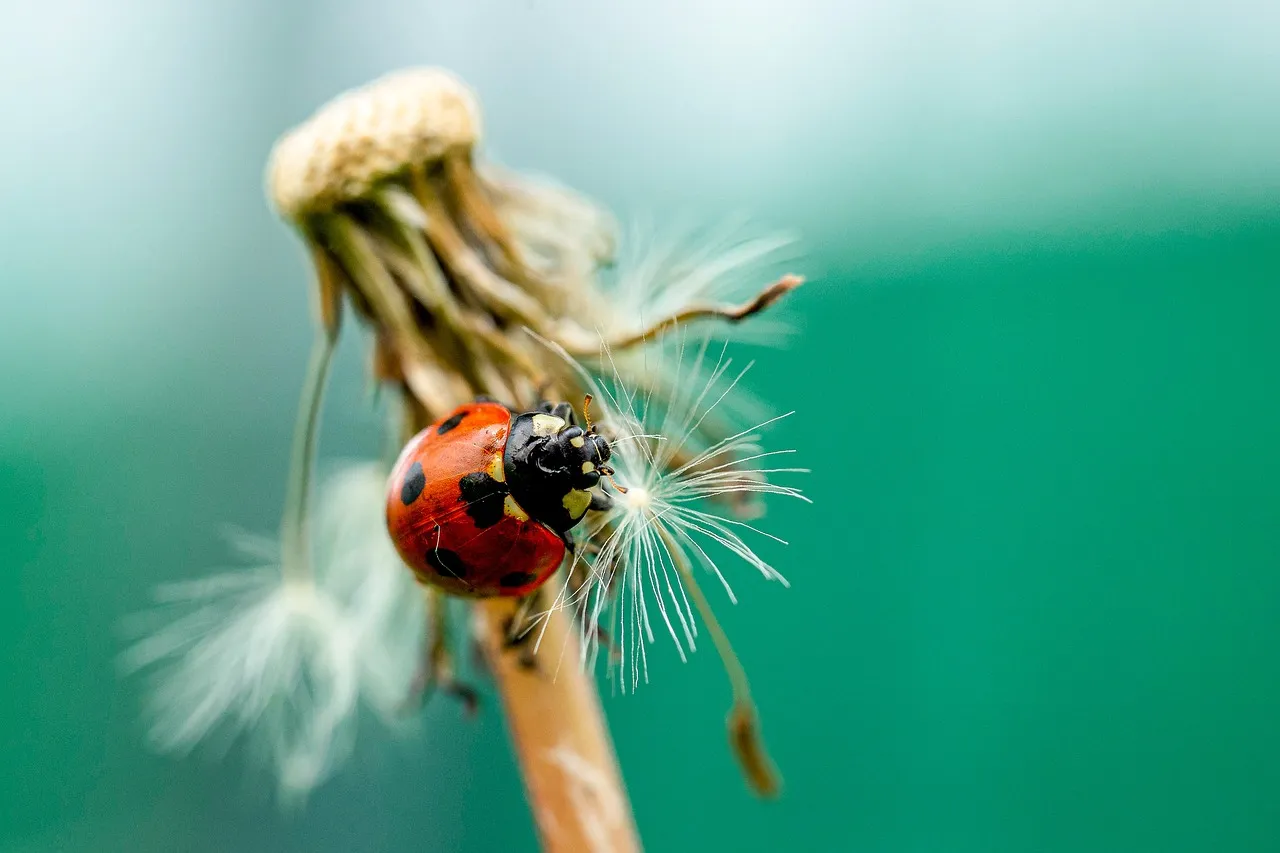
The presence of dandelions attracts and supports several key species in the local ecosystem, including native bees, butterflies, moths, and birds, which in turn pollinate fruits, vegetables, herbs, and other flowers. Hummingbirds use dandelion down to line their tiny nests, and beneficial insects and lizards seek shelter under the low-growing leaves.
They do so just by growing: the roots hold the soil together to help prevent wind and water erosion. Since the plants grow so quickly, they spread widely to cover bare soil and act as a natural mulch or ground cover by providing shade and conserving moisture. Many animals, including rabbits, guinea pigs, and livestock, eat dandelions as well.
Every Part Is Edible, and Nutritionally Serious
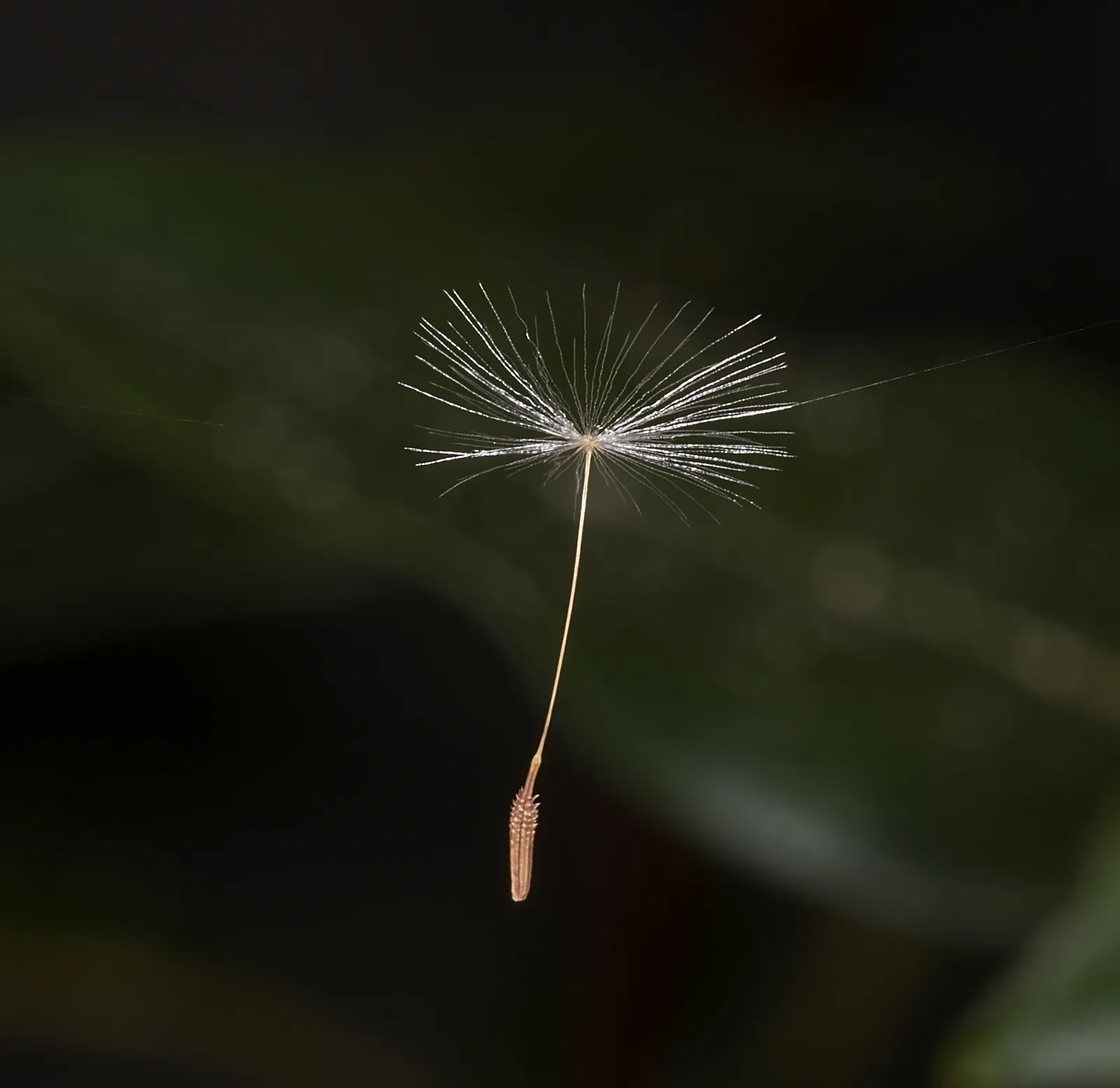
Every part of the dandelion plant is edible, from the roots to the flowers and everything in between. They contain several types of antioxidants and are rich in vitamins and minerals such as folate, potassium, calcium, and vitamins A, C, and K, and the plant is also high in fiber.
Although dandelion is mainly known for its medicinal properties, it has for many years been successfully used worldwide in the food industry as an entirely non-toxic and edible plant. The U.S. Food and Drug Administration has placed dandelion on the list of safe products. The taproot can be ground into a coffee substitute and the flowers make wine. It’s genuinely versatile food.
The Medical Research Behind the “Weed”
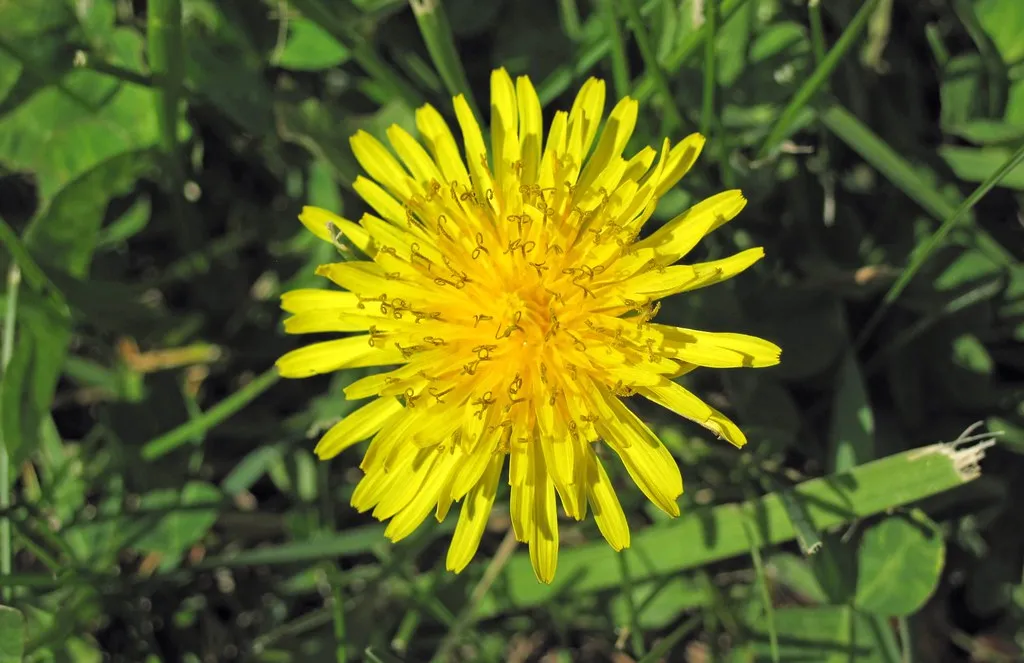
Traditional uses of dandelion root include addressing liver and gallbladder issues, digestive disorders, and mild fluid retention. Some studies suggest that dandelion may have anti-cancer properties, particularly against liver, pancreatic, and breast cancer cells, and it is believed to support liver function and detoxification. Additionally, dandelion exhibits anti-inflammatory and antioxidant effects, and preliminary evidence suggests it may help regulate blood sugar levels and lower cholesterol.
Research highlights that dandelions stimulate our natural insulin to fight diabetes, reduce blood cholesterol, and enhance immune response, and they can prevent fatty liver disease and protect the pancreas. The plant’s chemical composition, including sesquiterpene lactones, saponins, flavonoids, and phenols, contributes positively to the human body, promoting overall health. These aren’t folk claims anymore – they come from peer-reviewed science.
Why Pulling Them Often Makes Things Worse
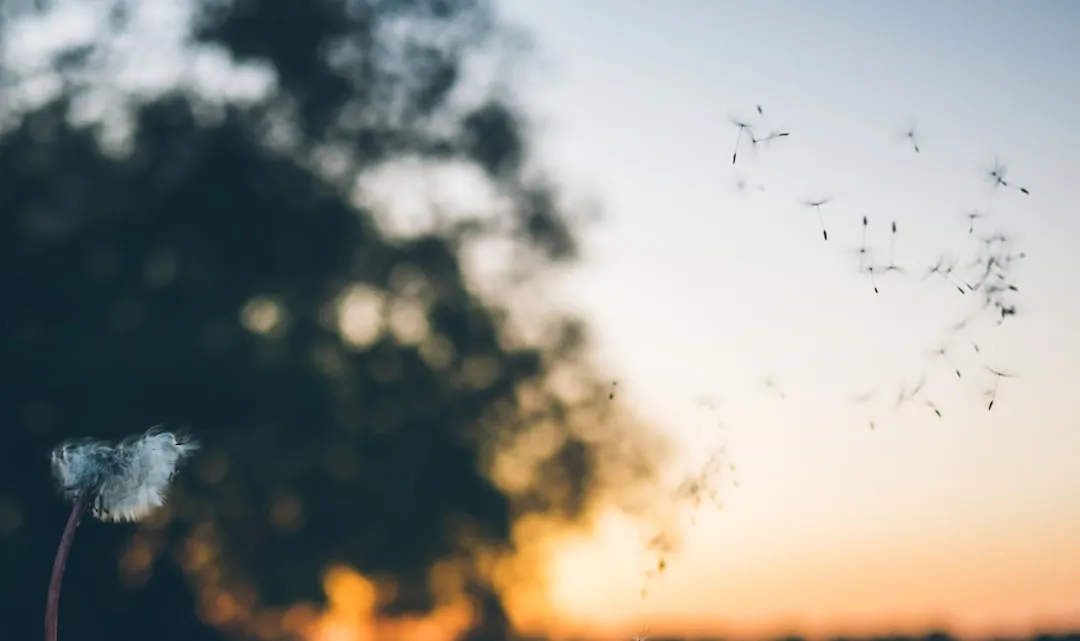
Even small root fragments left in soil can sprout new plants, making dandelions remarkably resilient to removal attempts. Most partial pulls simply regenerate. Dandelions outcompete lawn grasses through sheer strategy: their low rosette shades out grass seedlings, while the deep taproot accesses water and nutrients that shallow grass roots can’t reach. Even during drought, when grass goes brown, dandelions stay green by pulling moisture from deep soil layers.
Some insects prefer dandelions, leaving your crops alone, which makes dandelions a natural pest diversion. Pulling them aggressively can also disturb soil structure and expose bare patches, inviting other, less helpful plants to move in. Many homeowners find a middle ground, removing some while leaving others. That’s genuinely reasonable advice.
The “No Mow May” Debate and What It Actually Means
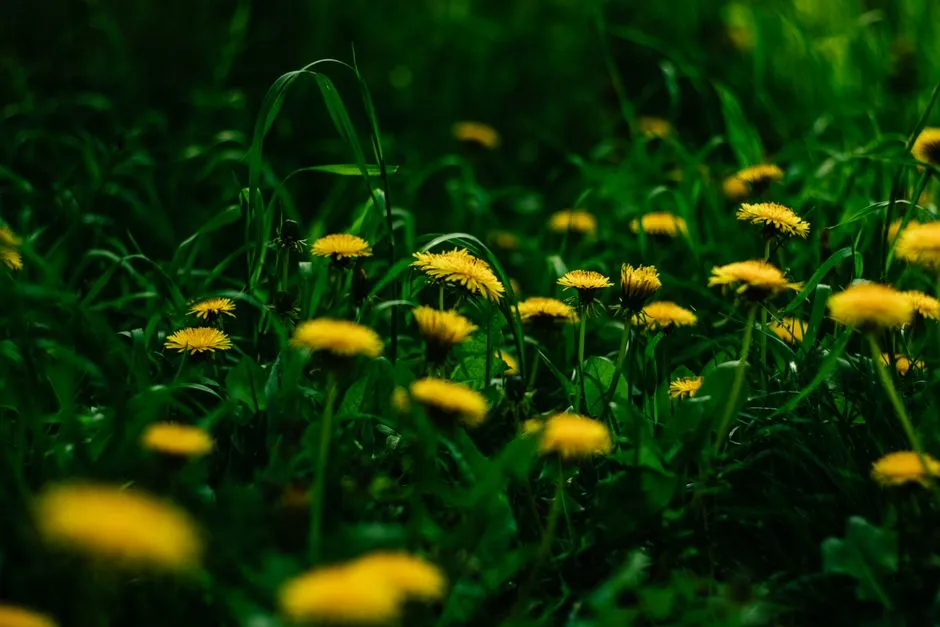
A popular “No Mow May” movement started in the UK to encourage people to hold off cutting their grass to let the weeds flower and provide food for insects, like bees, hoverflies, beetles, and butterflies. The movement has spread widely, but it comes with caveats. Some experts argue that the science behind No Mow May isn’t rock solid, and a widely cited 2020 study was retracted in 2022 due to data concerns, per Oregon State University’s Garden Ecology Lab.
Researchers have found that dandelions don’t provide a particularly good quality pollen when compared to other early-flowering species. Insects mostly feed on them because dandelions are a convenient source of nectar. The takeaway isn’t that dandelions are useless – it’s that they work best as part of a broader mix of plants, not as a solo pollinator solution.
How Experts Actually Recommend Managing Them
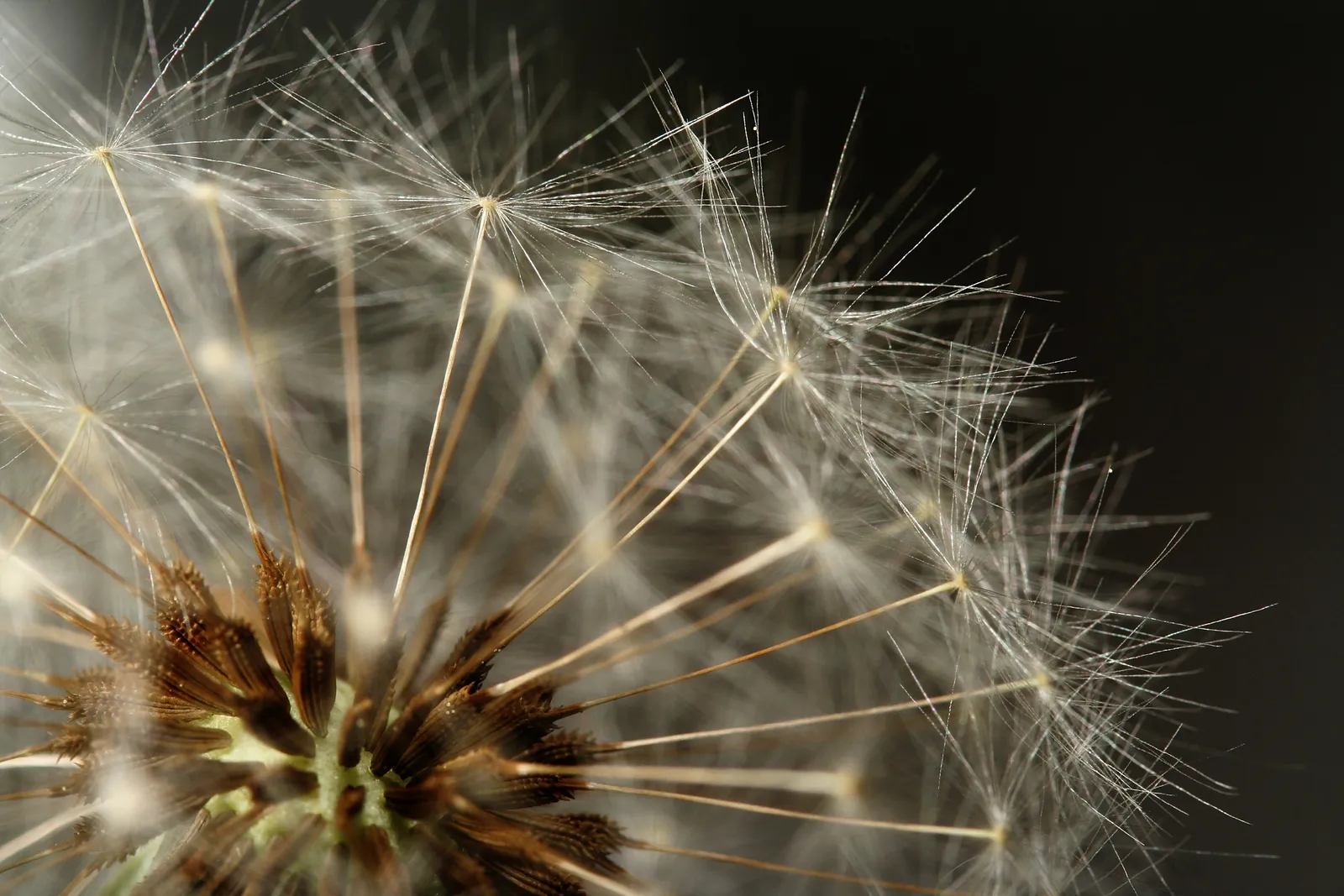
If you’re making dandelions part of the summer landscape, consider the idea of “playability” – managing the level of dandelions to the intended use of your yard and garden. Context matters a great deal here. The best way to use them in a yard, without squeezing out flower beds and infesting lawns, is in the vegetable garden, where they belong. Dandelions were brought to North America from Europe and Asia as a vegetable, so they have many culinary uses.
The best approach to weed control is integrated pest management, which involves using a combination of methods to minimize the use of harmful chemicals. By leaving dandelions to bloom, you’re not only saving yourself time and effort but also supporting pollinators, enriching your soil, and even giving yourself access to a powerhouse of edible and medicinal benefits.
The Bigger Rethink Happening in Gardens Right Now
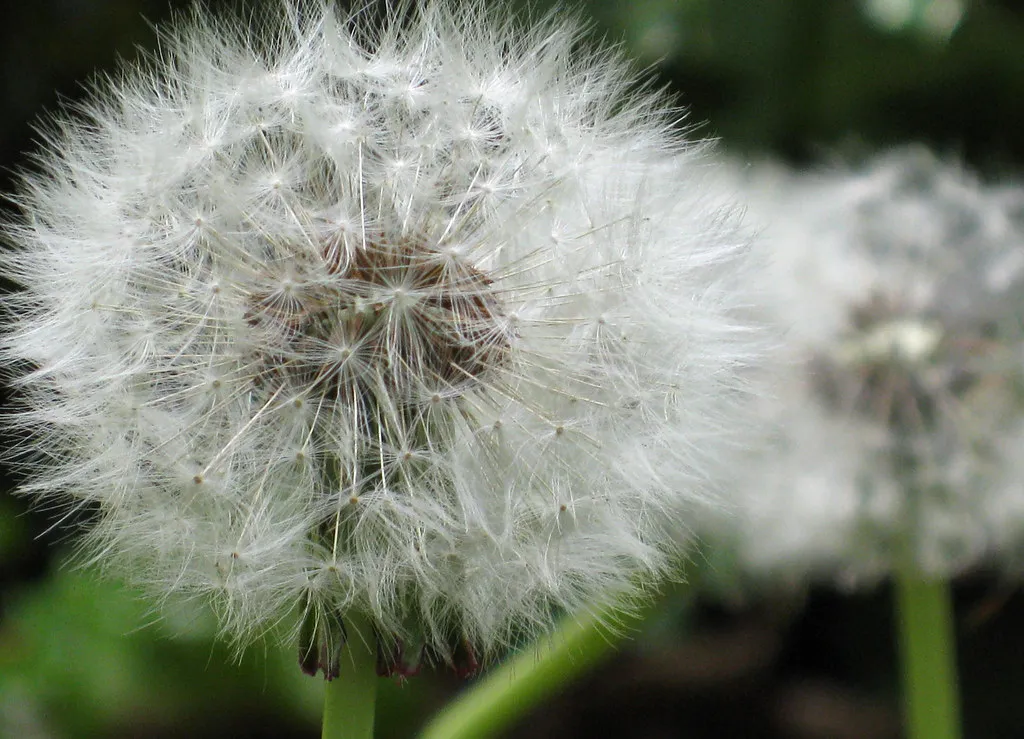
Weeding often targets native plants and reduces their number in preference for non-native garden plants like vegetables and exotic flowers. These non-native plants look more manicured and controlled but don’t provide good food sources for local wildlife or pollinators.
Our perception of weeds needs to evolve. Rather than viewing them as inherently evil, we should recognize their potential ecological value and consider a more nuanced approach to weed management. Dandelions are not just weeds – they’re one of the most useful, resilient, and ecologically important plants you can grow. That’s a statement worth sitting with the next time you reach for the weeding fork.
A Quiet Case for Leaving Well Enough Alone
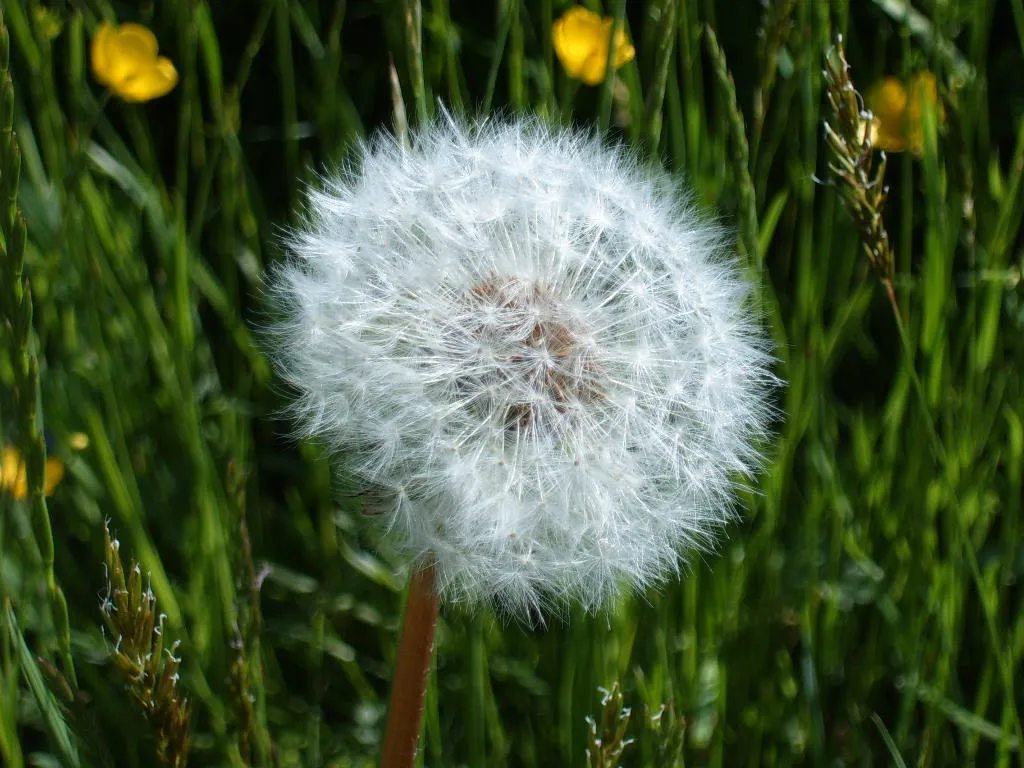
The dandelion was never really the enemy. It arrived in North America as a cultivated plant, served generations as food and medicine, and was gradually demoted to “weed” status by the aesthetics of the modern lawn. The science of the past few years has been quietly walking that demotion back.
None of this means you need to let dandelions take over every corner of your garden. Weeds can be both beneficial and harmful depending on the type, location, and stage of growth, making the decision less straightforward than it first appears. The goal, as most ecologists and gardening experts now suggest, is balance rather than total eradication. A yard that tolerates a few dandelions may well be a healthier, more connected place than one that doesn’t.
AI Disclaimer: This article was created with the assistance of AI tools and reviewed by a human editor.