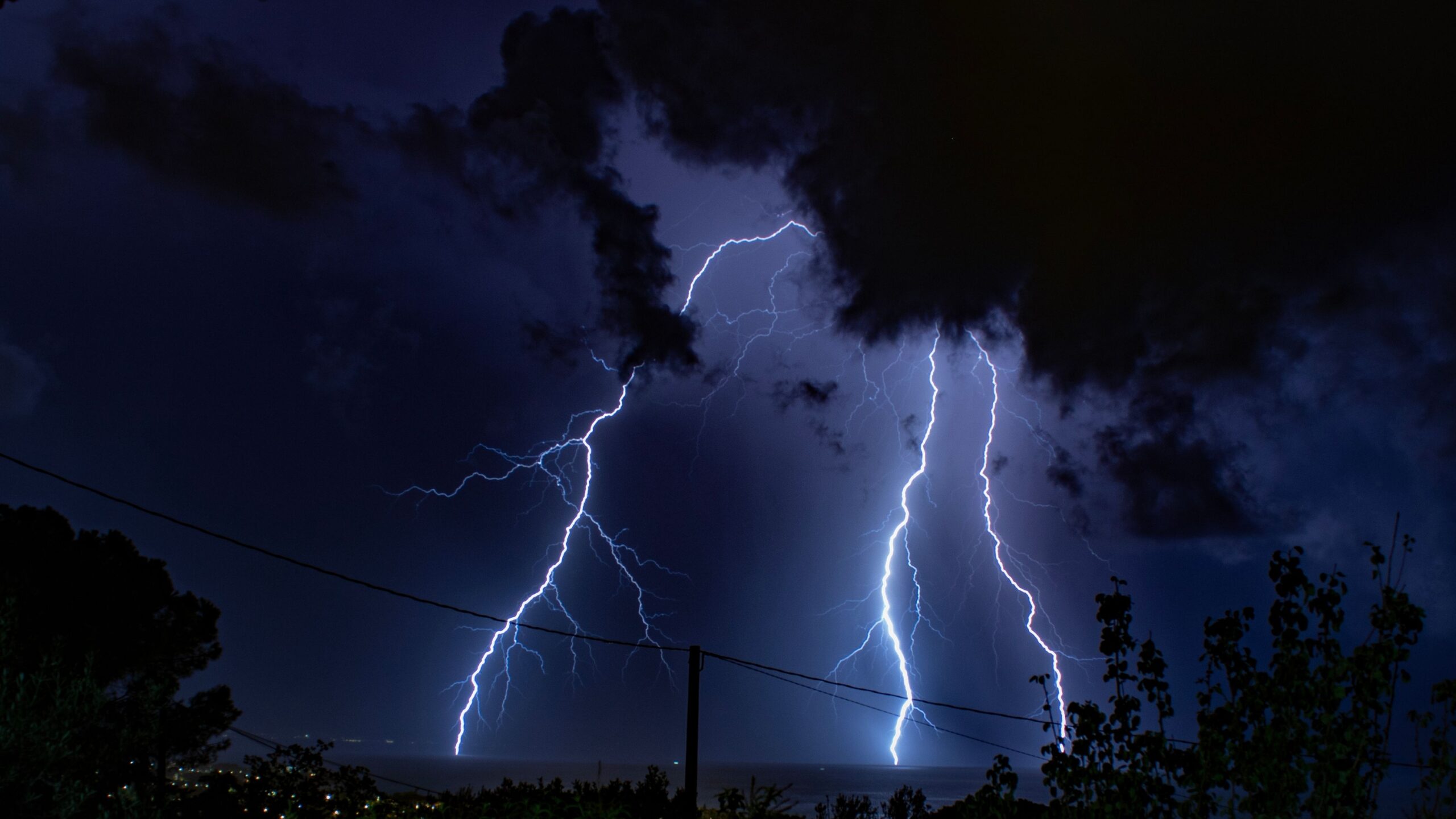

Most gardeners dread the sight of a thunderstorm. You’ve just staked your tomatoes, mulched your beds, and planned a full afternoon outside. Then the sky turns an ugly green, the thunder rolls, and that’s that. What most people don’t realize, though, is that the storm doing its worst overhead might actually be doing its best for the soil beneath your feet.
The science behind this idea is well-established, but it still surprises people when they hear it clearly: lightning is one of nature’s oldest fertilizers. The same bolt that splits a tree or scorches a hillside is, at the same time, chemically enriching the ground. Here’s what’s really happening out there.
The Atmosphere Is Full of Nitrogen – Plants Just Can’t Use It
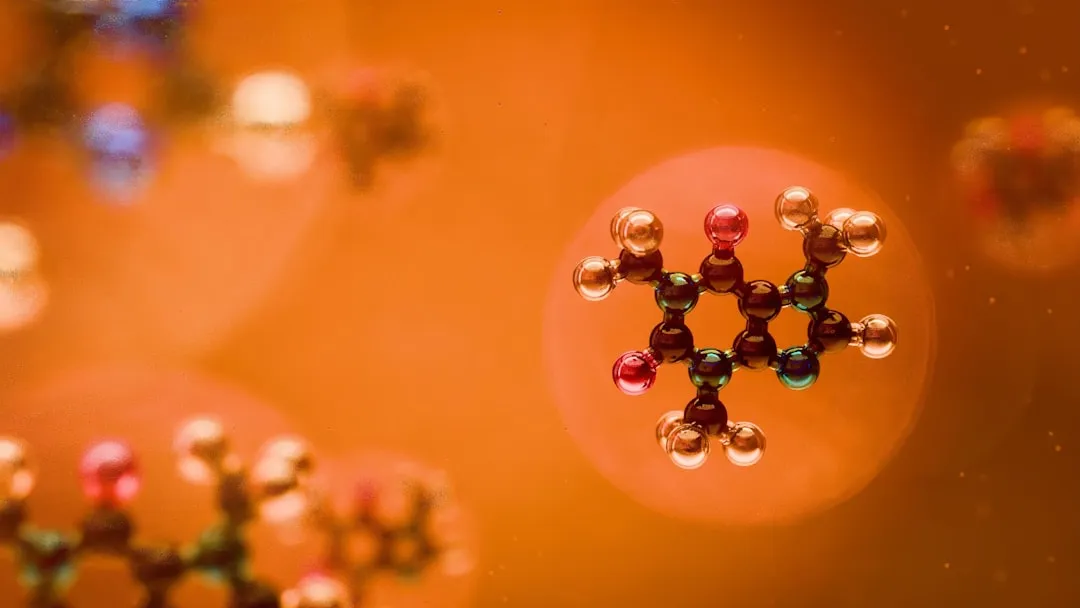
It sounds almost cruel. Roughly 78 percent of Earth’s atmosphere is composed of nitrogen gas, a form that is unusable by plants. The molecule is essentially locked – two nitrogen atoms bonded so tightly together that roots can’t touch the nutrient inside. This airborne, or molecular nitrogen, is a compound with two nitrogen atoms tightly bound, and because of that tight bond, plants cannot process it until a strong bolt of energy separates the two.
The sheer scale of what’s sitting just above your garden, completely out of reach, is remarkable. Roughly 16 million thunderstorms form around the planet each year, and those storms generate approximately 44 lightning strikes each second. Every one of those strikes is a potential fertilization event.
How a Single Bolt Becomes a Natural Fertilizer
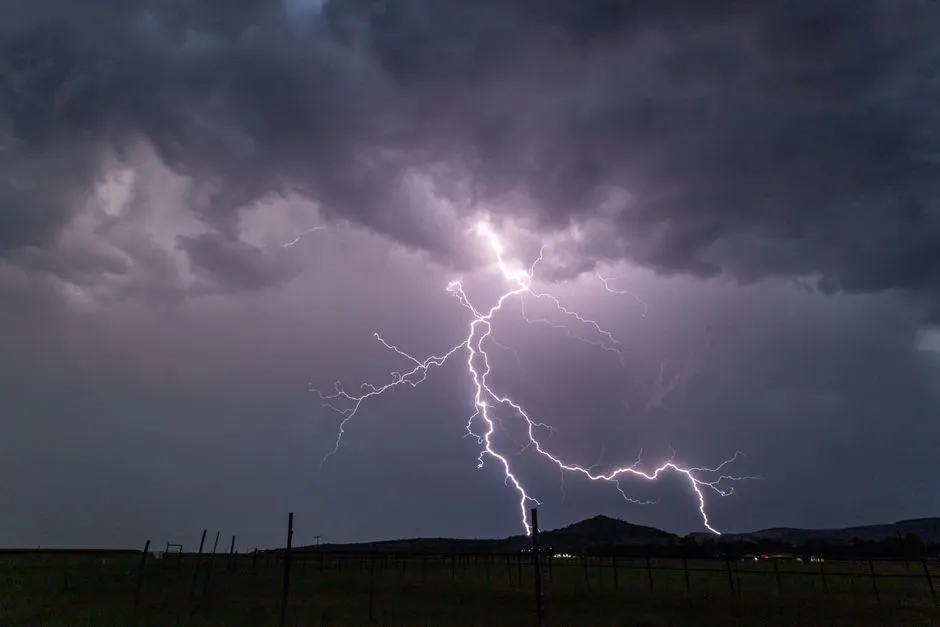
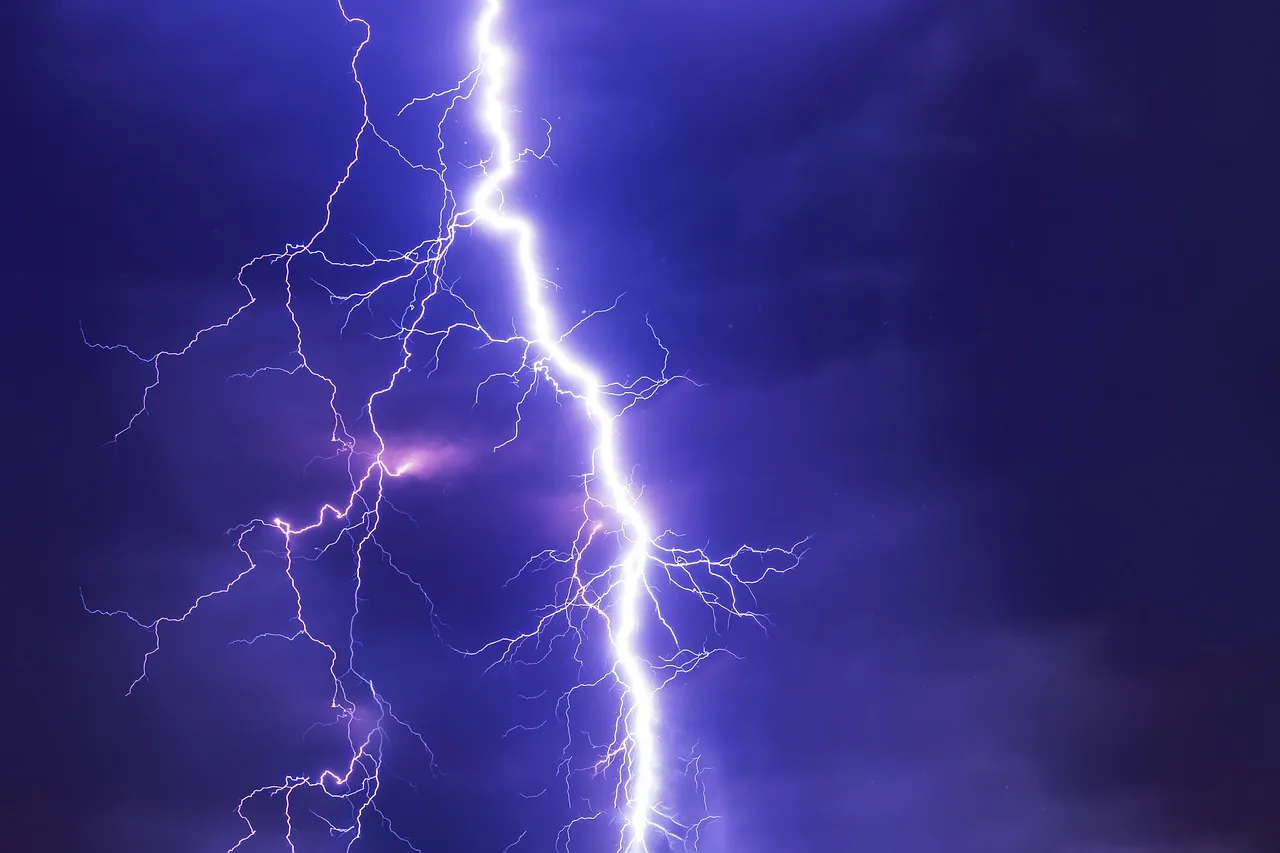
With up to a billion volts of electricity, lightning burns at 50,000 degrees, making it hotter than the surface of the sun. That extreme heat is what does the chemical work. Each bolt carries enormous energy, hot enough to split apart nitrogen molecules in the air. Once separated, nitrogen atoms combine with oxygen to form nitrogen dioxide. These compounds then mix with water in the atmosphere, turning into nitrates, which rain then delivers to the soil where plants can absorb them through their roots.
This process has a formal name. Atmospheric nitrogen can be transformed into a plant-usable form by lightning through a process called nitrogen fixation, and lightning is one of its most powerful natural drivers. It’s been happening since long before humans figured out how to manufacture synthetic fertilizer.
The Scale of Nitrogen Delivered Worldwide
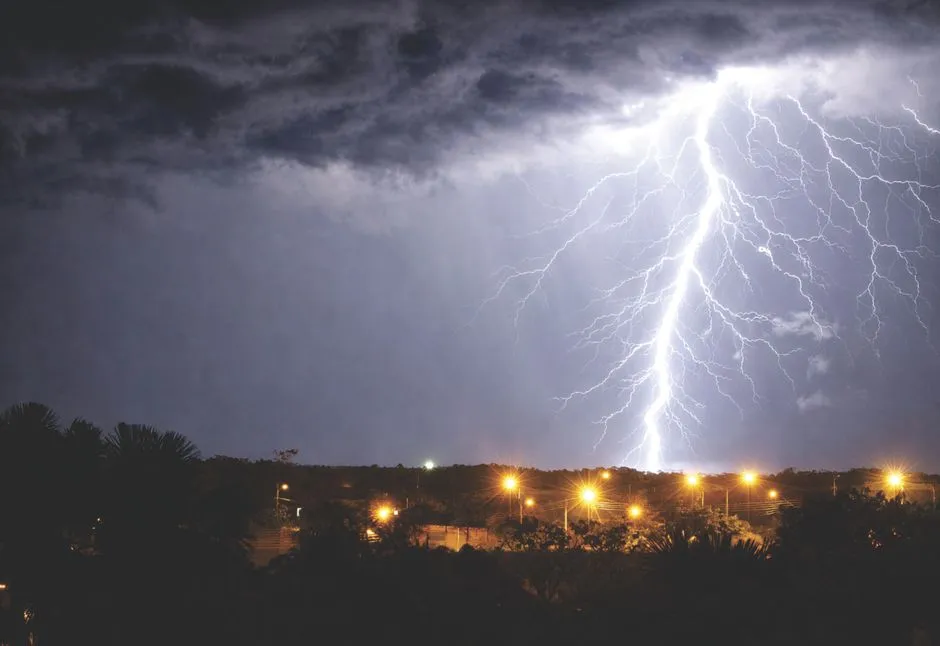
The numbers here are genuinely staggering, even for scientists who study this regularly. On average, lightning fixes between 3 and 10 teragrams of nitrogen per year over the Earth. Some estimates go even higher. Research indicates there are 500 million tons of nitrogen fertilizer synthesized by thunderstorms in the world every year.
It is estimated that worldwide something like 9.4 million tonnes of nitrogen is converted into an available form and deposited on the earth every year. The discrepancy between estimates reflects different methodologies and measurement systems, but every figure points in the same direction: this is not a negligible amount. Every thunderstorm adds a fresh dose of plant food, enriching the ground and supporting crops, forests, and grasslands.
What Actually Happens in Your Backyard Soil After the Storm

The nitrate from thunderstorms is instantly available. No breakdown is needed, no waiting. Roots can absorb it right away, giving plants a quick boost. That’s a meaningful distinction from other nitrogen sources, which can take weeks or months to become accessible. Unlike over-applied urea, lightning’s nitrogen doesn’t clump in one place or burn roots. It’s gentle, even, and timely.
Although bacteria in the soil can also fix nitrogen, lightning spreads it more widely, reaching places where those microbes may not live. So for a backyard garden plot that hasn’t been cultivated long enough to develop rich microbial communities, a good thunderstorm can do in an evening what compost takes months to accomplish.
Research Confirms Elevated Nitrogen Near Lightning Strike Zones

This isn’t just theory. A study published through the ICMSE 2024 conference looked directly at soil around trees struck by lightning using the Kjeldahl method to analyze nitrogen content. The results indicated that the highest nitrogen content was found in the topsoil of areas exposed to high-intensity lightning, with a value of 0.3111 percent, which was significantly higher than the nitrogen content in areas exposed to low-intensity lightning, which had a value of 0.127 percent.
Additionally, the nitrogen content of the topsoil was much higher than that of the subsoil, and in areas with high-intensity lightning exposure, the highest nitrogen content was observed at a distance of 5 meters to the south. A study in the Amazon rainforest found that lightning strikes can fix up to 20 percent of the nitrogen in the soil. These findings show consistent patterns across very different environments.
Lightning Changes the Microbial Life in Soil Too

Nitrogen is only part of the story. A peer-reviewed study published in Frontiers in Microbiology examined Pu-erh tea gardens in Yunnan Province, China, where lightning rods were grounded directly into the soil. The results showed that the contents of organic matter and available potassium, copper, and calcium in rhizosphere soil near the lightning rod were significantly higher than those in control soil, and lightning significantly increased the bacterial diversity of Pu-erh rhizosphere soil. Sphingomonas, Nitrospira, and Reyranella were significantly enriched in soil samples near the lightning rod compared to soil samples far from it.
Amino acids, polyphenols, and soluble sugar also increased in Pu-erh tea near the lightning rod compared with the control sample. This study served as the first report on the effects of lightning rods on soil properties, microecology, and plant metabolism, promoting the understanding of the biological effects of lightning. The implications extend well beyond tea gardens.
Plants Can Visibly Green Up After a Storm
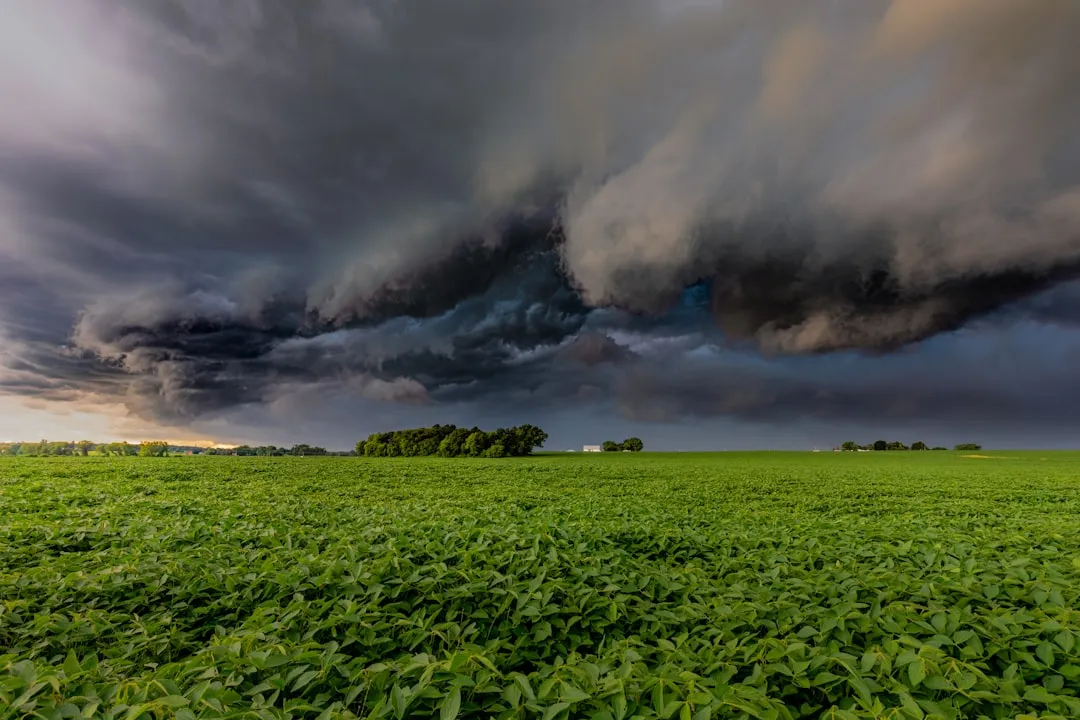
Gardeners have noticed this for generations, though few could explain why. After a strong thunderstorm passes, lawns often look noticeably greener within a day or two. Since nitrogen is a key constituent of chlorophyll, plants can turn greener after a storm. Chlorophyll is what makes leaves green, and it depends heavily on nitrogen to form.
Nitrogen is a crucial nutrient for plant growth, contributing to photosynthesis, protein production, and overall plant health. It is vital for chlorophyll production and is a key component of amino acids and nucleic acids. Without sufficient nitrogen, plants exhibit stunted growth and yellowing leaves. What looks like an overnight miracle after a storm is really nitrogen finally arriving in a form that hungry plants can immediately use.
The Limits: What Lightning Can’t Do for Your Garden
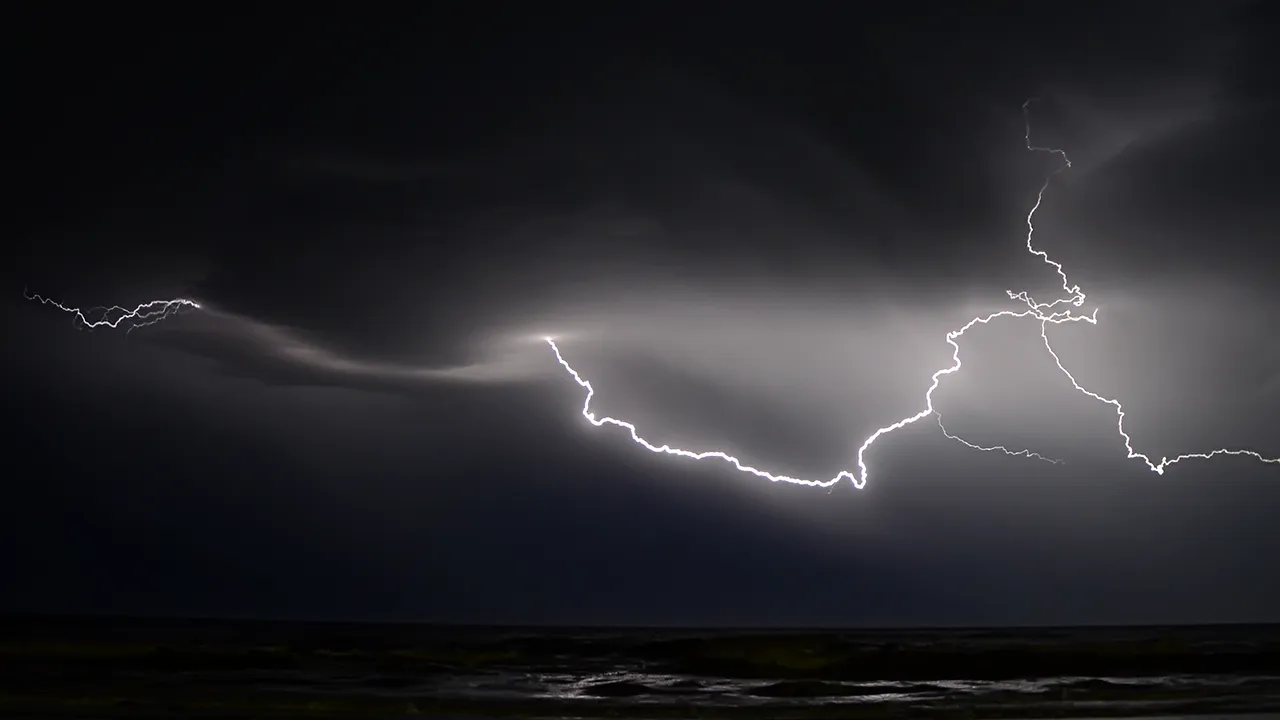
It’s worth keeping the picture honest. While lightning does contribute to nitrogen fixation, it’s a relatively small and unpredictable source compared to other methods. A single backyard storm isn’t a substitute for consistent soil management. Strong storms can also produce heavy rainfall, which can push nutrients deeper into the soil and below the roots of many plants, and runoff from heavy rains can carry nutrients away.
On the downside, nitric acid from lightning can lower soil pH in already acidic regions, and heavy rains can wash nitrates below root zones. Lightning is a rare and unpredictable event, making it difficult to rely on it as a consistent source of nitrogen. Think of it as a welcome bonus, not a gardening strategy.
Could Scientists Recreate This Effect on Demand?
Researchers are actively exploring exactly that. The lightning-based fertilization process brings down some costs: on-site production means no transport to pay for, and because many plants take up nitrate more efficiently than ammonia, farmers can potentially use less fertilizer for the same crop yield. That efficiency advantage is part of what makes the concept attractive to agricultural scientists.
It will take investment of time, capital, and ideas before the lightning-based fertilizer process is competitive with the dominant industrial method, but if successful, it could feed everyone with a scaled-up version of one of Earth’s natural nitrogen fixation processes. Several startups and university research programs are now working on plasma-based nitrogen conversion systems that mimic what lightning does in milliseconds.
Why Farming Regions With Heavy Thunderstorms Tend to Be Productive
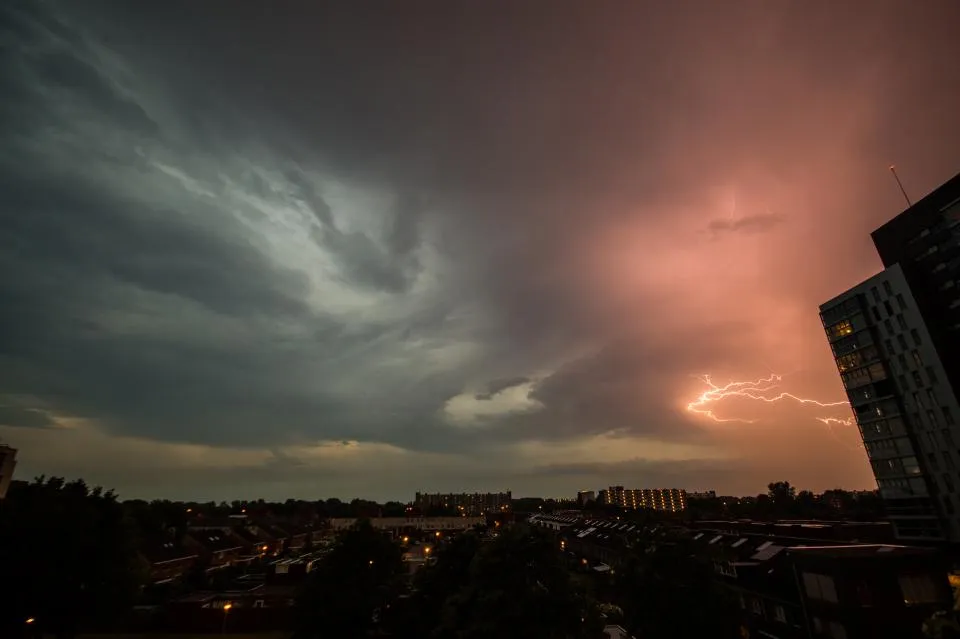
One reason farming is prominent in areas where thunderstorms are common is that nitrogen-rich raindrops help the soil become prime for agriculture. This is not coincidence. Regions that receive regular summer thunderstorms receive a seasonal top-up of natural fertilizer that drier climates simply don’t get. In Australia, researchers have found that lightning can promote the growth of nitrogen-fixing plants such as legumes in areas where the soil is depleted of nitrogen.
In Africa, lightning is believed to play a critical role in the nitrogen cycle, particularly in areas where the soil is poor in nutrients. These regional patterns help explain why traditional farmers across very different cultures have long observed that crops seem to do better in years with active thunderstorm seasons, even without ever knowing the chemistry behind it. Lightning is a key player in maintaining the balance of nitrogen in the soil, making it essential for agriculture, forestry, and natural ecosystems.
The Takeaway
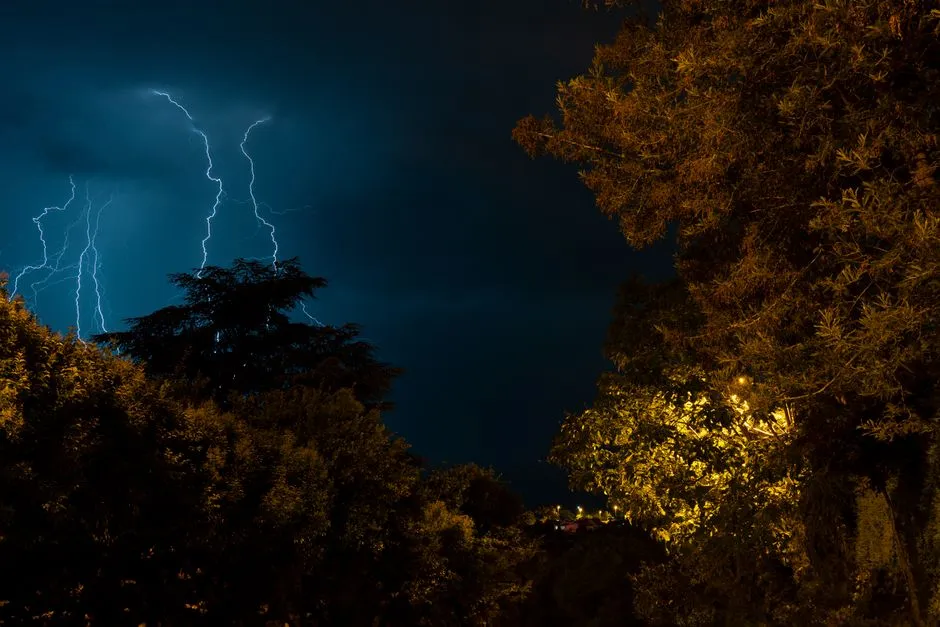
There’s something quietly remarkable about the fact that one of the most violent forces in nature is also quietly tending your garden. The same bolt you instinctively flinch from is splitting molecules and delivering nutrients your plants genuinely need. It won’t replace good soil care, regular composting, or crop rotation, but it’s a real contribution.
Next time a storm rolls through and your garden beds get drenched, the chemistry overhead is working in your favor. The greener lawn you notice a few days later isn’t your imagination. It’s physics and biology doing exactly what they’ve done for millions of years, one bolt at a time.
AI Disclaimer: This article was created with the assistance of AI tools and reviewed by a human editor.