

There’s a quiet truth in professional kitchens: the chefs who spend their days sourcing the finest ingredients are often the most skeptical of the supermarket produce aisle. They know exactly what a vegetable is supposed to taste like, and they know what it doesn’t taste like after sitting in a refrigerated truck for two weeks.
One thing drilled into you during culinary training is to always use the freshest produce possible. It’s a mantra that threads through the entire cooking process, because giving diners the finest eating experience means sourcing the best food available. For a growing number of chefs, that means skipping the grocery store entirely for certain vegetables and walking straight to their own backyard instead. Surveys show that nearly half of Americans already believe grocery store produce to be of low quality, and professional cooks were ahead of that curve by years.
1. Heirloom Tomatoes
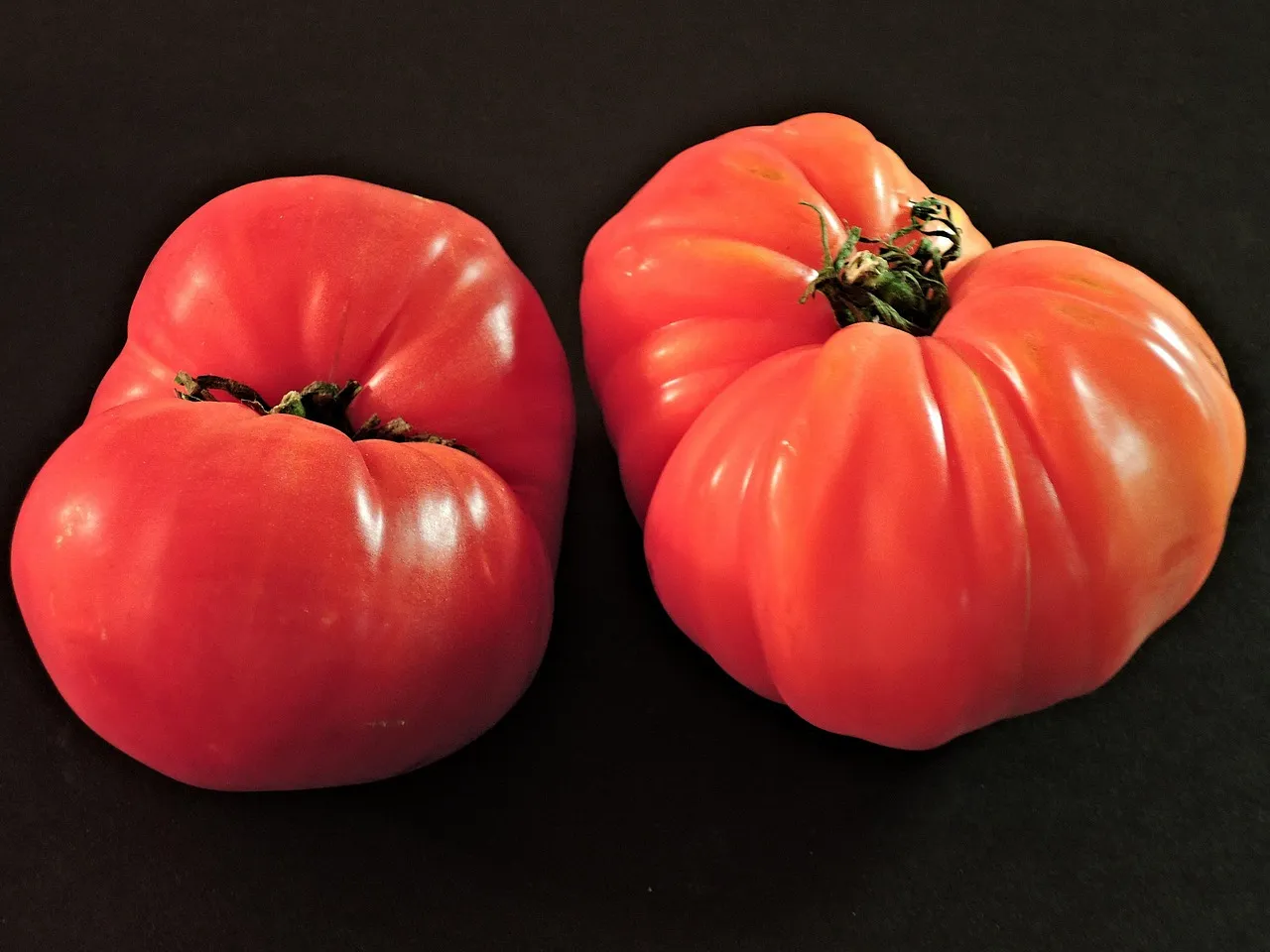
The gap between a grocery store tomato and a homegrown one isn’t subtle. Tomatoes sold at the grocery store are usually picked before they’re completely ripe so they can withstand being boxed up and transported across states or oceans. Before they’re sold, they’re ripened artificially with ethylene gas, which results in a ripeness that’s not quite the same as picking a tomato off the vine at peak maturity.
Most commercial growers are paid on the weight of their tomatoes, not the flavor, and tomato breeders respond to what growers need: a plant that will yield as much as possible over as long a period as possible. The result is a watery, pale imitation of what a real tomato can be.
There are thousands of heirloom tomato varieties with different flavor profiles, textures, colors, and uses, including purple-black tomatoes with rich complex flavor and green-when-ripe varieties that taste nothing like anything in a grocery store. Growers who ship produce cross-country often favor varieties that withstand shipment well, not those highest in nutrients or flavor, which is why you typically won’t see more fragile heirloom tomatoes on store shelves.
2. Garlic
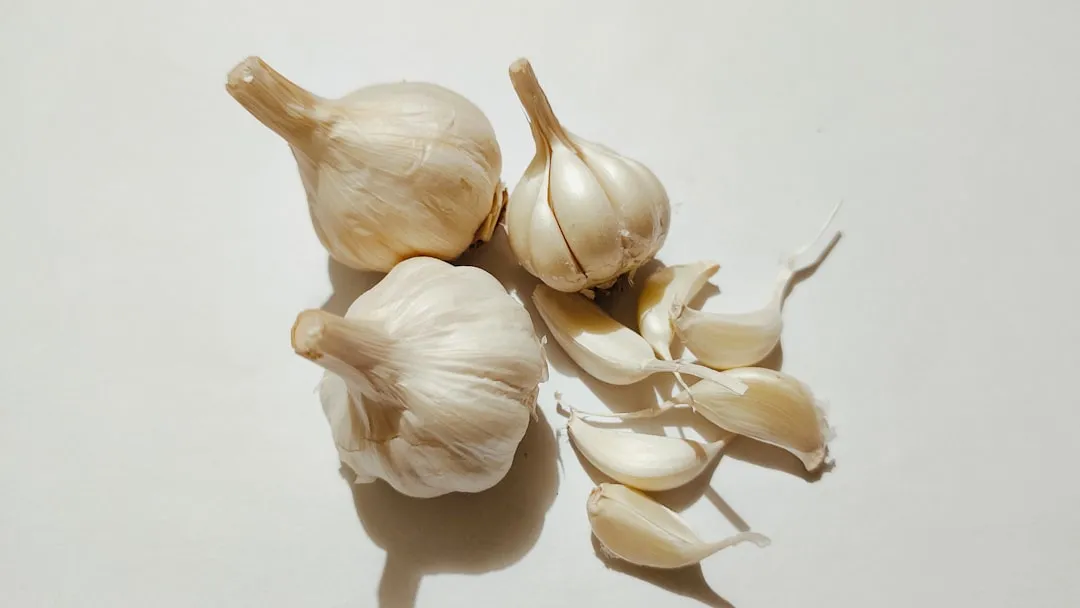
Garlic is one of those vegetables where the difference between homegrown and store-bought hits you the moment you cut into a fresh bulb. The differences between home and store produce mainly come down to harvest timing, variety selection, and post-harvest handling, since store produce is bred for shelf life and appearance while homegrown crops are ripened naturally and grown in richer soil.
A lot of garlic is grown outside the United States under conditions that raise ethical concerns. There are two main varieties to look for: softneck, which can be braided into ropes and stores for a long period, and hardneck, which gives you garlic scapes in the spring as well as the harvested head, though with shorter storage life.
Growing your own means you control the variety and the soil, and you harvest it fresh. Homegrown vegetables contain significantly higher nutritional value because they’re harvested at peak ripeness and consumed fresh, since vegetables begin losing vitamins immediately after harvest, with some nutrients declining by up to roughly a third within just three days.
3. Shallots
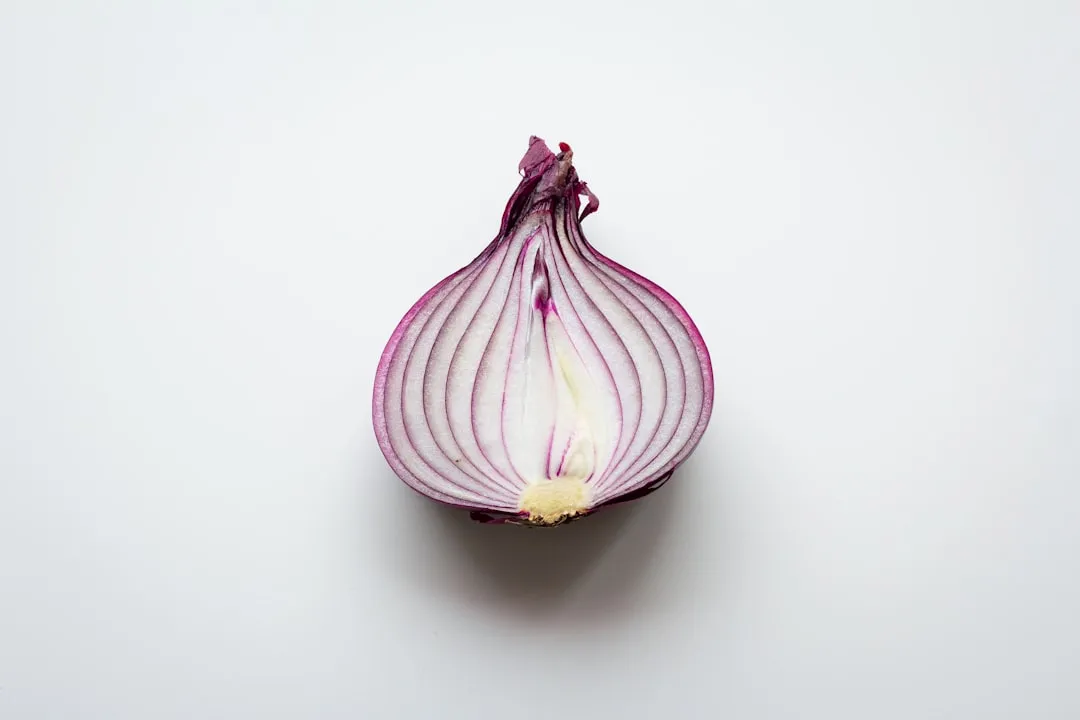
Shallots are often considered the gourmet member of the onion family. They have a mild, delicate but distinctive flavor and can be grown for use as green onions or for the clusters of small bulbs used like garlic or onions. At grocery stores, they’re frequently expensive and often past their prime.
Chefs appreciate shallots for their subtle, refined taste. They blend smoothly into sauces, dressings, and delicate dishes where onions might overpower other flavors. That’s precisely why chefs who rely on them regularly find it makes more sense to grow their own.
Loved for their versatility, shallots are used raw or cooked, adding depth to sauces, dressings, and marinades. Their ability to enhance flavors without overpowering dishes, whether chopped for sautéing, caramelized for sweetness, or pickled for tang, makes shallots a cherished ingredient among chefs. Homegrown shallots, harvested at the right moment, carry a complexity that packaged store versions rarely match.
4. Leeks
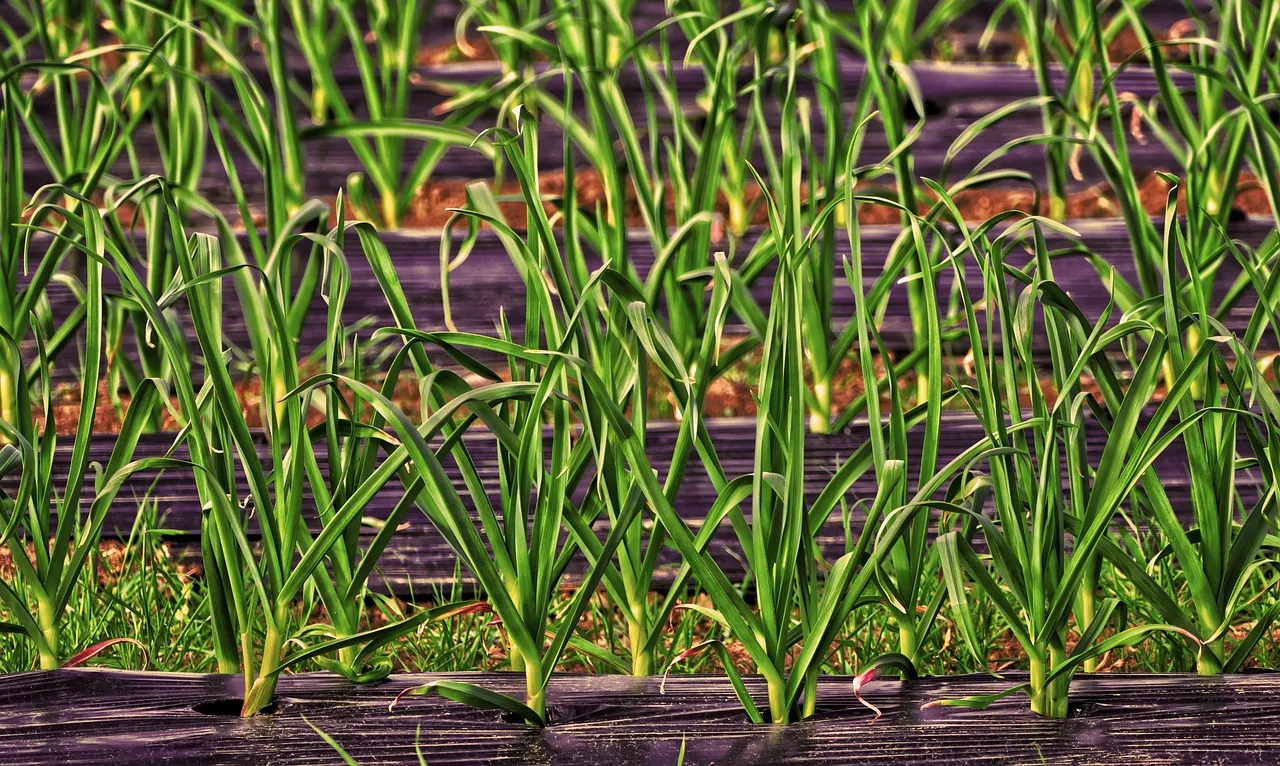
One chef-gardener noted that she has become the supplier of leeks for her whole family and friends since they are rather expensive in the grocery store. Harvesting leeks provides fresh flavor, and they can also be saved for winter by washing, slicing, and freezing them.
Leeks have a milder taste than onions, with a subtle sweetness and a hint of onion flavor. They consist of long, cylindrical stalks with a white base and green leaves on top, and are known for their delicate taste, often used to add a gentle onion-like essence to recipes without overpowering other flavors.
Leeks will grow in any garden that will produce good onions. The edible portion of the stem should be blanched for the best flavor and tenderness, which begins by gradually drawing soil up around the base of the plant as it grows. That hands-on cultivation step is something a supermarket shelf can never replicate.
5. Bell Peppers and Specialty Peppers
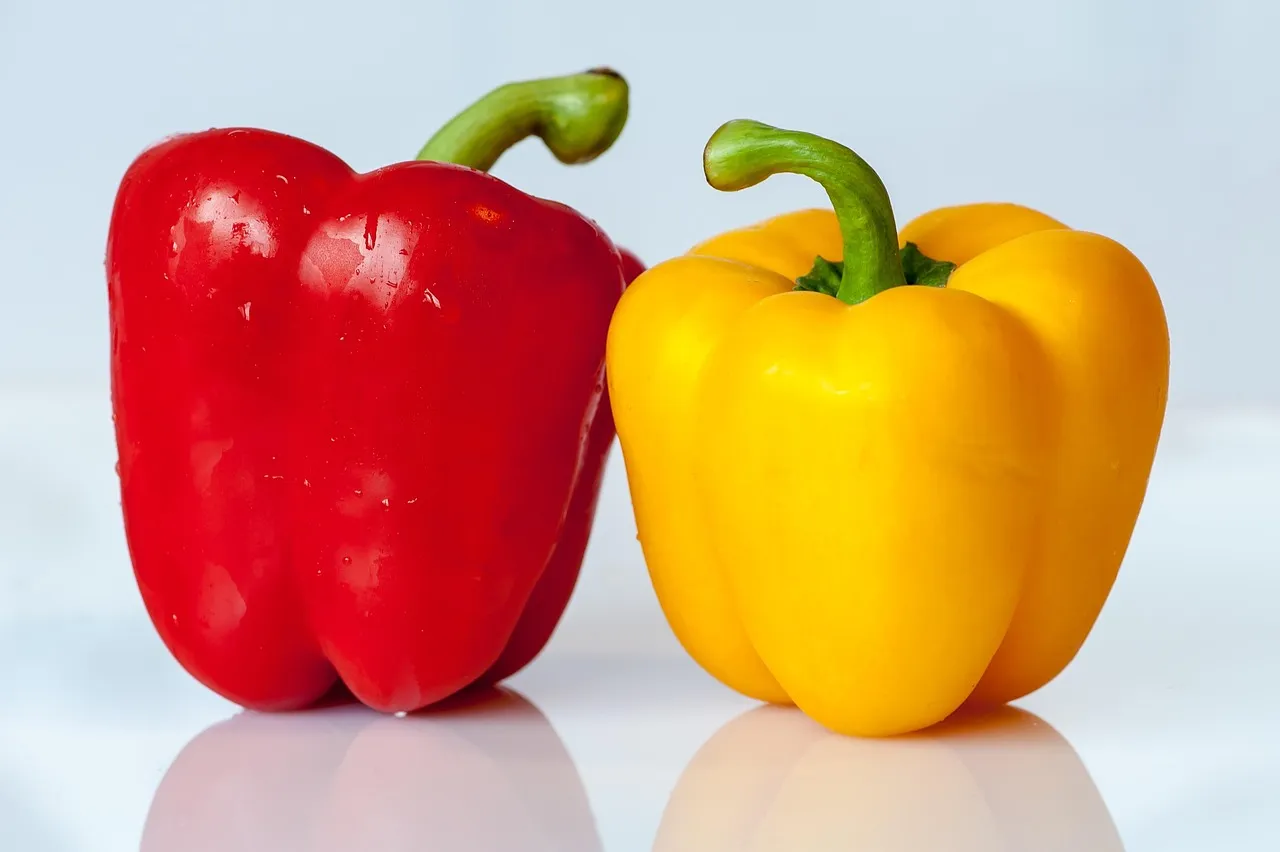
Walk through any grocery store and you’ll find the same four colors of bell pepper, week in and week out. The variety available in grocery stores is limited by supply chains, climate zones, and consumer demand. Stores tend to stock only the most common varieties that are in high demand, while rare or heirloom varieties are less likely to appear on store shelves.
Fruits and vegetables grown at home show the largest quality gaps in tomatoes, leafy greens, bell peppers, and several other crops, making peppers one of the most rewarding vegetables to grow yourself. The flavor difference between a vine-ripened homegrown pepper and one that has spent days in cold storage is immediate.
There are dozens of pepper types and squash varieties that you’ll never encounter on a standard grocery shelf. Sweet and hot pepper varieties alike grow well in containers, which means even a small balcony or patio is enough space to get started. Chefs who cook with specialty peppers regularly have little choice but to grow their own.
6. Spinach and Leafy Greens
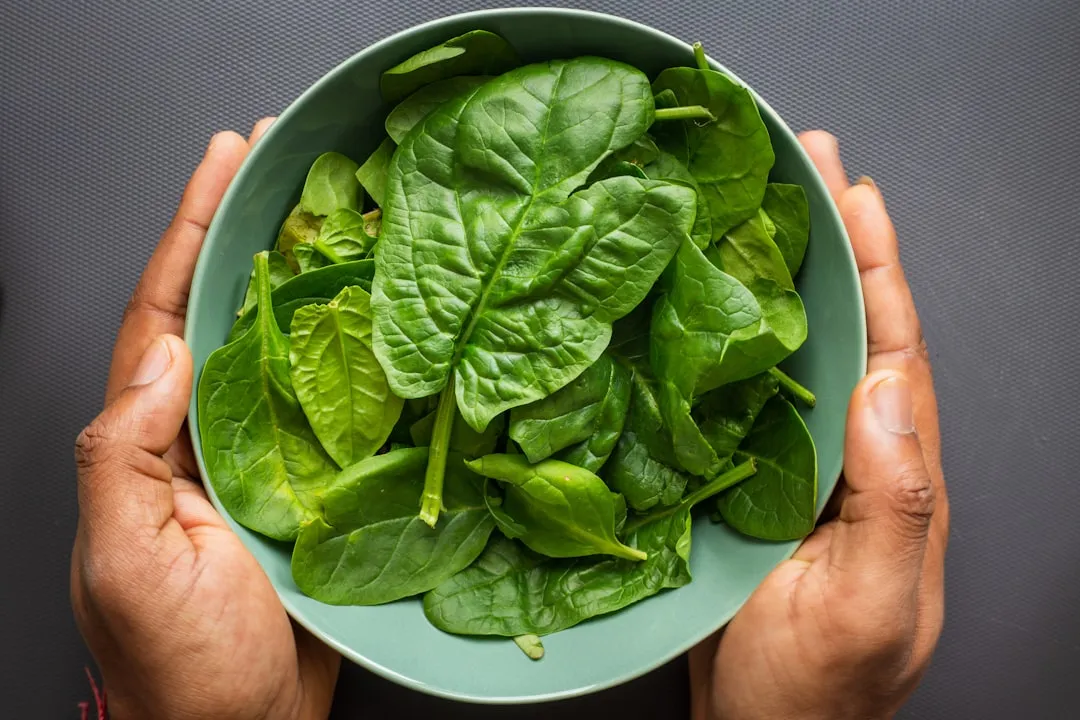
Pre-bagged grocery store spinach is one of the most convenient products on the shelf, and one of the most misleading. One of the most significant advantages of homegrown produce is its freshness. When you grow your own food, you have the ability to pick at the peak of ripeness, meaning it’s packed with flavor, nutrients, and moisture, something that store-bought produce simply cannot compete with.
Research shows that crops picked fully ripe have more vitamin C than those picked early, but many commercial crops are picked early and ripen on the way to stores. By the time that bag of spinach lands in your kitchen, it may have traveled across a continent and spent days in a cold storage facility.
Your garden-to-table timeframe might be measured in minutes, compared to the average seven to fourteen days for supermarket produce. This immediate consumption preserves delicate flavor molecules that simply disappear in transit. Chefs who understand this tend to keep a small patch of salad greens growing close to the kitchen year-round.
7. Parsnips
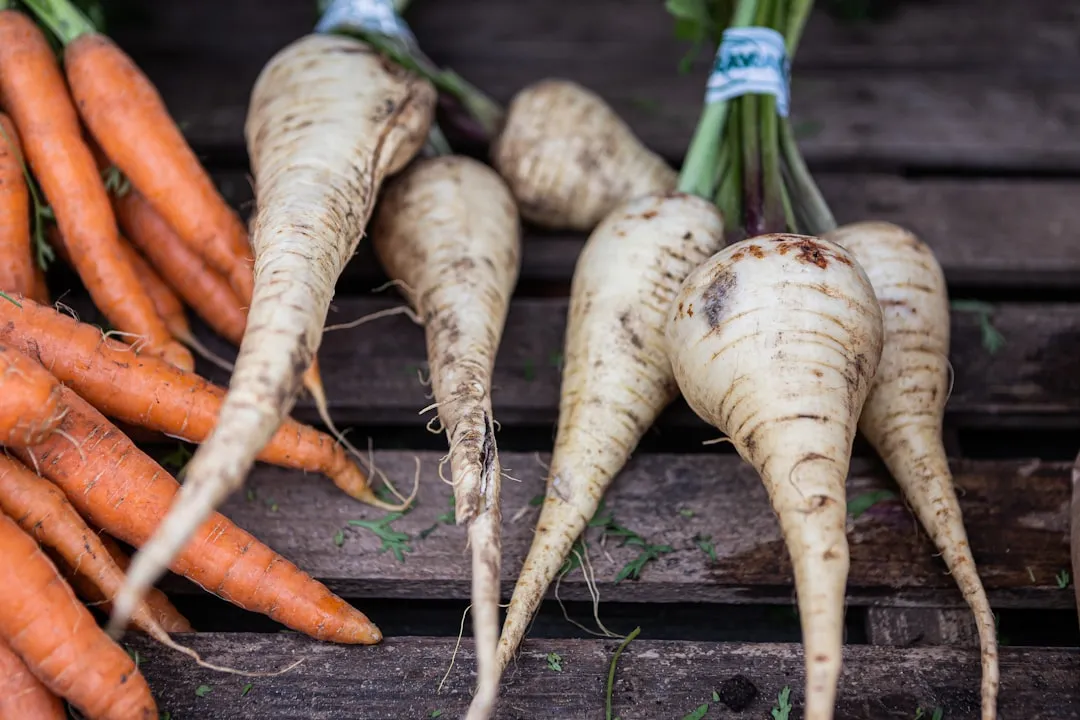
Parsnips are genuinely underappreciated, partly because what most people encounter at the grocery store is a shadow of what a properly grown, freshly harvested parsnip can be. Parsnips are an old-fashioned, underused vegetable. The unassuming roots are elegant when made into a mash alongside a perfectly done steak, and they work wonderfully mixed with potatoes or used in soups and stews.
Larger roots can have a more pronounced bitterness, making it important to harvest at the right time. Roasting these vegetables enhances the sweetness, and that timing precision is only possible when you’re growing them yourself. Store-bought parsnips often arrive already past their ideal harvest window.
When a package of root vegetables lands in your grocery cart, it has already traveled thousands of miles to reach that point. This long journey gives the nutrients, including vitamin C and other crucial minerals, time to degrade, especially if they have been exposed to heat during transit. Parsnips grown at home and pulled just before cooking are an entirely different vegetable.
8. Turnips
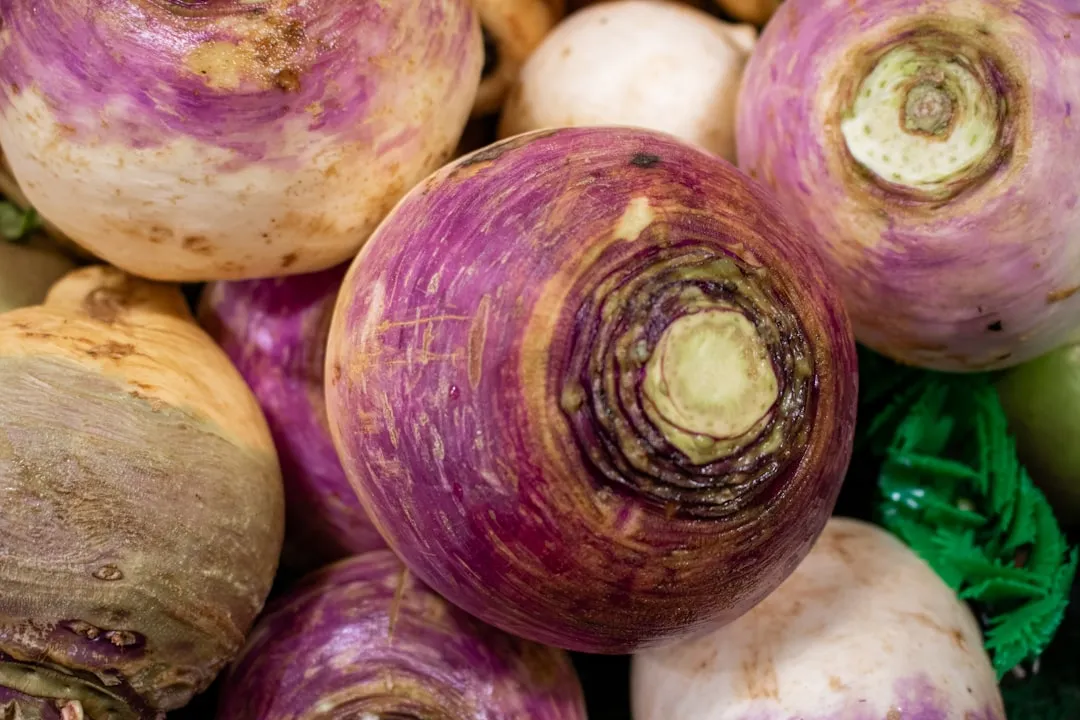
Turnips are rarely a star at the grocery store. They’re often large, waxy, and bitter, which gives many people the wrong impression of what this vegetable is actually capable of. Turnips have a wonderful combination of sweetness and peppery flavor, but larger roots can have a more pronounced bitterness, which is why it’s important to harvest the roots when they are still small.
Turnips thrive in well-draining, moderately fertile soil, full sun, and with average watering, making them a low-maintenance crop that rewards attentive timing more than anything else. That timing control is simply not available when you’re buying from a supermarket.
Industrial farming practices, including monoculture and heavy use of synthetic fertilizers, can degrade soil quality over time, resulting in crops that absorb fewer essential minerals such as magnesium, zinc, and iron. Home gardens, by contrast, often employ composting, mulching, and crop rotation to maintain nutrient-rich soil, leading to more nutrient-dense produce. A small-bulb homegrown turnip roasted at high heat is something genuinely worth eating.
The Broader Shift Toward Growing Your Own
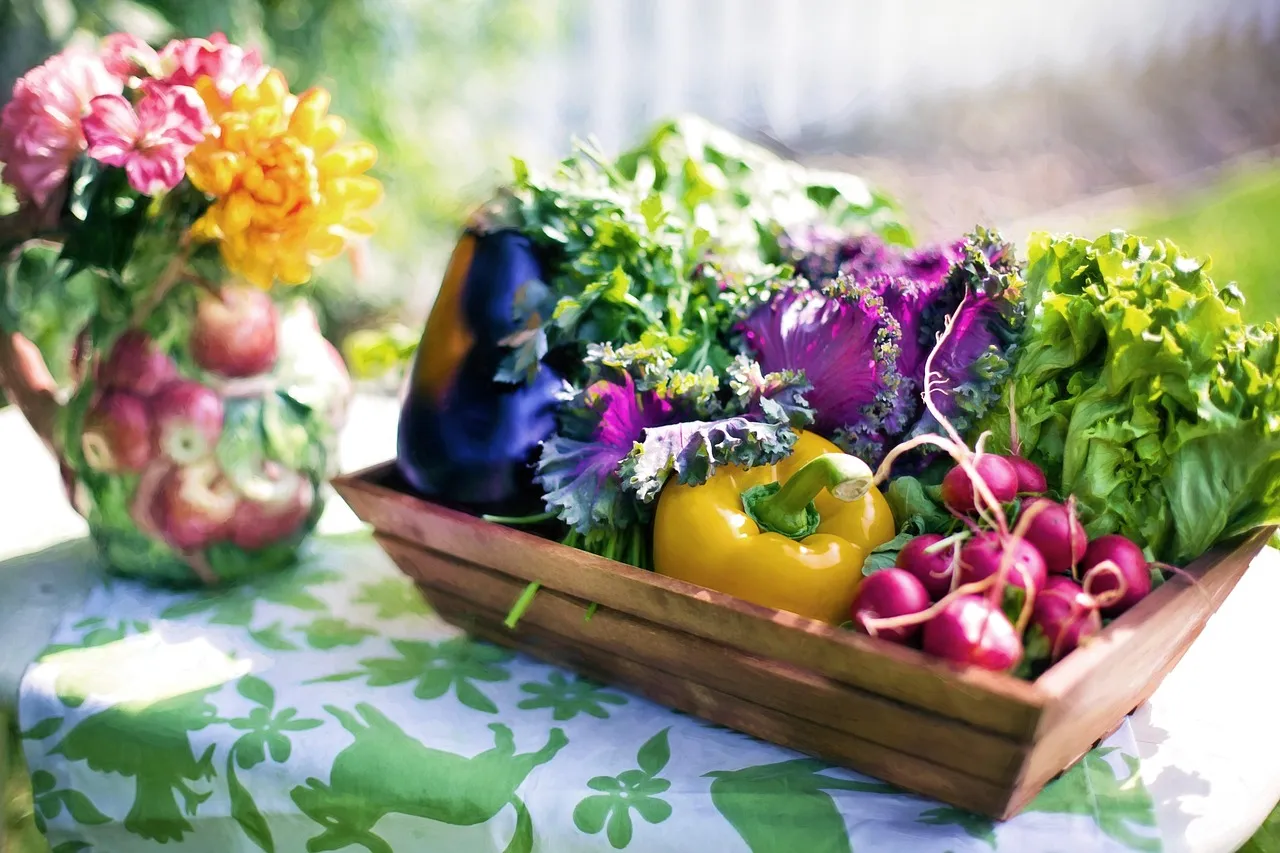
An increasing number of chefs are realizing how their kitchen can be a place of positive impact on people and the planet. By growing their own produce and cooking with locally sourced, fresh, and organic ingredients, they are contributing to a changing food system. This isn’t a fringe movement. It’s becoming a practical standard among cooks who take flavor seriously.
An increasing concern about food quality is driving more Americans toward homegrown food. Nearly half of respondents in one survey said they were worried about the safety of grocery store food, and nearly half said they believed grocery store produce to be of low quality. Professional chefs have been arriving at these conclusions through daily experience for far longer.
Deterioration starts as soon as crops are harvested, so homegrown and locally grown produce that gets to your table fast offers more nutrients than produce that travels over time and distance. Vitamins and antioxidants in some types of produce may be more than twice as high in locally grown crops compared to imported ones. For chefs who understand flavor at a molecular level, that gap is simply unacceptable.
Final Thoughts
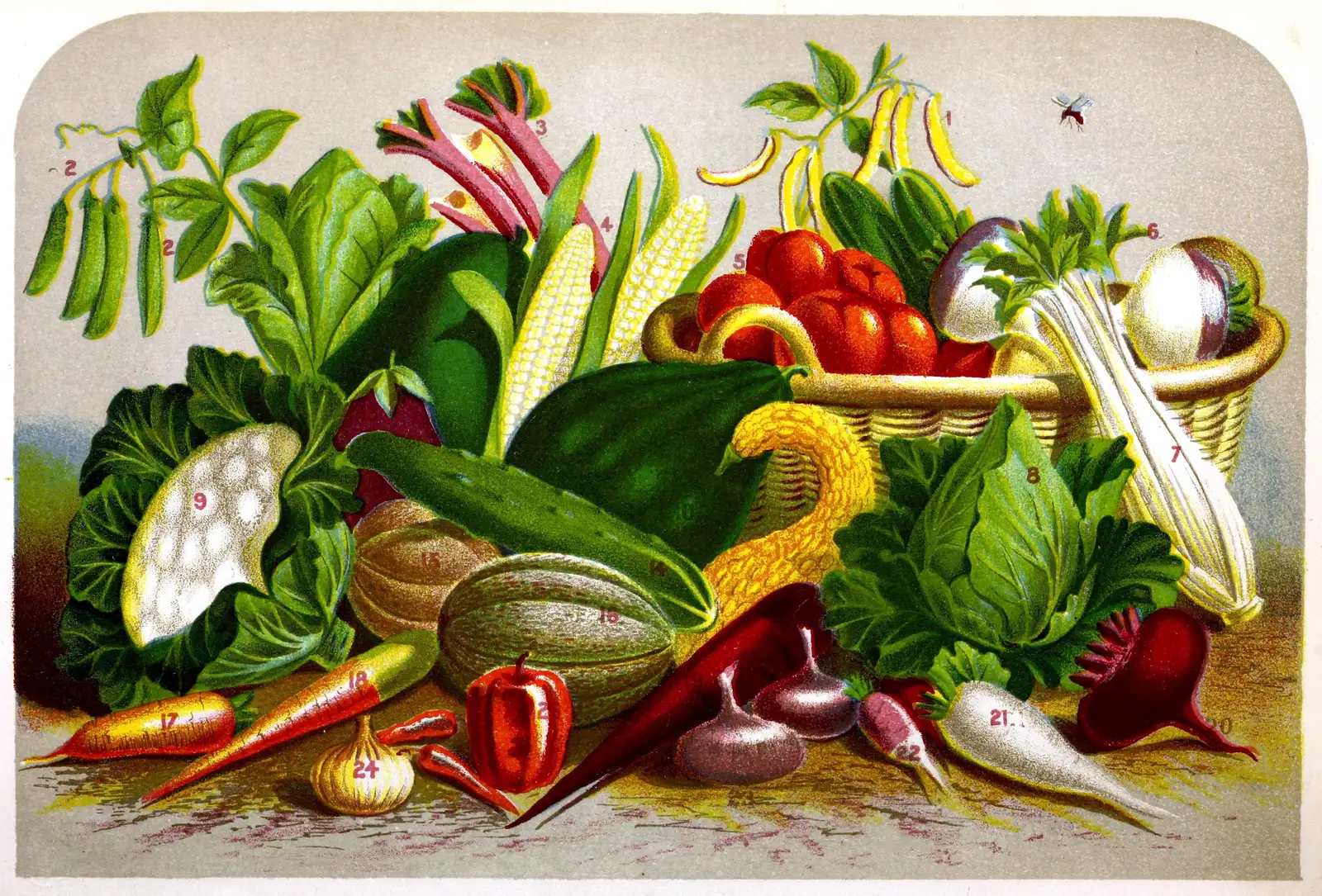
What unites every vegetable on this list is the same basic truth: the grocery store supply chain was designed around durability and shelf life, not taste or nutrition. Commercial agriculture of our time focuses on enhancing shelf life and largely sets aside taste and nutrition. Chefs know this instinctively, because they’ve tasted both sides of that equation.
Homegrown produce, allowed to ripen fully on the vine or plant, often has a much richer, more complex taste than grocery store varieties. Homegrown tomatoes, for instance, are known for their sweetness, acidity, and depth of flavor, something that store-bought tomatoes often lack. The same principle holds for nearly every vegetable on this list.
You don’t need a farm to start. Growing your own vegetables allows you to pick exactly what you need, reducing food waste, since store-bought produce often comes in pre-packaged quantities that result in excess going unused. Start with one or two of the vegetables above, pay attention to harvest timing, and you’ll understand quickly why professional chefs are so reluctant to let go of their garden beds.
AI Disclaimer: This article was created with the assistance of AI tools and reviewed by a human editor.