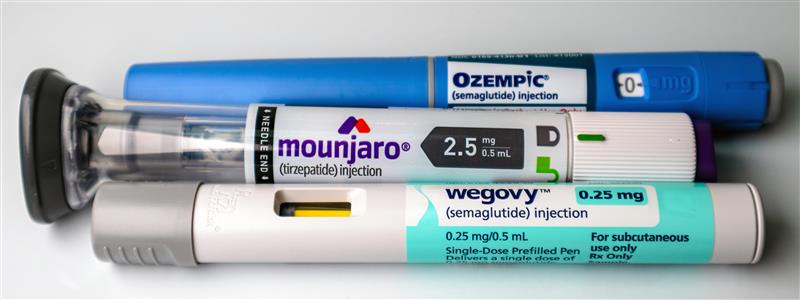

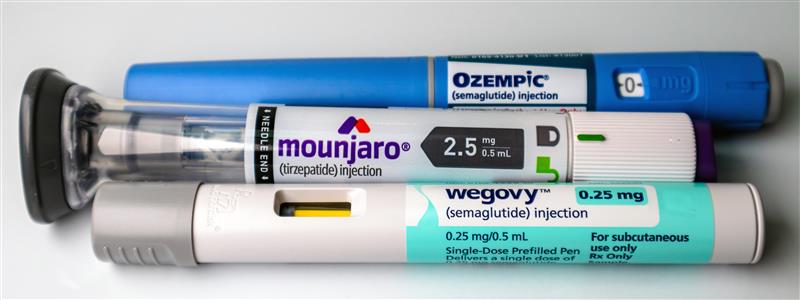
GLP-1, or glucagon-like peptide-1, has become one of the most talked-about hormones in medicine. It’s produced naturally in the gut after eating, and its job is to signal fullness, slow digestion, and help regulate blood sugar. Drugs like Ozempic and Wegovy work by mimicking this hormone, keeping it active far longer than the body would on its own.
What fewer people realize is that the body already has its own version of this system. Your body produces GLP-1 naturally, and certain lifestyle changes can increase your levels, albeit not to the same degree as medication, and may lead to gradual, sustainable weight loss. The question is whether you can actually move the needle in a meaningful way without a prescription.
What GLP-1 Actually Does in the Body
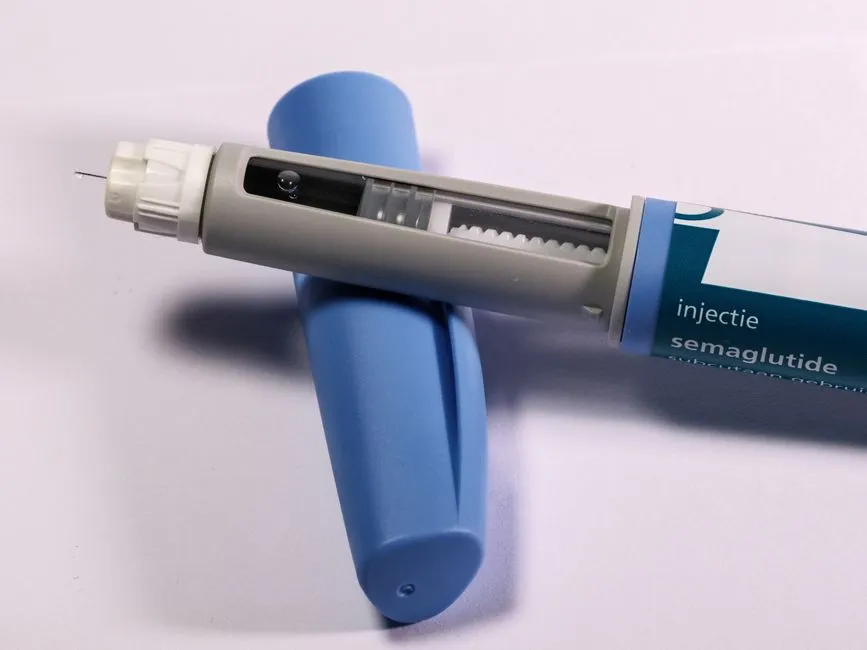
GLP-1 is a peptide hormone found in the intestines and is a key player in appetite regulation, glucose metabolism, and digestion. It’s basically what makes you feel hungry and also what signals you to stop eating when you’re full. It rises sharply after meals and drops in the gaps between them.
Semaglutide medications work by mimicking increased levels of GLP-1, a satiety signal that slows digestion and makes you feel full. These drugs also simultaneously decrease levels of an enzyme called DPP-4, which inactivates GLP-1. As a result, this “stop eating” hormone that naturally survives for only a few minutes can survive for an entire week.
Natural GLP-1 isn’t as powerful as drugs like Ozempic. That’s because GLP-1 medications act directly on your brain, whereas natural GLP-1 is broken down within minutes of being produced by your intestines, meaning it likely never reaches your brain. That gap matters, but it doesn’t mean natural strategies are pointless.
Fiber: The Most Evidence-Backed Food Strategy

Fiber, predominantly found in beans, vegetables, whole grains, nuts and seeds, is the most notable nutrient that can significantly increase GLP-1. It works in a specific way through the gut, not just by filling you up.
Soluble fiber is rich in prebiotics. Prebiotics feed the gut bacteria and break down into short-chain fatty acids, which stimulate the release of GLP-1. This is a direct, mechanistic pathway, not a vague dietary suggestion.
Oligofructose, found in foods like chicory root, garlic, and onions, helps gut bacteria make more GLP-1. Fructan, found in wheat, onions, and garlic, boosts production of short-chain fatty acids, which in turn raises GLP-1 levels. Foods like green bananas, cooked cooled rice, and potatoes are high in resistant starch, which also helps your gut make more GLP-1. Variety here is genuinely useful.
Protein’s Role in Stimulating GLP-1 Release

Protein-rich foods such as meats, eggs, nuts, and cheese can enhance feelings of fullness and can support natural GLP-1 activity by stimulating gut hormone responses after meals. The effect appears to be fairly prompt, occurring in the hours after eating.
According to a 2016 research review, eggs are a rich source of protein and monounsaturated fats, which can play a role in GLP-1 secretion. Additional research from 2020 has identified egg whites as particularly beneficial for GLP-1 secretion.
One study compared a bagel breakfast with a meal that contained three eggs. The meal containing eggs was associated with lower post-meal blood glucose levels, reduced feelings of hunger, and decreased food intake over the next 24 hours. That’s a real and measurable difference from a simple food swap.
Healthy Fats and the Mediterranean Approach
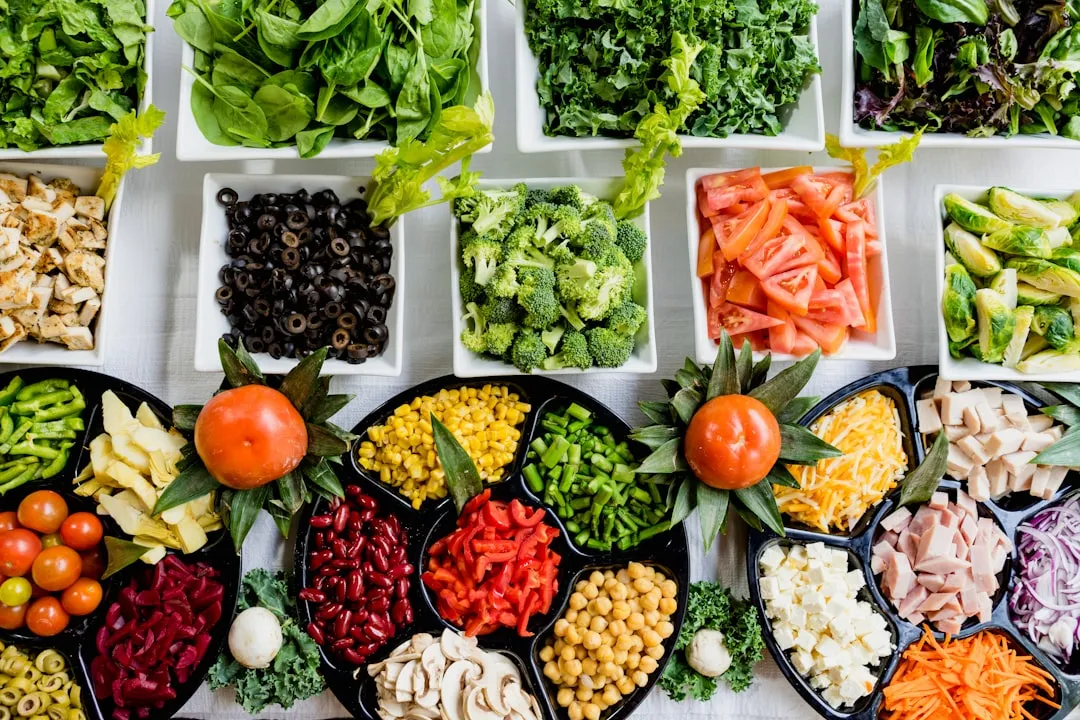
Monounsaturated fats, such as those found in olive oil and avocados, have been shown to cause an increase in GLP-1 levels, particularly compared to saturated fats such as butter and red meats. Not all fats respond equally in the gut hormone system.
Healthy fats from sources like olive oil, nuts, avocados, and full-fat dairy products slow digestion and may boost natural GLP-1 activity through mechanisms involving fatty acid receptors linked to gut hormone release. Slowing digestion is itself a useful lever for satiety.
While certain foods and dietary strategies can increase GLP-1 naturally, the magnitude is far less than what is achievable with medications. One study of the GLP-1-raising effects of the Mediterranean diet demonstrated a peak GLP-1 level of approximately 59 picograms per millilitre of blood serum. That context is important for setting realistic expectations.
Exercise: A Consistent and Well-Supported Strategy

Regular physical activity, including both aerobic exercise and resistance training, increases GLP-1, insulin sensitivity, and post-meal GLP-1 response. This has been studied for decades and the effect is fairly consistent across different populations.
A 2021 review and a 2025 meta-analysis pointed to the fact that exercise, whether it’s one workout or a consistent routine, can boost levels of GLP-1 for people with type 2 diabetes. Interestingly, the findings aren’t limited to people with metabolic conditions. This supports the pairing of exercise with other interventions in the treatment of type 2 diabetes and obesity, and these findings also extend beyond those with T2D.
The Gut Microbiome and Probiotic Strategies

Fermented foods such as yogurt, kefir, and sauerkraut support gut health and microbial balance, which is believed to contribute to natural GLP-1 signaling and overall digestive-hormone health. The gut microbiome is increasingly seen as a central player in hormone regulation.
According to several research studies, probiotics containing strains like L. acidophilus, B. infantis, or B. bifidum may stimulate GLP-1 production by improving gut microbiota. A 2024 study also discussed the bacterium Akkermansia’s ability to increase GLP-1 levels in the gut, and a 2021 study showed that Akkermansia’s novel P9 protein helps the gut secrete GLP-1 peptide.
Eating one cup daily of yogurt with live cultures has been shown to increase fasting GLP-1 compared to calorie restriction. That’s a surprisingly accessible finding, and one that doesn’t require any supplements at all.
Polyphenols, Green Tea, and Berberine

Polyphenol-rich foods like berries, dark chocolate, and green tea contain bioactive compounds that may help prolong natural GLP-1 activity. This isn’t just about stimulating more hormone release. Some compounds also slow the breakdown of the hormone itself.
Green tea extract high in EGCG is a popular GLP-1 supplement. Studies show EGCG can enhance GLP-1 activity and prolong its effects by inhibiting the enzyme that breaks down the hormone, and research on EGCG-whey protein combinations also demonstrates increased GLP-1 secretion.
Berberine is a plant-derived compound often used as a GLP-1 supplement because research suggests it may stimulate GLP-1 secretion and improve glucose metabolism, though much of the evidence so far comes from laboratory, animal, and smaller human studies rather than large clinical trials. Social media has called it “nature’s Ozempic,” but that label dramatically overstates what the science currently supports.
Curcumin, Ginseng, and Other Emerging Supplements
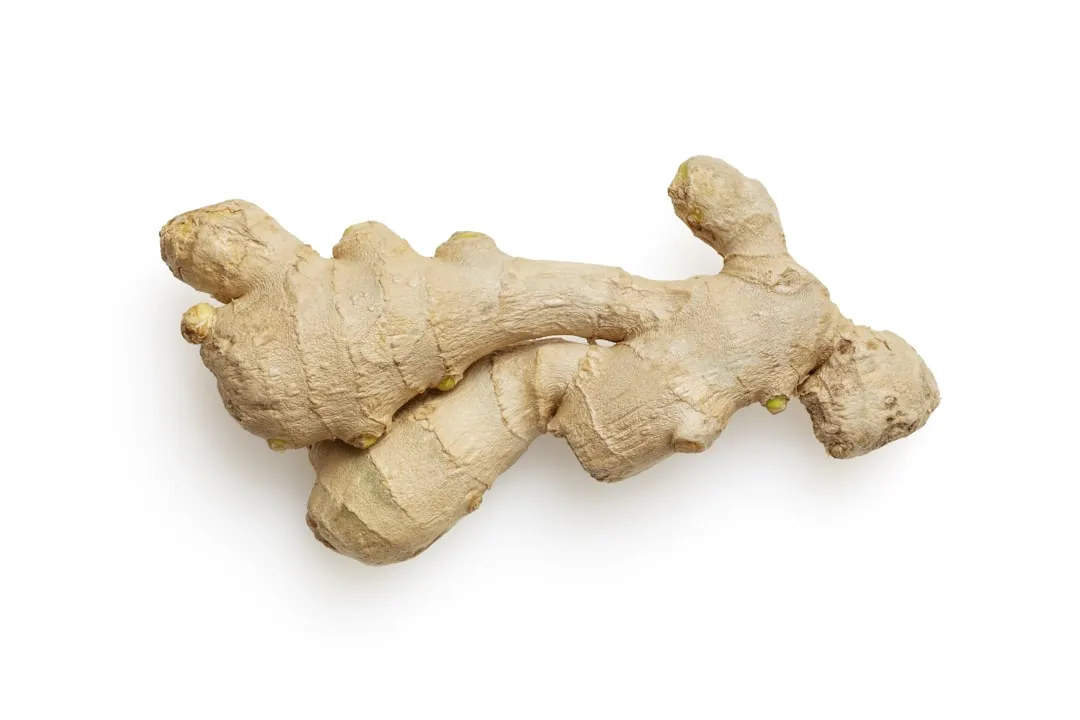
Curcumin, the bright yellow compound found in turmeric, has shown potential antidiabetic and anti-inflammatory benefits. Studies in animals show that curcumin can improve blood sugar control by increasing GLP-1 release. One small human study showed that curcumin at 1,500 mg daily reduced weight and blood sugar in people with type 2 diabetes, possibly related to its effect on GLP-1.
Ginseng has been used historically to improve energy, attention, and immunity. Known for its benefits in blood sugar management, ginseng has shown promise in animal studies, where it boosted GLP-1 levels in rats with insulin resistance and elevated lipid levels.
Small studies show that certain supplements, like berberine, curcumin, and ginseng, may boost GLP-1 levels. However, there’s not a lot of research showing whether these supplements work in humans, and most of the existing research was done in animals or in a laboratory. Proceed with curiosity, not certainty.
Sleep Quality and Stress Management

When you’re sleep deprived, research has shown that release of post-meal GLP-1 is delayed, which keeps you from feeling full when you should. This creates a subtle but persistent push toward overeating that most people never connect to sleep.
Adequate sleep is essential for effective weight management, as it regulates appetite-related hormones, supports metabolic function, and promotes energy utilization. Conversely, insufficient sleep can lead to increased appetite, impaired insulin sensitivity, and preferential loss of lean mass over fat during dieting.
Managing stress, prioritizing sleep, and staying active can also support GLP-1 production and healthier blood sugar and fullness. These are foundational habits that quietly support hormone balance across many systems, not just GLP-1.
The Real Gap Between Natural and Pharmaceutical GLP-1
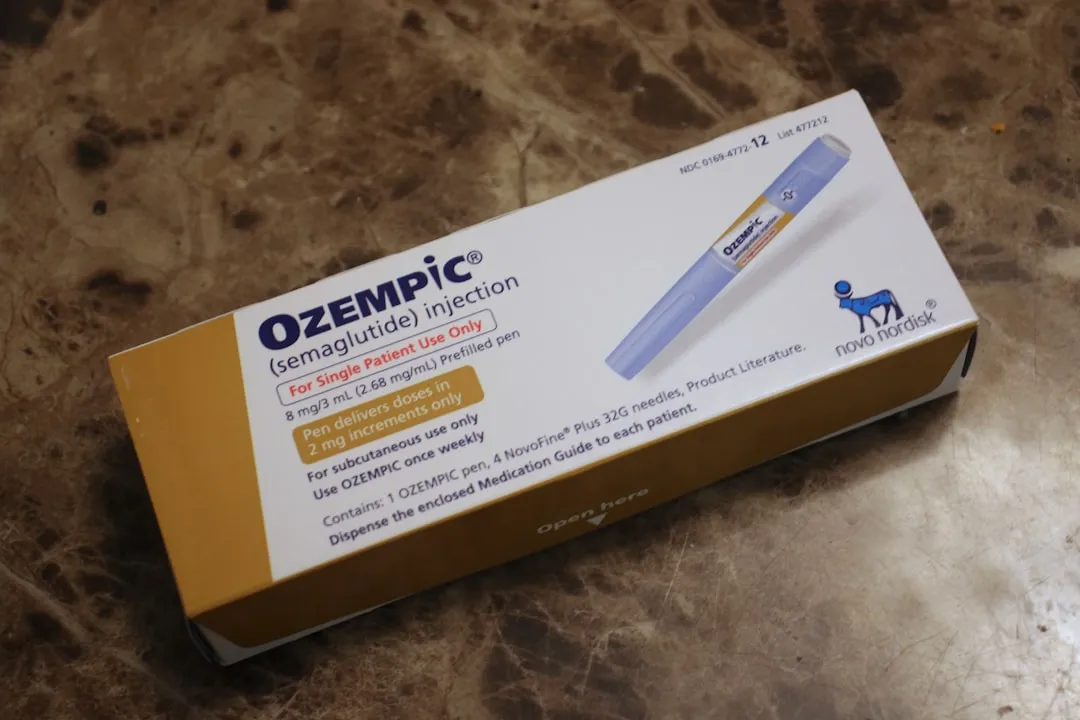
While certain foods and dietary strategies can increase GLP-1 naturally, the magnitude is far less than what is achievable with medications. One study of the GLP-1-raising effects of the Mediterranean diet demonstrated a peak GLP-1 level of approximately 59 picograms per millilitre of blood serum, while the product monograph for Ozempic reports that the lowest dose produces a semaglutide level of 65 nanograms per millilitre, which is one thousand times higher per unit.
GLP-1 receptor agonist prescriptions have increased by roughly three and a half times between 2019 and 2024. That growth reflects genuine clinical need, but it also highlights why natural alternatives are attracting serious attention from researchers and patients alike.
Structured exercise, adequate sleep, and targeted use of probiotics and selected nutraceuticals provide additional, evidence-informed levers to complement pharmacological GLP-1 receptor agonists or to support metabolic health in individuals who are not using these medications. The natural path is slower and more modest in effect, but it isn’t irrelevant.
The Takeaway
The honest answer is yes, you can nudge your GLP-1 system without medication, but not by a dramatic margin. Increasing GLP-1 naturally isn’t about restriction. It’s about creating lasting exercise, nutrition, and lifestyle practices that support your body with or without medication.
The existing research shows that eating more fiber, especially fermentable fibers, managing your stress, getting enough sleep, and staying active can go a long way toward boosting levels of the hormone. When your body is consistently making enough GLP-1, you’ll enjoy more balanced blood sugar, more satiating meals, and an easier time maintaining a healthy weight.
For most people, the realistic goal isn’t to replicate what Ozempic does. It’s to build habits that support the body’s own hormonal intelligence over time. That’s a quieter outcome, but a durable one.
AI Disclaimer: This article was created with the assistance of AI tools and reviewed by a human editor.