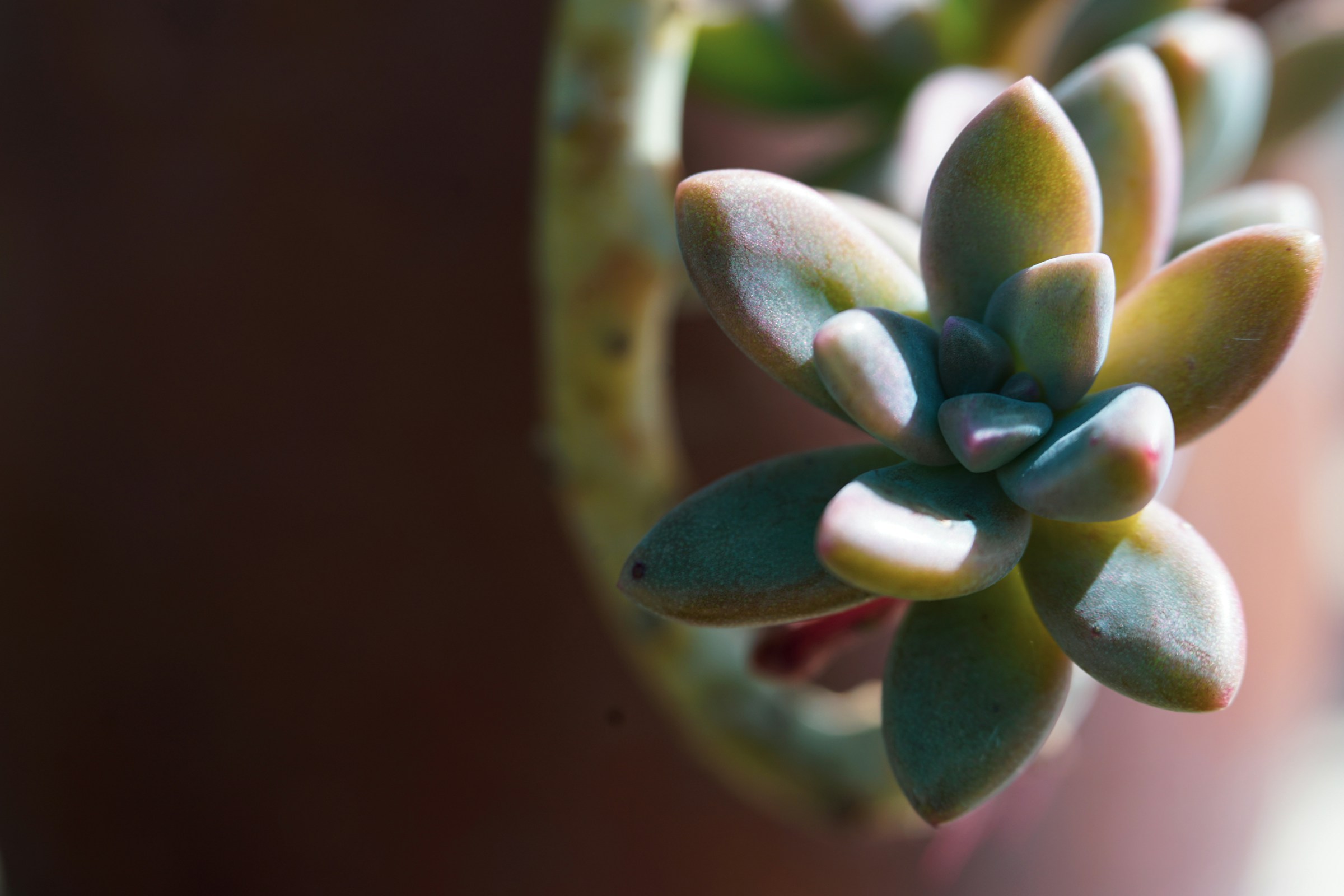

There’s something unsettling about reaching down to water your favorite succulent and spotting a scorpion – or worse, several of them – nestled in the soil. It’s more common than most plant owners expect, and the combination of gritty, dry soil with a sheltered pot rim turns out to be exactly what these creatures are looking for. Understanding why it happens and what to do next can make an enormous difference in how safely you handle the situation.
Why Scorpions Are Drawn to Potted Succulents in the First Place
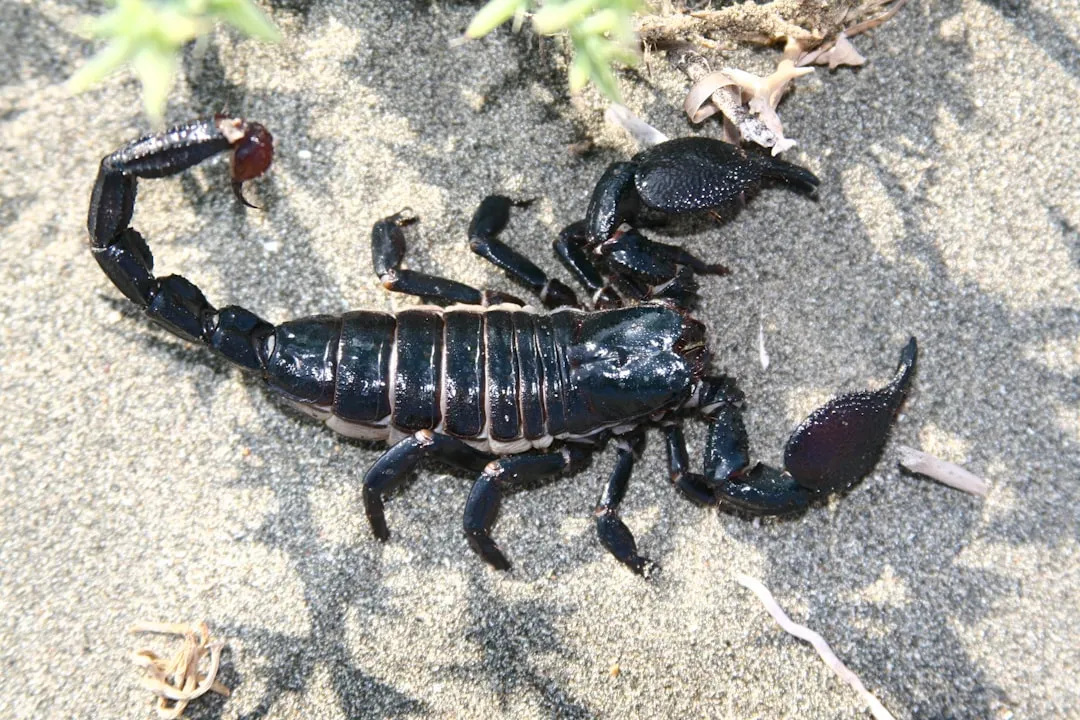
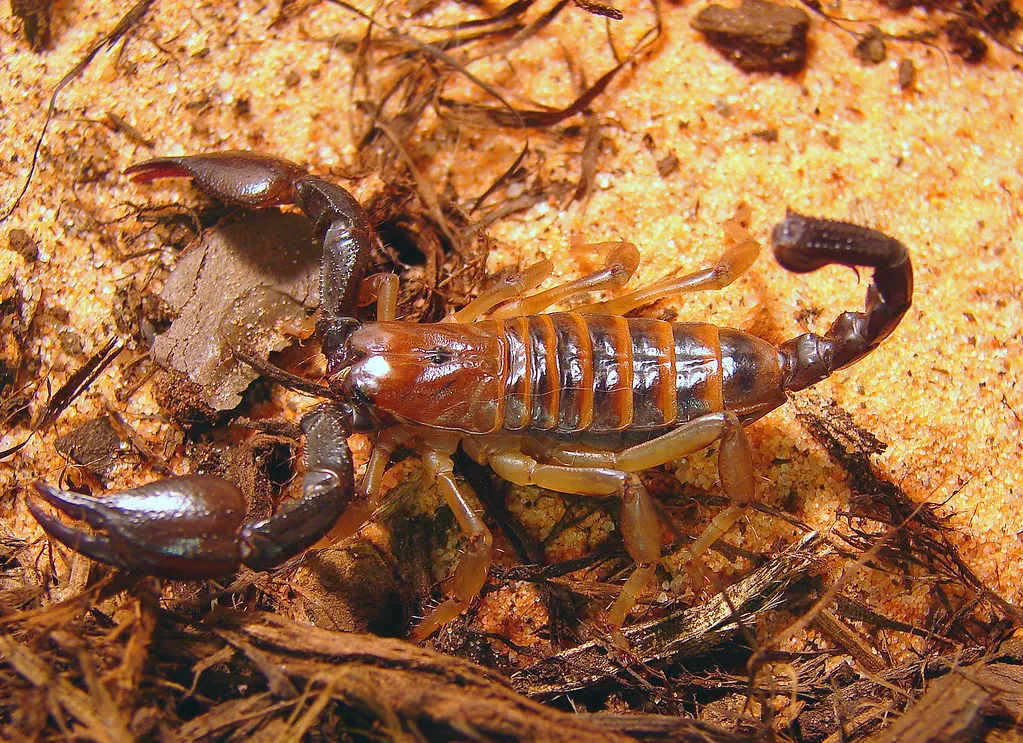
Scorpions are skilled at setting up hideouts wherever they go, burrowing into soft soil, wedging themselves under rocks, or sneaking into cracks in tree bark to create a safe haven. A potted succulent offers much of this in miniature form. The compact, gritty soil, the shade under a wide pot rim, and the relative stillness of an indoor or patio environment tick most of their boxes.
Potted plants on a patio or porch seem like an unlikely place to start a scorpion problem, but the conditions that develop underneath containers sitting on the ground create exactly the kind of environment these pests seek out. Moisture retained under the pot, shade from the container above, and insects drawn to decaying organic matter at the soil surface combine to make the underside of a plant container one of the more reliable scorpion sheltering spots in a yard.
Scorpions are desert creatures, but they still need water. Plants that retain moisture, like agave or aloe, can attract these pests – they love the damp environment these plants can create at their base. Succulents fit that profile more often than people realize, especially when they’re slightly overwatered or sitting in a saucer.
Know Your Species Before You Act
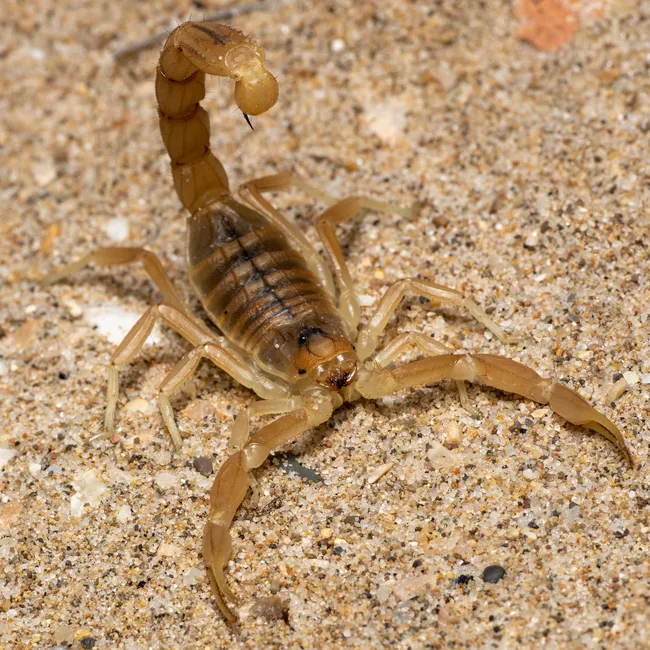
There are presently 1,200 known species of scorpions in the world, and all of these scorpions are dangerous to some degree. That said, risk varies significantly by species. The vast majority of scorpions you’ll encounter in the continental United States are not medically serious, but there is one notable exception.
The Arizona bark scorpion is the most venomous scorpion in the United States, and its venom can cause severe pain, coupled with numbness, tingling, and vomiting in adult humans, typically lasting between 24 and 72 hours. Arizona bark scorpions can be found throughout the southwest, including Arizona, Nevada, New Mexico, and southern California.
Arizona bark scorpions are the only potentially deadly scorpion in the United States. They have a painful and highly venomous sting that is particularly dangerous to young children, pets, the elderly, and people with compromised immune systems. If you live in or near the Southwest, identifying what you’re dealing with before attempting any removal is essential.
Do Not Handle the Pot Barehanded
As a general retreat response, bark scorpions seek out dark places they can squeeze into. This includes a great variety of natural and man-made places, especially where prey is abundant, such as under tree bark, rocks, potted plants, patio debris, and door mats. That means the moment you lift a pot, a scorpion that felt safe may feel threatened and act defensively.
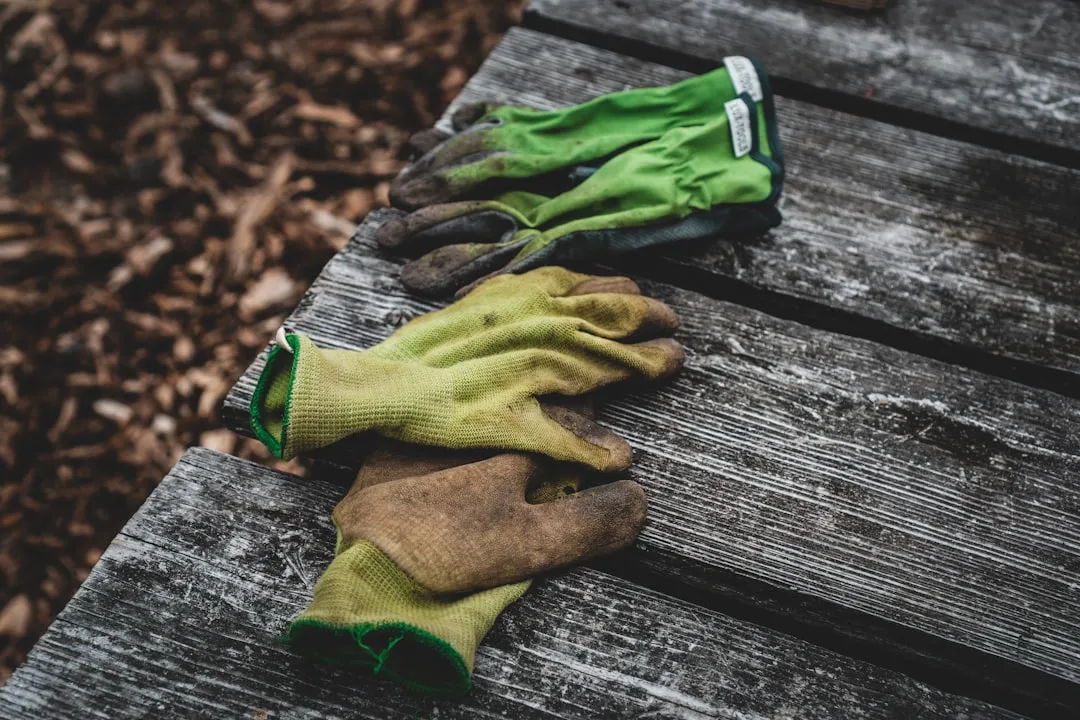
Put on gloves when you grow or work with mulch and soil. Thick leather gardening gloves are ideal here, not thin fabric ones. Scorpion stingers can penetrate lightweight materials with ease, and the risk of a surprise sting is highest right at the moment of disturbance when the animal has no obvious escape route.
Move slowly and deliberately. Sudden movement startles the scorpion and increases the chance it strikes rather than retreats. A long pair of tongs or a garden tool used to shift the pot incrementally gives you distance and control without putting your hands near the animal directly.
Use a UV Blacklight to Confirm What You’re Dealing With
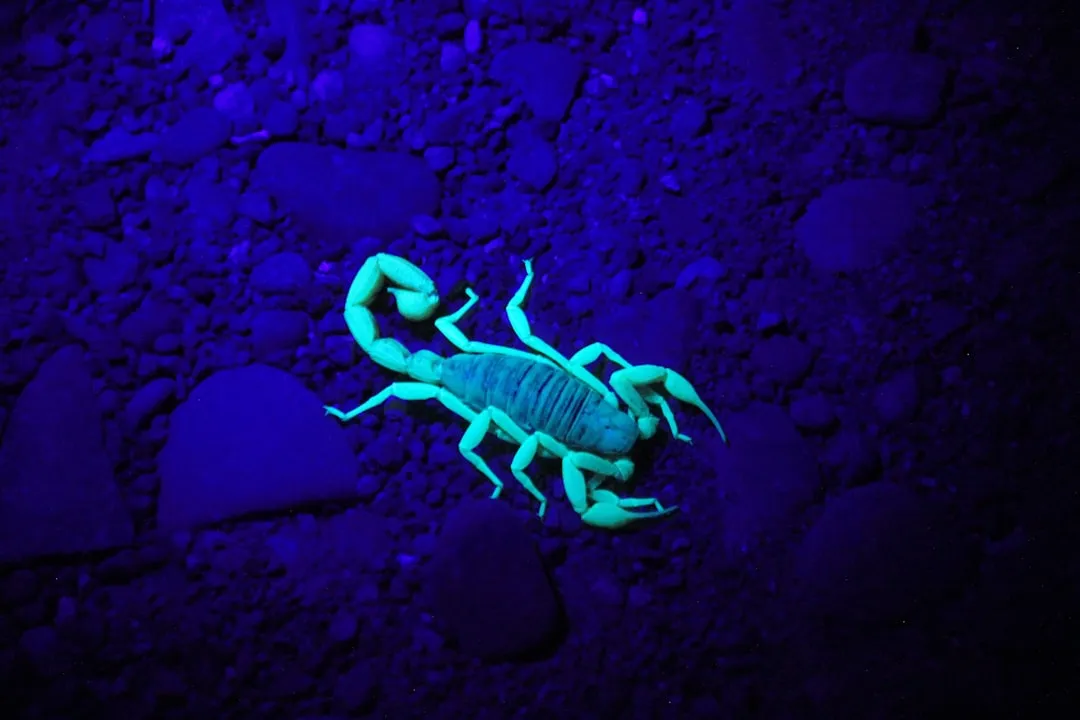
Arizona bark scorpions, like most other scorpions, will fluoresce when exposed to a blacklight. This is particularly useful for detection, since Arizona bark scorpions are active during the night and can be easily spotted using this method. A basic UV flashlight costs very little and can reveal scorpions that would otherwise be nearly impossible to spot against sandy or organic soil.
One unique feature of the bark scorpion is its ability to glow a bright green under UV lighting. Scorpions glow due to a natural substance in their exoskeleton, making UV lights useful for spotting them in the dark. Running a blacklight over your potted succulents at night – especially during summer months – can reveal a scorpion presence before it becomes a problem involving an accidental sting.
Remove the Scorpion Safely Without Killing It
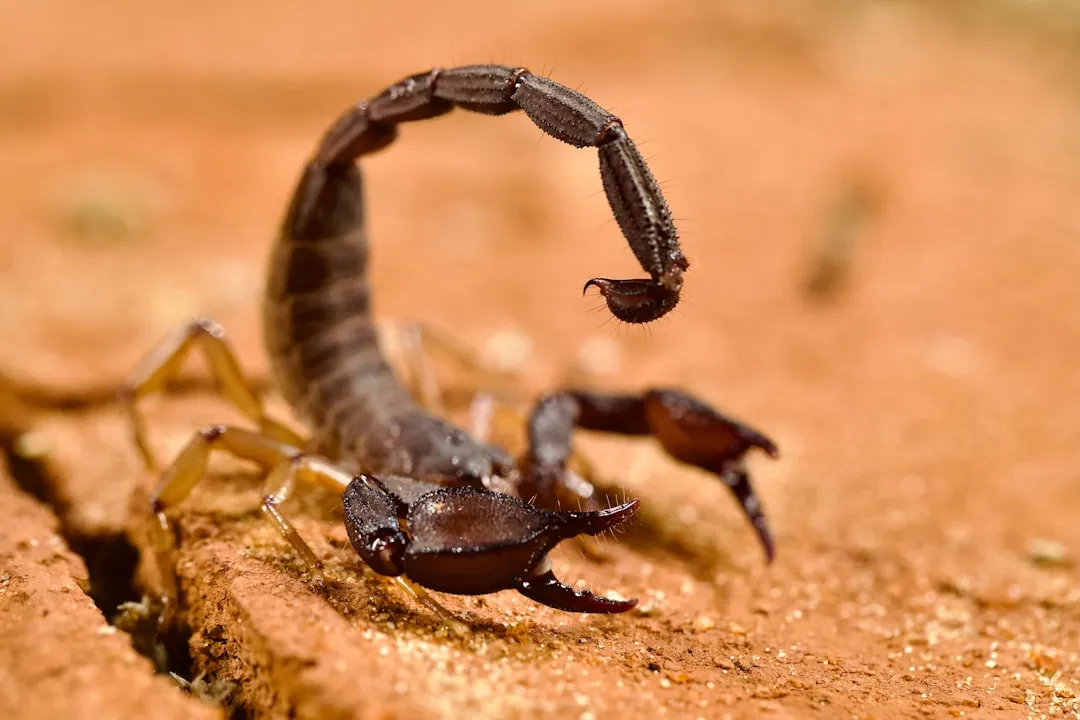
Carefully move the scorpion with a jar and some cardboard if you find one in a place you don’t want it. This low-tech approach works well for single scorpions and keeps you at a safe distance throughout the process. Place the open jar near the scorpion, use a stiff piece of cardboard to guide it inside, then seal and relocate it well away from the home.
Arizona bark scorpions look for places to hide, and they will not seek out humans unless provoked or defending young. That’s reassuring to know when you’re trying to relocate one calmly. Staying slow and deliberate during removal typically keeps the animal from becoming defensive.
If there are multiple scorpions or young are present on a female’s back, the situation becomes more complicated. Females give birth to live young and carry up to 30 on their back for up to three weeks, protecting them until they have their first molt. In that case, calling a licensed pest professional is a much safer choice than DIY removal.
Repot the Succulent and Clean the Pot Thoroughly
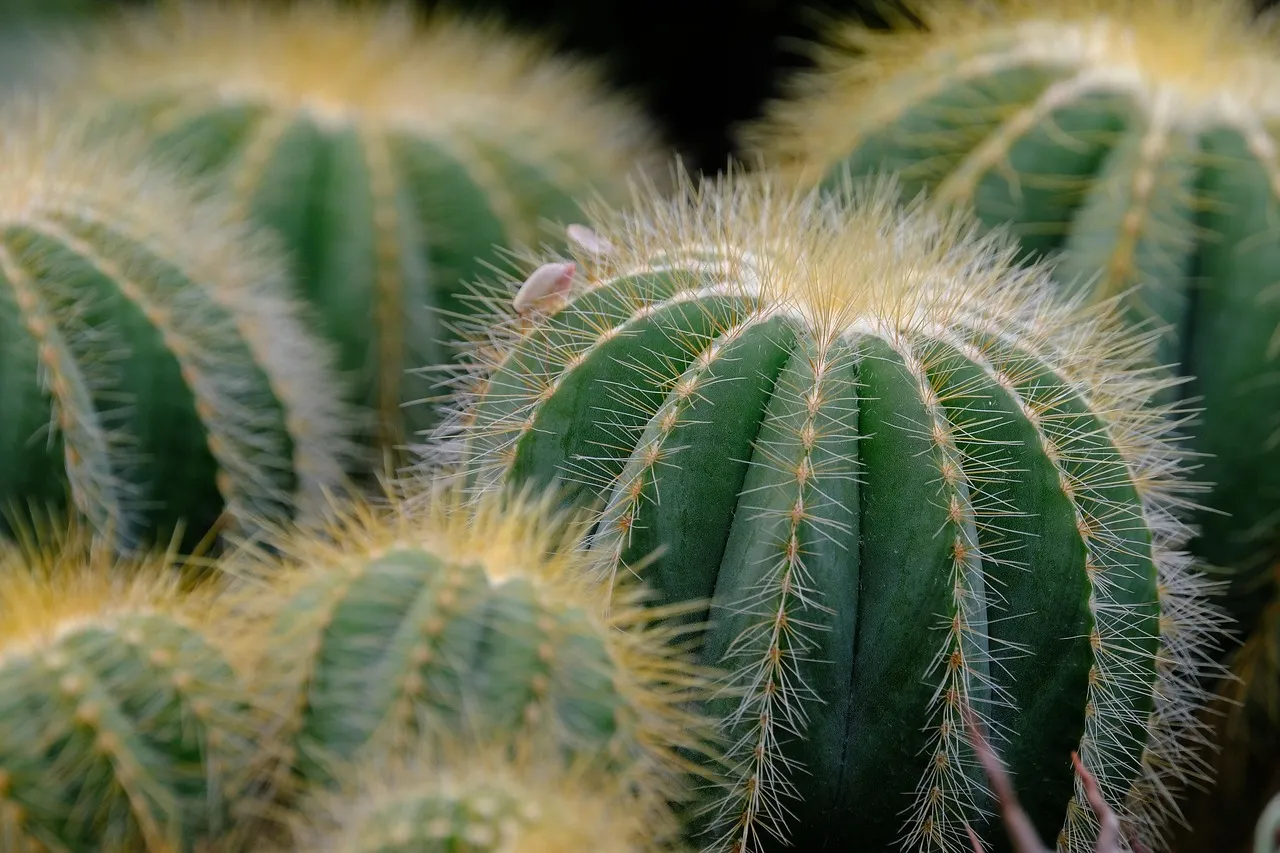
Once any scorpions are removed, repotting the succulent is a logical next step. Succulents thrive in well-draining soil with large air pockets. A fresh batch of dry, coarse succulent soil eliminates the microenvironment the scorpion was using, and it also benefits the plant directly. Avoid dense or moisture-retaining mixes.
Scrub the pot interior with warm soapy water before adding new soil. Scorpions leave chemical trails that can attract other members of their kind. In some situations, scorpions may breed quickly because there is a lot of food or a safe place to live. A clean pot combined with fresh substrate removes two key reasons a scorpion might return.
Terracotta pots are ideal for succulents as they wick excess moisture. Moisture is one of the primary draws for scorpions, so switching from a glazed ceramic pot to terracotta can passively reduce the attractiveness of the container going forward.
Reduce the Conditions That Attract Scorpions to Your Plants
Scorpions are drawn to moisture, so fix any leaks and avoid overwatering plants. With succulents, this is especially manageable since they prefer dry soil between waterings anyway. Water your plants in the morning so the soil dries out by evening. Avoid overwatering and ensure good drainage to prevent moisture buildup. Less moisture means fewer scorpions.
To reduce the risk, try trimming the lower branches of your plants so foliage does not touch the ground or drape over the sides of the pot. This improves airflow and makes the base of the container less inviting. You can also place the pot on a smooth surface like a paved patio rather than soil or mulch, since scorpions prefer to travel across rough, natural terrain.
Outdoor lights attract insects, which in turn attract scorpions. Use yellow bug lights or keep lighting to a minimum. Fewer insects around your outdoor plant collection means fewer reasons for a scorpion to take up residence in one of your pots.
If Someone Gets Stung, Act Calmly and Quickly
Scorpion encounters in the garden rarely end in a sting, but if one does occur, keeping calm is genuinely important. Immediately wash the sting with soap and water, apply ice wrapped in a towel for 10 minutes on and off, take over-the-counter pain relievers if safe for you, and monitor symptoms.
Most scorpion stings are very painful, but they usually aren’t life-threatening. Still, the situation changes if the sting involves a child, an elderly person, or someone who may have an immune vulnerability. The sting of the Arizona bark scorpion, if left untreated, can be fatal to young children, the elderly, the immunocompromised, and those who are allergic to the venom.
Call Poison Control at 1-800-222-1222 for guidance, go to the emergency room if numbness spreads or muscle twitching occurs, and call 911 for breathing problems or severe allergic reactions. If possible, take a photo of the scorpion at a safe distance – species identification helps medical staff determine the appropriate level of response.
When to Call a Professional Pest Control Service
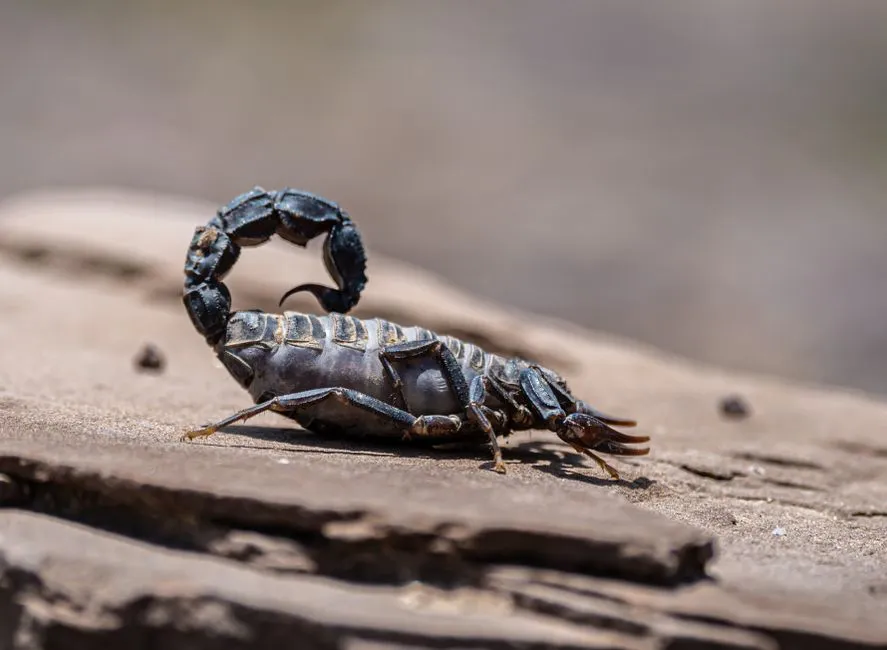
A single scorpion in a pot is a manageable discovery. A pattern of repeated sightings is a different matter. Typical scorpion habitat includes areas that provide protection such as under rocks, fallen trees, debris, stacks of firewood, potted plants, outdoor furniture, and inside attics, crawl spaces, and outdoor storage sheds or barns. If scorpions are finding their way into multiple locations around your home, the potted succulent may be just one of many harborage points.
Chemical products can be used for scorpion treatment. Scorpions prefer to hide in well-protected places, so unless the chemical applications are targeted to their harborage sites, chemical use may not always be effective. This is a reason why professional pest operators who understand scorpion behavior tend to achieve better results than generic over-the-counter sprays applied without strategic placement.
Scorpion peak activity occurs during the summer months, specifically in July and August. Monsoon rains during this season contribute to increased activity, as moist conditions and warmer temperatures create optimal conditions for development and may cause scorpions to seek moisture or relocate to new harborage areas. Human encounters with scorpions tend to rise during the summer months because of these factors. Scheduling a professional inspection ahead of summer is a practical and proactive step in scorpion-prone regions.
Long-Term Prevention Around Your Succulent Collection

If you live in an area where scorpions are common, seal cracks or gaps in your home’s foundation, walls, and doors. A scorpion that finds a comfortable habitat in a potted plant just outside a door is only a few steps away from coming inside. Structural exclusion remains one of the most reliable long-term prevention strategies.
Consider adding plants like lavender, marigold, and lemongrass nearby. These plants are known to repel scorpions. While no plant-based deterrent is foolproof, strategically placing natural repellents around your succulent arrangement adds a layer of passive protection without requiring chemicals or ongoing effort.
Scorpions are often drawn to wet soil, compost, and piled-up trash. They won’t be as present if you keep your garden clean and well-balanced. Good general garden hygiene – removing debris, keeping soil dry between waterings, and lifting pots off the ground with risers – goes a long way toward making your succulent collection a less attractive destination.
The Takeaway
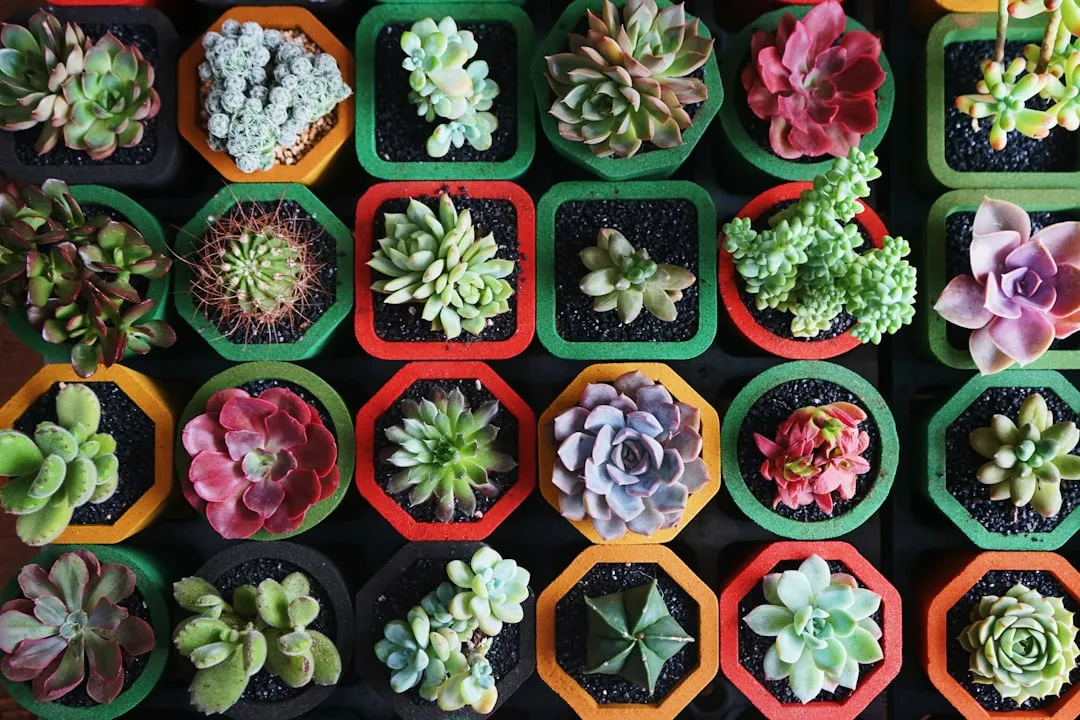
Finding a scorpion in a potted succulent is startling, but it’s also a manageable situation when you respond with patience rather than panic. The right protective gear, a steady hand, and a UV flashlight at night will tell you most of what you need to know. From there, good plant care habits – dry soil, good drainage, clean pots, paved surfaces – overlap almost perfectly with good scorpion deterrence habits.
The broader point is worth sitting with: succulents and scorpions share a preference for arid, sheltered microenvironments. If you’re growing succulents in a hot, dry region, a certain level of vigilance around your plants is simply part of responsible ownership. It doesn’t mean giving up your plant collection. It means knowing what to look for, and being ready when you find it.
AI Disclaimer: This article was created with the assistance of AI tools and reviewed by a human editor.