

1. Washing Too Hot and Paying the Price
Many people think they are doing the right thing by running a hot cycle, but consistently washing at high temperatures can wear out clothes faster than expected, weakening the fibers, dulling colors, and reducing the lifespan of favorite pieces. The science backs this up clearly. Above 40 degrees Celsius, the combination of high temperature, drum friction, and detergent can gradually weaken fabrics, and cotton, wool, and synthetic fibers can lose their softness, shape, and durability.
Cotton fibers can shrink by up to 5 percent when exposed to temperatures above 60 degrees Celsius, wool fibers will felt and shrink irreversibly because the protein-based scales open up and lock together, and synthetic fabrics like polyester and nylon can warp or develop permanent creases. The good news is that modern detergents are well-equipped to handle cooler settings. The American Cleaning Institute recommends washing most everyday items at 30 to 40 degrees Celsius, with delicate items and dark colors going even lower, and hot water reserved only for heavily soiled items, bed linens, and towels.
2. Overloading the Washing Machine
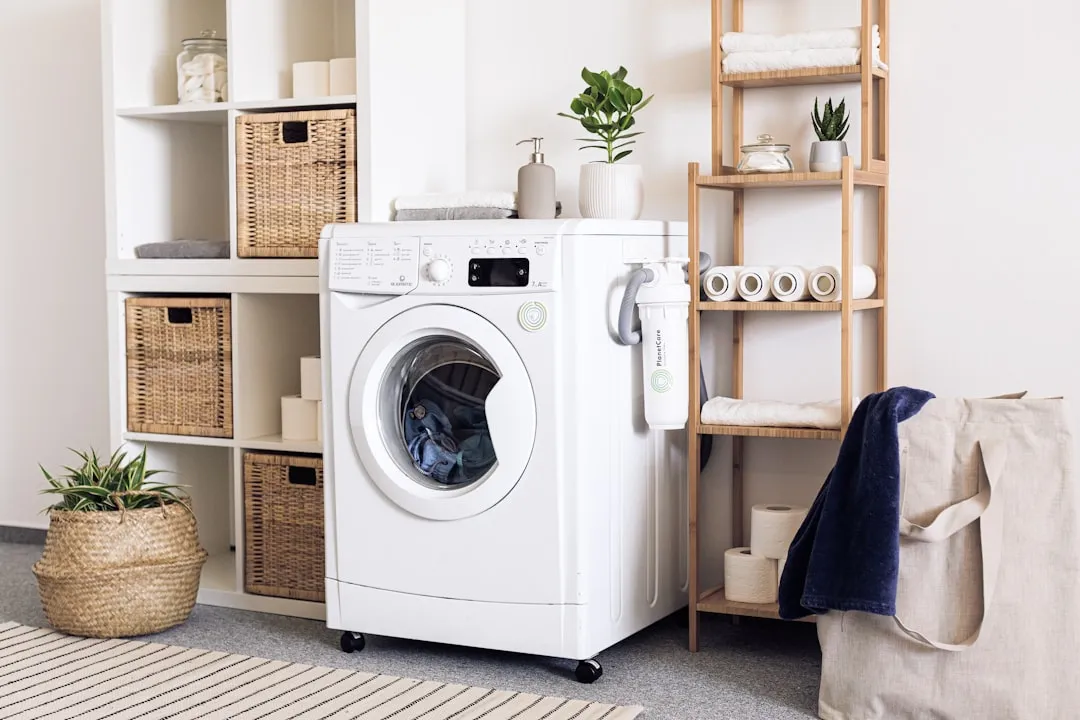
Arguably the most common laundry mistake, overloading the washing machine means clothes need space to move around to get clean, and stuffing the machine full leads to ineffective washing and rinsing, so clothes come out less clean and may still have soap on them. There is also a physical toll on the fabric itself. When the machine is too full, clothes rub against each other with excessive friction, causing pilling, color transfer, and fiber abrasion, while detergent cannot distribute evenly, leaving some items with too much soap residue.
A properly loaded machine should have enough space that you can fit your hand vertically between the top of the drum and the laundry. If you cannot do that, remove some items. Overloading can also damage the machine itself and cause mechanical issues over time.
3. Using Too Much Detergent
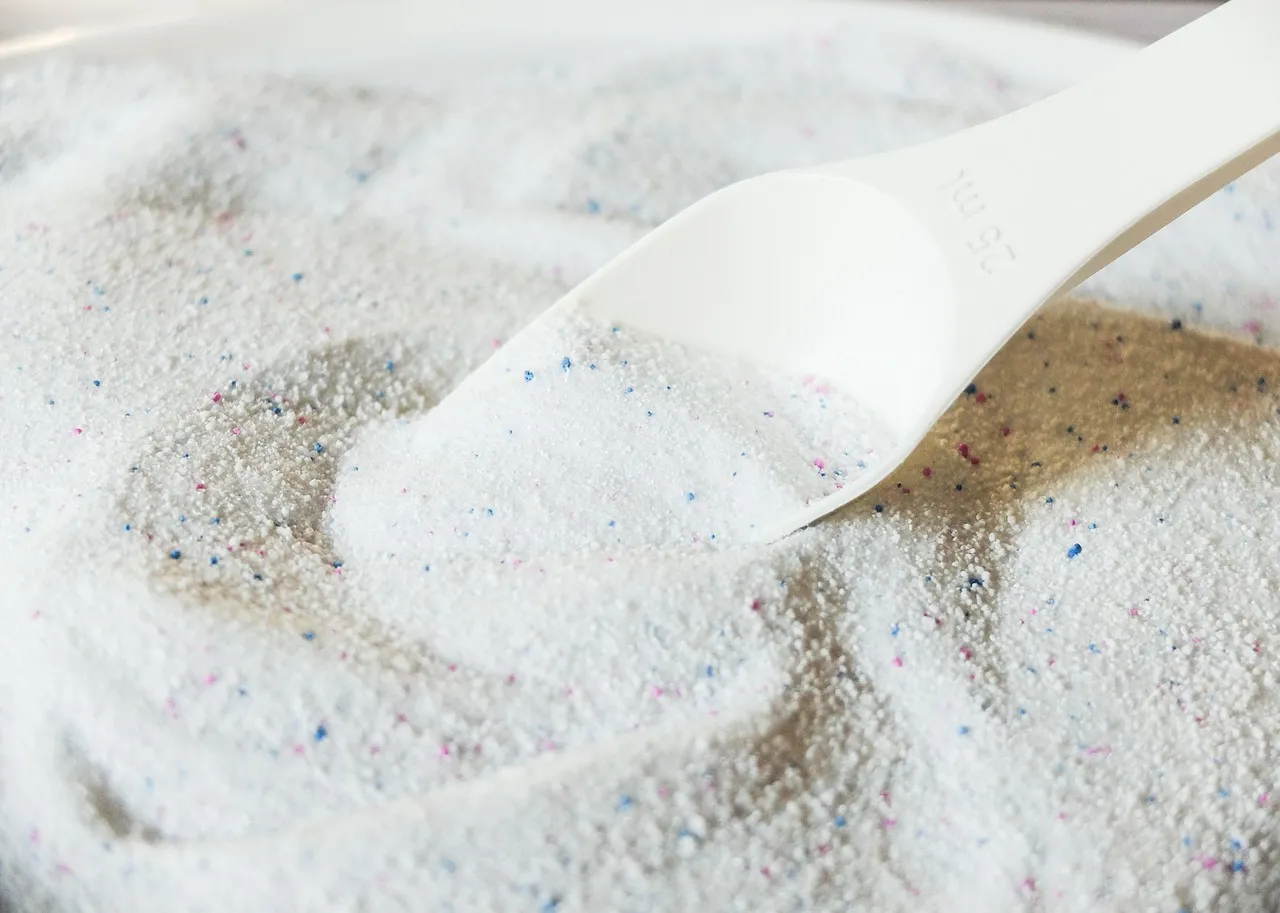
Contrary to what many believe, extra detergent will not make clothes cleaner. In fact, it has the opposite effect: it can leave a soapy residue on laundry, attract dirt, and irritate sensitive skin. The residue problem is especially persistent. Excessive detergent does not rinse out and is likely to stay trapped in fibers, leaving clothes feeling stiff and rough.
Another widespread misconception is that “more detergent equals cleaner laundry.” In reality, too much detergent can clog fibers and make rinsing less effective, and the right measured amount is often the best way to keep a wardrobe clean. High-efficiency machines are particularly vulnerable to detergent overuse. Following the recommended amount on the product label, or even using slightly less, is always the safer approach, especially with HE washing machines.
4. Overwashing Your Clothes
Each trip through the washing machine puts clothes through a controlled beating, and the agitation, spinning, and chemical exposure that remove dirt and odors also gradually break down fabric fibers, fade colors, and alter the shape and texture of garments. Most items simply do not need washing as often as we think. Jeans can typically be worn four to five times before washing, sweaters and cardigans often only need washing after three to four wears, and even dress shirts can handle two to three wears in an office environment.
That fresh, clean feeling from washing everything after every wear is actually shortening the lifespan of favorite pieces and costing hundreds of dollars in premature replacements. The fix is straightforward. If an item looks clean, smells fresh, and feels comfortable, it probably does not need washing yet, and outerwear like blazers, coats, and structured pieces should be washed even less frequently.
5. Not Sorting Your Laundry
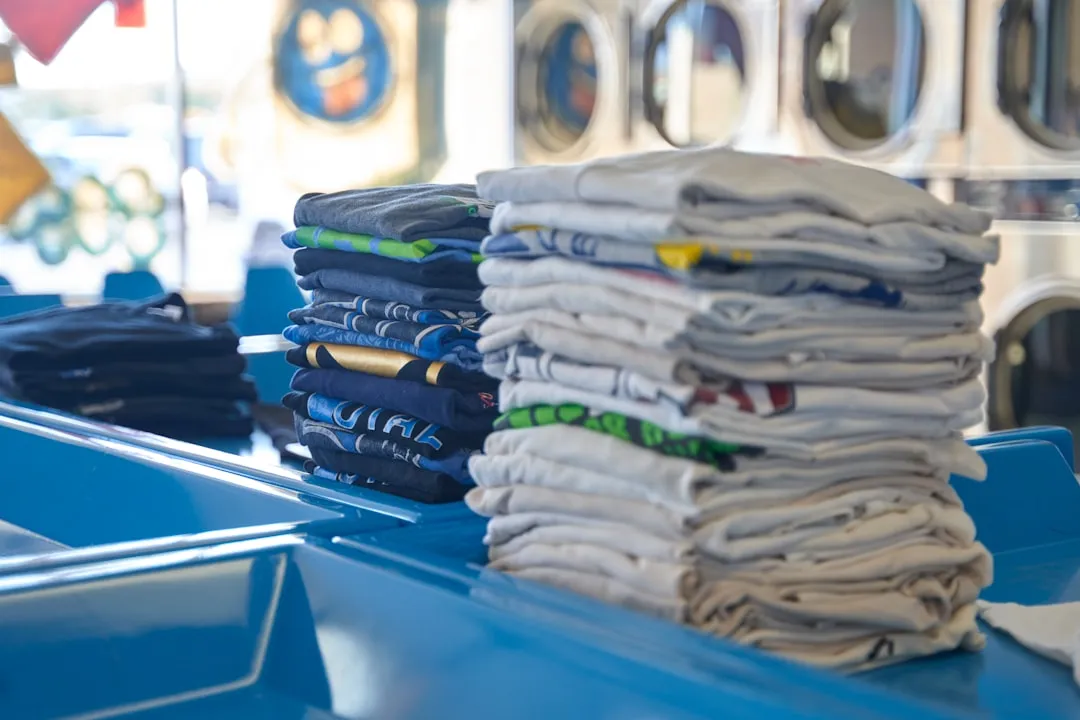
Washing all clothes together is one of the most frequent laundry mistakes, with dark clothes, light clothes, towels, jeans, and delicate fabrics regularly mixed in the same load. The damage is predictable and cumulative. This causes color bleeding, fabric damage, and rough textures, with dark clothes potentially bleeding onto light ones making them look dull or gray, while heavy items such as jeans and towels rub against soft materials, leading to pilling and premature wear.
Not sorting laundry at least by color is a significant mistake. Sorting by fabric and care instructions as well is the ideal approach, though sorting by color alone is already a meaningful improvement. It takes only a few extra minutes per load and makes a real difference over months of use.
6. Ignoring the Lint Trap and Dryer Vent
There are approximately 15,600 structure fires, 400 injuries, and 15 deaths reported annually as a result of dryer fires, and according to the USFA, dryer fires account for over 100 million dollars in property losses every year. The cause is far simpler than most people realize. A majority of dryer fires occur as a result of highly combustible lint getting caught in the dryer vent and becoming heated to the point of ignition.
According to CPSC studies, lint accumulation causes the vast majority of dryer fires, and the NFPA has found that failure to clean the lint screen precedes most dryer fires. Awareness alone is not solving the problem. One survey found that more than half of homeowners did not see the need for regular cleaning because they believed lint traps provided sufficient protection, and roughly another three in ten said they were simply not aware of the fire risk posed by dirty vents. Cleaning the lint filter after every single load is the easiest preventative step available.
7. Leaving Wet Clothes Sitting in the Machine
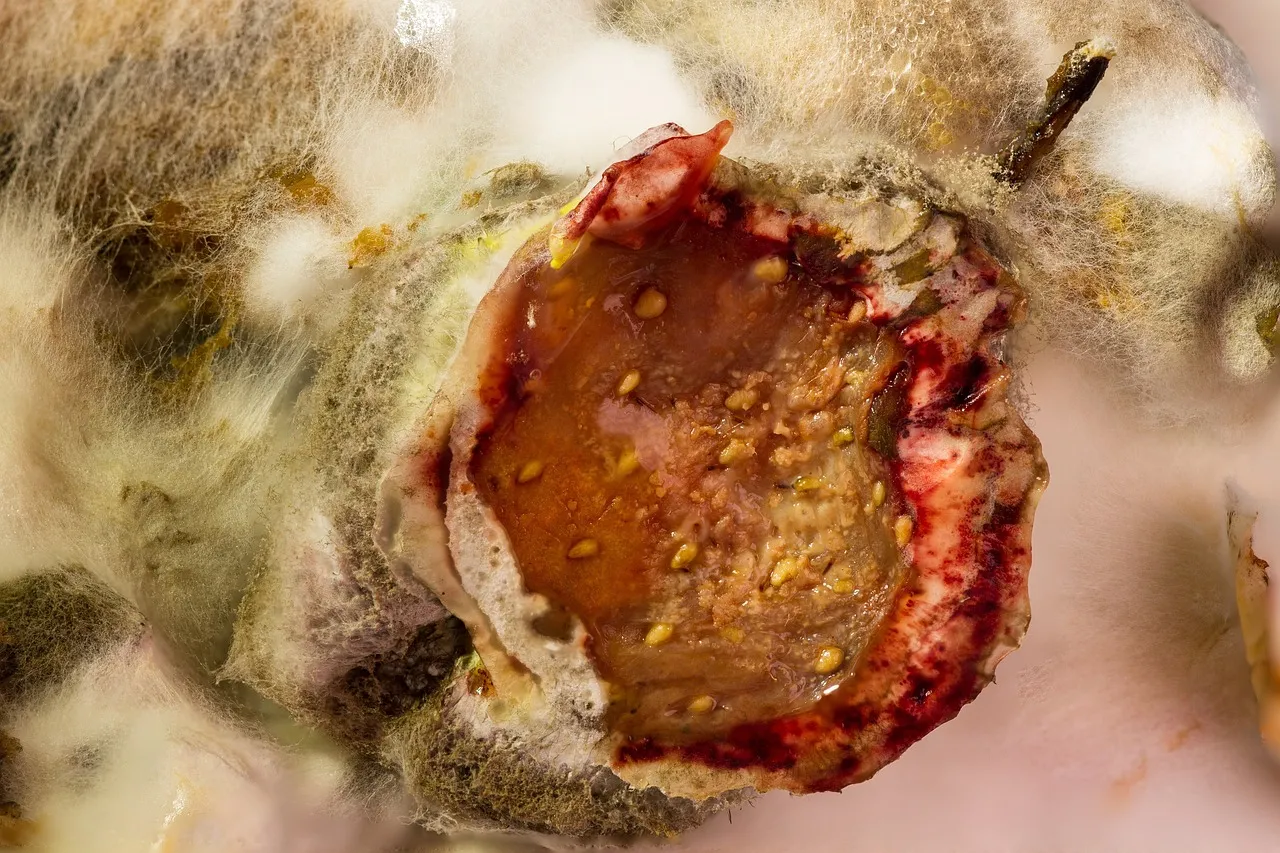
The biggest downside of leaving clothes in the washing machine for more than eight to twelve hours is that, after this period, there is a greater chance that bacteria, mold, and mildew will grow. Research into exactly how fast this happens is sobering. Mold finds the moist, warm environment of the washer welcoming, and while growth is not immediate, within about 24 hours there is significant mold development underway.
Research has found that fungi were detected in over four fifths of sampled household washing machines, with the inner rubber door seal being the most frequently colonized area, and 122 fungal isolates encompassing 17 diverse genera were identified across machines tested. The consequences go beyond smell. Mildew not only causes an unpleasant odor in dried clothes but can also result in considerable damage to clothing fabrics, and breathing the musty odor can make people unwell, especially those with asthma.
8. Not Pretreating Stains Before Washing
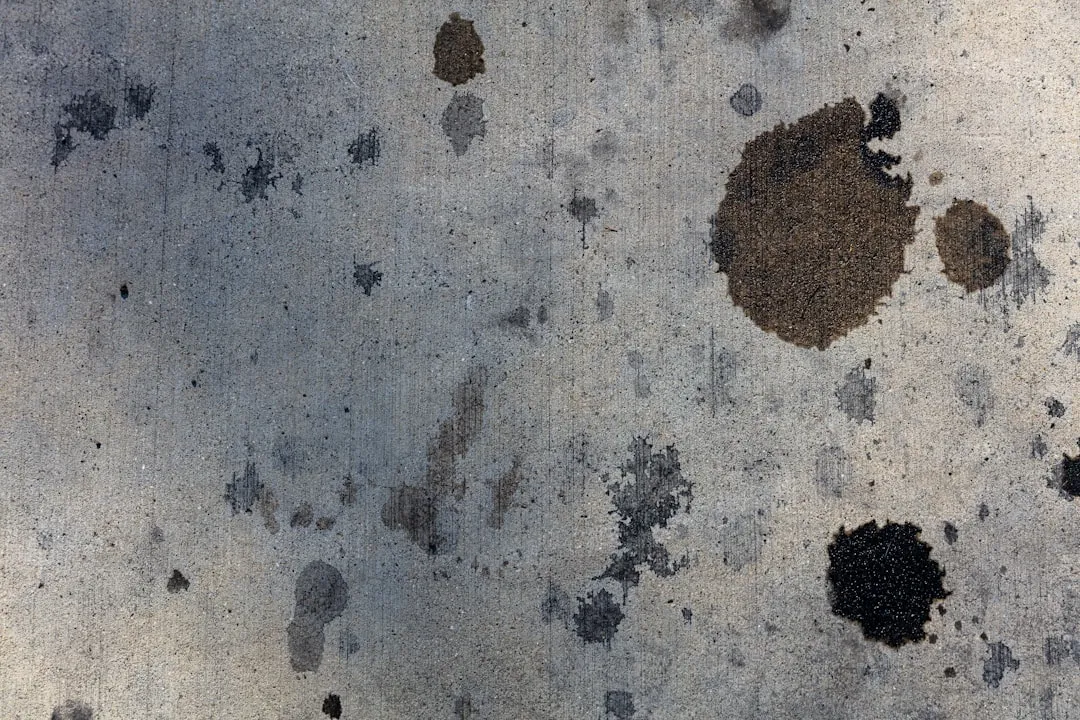
If you forget to pretreat stains, there is a good chance they will not come out in the wash, and ideally you will pretreat the stain immediately after it happens. Waiting too long and applying the wrong method are both common pitfalls. Aggressive rubbing of stains or waiting too long before washing aggravates them, and some stains set permanently when exposed to heat.
Hot water can actually set tough stains like coffee, wine, blood, and other bodily fluids into fabric, which is why it is generally better to wash stains with cold water first. A targeted approach matters more than guesswork. Mixing a small amount of detergent with water and applying it directly to the stain, then giving it a few minutes to start working before washing, is one of the most reliable stain removal methods available.
9. Using Fabric Softener Improperly
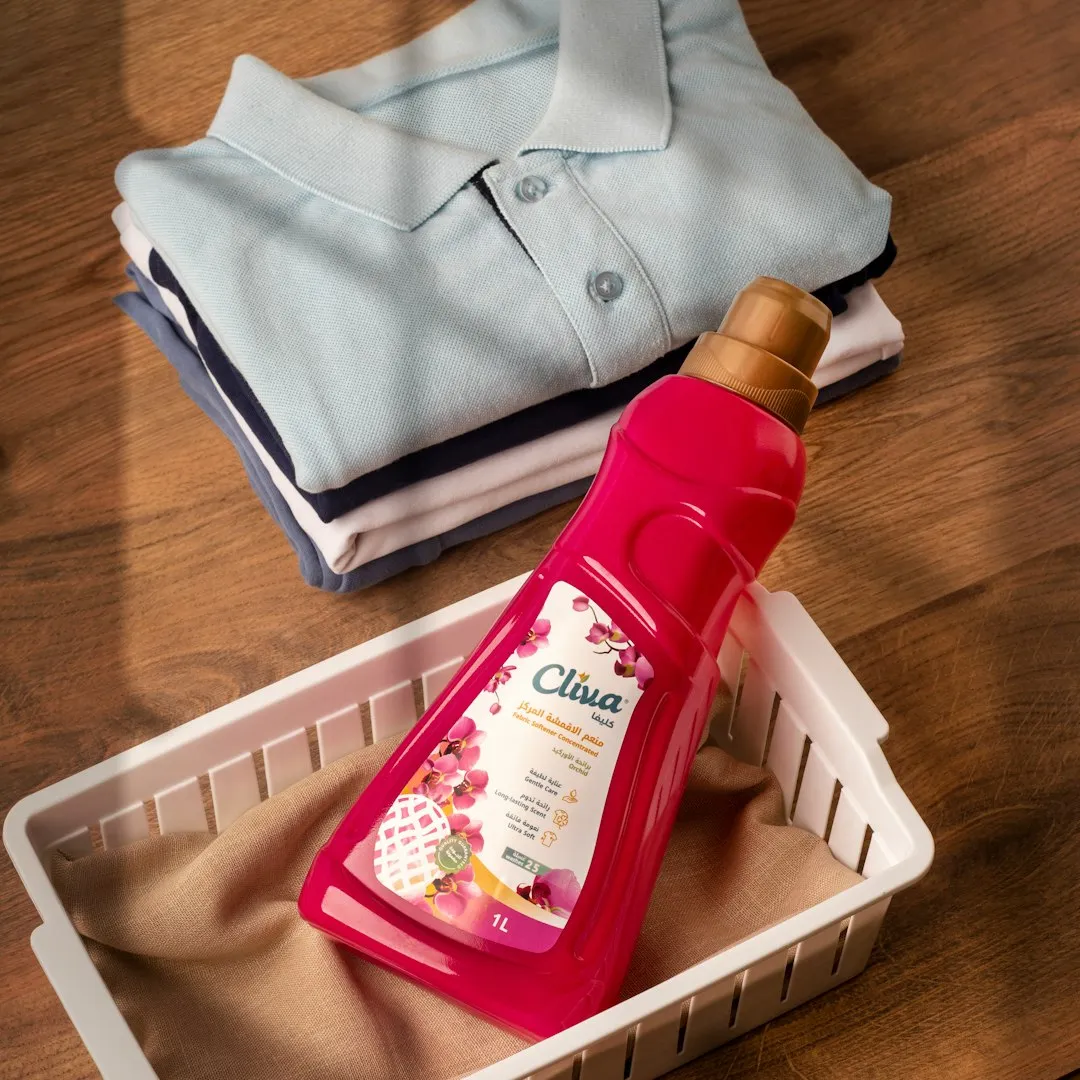
Fabric softeners smell pleasant, but using them can cause problems, including a waxy build-up on clothes that reduces absorbency and breathability, and this can also damage fabrics over time. The effect is gradual and often goes unnoticed until the damage is done. Highly concentrated or overdosed softeners and detergents can leave residues that unnecessarily damage fabrics, and in hot water their effects can be even more pronounced, with natural fibers like cotton or wool losing their softness or brightness more quickly.
Using a minimal amount of fabric softener helps limit these issues, and alternatives like wool dryer balls are worth considering as an eco-friendly way to soften clothes without the chemical residue. This matters especially for performance fabrics, athletic wear, and towels, where waxy coatings can fundamentally undermine how the fabric functions.
10. Drying at Too High a Heat Setting
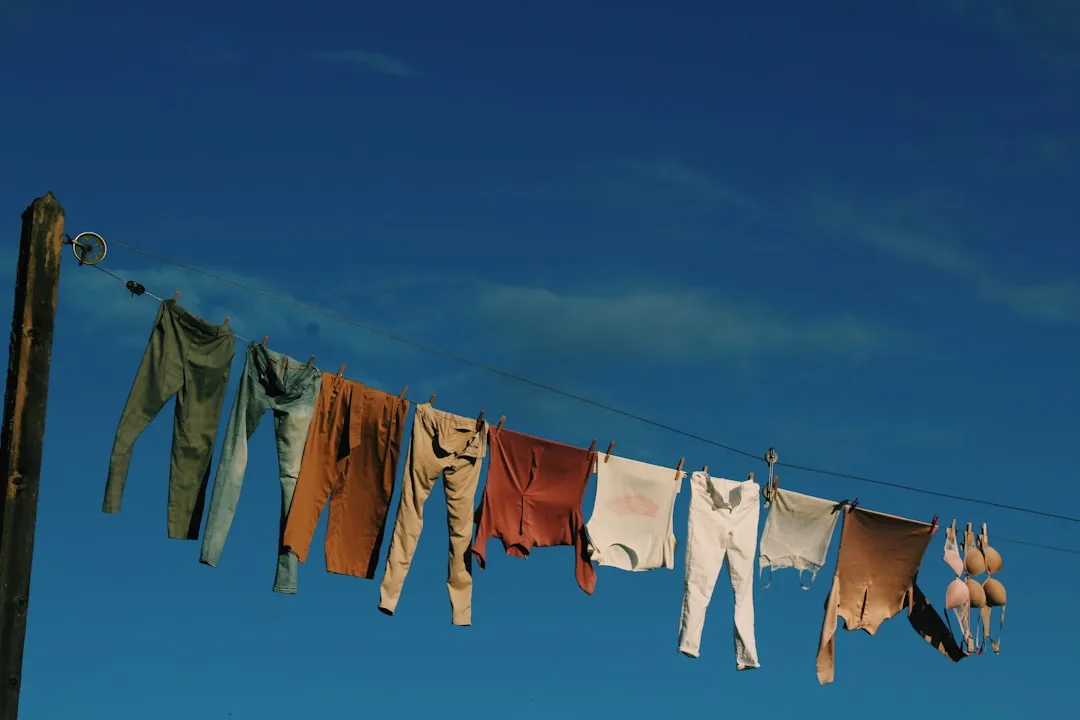
While cotton can be dried at relatively high dryer temperatures without immediate catastrophic damage, serious abrasions and cracking damage occur with repeated dryings, and the cracks that appear in cotton fibers after high-temperature drying can reduce fabric strength by 25 percent or more. Synthetic fabrics are no safer from the dryer’s heat. Hot dryer settings can damage synthetic fabrics like polyester, nylon, and vinyl, as the heat breaks down the fibers and can ruin the fabric entirely.
Beyond shrinkage, hot dryer settings can break down the elastic fibers in stretchy materials like underwear waistbands and sleeve cuffs. Adjusting the heat setting is a small change with a meaningful payoff. Unless you have a particularly heavily soiled or germ-laden load, high heat is almost never necessary, and heat in either the washer or the dryer can cause clothes to shrink and damage the fibers regardless of fabric type.
The Real Cost of Getting Laundry Wrong
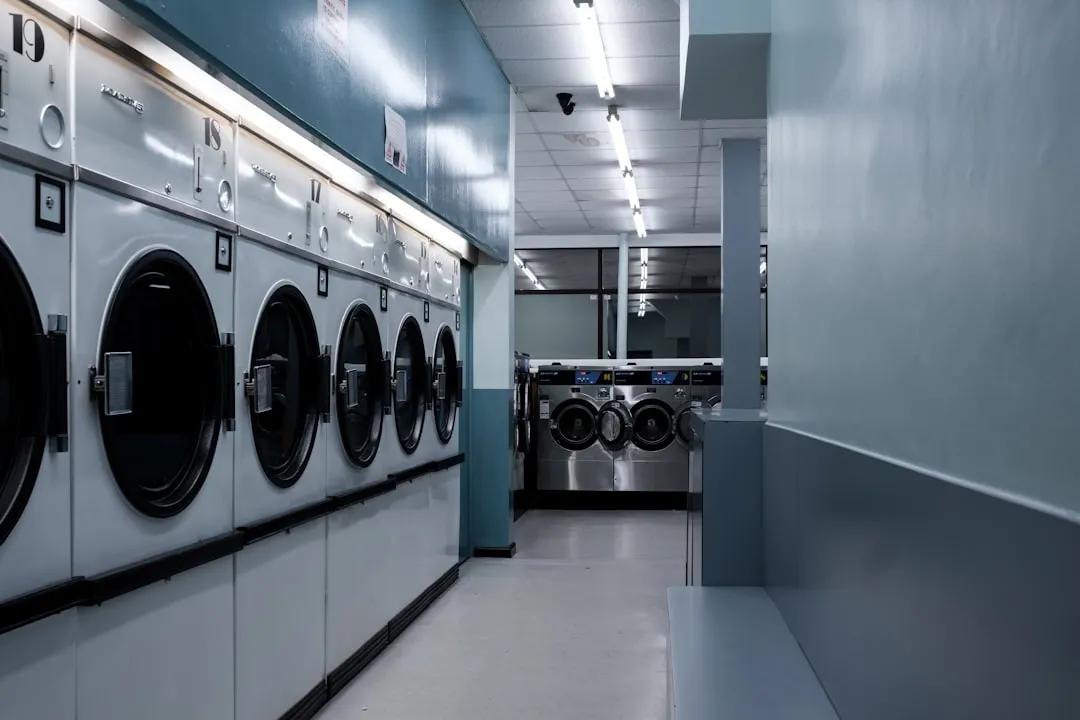
These common laundry mistakes are not just frustrating. They carry hidden costs: when clothes are ruined by washing, it leads to premature wear and tear, forcing people to spend money replacing items sooner than necessary. The individual figures add up faster than most people expect. The financial impact is significant: an overloaded machine might cost around 100 dollars in repairs, dye transfer could ruin 150 dollars worth of light-colored clothing, using hot water unnecessarily can add between 50 and 100 dollars to an annual energy bill, and replacing a shrunken wool sweater might cost around 70 dollars.
What makes all of this worth reflecting on is how preventable each mistake actually is. None of the fixes require special products or extra time. They just require a change in habit: cooler water, lighter loads, a clean lint trap, and a little more patience before reaching for the hot cycle. Clothes are a genuine investment, and the laundry room is either where they last or where they slowly disappear.
AI Disclaimer: This article was created with the assistance of AI tools and reviewed by a human editor.