
How Quickly the Clock Starts After Rain Stops
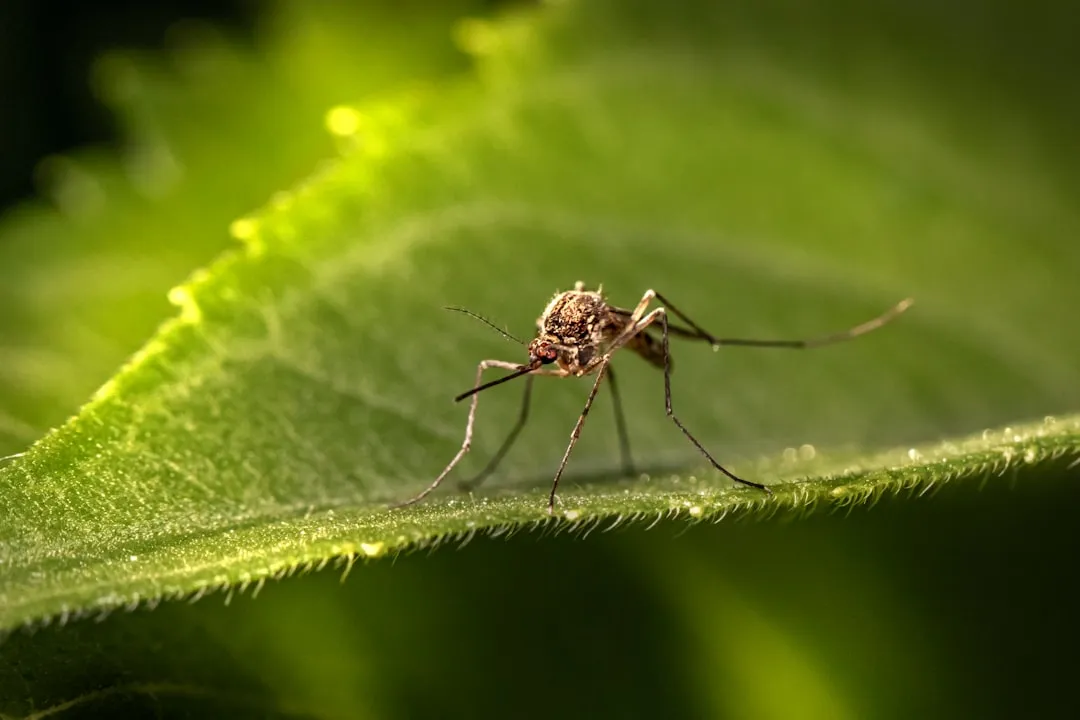
Mosquitoes can lay eggs in standing water within 24 hours of it forming. That’s not a dramatic exaggeration. It’s simply what the biology allows, and a female mosquito wastes no time exploiting a fresh puddle. She doesn’t need conditions to be perfect. She just needs the water to stay still.
Mosquitoes lay eggs within hours of water accumulation, larvae emerge 24 to 48 hours after eggs are laid, and post-storm water lasting multiple days provides sufficient time for the breeding cycle to begin. That timeline makes the 72-hour mark genuinely significant, not just a catchy phrase.
Any substantial rainfall creates the opportunity for female mosquitoes to lay eggs. These eggs turn into larvae, live in water for three days, and then hatch as full-grown mosquitoes ready to feed. By the time you’ve finished weekend brunch and glanced out at the garden, the process is already well underway.
The Four Stages of a Mosquito’s Life, Explained Simply
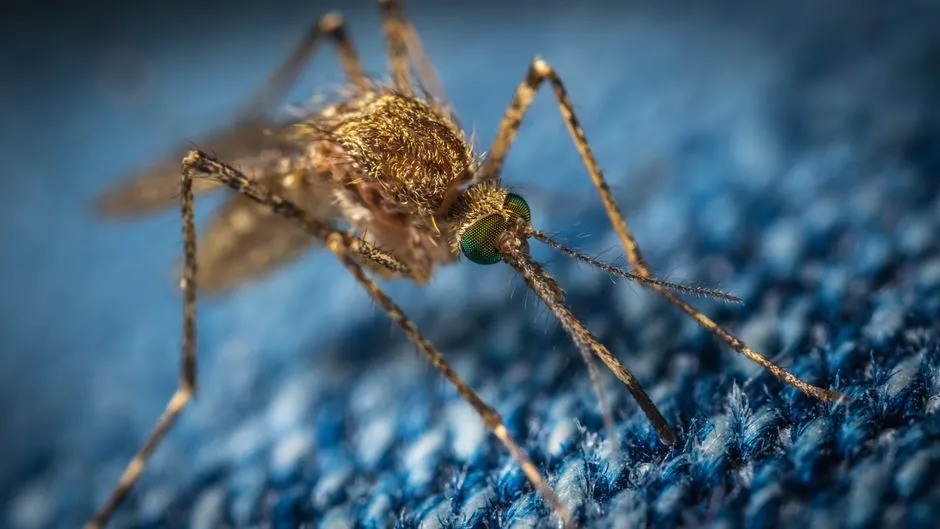
Mosquitoes go through a four-stage lifecycle: egg, larva, pupa, and adult. This process is known as complete metamorphosis and is heavily influenced by weather conditions, particularly rain and warm temperatures.
Once the eggs hatch, usually within 24 to 48 hours in warm weather, larvae emerge that live and feed in water. Larvae develop for seven to ten days before reaching the pupal stage. The pupa doesn’t feed, but it’s not dormant either. It’s actively transforming.
In warm weather, a mosquito can go from egg to adult in as little as three to five days. That acceleration in hot summer conditions is exactly why a post-rain inspection of your garden can’t wait until the weekend.
Why “Just a Little Water” Is Never Actually Just a Little Water
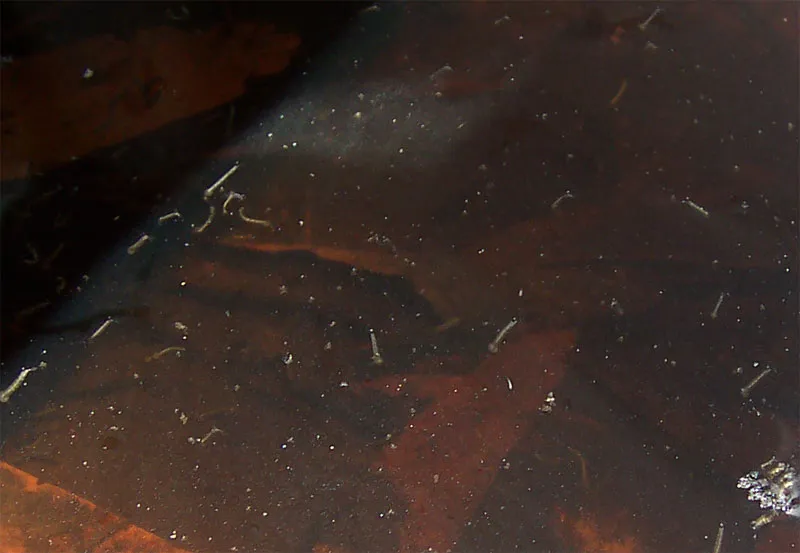
Mosquitoes can breed in as little as one tablespoon of water. Bottle caps, upturned leaves, and tiny depressions in outdoor furniture can all hold enough water to support mosquito eggs and larvae through their development. This surprises almost everyone the first time they hear it.
Mosquito larvae only need half a teaspoon of water. Only a half teaspoon is enough water to support mosquito eggs to maturity. It isn’t the volume of water that matters – it is the stagnant condition of standing water that is needed.
Even a small amount of water, as little as a bottle cap, can create perfect breeding sites for mosquitoes. After rainfall, these items often collect just enough water to allow mosquito eggs to hatch and thrive. The danger isn’t the pond at the end of the street. It’s the forgotten saucer under a pot on your patio.
The Hidden Breeding Spots Most Gardeners Walk Past Every Day
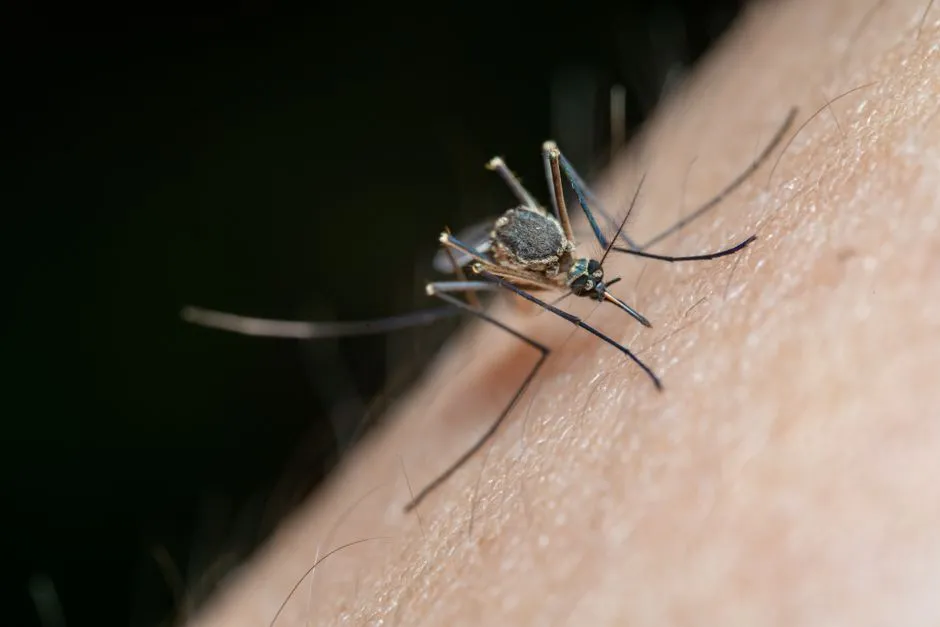
Knowing how to find mosquito breeding sites often comes down to spotting the small, overlooked places where water collects long enough for mosquitoes to develop. Many mosquito problems start in areas homeowners rarely think to check.
After it rains, water collects in all kinds of places – puddles, flower pots, clogged gutters, toys left in the yard, and even the crevices of outdoor furniture. Gutters and downspouts will collect water when they clog with leaves and debris. Clean gutters at least twice a year and check the base of downspouts to make sure water can flow freely.
One common mosquito breeding ground that people forget to check is trees that may contain holes that hold water. Thick layers of mulch trap moisture and create cool hiding spots for mosquitoes. Over-mulching around plants holds water longer than necessary after rain or watering. Even your garden aesthetic can work against you.
Flower Pots, Saucers, and the Patio Trap
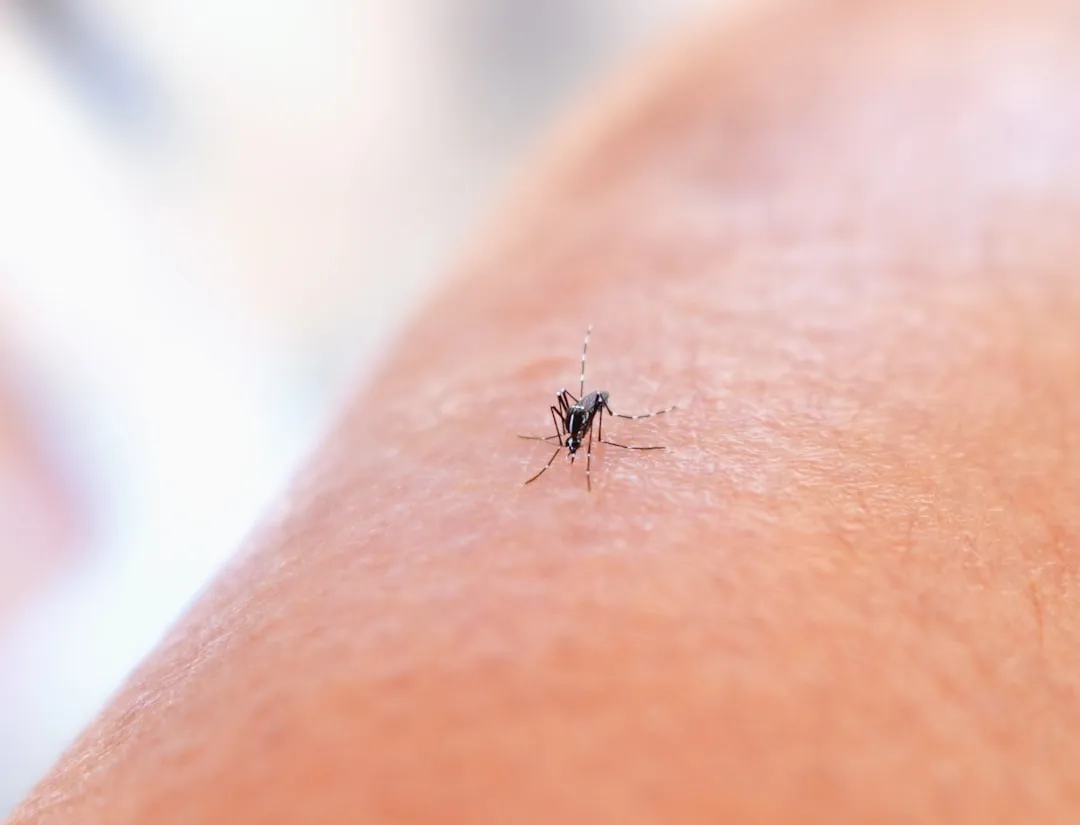
That shallow dish sitting under your favorite patio pot might look harmless, but wet saucers on porches and patios are one of the most overlooked mosquito breeding spots around a home. After a summer rain, those small plastic or clay saucers collect water quickly and can hold it for days if nobody empties them.
Plant saucers are one of the easiest mosquito sources to miss. They are small, they sit low, and they can hold water long enough for larvae to develop. Given that most gardens have several potted plants, the problem multiplies fast.
Elevating pots slightly allows airflow and faster drying of soil. Saucer trays beneath pots also collect water and need frequent emptying. Simple watering adjustments can dramatically reduce mosquito attraction around container gardens. It’s a small change with a meaningful payoff.
Eggs That Survived Months of Dry Weather, Waiting for Your Rain
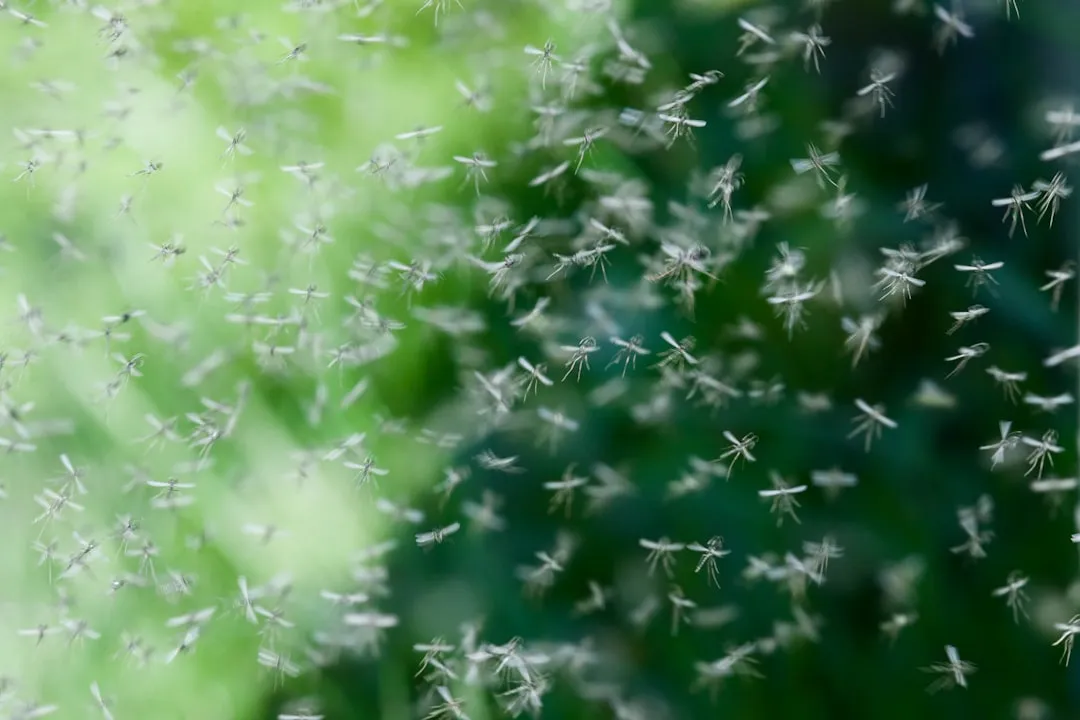
One of the more unsettling facts about certain mosquito species is that they don’t even need fresh eggs after every rain. According to the CDC’s Aedes mosquito life cycle guide, container-breeding Aedes mosquitoes often lay eggs on container walls just above the waterline, not directly in the water. Those eggs stick to surfaces and can survive drying for months, then hatch when rain or a hose refills the container.
Some species, like Aedes aegypti, deposit eggs on moist surfaces just above the waterline. These eggs can survive dry conditions for months and hatch as soon as they’re submerged by rising water. This means a bucket you emptied in spring might still be loaded with viable eggs by summer, quietly waiting for the next downpour.
These eggs are extremely hardy and will survive drying out for up to eight months. Once another rain comes in, the eggs become larvae, pupate, and become adults within eight to ten days. Scrubbing containers, not just emptying them, is what actually breaks that cycle.
How Population Numbers Can Explode in Under Two Weeks
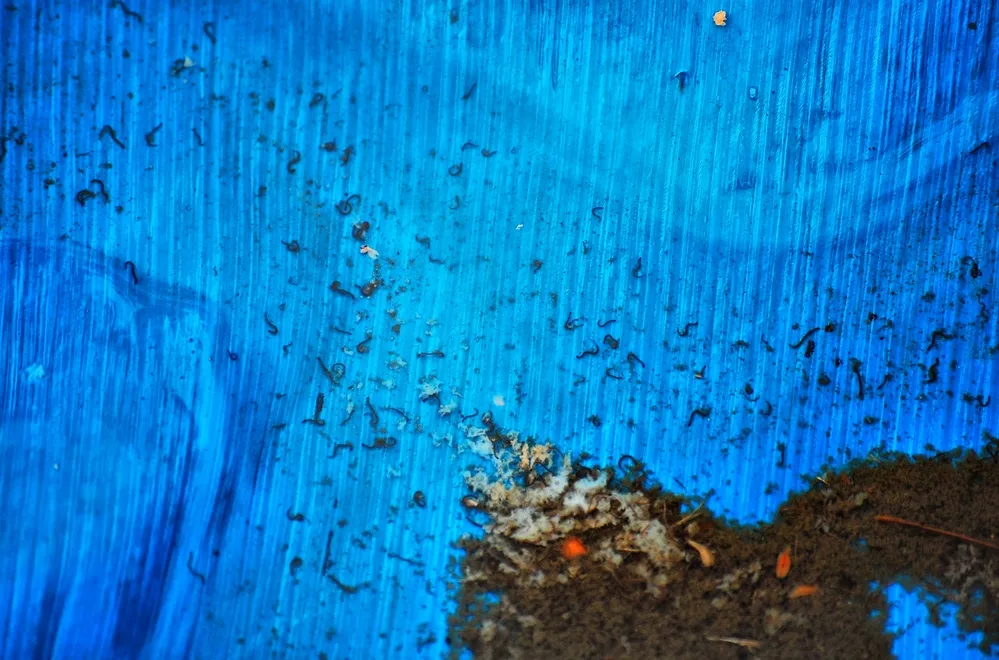
Depending on the species, a single female can lay anywhere from 100 to 300 eggs at a time. Because females can lay hundreds of eggs during their lifespan, mosquito populations can explode quickly if breeding sites are not controlled. The math compounds fast when you factor in multiple females and multiple rain events.
Under ideal conditions – warm temperatures and standing water – the entire lifecycle can be completed in as little as seven to ten days, which is why mosquito populations can surge so quickly, especially after rainfall creates new breeding grounds.
Humidity also plays a key role by keeping the environment moist enough for mosquito larvae to survive in standing water. Without sufficient humidity, water sources may evaporate too quickly, disrupting the breeding cycle. When both heat and moisture are present, especially after rain, mosquitoes thrive and reproduce rapidly. A warm, wet summer weekend is essentially an open invitation.
The Disease Risk That Makes This More Than an Annoyance
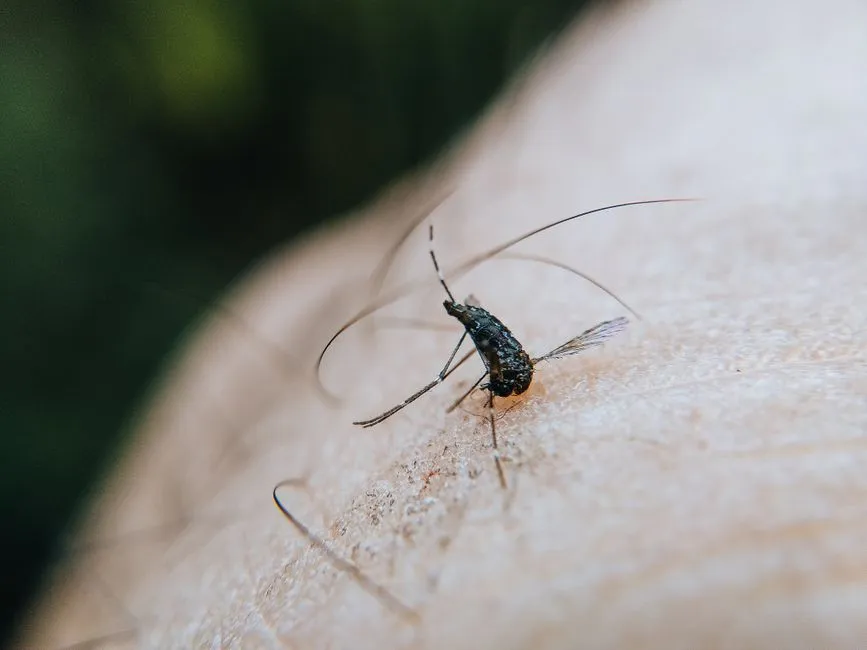
City health officials note that mosquito activity typically increases from May through November, as warmer temperatures and wetter conditions create ideal breeding environments. Mosquito bites can carry diseases that pose serious risks, including West Nile virus, Zika, dengue fever, and encephalitis.
West Nile virus is the leading cause of mosquito-borne disease in the continental United States. In 2025, the United States saw a surge in West Nile virus cases, with the CDC reporting over 2,000 cases across 47 states. CDC data from 2025 also reflected a 42 percent increase in West Nile virus cases compared to 2024.
Dengue has become the fastest-growing mosquito-transmitted disease, with nearly 400 million infections annually worldwide. A warming world is expected to add months to mosquito season, and recent studies have projected that by 2050 longer autumns and earlier springs will extend the U.S. mosquito season by as much as two months. These trends make post-rain yard checks more important now than they were even a decade ago.
What to Do in the 72-Hour Window: A Room-by-Room Garden Inspection
Walk your property after a rainstorm and note every spot that holds water for more than 24 hours. That’s the starting point. It takes less than ten minutes for most yards, and it’s the single most effective action you can take in that critical window after heavy rain.
Regularly dump out water from containers like buckets, birdbaths, plant saucers, and wheelbarrows. Inspect gutters, tarps, and any areas where water collects after rain. Keep outdoor equipment, toys, and garden supplies turned over so they don’t trap water.
Change birdbath water every two to three days. Mosquito eggs need at least 24 hours in water to hatch, so frequent changes interrupt the cycle. Mosquitoes strongly prefer still, stagnant water for egg-laying. Fountains, bubblers, and water agitators disrupt the calm surface that females need to deposit their eggs. Adding circulation to water features is a simple and effective deterrent.
When You Can’t Remove the Water: Biological Larvicides as a Backup
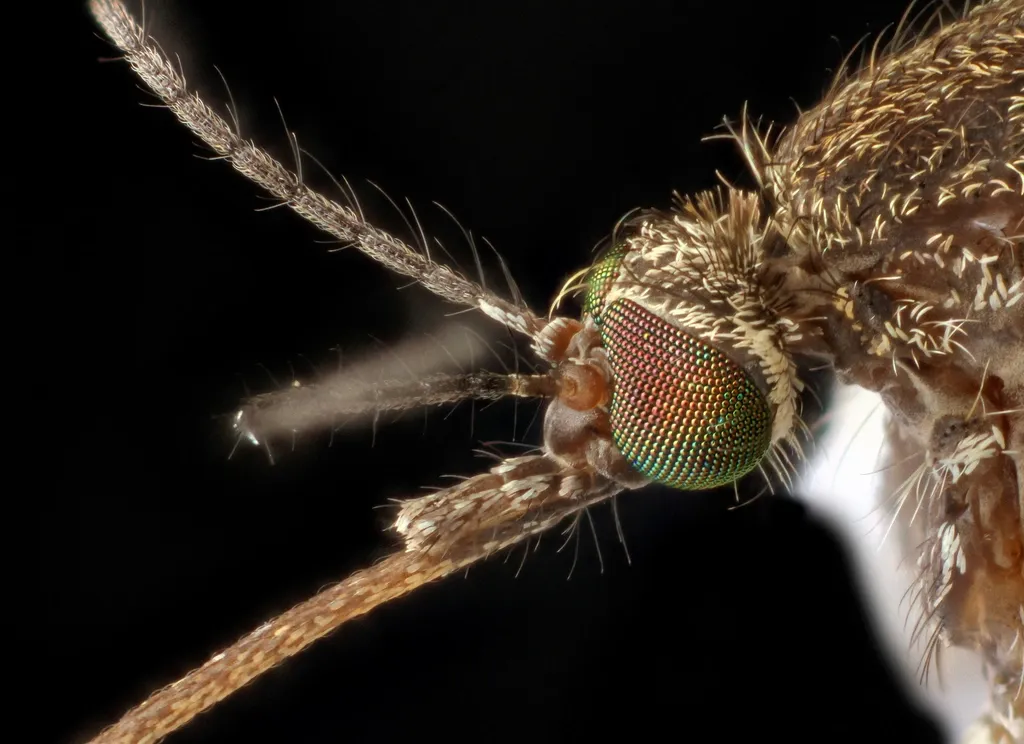
Not all standing water in a garden can be emptied. Rain barrels, decorative ponds, and certain drainage channels are fixtures, not temporary puddles. Bacillus thuringiensis israelensis, known as BTI, is a type of biological mosquito control. The naturally occurring bacteria is completely harmless to other organisms and wildlife. To mosquito larvae, however, it’s lethal.
If water remains after 72 hours, it should be checked for mosquito larvae. However, in the early stages of development mosquito larvae are small and difficult to see. Do not wait until you start seeing pupae before acting, because the presence of pupae signals adults are close, and adults are much harder to control.
BTI larvicide provides roughly 90 percent effectiveness for 30 days at low cost when treating water features that cannot be drained. Combined with regular water removal elsewhere, this biological approach keeps protected water features from quietly feeding the mosquito population next to your garden beds.
Final Thoughts
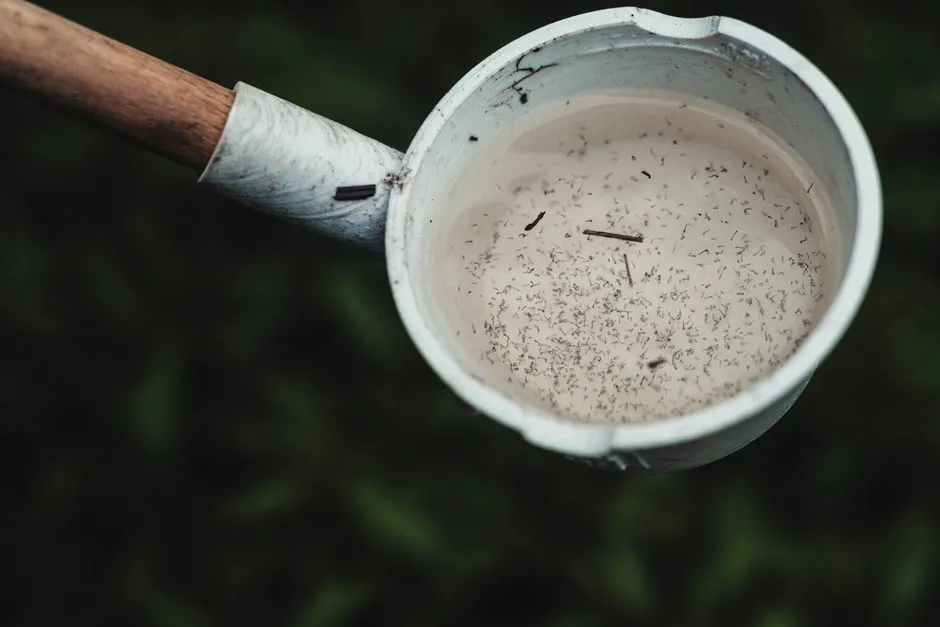
The relationship between rainfall and mosquito populations is not mysterious. It’s just faster than most people expect. Three days is all it takes for standing water to graduate from puddle to nursery, and the gaps that allow it to happen are usually small, easy to miss, and surprisingly common in even well-kept gardens.
The good news is that the same biology that makes mosquitoes so effective at exploiting rain also makes them very vulnerable to one simple habit: removing the water before the cycle has time to complete. Mosquito eggs can hatch in standing water within 24 to 48 hours under warm conditions. Eliminating stagnant water weekly is the single most effective way to reduce mosquito populations around your home.
Think of those 72 hours not as a warning, but as an opportunity. The window works both ways. The same timeframe that allows a breeding population to establish is also the window in which a walk around the garden, bucket in hand, can stop the whole thing before it starts.
AI Disclaimer: This article was created with the assistance of AI tools and reviewed by a human editor.