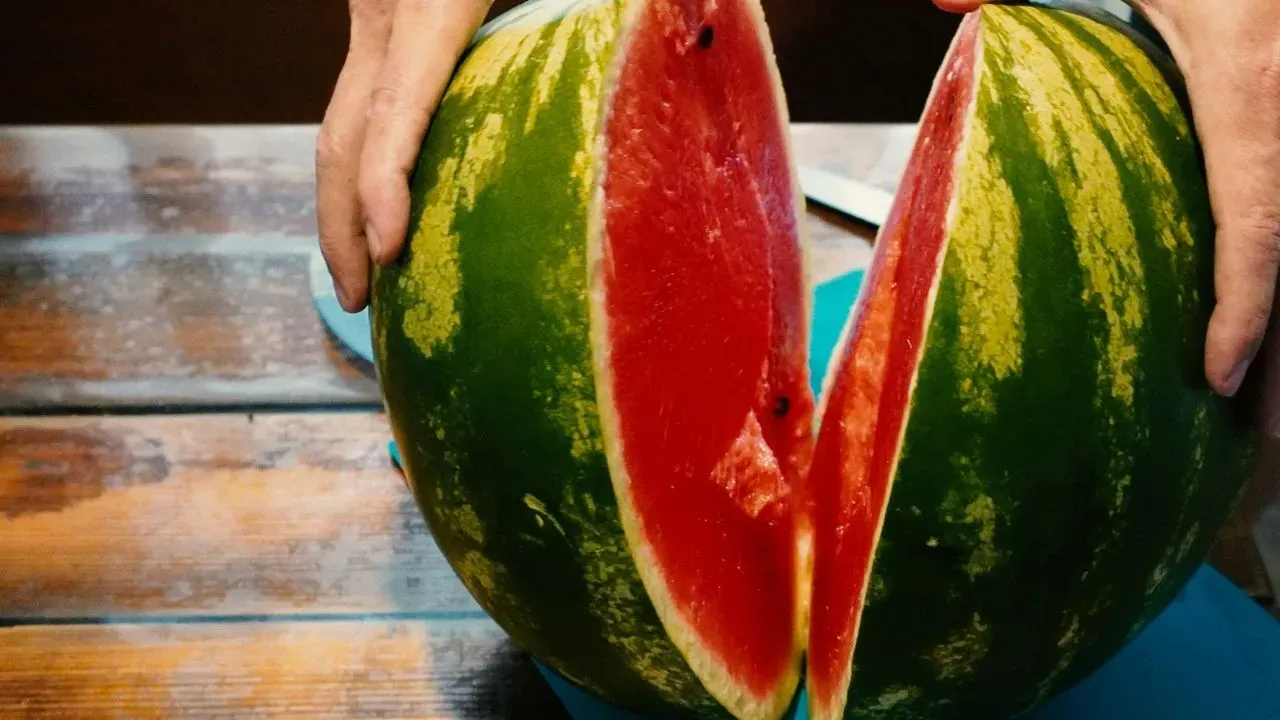

Watermelon stands out as the leading fruit during the July Fourth holiday period. Americans consume roughly 700 million pounds of it in that single week, according to longstanding reports on seasonal eating patterns. The fruit also fuels a range of community events, from seed-spitting contests and eating races to annual grower competitions held across the country.
Why the Fruit Draws Such Crowds
July Fourth celebrations often center on outdoor gatherings where watermelon fits naturally into the menu. Its high water content and refreshing taste make it a practical choice for hot summer days. The competitive side adds another layer, with participants vying for prizes in carving displays, speed-eating challenges, and seed-spitting events that have become traditions in many regions.
These activities highlight watermelon’s role beyond simple snacking. Grower competitions, in particular, reward the largest or best-quality melons, encouraging home and commercial cultivation alike. The combination of volume consumption and public events keeps the fruit in the spotlight each summer.
Selecting Varieties for Home Gardens
More than 1,200 watermelon types exist worldwide, grouped by size and traits. Picnic types produce large, oblong or round fruits weighing 15 to 45 pounds. Icebox or mini varieties stay smaller, typically 5 to 15 pounds, while personal sizes offer single-serving options around 3 to 7 pounds. Seedless types dominate commercial sales because they lack mature black seeds, and yellow or orange-fleshed kinds provide visual variety inside the rind.
In warmer climates such as Zone 8, several options perform well. Crimson Sweet ranks among the most popular for its balance of size, sweetness, and reliability, averaging about 25 pounds with firm red flesh. Gardeners planting it note the need for full sun and roughly 80 days to maturity. Other strong performers in the same zone include Sugar Baby, Charleston Gray, and Jubilee.
Nutritional Points Worth Noting
Watermelon consists of about 92 percent water, which supports hydration during warm weather. It supplies natural fructose for a mild energy lift without added processing. Lycopene, the compound behind its red color, acts as an antioxidant linked to various health effects in research.
Potassium helps maintain fluid balance and supports muscle and nerve function. Vitamin C contributes to immune response and iron absorption from plant foods. Even with its high water share, the fruit provides some dietary fiber that aids digestion and promotes satiety. These attributes explain its frequent appearance in summer diets, though individual benefits depend on overall eating patterns and personal health factors.
Master gardeners continue to test new plantings each season, tracking how different varieties respond to local conditions. The fruit’s combination of scale, tradition, and straightforward growing requirements keeps it central to summer gardens and tables alike.
AI Disclaimer: This article was created with the assistance of AI tools and reviewed by a human editor.