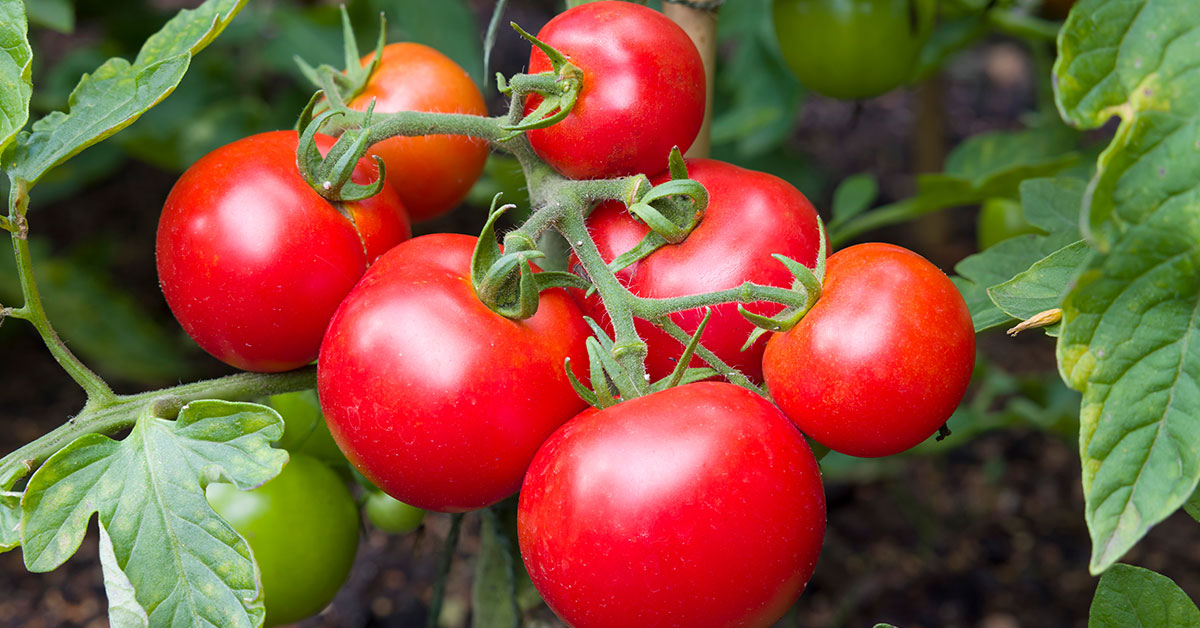

It’s a Physiological Disorder, Not a Disease
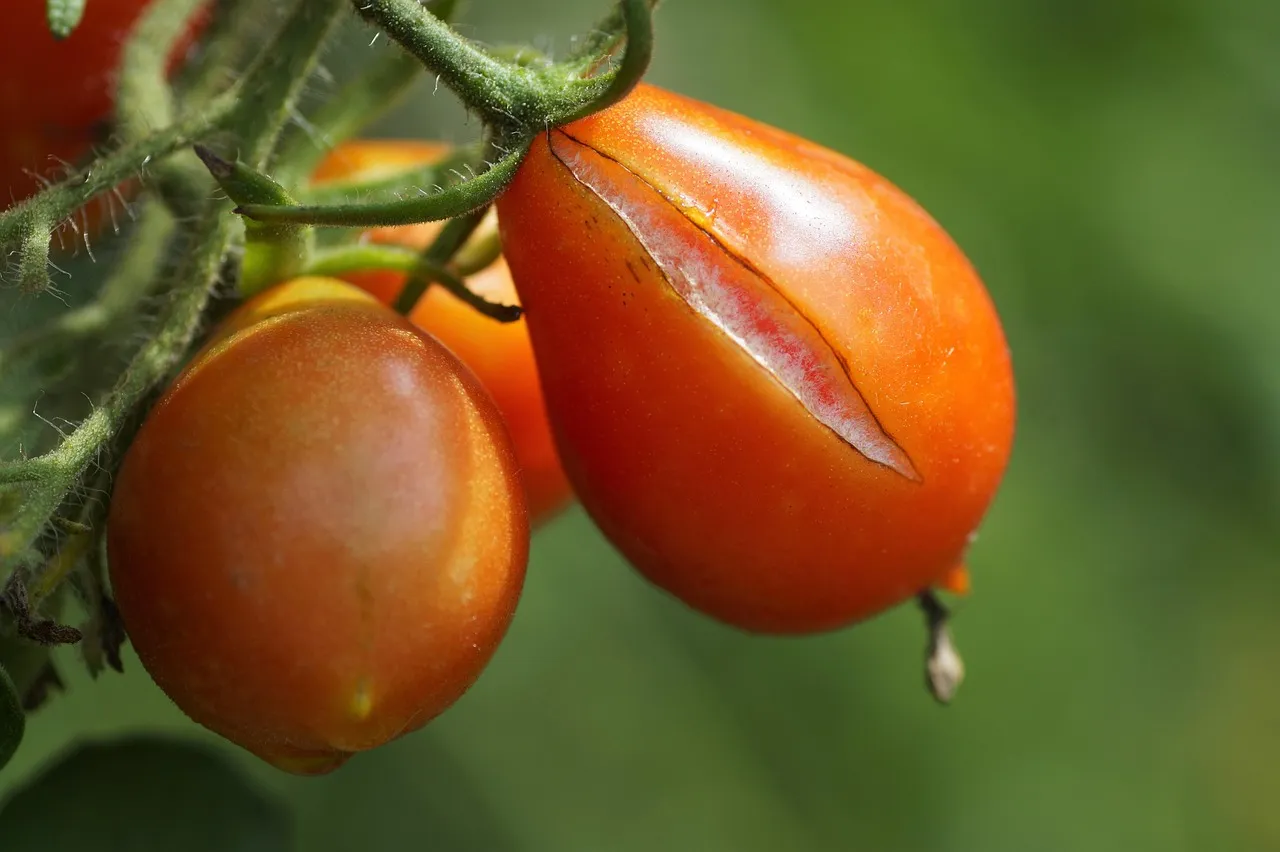
The first thing worth knowing is that splitting isn’t caused by a pathogen, fungus, or pest. Tomato splitting, also called cracking, is a physiological disorder, not a disease. It is caused by the growing conditions rather than by a pest or disease agent.
Since fruit cracking is a physiological disorder, not a disease, there’s no biological or chemical cure. The only effective management is through proper environmental control, particularly water management. That distinction matters, because it means you can’t spray your way out of it.
The Core Culprit: Sudden Changes in Soil Moisture
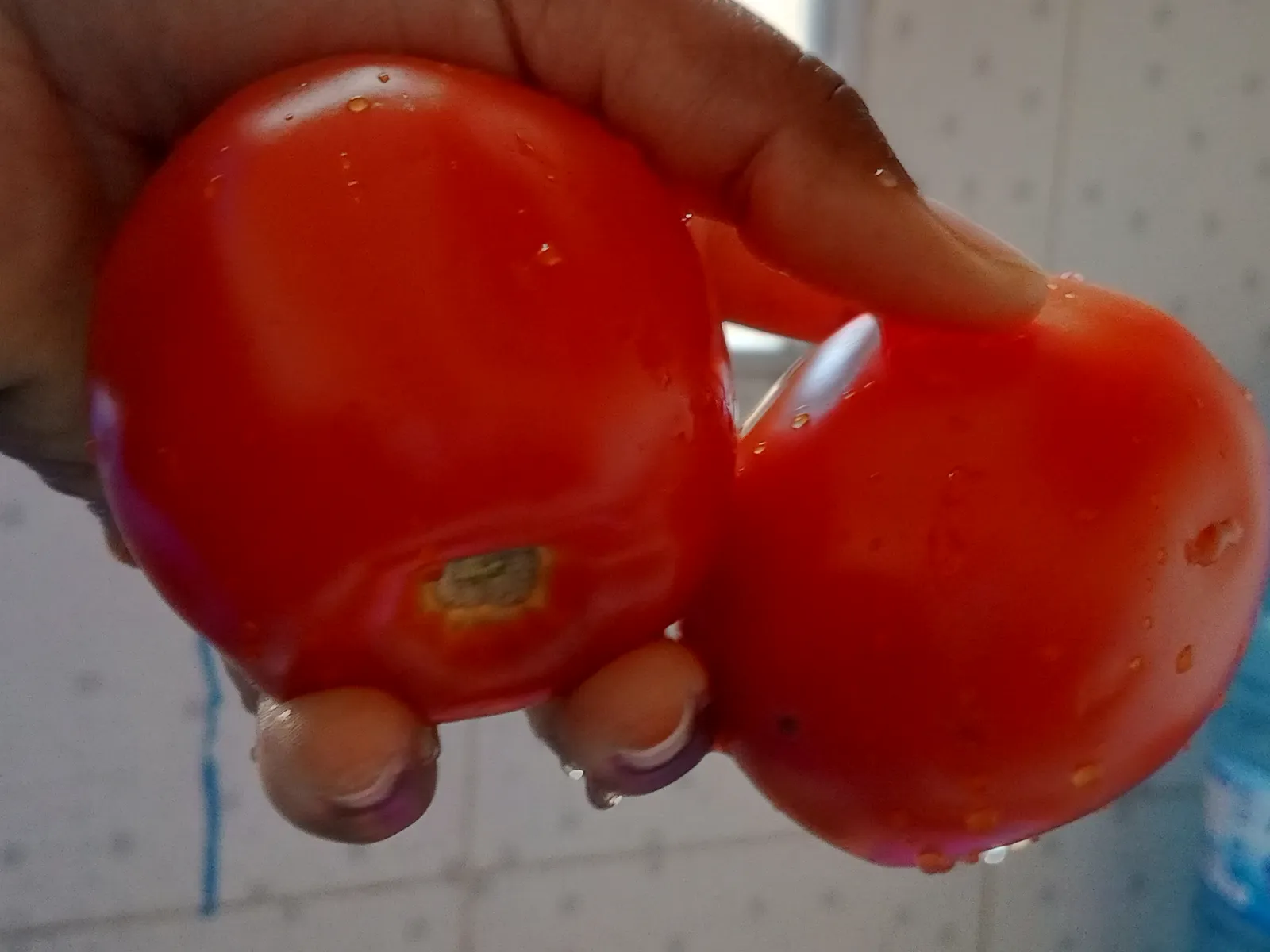
Heavy rain, especially when preceded by dry weather, is the leading cause of fruit cracking and splitting in tomatoes. Cracking and splitting occur when rapid changes in soil moisture levels cause fruits to expand quicker than the tomato skin can grow.
Tomato cracking and splitting is caused by inconsistent moisture. Essentially, a wet period of rapid fruit expansion right after a dry period can cause the fruit to grow faster than its own skin does. Think of it like a balloon inflated too fast. Something gives.
Why Ripe Tomatoes Are the Most Vulnerable
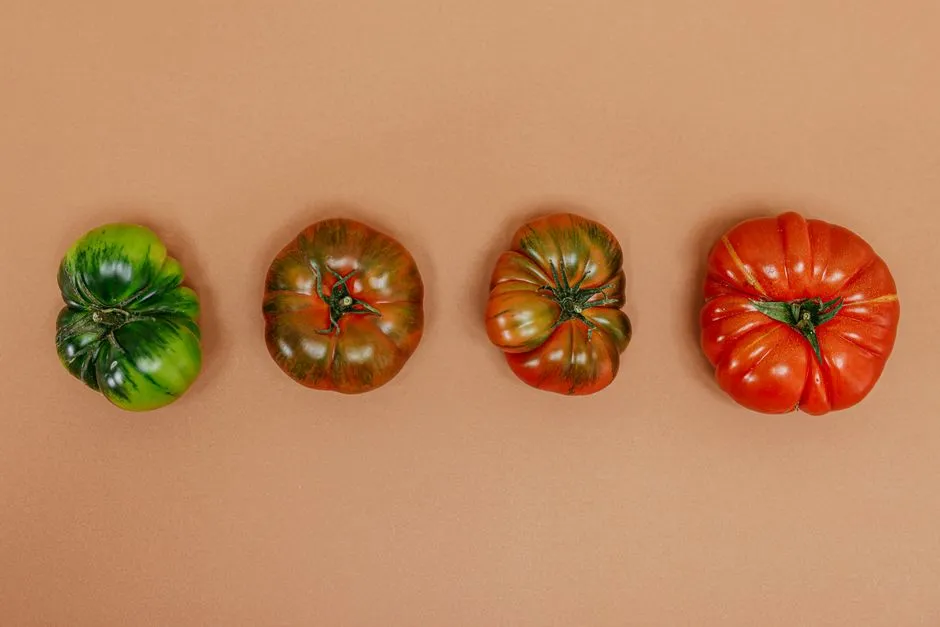
This type of damage is most likely to occur as tomatoes begin to ripen and you are anxiously anticipating harvest, though green fruit can be affected as well. This is particularly pronounced in the case of almost-ripe tomatoes; they are already super moist and so have a greater tendency to split right before harvest.
The likelihood of cracking increases if tomatoes are allowed to ripen fully on the plant. Over-ripe fruits crack faster than properly harvested fruits. So the very patience that seems virtuous is working against you in the final days.
Two Kinds of Cracks, Two Different Problems
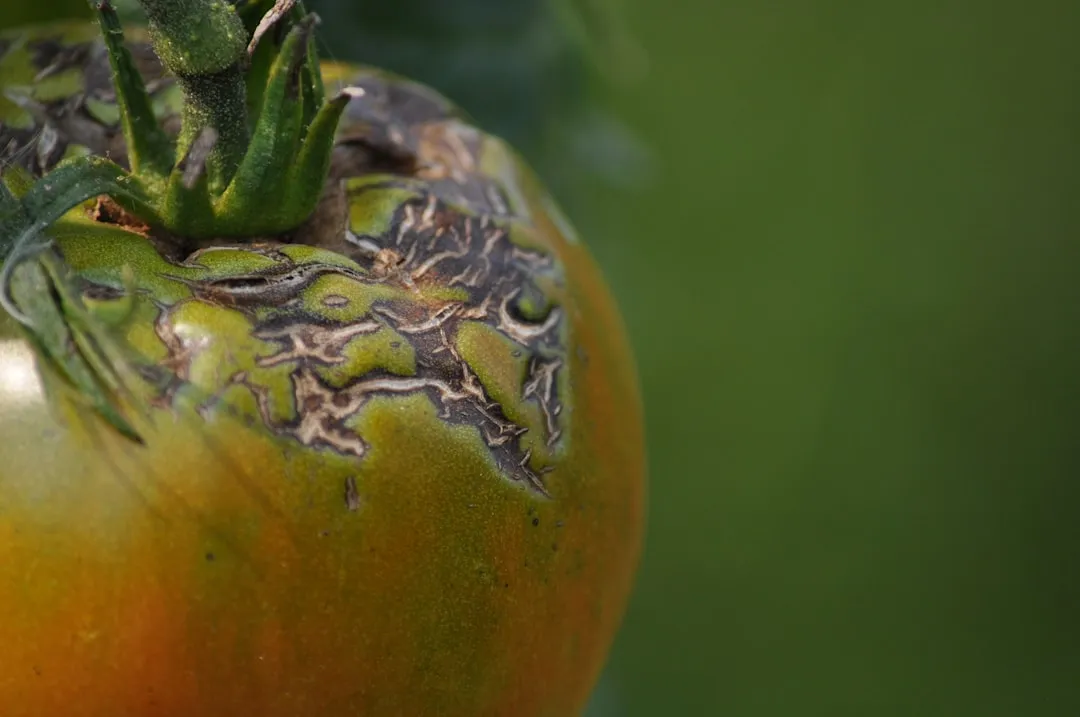
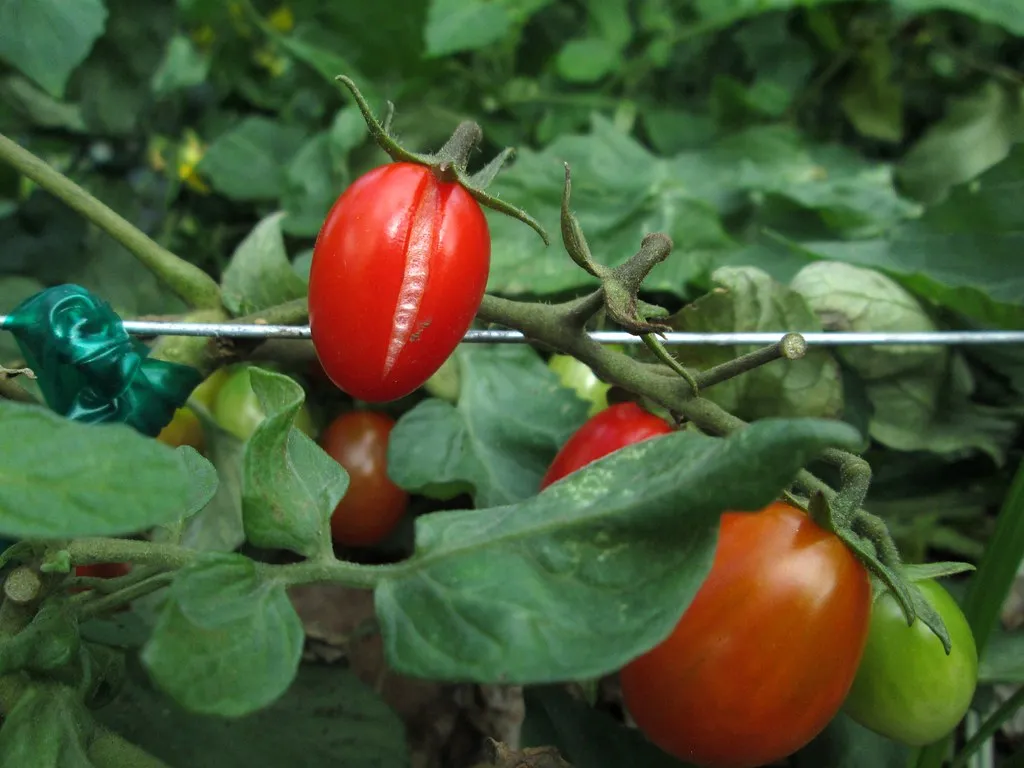
Vertical splits along the sides of fruits are known as radial cracking and are the most serious. This pattern of splitting commonly occurs during hot, humid weather. Cracking that occurs in a circular pattern at the top of tomato fruits, ringing the stem end, is known as concentric cracking.
The sudden growth spurt can also cause circular cracks, which appear as concentric rings between the stem end and the shoulders of the fruit, and this seems to happen more in the larger varieties of tomatoes. Radial cracks typically go deeper and open the fruit up far more to rot and insects.
The Role of Skin Elasticity and Fruit Biology
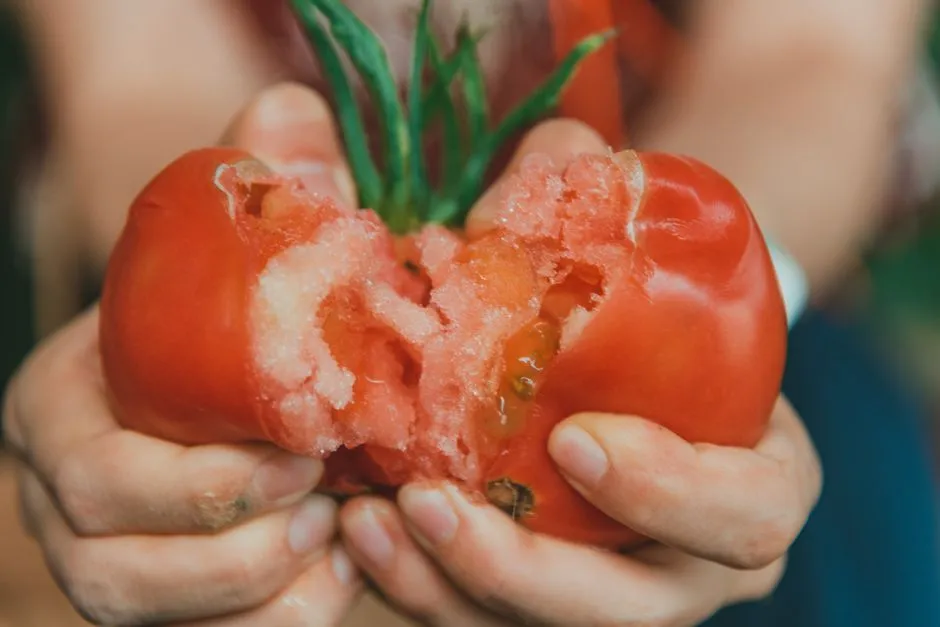
The epidermis, or outer skin of the tomato, hardens during a slow growth period such as a dry spell or period of cooler temperatures, and then experiences a sudden growth spurt after an environmental change such as sudden heavy rain or higher temperature. Once that skin has stiffened and lost flexibility, it simply can’t stretch fast enough to keep up.
The combined pressure of accumulated water and solutes can split fruits in tomato varieties with low skin elasticity. Many researchers have attributed cracking predisposition to the thickness of the fruit’s cuticular layer adjacent to the epidermal and sub-epidermal cells. Cracking has also been linked to the loss of flesh firmness and cell wall integrity.
Heat and Direct Sunlight Make Things Worse
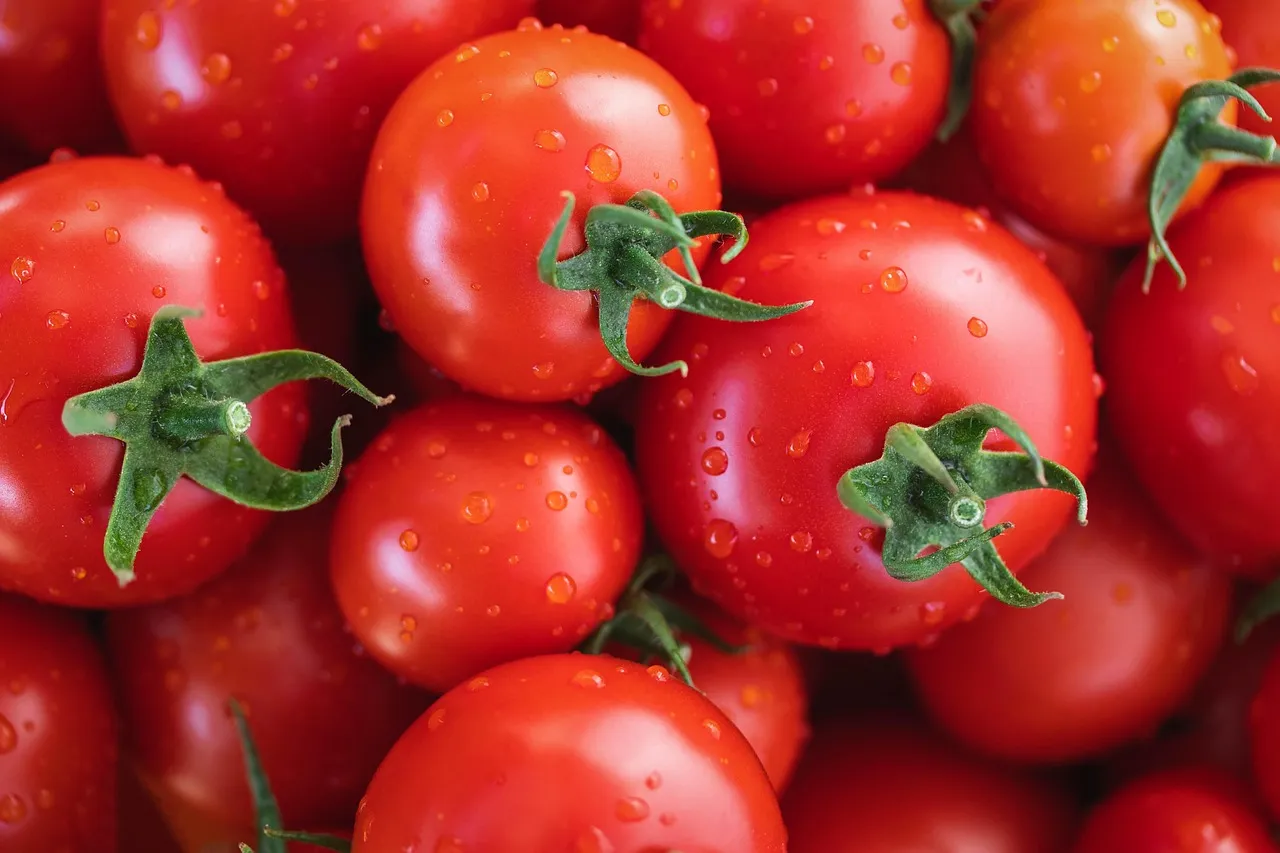
Tomatoes exposed to direct sun tend to absorb more heat during the day than shaded fruit and are more prone to splitting. Too much intense heat can stress out the plant, which causes the fruit’s skin to toughen and lose its elasticity, leading to cracks.
The combination of heat, moisture, and increased water uptake by the ripening fruits creates a perfect storm for splitting. Furthermore, intense sunlight can cause uneven ripening, which makes the tomatoes more vulnerable to cracking. A shaded fruit and a sunlit fruit in the same row can behave very differently on the same rainy afternoon.
Calcium and Potassium Deficiencies Play a Supporting Role
Potassium or calcium deficiency can increase cracking tendency, as these elements strengthen fruit skin. Thin-skinned varieties and large-fruited types are more prone to cracking. A lack of certain nutrients, particularly calcium, can weaken the tomato skin, making it more susceptible to cracking.
Potassium controls water regulation inside the plant. Excess or shortage disrupts skin elasticity and increases cracking risk. Nutrient issues rarely act alone, though. They typically compound moisture stress rather than cause splitting by themselves.
Genetics and Variety Choice Matter More Than Most Gardeners Realize
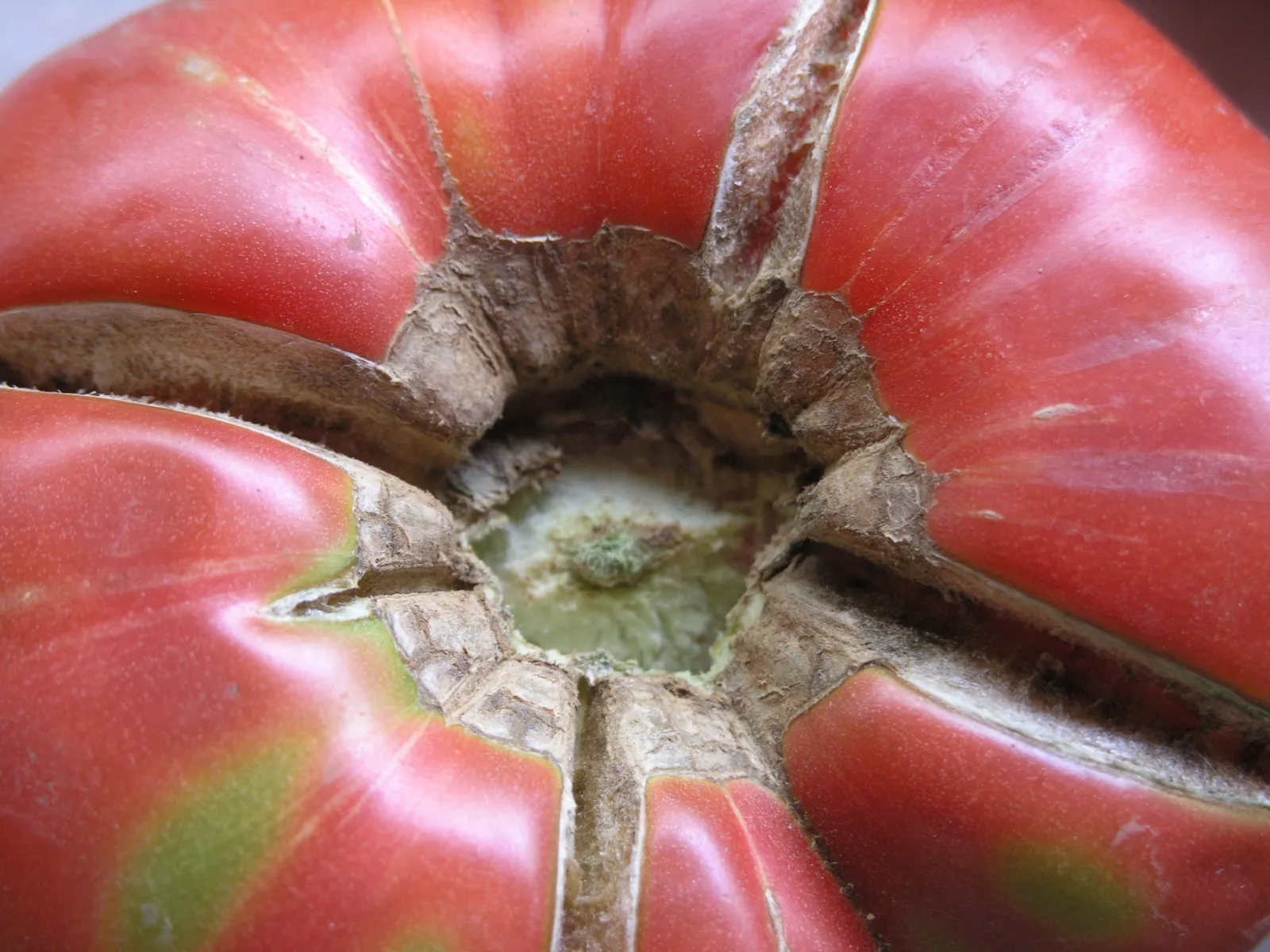
The predisposition to form cracks has been correlated with heredity, various fruit traits such as shape, size, firmness, strength and components of pericarp, anatomical structure, water absorbing capacity of the pericarp, and external causes such as cultivation practices and growing environment.
Varieties that are most susceptible to cracking have low skin elasticity during ripening and skin and underlying skin tissue that is thin. Some tomato varieties have thinner skins and are more prone to cracking than others. In 2025, a peer-reviewed study published in The Plant Journal identified a specific candidate gene, Cr3a, that confers resistance to fruit cracking in tomatoes, pointing toward future crack-resistant varieties developed through precise breeding. Selective breeding has inadvertently led to the loss of numerous beneficial alleles that confer resistance to both biotic and abiotic stresses, progressively narrowing the genetic base.
What You Can Actually Do to Prevent It
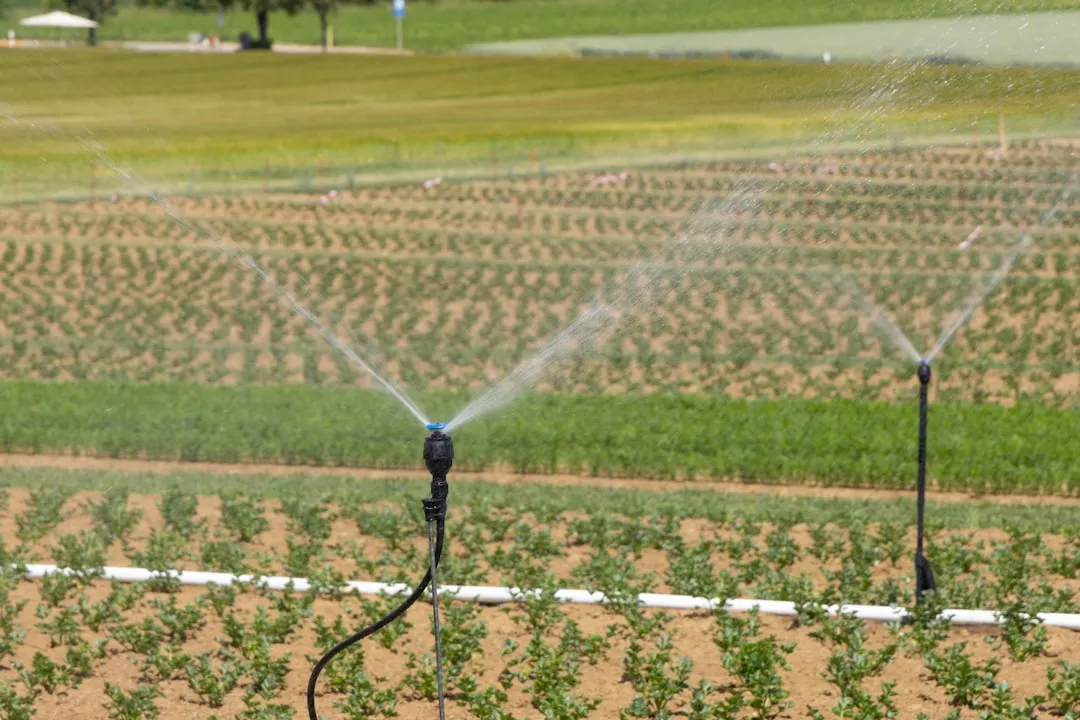
Preventing tomato splitting is all about carefully managing your tomato crop with optimal irrigation, mineral amendments, site preparation, and harvest timing. Consistent irrigation, watering your field deeply but evenly and maintaining consistent soil moisture throughout the fruiting stage, is your most important management strategy. Drip irrigation is ideal for this.
Applying organic mulch around plants helps maintain consistent soil moisture and prevents rapid drying. Agronomic practices such as the application of organic fertilizers, precise water management, regulation of soil and air humidity, foliar application of calcium, minimizing diurnal temperature fluctuations, and timely harvesting can mitigate fruit cracking to some extent. None of these alone is a silver bullet, but together they shift the odds considerably in your favor.
Harvest Early When Rain Is Coming
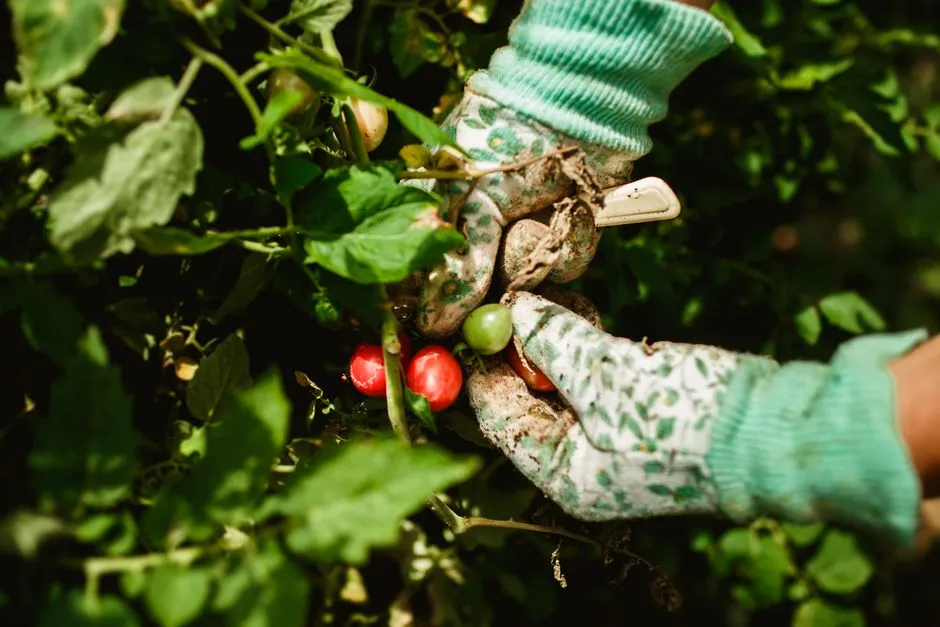
If you get out in the garden and harvest almost-ripe tomatoes before forecasted rain, you can save them. Just keep them on a windowsill or countertop to continue ripening. Although fruit may not be quite as flavorful as a fully vine-ripened tomato, they will still be usable.
After the rainfall, check plants for any fruit that may have cracked. Harvest any cracked or split fruit immediately and use it quickly before the development of rot. Discard any sour-smelling or diseased or rotted portions of the fruit. A cracked tomato used the same afternoon in a sauce is a fine tomato. One left on the vine overnight is often lost entirely.
The Takeaway
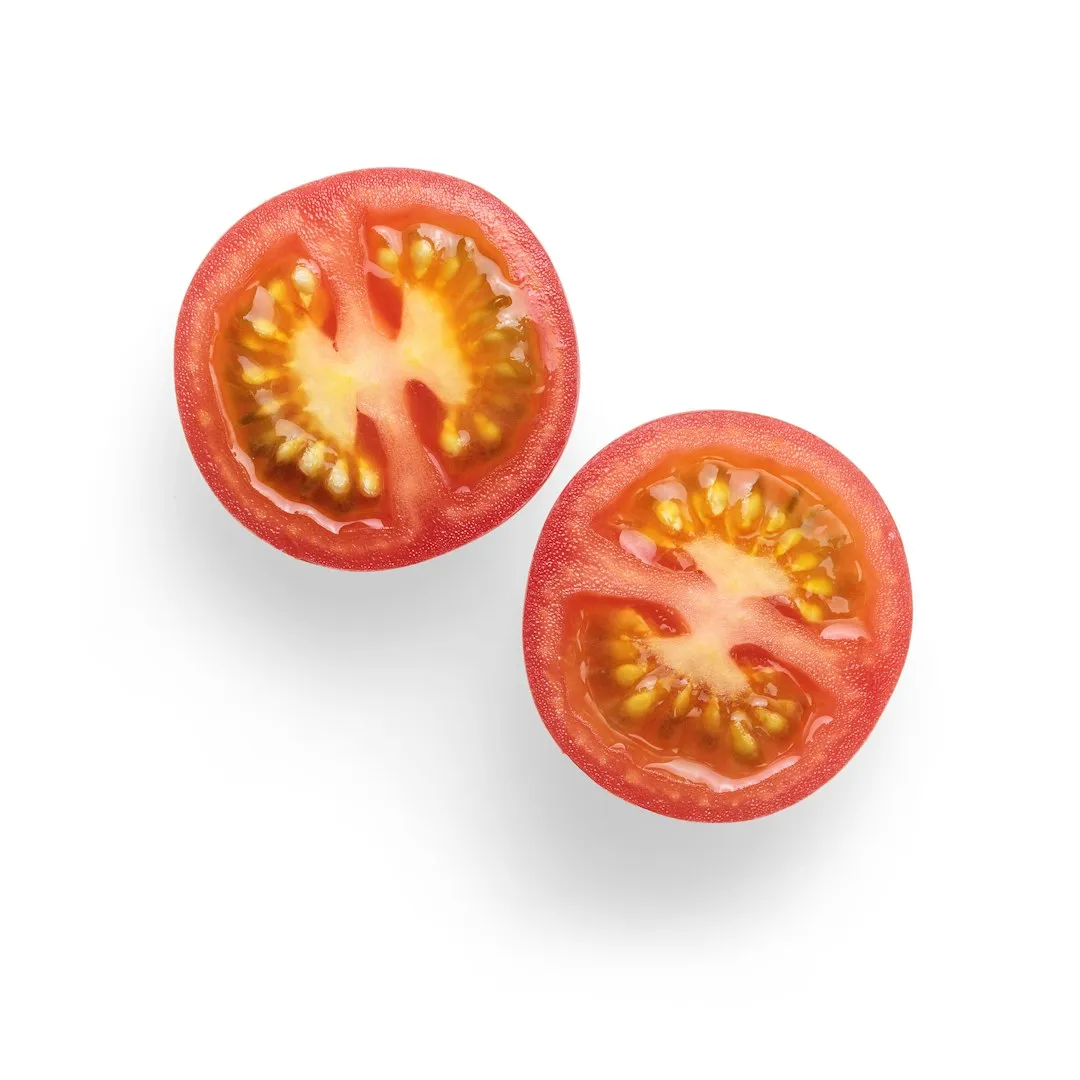
Tomato splitting is one of those garden problems that looks catastrophic but is mostly preventable once you understand what’s actually happening. The fruit isn’t failing. It’s responding, almost too efficiently, to the signals your soil and weather are sending it.
Keep moisture consistent, watch the forecast, and don’t wait for absolute perfection before picking. Earlier in the ripening period, there is a greater chance for the tomato to grow a sort of scar tissue over the split. However, ripe fruit with splits are especially susceptible to fruit flies and decay like mold or soft rot. The best tomato is the one that makes it to your plate intact, and that sometimes means picking it a day or two sooner than you’d like.
AI Disclaimer: This article was created with the assistance of AI tools and reviewed by a human editor.