
Most gardeners and farmers reach for fertilizer with the best intentions. More nutrients, better growth, healthier plants. It’s a reasonable enough logic. The trouble is that what happens beneath the surface often tells a completely different story, one that plays out slowly across seasons and years before the damage becomes obvious.
The signs of soil damage rarely show up the same week you make a fertilizer mistake. Plants look perfectly fine for months. Then growth slows, leaves yellow at the wrong times, and the bed you used to love just stops producing. By the time you notice, the soil has already lost something important. The habits described below are common, normalized, and in many cases well-meaning. That’s what makes them so easy to keep repeating.
1. Applying More Than the Soil Actually Needs

The assumption that more fertilizer equals more growth is one of the most persistent myths in land management. Research consistently shows the opposite when application rates climb past what crops can absorb. Overfertilization can degrade soil quality over time. The excessive application of nitrogen-based fertilizers alters the soil’s pH balance and reduces microbial diversity, disrupting the natural nutrient cycling process and resulting in nutrient imbalances and reduced soil fertility.
A greenhouse study tracking long-term tomato crops found that twelve years of overfertilization decreased soil pH by 1.37 units, while bacterial diversity and richness decreased by six and thirty-one percent respectively compared to the control. That’s a substantial biological collapse driven by something as routine as applying too much fertilizer.
The same study showed a nearly forty percent decrease in yield caused by overfertilization in twelve-year soil compared to the control. The irony is sharp: the habit meant to boost productivity quietly works against it over the long run.
2. Relying Solely on Synthetic Fertilizers Year After Year
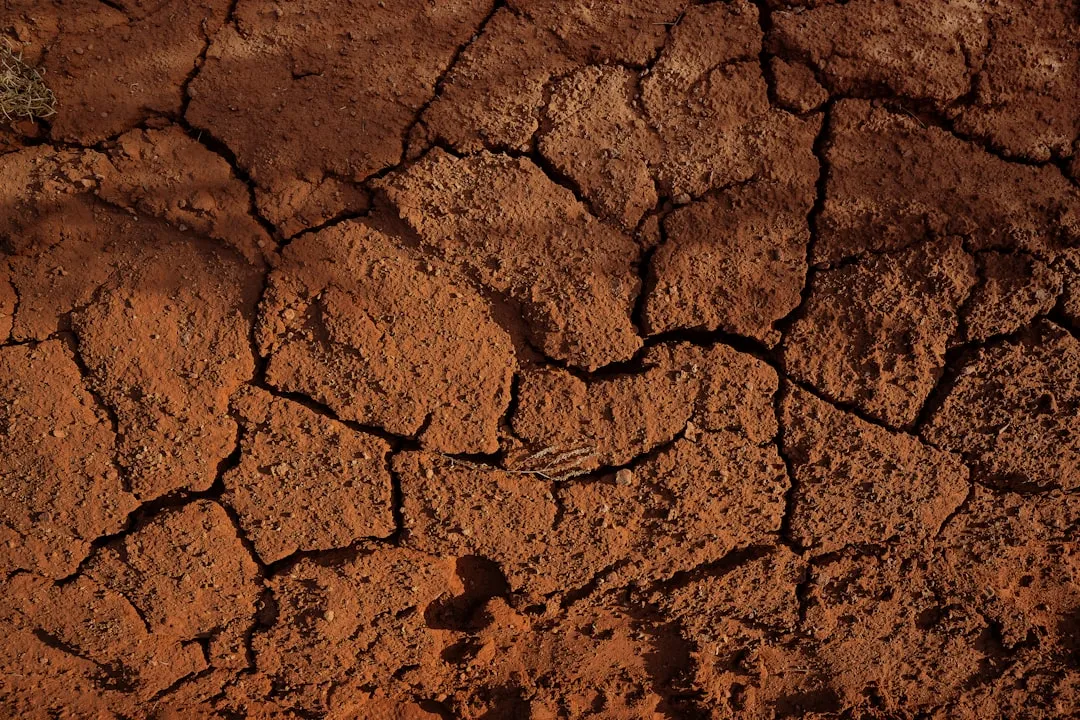
The long-term use of chemical fertilizers can reduce the organic matter content of the soil, destroy the soil aggregate structure, and make the soil compact, which is unfavorable for the survival of microorganisms. Organic matter is not just a soil additive; it’s the backbone of a functioning ecosystem underground.
Modern agricultural systems that rely extensively on inorganic and synthetic fertilizers suffer from loss of organic matter, hindered water infiltration, reduced soil microbial activity, and altered nutrient cycles. These aren’t temporary setbacks. They compound with each growing season.
Scientists have shown that soil organic matter has all but been completely depleted in some areas, where organic matter accounts for just one percent of soil composition. Once a soil reaches that point, its capacity to hold water, buffer pH changes, and support plant life is severely compromised. Getting it back is a slow and labor-intensive process.
3. Fertilizing at the Wrong Time of Year

Timing is not a minor detail in fertilization. It fundamentally determines whether nutrients end up feeding your plants or degrading your soil. Applying nutrients at the wrong time doesn’t just waste money; it can actively harm plant development, suppress yields, and degrade soil health over successive seasons.
Early nitrogen application before active root development results in significant leaching, particularly after rainfall. Late phosphorus application during the fruiting stage offers little structural benefit, since root expansion has already peaked. Neither scenario delivers value to the crop, but both leave residues in the soil.
Heavy fertilization during dormancy can raise salt concentration in the soil, a damaging effect that carries into the next growing cycle and forces higher inputs just to maintain baseline productivity. This creates a feedback loop where more fertilizer is needed each year simply because the previous application was poorly timed.
4. Ignoring Soil pH Before Fertilizing
One of the most significant and widespread consequences of modern fertilization is the accelerated acidification of agricultural soils. While natural soil acidification is a slow geological process taking centuries or millennia, the overuse of nitrogen fertilizers has dramatically hastened this decline. The mechanism is straightforward: as ammonium-based fertilizers break down through microbial activity, they release hydrogen ions into the soil.
A comprehensive meta-analysis of studies in China from 1980 to 2024 revealed that long-term application of nitrogen fertilizers reduced soil pH by an average of fifteen-plus percent. A decrease of 0.5 pH units represents a more than threefold increase in soil acidity. Most growers never measure pH before applying their next round of fertilizer, which means they’re often compounding an acidification problem they don’t even know exists.
Soil pH will likely reduce over the years under chronic chemical fertilizer use, which has a knock-on effect on bacterial diversity, lowering it and making the soil more susceptible to disease and pests. Fertilizing without first understanding pH is roughly like adjusting the heating in a building without knowing the current temperature inside.
5. Allowing Salt Buildup Through Chronic Over-Application

Most synthetic fertilizers are, at their chemical core, soluble salts. Applied judiciously, that’s not a problem. Applied repeatedly without restraint, they accumulate in ways that change how the soil behaves at a basic physical level. What mainly causes the dreaded fertilizer “burn” is an abundant accumulation of soluble salts. Other nutrients found in fertilizers may get absorbed, but this left-behind salt buildup can gather to toxic levels.
High concentrations of sodium can harm or kill the microorganisms naturally found in soil, which help to maintain a balanced ecosystem. Lose those microorganisms and you lose the engine that drives natural nutrient cycling, decomposition, and disease suppression.
Excess fertilizer application may exacerbate soil salinity that reduces yields and economic benefits, particularly after extreme weather events. Soil salinity is not a one-time problem; it is a dynamic process driven by water, nutrients, and soil chemistry. Managing it effectively requires more than occasional soil tests. Salt damage, once entrenched in a field, takes years of careful management to reverse.
6. Neglecting Soil Biology in Favor of Nutrient Numbers
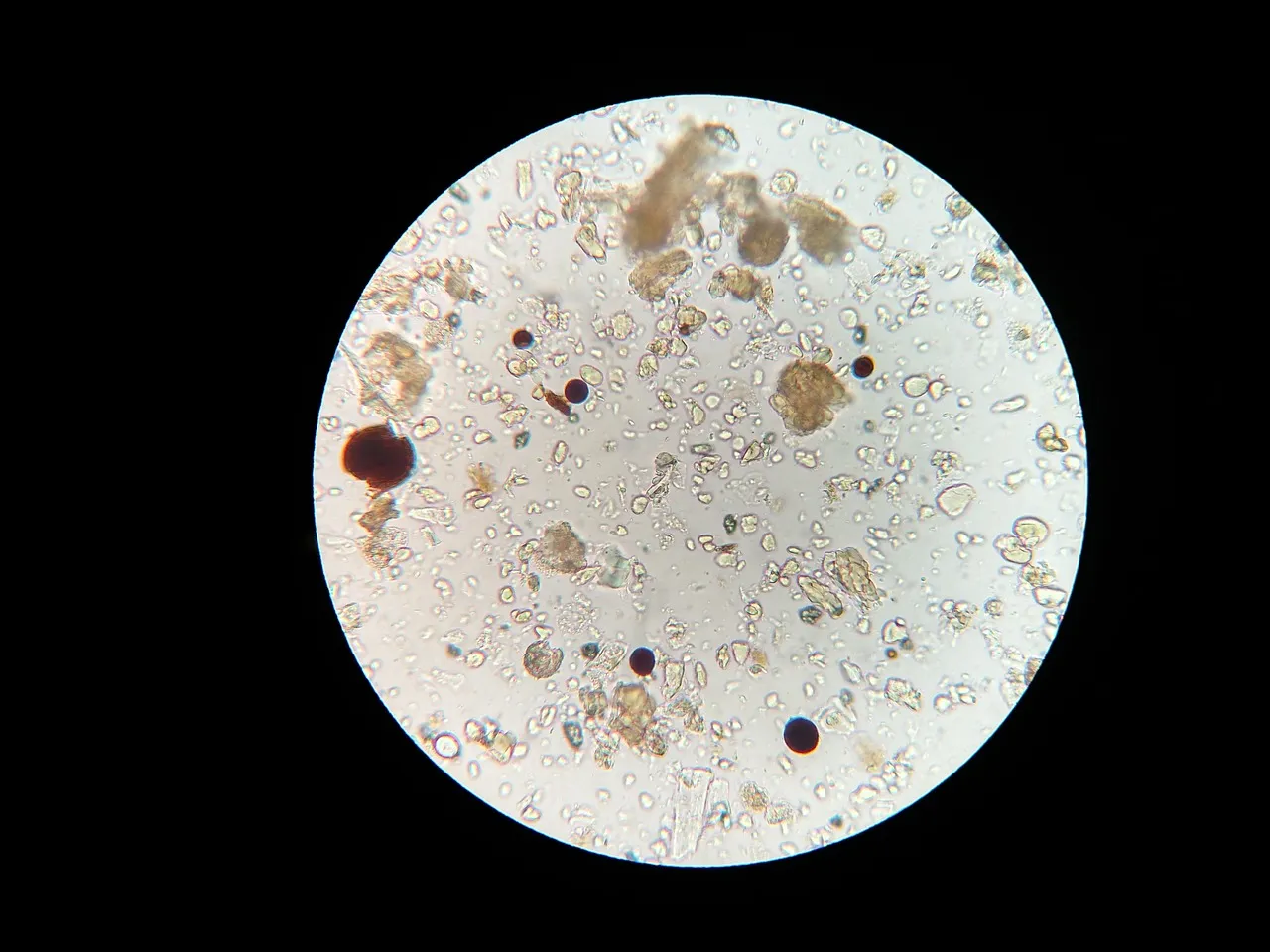
Fertilizer labels focus on nitrogen, phosphorus, and potassium. What they don’t show is the effect those inputs have on the microbial communities that make those nutrients accessible in the first place. Excessive application of chemical fertilizers can have an adverse effect on soil microbial diversity. Large-scale application can lead to soil acidification, inhibiting the growth of certain microbial groups, while the sole application of chemical fertilizers may reduce the abundance of genes in certain metabolic pathways, leading to a simplification of soil microbial functions.
Overfertilization has been shown to introduce soil-borne pathogens such as Fusarium oxysporum and suppress beneficial microorganisms, including nitrifiers and other bacteria associated with plant growth, organic matter accumulation, and disease suppression. This is a shift in the invisible workforce beneath every healthy field, and it happens gradually enough that most growers don’t notice until the symptoms are well established.
Research finds that globally, farmers apply around 115 million tonnes of nitrogen to crops every year. Only around thirty-five percent of this is used by plants, meaning roughly 75 million tonnes of nitrogen runs off into rivers, lakes, and natural environments. That staggering loss reflects not just an economic waste but a biological one: excess nitrogen that bypasses plant uptake often does so because the soil ecosystem is too depleted to process it efficiently.
The Habit Nobody Talks About: Skipping Soil Tests Entirely
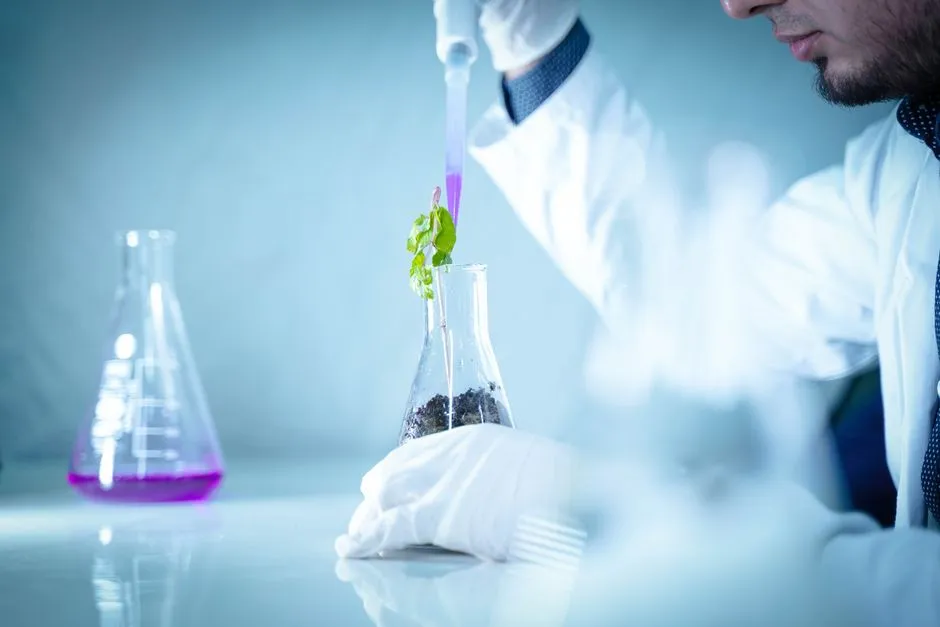
Testing the soil before fertilizing is widely recommended but rarely done with consistency. Without test data, fertilizer choices become guesswork, and guesswork tends to err on the side of more. A study by researchers at the University of St. Thomas found that in the Capitol Region Watershed in the Twin Cities, urban gardens make up only about one tenth of one percent of the land area, yet contribute up to nineteen percent of the phosphorus inputs to urban soils. That’s an outsized impact driven largely by uninformed application habits.
Transformations of applied phosphorus fertilizer to inaccessible residual soil phosphorus is the main cause of inadequate phosphorus availability to plants in the majority of cultivated soils. In other words, the phosphorus is technically present, but locked in forms the plant can’t use. Without a soil test, growers often respond by adding still more.
A formal soil test can help determine what nutrients your turf or garden is lacking and which it has enough of, so you can choose the best mix for nourishing your unique property. It’s one of the simplest, most cost-effective interventions available, yet it’s often the first step people skip.
When Monoculture and Fertilizer Combine
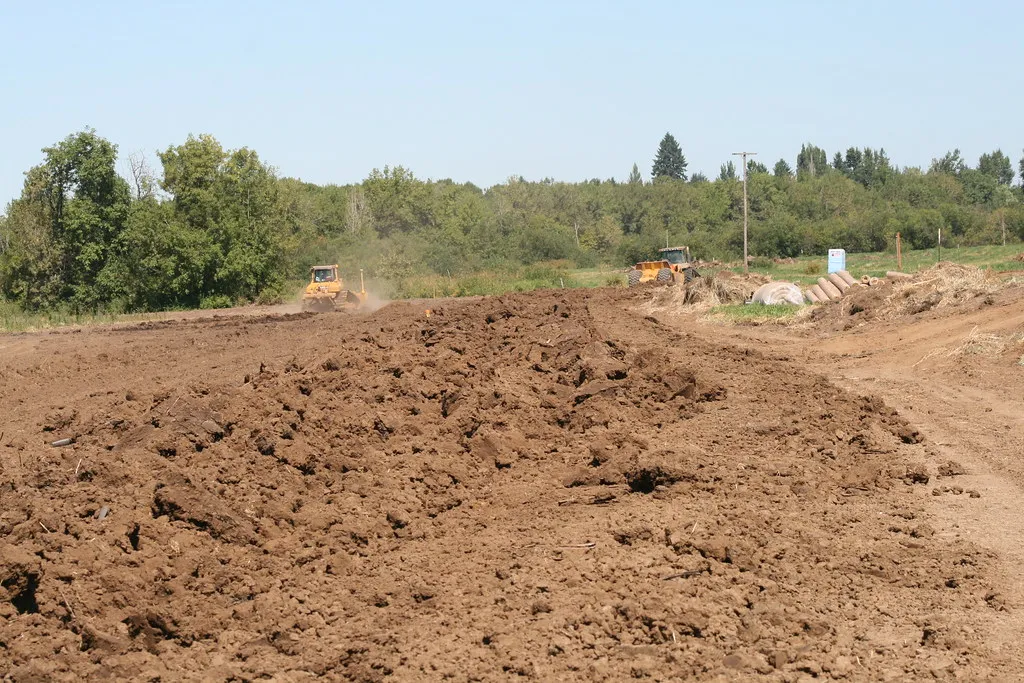
Fertilizing a monoculture system year after year creates a compound problem. Conventional tillage, often in combination with monoculture cropping systems, results in lower soil health through physical disturbance of soil aggregates that influences soil nutrient and carbon flow and the physical soil habitat for microorganisms and other soil fauna. Adding synthetic fertilizer on top of this already stressed system accelerates the biological depletion.
Long-term overfertilization influences soil pH, total carbon, and soil microbial community composition in ways that directly regulate crop yield. The compounding of monoculture stress with chronic over-application creates a soil environment that increasingly depends on external inputs just to maintain output.
The Phosphorus Trap
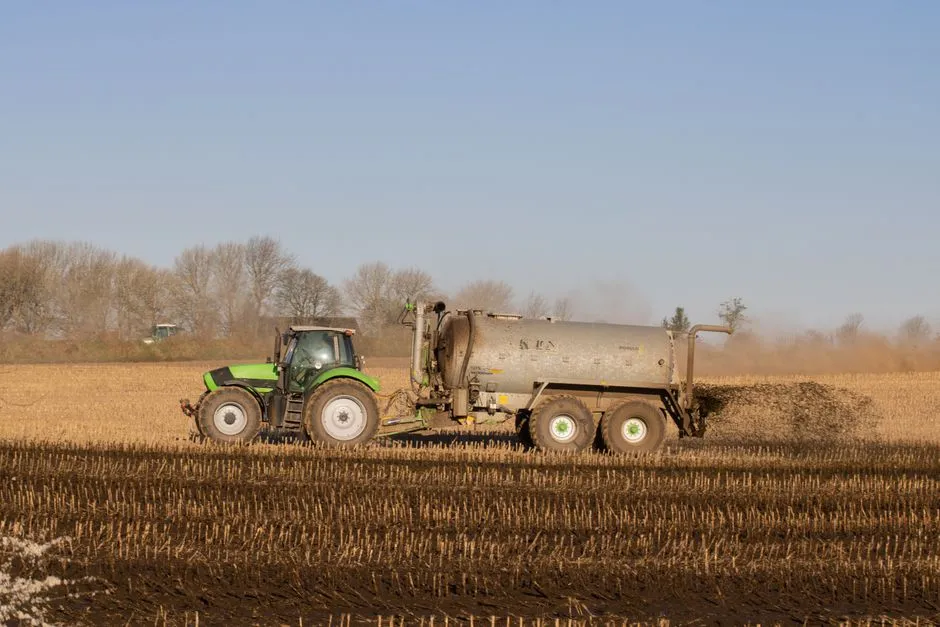
Approximately eighty percent of the phosphorus applied as fertilizer is fixed or adsorbed in the soil rather than absorbed by crops. This is a remarkable figure. The vast majority of one of the most commonly applied nutrients simply gets locked away where plants can’t reach it. Yet the default response for many growers facing phosphorus deficiency is to apply more.
The continuous application of soluble phosphorus fertilizers, while aimed at boosting short-term productivity, has instigated a vicious cycle of soil degradation and resource waste. This practice depletes soil organic matter, a cornerstone of soil fertility that acts as a natural buffer against phosphorus fixation.
There is a widespread phenomenon of blind application of phosphorus, with excessive, long-term, and high-frequency application not only resulting in a huge waste of phosphorus fertilizer resources, but also leading to the risk of elevated surface pollution. Understanding phosphorus behavior in your specific soil type is the only way to break this cycle.
The Scale of the Problem

According to the Food and Agriculture Organization, global agricultural use of inorganic fertilizers rose from 142 million tonnes in 2002 to 190 million tonnes in 2023, a thirty-four percent increase. Nitrogen consumption alone reached a record high of 112 million tonnes in 2023, up thirty-two percent since 2002. The trajectory is clear, and the soil science tracking it is growing more concerned.
Over recent decades, the soil health of agricultural lands has decreased. Many recent studies have linked this decline to the constant and excessive use of chemical fertilizer. While fertilizer is applied to boost fertility, research has shown that it is damaging many properties of the soil that, in the long-term, will reduce its fertility and make it more challenging to grow healthy, high-volume crop yields.
The USDA’s Natural Resources Conservation Service notes that it can take up to 1,000 years to build just one inch of topsoil. That figure puts the pace of damage versus the pace of recovery in uncomfortable perspective. What takes a season of poor fertilizing habits to harm can take generations to restore.
What Better Looks Like
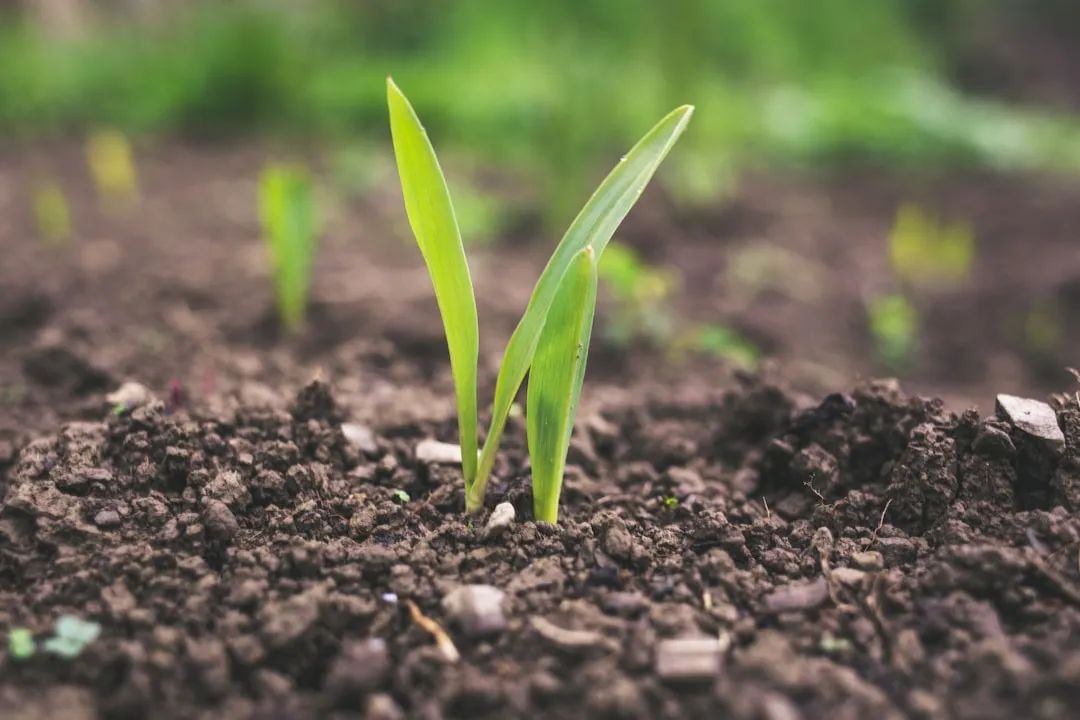
The rational application of mineral and organic fertilizers, by regulating soil physicochemical properties, can optimize the structure and functions of the microbial community, thereby improving soil quality and crop yields. The goal isn’t to eliminate fertilization; it’s to make it responsive to what the soil actually needs rather than what routine or habit dictates.
Switching to organic fertilizer such as organic manure gives the soil the best chance of recovery. Research has shown that this approach also reduces greenhouse gas emissions from farming by roughly thirty-five percent. Blending organic inputs with reduced rates of targeted synthetic fertilizer, guided by regular soil testing, consistently produces better long-term outcomes than high-rate synthetic application alone.
The Takeaway
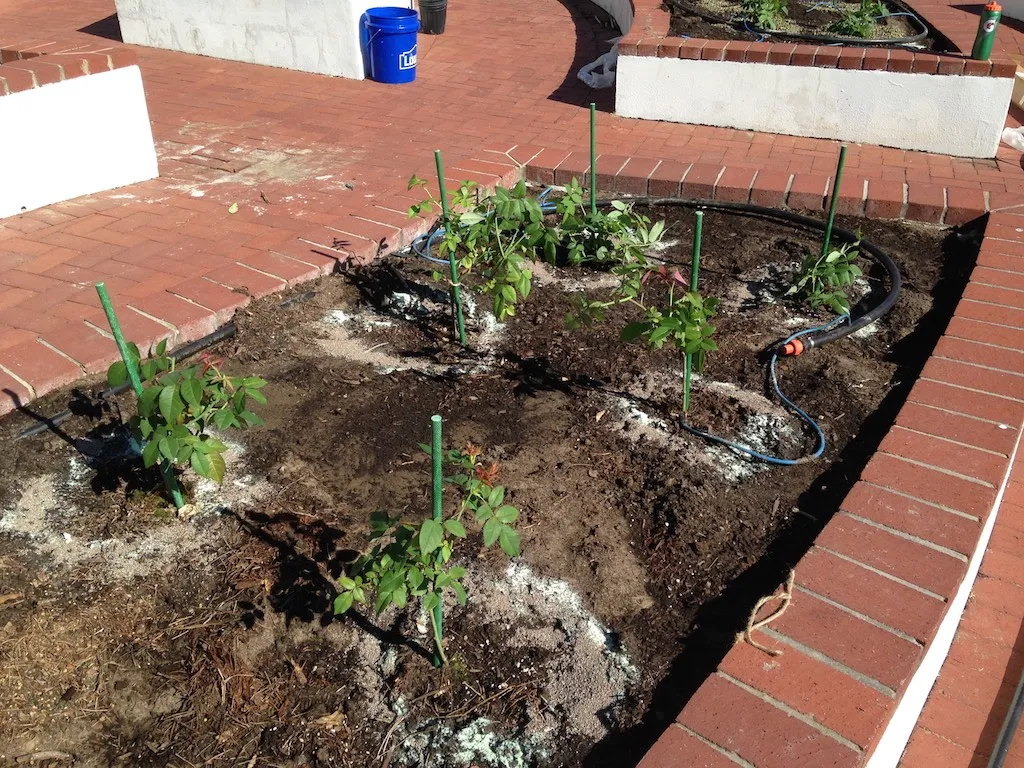
Soil damage from fertilization doesn’t announce itself with a dramatic moment. It accumulates slowly through habits that feel routine, even responsible. The grower who applies “a little extra” to be safe, the gardener who fertilizes on a fixed calendar rather than in response to plant needs, the farmer who skips soil tests because they’ve used the same mix for years: each of these patterns quietly degrades the biological capital of their land.
The research from 2024 to 2026 is consistent: chronic overuse and poorly timed application of synthetic fertilizers reduce microbial diversity, acidify soil, build up damaging salts, and deplete the organic matter that makes soil genuinely productive over the long term. Paying attention to what’s already in the soil before adding more is not just good practice. It’s the foundation of keeping that soil functional for the seasons ahead.
AI Disclaimer: This article was created with the assistance of AI tools and reviewed by a human editor.