

Most plant owners focus on watering schedules and light placement, and those things matter. What gets overlooked far too easily is the surface of the leaves themselves. Dust accumulates quietly, and the effect on a plant’s ability to function is more significant than it might appear from across the room.
Cleaning houseplant leaves is a simple yet often overlooked aspect of plant care that not only keeps them dust-free but also enhances their ability to photosynthesize more efficiently. Understanding the science behind this, and knowing how to do it correctly without causing harm, makes the whole task feel much less like a chore.
Why Dust on Leaves Is a Real Problem
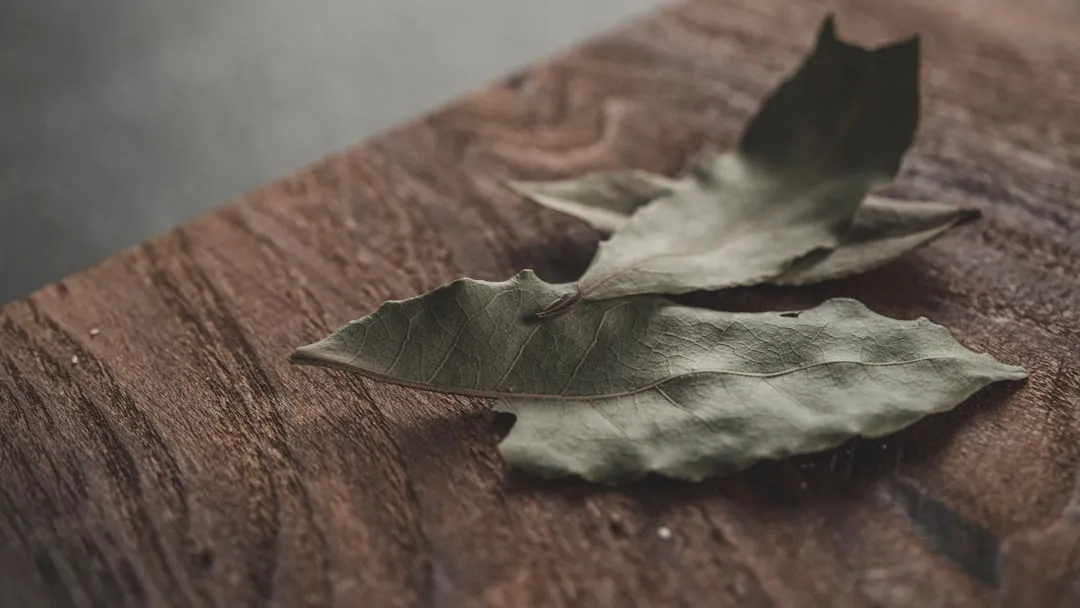
Dust cover on leaves is considered to affect photosynthesis directly, mainly by shading the leaf surface, increasing leaf temperature, and plugging stomata. These are not cosmetic issues. They translate directly into reduced energy production for the plant.
Photosynthetic rate was reduced by dust, and as dust density on the leaf surface increased, it was reduced further. This was demonstrated in controlled research on kidney bean and cucumber plants, published in the journal of agricultural meteorology.
Dust deposition on leaves and its subsequent uptake can impair plant growth and biomass production by clogging stomata, modifying the leaf microenvironment, hindering transpiration and gas exchange, degrading chlorophyll, and limiting photosynthesis. For houseplants already working with limited indoor light, that cumulative effect matters considerably.
How Stomata Get Blocked and Why It Matters
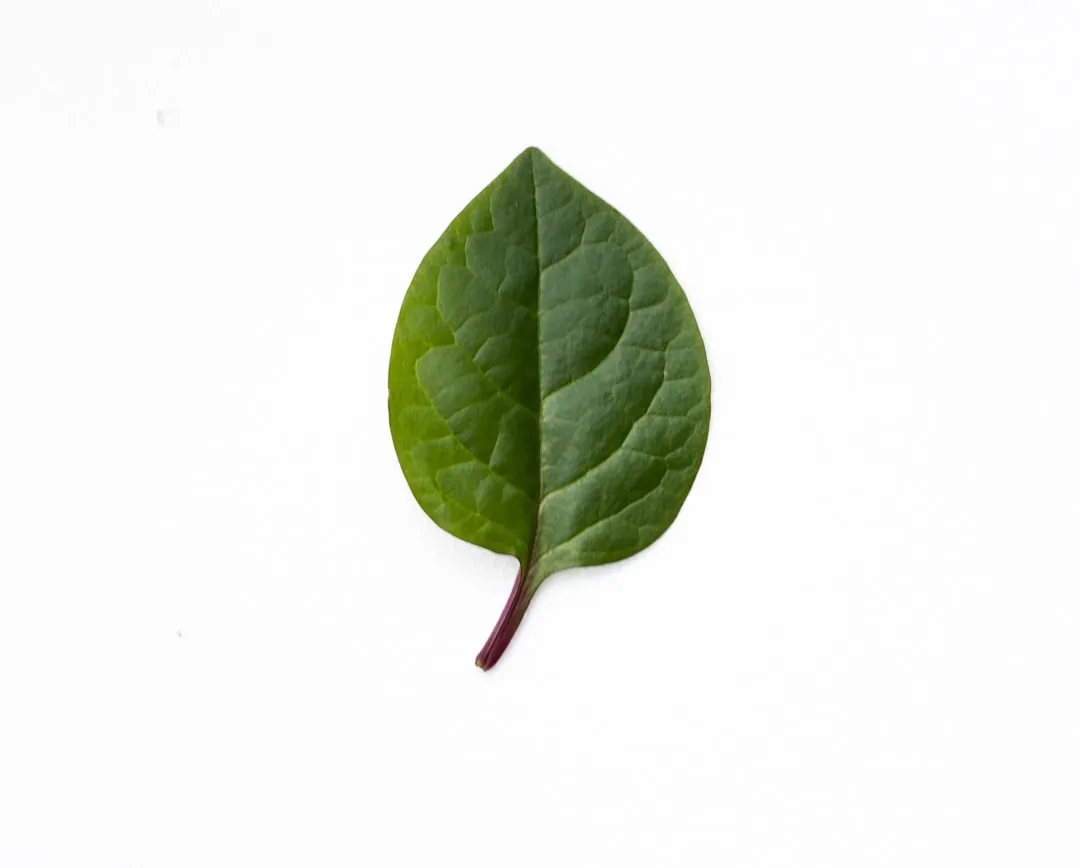
Houseplants breathe through tiny pores called stomata, which are located on the undersides of leaves and, depending on the plant, sometimes on the tops as well. Through these stomata, plants exchange gases and help clean the air by pulling toxins from it. When leaves become coated in dust, those stomata don’t work as efficiently.
The deposition of dust on leaf surfaces can cause stomata clogging, thus reducing carbon dioxide uptake by leaves and ultimately resulting in a significant decrease in the photosynthesis process. Less CO2 intake means less raw material for producing energy.
Particles with PM10 and smaller sizes can theoretically interfere with stomatal functions. Clogging the leaf stomata lowers the rate of transpiration and carbon assimilation, which finally causes a significant reduction in the photosynthesis rate. Indoor environments are not dustless, and fine particles from everyday household activity settle constantly on leaf surfaces.
The Damp Cloth Method for Large, Smooth Leaves
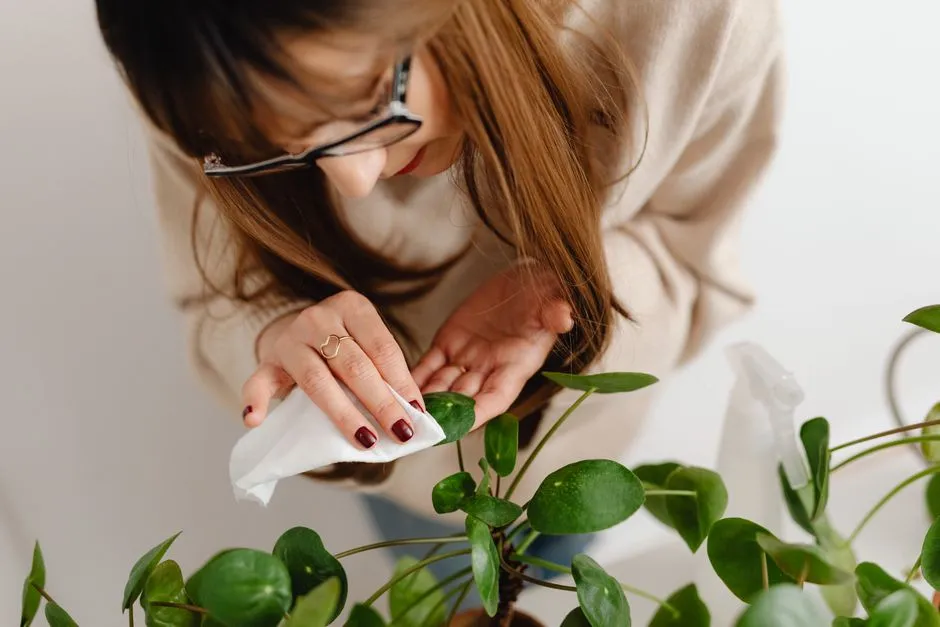
Plants like Monstera or Fiddle Leaf Fig can be gently wiped with a damp cloth. Their large, smooth surfaces allow for easy cleaning without causing damage. This is probably the most effective and widely applicable method for common houseplants.
Large, older plants which are not easy to move, such as the Rubber Plant or a mature Dragon Tree, or those with very large leaves, can be gently rubbed over with a damp cloth. Support the leaf from below with your hand to prevent tearing. Rinse the cloth frequently in lukewarm water.
If using a shower to wash your plant’s leaves, remember they don’t like hot or cold water. Aim for a tepid water temperature instead. The same principle applies to cloth wiping: always use room-temperature water to avoid shocking the plant tissue.
Showering Plants for a Thorough Clean
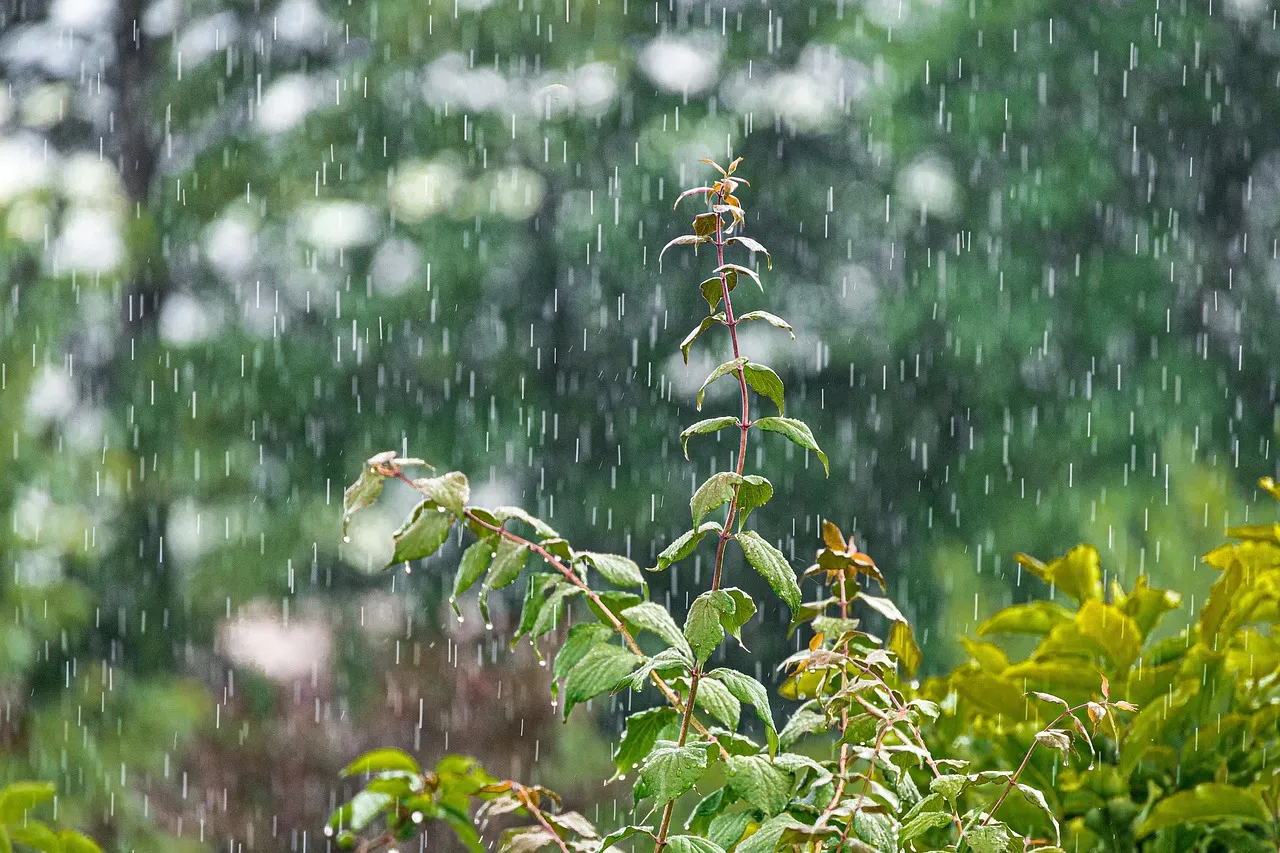
For all plants, but particularly for plants with delicate leaves that are difficult to wipe, showering is a great option. Remember to draw a lukewarm shower. Plants don’t like their water as warm as we do, but not cold either. Run your hands through the foliage and hold the plant at various angles to make sure that the shower hits the undersides of the leaves too. This method works great for ferns, orchids, and palms.
If you have a large collection of plants, it might be easiest to move them all to the shower or bathtub to clean them in one place, especially if some of the plants are quite large or have lots of small leaves such as spider plants that are too fiddly to clean individually.
When rinsing, make sure to cover the soil with a plastic bag or other protective barrier to prevent over-saturation, which can lead to root rot. That one extra step protects the root zone while you focus on cleaning above the soil.
Using a Soft Brush for Fuzzy or Delicate Leaves
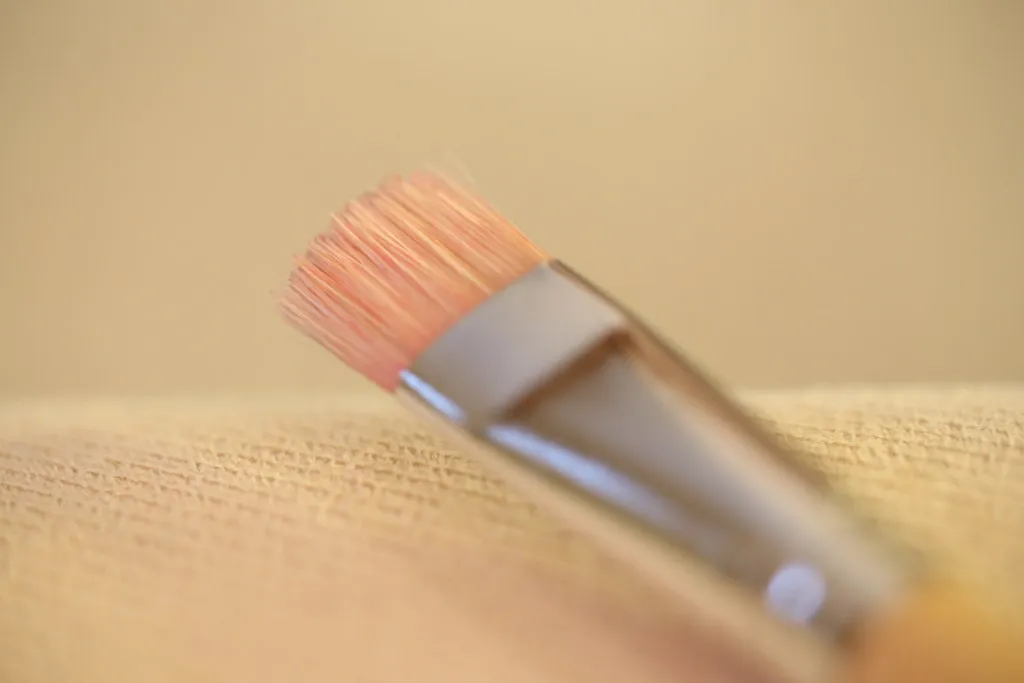
Plants like African Violets or certain types of ferns should not be cleaned with a cloth, as their fine hairs can trap moisture and encourage mould growth. Water and cloth are not universal tools. Some leaves genuinely require a dry approach.
Using soft paintbrushes, art brushes, or even certain makeup brushes to gently dust the leaves is recommended. Use brushes with soft to medium bristles and lightly sweep dust from the foliage. Smaller brushes are especially helpful for reaching tight spaces between leaves. Avoid hard brushes such as toothbrushes, which can scratch delicate foliage.
For plants with fuzzy leaves, like African violets, use a soft brush or a makeup brush to avoid damaging the surface. It takes a little longer than wiping, but the result is a clean leaf without any risk of moisture damage.
Cleaning the Undersides of Leaves Too
You can either dip a soft cloth in a soap-and-water solution and wipe the leaves carefully, or lather your hands with soap and water and gently apply it to the plant. Either way, be sure to clean both the top and bottom of the leaves, because it will also help to remove pests like spider mites.
Starting with the top or inner leaves, clean the front and back of each leaf. Remembering the back of the leaves is very important as pests typically hang out and lay eggs there.
Photosynthesis was reduced and this appeared to be due to shading when the upper surfaces of leaves were dusted, and to impeded diffusion when lower surfaces were dusted, according to research by Thompson et al. published in Environmental Pollution. That finding reinforces why both surfaces deserve attention, not just the visible top.
How Often Should You Clean Houseplant Leaves?
The frequency of cleaning your indoor plants depends on several factors, including the plant type, the environment, and how much dust or debris accumulates. For most plants, cleaning their leaves every one to two weeks is ideal. Dust can build up quickly, especially in high-traffic areas, and regular cleaning will prevent it from affecting the plant’s ability to photosynthesize.
If your plant is located in an area prone to dust, such as near windows, heating vents, or in rooms with heavy foot traffic, you may want to clean it weekly. This prevents excess dust buildup that could block sunlight or clog the plant’s pores. Plants in low-dust environments can be cleaned less frequently, such as every two to four weeks.
Homes with pets, open windows, fans, candle smoke, or forced-air heat may need more frequent wipe-downs because airborne debris settles faster. Pay attention to the environment your plants actually live in rather than following a fixed calendar rule.
What to Avoid When Cleaning Leaves
Many leaf-shine products contain thick oils or waxes that can clog the stomata, which are the tiny pores plants use to breathe. Just like our own skin, plants need their pores clear to stay healthy and to take in air and light. Plus, these oils often act like a magnet for dust, creating a sticky buildup that is actually harder to clean off in the long run.
Things like baby oil, coconut oil, or olive oil are sometimes recommended as DIY solutions for cleaning plants, especially for a shiny finish. However, these oils are too heavy to use on houseplant leaves and can have long-term effects, even hindering the plant’s ability to photosynthesize.
Baby wipes can often contain chemicals and alcohol that could damage your plant’s delicate leaves, so if in doubt it’s better not to use them. If you are tempted, check the label to make sure they are unscented and chemical-free. Keeping things simple, with plain water and a soft cloth, is usually the safest route.
Cleaning as a Pest Prevention Strategy
Dust and grime can attract pests like spider mites and aphids. Dirty leaves provide a hiding spot for these unwanted guests, which can lead to infestations. By keeping your houseplant leaves clean, you reduce the chances of pests settling in and give yourself the opportunity to spot any issues early.
When under stress, plants are more susceptible to a pest strike. Much like people are more prone to certain illnesses when they are feeling down, certain pests also find it easier to set up home and spread on dirty plants.
With weakened vital functions from blocked stomata, the plant cannot absorb and create energy sufficiently. When the stomata are blocked or closed, the plant uses its reserves to function. This, in turn, leads to slow growth and susceptibility to pests and diseases. A clean leaf is genuinely a more resilient one.
Managing Hard Water Residue on Leaves
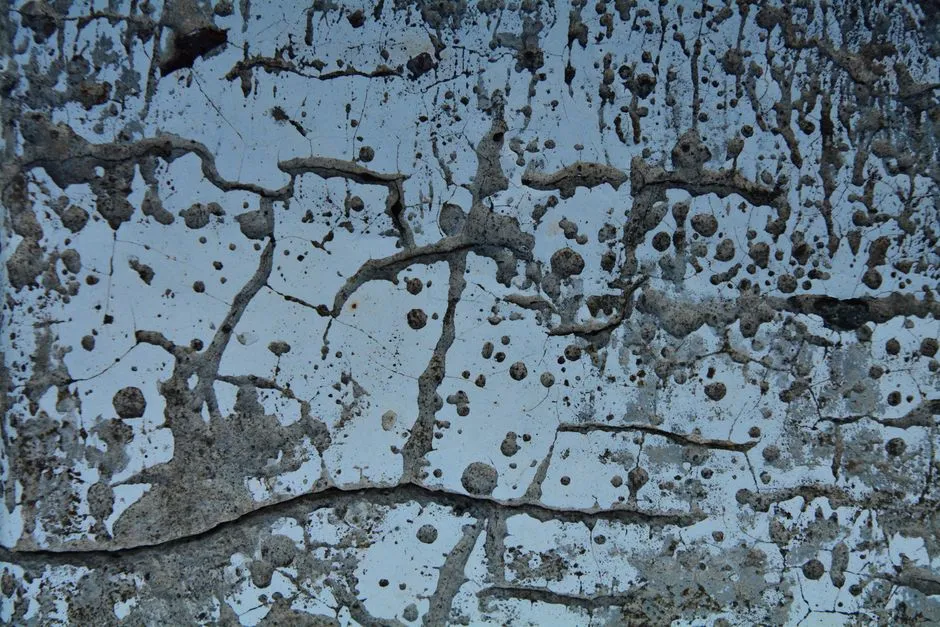
Limescale stains on houseplant leaves often appear due to the buildup of mineral deposits from hard water. When you water your plants, especially with tap water that is high in calcium and magnesium, some of the water can evaporate from the leaf surfaces, leaving behind these mineral residues. Over time, this can result in white or chalky stains on the leaves, which can not only dull their appearance but also interfere with their ability to absorb light and perform photosynthesis effectively.
If plant leaves are covered in stubborn grime or sticky residue, a natural solution of lemon juice and water can be very effective. Mix a few drops of lemon juice in water and gently wipe down the leaves with a soft cloth. The mild acidity of the lemon helps break down dirt and removes mineral deposits from water stains, while the water rinses it away without harming the plant. Make sure to use the lemon juice sparingly, as too much can damage the plant’s leaves.
If your tap water leaves mineral marks, switch to distilled or filtered water. That simple swap prevents the problem from building up in the first place.
Cleaning as Part of Overall Plant Health Monitoring
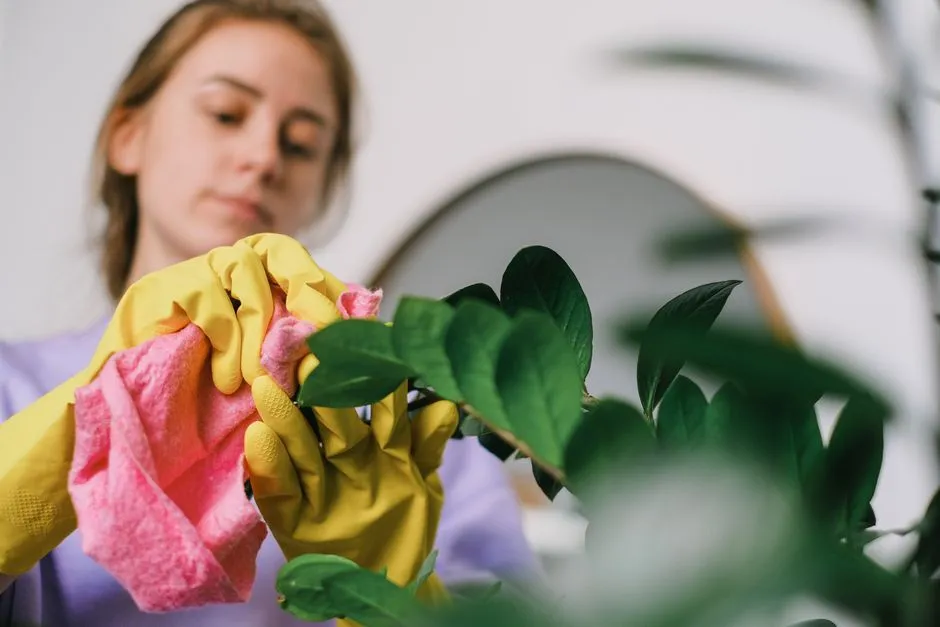
Cleaning provides an opportunity to take a closer look at your plant. You might spot pests, damage, or other issues early, before they turn into bigger problems. Think of it less as a chore and more as a regular health check.
Shining leaves are typically free from dust, pests, and diseases, suggesting the plant thrives in its environment. In contrast, dull or dusty leaves may indicate underlying issues such as poor air circulation or pest infestations. By maintaining shiny, clean leaves, we enhance the beauty of our indoor plants and ensure that they are in optimal health.
Keeping plant leaves clean ensures that their stomata remain open, allowing them to breathe effectively and clean the air. Clogged stomata can hinder the plant’s ability to transpire. The visual cue of a clean, glossy leaf is not just aesthetic. It’s a reliable sign that the plant is actually functioning the way it should.
The Takeaway
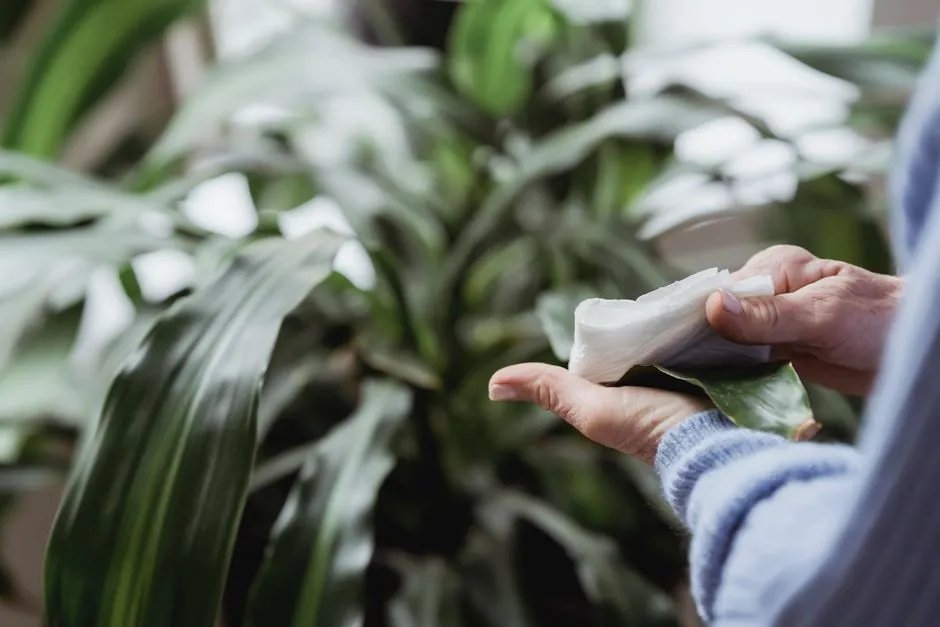
Leaf cleaning won’t transform a struggling plant overnight, but it removes a real, documented barrier to efficient photosynthesis. Clean leaves are essential for effective photosynthesis. When leaves are free from dust and dirt, they can better absorb sunlight, making the photosynthesis process more efficient. Healthy foliage is also crucial for the plant’s respiration.
The tools needed are minimal: a soft microfiber cloth, lukewarm water, and the right technique for each leaf type. Once you get into the habit, cleaning houseplant leaves becomes a quick monthly reset that genuinely improves how your plants look and how well they grow. Use the gentlest method that fits the leaf type, wipe both sides, and avoid shiny sprays that cause long-term issues.
The plants that get this kind of consistent, simple attention tend to be the ones that thrive quietly in the corner, season after season, looking like they belong there.
AI Disclaimer: This article was created with the assistance of AI tools and reviewed by a human editor.