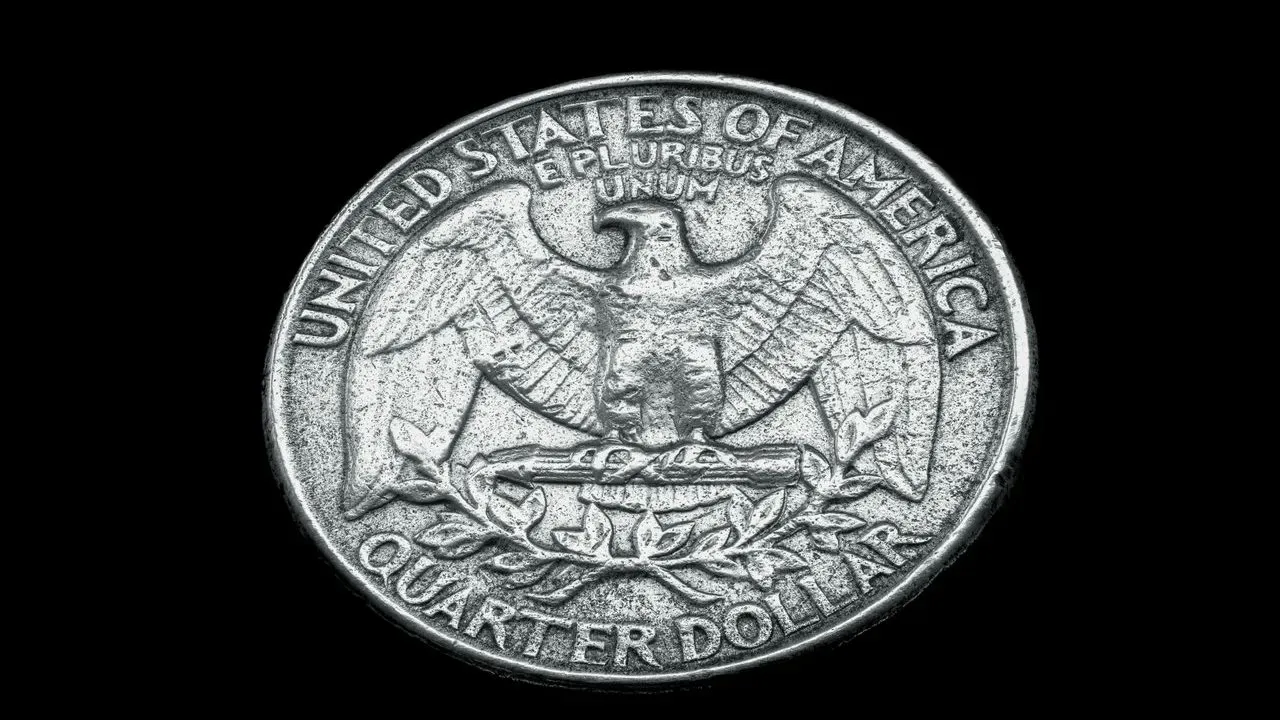

Most people toss coins into a drawer, forget about them, and eventually let them sit there for years. That old penny, that worn quarter, that silver-looking dime from the 1960s – none of them seem worth a second glance. Except sometimes they are, dramatically so.
Certain rare pieces can be worth hundreds, thousands, or even tens of thousands of dollars, and these valuable coins often hide in plain sight, tucked away in change jars, forgotten in dresser drawers, or accidentally spent at the grocery store. The gap between what something looks like and what it’s actually worth can be genuinely staggering in the coin world.
The 1943 Copper Penny: America’s Most Famous Mint Error
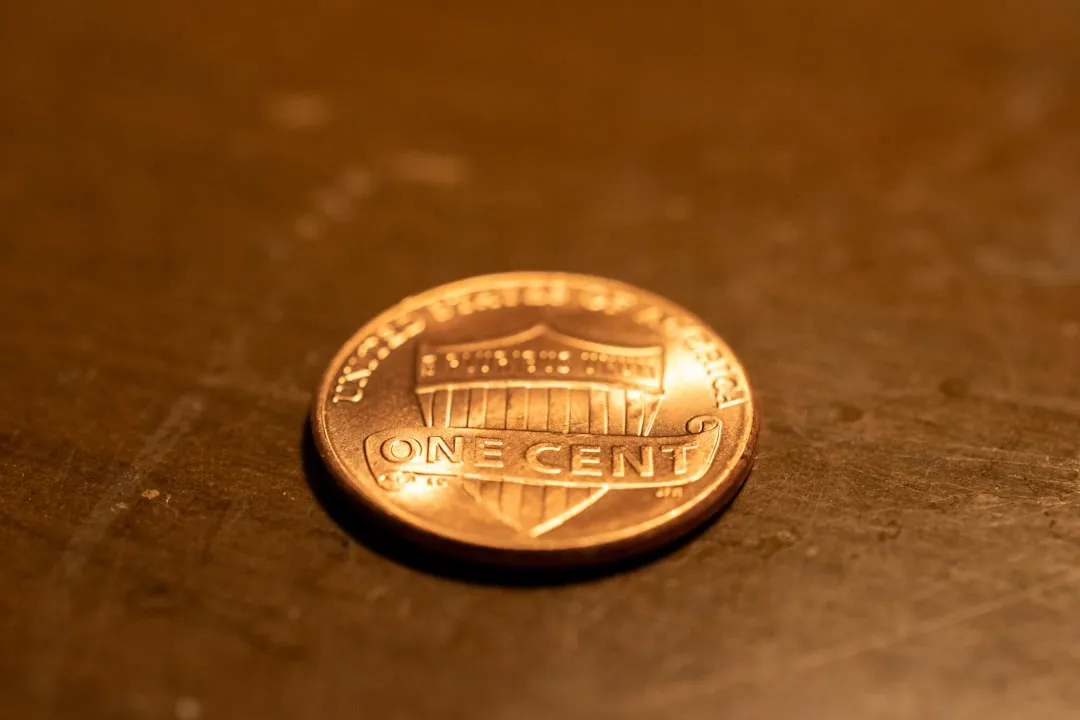
This is the one that starts conversations at coin shows and keeps metal detector hobbyists up at night. During World War II, the United States Mint was striking pennies from zinc-coated steel planchets to help save copper for ammunition shells. A small number of bronze planchets left over from 1942 production remained in the mint presses and were accidentally struck with 1943-dated dies.
A total of perhaps 20 to 30 of these 1943 copper cents were minted cumulatively at the Philadelphia, Denver, and San Francisco Mints. The all-time record price for a 1943 bronze cent is $1.7 million, paid for the only known example of a 1943-D copper penny graded MS64BN by the Professional Coin Grading Service.
The 1943 copper pennies are made of bronze – roughly 95% copper, 5% tin and zinc – so they will not be attracted to a magnet, while the common 1943 steel pennies will stick to a magnet due to their steel composition with a zinc coating. That magnet test is your first and fastest screening tool.
The 1909-S VDB Lincoln Cent: A Penny With Attitude
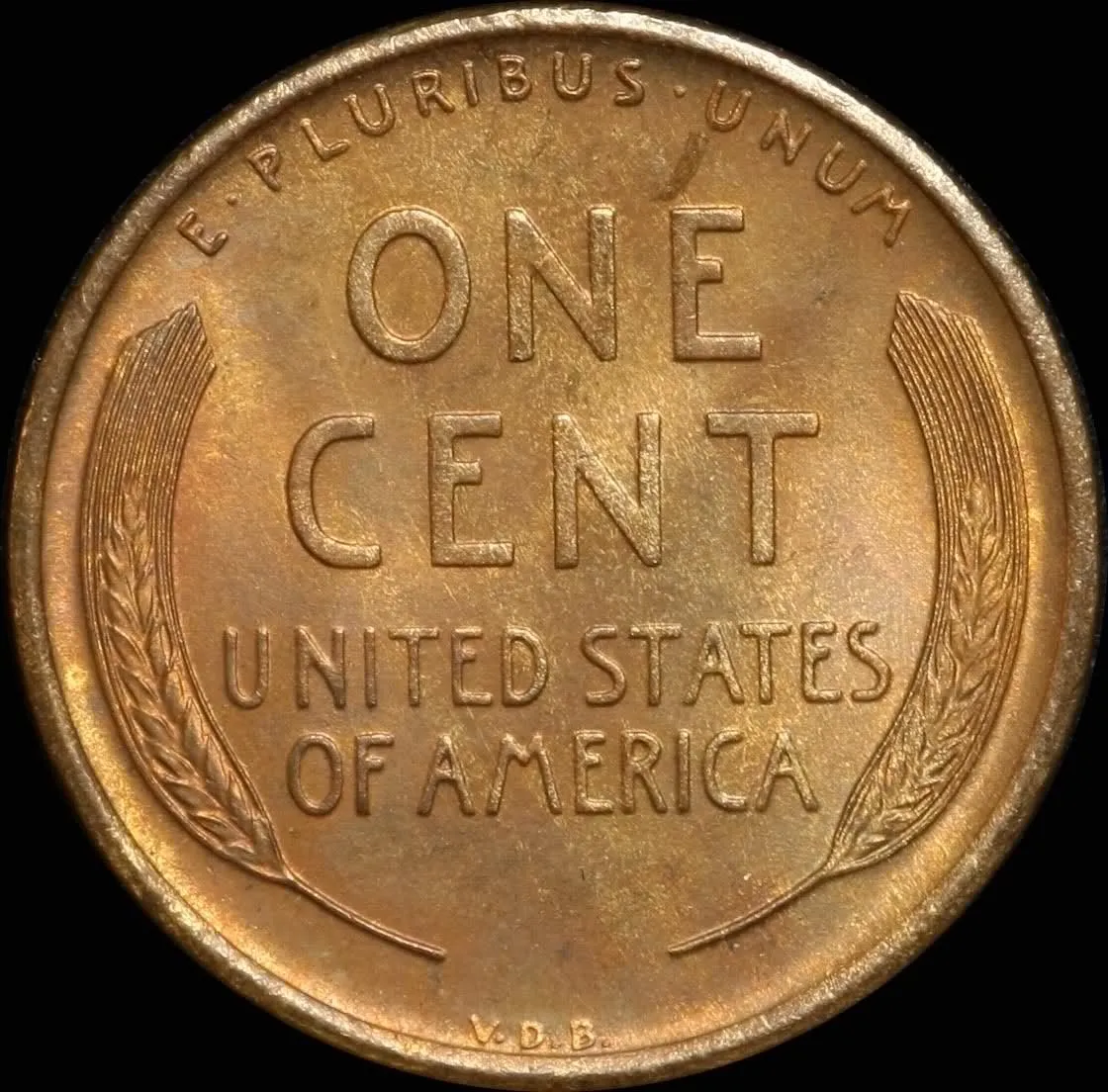
Its low mintage and unique initials – VDB placed on the reverse side – make this Lincoln penny a real gem among coin collectors. The “VDB” stands for Victor David Brenner, the coin’s designer, and the initials were removed from later versions after public controversy, making this specific edition extremely rare.
This penny stands out not only for its rarity but also for its distinct “VDB” initials engraved on the reverse, and its low mintage makes it a prized possession for collectors. A 1909-S VDB penny in good condition could easily be worth thousands of dollars. The grade matters enormously here, so condition is everything.
The 1983 No Mint Mark Doubled Die Penny
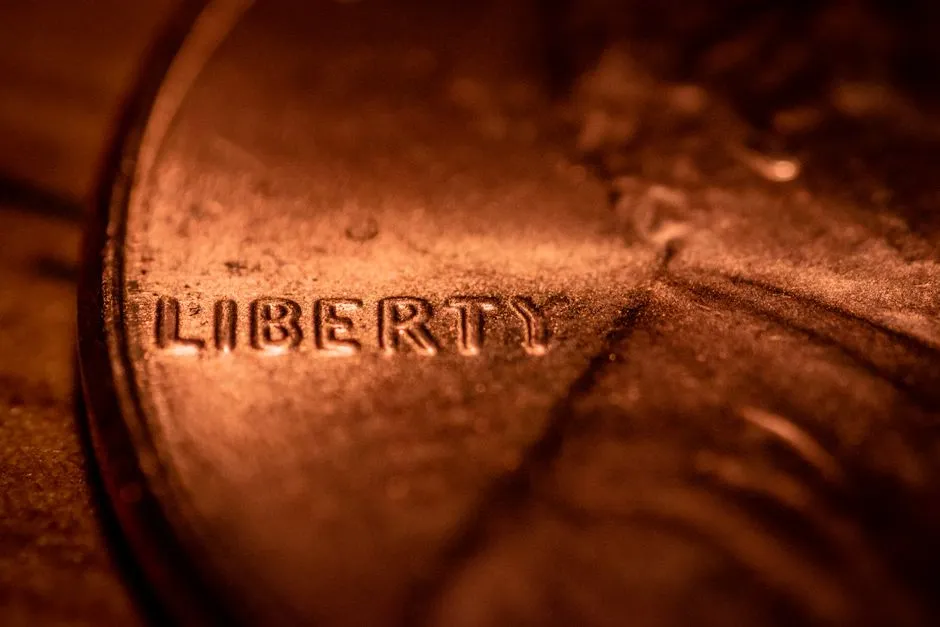
If you’re ready to search your junk drawer for this rare penny from 1983, the first distinguishing feature is the lack of a mint mark, and the second quality that needs to be present for your coin to be a truly valuable 1983 penny is a doubling effect of the “one cent” text on the back of the coin. This was caused by the stamping machine hitting the penny in a slightly different location during its second strike.
The record-high sale price is $7,050, auctioned in 2017 by Heritage Auctions, although value will certainly depend on condition. Compared to the copper penny, this one is within more realistic reach for the average junk drawer search. It takes a magnifying glass and patience, not a miracle.
Kennedy Half Dollars with High Silver Content
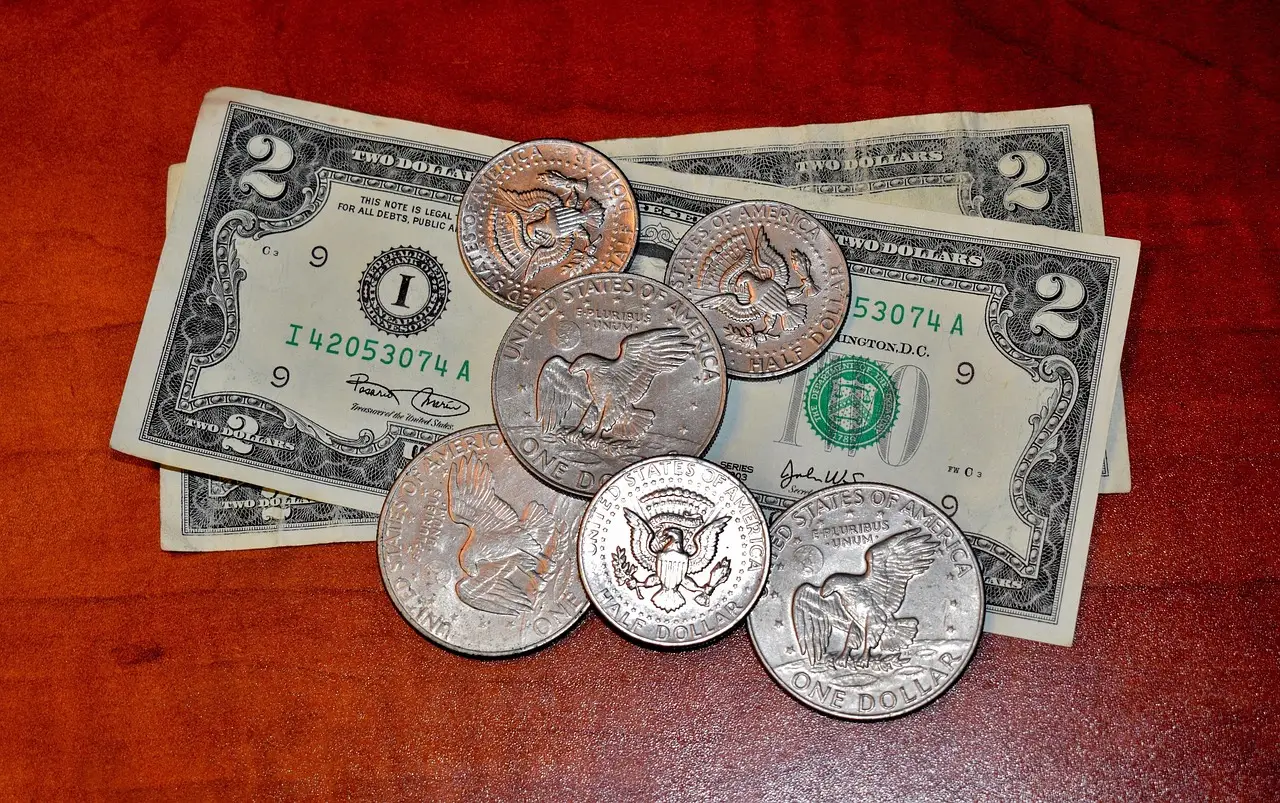
In 1964, the Kennedy half dollars contained approximately 90% silver, and with the price of silver making strong moves in recent years, the high-silver content makes these early Kennedy half dollars worth far more than their 50-cent face value. From 1965 to 1970, the U.S. Mint got thriftier with its production of half dollars, but these coins still contain 40% silver, which makes them worth in excess of their face value.
Gold prices hit even more record highs in 2025, while silver continued to make record prices thanks to industrial demand, low supply, and investors seeking safe havens. That trend makes any pre-1971 half dollar worth pulling out of circulation and looking up. Nobody is going to be tempted to melt 1971-and-up half dollars, since they contain no silver.
The 2004 Wisconsin State Quarter Extra Leaf Error
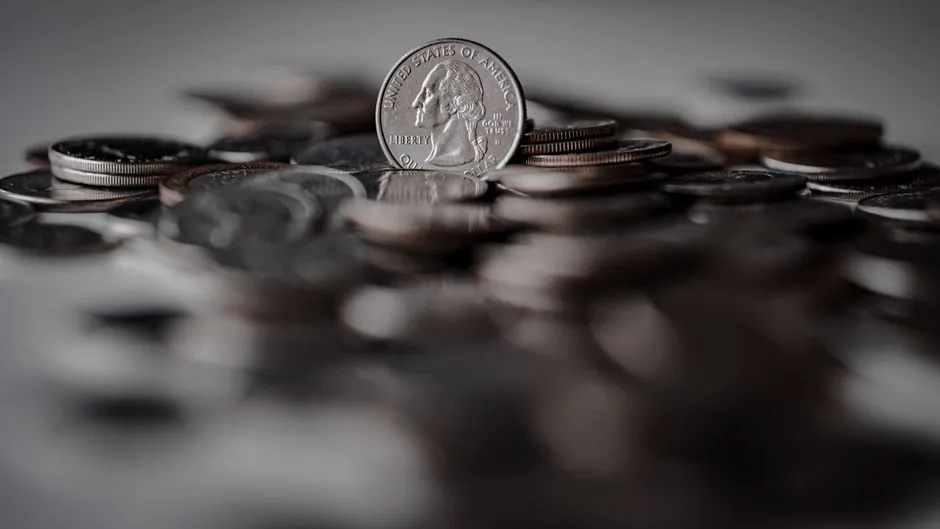
The 2004 Wisconsin State Quarter with Extra Leaf is a notable coin among collectors. This unique variety features an additional leaf on the corn stalk, which distinguishes it from the standard design. You might find two versions: the High Leaf and the Low Leaf, with the Low Leaf variant being particularly sought after by numismatists.
This is a coin that was actually released into general circulation, which means it passed through real hands and real cash registers before collectors realized what they had. Certain rare pieces worth hundreds or thousands of dollars hide in plain sight, tucked away in change jars or forgotten in dresser drawers. The Wisconsin quarter is proof that “modern” doesn’t always mean “common.”
The 1913 Liberty Head Nickel: Only Five in Existence
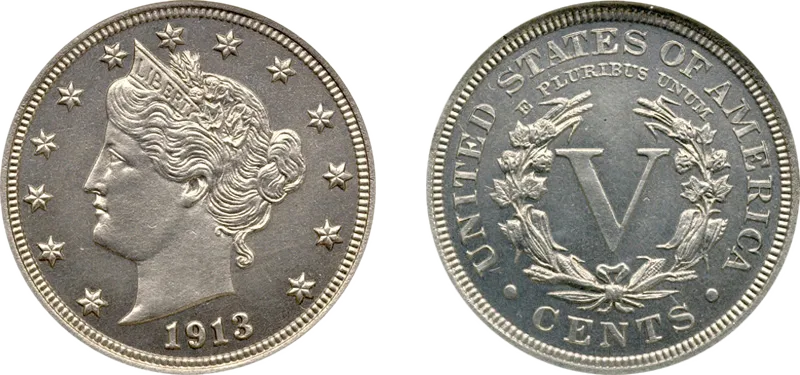
The 1913 Liberty Head nickel is notable for its rarity and historical significance, with only five specimens known to exist. In 2010, one of these nickels sold for $3.7 million at auction. Its origin story is itself mysterious – the coins were produced without official authorization, adding an almost legendary quality to the handful that survived.
The 1913 Liberty Nickel was produced by the U.S. Mint, with only five coins believed to be in existence. Finding one in a drawer is about as likely as lightning hitting the same spot twice, but the point stands: coins of extraordinary value have surfaced in ordinary places. The numismatic world runs on those stories.
The 1933 Double Eagle: The Most Expensive Coin Ever Sold
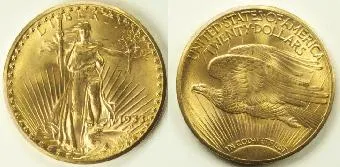
Among the most valuable finds is the 1933 Double Eagle gold coin that sold for $18.9 million in 2021. Gold was banned from coinage after Executive Order 6102 in 1933, which meant almost all of these coins were recalled and melted. A very small number escaped.
It was one of the last to be struck before the U.S. stopped minting gold coins for public use, making it a significant piece in U.S. history. Due to the Gold Reserve Act of 1934, the coin was never officially released into circulation. Its survival alone is the story. Its auction price just confirms what collectors have known for decades.
What Actually Makes a Coin Valuable
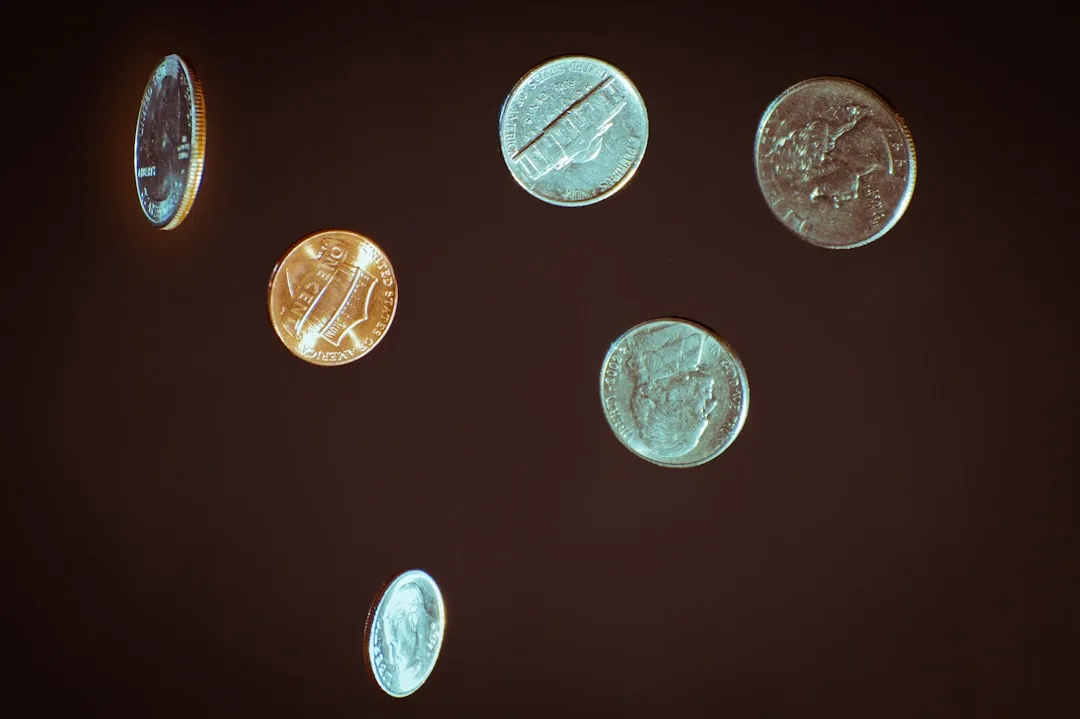
Coins that are rare, in excellent condition, and have historical significance tend to be worth a lot of money. Those three factors almost always work together. From minting errors to limited production runs, several factors can make an ordinary-looking coin extraordinarily valuable.
The rarity of a coin is sometimes determined by how the coins were struck during production, making certain coins struck in specific years or with unique features especially valuable. What looks like a flaw – a doubled image, a missing detail, the wrong metal – is often exactly what collectors pay the most to own. The mint’s mistake is the collector’s jackpot.
The Rule About Cleaning: Never Do It
Even a light polish can destroy a coin’s value. Leave coins in their natural state. This is one of the most repeated warnings in numismatics, and still one of the most commonly ignored. People see a dirty-looking coin and assume cleaning it will help its appeal. It does the opposite.
Collectors especially prize examples with original surfaces and minimal cleaning. A coin’s natural patina – even if it looks dull or discolored – is part of its history and its grade. Examining a coin for any traces of harsh cleaning or major damage is important, because the grading services will still authenticate and encapsulate a coin, but they won’t assign a numerical grade if it has these problems. A “Details” grade is worth far less than a clean, untouched grade.
How to Get Your Coins Professionally Graded
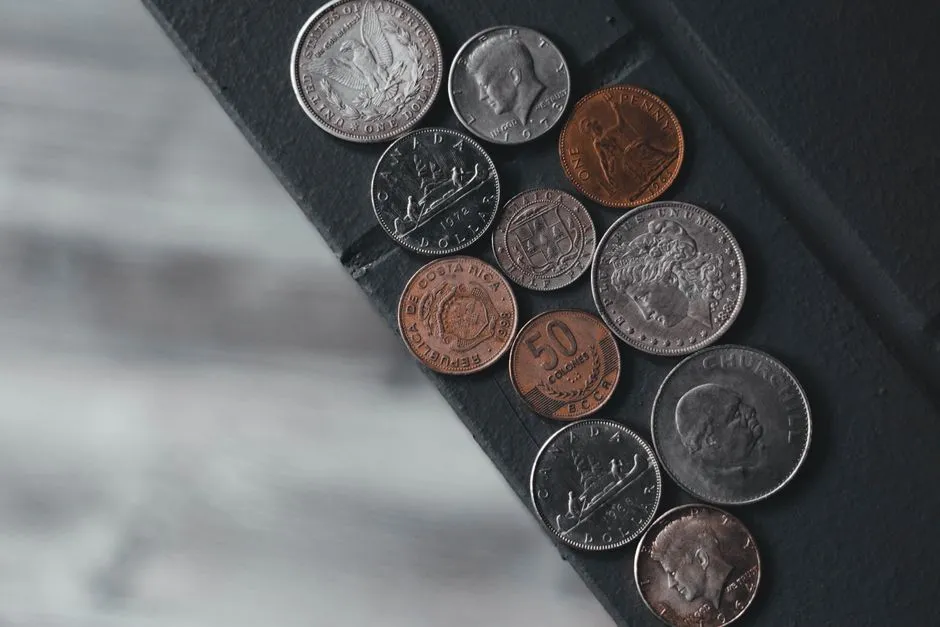
Since 1986, PCGS has been the gold standard in coin grading and authentication, with PCGS-graded coins being the most trusted and valuable in the market. Coin grading evaluates a coin’s condition and assigns a standardized grade based on wear, preservation, strike, and eye appeal, helping establish value and ensure consistent, trustworthy buying and selling.
Twenty-eight of the top 30 highest auction prices realized for coins sold at auction during the course of 2024 were achieved with coins graded by Professional Coin Grading Service. That’s a strong argument for certification if you think you have something real. Economy grading runs roughly $22 to $30 per coin with a 30 to 45-day turnaround, standard service runs $35 to $50 with a 15 to 20-day window, and express service lands between $65 and $100 with a 5 to 10-day return.
Third-party grading companies like PCGS and NGC provide unbiased evaluations of coins, employing expert graders with extensive knowledge of numismatics. If you suspect something in your drawer might be worth serious money, that fee is a small price for the clarity it brings – and for protecting yourself from selling something precious for almost nothing.
The Takeaway
The coins described here aren’t fairy tales. They’re documented, auction-verified, historically grounded objects that have passed through ordinary hands before ending up in the right ones. The 1943 copper penny’s record sale, the $18.9 million Double Eagle, the $7,050 doubled-die penny – all of these were once just sitting somewhere, unexamined.
The honest reality is that truly valuable coins are rare, which is precisely why they’re valuable. Most junk drawer coins are exactly that. Still, knowing what to look for costs nothing, and a magnet, a magnifying glass, and a reference guide are all you need to start. You can find information about thousands of popular coins in The Red Book, A Guide Book of United States Coins, which remains a trusted starting resource for collectors at every level.
Some finds change hands for thousands of dollars because nobody bothered to look twice. That’s the quiet lesson here. Look twice.
AI Disclaimer: This article was created with the assistance of AI tools and reviewed by a human editor.