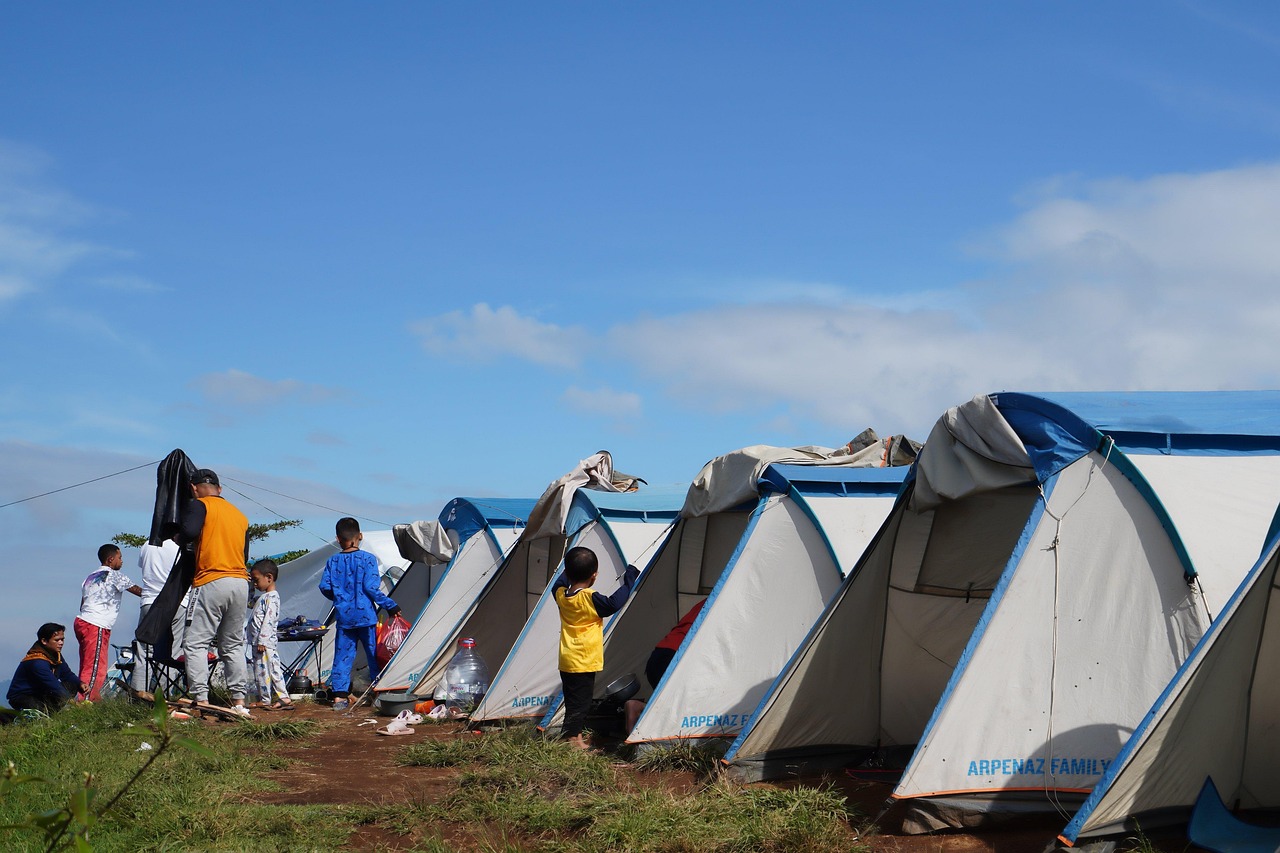

Most people who get into serious trouble outdoors weren’t planning a wilderness expedition. They were just going for a hike. Too often, trips that start as simple day hikes turn quickly into survival situations, and too many people embark on these adventures without proper research, preparation, or skills.
Research consistently shows that the most vulnerable group of hikers aren’t those going deep into the wilderness on backpacking expeditions – it’s day hikers who underestimate how fast conditions can change. Roughly nine in ten day hikers rate themselves as adequately prepared for the wilderness. It’s the gap between self-perception and reality that is most dangerous. These five golden rules exist precisely to close that gap.
Rule 1: Always Tell Someone Your Plan Before You Leave
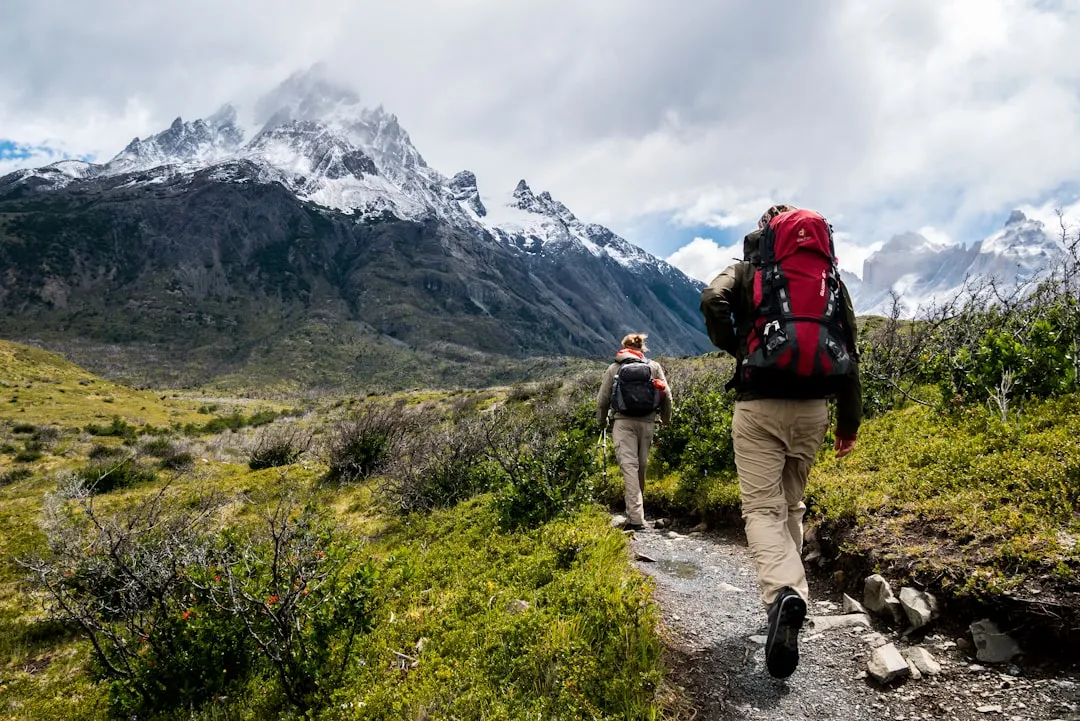
Of everything you can do before a hike, this one costs nothing and takes two minutes. The first rule many wilderness survival instructors teach is simply this: tell people where you are going. Leave information about the route you are traveling and how long before you expect to return. That way, if you don’t come back on time, potential rescuers have vital information to help locate you.
Whether you’re going on a backpacking trip, a day hike, or even a trail run, leave a trip plan with two people who will notice you’re missing. This sounds obvious, but the data reveals how often people skip it. Only about three-quarters of hikers surveyed in a Rocky Mountain National Park study had told someone where they were hiking and when they planned to be back.
The most important thing you can do before getting into a situation where you need someone to help get you out is making sure someone knows where you are going and when you will be back. If they don’t know you are missing, they can’t look for you. After several days, someone might realize you are missing, but they will not know where to start looking.
Rule 2: Understand the “Rule of Threes” and Prioritize Accordingly
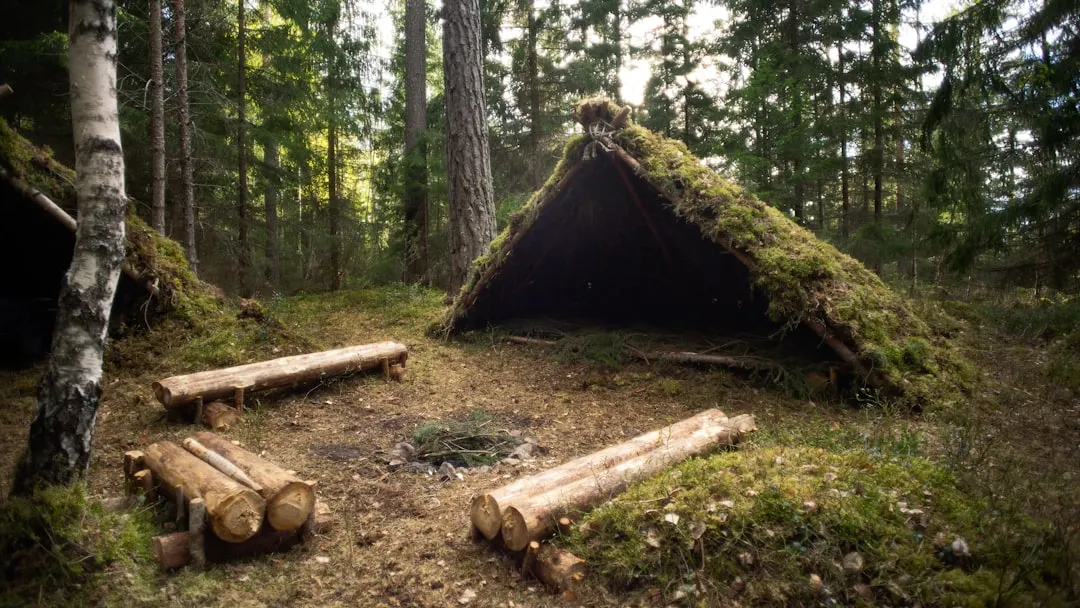
Survival priorities have an order, and knowing it can stop you from making dangerous decisions under stress. You can survive three hours without shelter, three days without water, and three weeks without food. Memorizing this simple sequence gives you a mental framework that works even when panic is trying to override clear thinking.
Most people get into trouble in the wilderness because they get cold and wet. Once that happens, they start to panic. They might quit their hunt early, hit the SOS button, or make other choices they wouldn’t make if they were warm and dry. That’s why getting shelter right is so important – it keeps your head clear and helps you make better decisions.
Understanding the rule of threes changes how you think about backcountry emergencies. When you know that shelter comes first, then water, then food, you don’t waste energy on the wrong things. That discipline alone has saved lives.
Rule 3: Build Shelter First – Your Clothing Is Your First Layer
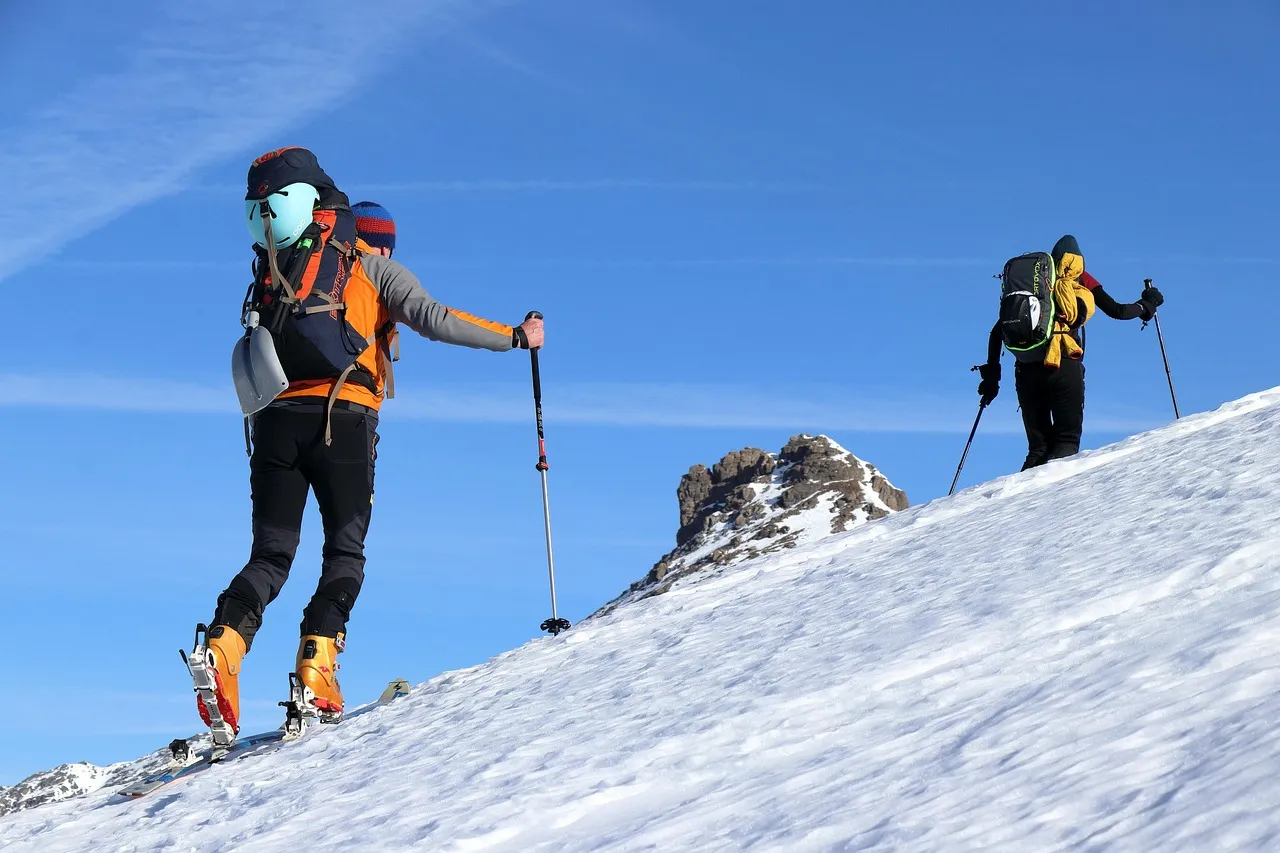
Shelter is not something you think about only when you’re stranded overnight. It starts the moment you step on the trail. Rain gear and a puffy jacket work together as a basic shelter system. The rain gear blocks wind and keeps precipitation off, while the puffy jacket locks in your body heat. With these two pieces, you can either hunker down and wait out bad weather or return to camp safely without risking exposure.
Hypothermia is a real and common threat, even in places people don’t expect it. Many people have gotten hypothermia in temperatures over 40 degrees Fahrenheit, especially if they were wet and there was significant wind. The biggest culprit when it comes to hypothermia is being wet. You have to be able to get out of your wet clothes, get into some dry ones, and get out of the elements.
In the backcountry, shelter isn’t just about comfort – it’s your first defense against serious trouble. Every time you step off the trailhead, be ready for an overnight stay. This isn’t paranoia; it’s preparation. Even on a short summer hike, weather turns fast and unexpectedly.
Rule 4: Never Rely Solely on Your Phone for Navigation

GPS apps have made it easier than ever to head into the wilderness feeling confident. They’ve also created a false sense of security that gets people into trouble. People are so used to navigating city streets by GPS that they have no practice finding their own way. They also think that because they’re in a national park, not far from a trailhead or a gift shop, that help is just a 911 call from their cell phone and a helicopter evacuation away.
There are few tools as valuable in the wilderness as a good map and compass. However, they’re worthless if you don’t know how to use them. The research backs this concern. One preparedness study focused on the gear people were carrying, based on a list of 13 essential wilderness items including extra food, extra clothing, extra water, rain gear, a light source, a map, a water treatment method, a first aid kit, a knife, a compass, a whistle, a fire starter, and emergency shelter. Many hikers were missing several of these.
According to research, wandering off trail is the number one reason, ahead of injury and bad weather, that adult hikers require search and rescue. A paper map and basic compass skill can prevent that from happening. Combining a map and compass is the most accurate way to navigate in the wilderness, and unlike a phone, neither runs out of battery.
Rule 5: Know How to Signal for Help – and Carry the Right Tools

Getting found quickly depends not just on your own survival skills but on your ability to communicate your location to rescuers. Signaling must start immediately upon realizing you are lost, even before you build shelter or address other survival tasks. Your energy and your tools are most effective early, not after hours of wandering.
The “Rule of Threes” distress signal is universal: any group of three repeated signals, such as three whistle blasts, three mirror flashes, or three fires arranged in a triangle. Rescuers worldwide recognize this pattern as a call for help. A simple pealess whistle is one of the lightest and most reliable tools you can carry. Whistles can be heard up to 1.6 kilometers away, much farther than shouting.
Electronic signals are the most reliable. Personal Locator Beacons and satellite communicators send signals worldwide. PLBs offer the advantage of dedicated search-and-rescue frequencies, no subscription fees, and the highest reliability in extreme environments, making them ideal for expeditions to remote areas. These devices have become lighter, cheaper, and more widely available in recent years, and there’s little reason to leave them behind.
The Reality: Day Hikers Face the Highest Risk
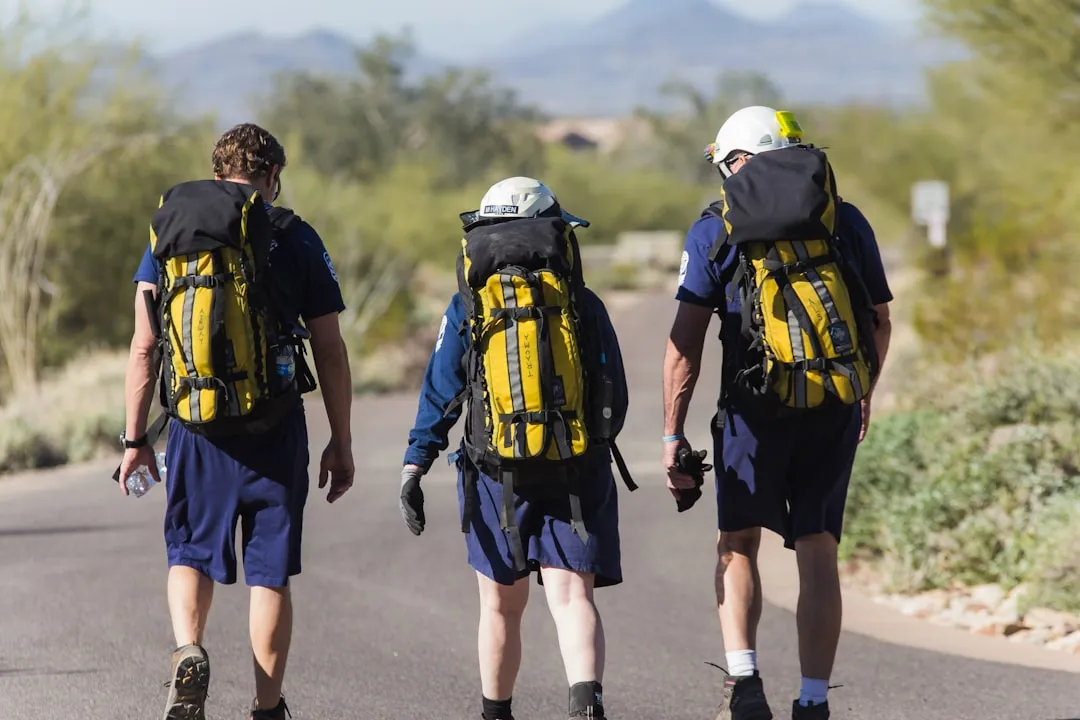
Day hikers account for roughly 42 percent of national park search and rescue cases, which is four times greater than the next biggest group. That number is striking. The people who feel least at risk are often the most exposed. Search and rescue teams across the U.S. are sounding the alarm. With more people heading into wilderness areas, often ill-prepared, the demand for rescues has skyrocketed.
The activities with the highest rate of lost people are nearly half hikers, followed by boaters. These aren’t people attempting remote mountaineering. The average lost individual was found just 1.8 kilometers from their starting point – less than a mile. On average, they were found only 58 meters from the nearest trail or road. The wilderness doesn’t have to be remote to be dangerous.
What Weather Can Do – and How Fast It Happens

Weather is the second most common cause of wilderness survival situations, and it’s often wildly underestimated. Weather was the second-most likely cause of trouble in analyzed survival stories, so if you’re able to stick to the path and watch for incoming storms, your odds of survival increase substantially.
Knowing and respecting nature is one of the most important survival skills. The elements in nature can be brutal and change quickly, and knowing the weather patterns, seasons, and forecast can mean life or death. This isn’t about being fearful. It’s about reading the environment with honest eyes. Those experienced in the wilderness have learned to respect sudden weather changes, be prepared for them, and not take any unnecessary chances. Getting home safe and uninjured takes precedence over making it out on time.
Water: Find It, Treat It, Carry Enough

Dehydration is sneaky. By the time you feel thirsty in the backcountry, you’re already behind. As a general rule, you should consume about one half-liter of water per hour of moderate activity in moderate temperatures. If it’s hot outside or you’re participating in a strenuous activity, you should increase your water intake.
Finding water in the wild is only half the problem. A big water problem in a wilderness emergency is finding water that won’t make you sick. Waterborne microorganisms such as Giardia and Cryptosporidium can cause severe vomiting and diarrhea, which will then cause dehydration, which can kill you in a matter of days.
There are multiple good methods for purifying water. You can kill all of the harmful microorganisms by either boiling it or using chemical tablets if you have them. Water purification tablets weigh nearly nothing and should be a permanent fixture in any day pack. Don’t wait until you’re already thirsty and desperate to think about this.
The Mental Game: Staying Calm Under Pressure
Panic is arguably the most dangerous thing that can happen to a lost hiker. It burns energy, impairs decision-making, and causes people to move when they should stay still. Attitude often determines who lives or dies and always determines who has fun doing it. That’s not motivational language – it’s what survival instructors see play out repeatedly in the field.
Wilderness survival truly begins with prevention. Most accidents originate before the graphic catastrophe because the victim failed to care for their brain. The ability to stop, assess the situation calmly, and act in a deliberate sequence is a skill that can be practiced. Practice these things so that you learn by actual experience, rather than trying to go by book learning and memory in a real crisis. Experience will give you the confidence to not only stay calm and be able to think rationally, but you will not have to try to develop new skills when your life depends on it.
Pack the Essentials – Even for Short Hikes
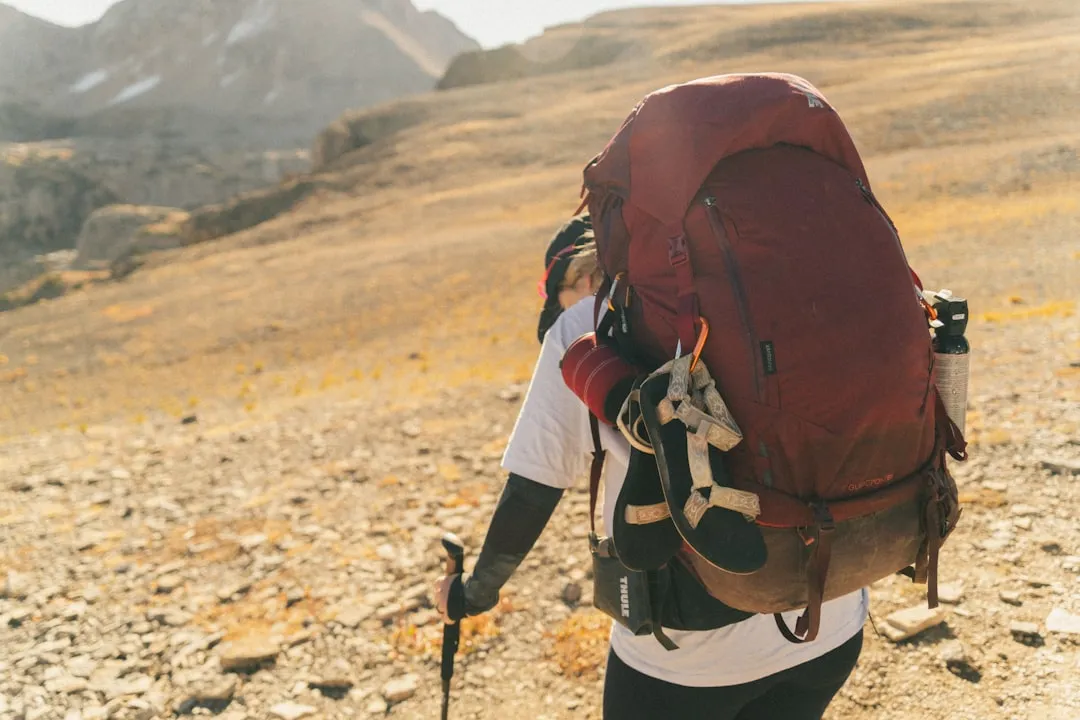
The gap between what most people carry on a day hike and what they actually need is wider than most would guess. Many hikers grab their cell phones, a 16-ounce water bottle, and perhaps some brand-new hiking boots if they’re lucky, and head off into the wild. That kit fails the moment anything unexpected happens.
Research recommends 13 essential wilderness items for any day outing: extra food, extra clothing, extra water, rain gear, a light source, a map, a water treatment method, a first aid kit, a knife, a compass, a whistle, a fire starter, and emergency shelter. None of these items are heavy or expensive. You don’t need to carry too much gear to stay safe against poor weather. Just make sure you have the bare minimum tools and skills.
Many hiking deaths occur off of official trails and result from a lack of proper equipment. So if you stick to the trails and take time to properly prepare, you can significantly reduce your risk. Preparation before the trailhead is where survival actually begins.
The Takeaway
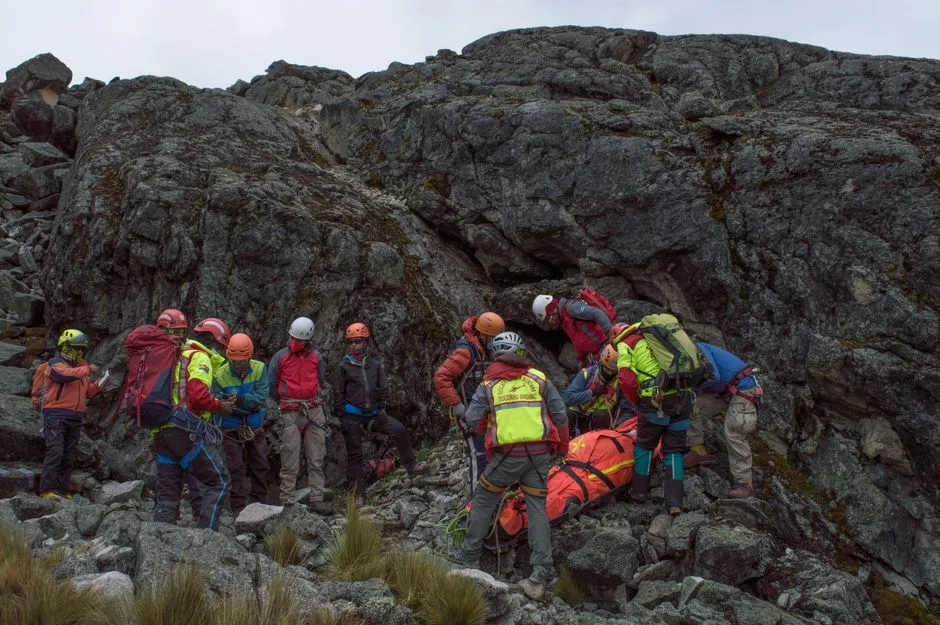
The five golden rules of wilderness survival are not complicated. Tell someone your plan, know your priorities using the Rule of Threes, build shelter early, navigate without depending on your phone, and carry the tools to signal for rescue. None of this requires military training or elite fitness.
Between 2004 and 2014, over 46,000 people required rescue from state parks, resulting in more than 1,500 fatalities. Most of those situations were preventable. Many cases of individuals going missing in the wilderness are due to preventable factors such as lack of proper navigation tools, inadequate supplies, or poor decision-making.
What the data quietly points to, across every study and every rescue report, is that preparation matters far more than luck. The trail is there to be enjoyed – and with the right knowledge, it stays that way.
AI Disclaimer: This article was created with the assistance of AI tools and reviewed by a human editor.