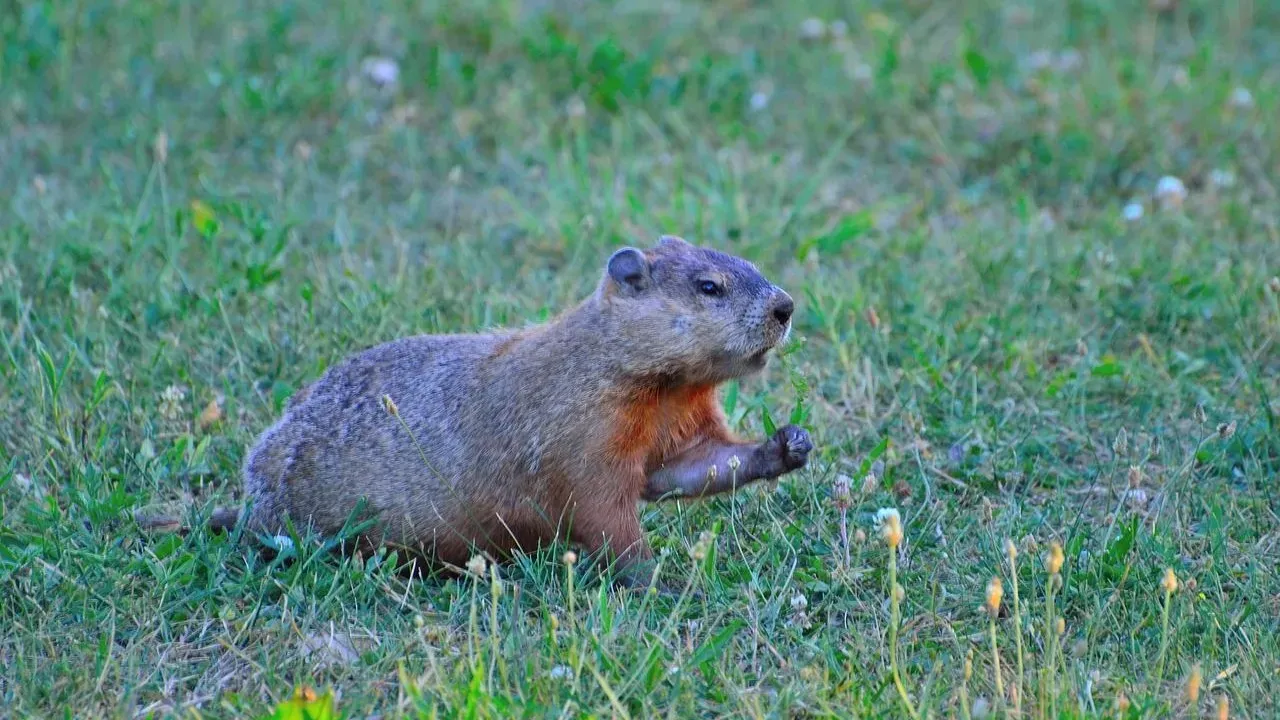

Gardeners across much of the United States confront a particularly efficient herbivore each summer. A single groundhog consumes between one and one and a half pounds of vegetation daily, an intake equivalent to a human eating roughly a third of body weight in the same period. That appetite, combined with the animal’s ability to climb and dig, turns many otherwise productive plots into nightly targets. The result is not occasional nibbling but systematic removal of entire plants.
Distinctive patterns of damage
Groundhog feeding leaves clear evidence that distinguishes it from other common garden visitors. Rabbits typically start at the base of a plant and work upward, while deer browse from the top down. Groundhogs, by contrast, often shear a plant from one side straight across until little remains. They reach only about 14 to 18 inches when standing on their hind legs, so damage confined to the lower portions of taller crops points to their activity rather than deer.
Daytime sightings provide further confirmation. Groundhogs forage during daylight hours and retreat to burrows at night. Motion-activated cameras placed near suspected entry points frequently capture the culprit in the act, removing any doubt before control measures begin.
Limitations of common barriers
Standard fencing often proves insufficient because groundhogs exploit both height and depth. They readily climb wooden or chain-link structures and will excavate beneath any barrier that does not extend underground or outward. Simple repellents, noise devices, and visual deterrents rarely produce lasting results once an animal has identified a reliable food source. Relocation carries legal restrictions in many states and frequently fails to solve the underlying problem, as new individuals may move into vacated territory.
These shortcomings explain why many gardeners report repeated failures despite repeated attempts. Effective control requires addressing the animal’s physical capabilities rather than relying on deterrence alone.
Design elements that succeed
The most reliable physical exclusion combines height with an outward-curving top and an underground or outward L-shaped footer. Welded-wire fencing attached to sturdy posts, with the upper two feet left unattached and flaring away from the garden, causes climbers to drop back to the ground. At soil level, extending the wire 18 to 24 inches outward or burying it 12 to 18 inches deep prevents digging underneath.
Where an existing fence already stands, a single electrified strand placed four to six inches above the ground and powered by a solar charger adds a strong deterrent. Local ordinances must be checked before installation, and visible signage is required in most jurisdictions. This combination has proven effective on both home and small-scale commercial plots.
Additional targeted actions
When fencing is impractical, locating and addressing the burrow offers another avenue. Anti-rodent gas cartridges placed at dusk followed by sealing the entrance can eliminate the resident, though this method requires careful adherence to safety and regulatory guidelines. Live trapping with baits such as ripe cantaloupe or apple slices provides a non-lethal option, but state wildlife regulations govern release locations and must be confirmed in advance.
Monitoring the garden perimeter for fresh digging and promptly blocking access points with heavy materials reduces repeat entries. Early intervention before plants reach peak vulnerability limits overall losses.
Groundhogs remain a persistent challenge precisely because they combine strength, agility, and a high daily food requirement. Solutions that account for these traits deliver measurable protection where simpler measures fall short. Gardeners who invest in properly designed barriers or verified removal methods typically see the difference in the season’s harvest.
AI Disclaimer: This article was created with the assistance of AI tools and reviewed by a human editor.