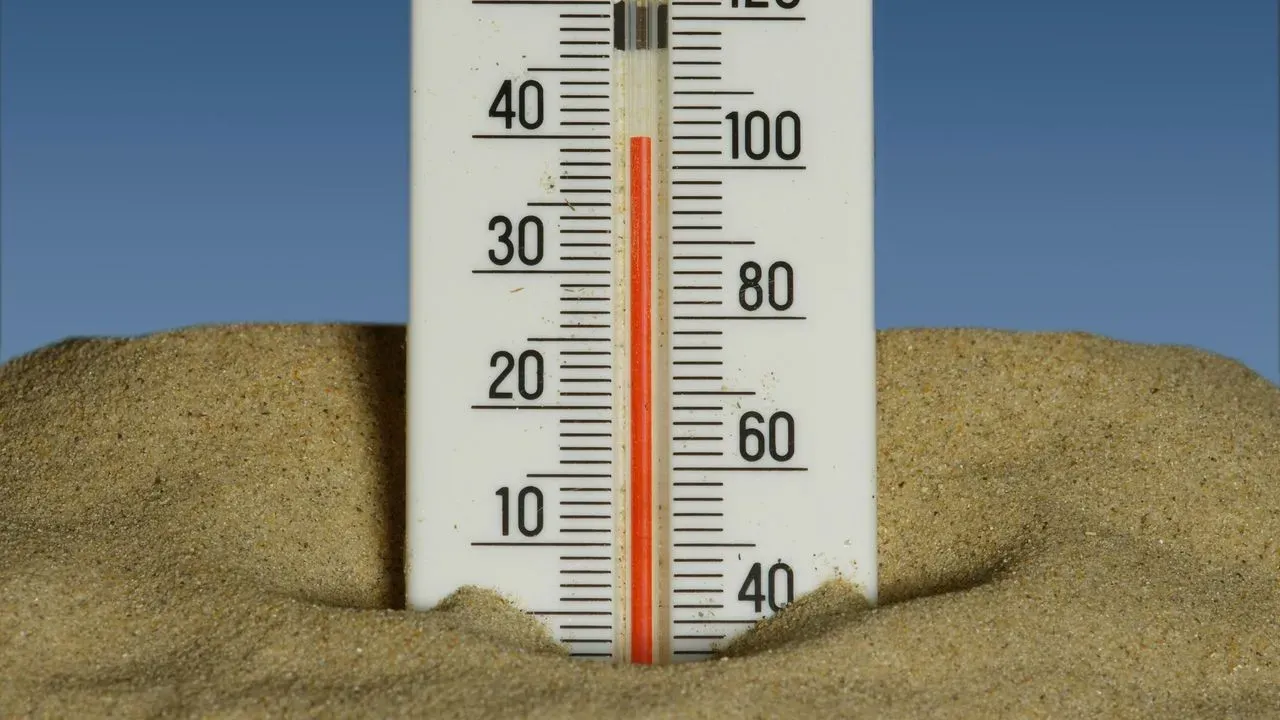

Heat alerts covered large portions of the western United States on Sunday as a prolonged heat dome reached its maximum intensity. The event placed roughly 40 million people under warnings and placed immediate pressure on outdoor spaces. Gardeners in affected regions now face urgent decisions about plant care and water use.
Scale of the Alerts and Timeline
The National Weather Service expanded heat advisories and excessive heat warnings across multiple states. Officials noted that the dome had lingered longer than typical summer patterns, pushing temperatures higher for consecutive days. This extended duration increased risks for both residents and vegetation.
Western states reported the highest concentrations of alerts, with urban and rural areas alike affected. The timing coincided with peak growing season for many crops and ornamentals. Stakeholders including municipal water districts and agricultural operators began coordinating responses to conserve resources.
Direct Effects on Plants and Landscapes
Prolonged high temperatures accelerate moisture loss from soil and foliage. Many common garden species show signs of stress through wilting leaves and slowed growth when daytime highs remain elevated. Root systems struggle to keep pace with evaporation rates under these conditions.
Fruiting plants and vegetables become particularly vulnerable during such episodes. Blossom drop and reduced yields can occur quickly when heat persists. Lawns and ground covers also require more frequent monitoring to prevent browning and die-off.
Outdoor containers and raised beds dry out faster than in-ground plantings. Gardeners reported needing to adjust irrigation schedules within hours rather than days. These changes add to the workload during an already demanding period.
Practical Steps for Garden Protection
Immediate actions focus on conserving water while maintaining plant health. Deep, infrequent watering encourages stronger roots compared with light daily sprinkling. Applying mulch around bases helps retain soil moisture and moderate temperature swings.
Providing temporary shade during peak afternoon hours protects sensitive specimens. Move potted plants to sheltered locations or use shade cloth where feasible. Pruning damaged foliage reduces further stress on the plant.
- Check soil moisture at several inches depth before watering.
- Group containers together to create microclimates.
- Avoid fertilizing during the hottest phase to prevent burn.
- Monitor for pests that target stressed plants.
Water Restrictions and Stakeholder Responses
Local authorities in several western communities tightened outdoor watering rules in response to the alerts. These measures affect both residential gardeners and commercial growers. Coordination between utilities and extension services helps distribute guidance on compliant practices.
Longer-term planning includes selecting heat-tolerant varieties for future plantings. Soil amendments that improve water retention offer another layer of resilience. Communities continue to track the dome’s movement as it begins to shift eastward.
Key actions now: Prioritize deep watering, apply mulch, and follow local restrictions to protect both plants and water supplies.
AI Disclaimer: This article was created with the assistance of AI tools and reviewed by a human editor.