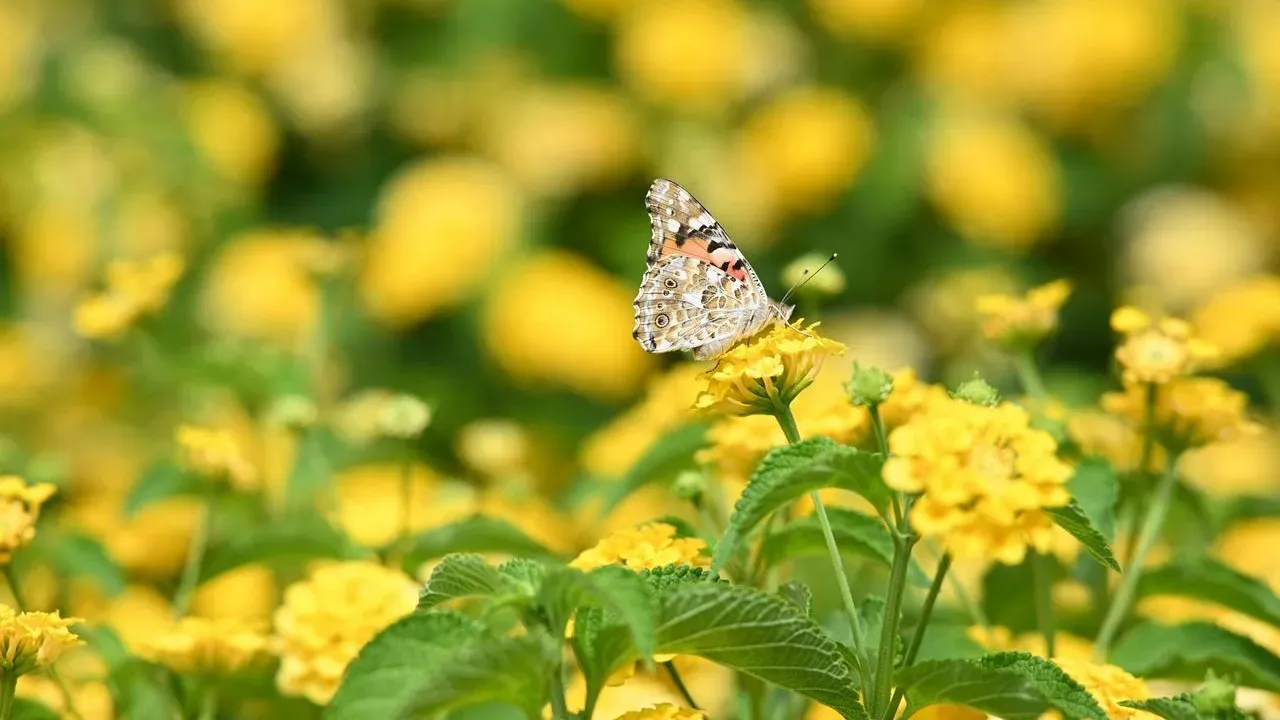

Encino, California – A short visit to this Los Angeles neighborhood left a clear impression of what warm-climate gardening can achieve. Plants that struggle or die back in colder regions appear here in full, sustained form. The examples stood out for their scale, density, and practical value in residential settings.
Lantana reaches its full potential without frost
Lantana in containers draws attention for its flowers and pollinator appeal in many parts of the country. In Encino the same plant grows into large, continuous displays that remain attractive through the winter months. Hardiness zones 10 to 11A allow it to avoid the damage that typically arrives with the first freeze around Thanksgiving farther north. The difference highlights how location changes expectations for what a single species can contribute to a garden year-round.
Eugenia hedges meet privacy needs at scale
Narrow lots and frequent pools make hedges a common feature throughout the area. Eugenia, also known as Surinam cherry, dominates these plantings because of its dense evergreen growth and rapid rate of up to four feet per year once established. The shrub maintains foliage to the ground even when pruned into narrow forms, providing effective screening without requiring wide beds. In zones 10A through 11 it commonly reaches eight to twenty feet, and it is already popular for the same purpose in parts of Florida. Residents note its reliability for quick coverage on small properties where fencing options remain limited.
Licorice plant offers an unexpected low hedge option
One front yard featured a short, silver-green hedge that stood out for its texture and color. The plant, Helichrysum petiolare, grows as a fast, heat-tolerant evergreen subshrub native to South Africa. Its fuzzy foliage and trailing habit create a distinctive border that differs from more conventional choices. The example suggested a practical alternative for gardeners seeking something less common yet still evergreen and low-maintenance in similar climates.
Landscape fabric remains a frequent point of regret
Several yards illustrated the long-term drawbacks of landscape fabric used as a weed barrier. Over time the material can interfere with soil health and plant performance, a pattern widely discussed among gardeners who later remove it. The Encino examples reinforced why many now prefer other approaches to weed control that allow better integration with living soil and root systems. These observations from one neighborhood underscore how climate shapes plant selection and garden outcomes. Gardeners in cooler regions may find the performance differences useful when considering what to attempt in protected microclimates or containers.
AI Disclaimer: This article was created with the assistance of AI tools and reviewed by a human editor.