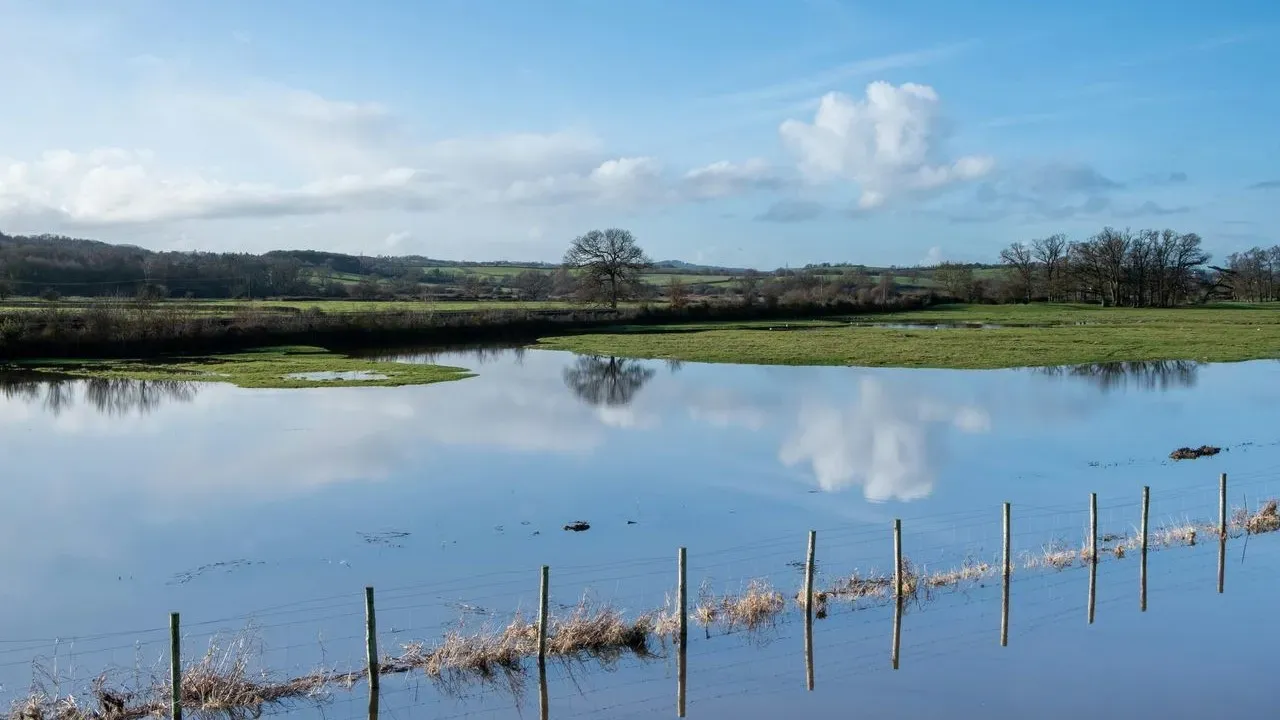

Southeast Missouri – Flash flooding from more than a foot of rain has upended farms across the region, scattering livestock and prompting state officials to issue clear guidance on reporting missing and found animals. The sudden deluge, which triggered a state of emergency, has left rural communities assessing damage to property and herds alike. Farmers now face the urgent task of locating displaced cattle, horses, and other livestock while following established channels to reunite animals with owners. **Sudden Waters Upend Rural Life** Heavy rainfall Thursday night into Friday sent water surging through southeast Missouri counties, submerging roads, damaging structures, and forcing hundreds of rescues. The scale of the flooding caught many off guard in this largely rural stretch along rivers and low-lying areas. Livestock, often pastured near waterways or in open fields, were swept from familiar grounds as waters rose rapidly. Residents describe scenes of animals displaced far from home, with some found wandering roadsides or stranded on higher ground. The disruption adds another layer of strain to families already dealing with flooded homes and lost crops. State agriculture and emergency officials have stepped in to coordinate recovery efforts, recognizing that livestock represent both economic assets and living connections for farm operations. **Coordinated Response Takes Shape** Officials emphasize the importance of structured reporting to prevent further losses and ease reunions between animals and their owners. Procedures focus on documenting details such as species, number of animals, last known location, and any identifying marks or tags. Found livestock should be reported promptly to local authorities or designated state channels rather than handled independently. This approach helps avoid duplication of efforts and ensures animals receive proper care while searches continue. Agencies are working with county sheriffs, extension offices, and agricultural groups to maintain updated lists that connect reports of missing animals with sightings of found ones. The process aims to restore order amid the broader cleanup. **Practical Steps for Affected Farmers** Those impacted are advised to begin with local law enforcement or animal control for immediate sightings. State resources provide additional avenues for formal documentation, including online forms or hotlines established for the emergency. Clear records of ownership, including brands, ear tags, or microchips, strengthen claims and speed returns. Neighbors and community networks play a key role by sharing observations of stray animals. Officials stress that early reporting improves outcomes, particularly as waters recede and search areas expand. Coordination between agencies helps prioritize cases involving larger herds or vulnerable species. **Looking Ahead After the Deluge** Recovery will take time as fields dry and infrastructure is repaired. The emphasis on systematic reporting reflects lessons from past disasters, where organized efforts reduced long-term losses for livestock owners. State support remains available as assessments continue across the affected counties.
AI Disclaimer: This article was created with the assistance of AI tools and reviewed by a human editor.