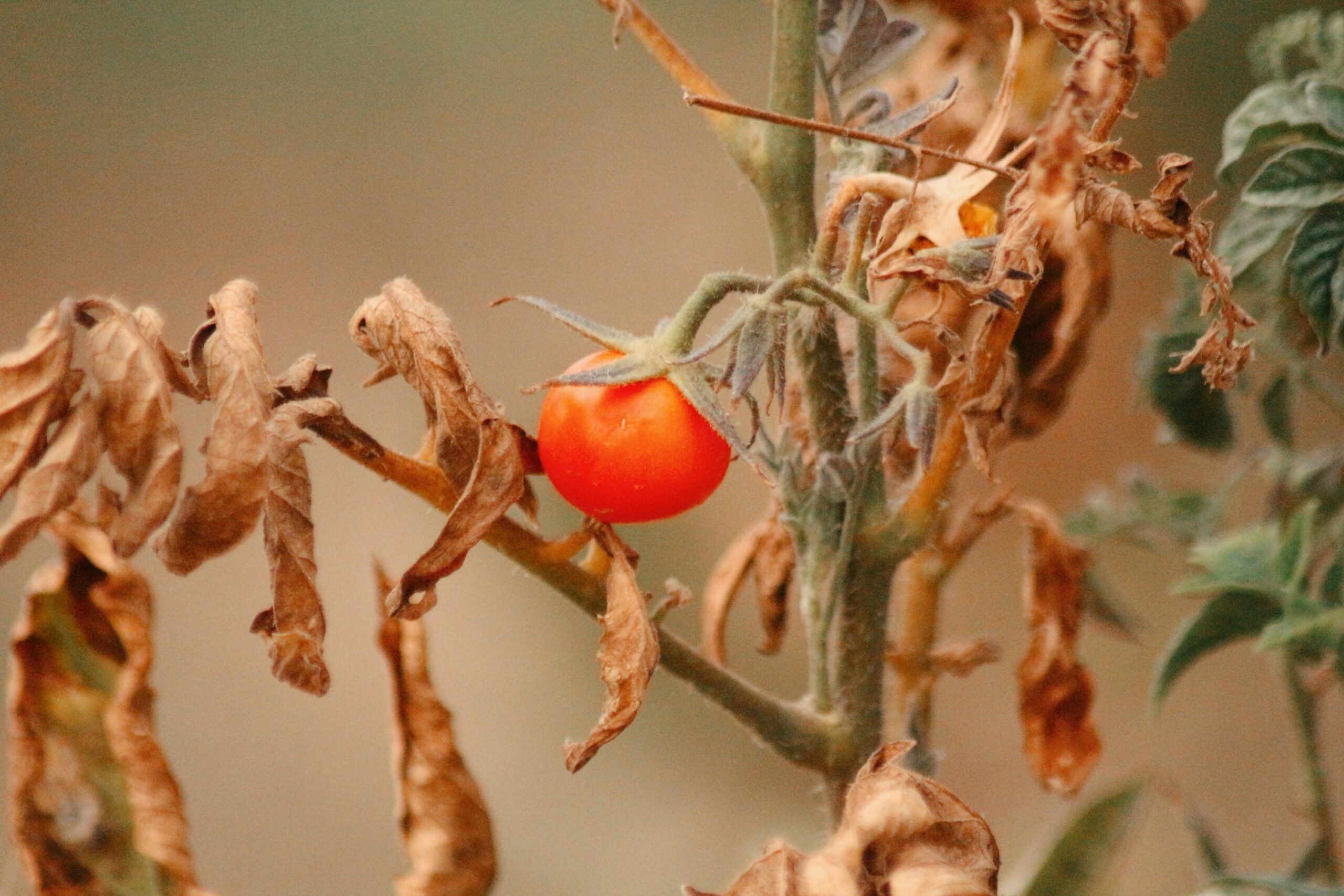

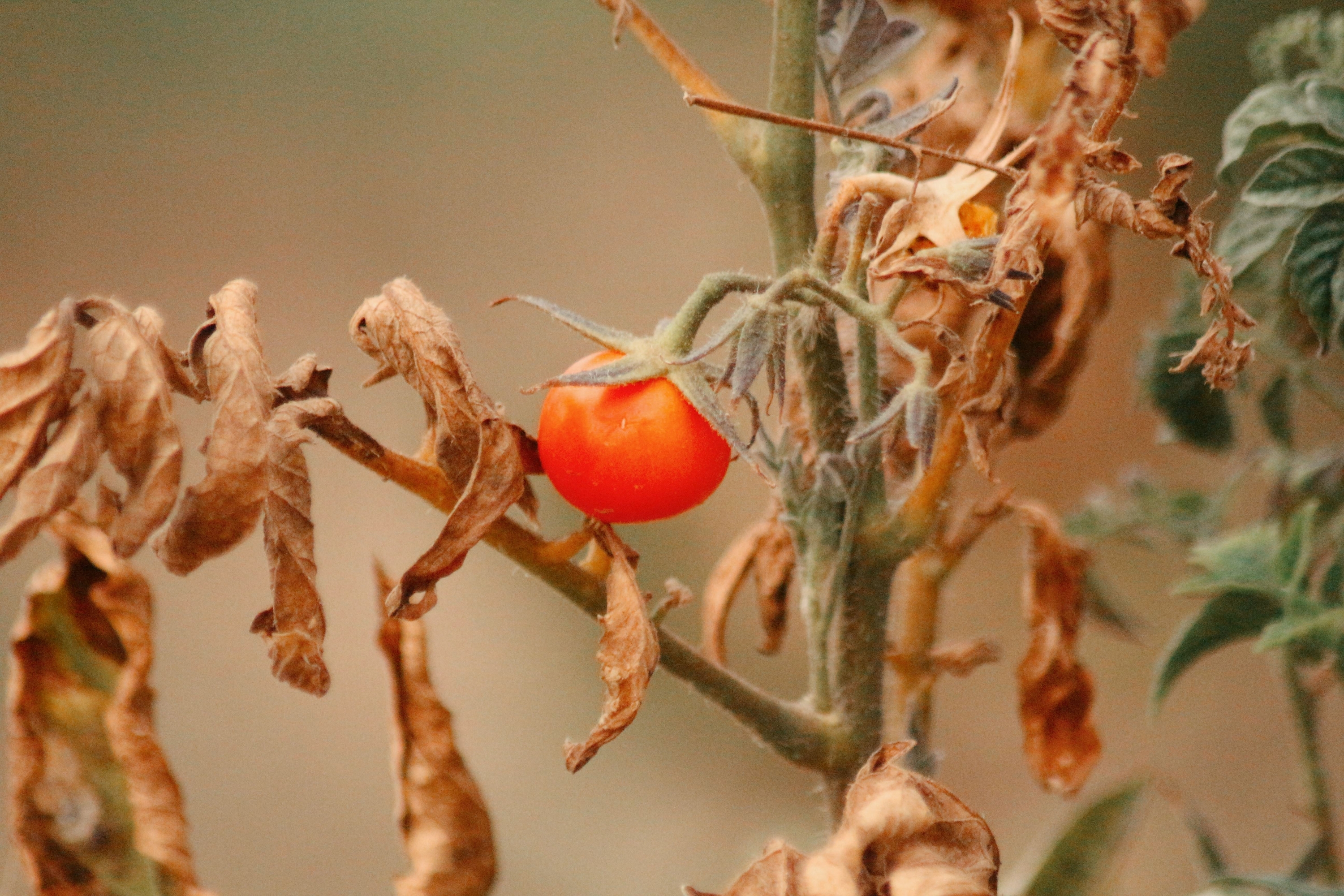
What Early Blight Actually Is
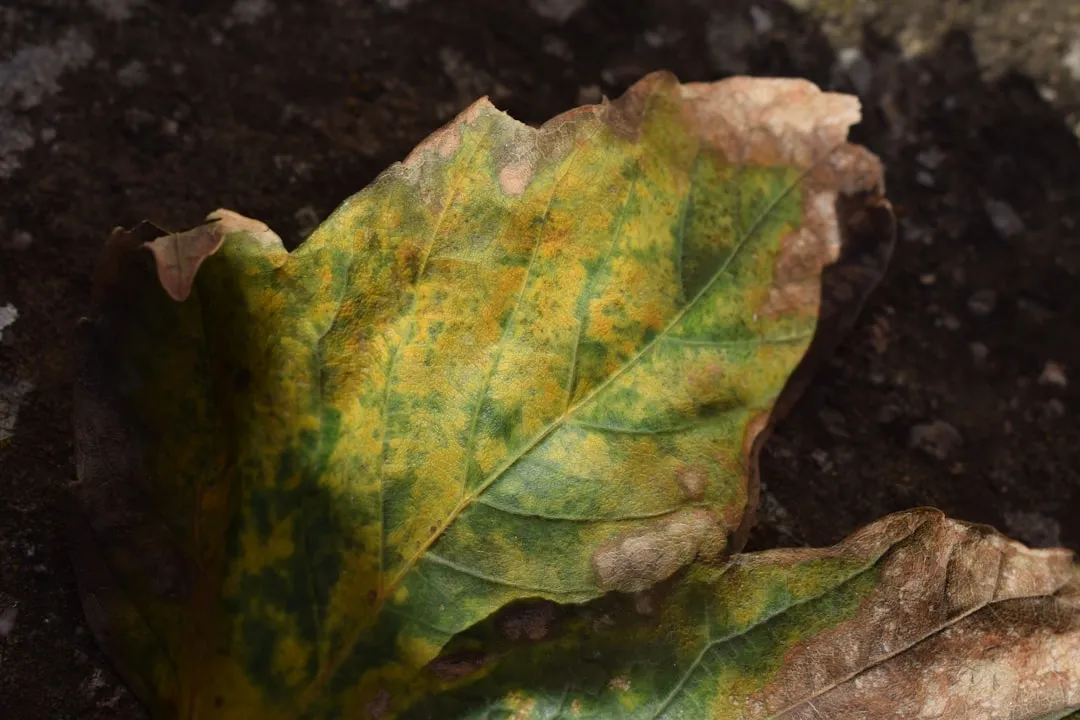
Early blight can be caused by two closely related species: Alternaria tomatophila and Alternaria solani. Both are fungal pathogens, and while they behave similarly, researchers have increasingly distinguished between them as molecular tools have improved. Tomato is the most agriculturally important crop known to be affected by Alternaria linariae, although other members of Solanaceae and members of other plant families can also be affected.
The Alternaria fungus releases phytotoxins, which are toxic chemicals to the host plant, your tomato or potato. This is part of why infected plants deteriorate so visibly and quickly once the disease takes hold. The disease primarily affects the leaves, stems, and occasionally the tubers, resulting in premature defoliation, reduced photosynthetic activity, and diminished tuber formation.
The First Signs You Should Never Ignore
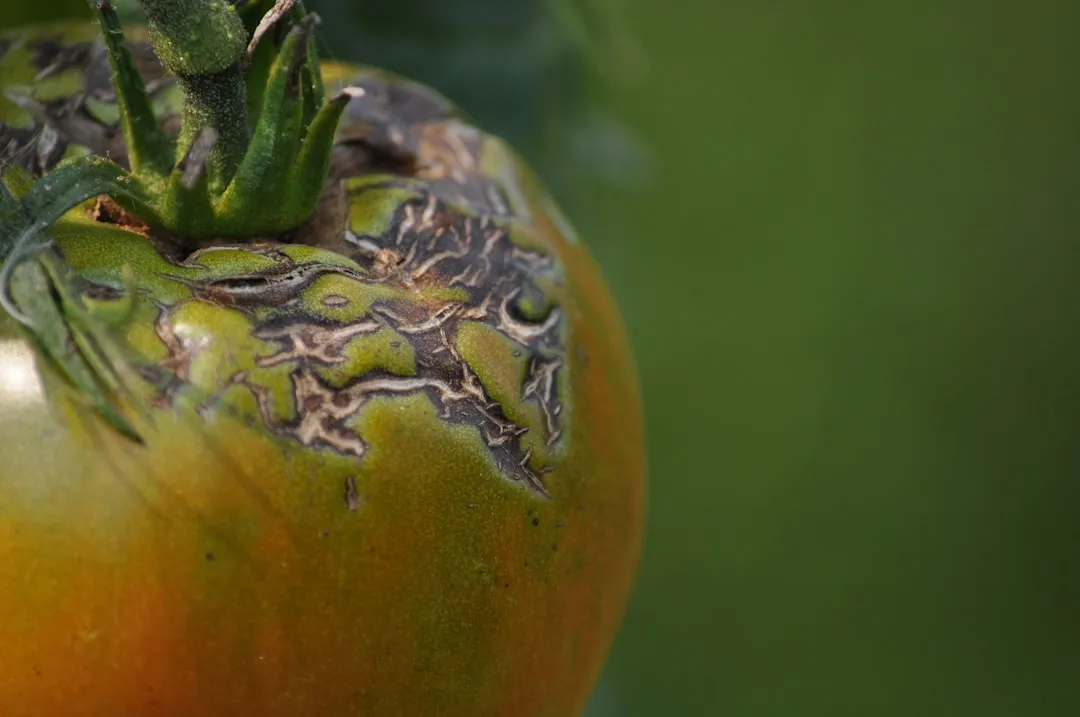
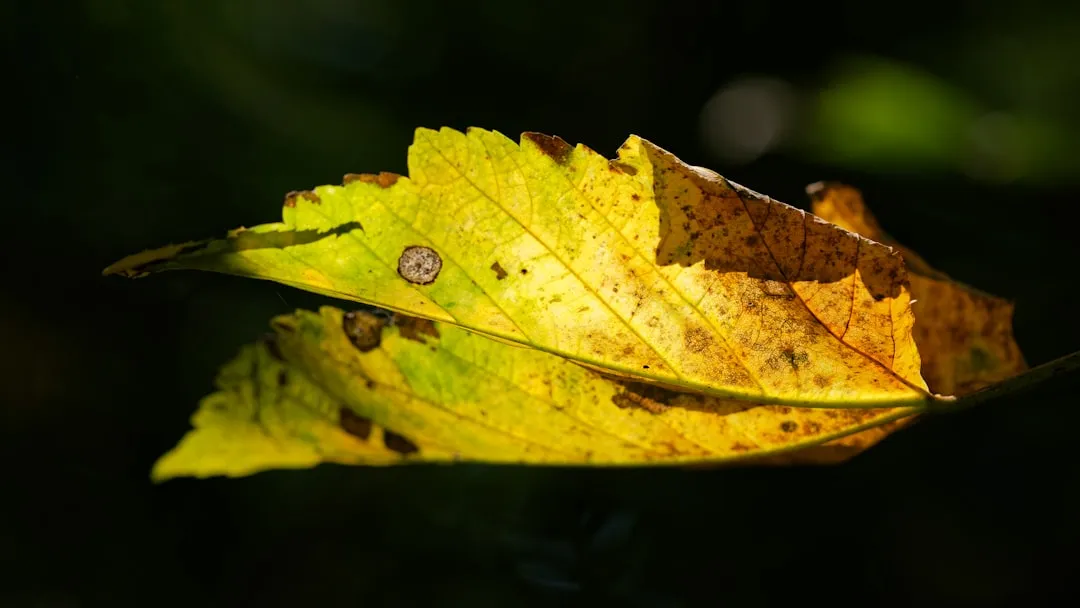
Initially, small dark spots form on older foliage near the ground. Leaf spots are round, brown, and can grow up to half an inch in diameter. Larger spots have target-like concentric rings. That bullseye pattern is early blight’s most recognizable signature, and once you’ve seen it once, you’ll always know it.
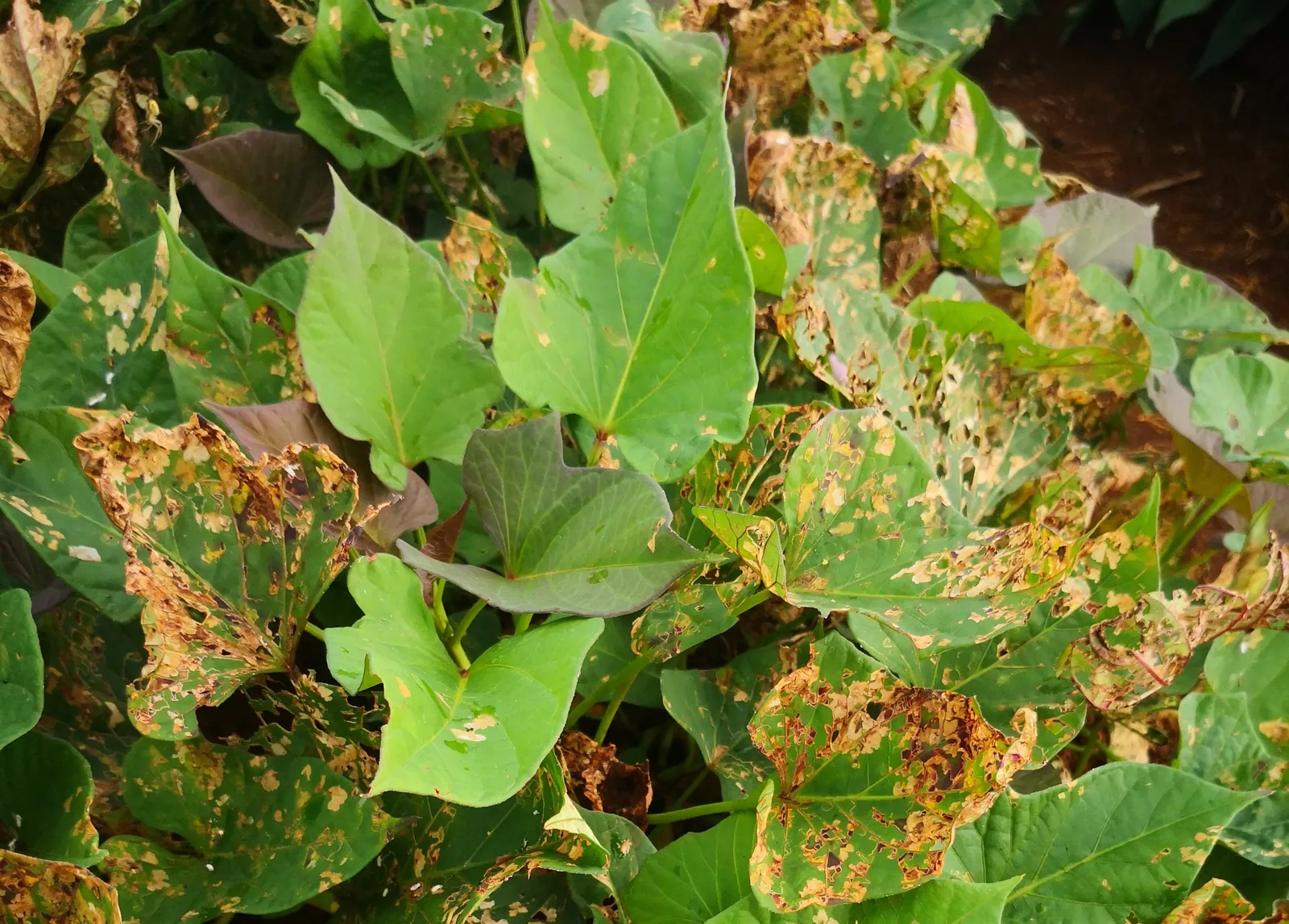
The tissue around the spots often turns yellow. Severely infected leaves turn brown and fall off, or dead, dried leaves may cling to the stem. The disease doesn’t announce itself loudly. Early blight symptoms usually begin after the first fruits appear on tomato plants, starting with a few small, brown lesions on the bottom leaves.
How the Disease Moves Through Your Garden
Spores infect plants and form leaf spots as small as one-eighth inch in diameter in as little as five days. Spores can be spread throughout a field by wind, human contact, or equipment, resulting in many reinfection opportunities throughout a growing season. That five-day window is why rapid action matters so much.
Blight spreads by fungal spores that are carried by insects, wind, water, and animals from infected plants, and then deposited on soil. When it rains, water hits the ground, splashing soil and spores onto the lower leaves of plants, where the disease shows its earliest symptoms. Disease develops at moderate to warm temperatures, between 59 and 80 degrees Fahrenheit, with an optimum range of 82 to 86 degrees. The pathogen is most likely to spread with wet weather or heavy dew, or when relative humidity is 90% or greater.
Why Early Blight Keeps Coming Back Year After Year
The early blight pathogens overwinter in infected plant debris and soil. The pathogen also survives on tomato seed or may be introduced on tomato transplants. This explains why gardeners who’ve had a bad season in one spot often deal with the disease again the following year, even if they’re being careful.
Alternaria pathogens overwinter in contaminated plant material. In addition to other members of the Solanaceae family, weed plants may also serve as reservoirs of primary inoculum to start epidemics of the disease. A moist 48-hour period is required for infections to occur. It is not necessary that this be a continuous period but may be cumulative over several days.
How to Tell It Apart from Other Common Diseases
Septoria leaf spot produces smaller lesions with tan or light gray centers. Gray leaf spot also produces smaller and lighter brown lesions than what you would see with early blight, and the center of the gray leaf spot lesions tend to crack. The difference in lesion size is usually the quickest visual clue.
Late blight produces lighter tan colored lesions that typically have a light green halo. Late blight will occur all over the plant including young leaves, whereas early blight would be found primarily on the lower leaves. That bottom-up pattern is a reliable distinguishing feature. Bacterial spot also may be confused with early blight when the early blight lesions are young and small or when both are present.
The Scale of the Problem: Why It’s Worth Taking Seriously
Potato is severely affected by early blight every year, causing premature defoliation with a significant impact on tuber yield and quality loss of up to 50% annually. Those numbers are for potato, but the situation in tomato gardens follows a similar pattern. During the vegetative stage, early blight severity in tomato has been found to range from roughly 1% to about 16%, while during the fruiting stage, it can reach nearly 53% in affected fields.
Early blight has been reported to result in a 40% to 50% loss in potato yield worldwide. For home gardeners the numbers vary, but the point stands: this disease isn’t a minor cosmetic issue. Early blight of tomatoes is a common issue that many tomato gardeners face. If left unchecked, it can destroy your tomato plants and severely hamper your harvest.
Immediate Steps Once You Spot the First Spots
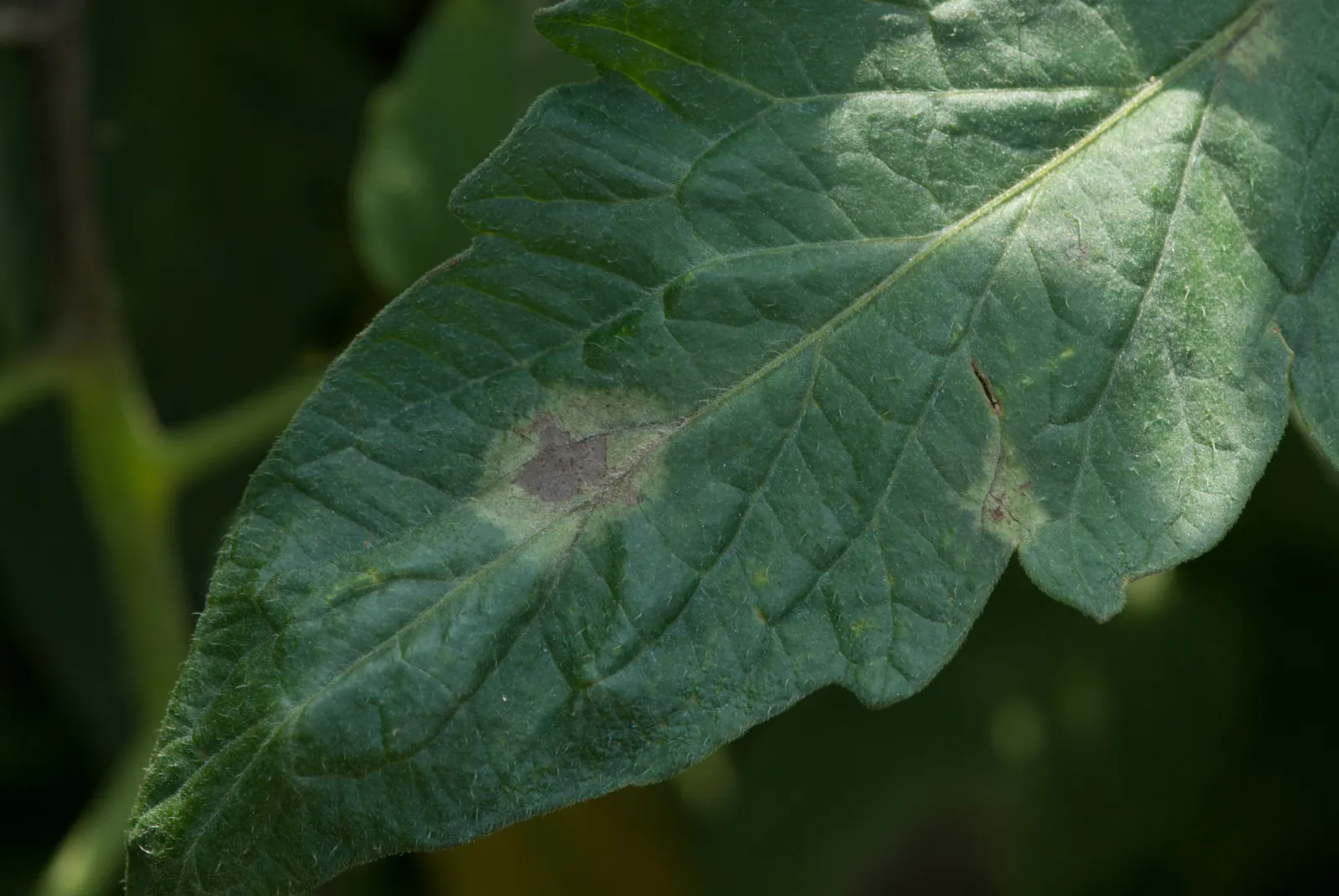
It is okay to remove up to one-third of the plant’s leaves if you catch the disease early. Do not remove more than one-third of the plant’s leaves. That one-third rule is worth keeping in mind, because stripping a plant too aggressively causes its own problems. Remove leaves with leaf spots and bury or burn them. You may opt to bury them in your home compost pile if you maintain it properly.
If you touch infected leaves, wash your hands well before working in healthy tomato plants. If you use pruning tools, wash and sanitize them after touching infected plants. These habits sound simple, but they’re genuinely effective at slowing the spread from plant to plant. Thinning of whole plants or removal of selected branches from individual plants may slow the disease by increasing airflow and thus reducing humidity and the length of time that leaves remain wet.
Watering, Mulch, and Soil Practices That Help
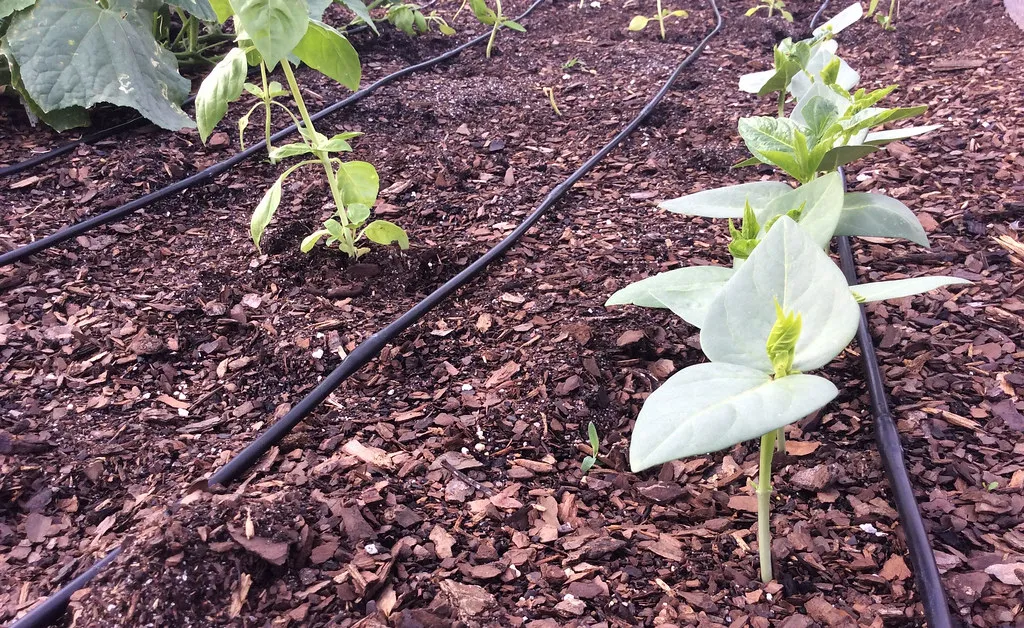
Cover the soil under the plants with mulch, such as fabric, straw, plastic mulch, or dried leaves. Water at the base of each plant, using drip irrigation, a soaker hose, or careful hand watering. These two practices address the primary infection route, which is soil splash onto the lower foliage.
It may also be helpful to water in the morning so that plants dry quickly. Plants that remain wet all night from evening watering are prime targets for disease infection. Space and trellis plants to allow for good air circulation that promotes rapid drying. Provide at least two feet of space between tomato plants to increase air movement.
When and How to Use Fungicides
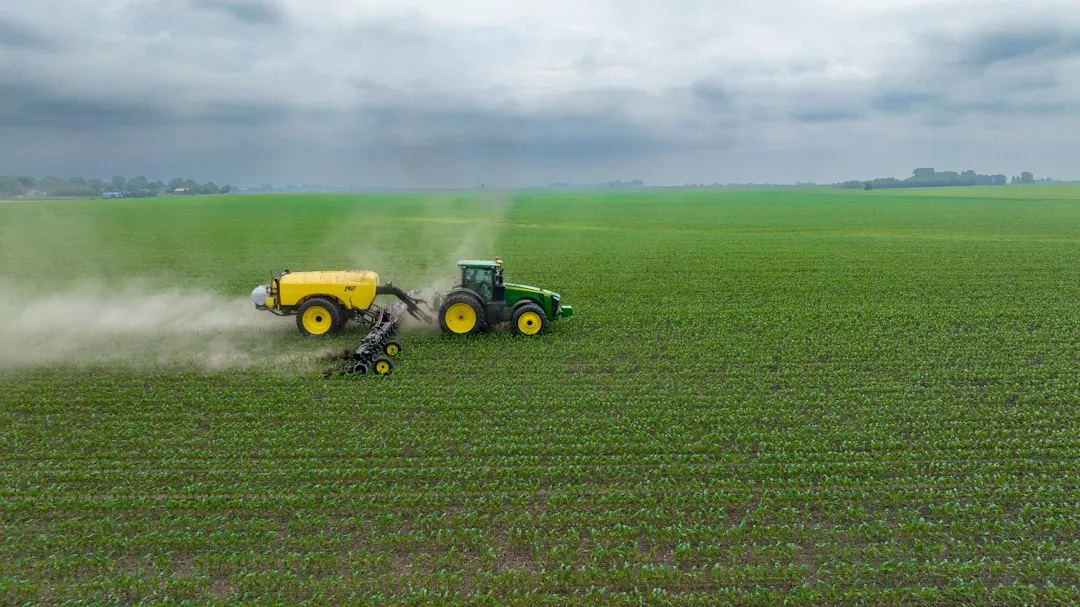
There are three effective fungicides that home gardeners can purchase and apply to control early blight: fixed liquid copper, mancozeb, and chlorothalonil. They are all preventative, contact fungicides. They can prevent but not cure infections. The word “preventative” here is important. Starting too late means the fungicide is playing catch-up.
Mancozeb, chlorothalonil, and copper are effective against early blight when applied at approximately seven to ten day intervals. Fungicides containing copper or chlorothalonil may also provide control of early blight if they are carefully applied very early in the course of the disease, before symptoms develop is best, and on a regular basis throughout the rest of the growing season. The fungicide mancozeb is another option but cannot be applied within five days of harvest.
Long-Term Prevention: Crop Rotation and Resistant Varieties
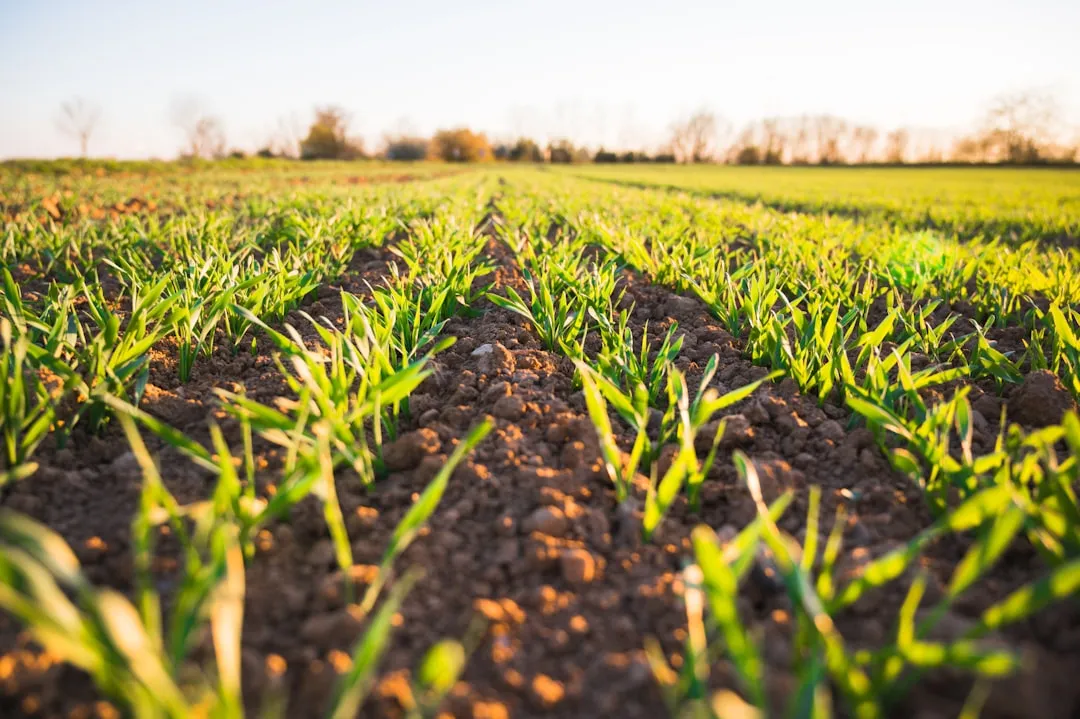
Let two years pass before you plant tomatoes or peppers in the same location. Some extension guidelines push that window even further. Rotating with nonhost crops for three to four years is a recommended management strategy according to the Pacific Northwest Pest Management Handbook. In a small backyard plot this can feel impractical, but even partial rotation helps reduce the fungal load in the soil.
Some tomato varieties show more tolerance to early blight, including Mountain Magic, Mountain Fresh Plus F1, Bush Celebrity Hybrid, Big Beef Hybrid, Celebrity Hybrid, Rutgers, and Juliet F1, among others. Resistance does not mean you will not see any early blight; rather, resistant varieties can better tolerate the pathogens, and so the damage will be less severe than with non-resistant varieties. Selecting varieties with the “EB” notation in seed catalogs is a straightforward starting point for any gardener who has dealt with this disease before.
A Note on End-of-Season Cleanup

Remove and destroy plant debris at year-end. Alternatively, hot compost or incorporate debris into the soil soon after harvest. Skipping this step is one of the most common reasons early blight returns with the same intensity the following season. In the garden, the fungus can overwinter on diseased plant debris and in perennial weeds in the nightshade family such as horse nettle and nightshade.
Eradicate weed hosts and volunteer tomato plants. Use pathogen-free seed or transplants. Maintain plant vigor and proper fertilization. These aren’t dramatic interventions. They’re the kind of quiet, consistent habits that separate gardeners who fight the same battle every summer from those who genuinely get on top of it. A clean garden at the end of October is often worth more than any spray you apply in July.
The Takeaway
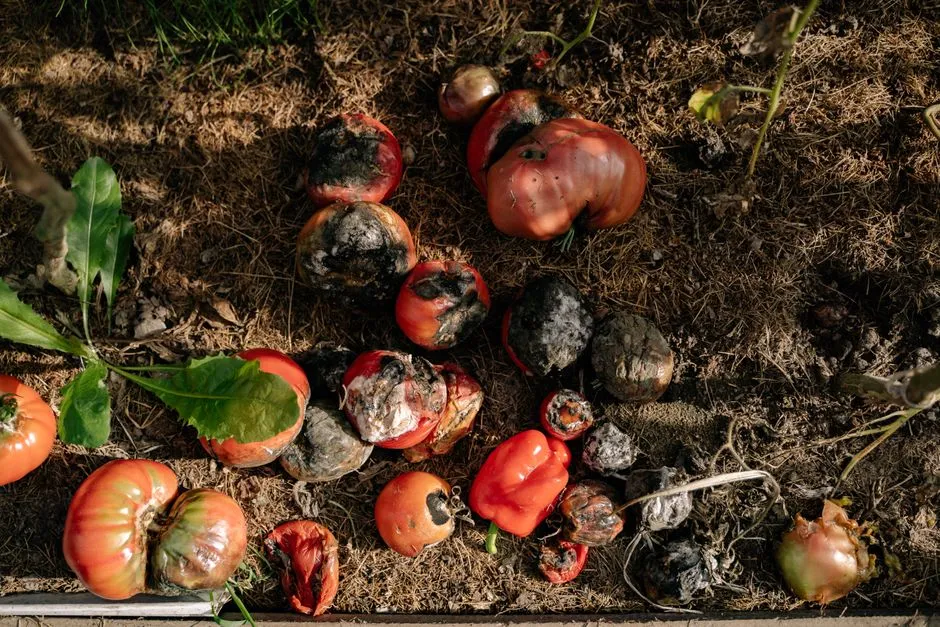
Early blight is one of those diseases that feels manageable right up until the moment it isn’t. The gap between “a few spots on the lower leaves” and “the whole bed is struggling” can be remarkably short, especially during warm, humid stretches of summer weather.
The good news is that the tools for managing it are genuinely accessible: attentive scouting, clean pruning habits, sensible watering, mulch, and where needed, timely fungicide applications. None of it is complicated. What it requires is consistency and the willingness to act at the first sign rather than the fifth.
Catching early blight early isn’t just a matter of saving this season’s harvest. It’s an investment in next season’s garden too, since every infected leaf you remove and every cleanup step you take reduces the inoculum waiting in the soil for next spring.
AI Disclaimer: This article was created with the assistance of AI tools and reviewed by a human editor.