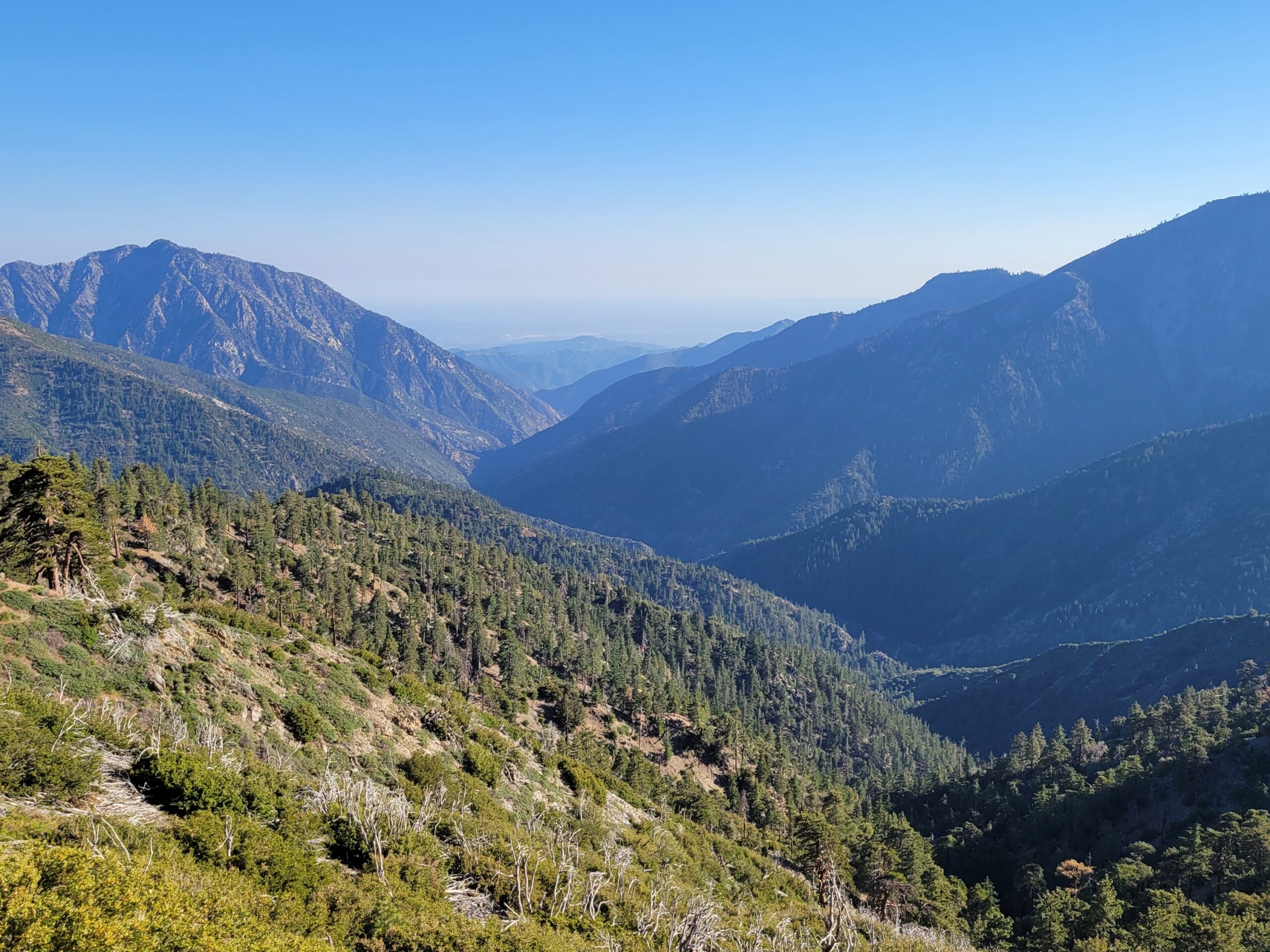

Pasadena sits in one of the most biologically rich corners of Southern California, tucked between the San Gabriel Mountains and the Los Angeles Basin. The climate there is unmistakably Mediterranean, meaning long, dry summers and mild, wet winters. That combination rewards gardeners who understand it, and punishes those who don’t.
Habitat loss is recognized as a key driver of wild pollinator decline in both abundance and species richness, and in a highly fragmented, urbanized landscape like Southern California, the availability of food resources for native pollinators depends largely on which ornamental plants people choose to grow in their yards. That places a quiet but real responsibility on anyone with a patch of soil in Pasadena. What you plant genuinely matters. The six shrubs below are each grounded in research and well-documented horticultural practice, and they’re particularly suited to Pasadena’s inland valley conditions.
1. California Lilac (Ceanothus spp.): The Spring Showstopper
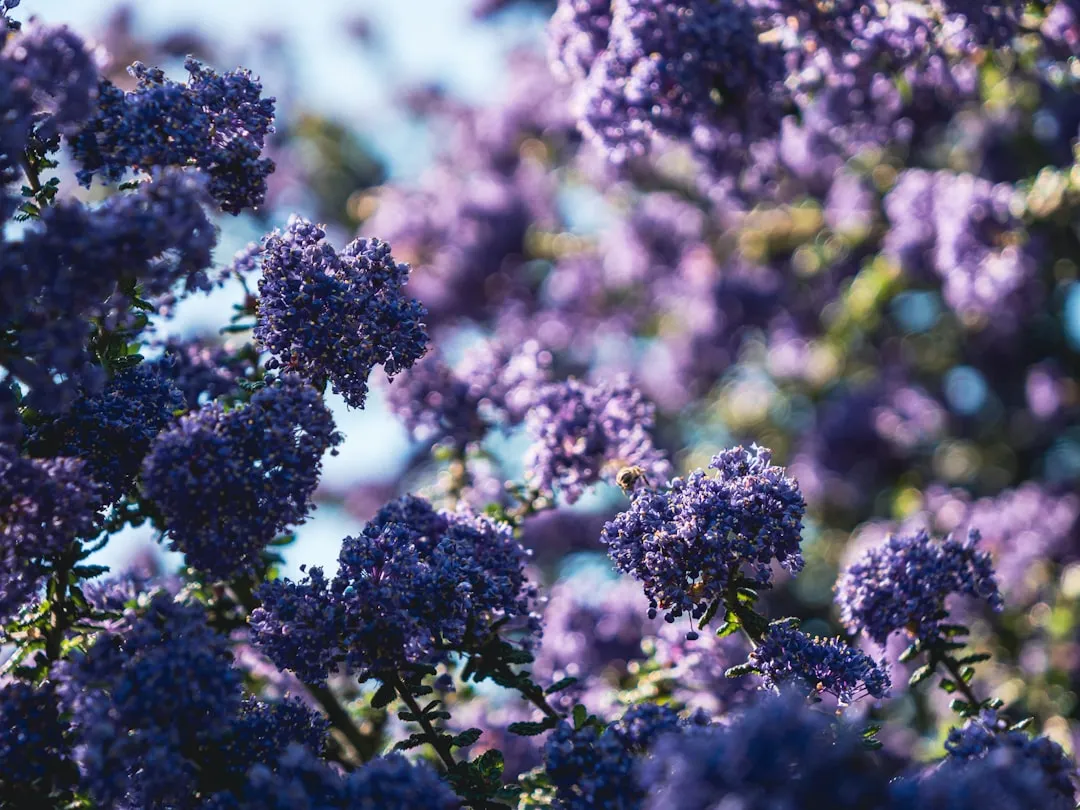
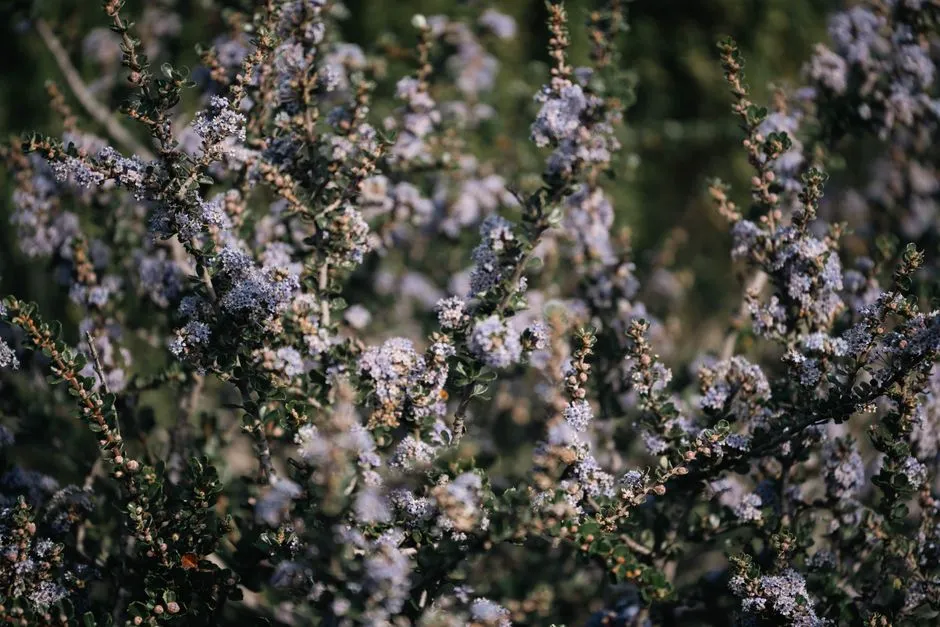
California lilac offers almost everything a gardener could wish for in a shrub: free flowering, lovely foliage, ease of cultivation, drought tolerance, and salt tolerance. It’s a genus of about 50 to 60 species of nitrogen-fixing shrubs or small trees, native to North America and mostly concentrated in California. For Pasadena gardeners, varieties like ‘Ray Hartman’ and ‘Julia Phelps’ are especially worth considering.
California lilac is a floriferous shrub that serves as the host plant to various butterflies, including the California tortoiseshell and pale swallowtail. It is a vital source of pollen and nectar, attracting bees, butterflies, and other beneficial insects to your garden and aiding in pollinating other plants.
California lilacs are a large group of native shrubs that serve as an excellent source of pollen for early spring bees. The ‘Ray Hartman’ variety is an upright large shrub that can be trained as a small tree and is covered with clear blue flowers in March. Unlike some other California lilacs, it tolerates summer irrigation and is relatively long-lived. That last point matters in Pasadena, where summer heat can be unforgiving.
2. Cleveland Sage (Salvia clevelandii): The Fragrant Workhorse
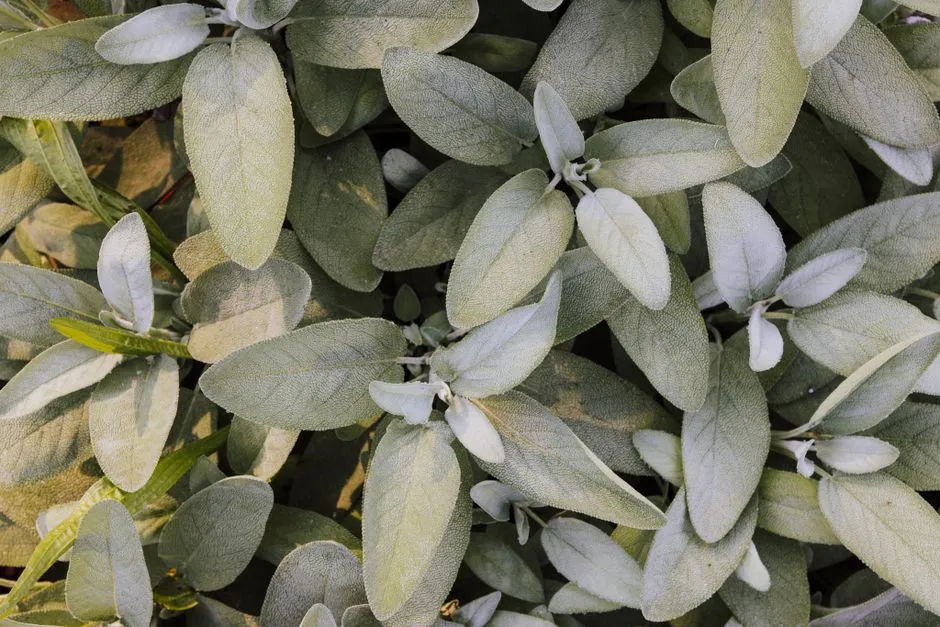
California buckwheat, monkey flower, penstemon, seaside daisy, and native sages are standout choices for supporting bees, butterflies, and hummingbirds across Southern California. Among the sages, Cleveland sage stands apart for inland gardens like those in Pasadena.
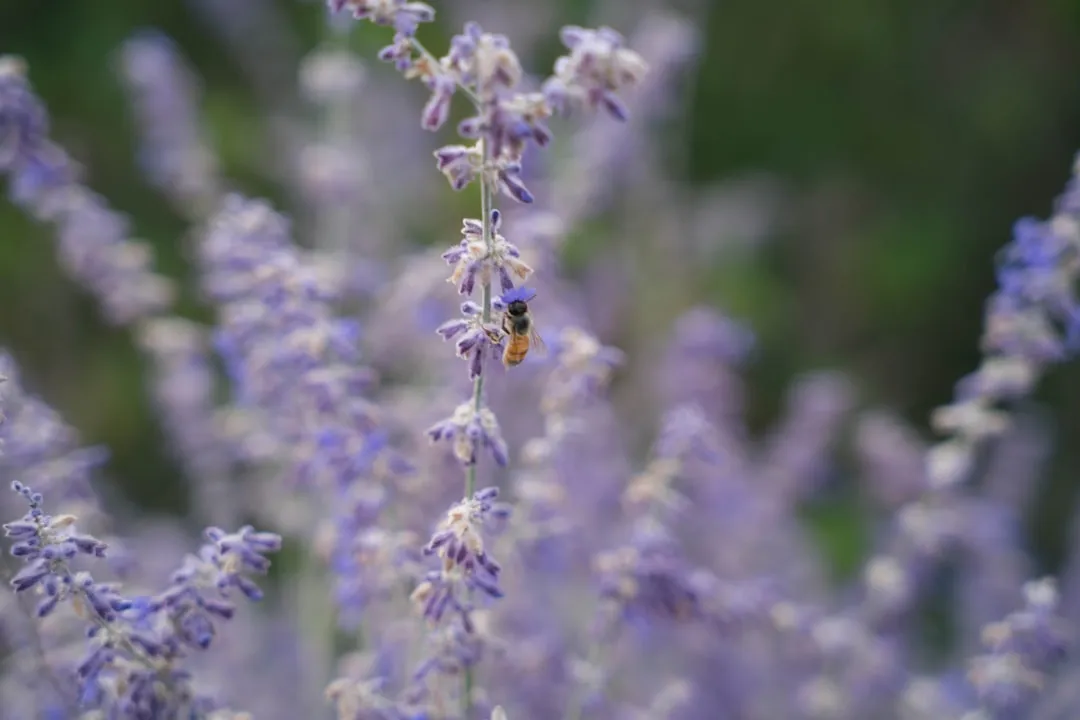
Salvias can be heavy pollinator attractors and it’s not unusual to see high activity in spring and summer. Cleveland sage blooms from May through July, sending up spires of purple-blue flowers that draw both bees and hummingbirds reliably. Salvias typically have long flowering seasons, and with proper pruning will continue to flower well into late fall and early winter.
Cleveland sage is a fast-growing subshrub with arching branches and tubular flowers, and purple sage is a tough and low-maintenance shrub with beautiful year-round form. Once established, Cleveland sage requires almost no irrigation, which makes it a natural fit for Pasadena’s water-conscious gardening culture. The aromatic foliage is also a practical bonus – deer tend to avoid it.
3. California Buckwheat (Eriogonum fasciculatum): A Keystone for Butterflies
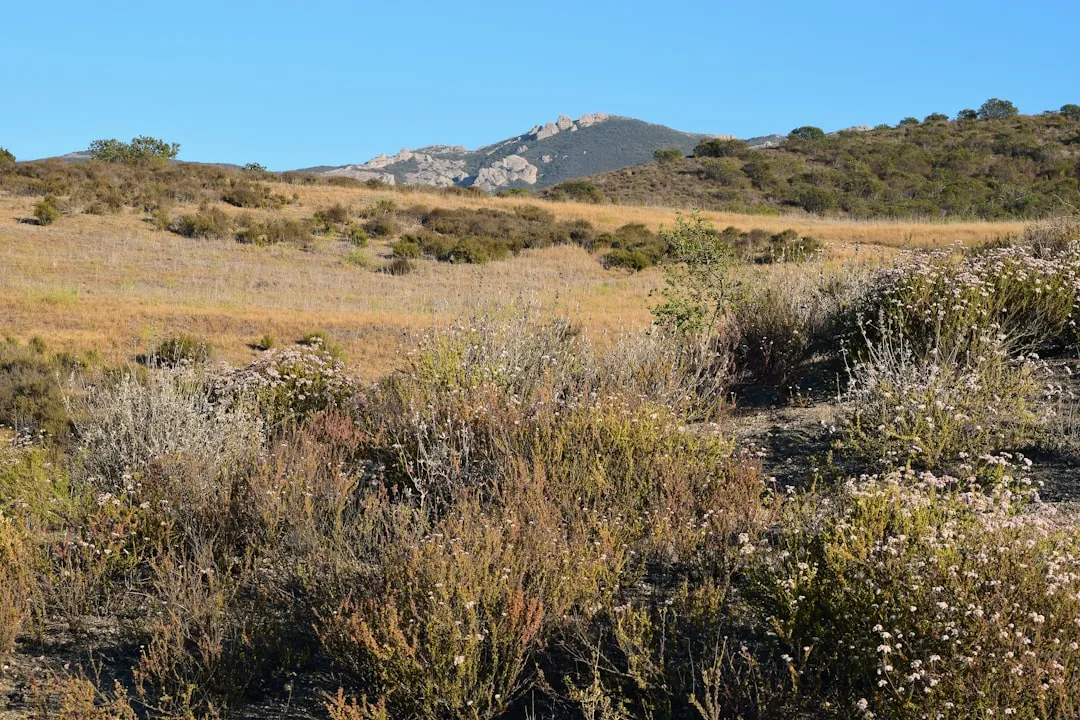
California buckwheat is a shrub with a variable appearance, forming a patchy, compact bramble or a spreading bush. The leaves are leathery and woolly on the undersides, and profuse clusters of pink to white and cream-colored flowers appear as early as March and dry to a pretty red rust color. That transition from cream to rust gives the shrub visual interest across multiple seasons.
California buckwheat is a keystone species for sagebrush scrub ecosystems, and a great choice for wildlife and butterfly gardens. It is an important larval and nectar plant for many native butterflies. Few other shrubs in this climate offer that dual role.
California buckwheats are tough and easy to grow, even in very dry conditions. They prefer a well-draining, sunny site, and once established, no water is needed, though the plant can tolerate occasional summer water. For a beginner gardener in Pasadena, it’s about as forgiving a choice as you’ll find.
4. Toyon (Heteromeles arbutifolia): Pasadena’s Own Living Heritage
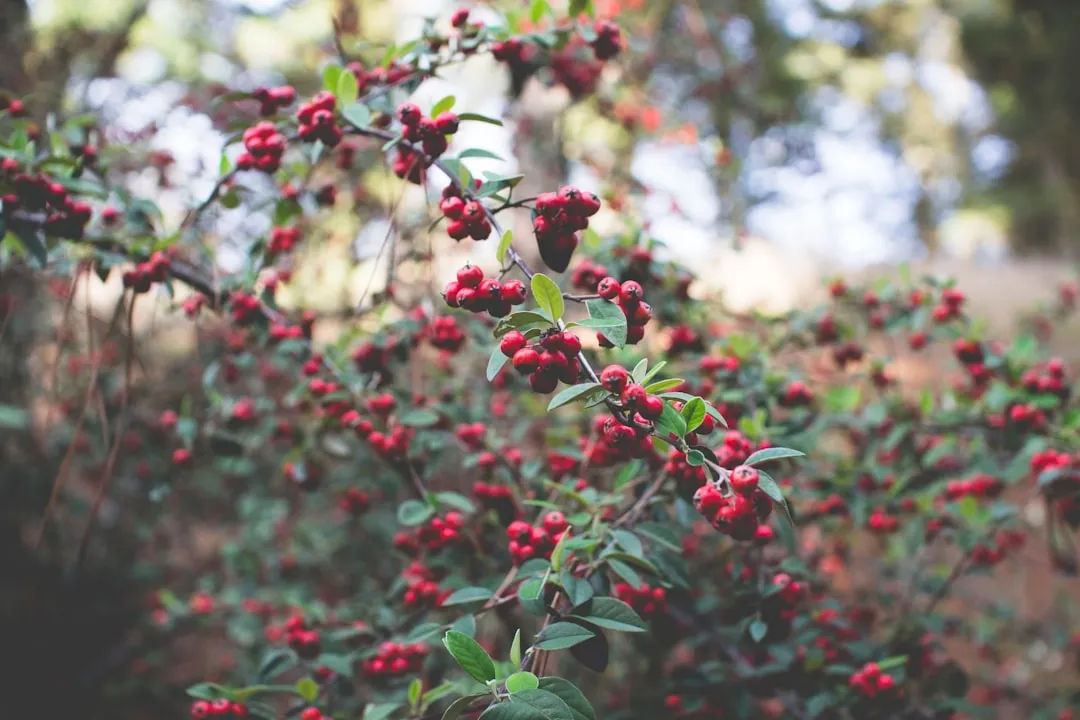
Toyon has deep roots in the Southern California landscape, so deep that Los Angeles is said to owe its nickname “Hollywood” at least in part to this plant. These species build the bones of a pollinator garden, feeding insects while offering cover, berries, and nesting structure. Toyon dazzles year-round with glossy, toothed evergreen leaves and frothy summer flowers.
Toyon is an evergreen shrub with white flowers and brilliant red berries, often called California holly. It grows in full sun to partial shade and requires only low, occasional summer water, with blooms appearing from June through July and berries persisting through winter. That winter berry display keeps pollinators and birds coming back long after other plants have gone quiet.
Aiming for at least three species blooming in early, mid, and late season ensures something good is open from spring through fall. Toyon fills the summer gap effectively, and its berries carry the garden’s wildlife value straight through the colder months. It’s a genuinely multi-seasonal performer that suits Pasadena’s foothill conditions well.
5. Manzanita (Arctostaphylos spp.): Year-Round Habitat in a Single Shrub
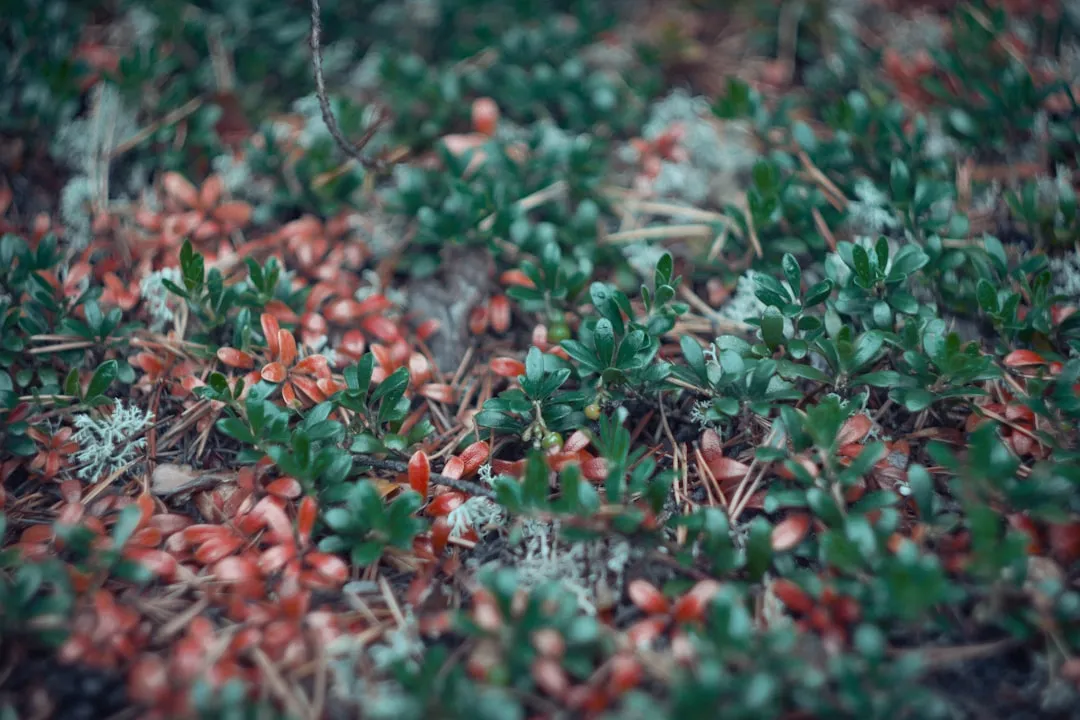
Common manzanita is a beautiful shrub: its red branching structure, delicate white lantern-shaped flowers, blush-colored berries, and bright foliage provide year-round interest. These plants work well as specimen trees and provide structure, with graceful, twisting branches adding an unbeatable sculptural effect. With their winter blooms and summer berries, they are a pollinator and wildlife all-star, supporting local birds and insects.
The reddish-brown bark peels back to expose smooth bark underneath. Manzanita is evergreen with dark green, glossy leaves and clusters of tiny white bell-shaped flowers. It does best in full sun on the coast or in light shade inland. For Pasadena, where afternoon heat can be intense, a spot with a bit of afternoon shade is genuinely helpful for some varieties.
Common manzanita is easy to grow in a variety of soils, and is a low-moisture plant that can tolerate some summer water. Bigberry manzanita can live up to 100 years and is resistant to heat, cold, and drought. For a long-term garden investment, few shrubs beat that record.
6. Coyote Bush (Baccharis pilularis): The Overlooked Fall Champion
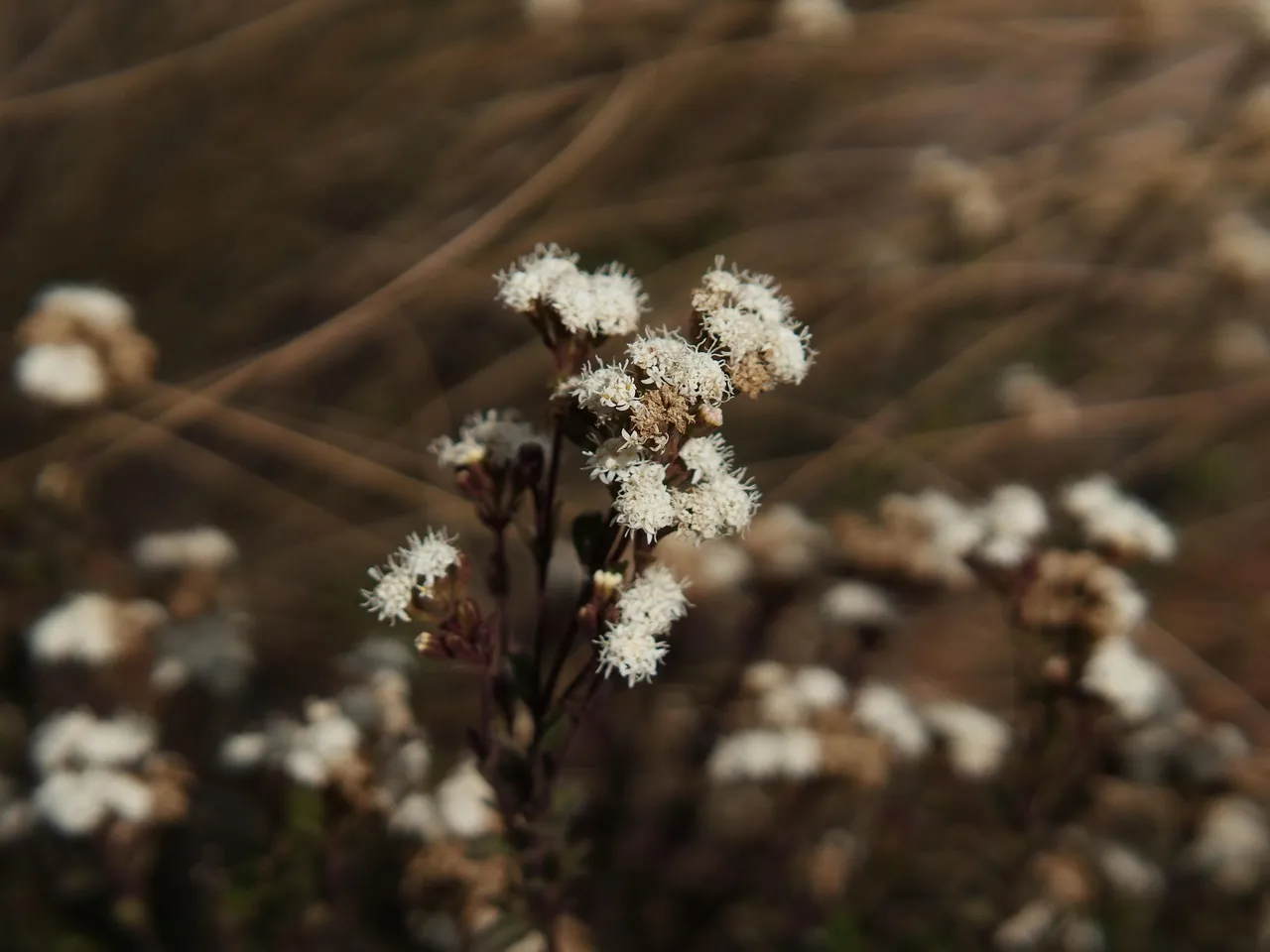
Coyote bush is an extremely important plant for pollinators, due to its abundant production of pollen and nectar and its bloom period, which occurs during the fall and winter. The plants maintain their green foliage year round, providing excellent habitat for beneficial insects. That fall bloom timing is especially valuable, filling a gap when most other shrubs have finished flowering.
In addition to European honey bees, one study identified 54 insect species visiting male and female flowers in late September and early October, including several species of ants, bees, and parasitic wasps. That level of insect diversity is remarkable for a single shrub, and it speaks to how ecologically functional this plant really is.
Coyote bush has small, evergreen leaves and abundant white and yellow flowers that are very attractive to insects. It grows well in most soil types and is a drought-adapted, low-water plant that requires minimal summer irrigation. It can be pruned to a desired shape, or coppiced by cutting back to six inches in height, and it will sprout from the base. As a native California plant, it is fire-adapted and will re-sprout after fires.
Why Native Shrubs Outperform Exotic Ornamentals
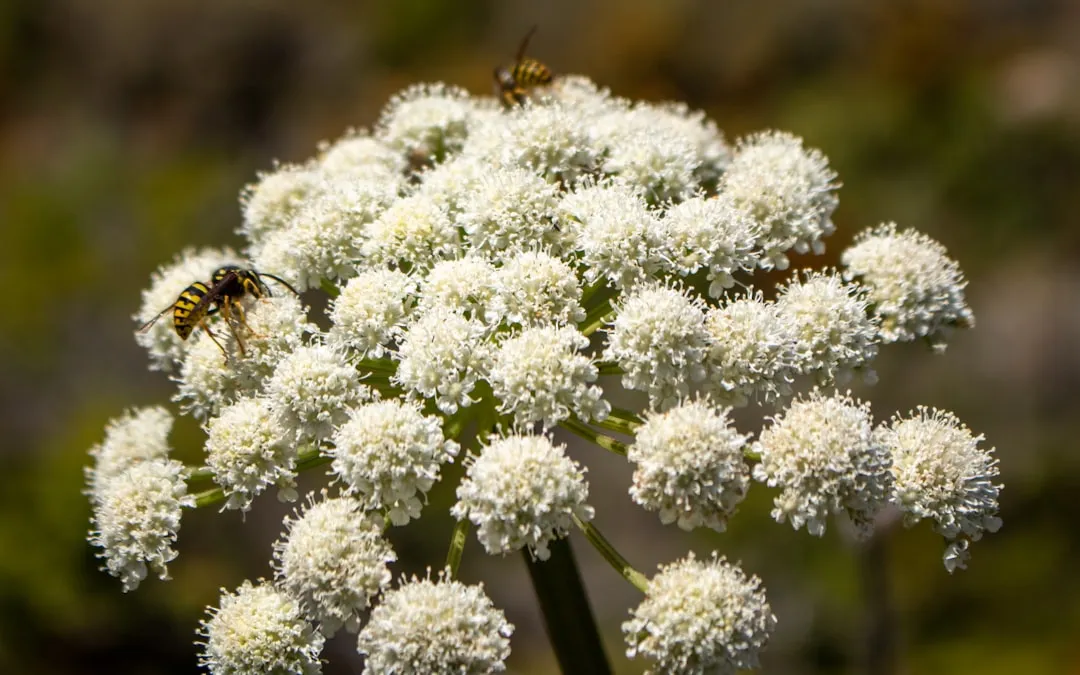
A study in Southern California examined the pollinator attractiveness of ornamental plants by installing an experimental garden with both California native and nonnative ornamental perennials, then observed floral visitation and visitor community composition over three years. The results demonstrated that native pollinators visited California native ornamental perennials at a higher rate than nonnative alternatives.
Native plants match local climate, soils, and wildlife, providing higher quality nectar and pollen, supporting specialist bees and butterflies, needing less water and fertilizer once established, and proving more resilient to California’s heat, drought, and variable rainfall. That combination makes them genuinely more practical, not just more ecological.
Native plants in California play a crucial role in supporting local ecosystems by attracting and providing resources to pollinators such as bees, butterflies, and other beneficial insects. These plants have evolved alongside native pollinators for centuries, making them well-suited to provide food and habitat for these essential creatures.
Understanding Pasadena’s Unique Inland Microclimate
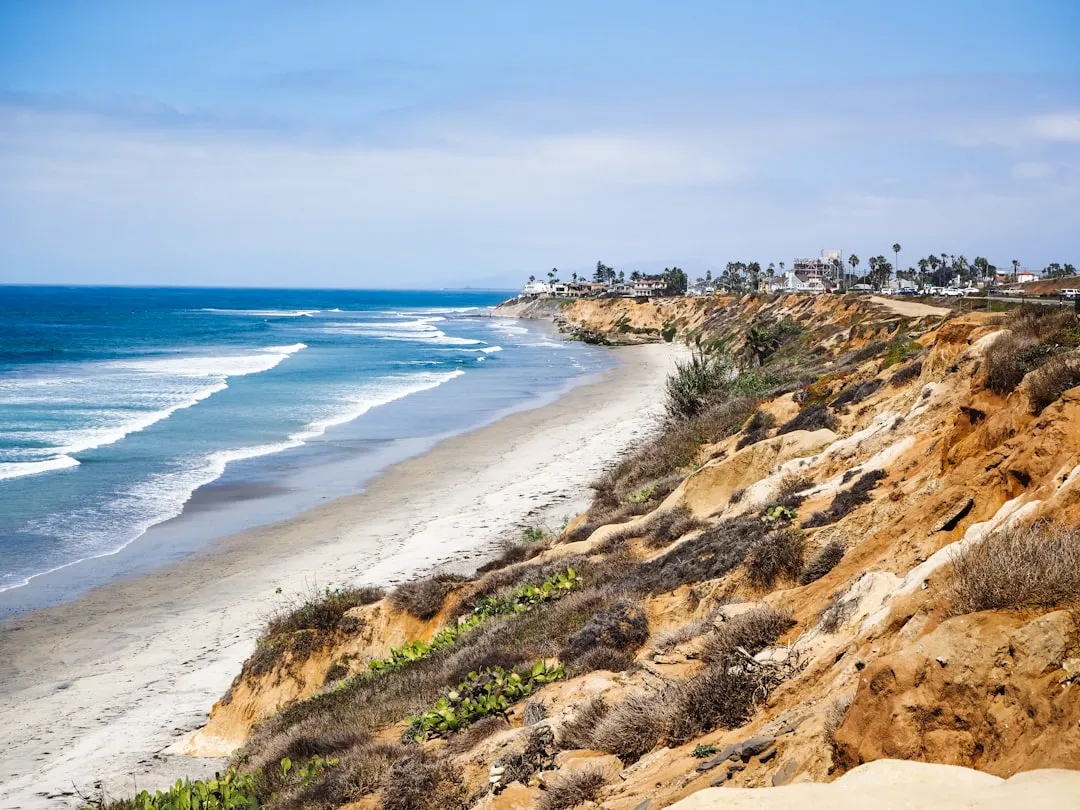
Southern California includes cool coastal neighborhoods shaped by marine air, inland valleys that trap heat, and foothill gardens with more exposure and temperature swings. A shrub that looks effortless in Santa Barbara may struggle in Pasadena. That distinction is worth keeping in mind when reading general California plant guides.
Native plant gardens thrive in California’s diverse ecosystems, from coastal scrub to chaparral to mountain forests. This water-conserving approach celebrates indigenous plants superbly adapted to California’s Mediterranean climate with wet winters and dry summers. All six shrubs in this list were chosen specifically with Pasadena’s inland, foothill character in mind.
The plants in a well-planned pollinator garden palette are easy to grow and adapted to a wide range of soils, from sand to clay. Most require full sun, which means six or more hours of direct sunlight throughout the year. Pasadena’s sun exposure is rarely the problem. Drainage and summer heat are where thoughtful placement makes the biggest difference.
How to Layer and Space These Shrubs for Maximum Impact
Layering height and texture makes a real difference: use deergrass, sages, buckwheats, manzanita, toyon, and wild rose at the back; mid-height brittlebush, phacelia, and lupines in the middle; and poppies, tidytips, and Nemophila at the front. The six shrubs in this list naturally lend themselves to this kind of tiered arrangement.
Plant in clumps, grouping three to seven of the same plant together, so bees can forage efficiently and the planting reads as intentional. Single specimen shrubs do attract pollinators, but clusters are noticeably more effective, and they also look more considered from a design standpoint.
Leave room for life: allow some stems, leaf litter, and bare soil to remain so native bees and beneficial insects can nest and overwinter. A tidied-up garden isn’t always the most useful one. Leaving a little wildness at the edges costs nothing and pays back in biodiversity.
Watering These Shrubs in Pasadena’s Dry Summers
Most California natives used for pollinators prefer low to moderate water once established and do not need regular fertilizer. Overwatering or heavy feeding can stress them, increase pests, and reduce nectar quality. Water deeply the first year, then taper. This is probably the single most common mistake Pasadena gardeners make with native shrubs: treating them like thirsty conventional ornamentals.
In most inland valley garden situations, established plantings will thrive with a deep watering of one to one and a half inches approximately once every three to four weeks during months without rain. Young plantings generally do well with a deep watering of approximately one inch per week during dry weather, until they begin to become established, usually about one year after planting.
Established chaparral natives such as ceanothus, sages, and manzanitas need zero summer water and actually die from overwatering. This adaptation allowed them to survive thousands of years of California droughts. Trust the plant’s evolutionary history. Once established, these shrubs know exactly what they’re doing.
The Bigger Picture: Why Your Pasadena Garden Matters
A 2025 assessment published in PNAS evaluated the extinction risk of nearly 1,600 species of vertebrate and insect pollinators and found that more than one in five species is at risk of extinction. That number is easier to absorb in the abstract than it is to sit with, but it gives context to why individual gardens genuinely count.
In California, pollinators include bees, wasps, beetles, moths, butterflies, other insects, and hummingbirds. They are necessary for pollinating about three quarters of food crops, but they also pollinate nearly 90 percent of all flowering plants. Without them, most flowering plants could disappear, to the detriment of entire ecosystems.
California is one of the most floristically diverse regions in the world. California’s native plants support a corresponding diversity of pollinators, with an estimated 1,200 to 1,500 native bee species, including the imperiled Franklin’s bumble bee and the vulnerable western bumble bee, and over 200 butterfly species, including the iconic monarch butterfly. Pasadena sits right in the middle of that richness. Planting well here isn’t just aesthetic; it’s a small but real contribution to keeping that diversity alive.
Final Thoughts
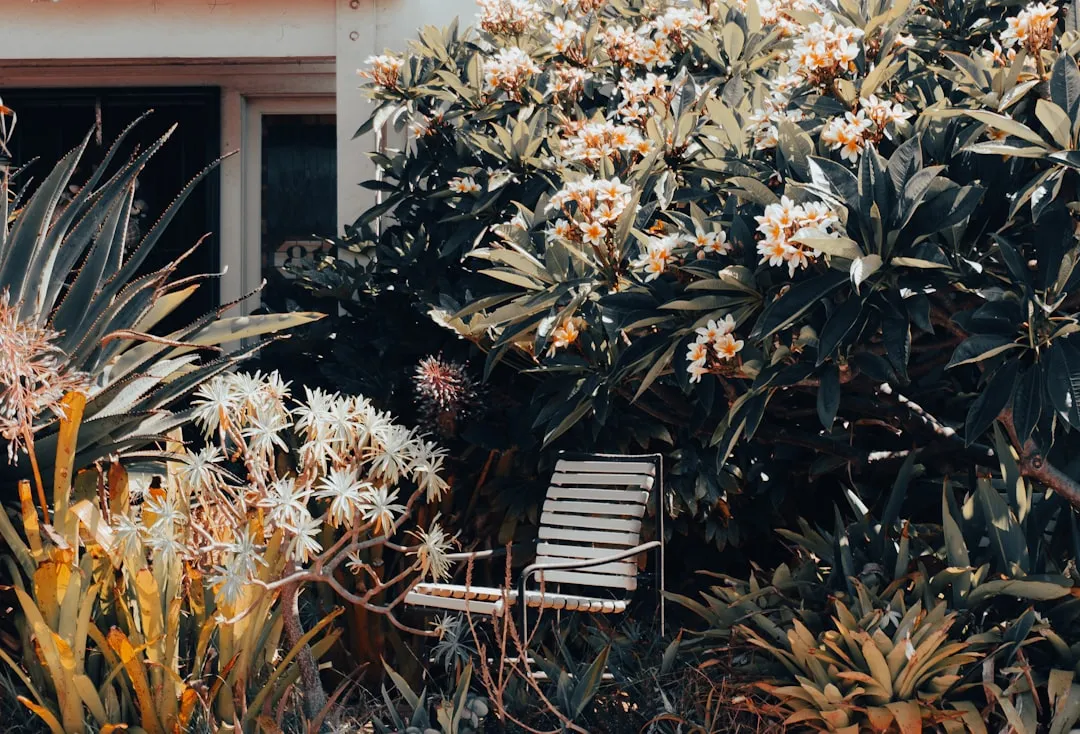
There’s something genuinely satisfying about a garden that works ecologically and visually at the same time. These six shrubs manage both. They’re not difficult. They don’t demand constant attention. What they do ask for is the right placement, a restrained hand with the hose, and a little patience through that first dry season.
Many gardens, parks, schoolyards, roadsides, and farm edges using native plants turn California into a connected, climate-smart refuge for pollinators. Your Pasadena garden can be part of that network. It doesn’t take much space to make a difference, just the right plants in the right soil with the sun they were built for.
Start with one or two of these shrubs this fall, when planting conditions in Southern California are at their best. Watch what shows up. Then decide if you want more.
AI Disclaimer: This article was created with the assistance of AI tools and reviewed by a human editor.