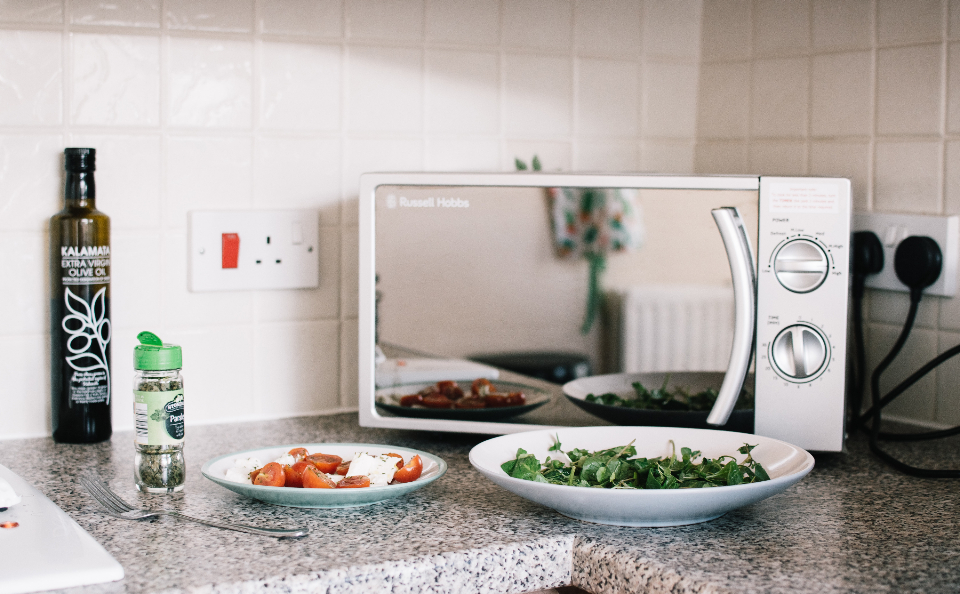

There’s a certain kind of kitchen that most of us can still picture clearly: a stovetop with something always simmering, the smell of onions going soft in butter, the rhythm of a wooden spoon against a heavy pot. No countdown timers. No beeping. Just someone who knew exactly what they were doing and took their time doing it. For generations before ours, that was simply cooking. The microwave wasn’t missing – it just hadn’t arrived yet, and life got along perfectly fine without it.
That might seem hard to believe today, given how embedded these appliances have become in modern life. The United States is one of the countries where microwave ownership is highest, with over ninety percent of homes possessing at least one. Yet behind all those numbers lies a quieter story worth telling – one about what older generations understood about food, time, and the act of making a meal that we’ve largely traded away for convenience.
An Accidental Invention Born from Wartime Technology
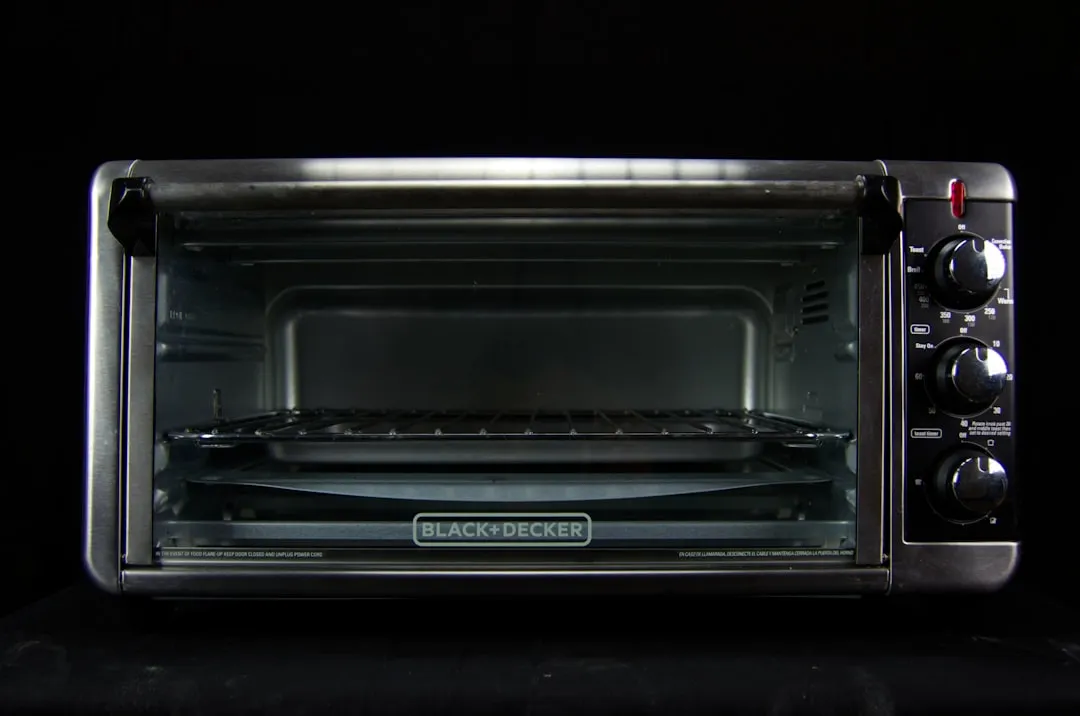
In 1945, the heating effect of a high-power microwave beam was independently and accidentally discovered by Percy Spencer, an American self-taught engineer from Howland, Maine. The story goes that he noticed a chocolate bar in his pocket melting while he stood next to a magnetron. He realized that electromagnetic waves could be used to cook food, and subsequently filed a patent with Raytheon for the RadarRange in 1945.
The first commercial microwave oven was called “Radarange,” marketed in 1947. It was a very different sight from today’s microwaves, costing three thousand dollars, weighing about 750 pounds, and standing six feet tall. Grandma’s kitchen simply had no room – financially or physically – for that kind of machine. Despite a breakthrough compact model arriving in 1967, it took another decade or two for microwave ovens to become common in American homes, as improvements in manufacturing, safety standards, and the rise of dual-income households helped drive widespread adoption.
The Long Road to Becoming a Kitchen Staple
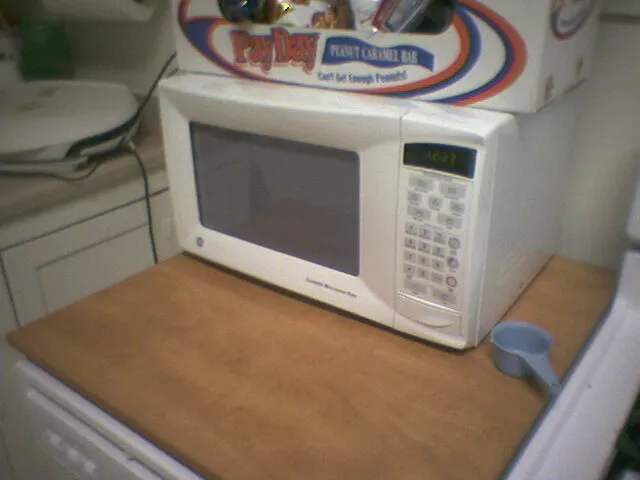
By 1975, microwave ovens were outselling traditional gas ranges, and by the mid-1980s, they were present in over half of all U.S. households. That timeline matters. It means that for most of the twentieth century, the people who built the recipes we still cook today never used one. They had no need.
What they had instead were skills: knowing when a braise was ready by smell, how to judge dough by touch, how long it takes a chicken to give up its juices. These were practical, embodied forms of knowledge passed between generations in the kitchen. Evidence shows that regular home cooking is associated with improved diet quality, reduced obesity risk, greater family bonding, and enhanced happiness, with many participants describing it as a source of mindfulness and stress relief.
The Nutrient Debate: Is Slow Cooking Really Better?

One of the more persistent myths is that traditional stovetop or oven cooking is inherently more nourishing than microwaving. The science doesn’t quite support that. The cooking method that best retains nutrients is one that cooks quickly, heats food for the shortest amount of time, and uses as little liquid as possible. Microwaving meets those criteria. Using the microwave with a small amount of water essentially steams food from the inside out, keeping in more vitamins and minerals than almost any other cooking method.
Still, the picture is more nuanced than that. Many traditional cooking methods involve exposing ingredients to heat for a certain amount of time and, in some cases, large amounts of water or oil. Boiling can lead to significant nutrient losses as water-soluble vitamins leach into the cooking liquid, while frying and grilling expose food to higher temperatures that degrade heat-sensitive nutrients. What this tells us is that grandma’s slow-simmered soup was neither perfect nor terrible – it depended on how she cooked it.
Why the Food Still Tasted Better
Nutrient science aside, most people would agree that food cooked the old way simply tasted different. There’s a reason. Early research indicated that generally meat cooked by microwaves was rated lower in eating quality than meat cooked by conventional methods. Texture, browning, crust, caramelization – these are products of sustained, direct heat that a microwave cannot replicate.
Different cooking methods can markedly influence sensory-related quality attributes, including color, texture, and moisture retention, through their effects on heat transfer, protein denaturation, and water loss. When grandma roasted something in a cast iron pan for two hours, she was building layers of flavor through processes the microwave simply bypasses. That’s not sentiment – it’s chemistry.
The Rhythm of Cooking as a Way of Life
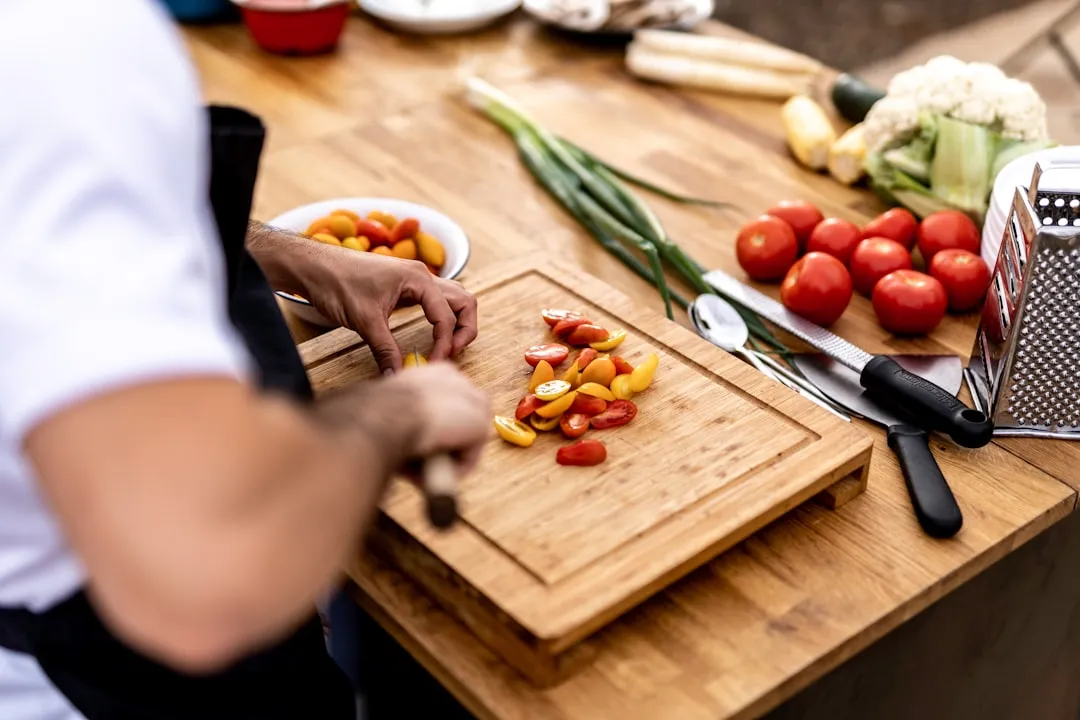
For older generations, cooking wasn’t a task to be minimized. It was woven into the structure of a day. Soup started in the morning. Bread rose while errands were run. Dinner was something you prepared for, not something you zapped at six-thirty while answering emails. That rhythm had psychological value that’s easy to underestimate.
Cooking acts on several levels: the teaching of theoretical and practical knowledge and skills, social aspects such as cooking and eating together, and psychotherapeutic aspects including stopping ruminating negative thoughts and mindfulness. A 2024 study published in the journal Nutrients examined the use of cooking workshops as supplementary treatment for psychiatric inpatients with depression. In a study of 657 healthy adults, a seven-week cooking program significantly improved subjective mental and general health.
Grandma’s Kitchen as Cultural Archive
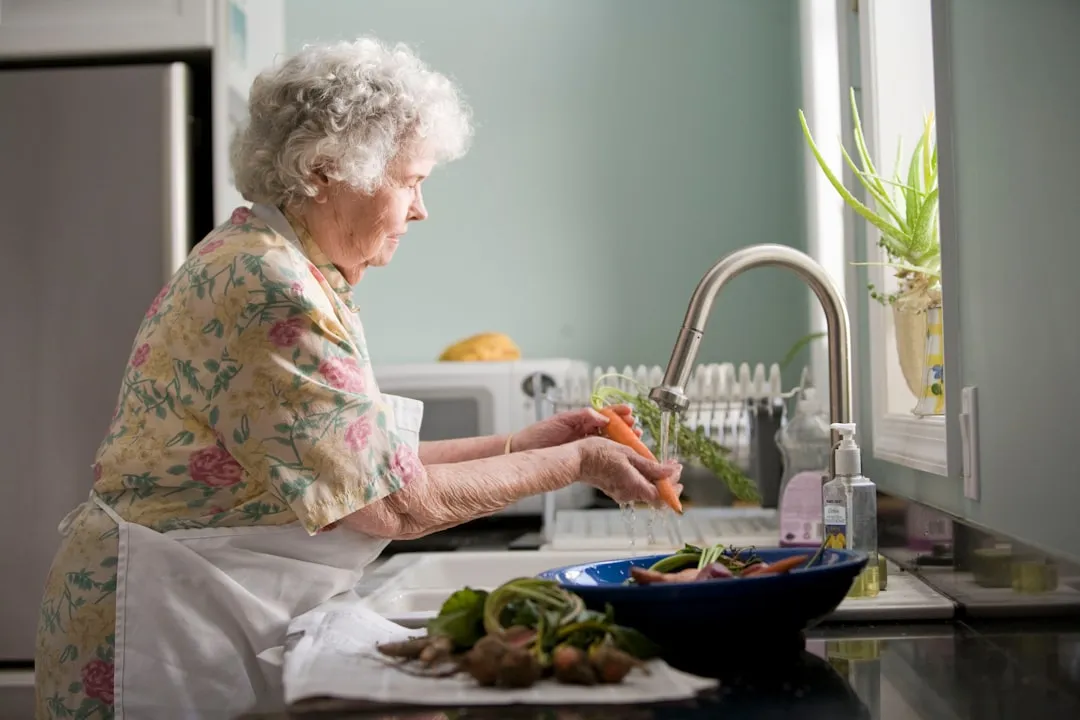
Every dish grandma made was a form of cultural memory. Recipes weren’t written down – they lived in hands that knew how much flour felt like, in eyes that knew when oil was the right temperature. A 2025 critical review examined the global decline of home cooking and its far-reaching consequences for nutrition, family cohesion, cultural identity, mental health, and social equity.
Culinary habits and knowledge play a key role in shaping dietary behaviors and overall health. In Spain, for example, societal changes have led to a decline in traditional Mediterranean practices and, in some cases, to unhealthy lifestyles. That pattern is not uniquely Spanish. Across much of the developed world, the convenience appliance has quietly displaced the techniques and traditions that once defined regional food culture.
The Microwave and the Rise of Ultra-Processed Eating

The microwave didn’t cause the ultra-processed food crisis on its own. That would be an unfair attribution. What it did do was lower the activation energy required to eat poorly. Frozen meals, instant noodles, and pre-made snacks all became far more practical once reheating took ninety seconds instead of thirty minutes.
In April 2024, surveys by the Pew Research Center reported that 52 percent of all Americans frequently multitask, and 60 percent sometimes feel too busy to enjoy life. When time is the enemy, convenience wins. The microwave became the physical symbol of that trade-off – speed in exchange for slowness, ease in exchange for engagement. Grandma didn’t have that choice to make, and in a strange way, that protected her.
Safety Fears Then and Now
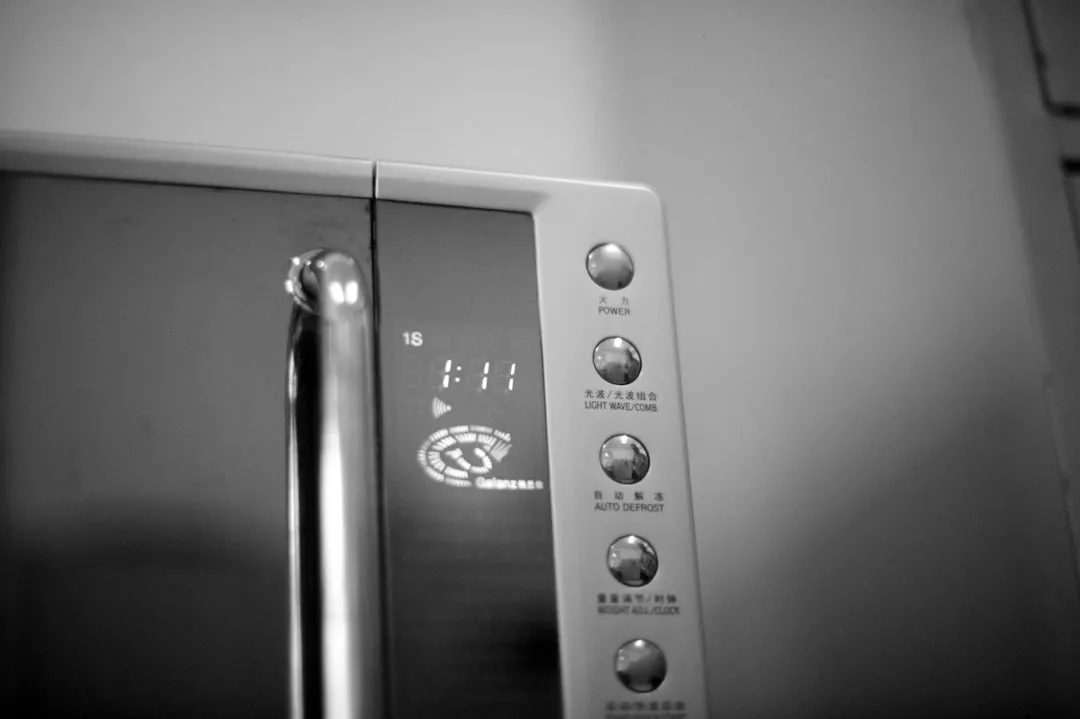
When microwaves first entered homes, a wave of public concern came with them. People worried about radiation, about invisible damage to food, about risks they couldn’t see or understand. Those fears haven’t entirely disappeared. Microwave ovens use non-ionizing radiation, which is different from ionizing radiation like X-rays and gamma rays. This type of radiation doesn’t have enough power to damage DNA or break chemical bonds.
There is not enough proof that using a microwave oven causes DNA damage or cancer, according to several scientific studies. There isn’t strong evidence to back claims that microwave ovens cause health problems like ADHD, Alzheimer’s, or Parkinson’s. Grandma’s skepticism was understandable for the era, but the science has since been fairly clear. The fear was cultural, not biological.
A Market That Keeps Growing

Whatever reservations people may hold privately, the numbers tell a different story about behavior. The global microwave oven industry was valued at USD 10.5 billion in 2024 and is projected to grow at a CAGR of 4.6% from 2025 to 2034, driven by evolving consumer lifestyles and increasing demand for convenience. Ownership continues to climb in countries where it was once rare.
Penetration is growing fastest in developing countries. India saw a fifteen percent increase in microwave ownership from 2020 to 2023, while Brazil’s rate climbed ten percent. As incomes rise and urban life accelerates globally, the microwave follows. It is, in many respects, an appliance that tracks the pace of modern life rather than shaping it.
The Generation That Knew Something We’ve Partly Forgotten
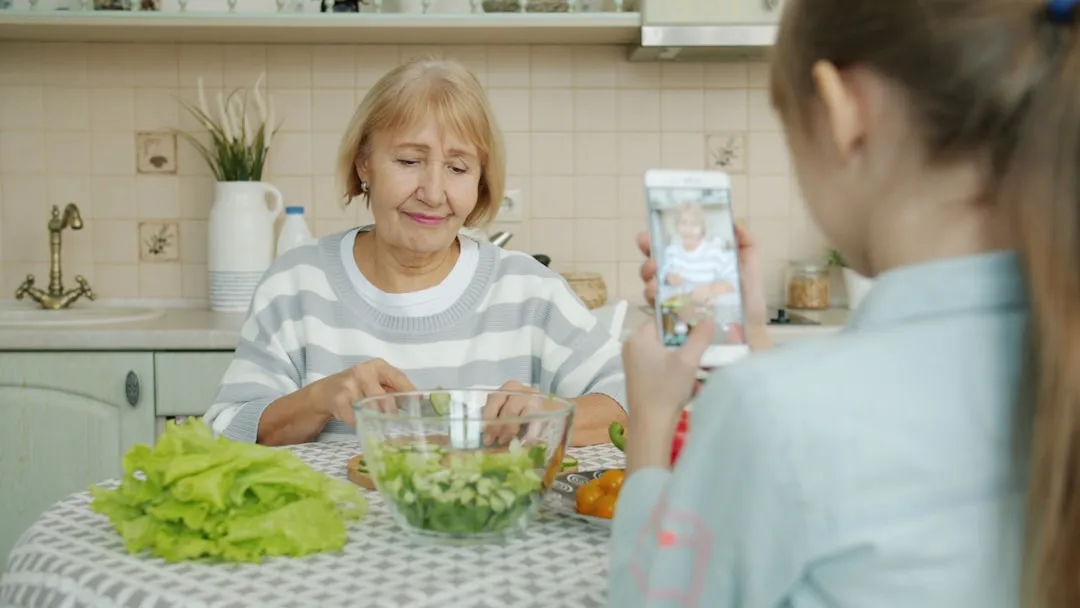
Grandma’s kitchen didn’t produce perfect food every time. Pots boiled over. Things burned. Some dishes came out tough or under-seasoned. Traditional cooking is not a golden age myth – it was real work, often done under real pressure, sometimes by people who were exhausted. Feminist and sociological critiques caution against romanticizing food work, highlighting how the burdens of cooking remain unevenly distributed by gender, class, and time poverty.
Still, something real was present in those kitchens that is harder to find today. A relationship to ingredients. A patience with process. A sense that making food was worth the attention. Evidence shows that regular home cooking is associated with improved diet quality, reduced obesity risk, greater family bonding, and enhanced happiness. Those benefits don’t require a microwave-free life – but they do require showing up for the meal.
What Cooking Without Shortcuts Actually Teaches You
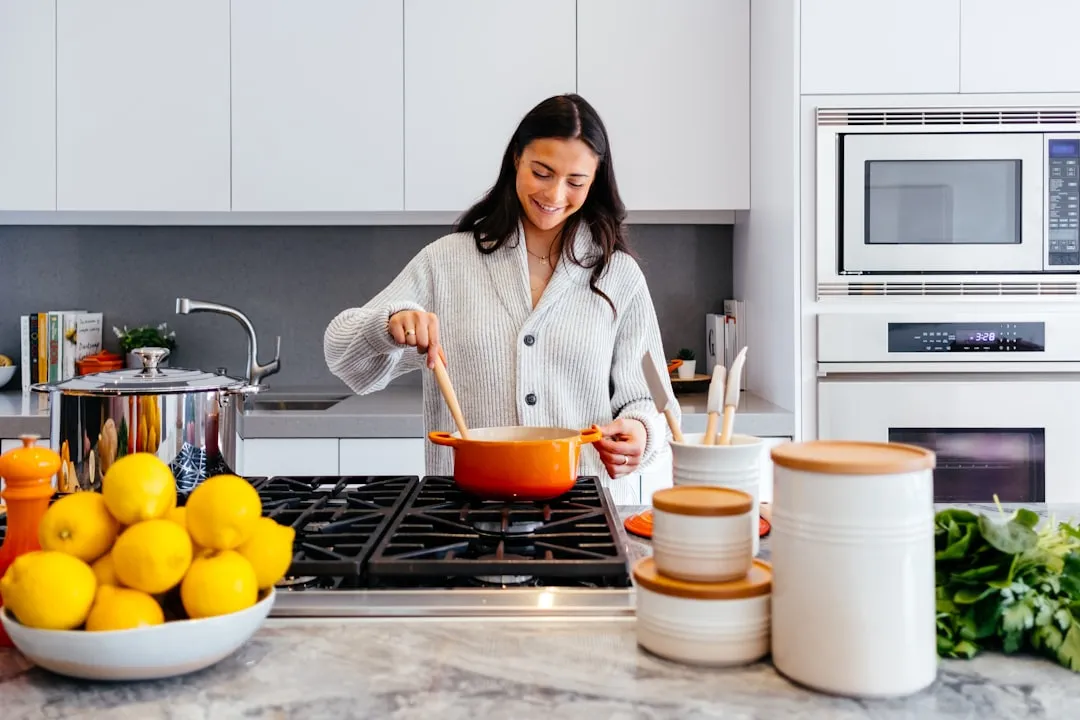
There’s an argument, grounded in practice rather than nostalgia, that cooking from scratch trains something useful. You learn to manage heat, time, texture, and flavor simultaneously. You develop intuition. You make mistakes and correct them. None of that happens when you press a button and wait for a beep.
Cooking acts on psychotherapeutic levels, including confrontation with food for those with eating disorders and the development of self-care habits. Researchers now frame the kitchen as a site of both preventive health and mental well-being. Grandma probably wouldn’t have used that language, but she likely would have recognized what it meant. Cooking, for her, was never just about producing food. It was about knowing how.
The Takeaway
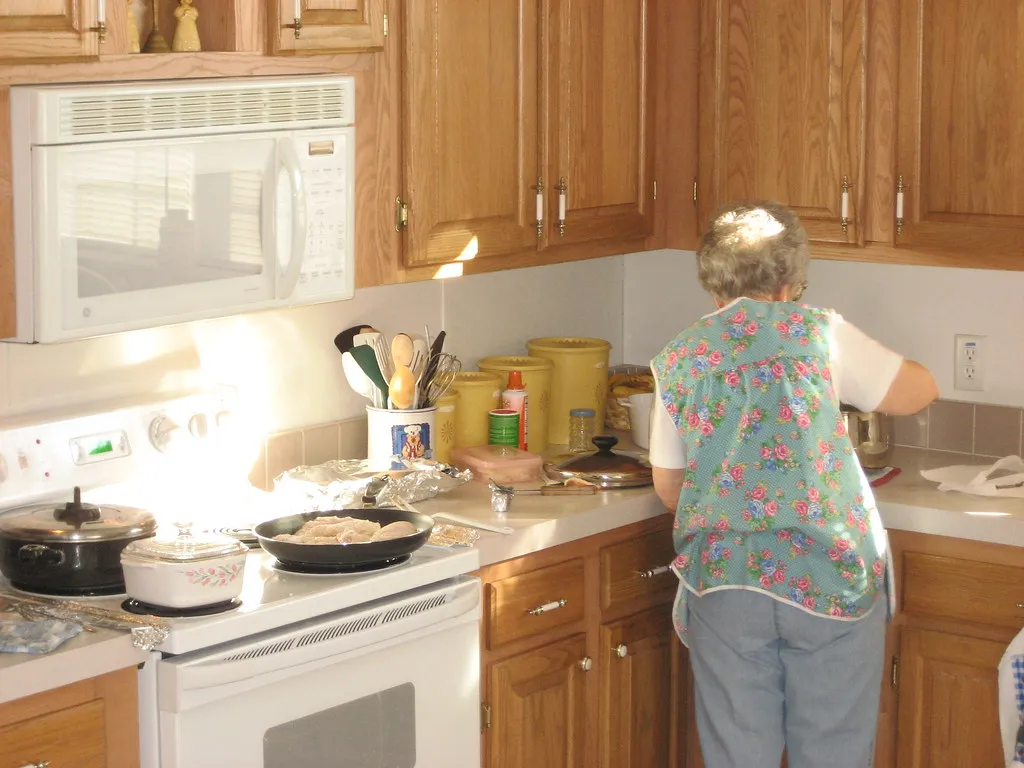
Grandma didn’t miss the microwave because she didn’t know what she was missing. That’s the simple truth, and it’s worth sitting with. She had knowledge in her hands, time built into her day, and a relationship to food that most of us have diluted over the past few decades.
That’s not a case against convenience. Microwaves are safe, sometimes more nutrient-preserving than alternatives, and genuinely useful. The real question isn’t whether to own one – it’s whether owning one means we’ve stopped learning the slower things it was designed to replace. The appliance that grandma never had wasn’t the problem. What quietly disappeared alongside it might be.
AI Disclaimer: This article was created with the assistance of AI tools and reviewed by a human editor.