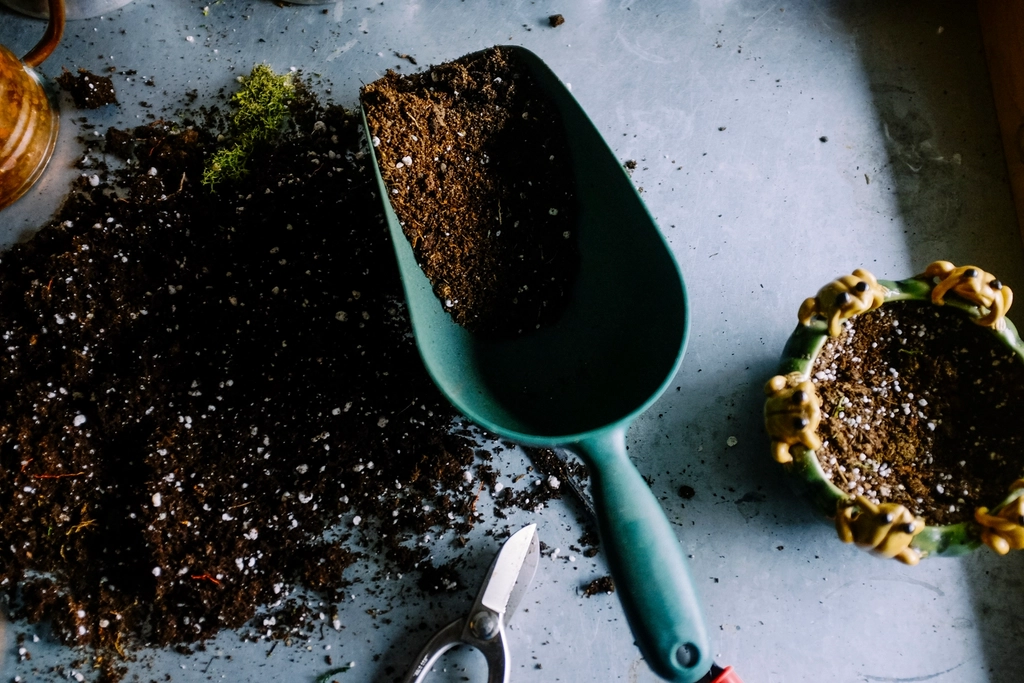

Every gardener eventually runs into the same puzzle: two plots, same soil, same water, yet one plant bursts ahead while another just sits there looking pale and sorry. Often the answer is buried in the soil itself. Some crops are simply hungrier than others, drawing far more nitrogen, phosphorus, potassium, and trace minerals from the ground than their more modest neighbors.
Heavy-feeding vegetables love fertile soil with plenty of nutrients, and without the proper nutrients, they’ll grow misshapen, poorly, or not at all. Understanding which crops fall into this category before the season starts can save you a lot of troubleshooting later. The eight crops below are among the most nutrient-demanding plants you can grow, backed by guidance from university extension research and horticulture programs across the United States.
1. Tomatoes: The Calcium-Hungry Fruit-Setter
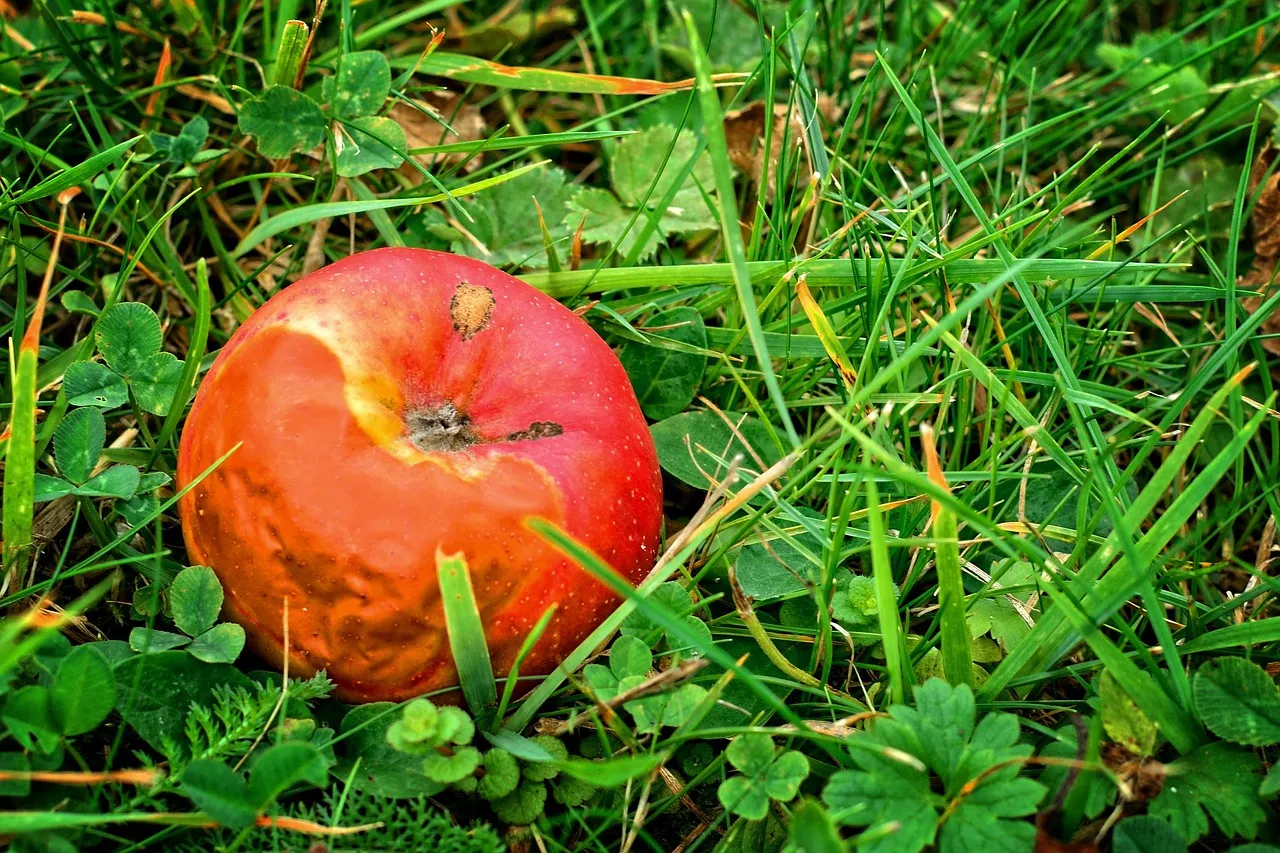
Tomatoes are heavy feeders, meaning they pull a lot of nutrients from the soil over a single growing season. Their demands shift throughout the season, which is what makes them particularly interesting to manage. Early on, they need nitrogen to build vigorous leafy growth. Once flowering begins, the priorities change entirely.
Tomatoes will need extra fertilizer mid-season as the plants take up and use existing nutrients. When tomatoes start producing flowers, switch to a low-nitrogen fertilizer in order to encourage more flowers and fruit rather than foliage.
If calcium is deficient in developing fruits, an irreversible condition known as blossom-end rot will develop. It occurs when cell wall calcium is deficient during early fruit development, resulting in cell wall membrane collapse and the appearance of dark, sunken pits at the blossom end of the fruit. The fundamental causes of blossom-end rot are calcium deficiency in the plant and moisture stress.
2. Sweet Corn: The Nitrogen Engine
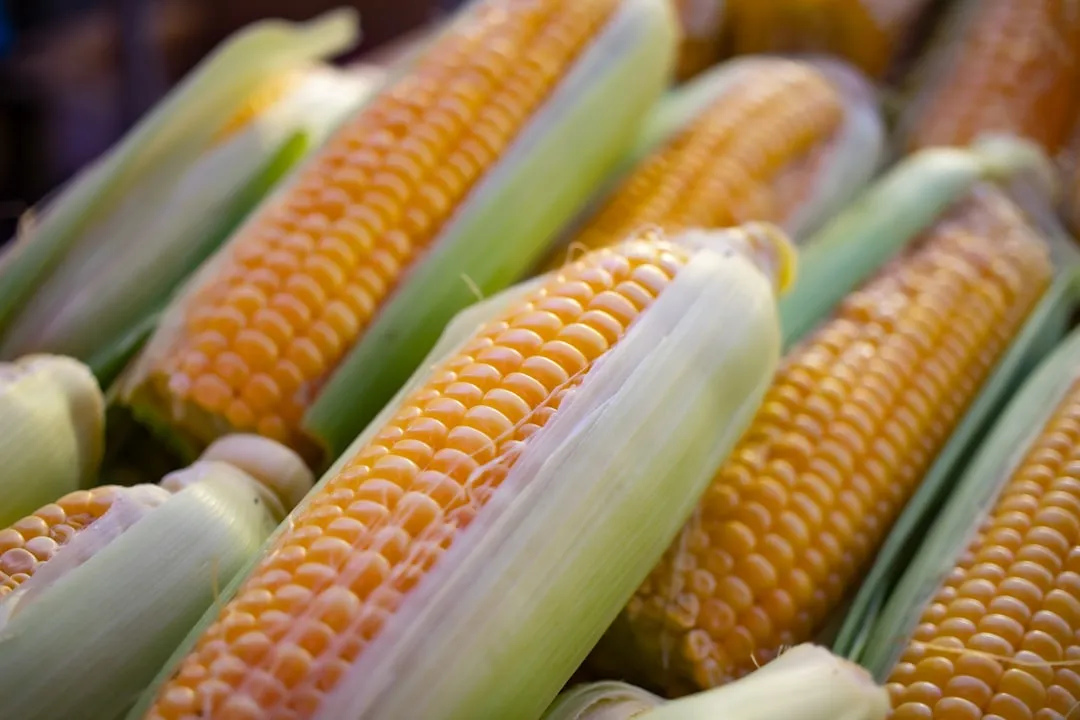
Corn’s nitrogen demand is exceptionally high because nitrogen is a fundamental component of chlorophyll, amino acids, and enzymes that regulate plant metabolism. This is not a crop you can simply plant and forget. It draws from the soil at a rate that surprises many first-time growers.
Based on UF/IFAS yield trials, corn requires about 1.37 pounds of nitrogen per bushel of expected yield. For the home garden, this translates into a practical split-feeding strategy. Sweet corn can benefit when plants are 8 to 10 inches tall and then one week after tassels appear.
Without adequate nitrogen, corn plants appear stunted, yellowish, and produce small ears with few kernels. Timing is just as important as quantity. Applying nitrogen too early can flush through sandy soils before the plant is ready to use it, while applying it too late misses the window of peak uptake.
3. Broccoli: A Brassica That Eats Well
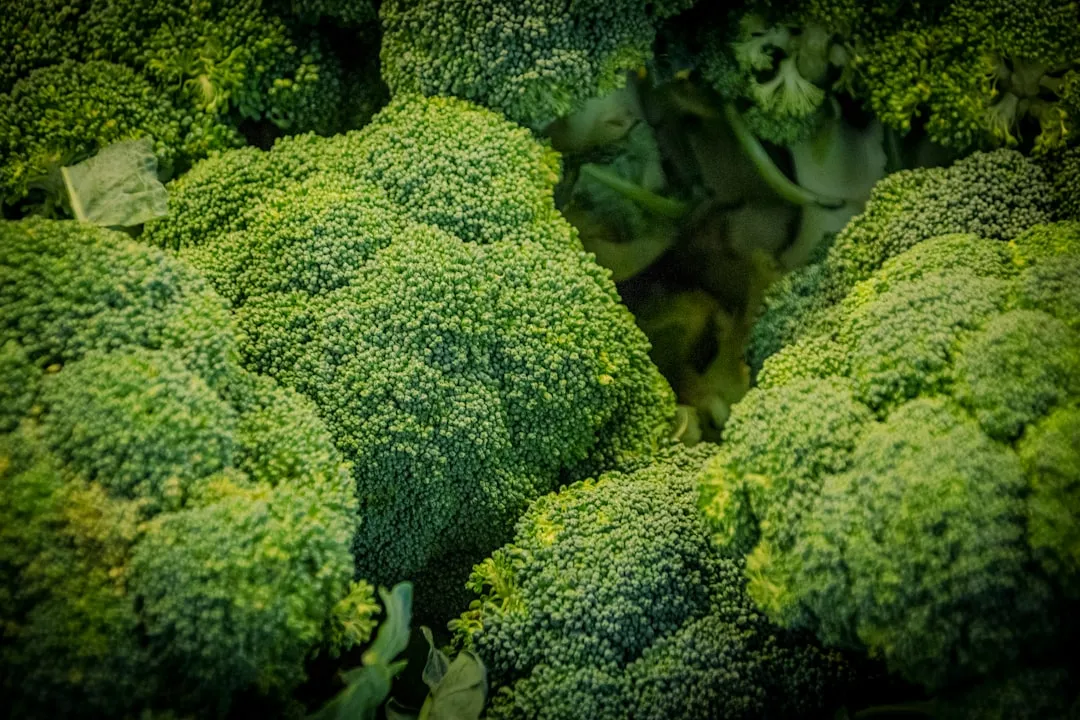
Crops such as sweet corn, broccoli, and cauliflower are heavy feeders, so they need fertilizing every other week. Broccoli in particular has a reputation for responding dramatically to nitrogen availability. The difference between a tight, dense head and a loose, disappointing one often comes down to feeding at the right moment.
For broccoli, UC field studies at West Side Field Station showed that a total of 200 pounds of nitrogen per acre resulted in 90% maximum yield. That’s a substantial nutrient commitment for a single crop. Cabbage, cauliflower, and broccoli can benefit from more fertilizer three weeks after transplanting.
Nitrogen-deficient broccoli plants are stunted with pale green leaves. Older leaves develop bright orange, red, and purple tints and defoliate early, because nitrogen is mobile and is moved from older to younger leaves when supply is insufficient. Catching this early gives you a real chance to correct it before head formation is affected.
4. Cabbage: Heavy on the Nitrogen, Sensitive to Overdoing It
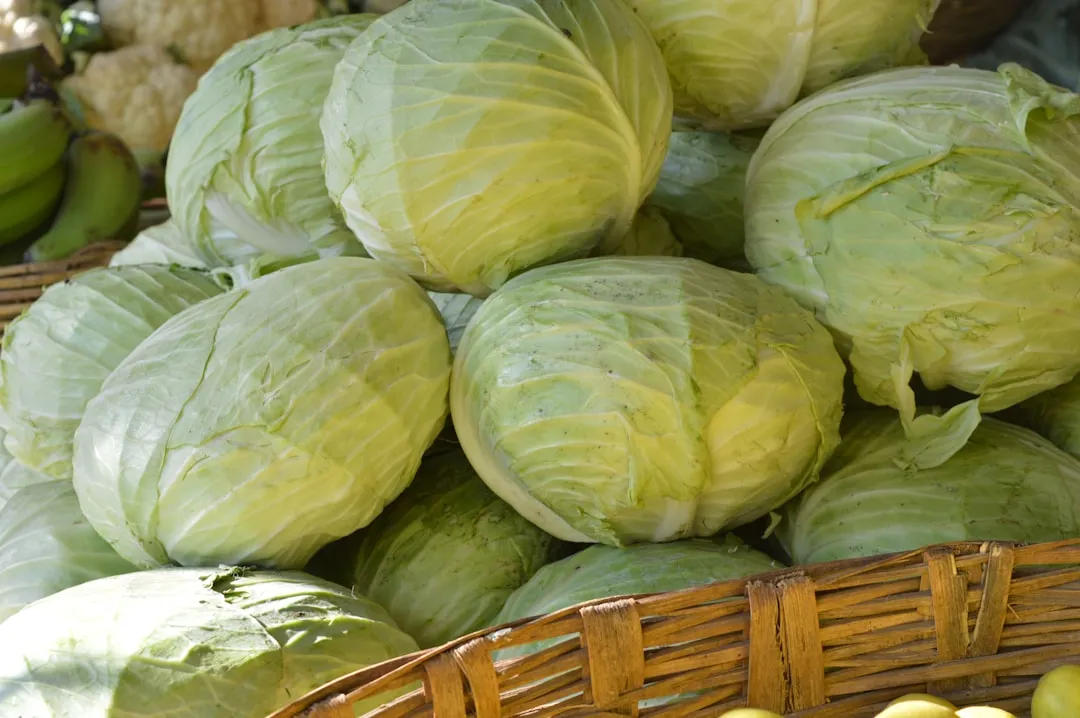
Leafy greens like mustard, turnips, collards, cabbage, and spinach are heavy users of nitrogen. Cabbage is among the most demanding members of this group, producing a large leafy head that requires sustained nutrition through most of the growing season.
Cabbage is commonly fertilized with a total of 90 to 200 pounds of nitrogen per acre, in one to three sidedressings before heading starts. The timing of those applications matters considerably. With too much nitrogen, heads may crack and not hold long in the field.
This balance between enough and too much is one of the defining challenges with cabbage nutrition. Insufficient nutrients can affect crop yields and plant health, but fertilizer overuse can also damage plants. A soil test before planting gives you the most reliable starting point for getting the balance right.
5. Beets: Root Crop With Surprising Nutrient Needs
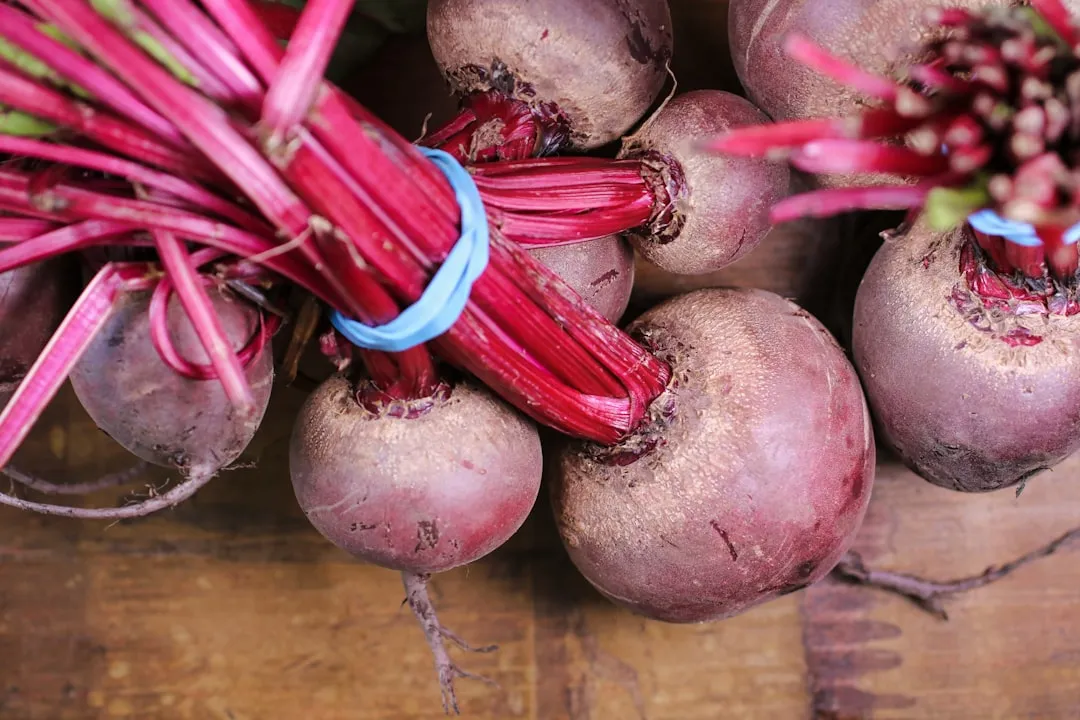
Heavy feeders like tomatoes, broccoli, and beets should receive 3 pounds of nitrogen per 1,000 square feet, equivalent to 0.3 pounds per 100 square feet. Beets are occasionally underestimated in this department because they’re root vegetables, and people often associate root crops with lower fertility demands. That assumption can cost you at harvest.
Oregon State University Extension identifies beets as heavy feeders alongside collard, kale, lettuce, parsley, spinach, and tomato. They need a steady supply of nutrients to develop their characteristic deep color and firm texture. Poor nutrition at key growth stages results in small, woody, or misshapen roots.
Phosphorus supports root growth and fruiting, while potassium supports disease resistance and plant hardiness. For beets, both of these nutrients deserve attention in addition to nitrogen, since the edible part is the root itself.
6. Kale: A Leafy Green That Never Stops Feeding
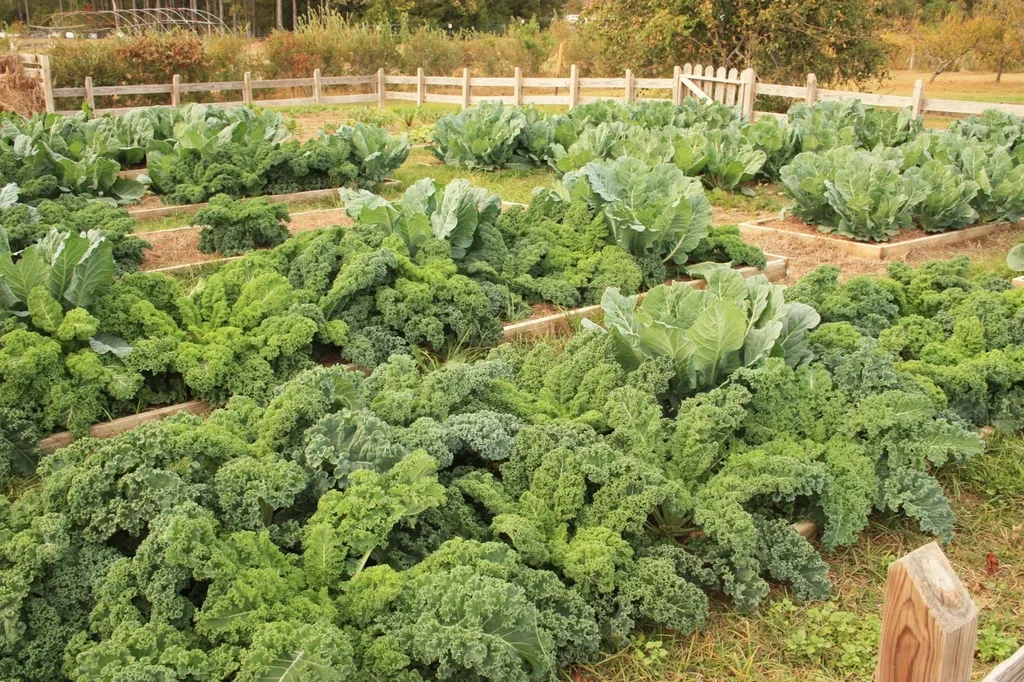
High levels of nitrogen often promote lots of foliage growth, which is great when you’re growing kale, lettuce, and spinach. Kale is one of the most reliable performers in a well-fed garden, producing prolifically over a long season, particularly in cooler weather. Neglect the fertility, though, and growth stalls quickly.
Spinach, kale, mustard, and turnip greens can benefit when plants are about one-third grown. For kale specifically, successive harvests of outer leaves intensify the nutritional demand over time. Each cutting removes nutrients that were bound up in the leaf tissue, so the soil needs to keep pace.
Leafy greens including lettuce, spinach, kale, cabbage, and Swiss chard all fall into the nitrogen-hungry category. Fish emulsion, composted chicken manure, and blood meal are reliable organic sources for giving kale the regular nitrogen boost it needs throughout the season.
7. Spinach: Fast-Growing and Constantly Hungry
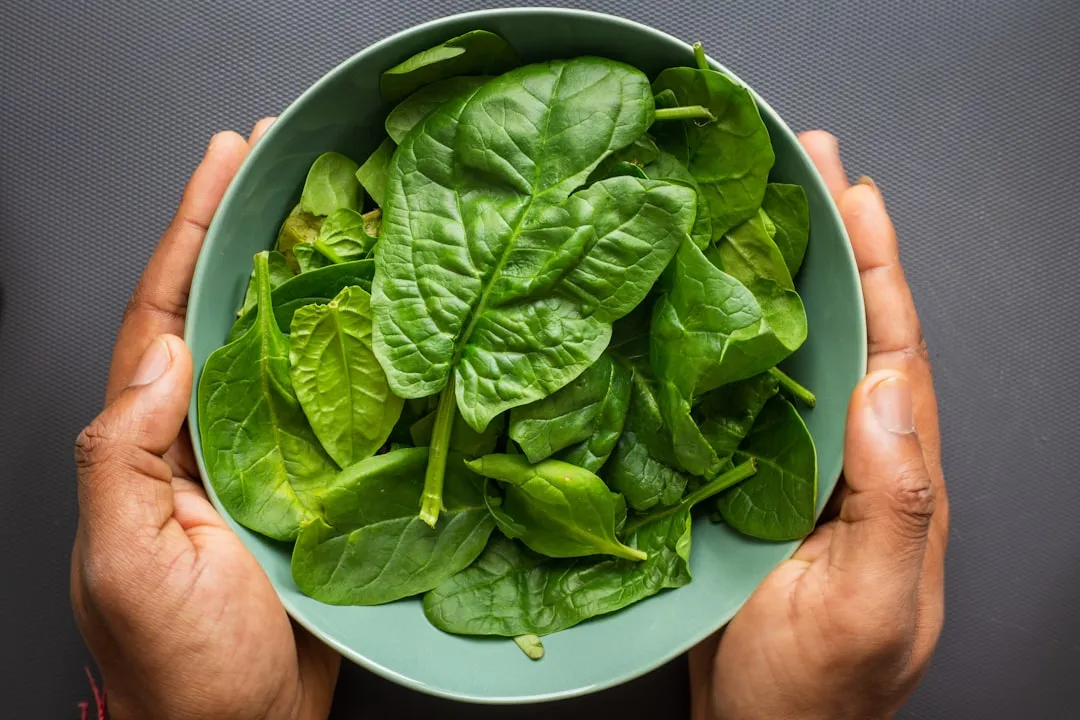
Oregon State University Extension classifies spinach as a heavy feeder alongside beets, collard, kale, lettuce, parsley, and tomato. Spinach grows quickly when conditions are right, which means its nutritional draw is concentrated into a short window. Under-feeding during that window shows up fast in the form of yellowed, stunted leaves.
Leafy greens need more nitrogen than other crop types. Spinach is a textbook example of this principle. The entire harvest is leaf tissue, and leaf tissue is built largely from nitrogen. Without a steady supply, both yield and leaf quality suffer noticeably.
Organic options work well for spinach because the crop is harvested and eaten without a long development window that might demand precision timing. Correctly applied organic fertilizers are the safest choices for the environment. For spinach, liquid feeds like fish emulsion can be applied quickly and absorbed rapidly, keeping pace with the plant’s growth rate.
8. Summer Squash: The Mid-Season Surge Feeder
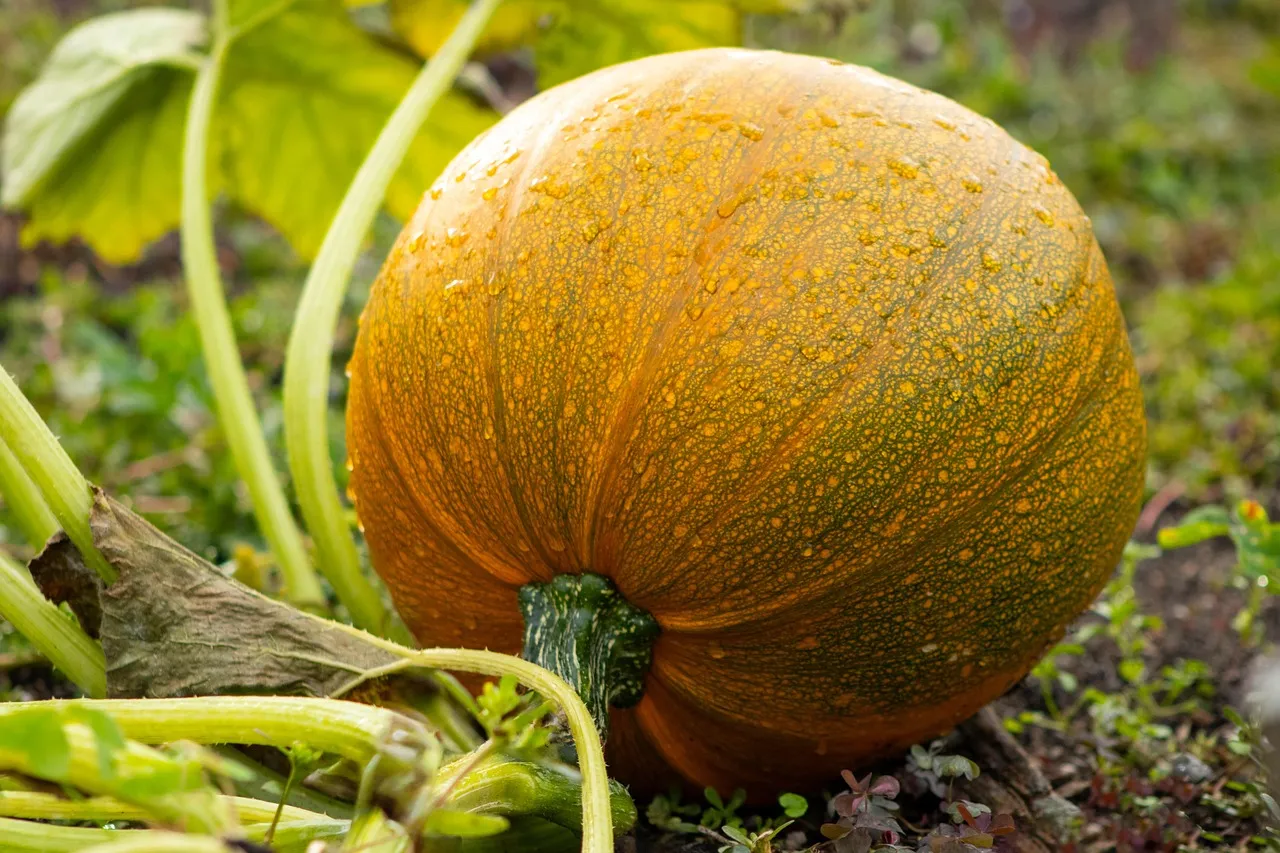
Examples of heavy feeders include tomatoes, peppers, corn, squash, melons, and cucumbers. Summer squash in particular puts on rapid biomass during the warmest weeks of summer, producing large, leafy plants with heavy fruits that demand significant soil resources.
Rapid growth occurs in midsummer for corn and squash. This is exactly when feeding becomes most critical. Let the soil run low on nutrients during that peak growth window and the plants will stall, producing smaller fruit and becoming more vulnerable to pest pressure and disease.
When you feed vegetables properly, you boost their ability to resist pests, diseases, and poor growing conditions. Vegetable crops generally need nutrients most when they are getting established and during flowering and fruiting. For squash, that mid-season fruiting phase is the moment to pay close attention and sidedress with a balanced fertilizer.
The Overfertilization Warning Every Gardener Should Know
More is not better in terms of frequency or dosage, and extra nutrients will not necessarily stay stored in the soil for future root absorption. Aside from leaf burn, over-applied synthetic and organic fertilizers can cause root desiccation or, for nitrogen excesses in particular, lush leaf growth at the expense of fruit.
Too much nitrogen may also make plants more vulnerable to pest or disease problems. This is a counterintuitive point that catches many enthusiastic gardeners off guard. The goal is not maximum fertilization but well-timed, appropriate nutrition matched to what each crop actually needs at each stage.
How to Apply Fertilizer Without Wasting It
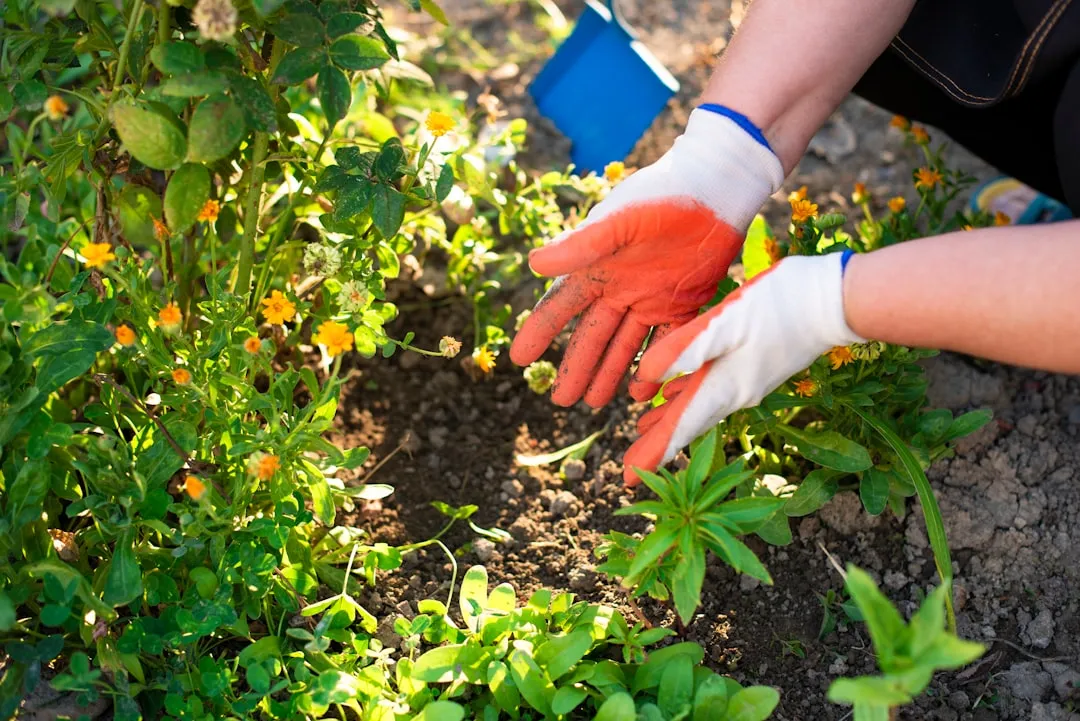
Sidedressing means fertilizing alongside a row of crops or around the base of an individual plant. Before applying fertilizer, weed the bed and lightly cultivate the soil. Lightly cultivating around the plants will help prevent runoff, especially when using a liquid fertilizer, keeping it where it should be.
Regardless of which fertilizers you choose, consider adding additional organic materials to support overall soil health. Carbon-based materials such as organic fertilizers, compost, grass clippings, or cover crops provide a range of benefits to both plants and soil, including other essential plant nutrients in addition to nitrogen, phosphorus, and potassium.
The best method for assessing nutrient availability in your garden is to do a soil test. It removes the guesswork entirely and gives you a clear picture of what your soil already contains, which is always the most logical place to start before spending money on amendments.
Final Thoughts
Growing heavy feeders well isn’t complicated once you understand what each crop is asking for and when it’s asking for it. The crops above are among the most rewarding you can grow precisely because they respond so visibly to proper care. Feed them at the right time and you’ll often see the difference within days.
The key is treating fertilizer as a conversation with your plants rather than a fixed routine. Watch for pale leaves, slow growth, and poor yields, and adjust from there. Nutrient deficiency symptoms such as stunted or slow growth, pale leaves, and low yields can look similar to damage caused by other stress factors, so careful observation is always necessary.
Healthy soil, attentive feeding, and a willingness to adapt mid-season will take you further than any single product. The eight crops above are hungry by nature. Give them what they need, and they rarely disappoint.
AI Disclaimer: This article was created with the assistance of AI tools and reviewed by a human editor.