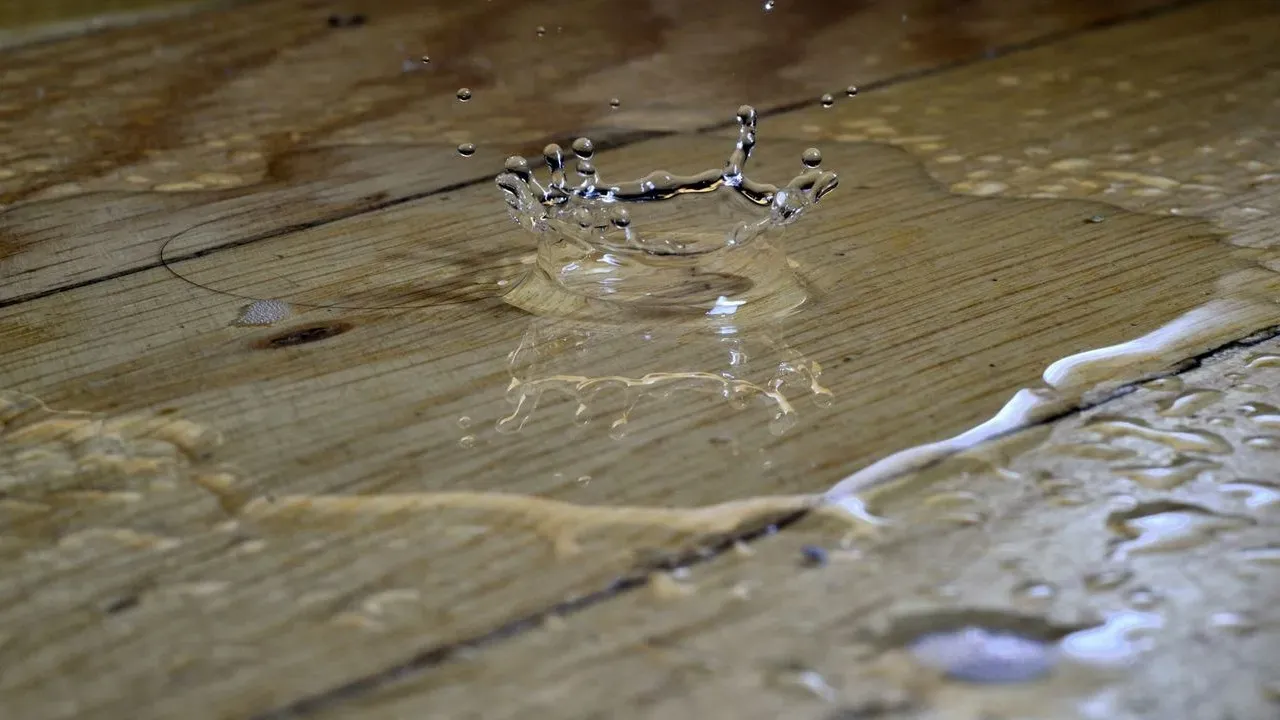

Many homeowners focus on indoor plumbing when thinking about water damage, yet the real trouble often begins outside in the yard and garden. Poor drainage, neglected gutters, and improper grading allow rainwater to pool against foundations, seep into basements, and create conditions for mold and structural harm. These issues build gradually through everyday landscaping oversights rather than sudden disasters. Understanding how outdoor features interact with weather patterns helps homeowners address risks before they escalate into expensive repairs.
Why Outdoor Drainage Failures Lead the Way
Water damage rarely announces itself with a dramatic indoor leak. Instead, it frequently traces back to how a property handles rainfall and runoff from the surrounding landscape. When soil slopes toward the house or gutters overflow, moisture finds its way under siding and into crawl spaces, often going unnoticed until floors warp or walls show stains. This pattern holds across many regions because yards and gardens are the first line of defense against excess water. Clogged downspouts or compacted soil near the foundation simply redirect flow in the wrong direction, turning routine storms into persistent problems that affect both the home and any nearby plantings.
Landscaping Choices That Invite Trouble
The way a garden is laid out plays a direct role in water management. Heavy mulch piled against the house, flower beds that trap moisture, or trees planted too close to the structure can all contribute to hidden saturation. Over time these elements prevent proper evaporation and allow water to linger where it should drain away. Grading the ground so it slopes gently outward from the foundation remains one of the most effective corrections. Homeowners can also adjust plant placement to avoid blocking natural flow paths and ensure downspout extensions carry water several feet from the building. These adjustments protect both the structure and the long-term health of the garden itself.
Seasonal Yard Upkeep That Prevents Surprises
Different times of year bring distinct outdoor maintenance needs. In fall, clearing leaves and debris from gutters and downspouts ensures water moves freely instead of backing up under eaves or into attics. Disconnecting and storing hoses before freezing weather arrives stops bursts that can saturate nearby soil. Spring offers a chance to inspect roof edges and confirm that sump pumps function ahead of heavier rains. Summer checks focus on sprinkler systems that might leak near the foundation, while winter calls for monitoring snow melt routes around the property. Consistent attention to these outdoor tasks reduces the chance of indoor surprises later.
Early Detection and Professional Support
Even careful yard maintenance cannot eliminate every risk. Smart leak sensors placed in basements or near foundation walls provide alerts when moisture appears, allowing quick response before damage spreads. For larger issues, professional restoration teams bring equipment that dries affected areas thoroughly and limits mold growth. Homeowner insurance typically covers sudden events but excludes gradual problems from poor drainage. Reviewing policies annually and keeping contact information for plumbers and restoration services ready helps families respond calmly when water appears unexpectedly. Proper attention to yard grading, gutters, and garden layout turns potential vulnerabilities into reliable protection. These steps safeguard both the home and the outdoor spaces that make a property enjoyable year-round.
AI Disclaimer: This article was created with the assistance of AI tools and reviewed by a human editor.