
Cast iron skillets have survived centuries of cooking, been passed down through families, and outlasted practically every kitchen trend imaginable. So it’s genuinely puzzling when yours shows up with rust spots after just a few months. You seasoned it, you cleaned it, and you stored it properly. Or so you thought.
The truth is that cast iron rusts for reasons that most people don’t fully understand, and a few of the culprits are things that feel completely harmless or even responsible. Here’s a closer look at what’s actually happening to your pan, and why.
Cast Iron Is Pure Iron, and That’s the Whole Problem
Cast iron is just pure iron. It’s not stainless steel, which is iron that has chromium added to the formulation. That chromium in stainless steel forms a protective oxide layer on the surface that prevents rust from taking hold. This chromium produces a chromium oxide layer on the surface, preventing an iron oxide layer from forming. So bare cast iron will rust rapidly. To prevent this, we season the pan.
This is the foundational fact that explains everything else. Your pan has no built-in defense against moisture and oxygen. Every other mistake on this list is essentially just a way of removing or bypassing the one protection it does have: its seasoning.
You’re Not Drying It Thoroughly Enough
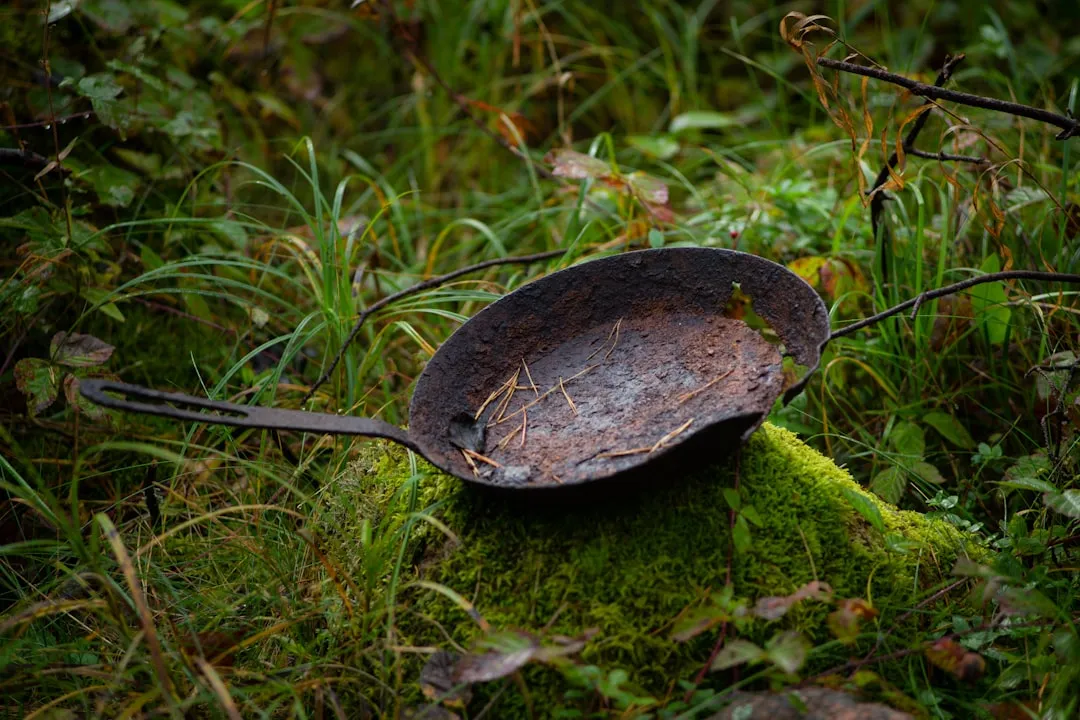
Rust forms whenever you leave water on your cast iron for too long. Iron is porous, so there may still be excess moisture on the surface that you can’t see, even if it looks dry. This is the quiet trap. The pan looks fine, feels dry to the touch, and then gets put away with enough trapped moisture to start a rust reaction overnight.
After washing, dry your cast iron cookware immediately with a clean towel. To ensure complete dryness, place the cookware on low heat on the stovetop for a few minutes. This helps evaporate any remaining moisture. Skipping the stovetop step is one of the most common and underestimated mistakes home cooks make.
The Dishwasher Is Quietly Destroying Your Seasoning
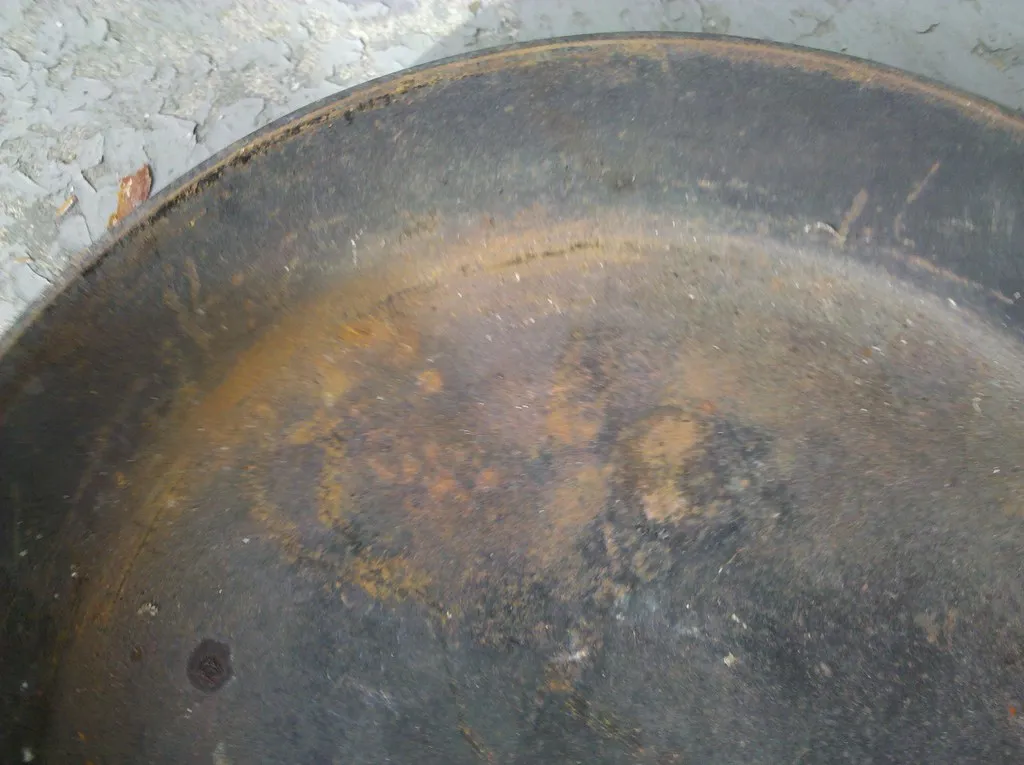
Cast iron cookware should be washed by hand. A dishwasher will remove the seasoning and likely cause rust. The problem isn’t just the water itself. The water jets and harsh detergents strip away the solid seasoning you may have spent years building on your cast iron skillet.
The prolonged exposure to water in a dishwasher is too much for cast iron. The heat dry setting doesn’t do a fantastic job either; it tends to leave a ton of moisture behind. Even one dishwasher cycle can undo months of careful cooking and seasoning work, leaving bare iron fully exposed.
Your Seasoning Layer Is Thinner Than You Think
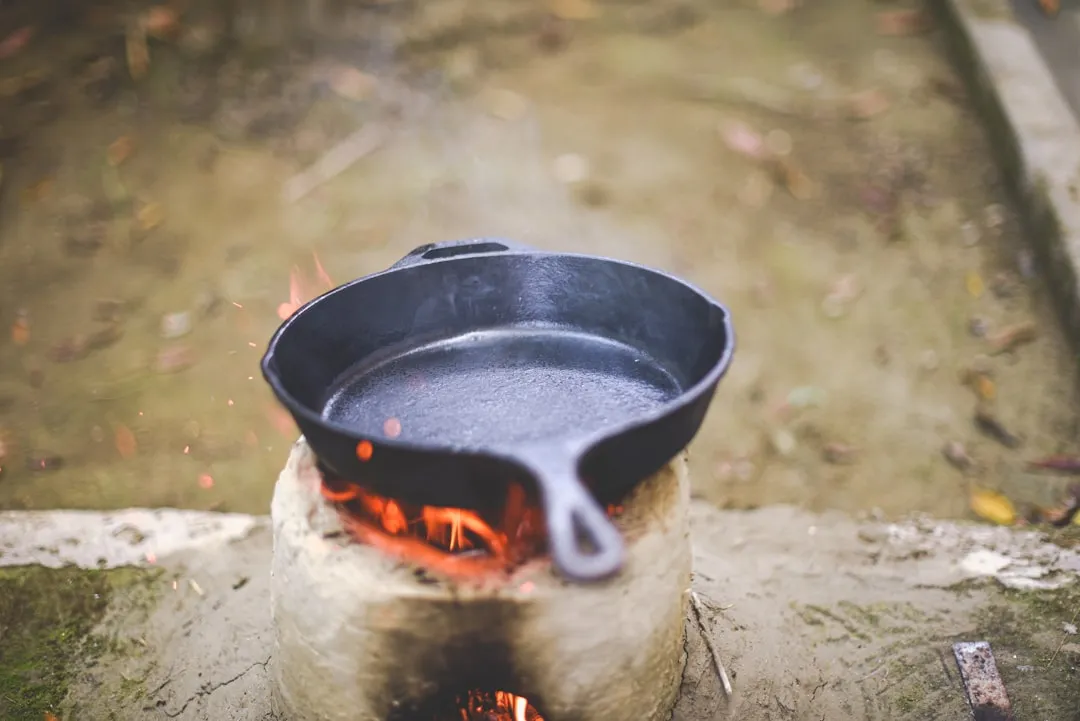
Cast iron seasoning is a thin layer of oil that’s bonded to the surface of the iron through heat. That process creates a protective, naturally non-stick coating that helps food release more easily and keeps the skillet from rusting. The issue is that this layer isn’t indestructible and, in many cases, it’s far thinner than people assume.
Factory seasoning is functional, but it’s not fully developed. Think of it as a starter coat, not a finished surface. You can cook on it right away, and many people do. But it’s normal and expected for seasoning to improve as you use the pan. If you’ve never built up on that factory coating, you may be cooking on a thinner protective layer than your pan actually needs.
Cooking Acidic Foods Is Stripping the Protection
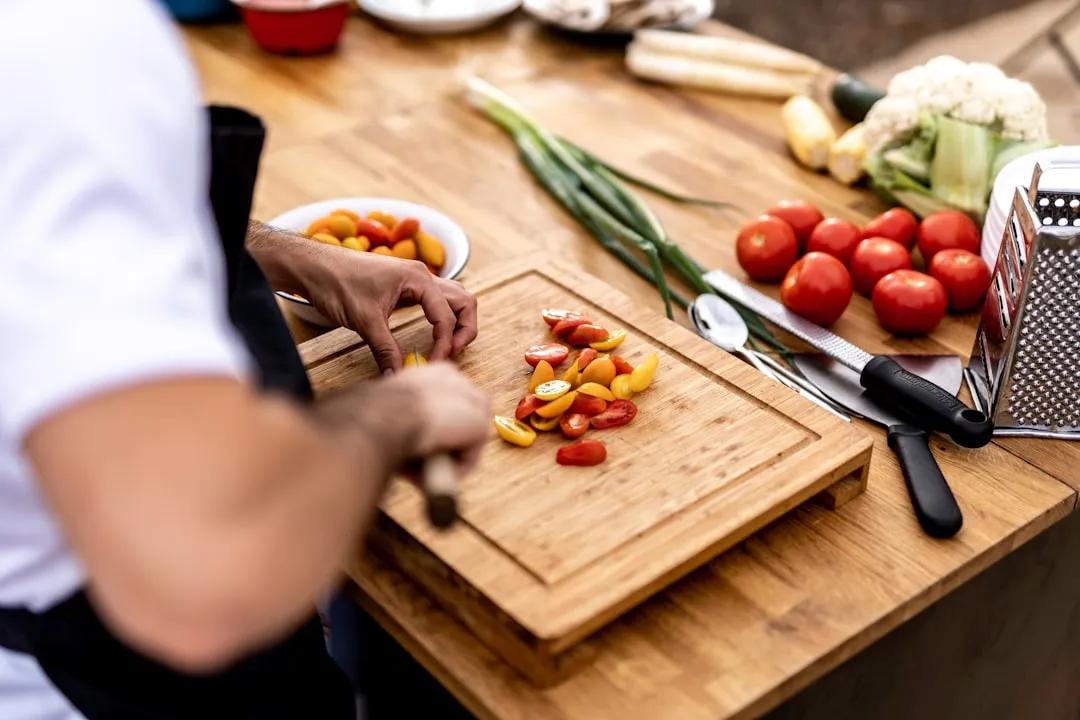
While cast iron is lauded for its ruggedness, certain acidic foods and liquids can strip away seasoning, increasing the risk of rust. Limit the cooking of highly acidic foods and avoid soaking your cookware. Think tomato-based sauces, citrus, and vinegar-heavy dishes. These are the foods that feel perfectly fine to cook but quietly do damage over time.
A Virginia Tech food scientist put a useful nuance on this. A properly seasoned pan can be used with acidic foods, but is not the best choice if the food will be simmered for a long time, like tomato sauce. For that application, enamel coated cast iron would make a lot more sense. Cooking highly acidic foods for extended periods can strip the seasoning and expose the iron to moisture. If you do cook acidic foods, re-season the cookware afterward.
You’re Storing It in the Wrong Spot
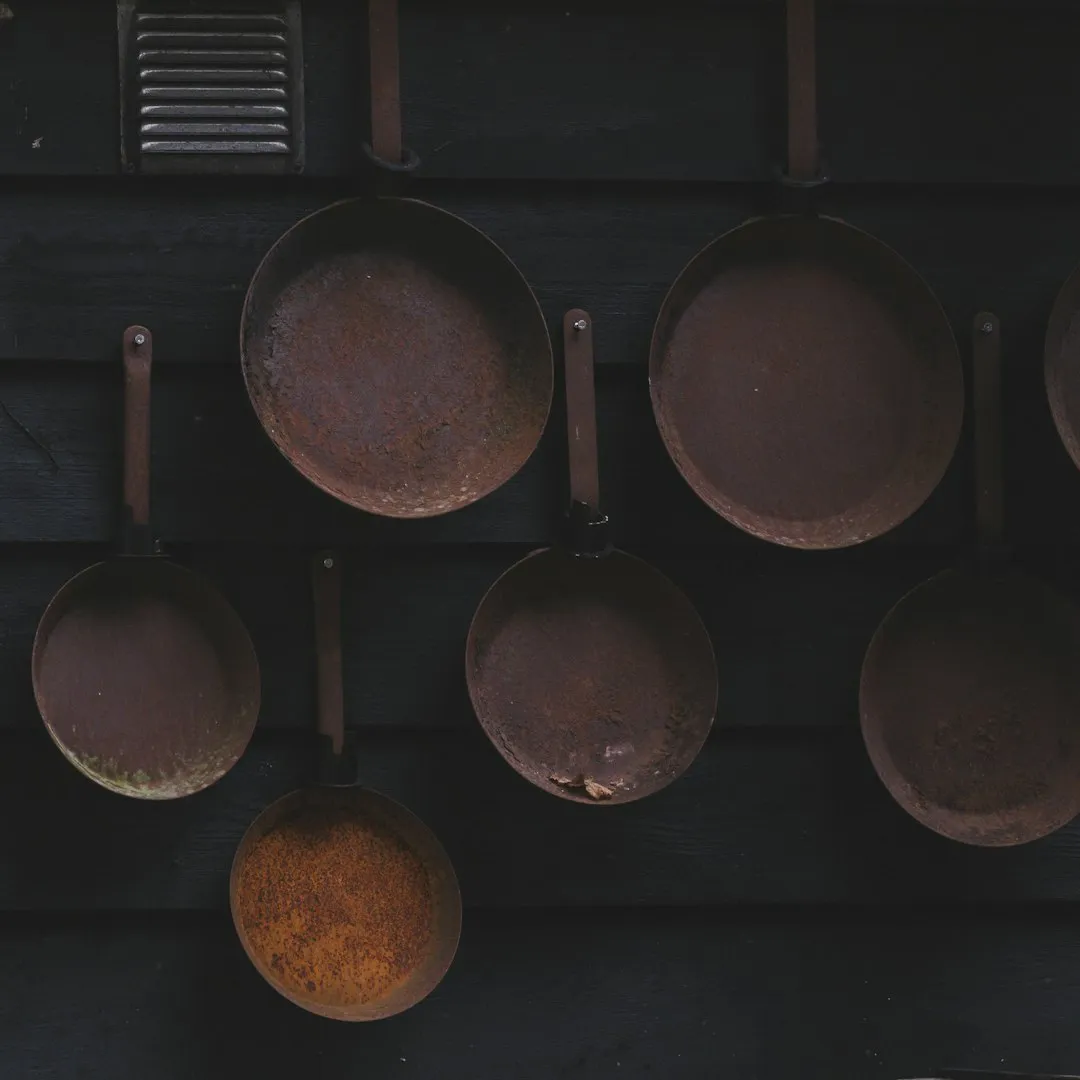
Moisture is the enemy of cast iron, making storage conditions pivotal in preventing rust. Ensure your cast iron cookware is completely dry before storing it. Some enthusiasts recommend placing a paper towel inside the cookware to absorb any residual moisture and leaving lids ajar to allow air circulation.
Think about those spots in the kitchen that can tend to be a bit more damp than others. A cabinet near or under the kitchen sink probably isn’t the best place to store your cast iron. Store your cast iron cookware in a cool, dry environment. Humidity can lead to rust formation. A drawer by the stove or an open hook on a dry wall is genuinely better than a closed cabinet near the sink.
Air Drying Instead of Heat Drying Is a Hidden Culprit
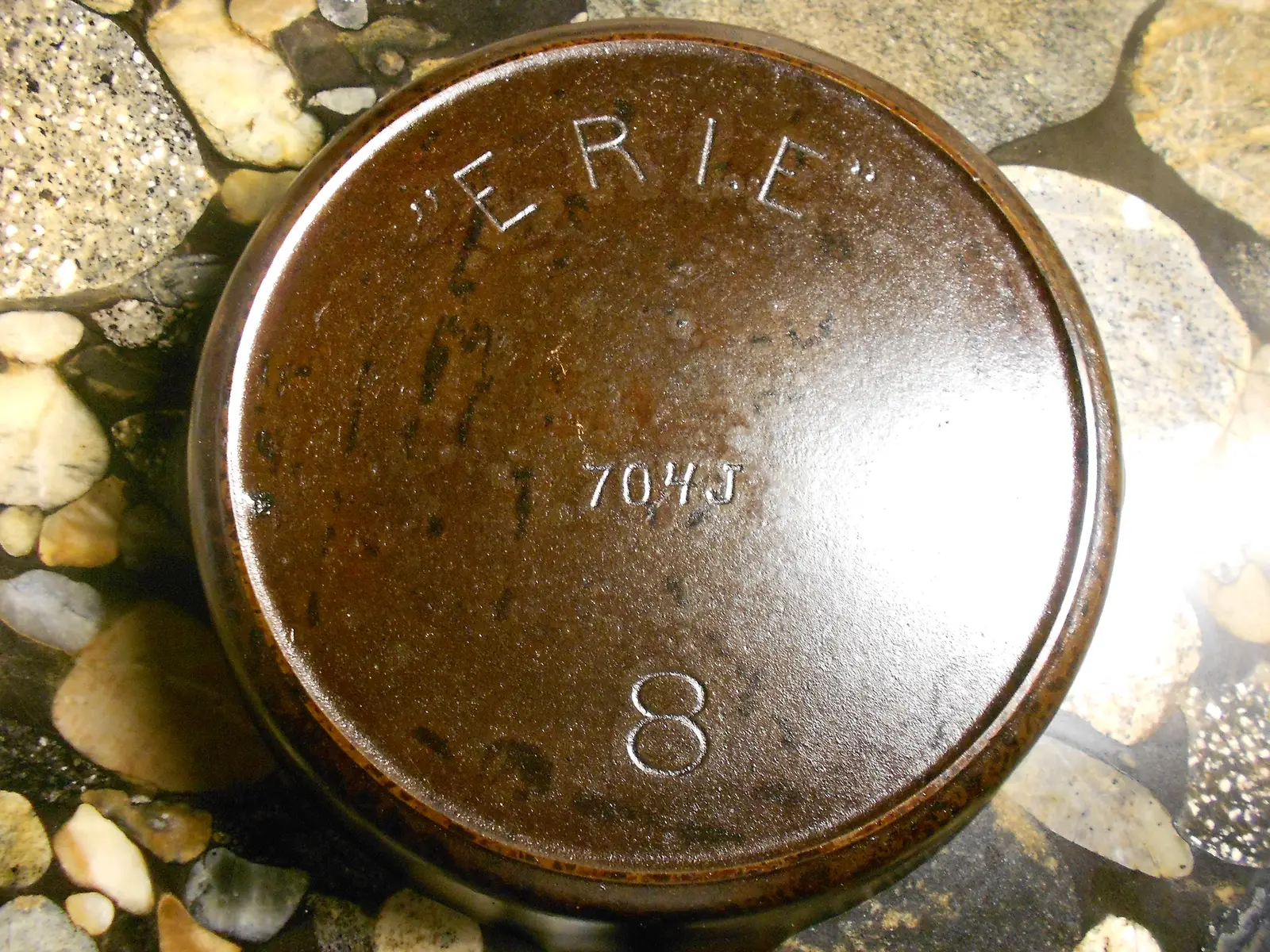
While an occasional air dry may not be detrimental to your cast iron, it should be noted that air drying could be the cause of your rusting problems if nothing else seems to be the culprit. Most people assume a quick pat-down with a kitchen towel is enough. It usually isn’t.
Heating the skillet up on the stovetop directly after washing, coating it in a layer of oil to maintain the seasoning, and putting it in its storage spot after cooling is a reliable method. This quick heating ensures that all remaining water evaporates from the pan. The heat does what a towel physically can’t: it reaches the microscopic pores in the iron itself.
The Soap Myth Is More Complicated Than You’ve Been Told
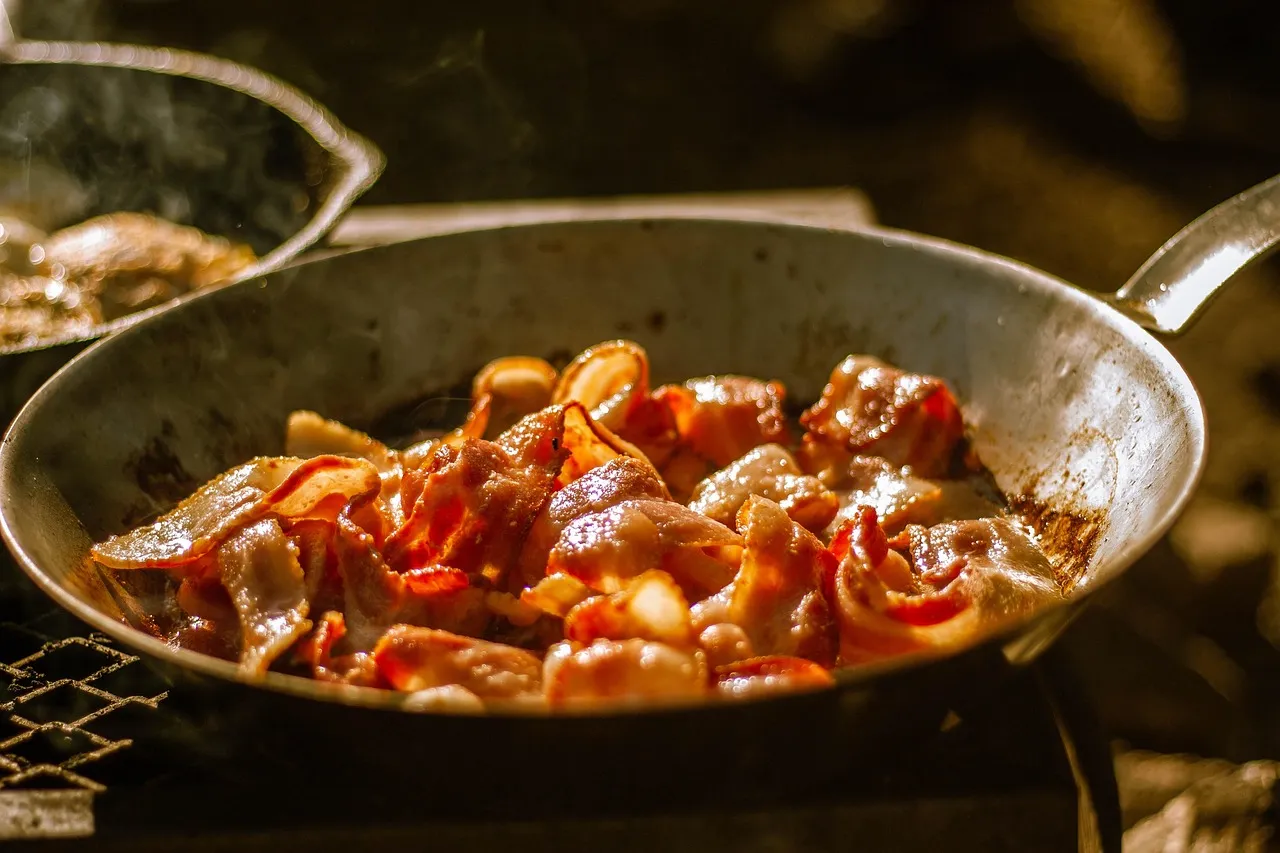
The old rule that soap destroys cast iron seasoning is one of the most persistent pieces of kitchen folklore. A food scientist at Virginia Tech has weighed in on this. Washing with soap will not wash off the protective layer since that layer is polymerized. The seasoning is chemically bonded to the surface, not sitting loosely on top of it.
Still, there’s a line worth respecting. A properly seasoned pan really doesn’t need more than washing out old food crumbs and wiping down with oil after each use to make sure the seasoning layer stays intact. Aggressive scrubbing with harsh soap repeatedly is different from an occasional gentle wash, and that distinction matters for long-term rust prevention.
You’re Not Re-Seasoning After Heavy Use
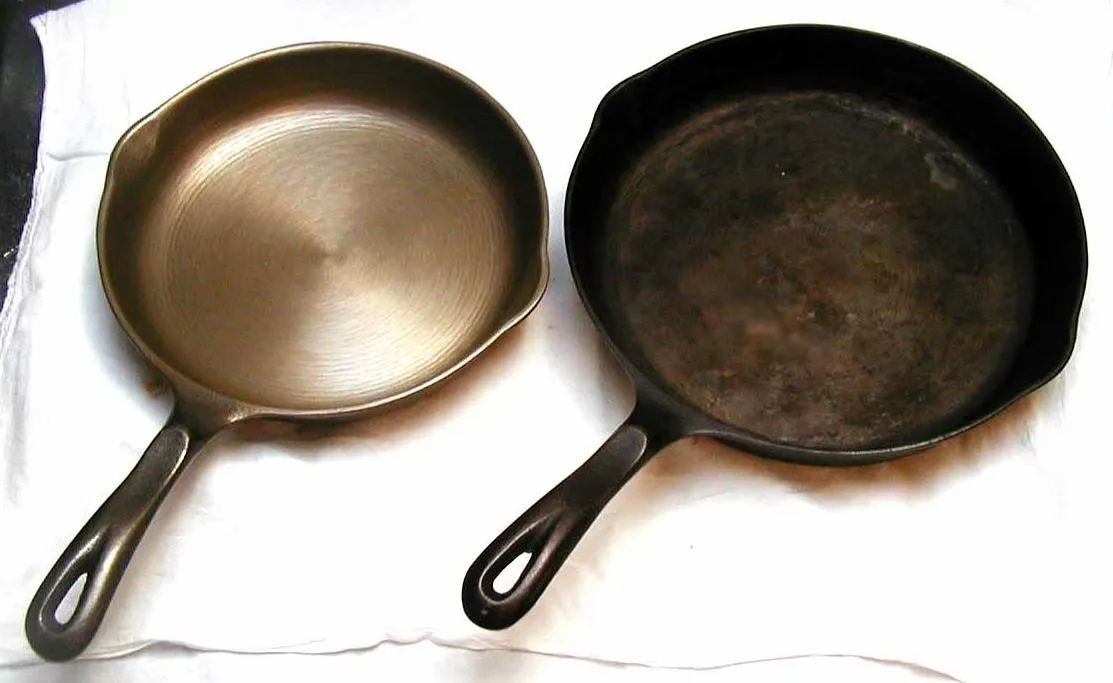
Seasoning creates a protective layer on cast iron. Without enough seasoning, the metal is open to air and water. This layer stops moisture from touching the iron surface. If seasoning wears off or is thin, rust can form quickly. The problem is that many cooks season once and never think about it again.
Seasoning involves adding a small amount of oil or fat to the pan and allowing it to polymerize. During this process, the oil molecules react to heat and combine to form larger molecules. This creates a thin protective layer in the pan that prevents rust and gives it its nonstick properties. Season your cast iron cookware regularly, especially after heavy use or cleaning. Aim to re-season every few months or whenever you notice food starting to stick.
Rust Is Actually Reversible, and That’s the Good News
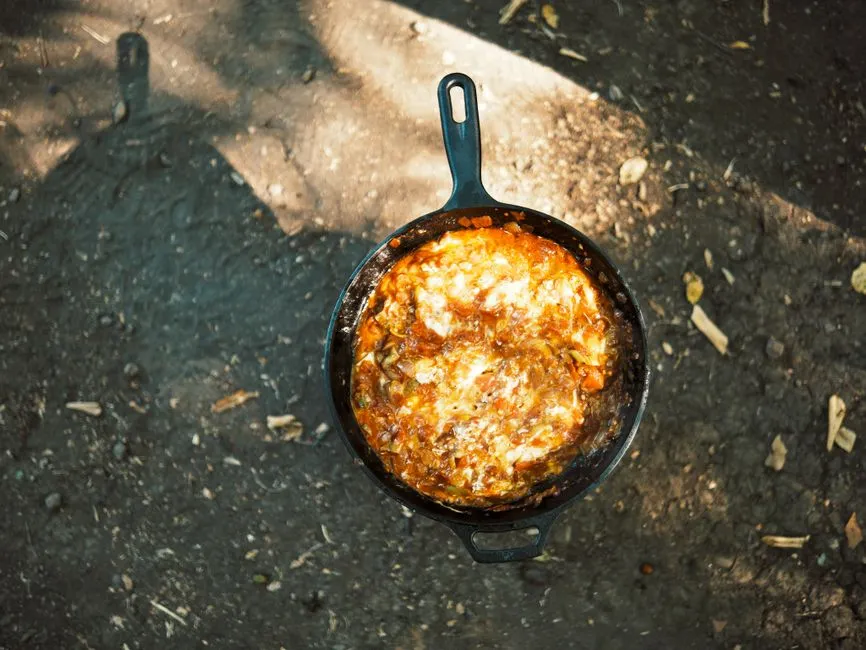
Encountering rust on your cast iron doesn’t signify the end. In many cases, rust is merely surface-level and can be removed with a little elbow grease. Use a mixture of coarse salt and water to scrub the rust away gently, then rinse and dry the cookware thoroughly. Once clean, re-season the pan to restore its protective coating.
In most cases, the rust you’re trying to remove from cast iron will only be on the surface and can be addressed fairly easily. Even if you think you need to completely strip your pan, chances are a few straightforward steps will take care of the rust. Regardless of the extent of the rust, you don’t have to jump to throw your skillet out. The pan that looks ruined is almost always the pan that just needs an hour of attention.
The Bigger Picture: It’s About Consistency, Not Perfection
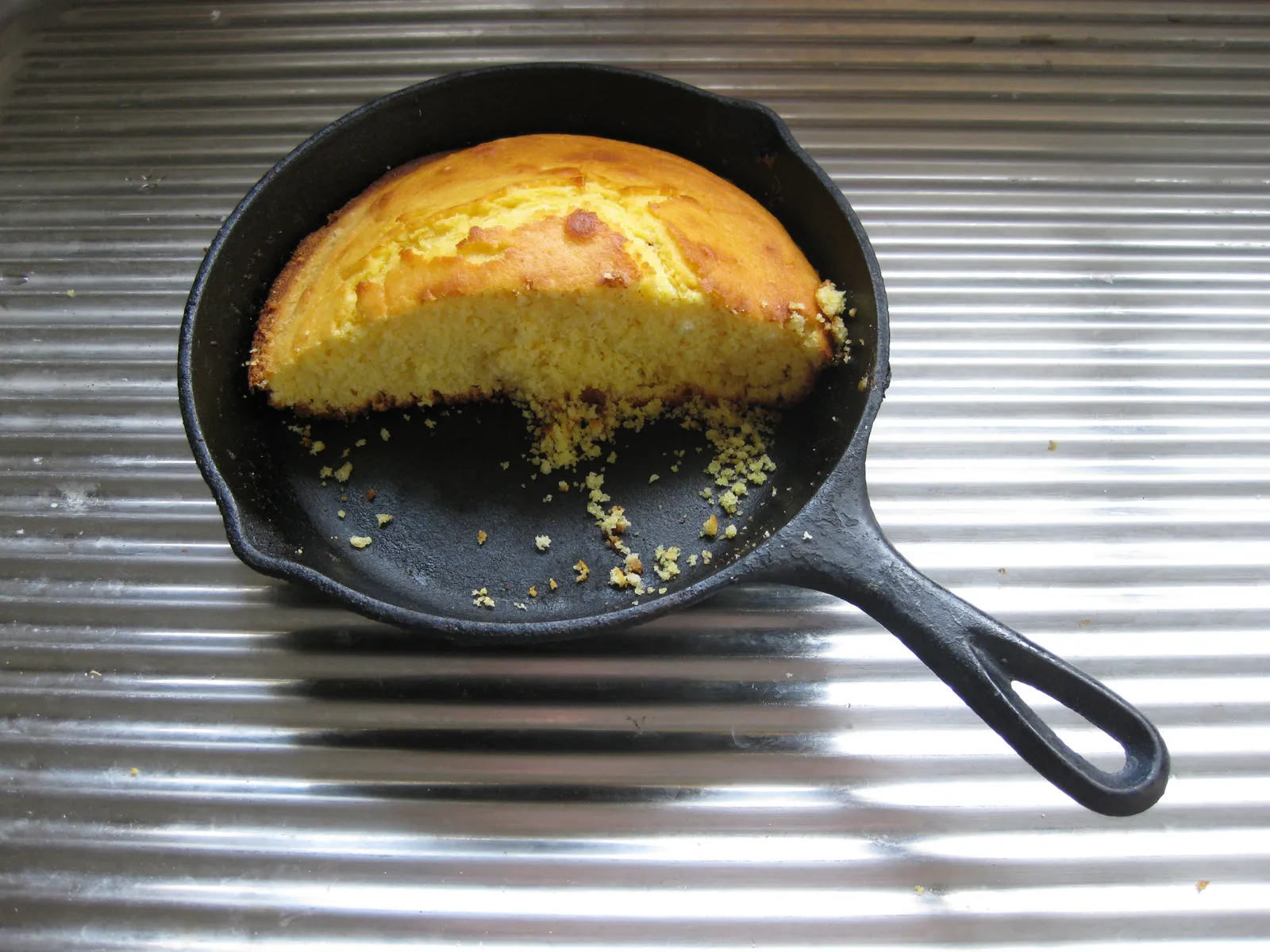
Cast iron care isn’t about following a rigid checklist every single time you cook. It’s about understanding what the metal actually needs, so that when you skip a step, you know the consequences and can course-correct. There’s a lot of mythology out there around cast iron pans. There’s a bit of a learning curve for cooking and maintaining them, but they last a lifetime and are pretty much indestructible.
If there’s one key takeaway, it’s that rust and most other cast iron care issues can be fixed with a little extra maintenance and plenty of cooking. Always dry your pan thoroughly, coat it with a thin layer of seasoning oil, then use it to make your next meal – this will prevent rust from forming and solve any seasoning issues.
The surprising reason your skillet is rusting probably isn’t one dramatic mistake. It’s most likely a small, repeated habit that seems harmless, like letting it air dry or sliding it into a damp cabinet. Fix one or two of those habits, and your pan may well outlast you.
AI Disclaimer: This article was created with the assistance of AI tools and reviewed by a human editor.