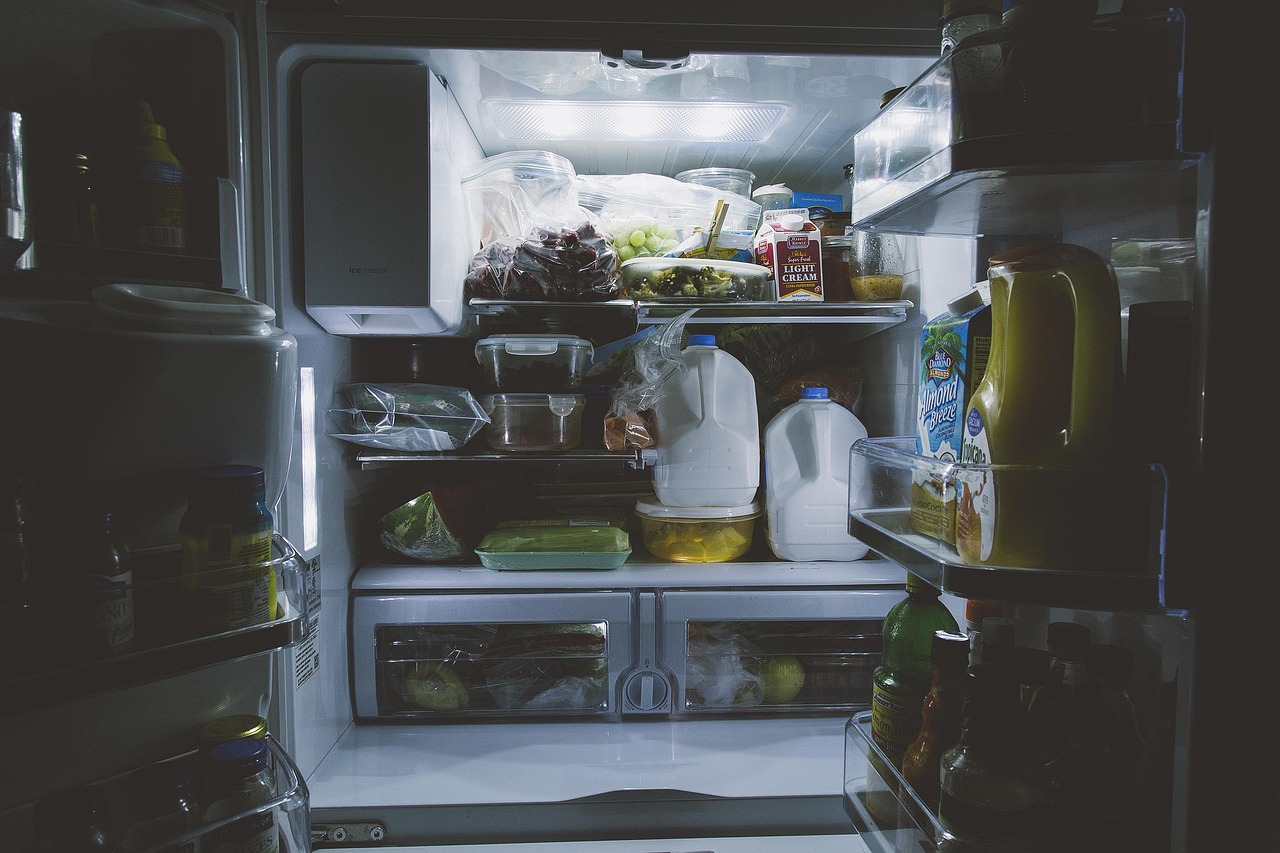

Most people treat the refrigerator as a kind of insurance policy. Put it in cold, and it’s fine. That assumption, comfortable and convenient as it is, turns out to be behind a lot of spoiled produce, wasted meat, and quietly ignored leftovers. The fridge is doing its job. The question is whether we’re doing ours.
The USDA Economic Research Service estimates that 30 to 40 percent of the entire U.S. food supply goes to waste. Much of that loss happens not at the farm or the factory, but in the home kitchen. Specifically, inside the refrigerator. Fixing a handful of everyday habits can make a real difference in how long your groceries actually last.
Running Your Fridge at the Wrong Temperature
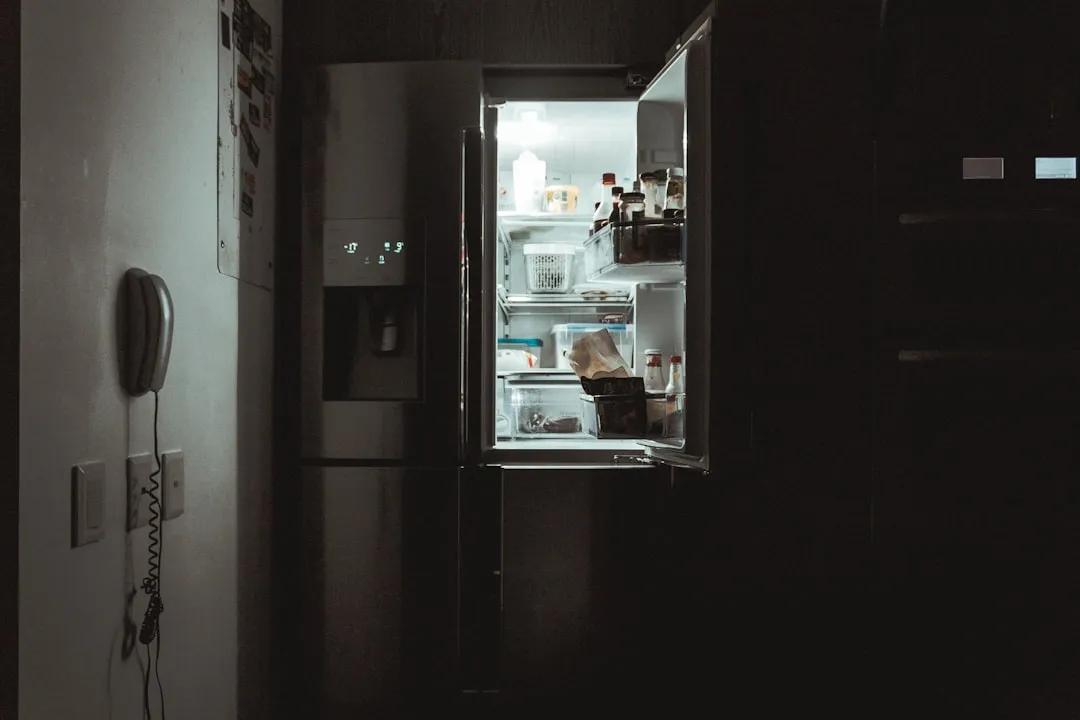
This is probably the single most widespread mistake, and it’s almost invisible. Most people set their refrigerator once and never check it again. What many people don’t realize is that the temperature inside a refrigerator plays a critical role in food safety, and when it’s off by even a few degrees, the consequences can be severe.
Bacteria grow most rapidly in the range of temperatures between 40 and 140 degrees Fahrenheit, the “Danger Zone,” some doubling in number in as little as 20 minutes. So the margin isn’t as generous as it seems.
The French national food safety agency ANSES noted that a recent EU-wide study showed that the average temperature of refrigerators in Europe is slightly higher than recommendations, at around 43.5 degrees Fahrenheit, compared to the recommended maximum of 39.2 degrees Fahrenheit. It’s very likely that many American households are in a similar range. Testing done by Consumer Reports revealed that an average refrigerator temperature should ideally be 37 degrees Fahrenheit to keep food fresh without over-chilling.
Overpacking the Fridge So Air Can’t Move

It feels efficient to fill the fridge after a big grocery run. In practice, it often backfires. Overfilling your fridge can lead to improper airflow and uneven cooling, meaning foods that aren’t kept at the right temperatures will expire much sooner than usual.
Overloading prevents cool air from circulating, resulting in hot spots in the refrigerator, and a fridge that doesn’t cool food sufficiently even when the temperature settings are low. When temperatures rise above 40 degrees Fahrenheit, food can quickly become a breeding ground for bacteria, resulting in spoilage and increasing the risk of food poisoning.
The FDA explicitly advises avoiding overpacking, noting that cold air must circulate around refrigerated foods to keep them properly chilled. Leaving some open space isn’t wasteful. It’s how the appliance is designed to work.
Leaving Food Uncovered on the Shelves
A quick meal, a rushed cleanup, and suddenly there’s an uncovered bowl sitting on the second shelf. It happens constantly, and it quietly accelerates spoilage. Leaving food uncovered exposes it to air and moisture, which fosters bacterial growth, and cross-contamination from storing raw meat above fresh vegetables can spread harmful bacteria.
Open food can be cross-contaminated with uncooked foods like raw meat, and uncovered food dries out quickly while absorbing fridge or food odors. Moving food to an airtight container or sealing it with plastic wrap before refrigerating will keep it fresh and prevent food spoilage.
Leaving food uncovered also allows flavors and odors to mingle, resulting in less-than-appetizing meals. The fix takes about ten seconds and extends the life of nearly everything in there.
Storing Raw Meat on the Wrong Shelf
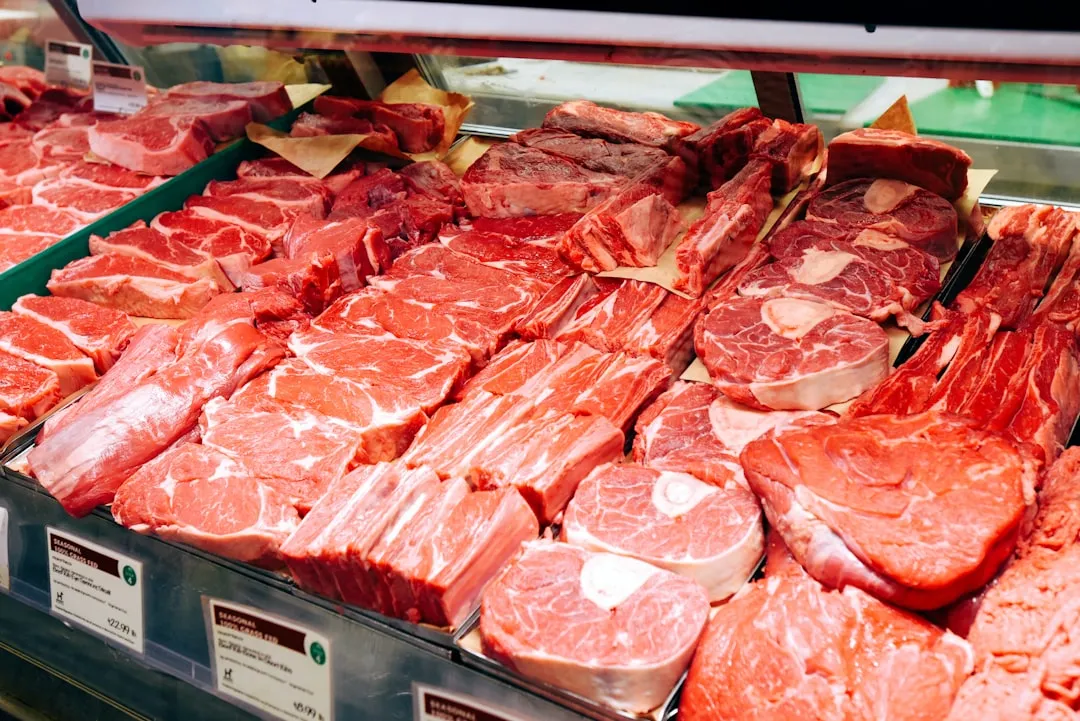
Where raw meat sits in the fridge matters more than most people realize. Uncooked meat, fish, and poultry should never be stored on the top shelf, as blood and other fluids can leak onto lower shelves, resulting in cross-contamination from bacteria such as E. coli and Salmonella dripping onto food meant for salads.
Any uncooked meat or fish should be stored on the bottom shelf and packed into watertight containers, keeping the top shelf only for cooked foods that are ready to be eaten. This one rule alone can prevent an enormous amount of unnecessary bacterial spread.
Getting rid of spills, especially drips from thawing meats, will help prevent cross-contamination, where bacteria from one food spread to another. It’s a straightforward discipline that pays off consistently.
Mixing Ethylene-Producing Fruits with Sensitive Vegetables
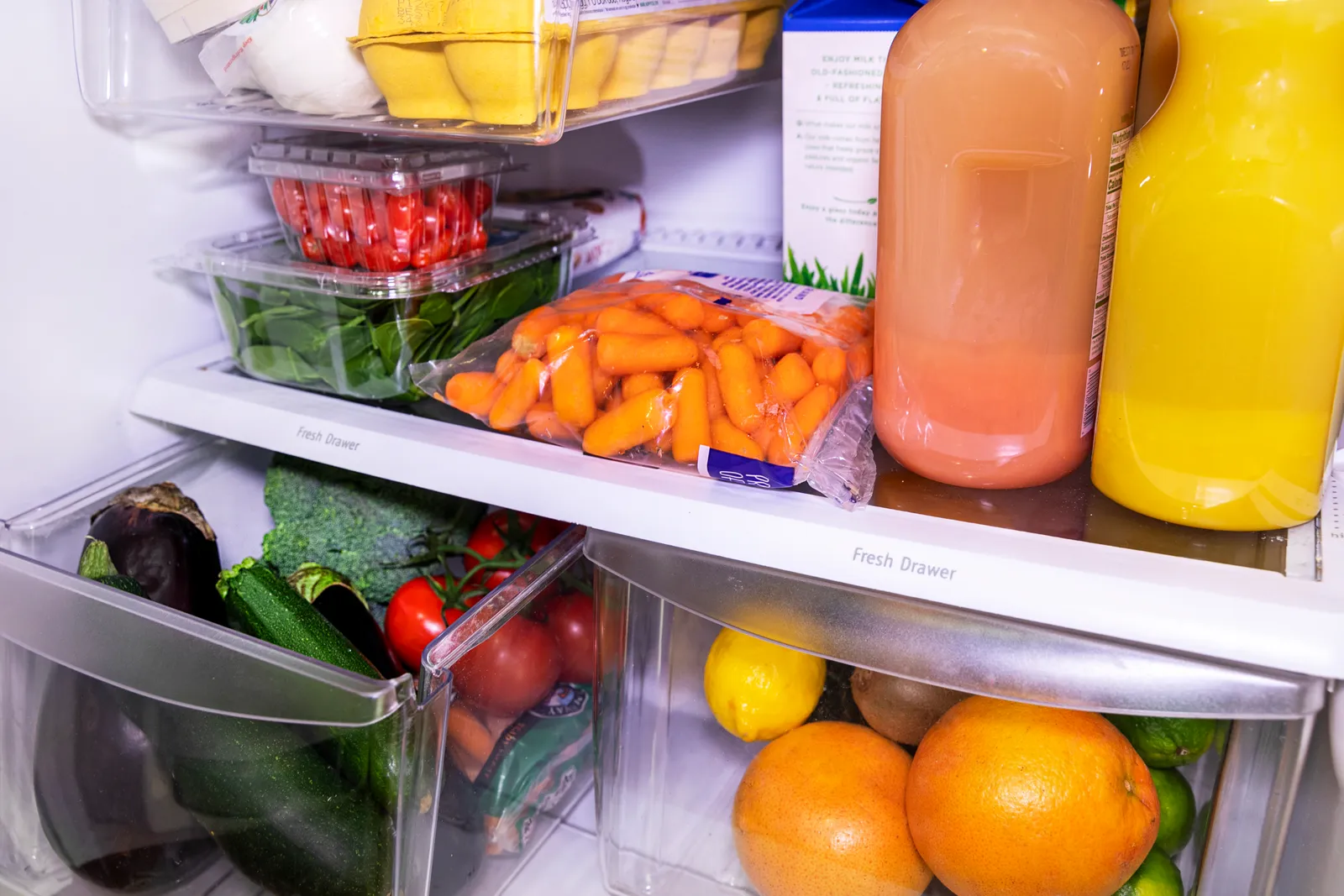
This mistake is almost completely invisible until the damage is already done. Storing high ethylene producers alongside ethylene-sensitive items in the same refrigerator or bowl accelerates spoilage dramatically, and this happens invisibly until the sensitive items are visibly over-ripe or damaged.
High ethylene producers include apples, avocados, bananas, tomatoes, melons, pears, and stone fruits, which actively ripen surrounding produce through the ethylene they release into enclosed spaces. Ethylene-sensitive items include leafy greens, broccoli, cauliflower, Brussels sprouts, kale, cucumbers, and carrots, which yellow, soften, and deteriorate even with modest ethylene exposure.
Keeping high ethylene producers in a separate crisper drawer from ethylene-sensitive vegetables is the most impactful single refrigerator organization change most households can make for reducing produce waste. Many refrigerators have two crisper drawers specifically because this separation is beneficial.
Refrigerating Foods That Should Stay at Room Temperature
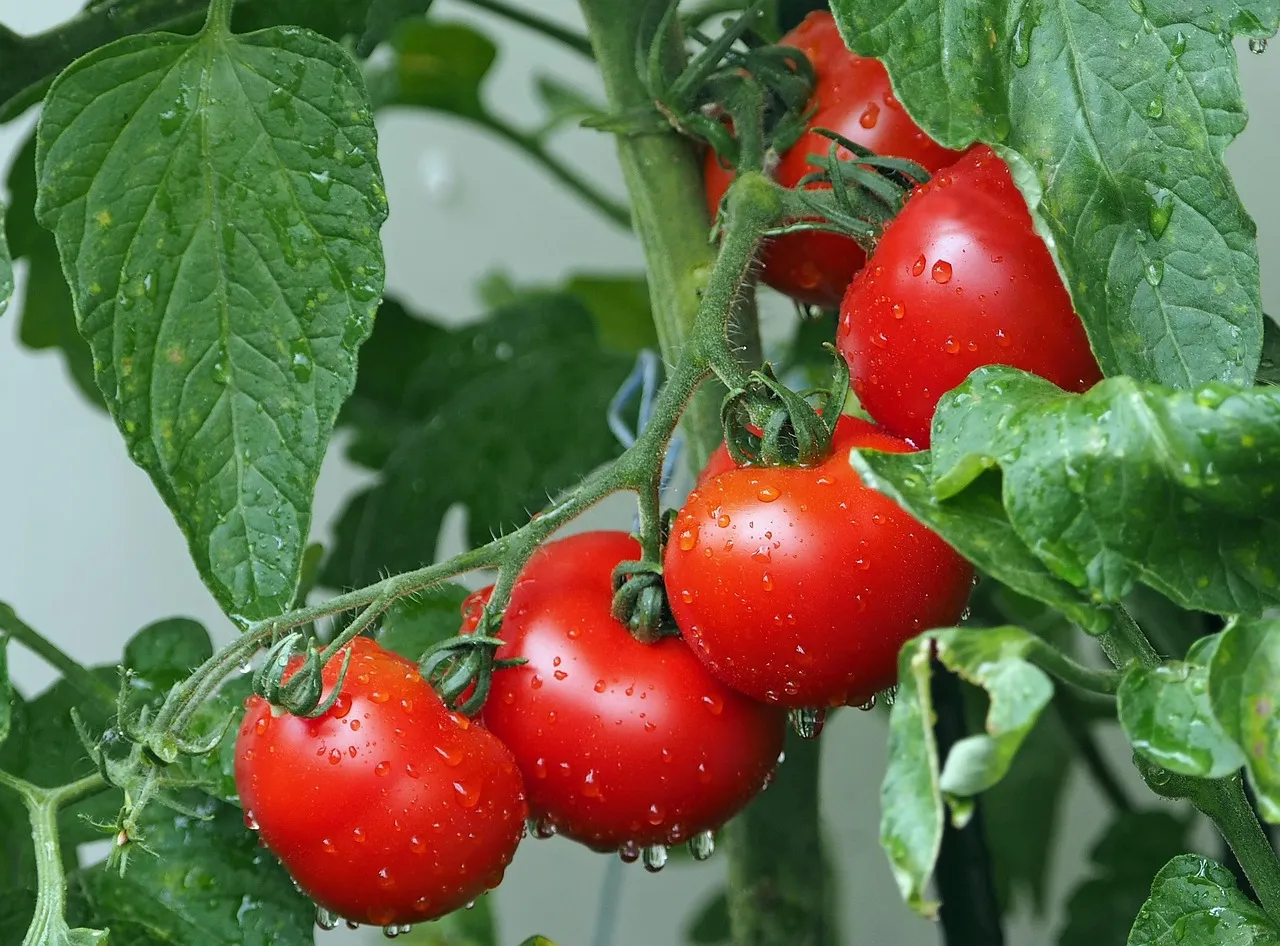
The impulse to refrigerate everything perishable-looking is understandable, but it actively harms certain foods. Dietitians and nutritional technologists argue that certain foods can and should be stored at room temperature, including tomatoes, melons, potatoes, garlic, citrus fruits, bananas, nectarines, pears, peaches, and onions. Chilling these foods can ruin their taste and texture.
Refrigerated tomatoes develop a mealy, mushy texture and lose the volatile compounds responsible for their flavor, because cold temperatures disrupt cell membrane function in ways that affect texture irreversibly, and because the enzymes responsible for developing tomato flavor compounds become inactive below certain temperatures.
Refrigerating potatoes converts starch to sugar through an enzymatic process dramatically accelerated at cold temperatures, resulting in potatoes that taste noticeably sweeter than they should and cook unevenly. These aren’t spoilage issues in the bacterial sense, but they represent real quality loss directly caused by refrigeration.
Putting Leftovers in Too Late
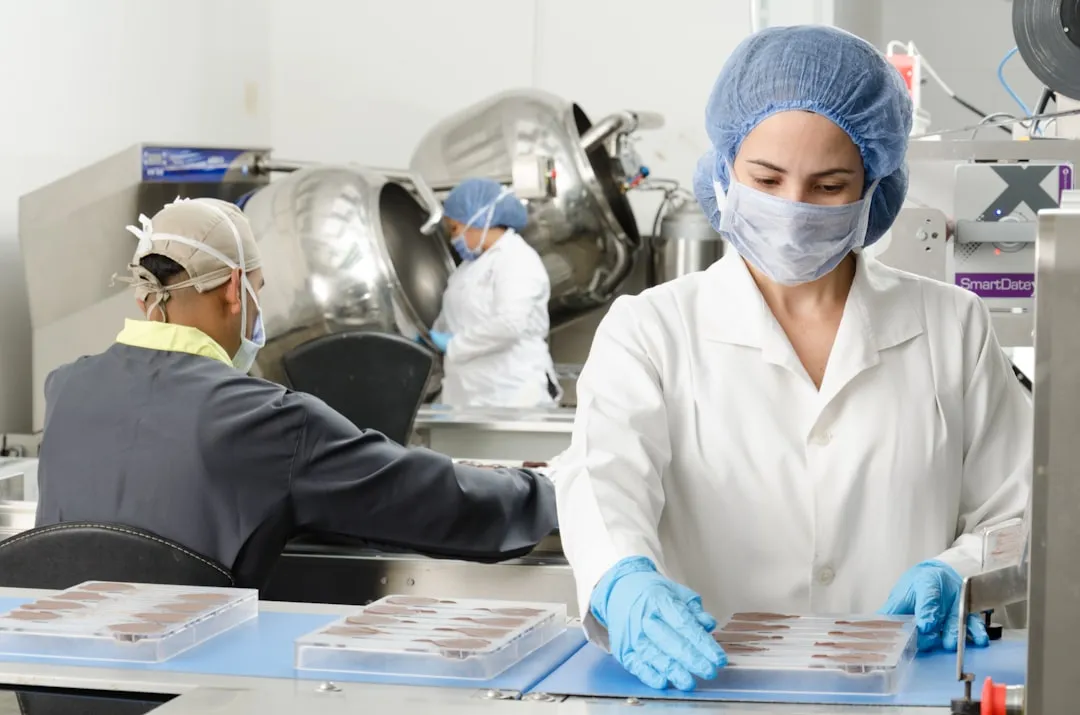
The post-dinner cleanup shuffle often pushes leftover storage to the last thing anyone thinks about. That delay has real consequences. One of the most common causes of foodborne illness is improper cooling of cooked foods. Because bacteria are everywhere, even after food is cooked to a safe internal temperature, they can be reintroduced to the food and reproduce. Leftovers must be put in shallow containers for quick cooling and refrigerated within two hours.
Within two hours of cooking food or after it is removed from an appliance keeping it warm, leftovers must be refrigerated. All perishable foods left at room temperature for more than two hours should be thrown away, and that window drops to just one hour if the temperature is over 90 degrees Fahrenheit.
Leftovers are a great way to make meals go further, but if you haven’t eaten them within three to four days, throw them out. Even if you don’t see obvious signs of decay such as mold, the food can still be dangerous to eat, because bacteria will start growing and cause food spoilage that can make you sick.
Storing Dairy and Eggs in the Fridge Door
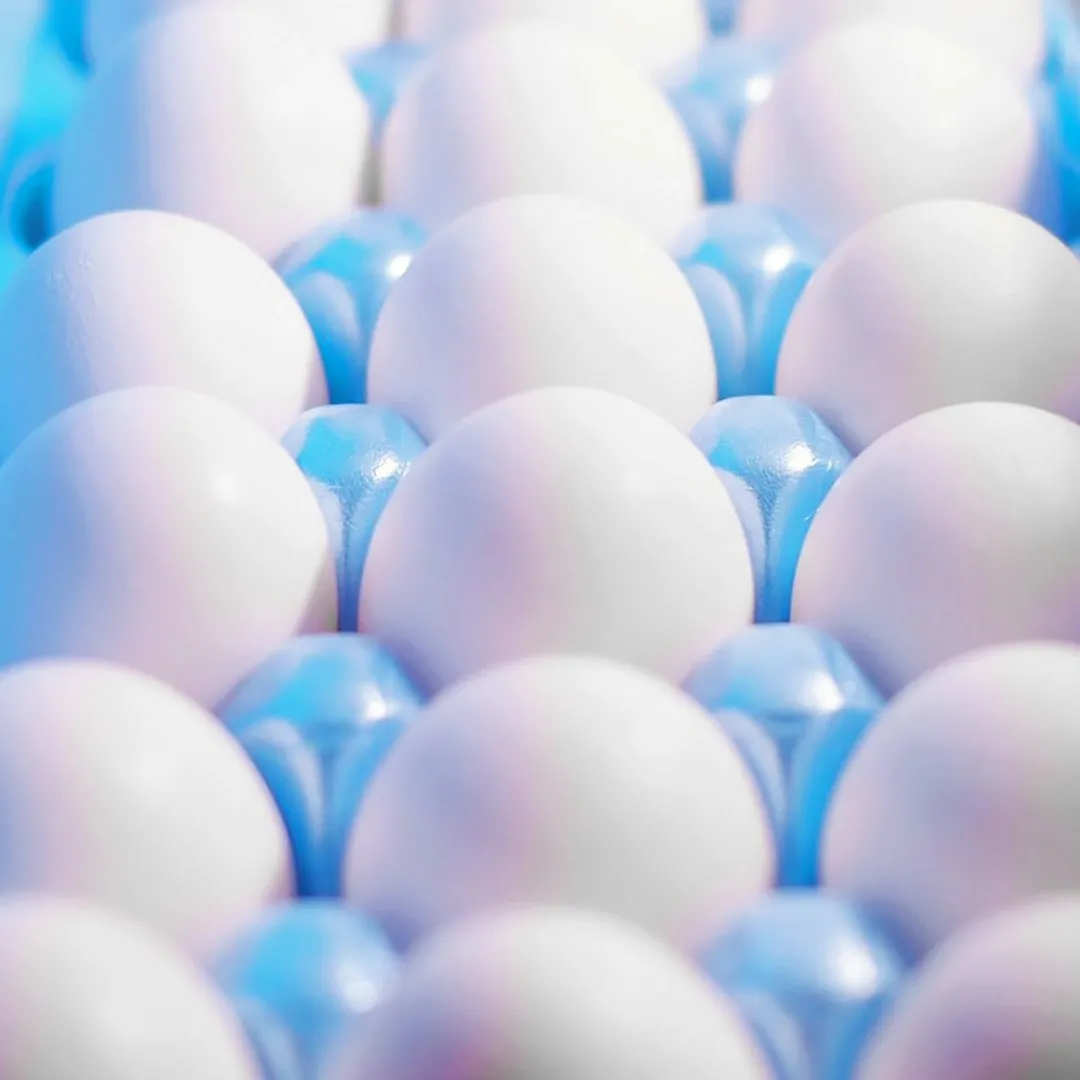
The door of the refrigerator seems designed for convenience. Those little molded compartments invite you to fill them with milk, eggs, and condiments. The problem is that the door is the warmest and least stable zone in the entire appliance. Storing eggs and dairy products in the fridge door is a mistake to avoid, as this zone can have temperature variations that will cause dairy to spoil prematurely.
Eggs need to be kept cold to ensure they stay super fresh for as long as possible. According to the American Egg Board, this means storing eggs in the carton on one of the interior shelves in your fridge, which experience a more consistent temperature, unlike the door where temperature fluctuates the most.
Keeping milk in the fridge door might be convenient, but milk stored there will spoil more quickly. Reserve the door for things that are genuinely shelf-stable and don’t mind temperature swings, like condiments and pickles.
Ignoring a Failing Door Seal

A worn or damaged door gasket is one of those slow-motion problems that most people never notice until food starts going bad faster than expected. Over time, door seals can fail, allowing warm air inside each time the door is opened. A system low on refrigerant also can’t keep foods as cold as needed.
Too much frost buildup can block airflow and cause temperatures to rise in some spots inside the fridge, which is why regular defrosting is important. A frost buildup that you can actually see is a sign the appliance is working harder than it should be.
When maintaining your kitchen appliances, make sure the coils are free of dust and gunk, check the rubber gasket seals for defects to keep cold air from leaking out, don’t overload the fridge’s capacity, and make sure the door shuts and seals properly. A quick visual check of the door seal every couple of months takes minutes and can prevent weeks of premature spoilage.
Forgetting What You Have Inside
This one cuts right to the heart of the food waste problem at the household level. It’s not always about bad storage habits. Sometimes it’s simply about visibility and memory. More than three in four Americans say a big reason they waste the food they do is because they forget it’s in their fridge or it gets lost among the clutter. The top reason Americans wastefully toss out food is because it spoils before they have a chance to eat it.
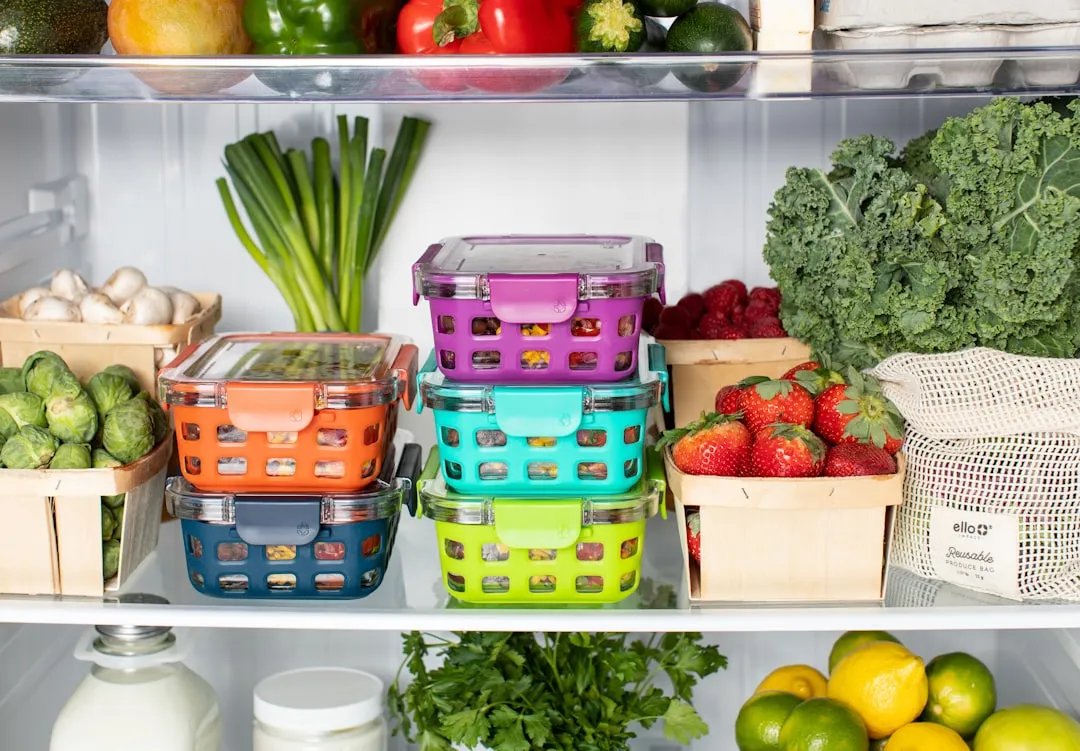
One effective way to minimize refrigerator food waste is to avoid storing food in opaque containers. Not being able to see what is inside makes it much easier to forget what’s there, meaning you’re less likely to reach for it when looking for a snack or ingredient.
ReFED data consistently shows that consumer and household-level waste is the single largest stage of loss in developed supply chains, accounting for approximately 39 percent of all food waste by weight in the U.S. In America, the most impactful place to reduce food waste is not the farm or the factory, but the home. Labeling containers, keeping a mental note of what needs to be eaten first, and organizing shelves by priority are all small habits that compound over time into meaningful savings.
The Real Cost of Getting This Wrong
These mistakes aren’t just inconvenient. They add up to a serious financial and environmental burden. As of March 2024 estimates, about 48 million cases of foodborne illness happen every year in the U.S., caused by various bacteria. Proper refrigerator habits are one of the most practical tools available to reduce that number.
One-third of all food produced globally is wasted, costing the U.S. an estimated $408 billion annually. At the household level, that translates directly to groceries thrown in the bin. Food waste represents approximately 11 percent of total annual food expenditures within and outside the home.
None of the fixes described here require new appliances or major effort. They require knowing which habits to change. Most of them come down to temperature awareness, smarter organization, and a bit of attention to what goes where. The refrigerator is already working. The job is simply to work with it.
AI Disclaimer: This article was created with the assistance of AI tools and reviewed by a human editor.