


Most pet owners know to keep chocolate out of reach and check ingredient labels for xylitol. What’s far less talked about is the garden itself. Some of the most beloved plants in American yards are quietly dangerous to dogs and cats, and many owners have no idea until something goes wrong.
Plant poisonings in pets are not uncommon, and they can present a wide variety of signs. The tricky part is that those signs often look like something else entirely – a stomach bug, fatigue, maybe just a rough day. By the time the real cause becomes clear, hours may have passed.
The Scale of the Problem Is Bigger Than You Think

In 2024, the ASPCA Animal Poison Control Center staff responded to more than 451,000 calls related to toxic substance, plant, and poison exposures in animals, representing a nearly four percent increase in calls compared to the year prior. That’s a striking number for what most people assume is a manageable, low-risk situation.
The ASPCA Animal Poison Control Center reported that in 2025, nearly eight percent of all calls were related to pets ingesting plants toxic to them, making plants sixth on their list of the top ten pet toxins. Plants ranked sixth overall, which means they outpaced several categories most pet owners consider far more dangerous.
Both indoor and outdoor plants can pose a threat to four-legged friends, so checking the ASPCA list of toxic and non-toxic plants before bringing anything new into your home or garden is strongly recommended.
Azalea: The Beautiful Shrub With a Hidden Bite
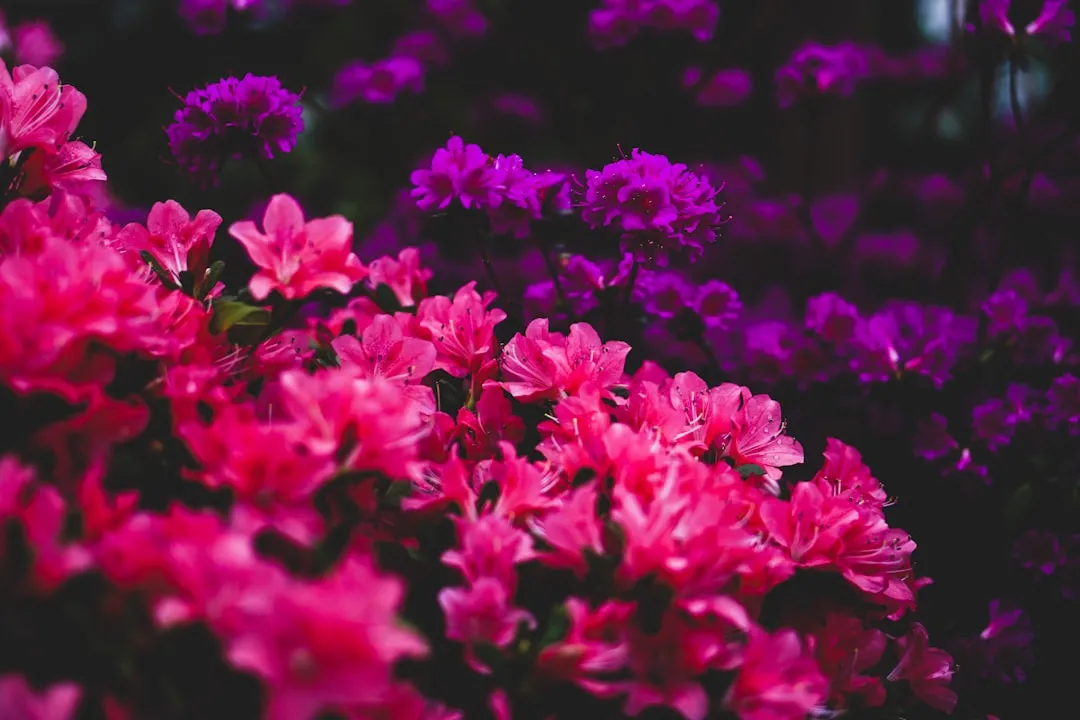
Azaleas belong to the Rhododendron genus and contain toxic compounds called grayanotoxins, which interfere with muscle function, particularly in the heart and gastrointestinal tract. They bloom in vivid pinks and purples every spring, which makes them one of the most popular landscaping choices in North America.
A pet only needs to ingest about 0.2 percent of their body weight to become ill. That means a 30-pound dog only needs to eat roughly half an ounce to one ounce of the plant to get sick. That’s a shockingly small amount for something sitting openly in so many front yards.
Azaleas and rhododendrons are widely used for their vibrant, full blooms, yet even small amounts can trigger vomiting, diarrhea, drooling, weakness, abnormal heart rhythms, and, in severe cases, cardiovascular collapse. The symptoms can escalate faster than most owners expect.
Sago Palm: One of the Most Lethal Plants in the Yard
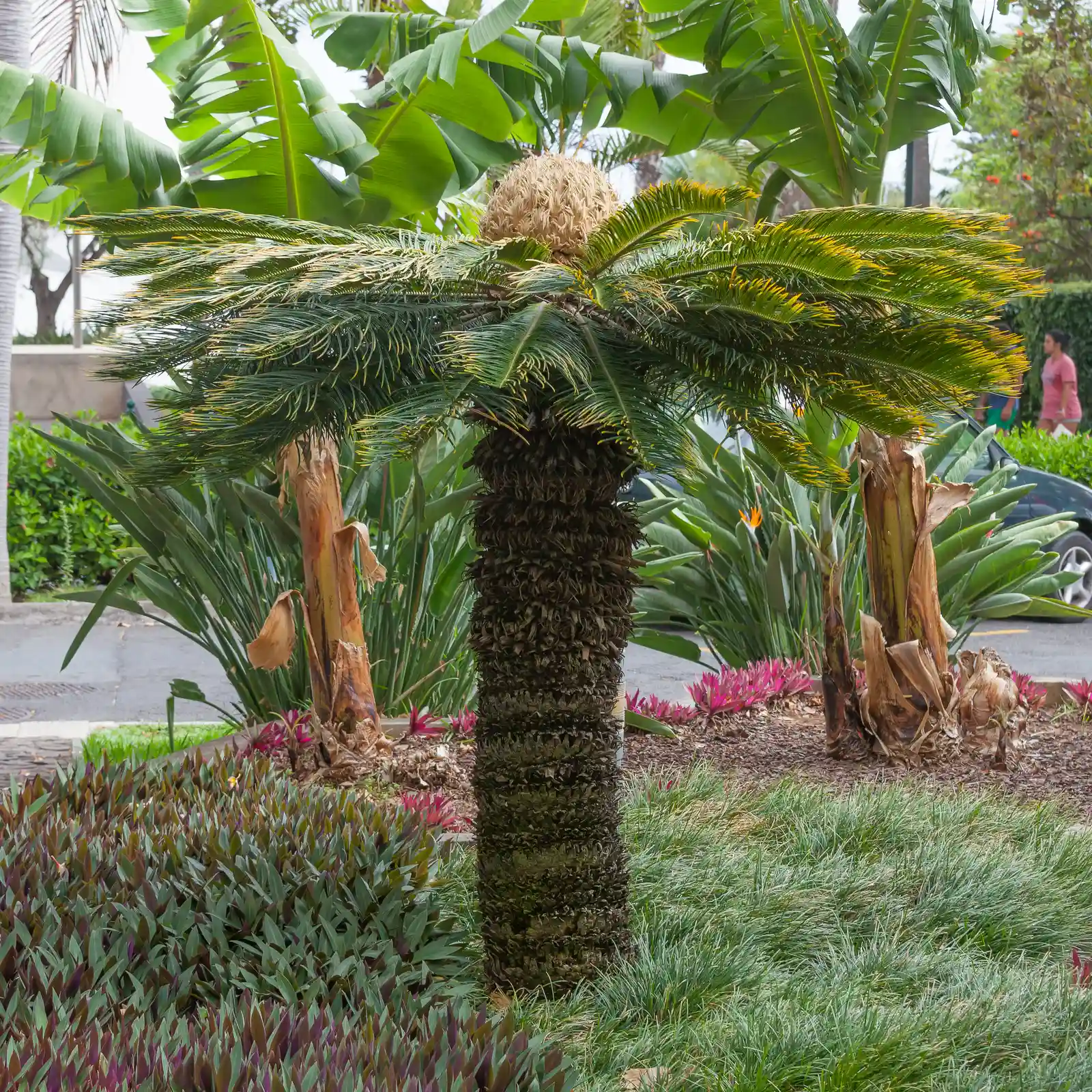
Sago palms are among the most toxic plants for dogs. Attractive landscaping specimens can hide a deadly risk: even small ingestion, particularly of the seeds, can cause acute liver failure, neurological collapse, and death.
All parts of the sago palm are considered poisonous, with the seeds being the most toxic part. The plant contains cycasin, which is the primary active toxic agent resulting in severe liver failure in dogs. What makes this plant so insidious is that it looks completely harmless, almost tropical and inviting.
Even with treatment, only about half of dogs with sago palm poisoning survive. That survival rate puts it in a category few people associate with a common landscaping plant.
Lilies: Catastrophic for Cats
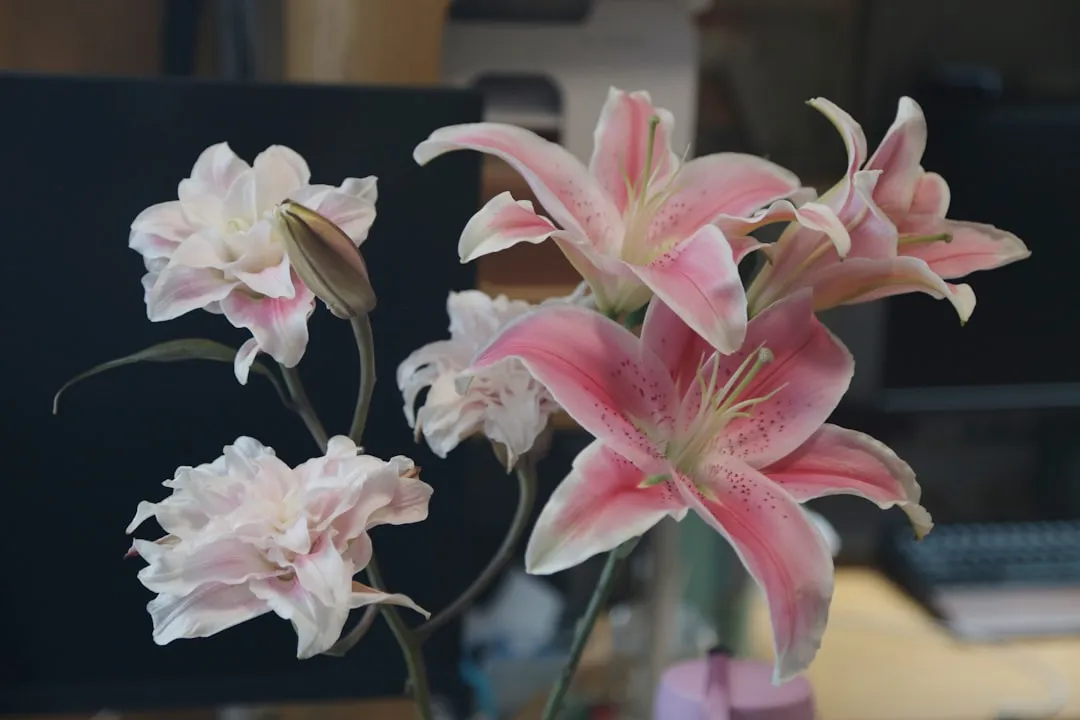
Lilies, including Easter lilies, tiger lilies, and daylilies, are particularly dangerous for cats. Ingesting even a tiny amount of pollen, petals, or water from a vase can cause rapid kidney failure. The margin between a curious sniff and a medical emergency is razor thin.
Even a tiny portion of pollen licked from the coat, or a small portion of a leaf or flower, can cause fatal kidney failure in cats. This applies to the cut flowers kept in a vase indoors just as much as the plant growing outside.
Dogs may get gastrointestinal upset from lilies, but cats face the greatest risk by far. If you have cats and lilies anywhere near your home, the ASPCA and most veterinarians recommend removing the plants entirely rather than just restricting access.
Hydrangeas: The Garden Classic That Causes GI Trouble

Hydrangeas, with their large flower clusters in varying shades of blue, pink, and purple, are certainly pretty from afar. This plant is toxic to both dogs and cats. Even though all parts of the plant are toxic, gastrointestinal upset is the most likely result.
Hydrangeas, tulips, daffodils, and sago palms are among the top poisonous plants for dogs reported to poison control. Hydrangeas often appear in summer bouquets and garden beds where pets roam freely, which contributes to their frequency in poisoning reports.
The risk level is generally moderate rather than life-threatening, but that doesn’t mean it should be ignored. Dehydration from repeated vomiting and diarrhea can become serious quickly, especially in smaller animals or puppies.
Autumn Crocus: Dangerous Bulbs Beneath the Soil
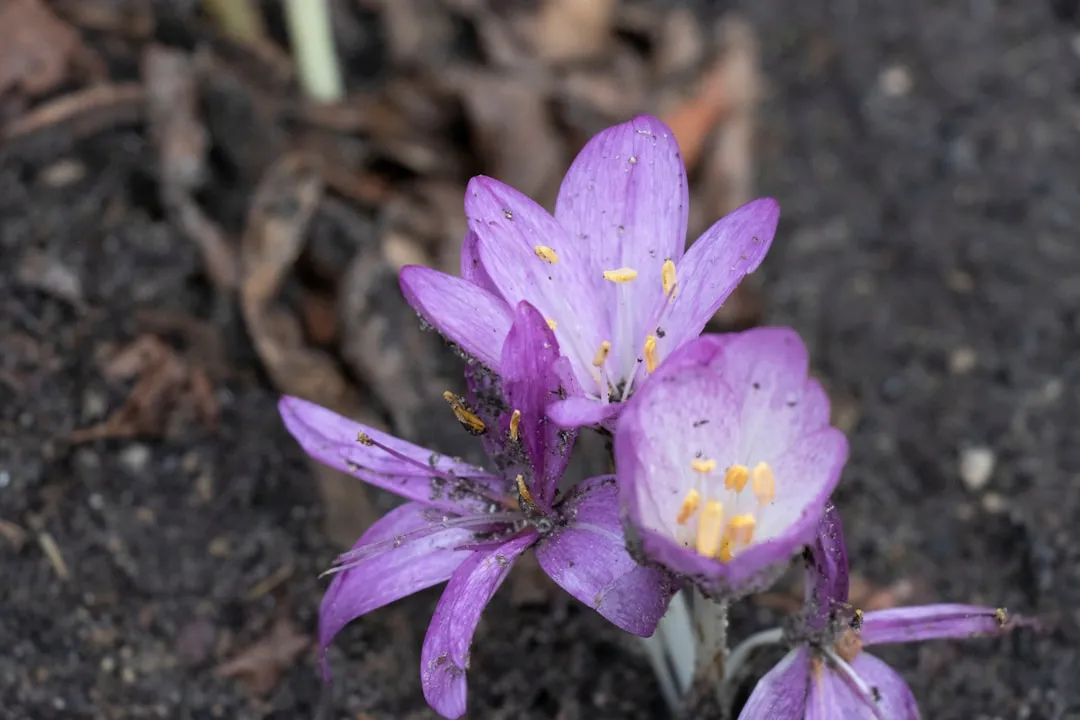
Autumn crocus is a common garden bulb that is highly toxic to pets if dug up and eaten. It causes oral irritation, bloody vomiting and diarrhea, shock, multi-organ damage, and bone marrow suppression.
Dogs that like to dig are especially at risk here. The bulb sits underground and looks like just another root to an enthusiastic digger. The consequences, though, are far more severe than almost any other garden plant.
If a dog is a digger who is likely to unearth bulbs and chew on them, skipping these plants entirely is the safer choice. For pet owners, that’s advice worth taking to heart before the fall planting season arrives.
English Ivy: The Invasive Creeper That Harms Pets Too
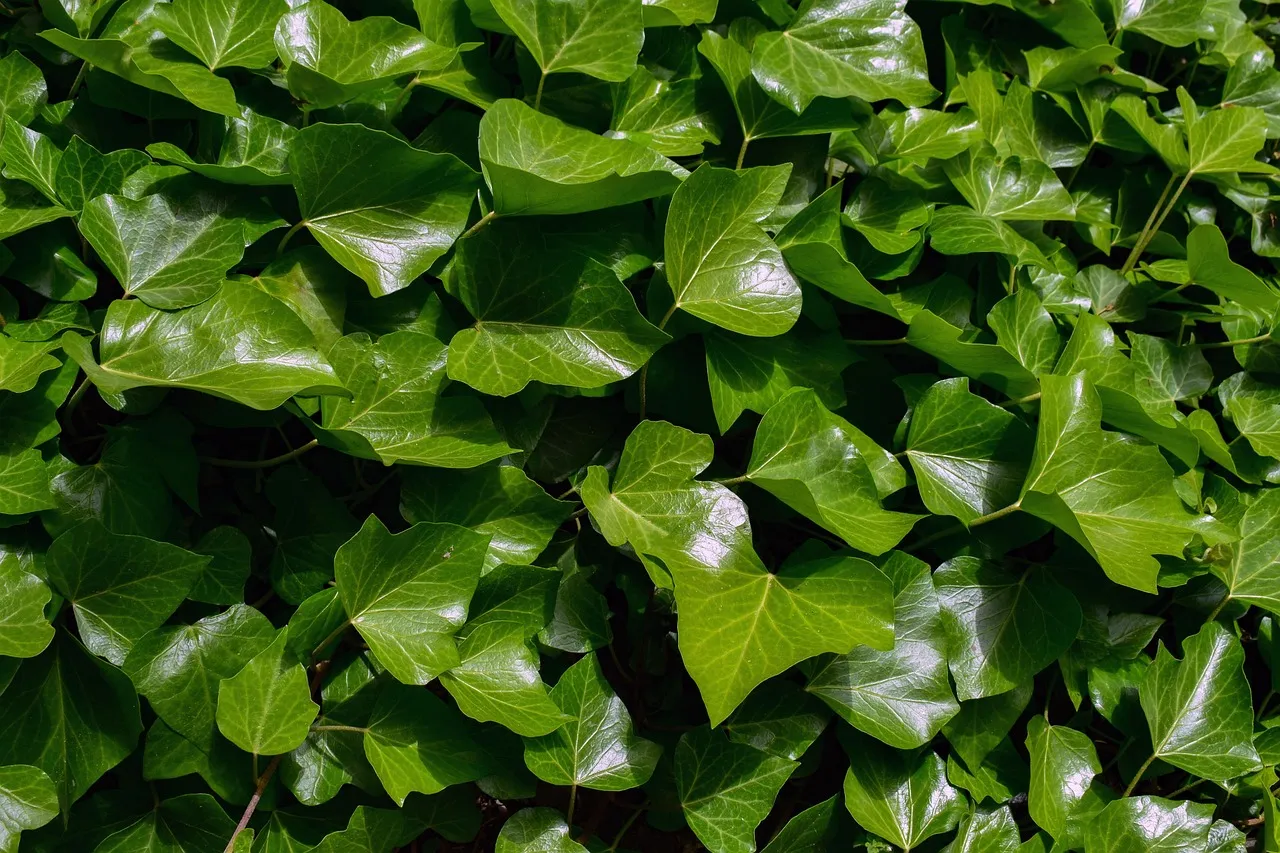
Ivy is very poisonous to pets, and it’s also an invasive plant in North America, making it a doubly good candidate for removal from any garden. It drapes over fences and climbs walls beautifully, which is exactly why it’s so common.
When ingested, branching ivy can be toxic to pets and could cause vomiting, abdominal pain, hypersalivation, diarrhea, depression, abnormal heart function, and even death if ingested in significant amounts. Cats are particularly drawn to the dangling, vine-like structure of ivy, treating it as something to bat and chew.
The foliage of ivy is actually more poisonous than the berries, which surprises many people who assume the brightly colored berries are the real danger. Both deserve caution, but the leaves warrant the most concern.
Oleander: A Warm-Climate Staple With Cardiac Risks
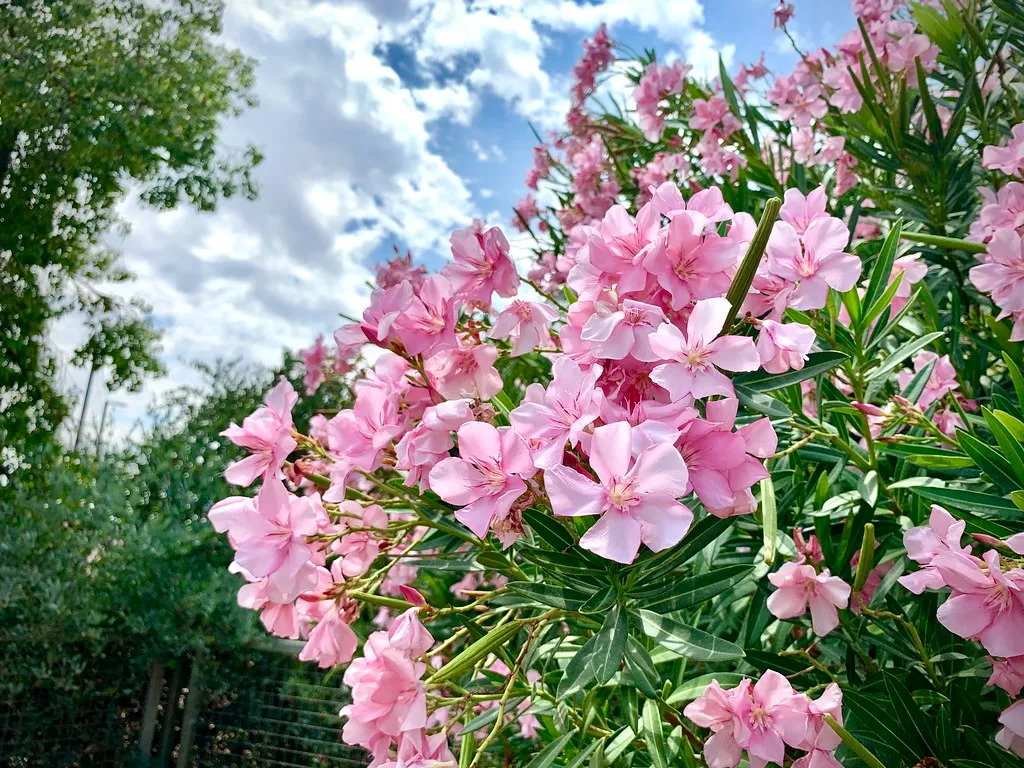
Every inch of the oleander plant is poisonous to dogs, from the flower petals to the pointy, long leaves. It grows widely in warmer states and is frequently used along driveways, fences, and property borders.
Oleander contains toxic cardiac glycosides which can cause drooling, abdominal pain, diarrhea, colic, depression, abnormal heart functioning, and can even lead to death if ingested. The cardiac component is what makes oleander particularly serious and different from plants that mainly cause stomach upset.
This flowering shrub is primarily found in Texas and the far western states of the US, and its cardiac glycosides cause gastrointestinal signs, abnormal heart rhythms, hypothermia, and death. If you live in a warm climate, checking whether oleander lines your property is a practical first step.
Recognizing the Signs of Plant Poisoning
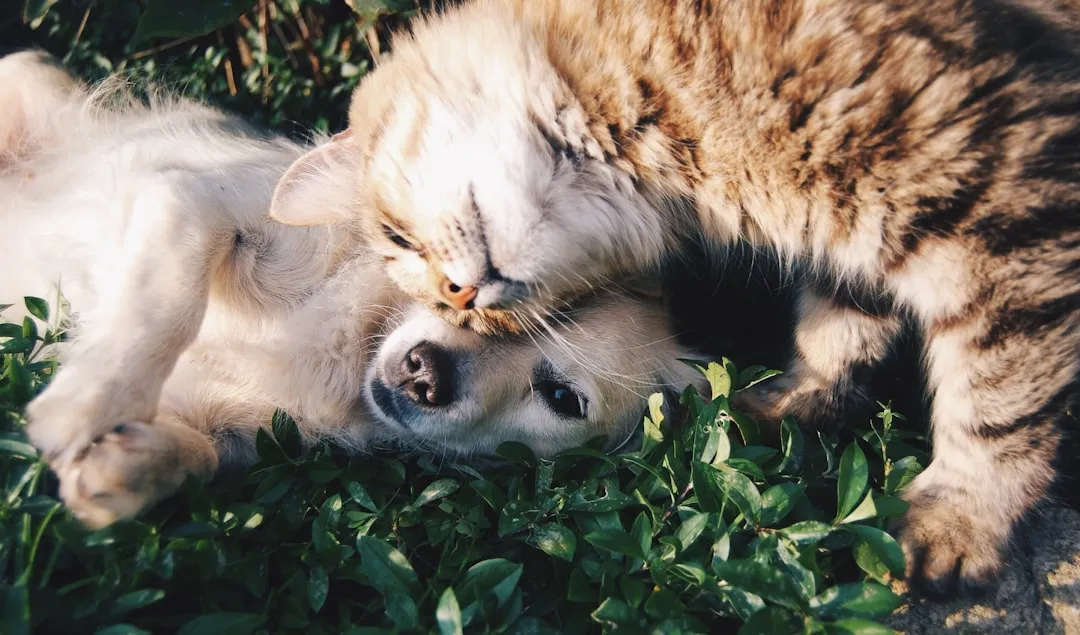
Lethargy, vomiting, diarrhea, lack of appetite, drooling, uncoordinated movement, seizures, and rapid breathing are just some of the potential symptoms of plant poisoning in pets. The overlap with common illnesses is part of what makes plant toxicity so easy to miss initially.
Knowing what plant a pet was exposed to, and knowing what plants are in a pet’s environment, helps to diagnose the toxin and speed up the urgent care needed for the pet to survive and recover. This is the practical reason why building a mental inventory of everything growing in your yard genuinely matters.
If you suspect your pet has ingested a toxic plant, consulting a veterinarian immediately is the right move. Look for signs such as difficulty breathing, vomiting, diarrhea, or lethargy.
What to Do and Who to Call

If you believe your animal is ill or may have ingested a poisonous substance, contact either your local veterinarian or the ASPCA Poison Control’s 24-hour emergency poison hotline at 888-426-4435. Having that number saved before you need it is the kind of preparation that can save a life.
How quickly treatment is started can mean the difference between life and death in the most serious cases, particularly with plants like sago palm or oleander where organ damage progresses rapidly. Time is the variable that matters most.
Identifying every plant and shrub in your yard and removing those with potential toxicity is essential. The same applies to houseplants indoors. It sounds like a lot of work, but running through the ASPCA’s free online plant database takes far less time than an emergency vet visit.
Safer Alternatives for a Pet-Friendly Garden
There are plenty of visually appealing, low-toxicity plants to choose from. Before buying a new plant, looking up its species in the ASPCA’s Toxic and Non-Toxic Plants database is a smart habit.
There are several cat-friendly plants, such as cat grass or catnip, that you can introduce to your home instead of potentially toxic varieties. Petunias, cornflowers, and African violets are other commonly cited safe alternatives for outdoor spaces.
A safe outdoor environment doesn’t mean sacrificing a beautiful landscape. With the right plant choices and proactive maintenance, you can create a yard that’s healthy, enriching, and safe for both your pets and your family.
The garden doesn’t have to become a place of anxiety. A single afternoon spent reviewing what’s growing in your yard, cross-checked against a reliable database, is all it takes to close a gap that most pet owners don’t even know exists. That small investment of time is worth far more than it sounds.
AI Disclaimer: This article was created with the assistance of AI tools and reviewed by a human editor.