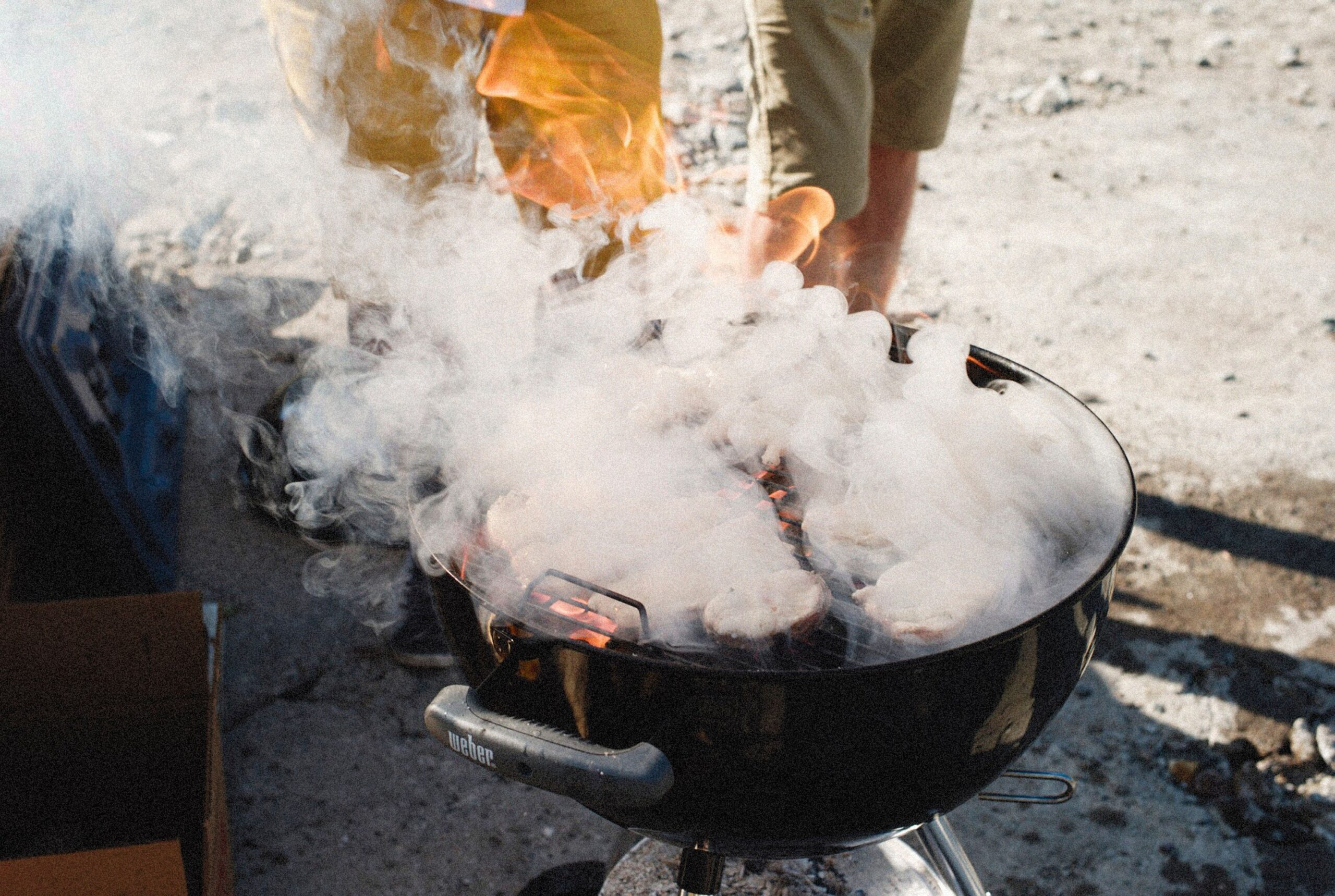

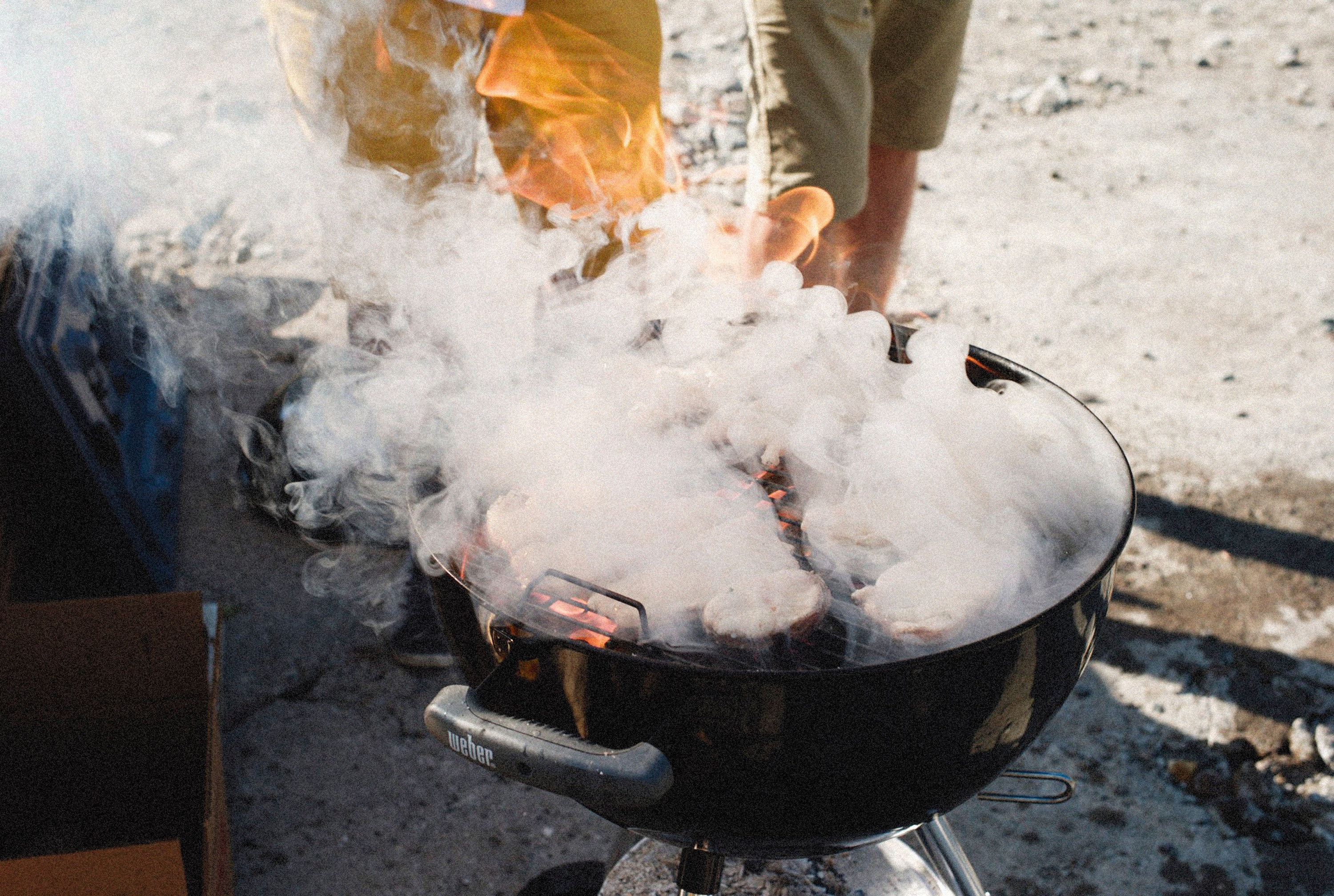
Walk into any serious professional kitchen and you’ll find the usual suspects lined up near the stove: kosher salt, black pepper, olive oil. Those are the obvious ones. What you won’t always see, tucked quietly toward the back of the shelf, is the spice that seasoned cooks reach for again and again when a dish needs something more.
That spice is smoked paprika. Red, earthy, unmistakably smoky, it looks humble in its little tin. Yet it has quietly become one of the most relied-upon ingredients in professional kitchens around the world, sitting alongside another open secret gaining renewed respect: MSG. Together, these two ingredients reveal something important about how flavor actually works.
A Spice Born from Oak Wood and Tradition
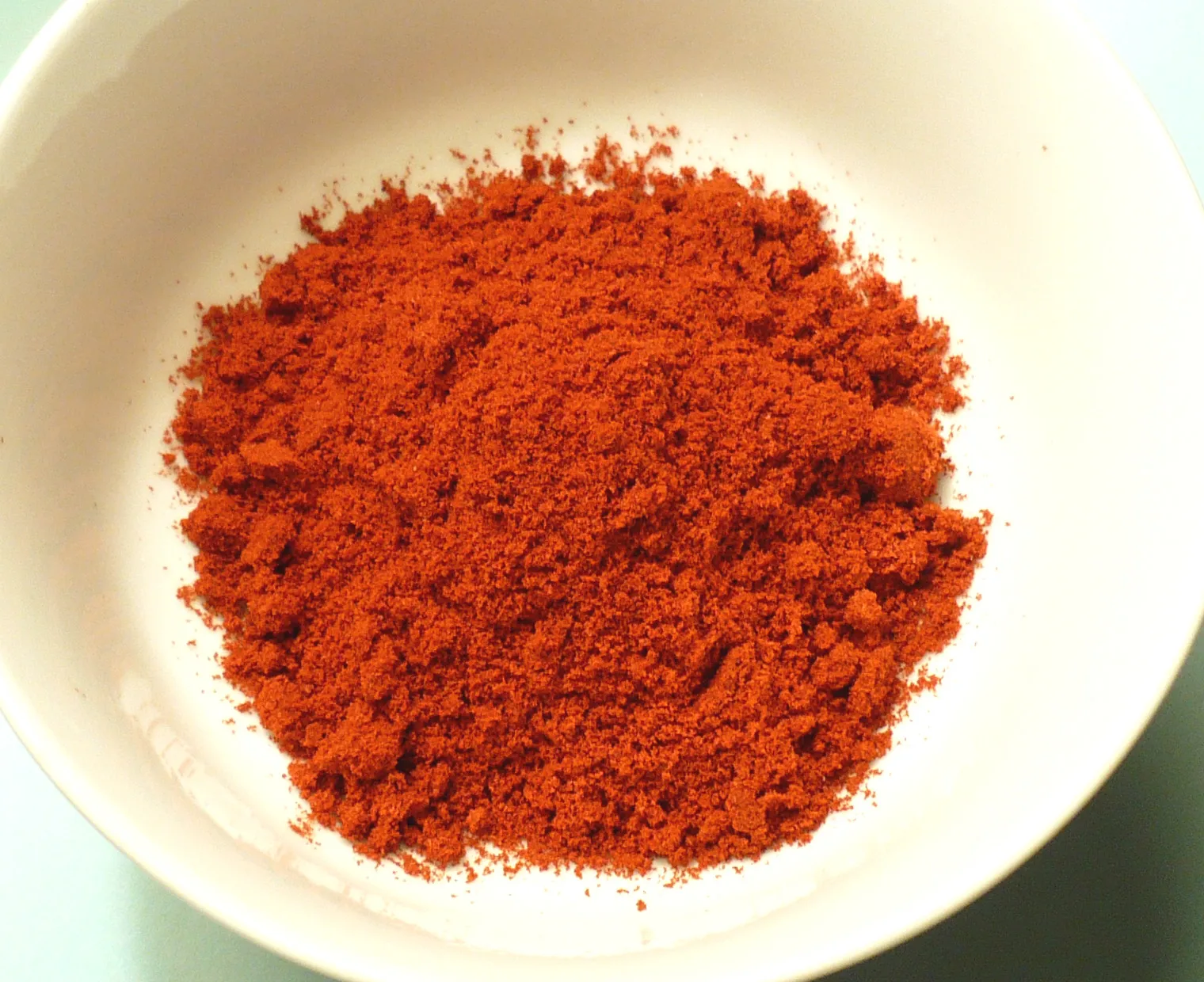
Smoked paprika has its roots in Spain, specifically in the La Vera region, where the journey of this spice began in the 16th century when Spanish explorers brought chili peppers from the New World back to Europe. The monks in the La Vera region began drying and smoking these peppers over oak wood, creating the distinctive smoky flavor that sets smoked paprika apart.
Both peppers and paprika spread quickly throughout Europe, Asia, and Africa, but while Hungarian hot paprika and sweet paprika became popular elsewhere, smoked paprika became the dominant style in Spanish cuisine. That regional distinction matters. The Spanish version, called pimentón, carries a depth of flavor that standard paprika simply doesn’t have.
Unlike regular paprika, which is made by simply drying and grinding peppers, smoked paprika is created by slowly smoking peppers over wood fires before grinding them into a fine powder. This smoking process infuses the spice with a rich, smoky flavor that distinguishes it from other paprika varieties.
Why Professional Chefs Won’t Cook Without It
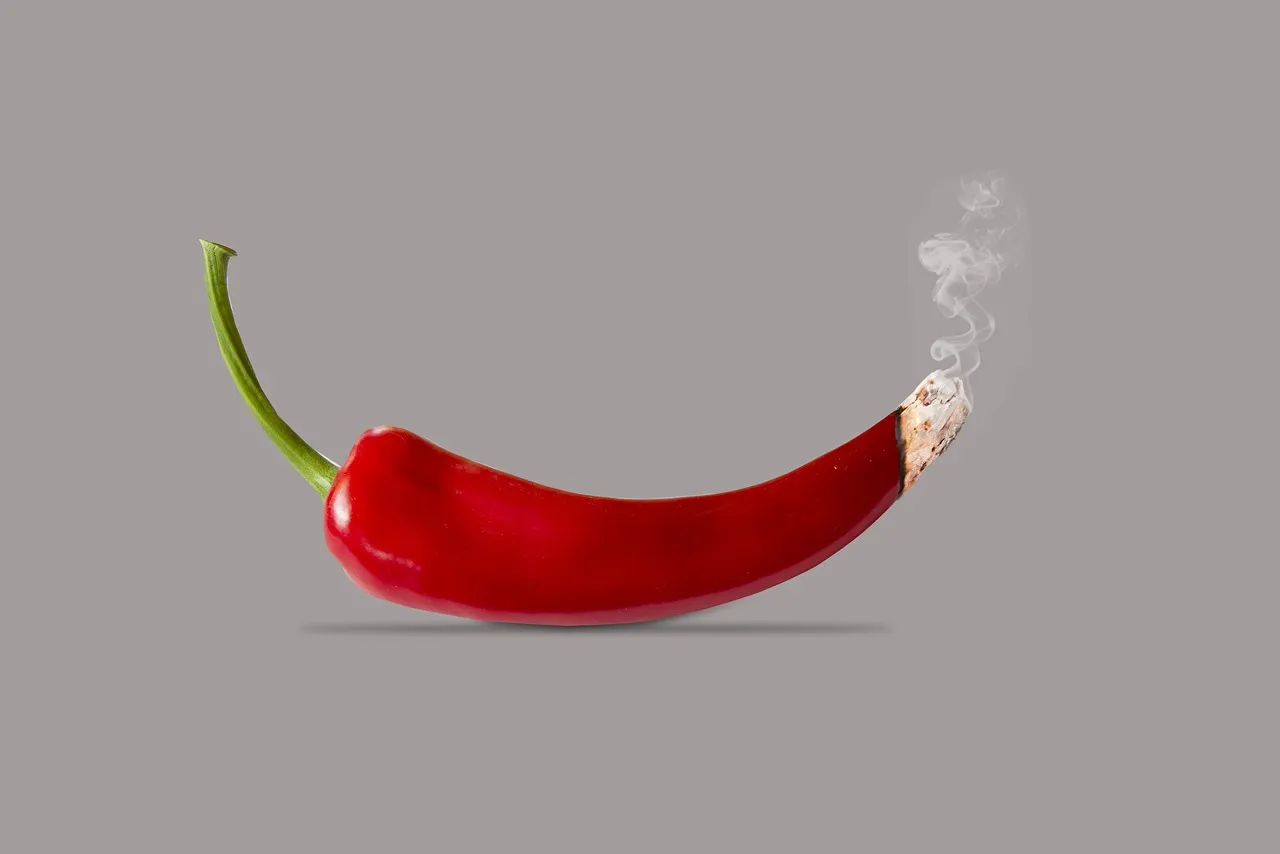
Chefs have been quietly obsessed with smoked paprika. This vibrant red powder brings a subtle smokiness and gentle sweetness that makes basic ingredients taste far more exciting, and a pinch added to almost anything savory can make a weeknight meal feel like it came from a restaurant kitchen.
Sales data reflects this enthusiasm: an average increase of more than 6% in sales indicates the popularity of smoked paprika continues to grow. That trajectory isn’t accidental. It mirrors a broader shift in professional cooking toward bold, layered flavors that don’t require complicated technique.
Chefs love smoked paprika because it works in small amounts to boost everything from roasted vegetables to scrambled eggs. The smokiness mimics meaty richness in vegetarian dishes, adds warmth to soups, and gives sauces an impression of hours of careful work.
The Grill Without the Grill

Beyond the grill, smoked paprika can bring a touch of smokiness to indoor dishes without requiring a smoker. That’s a significant practical advantage. Not every kitchen has outdoor space, and not every service has time for low-and-slow cooking. Smoked paprika solves that problem in seconds.
According to professionally-trained cook Michelle Goth of Blackberry Babe, smoked paprika “is the backbone of a great BBQ rub,” and her go-to spice when smoking chicken and pork to build a rich and colorful bark on the meat. In dry rubs and marinades, smoked paprika can boost the smokiness of brisket, ribs, and pulled pork, pairing well with other flavors like brown sugar, garlic, and cumin.
Mixologists are even experimenting with smoked paprika in drinks. Professional chef Gen LaRocca of Two Cloves Kitchen notes that paprika works surprisingly well in cocktails, adding a subtle smokiness to a Bloody Mary.
Three Varieties, One Decision
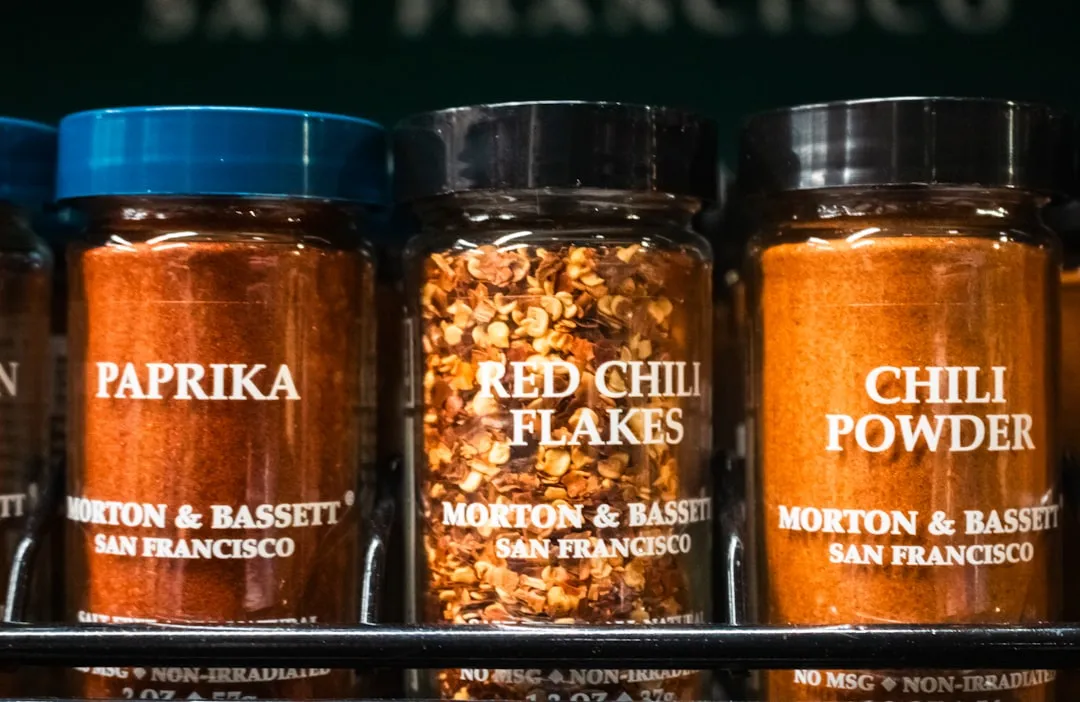
Smoked paprika comes in three varieties: sweet (dulce), bittersweet (agridulce), and hot (picante). Sweet smoked paprika is mild and versatile, while hot smoked paprika adds a spicy kick to dishes. Most professional chefs start with sweet, building from that clean smoky base before adding heat through other channels.
Not all smoked paprika is the same, so tasting your jar first matters. Sweet is milder and most versatile, while hot packs heat. It can also turn bitter if overheated for too long, so adding it toward the end of cooking when possible is the smarter approach.
High-quality smoked paprika should have a vibrant red color and a strong smoky aroma. Any that appear dull or lack a pronounced scent are best avoided. The aroma should be rich and earthy, with a hint of sweetness.
What It Does to a Dish: The Science of Smoke
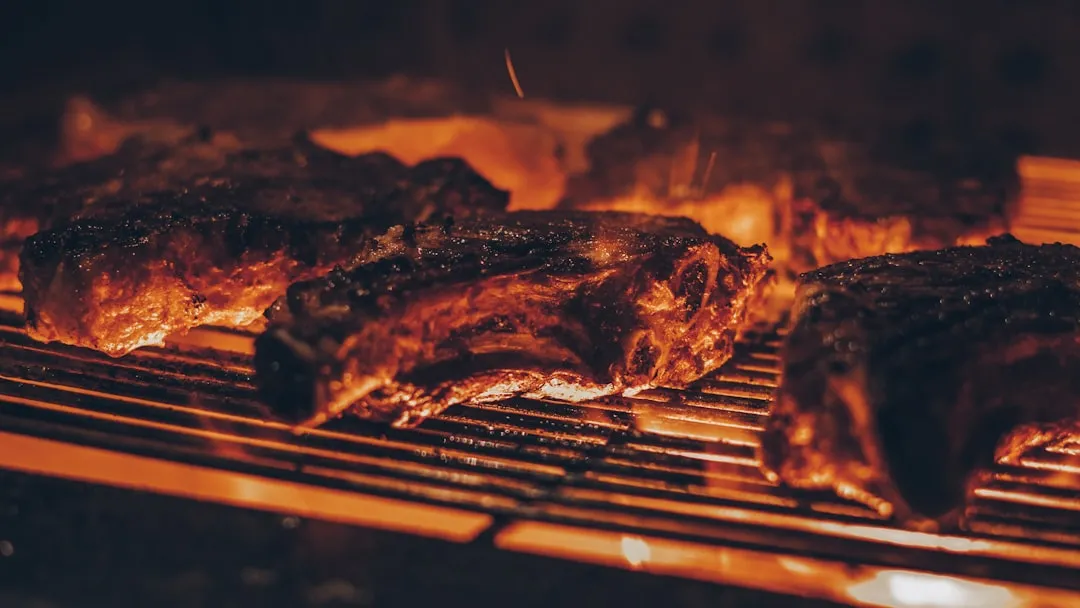
Smoked paprika has a warm, earthy, and slightly sweet flavor with a subtle smokiness that can range from mild to hot, depending on the type of peppers used. That range is part of what makes it so useful. It isn’t a one-note spice. It shifts and adapts depending on what it’s paired with.
Smoked paprika adds a deep, smoky flavor with a hint of sweetness and earthiness. This complex flavor profile can elevate the taste of both simple and elaborate dishes, and its smokiness enhances the natural flavors of meats, vegetables, and grains, making it a versatile spice in the kitchen.
Savory umami blends like mushroom powder and smoked paprika are flavoring snacks, sauces, and marinades at scale, which is why it appears not just in fine-dining kitchens but across the food manufacturing industry as well. The spice has crossed over from niche ingredient to genuine pantry anchor.
The Second Secret: MSG and the Fifth Taste
Smoked paprika earns its place on the spice shelf through flavor complexity. Another ingredient earns its place through something deeper: the activation of a taste we didn’t even have a word for until 1908.
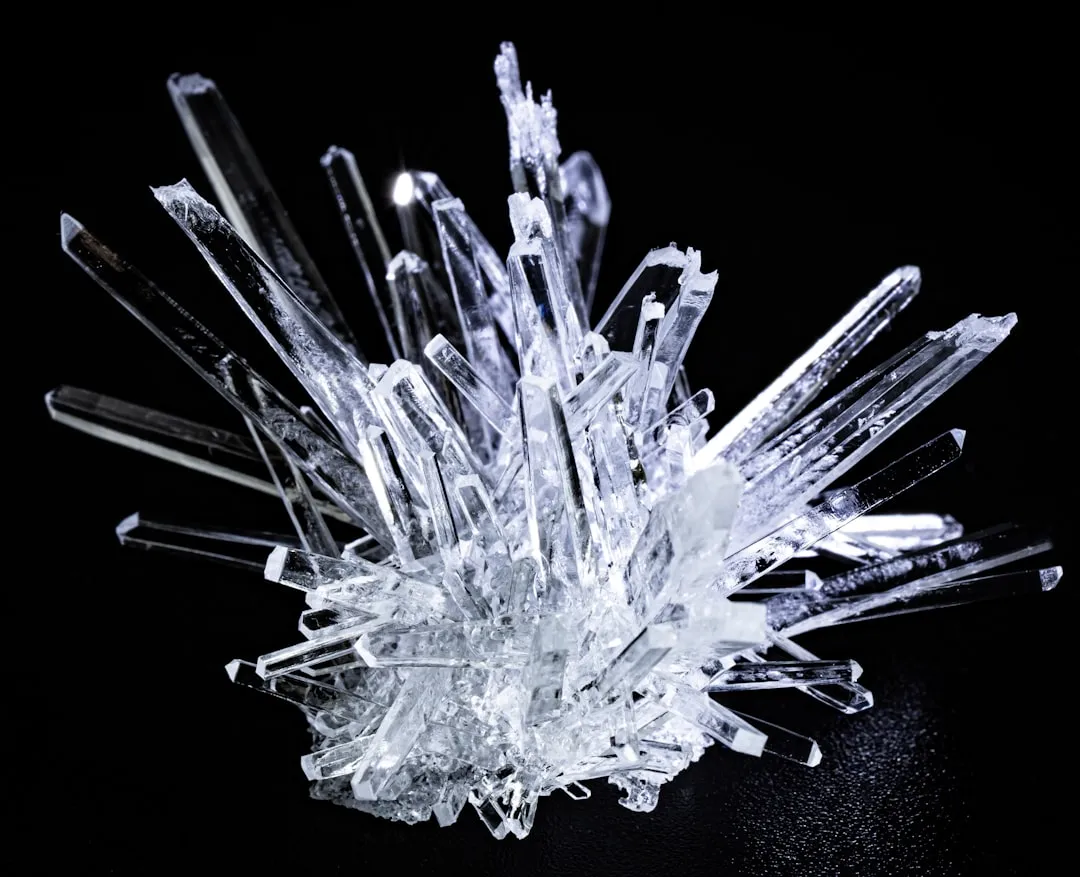
One evening over dinner in 1908, biochemist Dr. Kikunae Ikeda asked his wife what gave her vegetable and tofu soup its delicious meaty flavor. She pointed to the dried seaweed called kombu that she used to make traditional Japanese dashi. Inspired by this, Dr. Ikeda set to work, evaporating and treating his wife’s kombu broth until he was able to extract a crystalline compound, which turned out to be glutamic acid. Tasting the crystals, he recognized a distinct savory flavor he dubbed umami, from the Japanese word umai, meaning delicious.
Based on those findings, he developed a production method for monosodium glutamate (MSG) and submitted a patent application in April 1908. That discovery changed how the food world understood flavor itself.
MSG: What It Actually Does
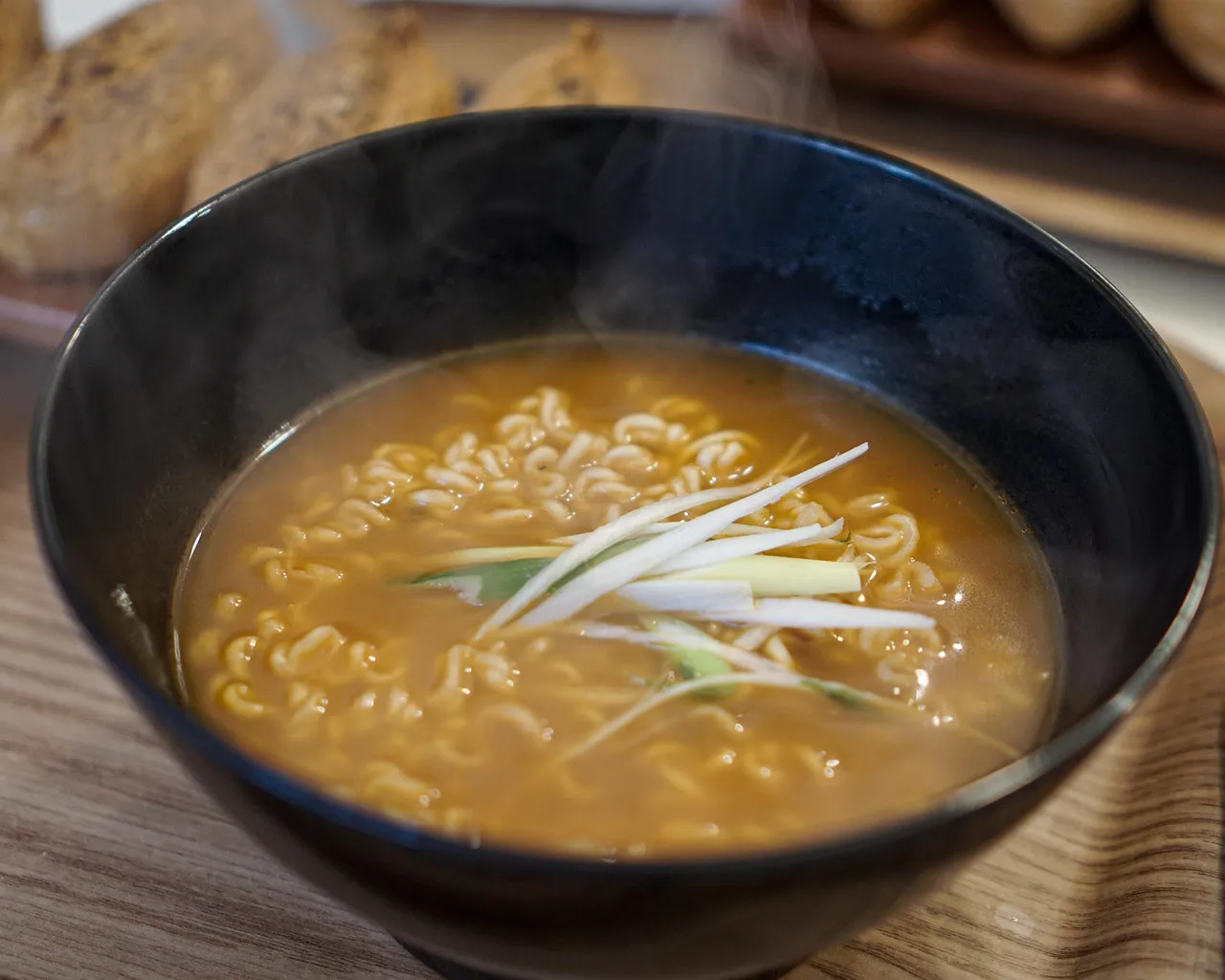
When you sprinkle MSG on food, you’re not adding a strong flavor of its own. Instead, you’re activating one of the five basic tastes recognized by science: umami. This savory sensation makes dishes taste more robust and satisfying without introducing any distinct flavor of its own.
Glutamate is an amino acid naturally present in foods like tomatoes, cheese, mushrooms, and breast milk. It creates the savory, mouthwatering sensation known as umami, recognized as the fifth basic taste alongside sweet, sour, salty, and bitter. MSG is simply the purified, crystalline form of what those foods already contain.
The flavor-enhancing effects of MSG are due to its umami taste, which induces salivary secretion. Umami flavors make your mouth water, which can improve the taste of food. Studies also show that umami substances can lower the desire to salt foods.
The Comeback of a Misunderstood Ingredient

Chefs are now openly highlighting MSG on menus. Cookbook authors and food creators are using it proudly in recipes. Registered dietitians are recommending MSG as a helpful tool for maintaining taste while lowering sodium intake. That shift reflects years of evidence finally catching up with public perception.
According to Innova Market Insights, products featuring a “No MSG” claim have decreased by 50% from 2018 to 2025, particularly across categories where that claim had been most common. That decline speaks volumes. Distancing a product from MSG was once a marketing strategy. Now it’s becoming unnecessary.
MSG has been classified as safe by the US FDA and the Joint FAO/WHO Expert Committee on Food Additives. The science has been settled for decades. The culture is finally catching up.
The Sodium Reduction Advantage
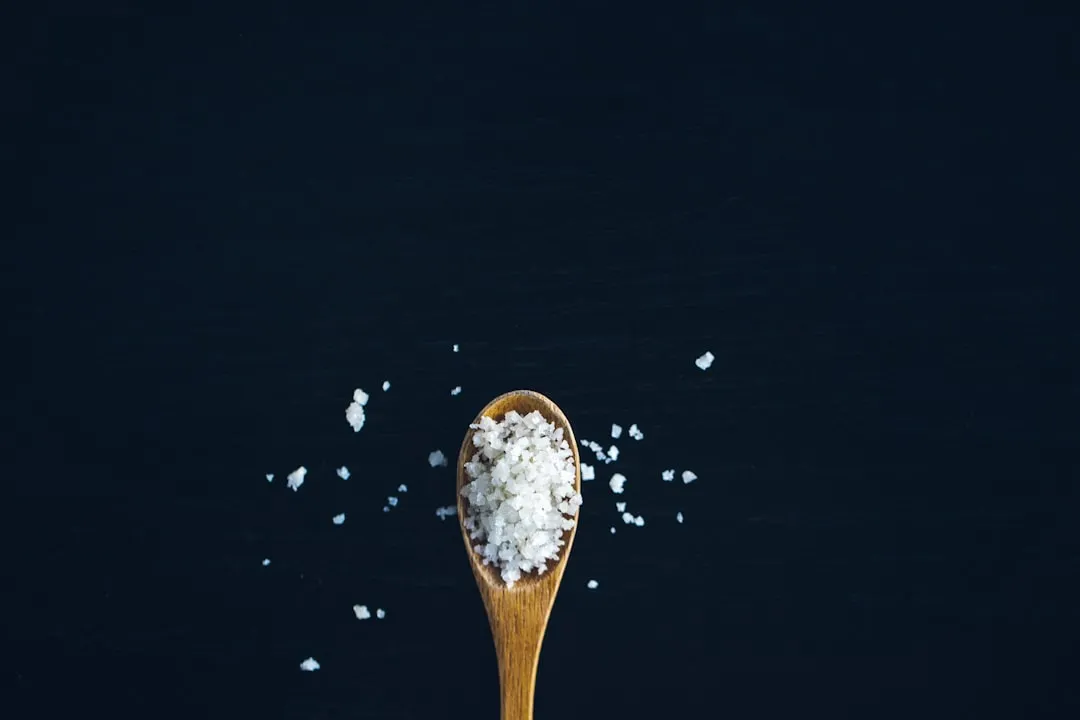
One practical reason MSG is gaining ground in professional kitchens goes beyond flavor. It offers a measurable way to reduce sodium without sacrificing taste, which has become an important consideration in modern cooking.
Research has shown that umami-eliciting compounds like MSG can be used to reduce sodium in chicken broth by roughly 11% and in spicy soups by as much as 32.5%. Those aren’t negligible figures. For chefs developing large-format recipes or catering menus, that reduction matters.
MSG enhances umami perception, allowing you to reduce total salt by a meaningful amount without sacrificing taste. For example, in soups or sauces, replacing a portion of salt with MSG cuts sodium while maintaining flavor satisfaction, as verified by USDA sensory studies.
How to Store Spices So They Actually Work
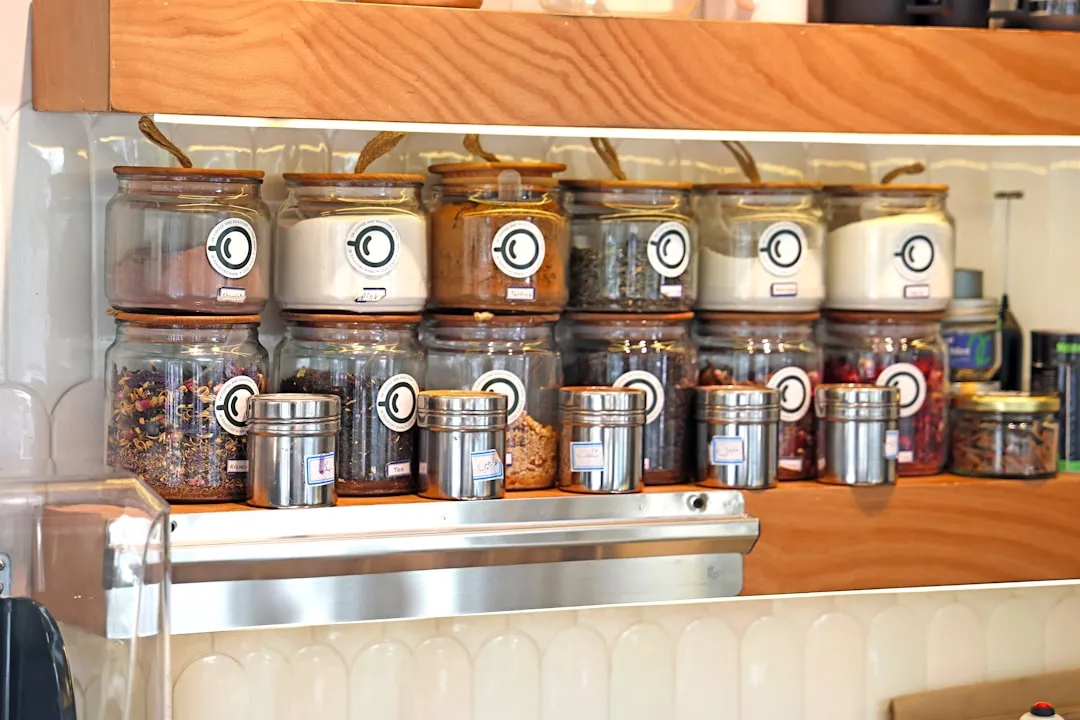
That spice rack above your stove might look convenient, but heat and light are spice killers. A pantry or cabinet away from appliances is the ideal storage location. This applies to both smoked paprika and MSG, two ingredients that degrade quietly and cost you flavor before you even notice.
Ground spices typically maintain peak flavor for 12 months, while whole spices can last two to three years when stored properly. The aroma test is your best freshness indicator: if you can’t smell the spice when you open the container, it’s lost most of its potency and should be replaced.
You can learn a lot about a chef by what they have on their spice rack. A well-curated collection of spices can make the difference between dishes that are one-note and those that are full of complex, nuanced flavor. Storage is where that curation either holds or collapses.
Putting It Together: The Chef’s Edge
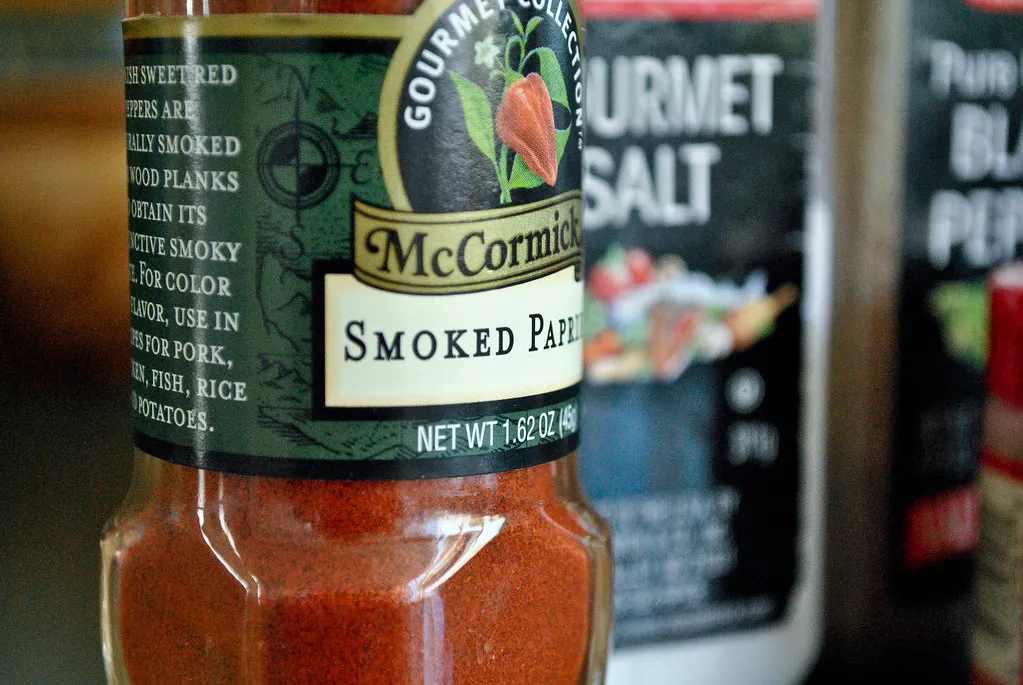
Professional chefs know how to expertly balance and elevate a dish using the perfect blend of herbs and spices, but this talent takes years of practice and trial and error. What smoked paprika and MSG offer home cooks is a shortcut to that depth, without needing years of culinary training to understand why it works.
Vegetarian or meatless meals feel heartier when smoked paprika is in the mix, because the smokiness mimics bacon or charred grill marks. You’ll use less salt or heavy seasonings because the paprika brings so much character on its own. That efficiency is exactly what professional cooks look for in a reliable pantry staple.
The difference between a bland meal and one that makes your taste buds dance often comes down to having quality spices at your fingertips. The chefs who understand that don’t keep it secret out of professional pride. They just reach for the right jar without thinking twice.
The real surprise isn’t that professional chefs rely on smoked paprika and MSG. It’s that these ingredients have been available to everyone all along, waiting on grocery store shelves while home cooks walked past them in search of something more complicated. Sometimes the best ingredient in the kitchen is the one that quietly does its job without asking for any credit.AI Disclaimer: This article was created with the assistance of AI tools and reviewed by a human editor.