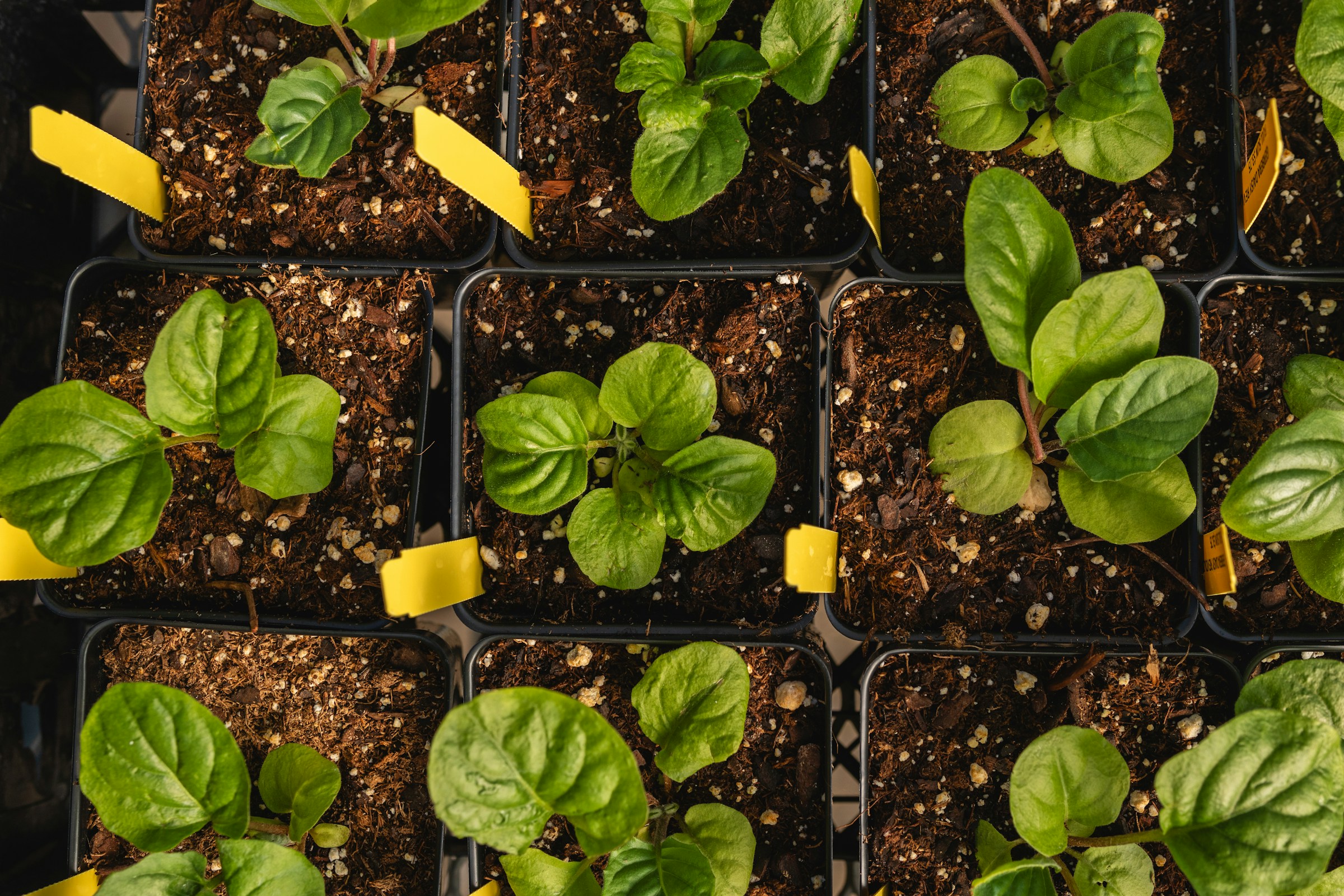

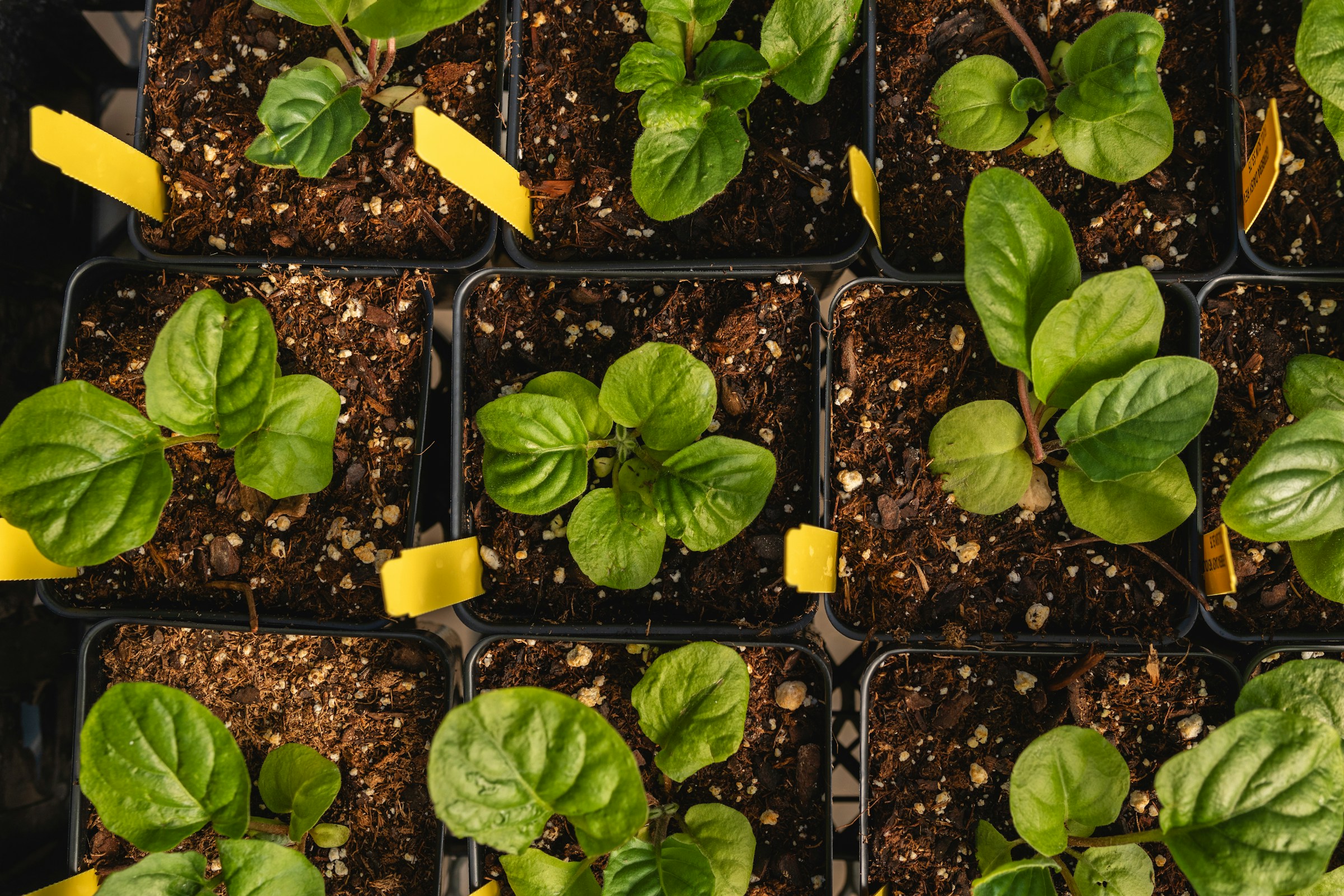
Most spinach problems arrive with a lot of noise. Aphids cluster visibly, slugs leave slime trails, and you generally know what you’re dealing with before things get bad. Leaf miners are different. They work in silence, tunneling inside the leaf itself, and by the time the damage is obvious, a whole generation may have already come and gone.
The spinach leaf miner is the larva of a fly that tunnels between the leaf surfaces, creating winding trails and blotchy damage. The result is leaves that look hollowed out from the inside. For anyone growing spinach to eat fresh or sell, even moderate damage can take a harvestable crop and make it essentially worthless. The good news is that this pest is highly manageable if you understand how it operates.
Know Your Enemy: What Spinach Leaf Miners Actually Are

The spinach leaf miner, known scientifically as Pegomya hyoscyami, has a white, carrot-shaped body with no legs and an almost indistinct head. The adult fly is only about a quarter of an inch long, hairy, gray or brown, and totally inconspicuous. This is part of what makes it so frustrating. You won’t notice the adults patrolling your garden because there is little to notice.
Eggs are small, white, and oblong, laid on their sides in neat rows on the undersides of leaves. The larvae are pale, white maggots which lack legs or a distinct head capsule, and they can be seen by peeling the outer layer of the leaf to reveal one or several maggots.
Adults can make as many as 100 feeding punctures on a single leaf, though around five percent of those punctures may contain actively feeding larvae. So the fly is busy even when the larvae haven’t hatched yet.
Understand the Life Cycle Before You Plan Your Defense
Leaf miners overwinter in the soil as pupae, then emerge as adults in spring and find a suitable leaf for egg-laying. This timing is critical to understand, because any defense strategy that starts after the flies are already active is already behind schedule.
In April and early May, flies emerge and lay white eggs in groups of four to eight on the underside of leaves. Eggs hatch and larvae feed within the leaf tissue, and as they feed and develop, they create areas of dead tissue. In high tunnels, this activity can begin as early as March.
The larvae are active for about two to three weeks before dropping to the ground and pupating in the soil. Each completed cycle produces another generation ready to emerge and repeat. Left unchecked, the overlap between generations compounds quickly.
Spot the Signs Early: Identifying Real Damage Before It Spreads
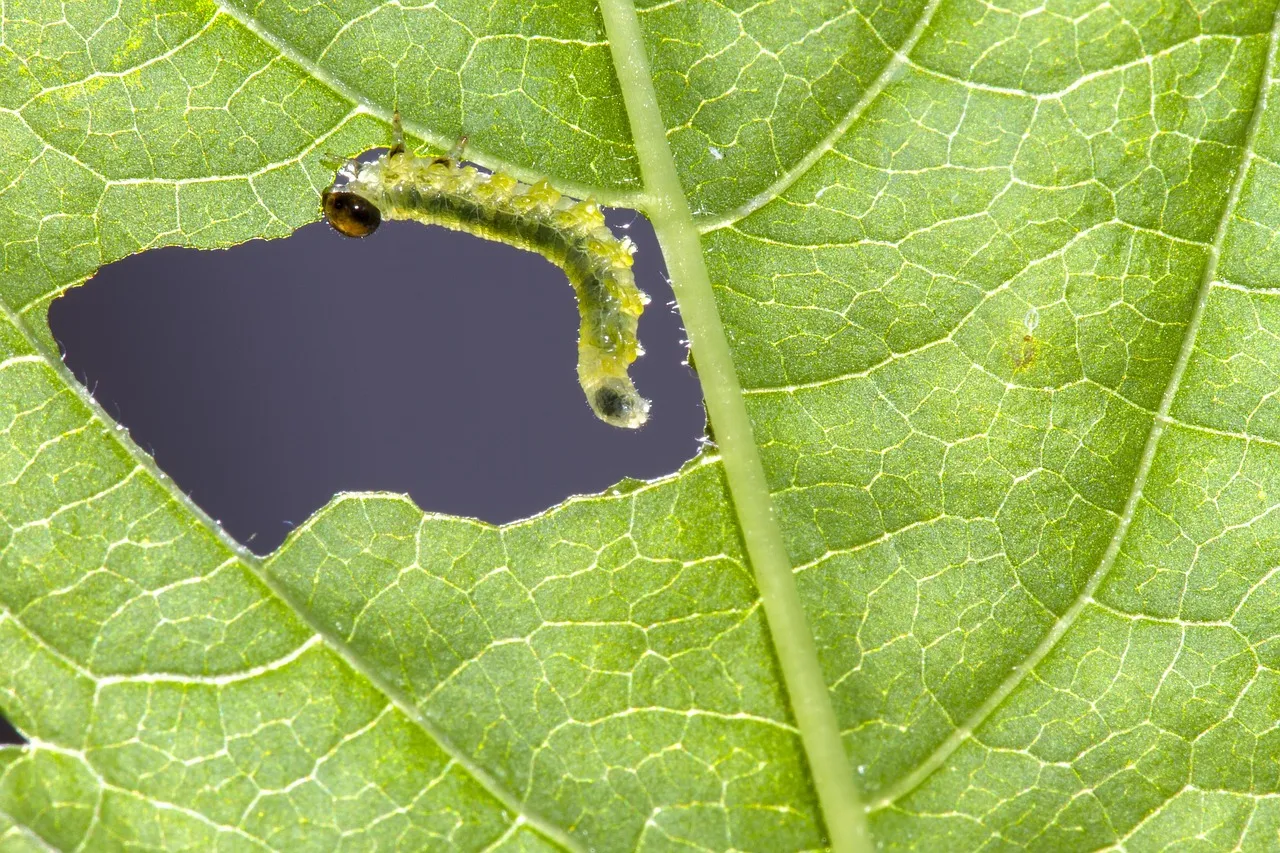
Leaf miner larvae feed by burrowing between the layers of a leaf, eating everything but the outer layers known as the epidermis. Early damage appears as a slender, winding mine, but these later expand and become blotches on the leaves.
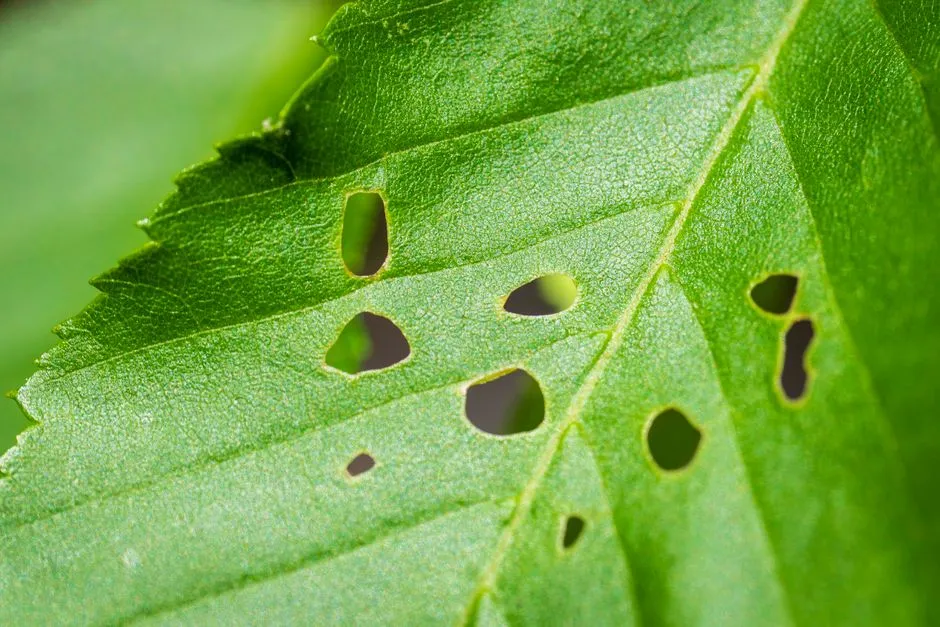
Larvae mine between the upper and lower leaf surfaces, creating winding, whitish tunnels that are initially narrow but then widen as the larvae grow. Excessive mining renders leaves unmarketable, reduces photosynthetic capacity, and provides easy access for disease organisms.
Spinach is especially vulnerable because it has thin, tender leaves that are easy for leaf miner larvae to feed inside, and it is often grown densely, giving adults plenty of places to lay eggs. Cool-season spinach can also grow slowly at times, which means plants may stay exposed long enough for several pest generations to overlap. Young seedlings are most at risk because even light mining can reduce vigor and stunt growth.
Use Row Covers as Your First and Strongest Line of Defense
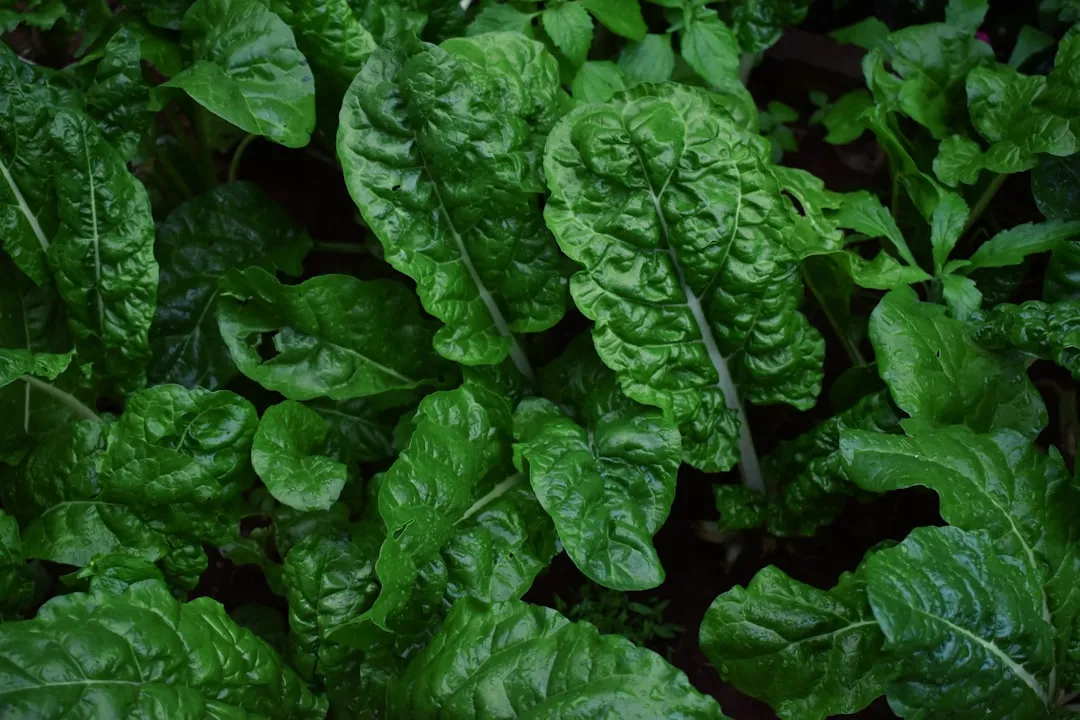
One of the most effective ways to prevent spinach leaf miners is to use lightweight row covers made of fine mesh fabric. These covers act as a physical barrier, preventing adult flies from reaching your plants to lay their eggs.
Row covers or insect netting exclude flies effectively, but covers must be placed over crops before flies are active. Critically, do not cover crops in fields where susceptible crops were grown previously, as adult flies may emerge from the soil underneath the cover. Covering the same bed you used last year essentially traps the problem inside with the crop.
For leaf miners, a mesh with openings of about 0.85 square millimeters will exclude the adult flies along with most other common garden pests. Install covers at planting time, before adults are active, and secure the edges with soil, pins, or weights so flies can’t crawl underneath. Row covers also speed up growth of cool-season crops like spinach and lettuce by trapping warmth.
Rotate Your Crops Every Single Season Without Exception
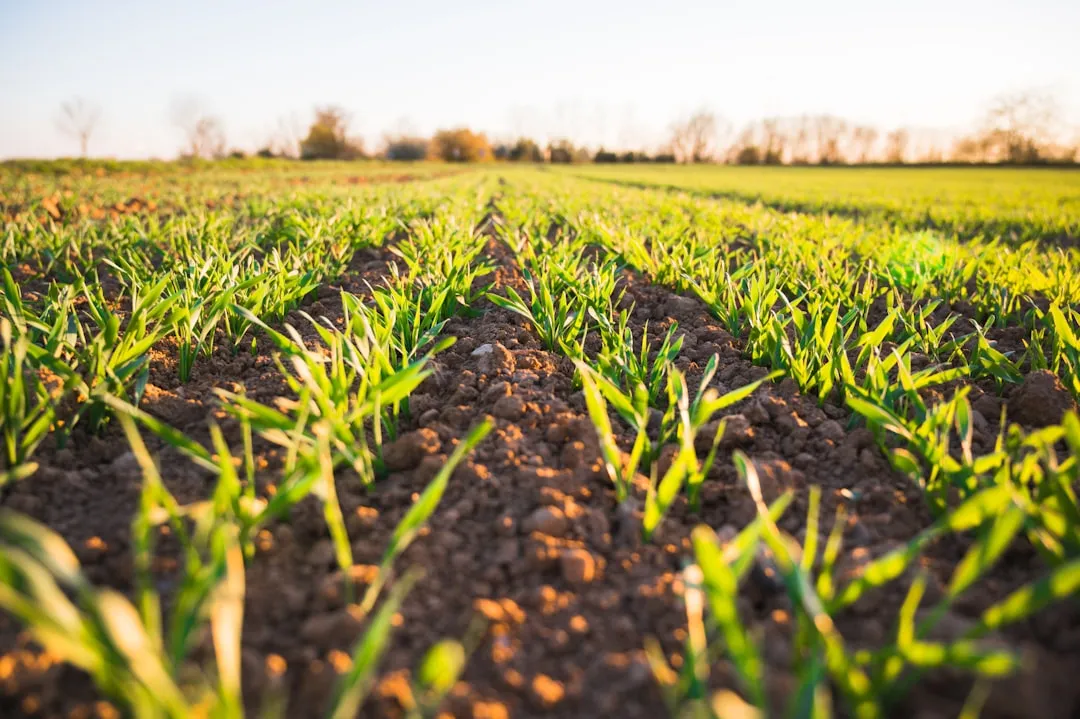
Crop rotation is one of the best strategies for leaf miner management. Do not plant spinach in the same bed two years in succession; crop rotation disrupts the life cycle of the pest and minimizes the possibility of recurring infestations.
Do not plant spinach or other susceptible crops like beets and chard in the same spot year after year, as this disrupts the life cycle of pests that overwinter in the soil. Aim for a rotation of at least three to four years before returning to the same family of plants in that location.
If rotation is not possible, roughing up the top two to three inches of soil in late fall helps expose overwintering pupae to the elements and predators. It’s a simple step that costs almost nothing but meaningfully reduces next spring’s population.
Remove Infested Leaves the Moment You See Them
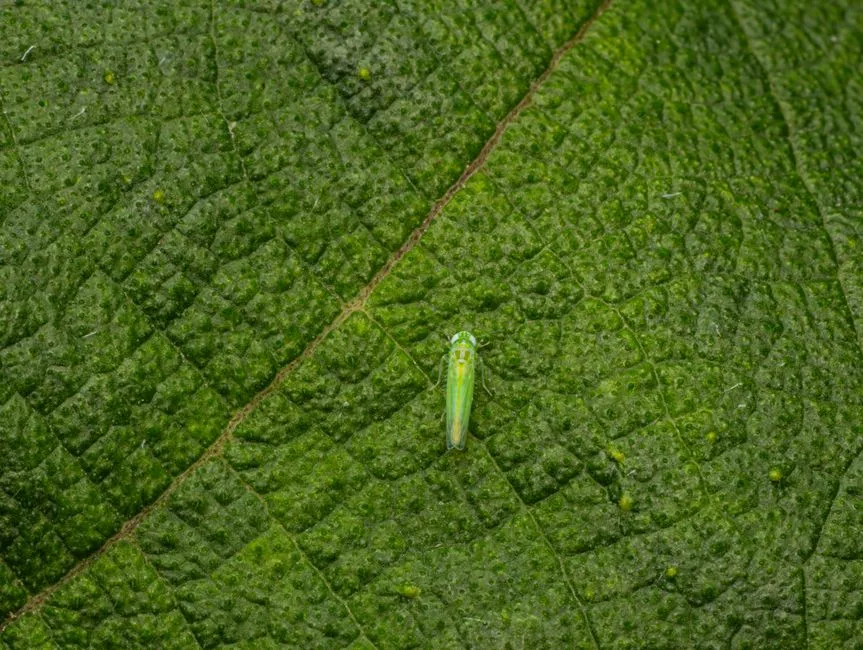
Damage to Swiss chard and spinach could have been less if the first infested leaves with leaf miners had been removed and destroyed early. However, once the population was in its second generation, the damage was too extensive. This is a pattern extension researchers have observed repeatedly.
Remove affected leaves by picking off and destroying damaged leaves before the larvae pupate and turn into adults. The goal is to break the cycle before the maggot drops into the soil to start the next round.
Promptly remove and dispose of any infested leaves or plants, and do not compost heavily infested material, as the pests can survive and reinfect your garden. Trash it, bag it, or burn it where local rules allow.
Keep Weeds Out: They Are a Hidden Reservoir for the Pest

Because these leaf miners feed mostly on one crop group and some weeds that include chickweed, pigweed, and lamb’s quarters, weed control and crop rotation are important management tools. Weeds aren’t just an aesthetic issue here. They actively feed the pest population between crop cycles.
Keeping the bed weed-free prevents leaf miners from using those plants as hosts between crop cycles. Even a patch of lamb’s quarters near the garden edge can sustain a population long enough to reinvade a freshly planted bed.
Controlling weeds which serve as hosts of spinach and beet leaf miners is essential. These include chickweed, lambquarters, and nightshades. Weeding is not glamorous work, but in this context it is directly reducing next season’s pest load.
Organic Spray Options: What Actually Works and What Doesn’t
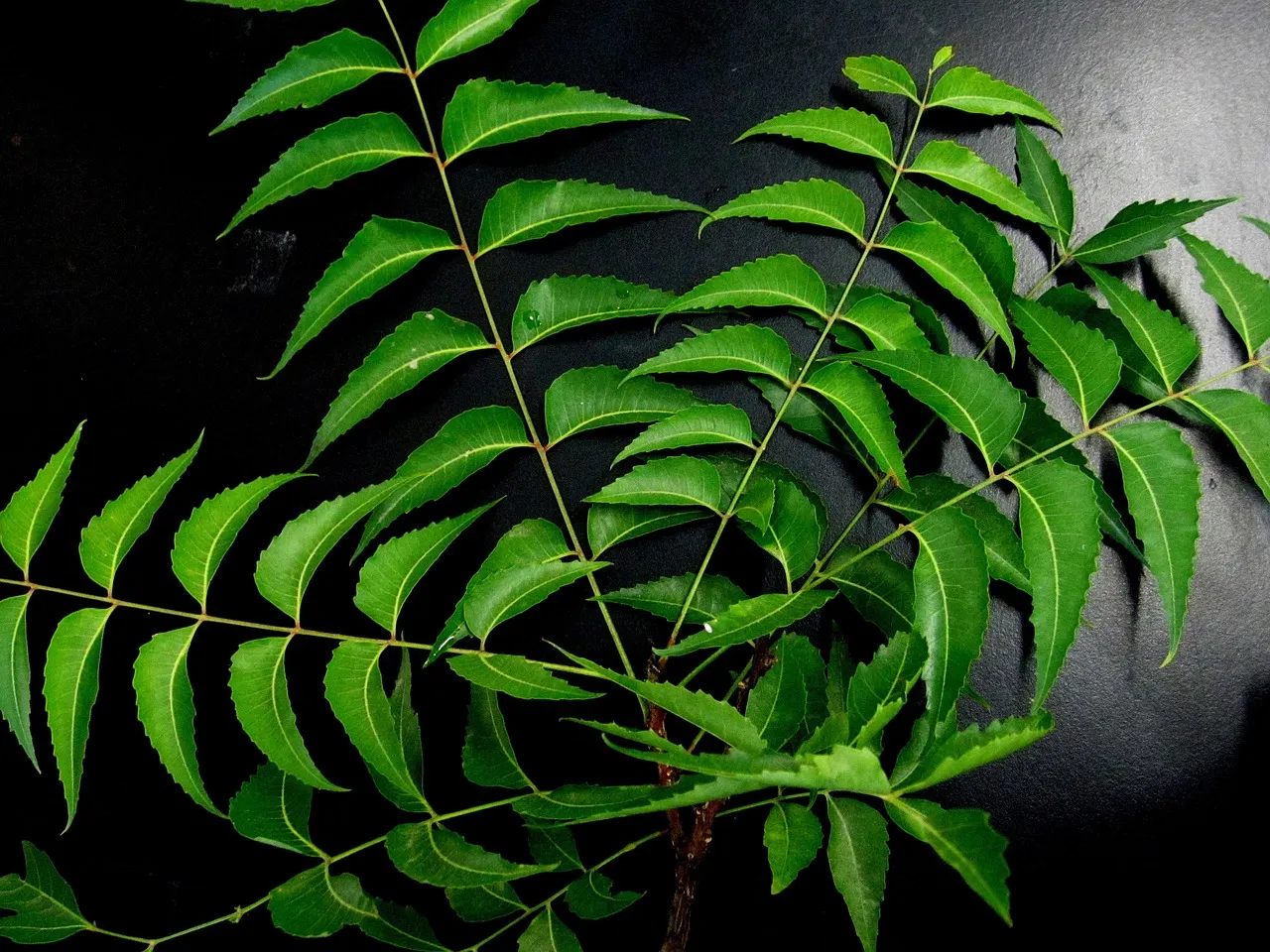
For organic production, spinosad can provide good control if used at or before egg laying and has only minor impacts on natural enemies. Neem oil can be used to prevent egg laying but is not as effective as spinosad. These are the two most reliable organic options confirmed by university extension research.
The active compound azadirachtin in neem-based products deters adult flies from laying eggs on treated leaves and disrupts larval development if ingested. In laboratory tests, neem-based products significantly reduced the number of eggs laid on treated plants compared to untreated controls.
Neither neem nor spinosad kill pests instantly but usually stop them from feeding instead, so you may not see rapid results. For neem oil, repeat the application every one to two weeks. Patience and consistency with these treatments matters far more than dosage.
Bring in Natural Enemies to Work the Problem From the Inside
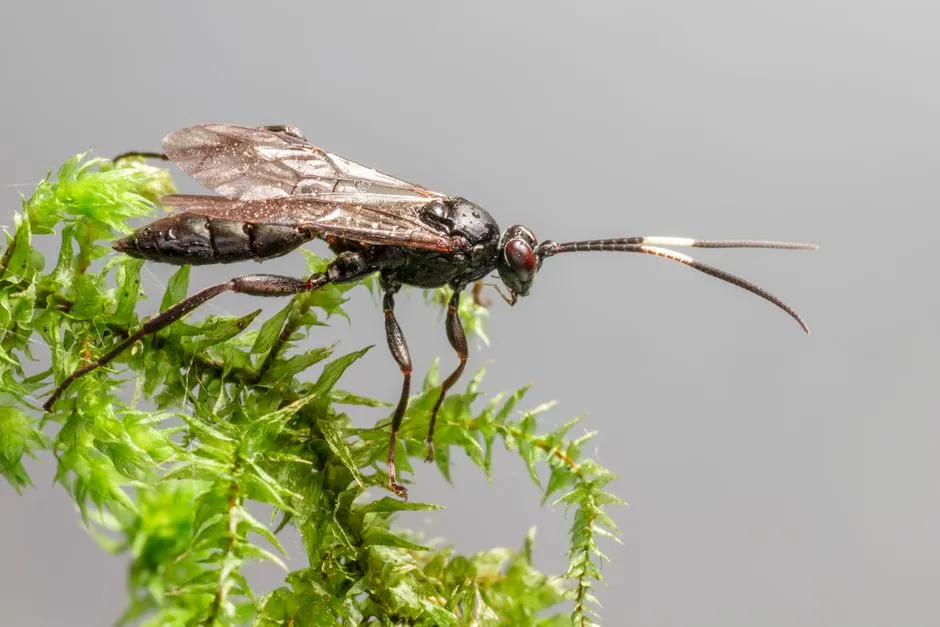
Natural enemies, especially parasitic wasps, commonly reduce populations of leaf miners, unless they are killed by insecticides applied to control other pests. This is worth sitting with. Broad-spectrum chemical sprays can eliminate the very insects that would otherwise do much of the control work for you.
Encouraging beneficial insects such as parasitic wasps and predatory insects, which are natural enemies of leaf miners, is one of the most sustainable approaches. Planting flowers like dill, fennel, or yarrow can help attract these garden allies.
Augmentative releases of the eulophid parasitoid Diglyphus isaea are widely used for Liriomyza control in ornamental and vegetable greenhouses worldwide. Home gardeners can support naturally occurring wasp populations simply by reducing pesticide use and planting a diversity of flowering plants nearby.
Use Soil-Dwelling Nematodes to Target Pupae Underground
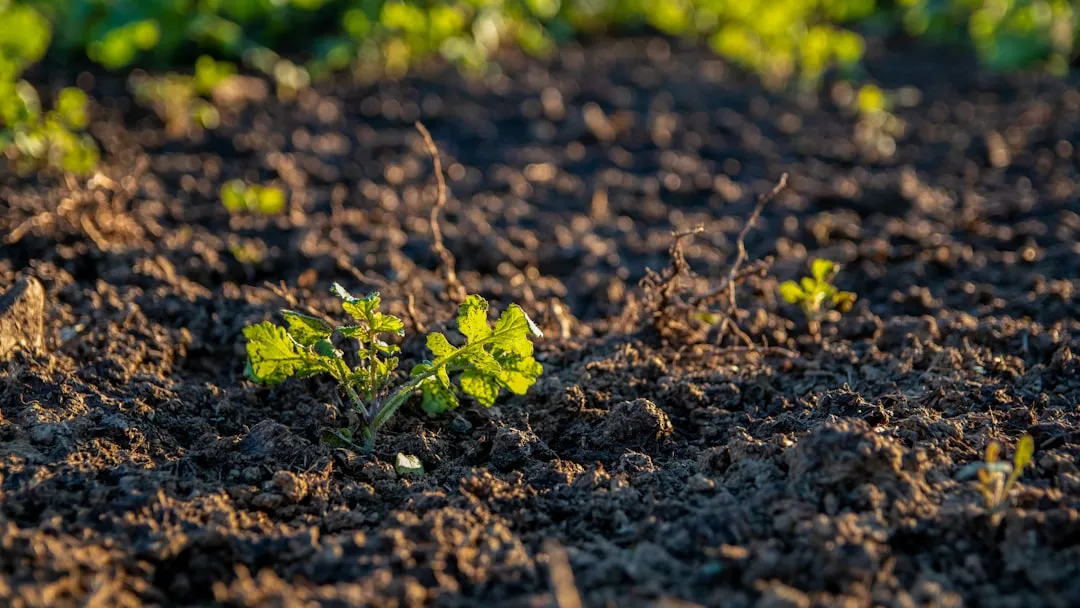
If leaf miners break through, soil can be drenched with Steinernema nematodes, which target pupae and larvae in the soil. This approach addresses the stage of the pest that is completely invisible but equally dangerous. Killing pupae before they emerge as adult flies is one of the cleanest ways to reduce future generations.
Nematodes work best when soil temperatures are between 50 and 80 degrees Fahrenheit. They won’t eliminate an active infestation on their own, but they break the cycle by killing the next generation before it can emerge as adults. This makes them a strong complement to foliar treatments like spinosad or neem.
Covering the soil under infested plants with plastic mulch can also prevent larvae from dropping down into the soil and pupating. This is a lower-tech option with a surprisingly useful effect when combined with leaf removal above ground.
Monitor Consistently: The Season Never Really Takes a Break
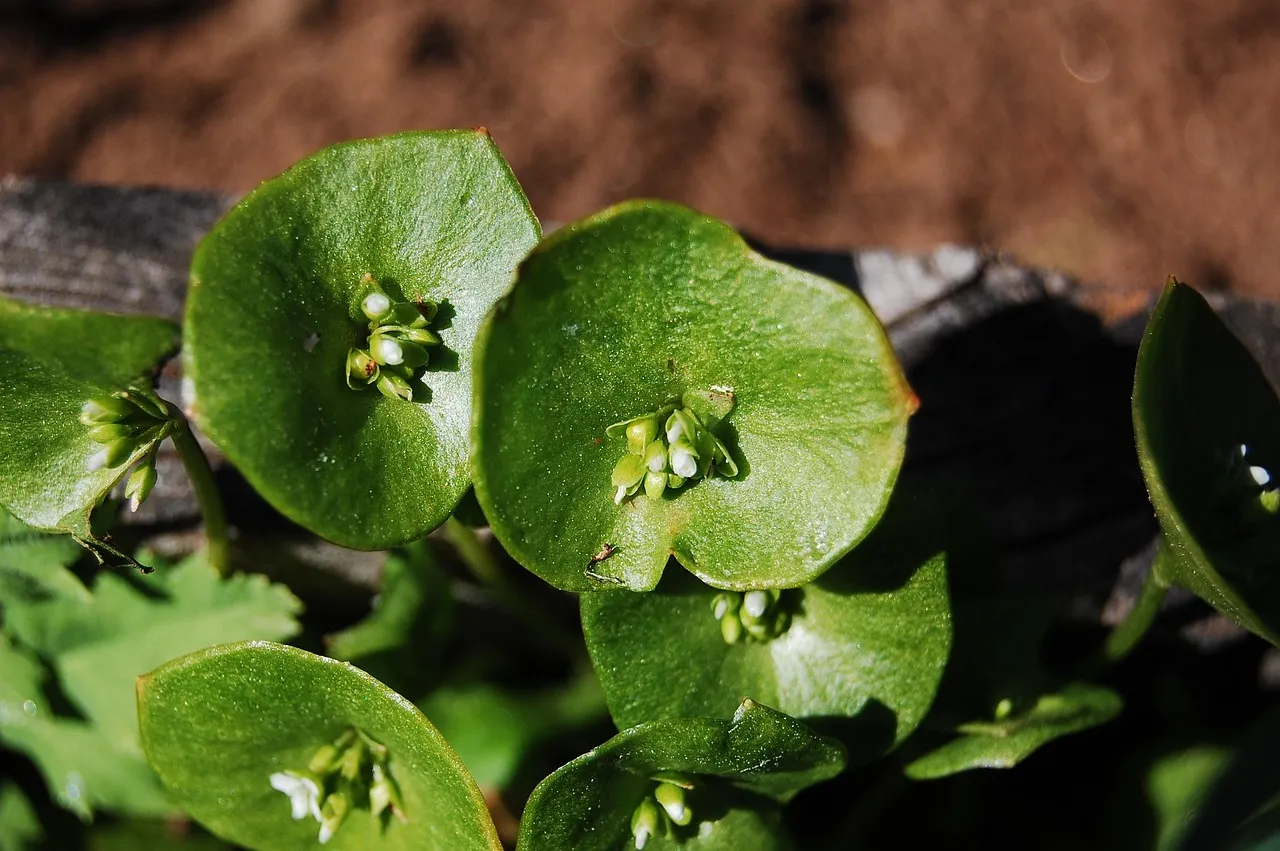
Regularly checking young seedlings for leaf mines is essential. Most mines occur on cotyledons and the first true leaves, and some mines are most obvious from the underside of the leaf. Making this a weekly habit during the growing season catches problems before they compound.
If you regularly find eggs or new tunnels, assume a fresh wave of adults is present and protect the crop before the next generation spreads. Leaf miner damage becomes serious when more than a few leaves show active trails, when new tunnels appear daily, or when the center of the plant is affected. At that point, spinach can lose vigor quickly, and the leaves may become unmarketable or less palatable even if the plant still looks partly green.
In most seasons, the damage is minimal and the plants will outgrow it, leaving only early leaves with cosmetic damage. That said, the difference between a season with minor cosmetic damage and a season where the whole crop is unharvestable usually comes down to one thing: how closely you were paying attention in the early weeks.
Leaf miners reward the grower who stays curious and observant rather than the one who simply reacts when things look bad. The pest’s entire strategy depends on working unnoticed inside the leaf. Your entire strategy, in turn, depends on removing that advantage. Rotate, cover, monitor, and remove. Do all four consistently, and your spinach patch will be far more resilient than the pest ever expected.AI Disclaimer: This article was created with the assistance of AI tools and reviewed by a human editor.