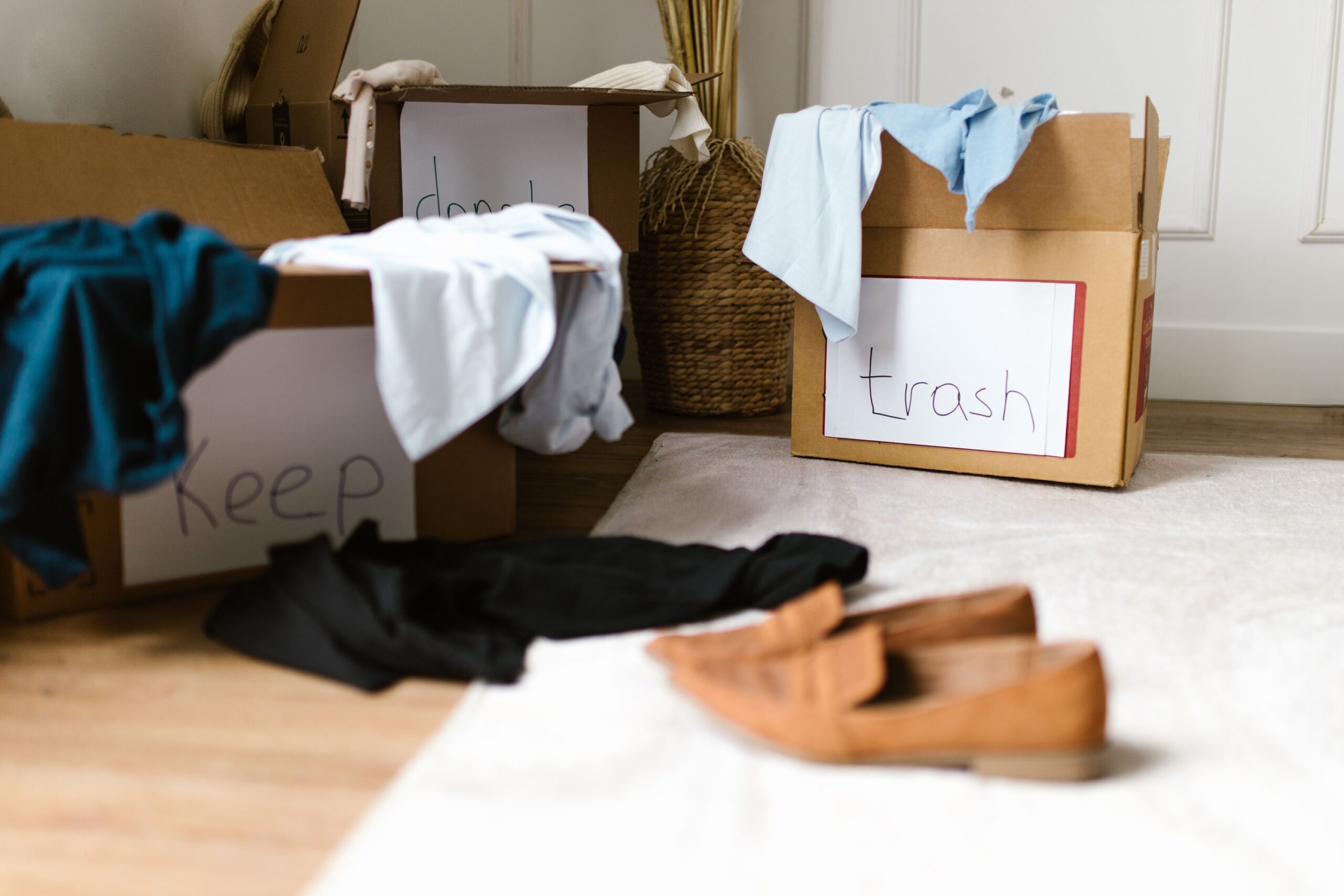

Most of us are surrounded by more than we realize. Estimates suggest that the average American home contains around 300,000 items, and most of those objects carry some level of emotional weight for the people living there. That makes letting go genuinely difficult. Professional organizers, though, walk into a space and see the situation very differently.
Research suggests that roughly four out of five items people hold onto are never actually used. That’s a striking number, and it sits at the heart of what professional organizers do every day. They’re not emotionally neutral, they’re just practiced. They know exactly which categories of items are draining a home of its calm and function, and they act on it without hesitation.
1. Expired Medications

The medicine cabinet is one of the first places professional organizers open, and it’s rarely a pleasant surprise. Most medicine cabinets quietly harbor collections of expired pain relievers, old antibiotics, and half-empty vitamin bottles, and keeping those expired medications doesn’t just create clutter but also poses a genuine safety concern, especially in households with children or pets.
Over time, the chemical compounds in prescription pills and over-the-counter medicines begin to degrade, which means the medication may no longer work as intended, or worse, it could become toxic. That’s a risk nobody should accept in exchange for a little drawer space.
The safest method for disposal is using a local drug take-back program, and if that’s not accessible, the U.S. Food and Drug Administration recommends mixing unneeded medications with an unappealing substance like dirt, used coffee grounds, or cat litter before sealing and trashing them. It’s a quick process that makes the home measurably safer.
2. Paper Piles and Outdated Documents
Paperwork consistently lands on every professional organizer’s discard list, making it one of the most universally recognized sources of household clutter. Junk mail, old receipts, instruction manuals for appliances long gone, outdated warranties – all of it accumulates in ways that feel invisible until suddenly it isn’t.
Experienced organizers recommend tossing junk mail immediately while shredding outdated paperwork including old office documents, unwanted letters, and old receipts to ensure a more efficient and functional workspace. The “I might need it later” instinct is almost never rewarded.
Tackling piles of old receipts, manuals, and warranties in desk drawers and filing cabinets goes quickly once you start, and scanning any important documents before shredding is a sensible precaution that takes only minutes. Going digital with paperwork is the long-term fix most organizers now swear by.
3. Broken Items Waiting to Be Fixed

The “to-be-fixed pile” is something professional organizers encounter in almost every home. Those broken items waiting for a repair that never comes are handled simply: organizers either fix them or ditch them, and if the item has already been replaced, isn’t missed, or would be too costly to fix, there’s no sense keeping it around.
Garages and spare rooms tend to be the worst offenders. Garages often become dumping grounds for random unused belongings, with tools and equipment that are broken or haven’t been used in years occupying valuable space that could be used far more productively.
The logic is clean and worth repeating: a broken item that sits unused for months has already been functionally discarded. Rather than agonizing over sentimental or expensive items, making immediate progress by removing hidden junk like broken gadgets is where decluttering gains real momentum, since these objects take up valuable real estate in cabinets and drawers without providing anything in return.
4. Clothes That Haven’t Been Worn in Over a Year

Wardrobes are a reliable source of quiet, accumulating clutter. The average American throws away roughly 81 pounds of clothing every year, which is a remarkable figure and speaks to how much is bought, used briefly, and then simply held onto out of habit or guilt.
Professional organizers apply a straightforward test: if you haven’t worn something in the past year, and it doesn’t serve a specific seasonal purpose you can clearly name, it goes. Items kept because they “might fit again someday” or “were expensive” rarely earn their drawer space back.
Studies have found that a meaningful portion of people feel some level of depression when opening their closets, largely because they can never quite get them organized to their satisfaction and struggle to locate the things they actually care about. Letting go of unworn clothes directly addresses that.
5. Outdated Electronics and Tangled Cables

Most homes quietly maintain a graveyard of obsolete gadgets collecting dust in drawers and cabinets. Old phones, DVD players, chargers for devices no longer owned, cables that connect to nothing – these items have a way of multiplying without anyone noticing.
Home offices and storage spaces often have designated cabinets for outdated electronics, and at a certain point the reality becomes clear: these items will never truly be used again. Donating gadgets that still work, recycling the rest, and repurposing old charging cables frees up a surprising amount of space.
The important note here is disposal. Electronics contain materials that shouldn’t go into standard waste bins, so checking with local e-waste programs before tossing them matters. Still, the decision to remove them from the home is exactly where professional organizers start – and the relief that follows tends to be immediate.
Why This Matters More Than You Think

Research suggests that cluttered environments correlate with cortisol elevations ranging from 18 to 25 percent compared to organized spaces. Cortisol is the body’s primary stress hormone, so that’s a measurable physical consequence tied directly to the state of your living environment.
Research found that middle-class Americans whose home descriptions included more clutter-related language showed less healthy cortisol patterns and greater depressed mood. The connection between physical space and mental state is well-documented at this point, not just anecdotal.
Cluttered workspaces can decrease productivity by around 30 percent, and nearly half of people acknowledge that home organization directly impacts their mental health. These are not trivial numbers when you consider how much time we spend inside our homes.
The Cost of Holding On

Americans collectively spend around 2.7 billion dollars every year replacing items they simply can’t find. Clutter doesn’t just create stress – it creates real, measurable financial waste. The item you bought again because you couldn’t locate the original one was almost certainly buried in a drawer somewhere.
Americans spend an average of roughly 2.5 days per year searching for misplaced items. That’s two and a half days of productive, restorative, or joyful time quietly consumed by disorganization.
Professional organizers see this pattern constantly, and it’s part of why they move so decisively. Holding onto things that no longer work, no longer fit, or no longer serve any purpose isn’t neutral. It quietly costs time, money, and mental clarity every single day.
The Emotional Block Most People Don’t Acknowledge

Around 54 percent of Americans feel overwhelmed by the amount of clutter in their homes, yet 78 percent have no idea what to do about it or find it too complicated to address, so they let it build. That gap between feeling the problem and acting on it is where most people get stuck.
Living in a cluttered space tends to produce feelings of being overwhelmed and uneasy, and reducing that clutter is a direct route to a home that feels more relaxing and genuinely calming. Most people already sense this. The difficulty is starting.
Professional organizers often say that the emotional weight of clutter is disproportionate to the physical effort of removing it. The decision is the hard part. The actual throwing away, once decided, takes minutes.
What the Clutter Is Really Protecting

Professional organizers have identified that certain specific categories of items, once removed, immediately reduce a home’s clutter load and transform the space for good, and these decisions work precisely because they remove a common block: not knowing where to start.
Expired medications, paper piles, broken objects, unworn clothes, and dead electronics all share a common trait: they create zero value in the present while actively consuming space and attention. They’re not protecting memories. They’re protecting inertia.
The interesting thing about working with professional organizers is that clients often describe the outcome not as losing things, but as gaining a home. The space that returns when the clutter is gone tends to feel, almost immediately, like something they hadn’t known they were missing.
How to Apply This Without Hiring an Organizer

Clearing out physical clutter in a home instantly reduces daily stress and saves hours of cleaning each week, and the fastest route to that outcome is to tackle exactly the items that professional organizers always address first. You don’t need a consultant for that. You need a trash bag and a clear Sunday afternoon.
Start with one category. Expired medications are the easiest and the one with a genuine safety argument behind it. From there, move to paper, then electronics, then clothes. Each category builds momentum for the next.
The trick is to break the process into manageable chunks, focusing on one area at a time and taking it step by step. That’s exactly how professionals approach it, and there’s no reason the same method can’t work in your own hands.
The Real Standard Professional Organizers Use
There’s no mystery to the professional organizer’s decision-making process when it comes to these five categories. The standard is simple: does this item work, do I use it, and could something go wrong by keeping it here? If the answer to any of those questions goes the wrong way, it leaves.
A cluttered home drains energy and makes it hard to focus, and clearing out spaces removes items that no longer serve a purpose, opens up room, and lifts a mental weight that most people don’t fully recognize until it’s gone.
That last part is worth sitting with. The weight is already there. The decision to remove it is just overdue.
AI Disclaimer: This article was created with the assistance of AI tools and reviewed by a human editor.