
Start With a Clear Purpose for Your Space
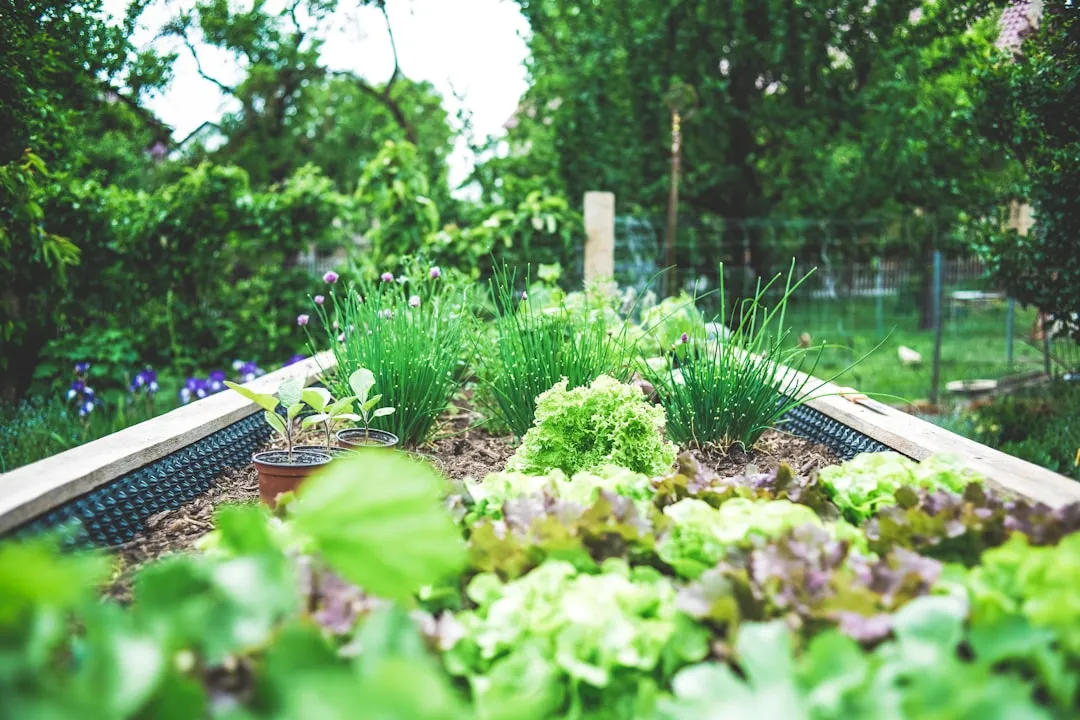
Before digging a single hole, it helps to decide what the garden is actually for. Herb garden designers often begin exactly this way, asking whether the goal is a calming tea garden, a healing apothecary, or something else entirely, since when designing an herb garden, you always begin with its purpose, whether that means a calming tea garden, a healing apothecary, a fragrant space for reflection, or a buffet for pollinators, because your purpose guides your design.
A tea garden narrows the plant list considerably compared to a general medicinal bed, since you’re really only choosing herbs safe and pleasant to drink. This clarity saves money and space later, because it stops the common trap of buying every interesting seed packet at the nursery. Once the purpose is set, everything else, from layout to plant selection, becomes much easier to plan.
Pick a Sunny, Accessible Spot
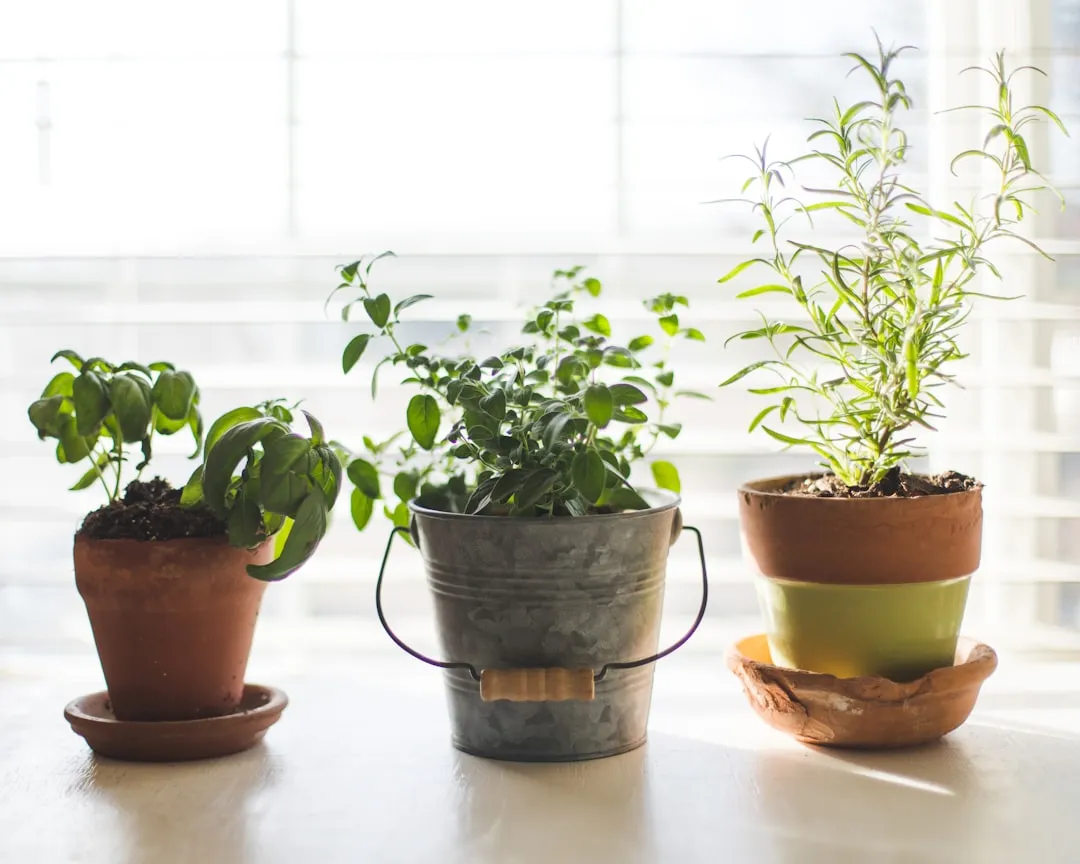
Location matters more than most beginners expect. The overwhelming majority of tea herbs, from chamomile to lavender, need serious sun exposure, and experienced growers consistently note that most herbs thrive in full sun, which means 6-8 hours of direct sunlight per day. Beyond sunlight, think about foot traffic and convenience, since a tea garden you’ll visit daily works best near a kitchen door or a well worn path.
Gardeners who plan for both use and beauty often describe herb gardens as sanctuaries, and one long time herb farmer put it simply, calling an herb garden more than just a collection of plants, it’s a place to nourish your body and spirit, to heal, to dream, and to connect with the rhythms of nature. If your yard doesn’t offer a perfect spot, that’s fine too, since a smaller sunny corner or a cluster of containers on a deck works just as well.
Get the Soil Right Before You Plant
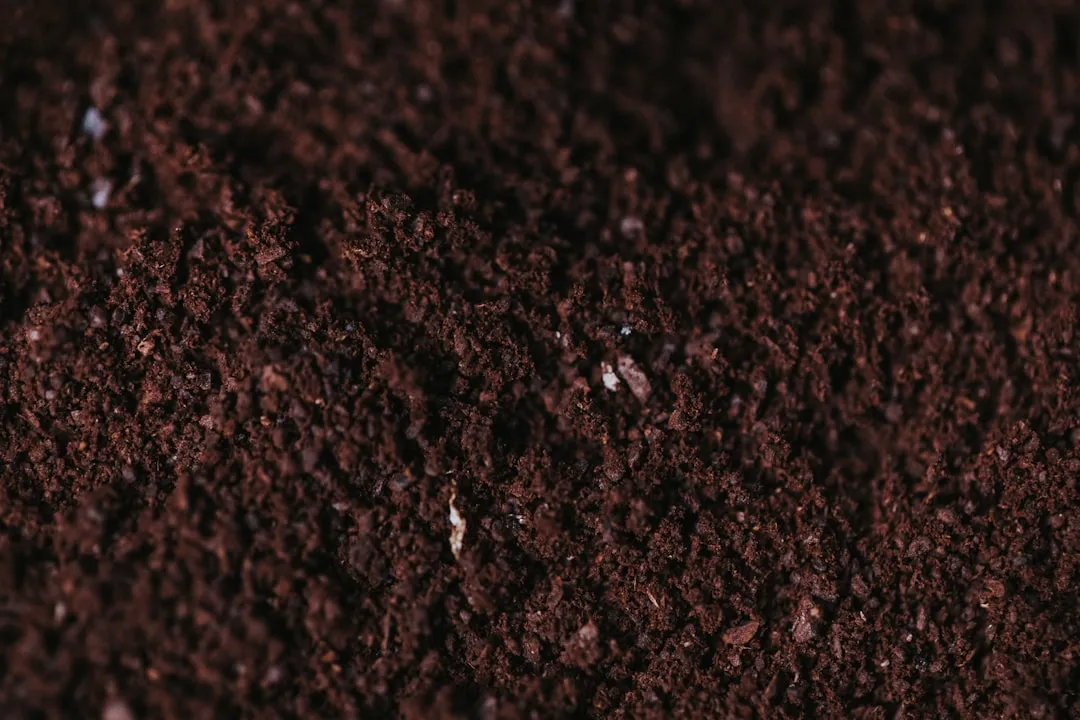
Soil preparation is where a lot of new tea gardens either take off or struggle. Most medicinal and tea herbs actually prefer lean, well drained conditions rather than rich garden soil, and one detailed growing guide notes that most medicinal herbs prefer slightly acidic to neutral soil with a pH between 6.0 and 7.0, along with good drainage.
Testing soil before planting isn’t overkill, since amending clay or sandy ground early prevents root rot and stunted growth down the line. Fertilizer, interestingly, is usually unnecessary and can even backfire, because as one source on medicinal gardening explains, usually no additional fertilizer is needed, and as with some culinary herbs, too much nitrogen can dilute the strength of essential oils. Raised beds filled with a blend of topsoil, compost, and perlite solve most drainage problems for gardeners stuck with heavy or poor soil.
Choose a Layout That Works for You
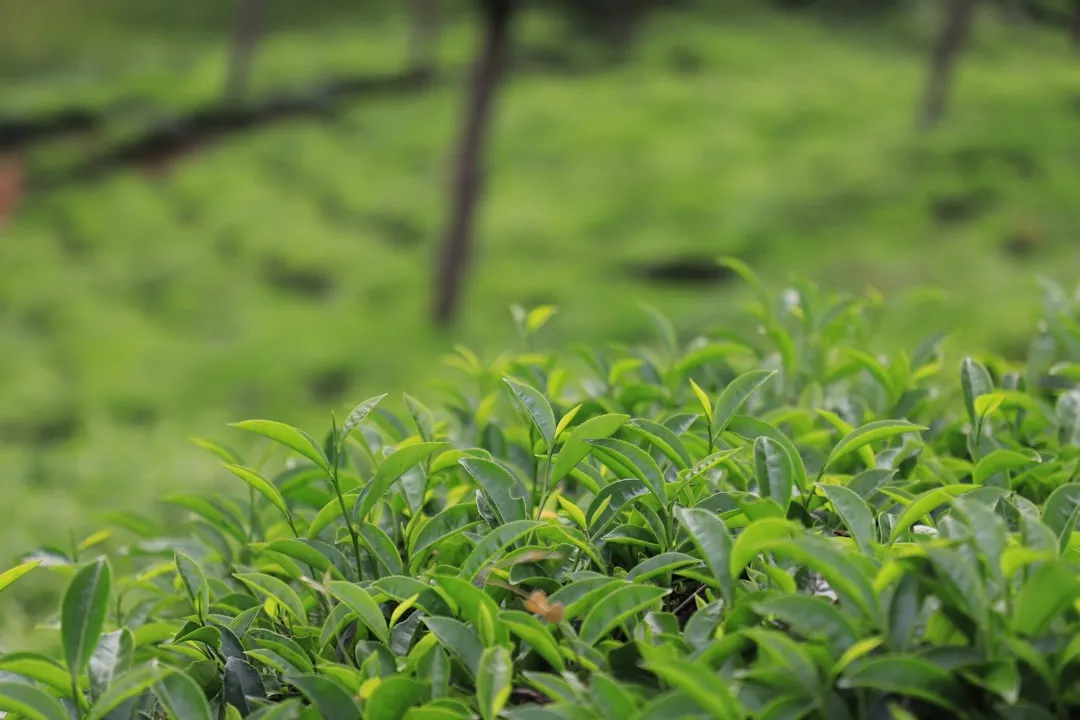
There’s no single correct shape for a tea garden, but a few tried and true layouts show up again and again. A traditional approach divides the space into sections by category, and one Maine based herb farmer describes using a traditional quadrant layout, a square garden divided into four sections dedicated to categories like dye herbs, medicinal herbs, culinary herbs, and tea herbs, calling it a classic format that is both functional and beautiful.
For smaller yards, spiral or keyhole beds pack a surprising amount of variety into a tight footprint, and permaculture guides suggest starting with something as simple as a mound of good soil about 3 feet high and 5 feet across, with fist to head sized rocks placed in a spiral pattern winding from the bottom inward to the top. Container gardening remains a completely legitimate option too, especially for renters or anyone without a proper backyard. Whatever shape you choose, leaving room to expand later tends to save a lot of redesigning down the road.
Chamomile: The Anchor of Any Tea Garden
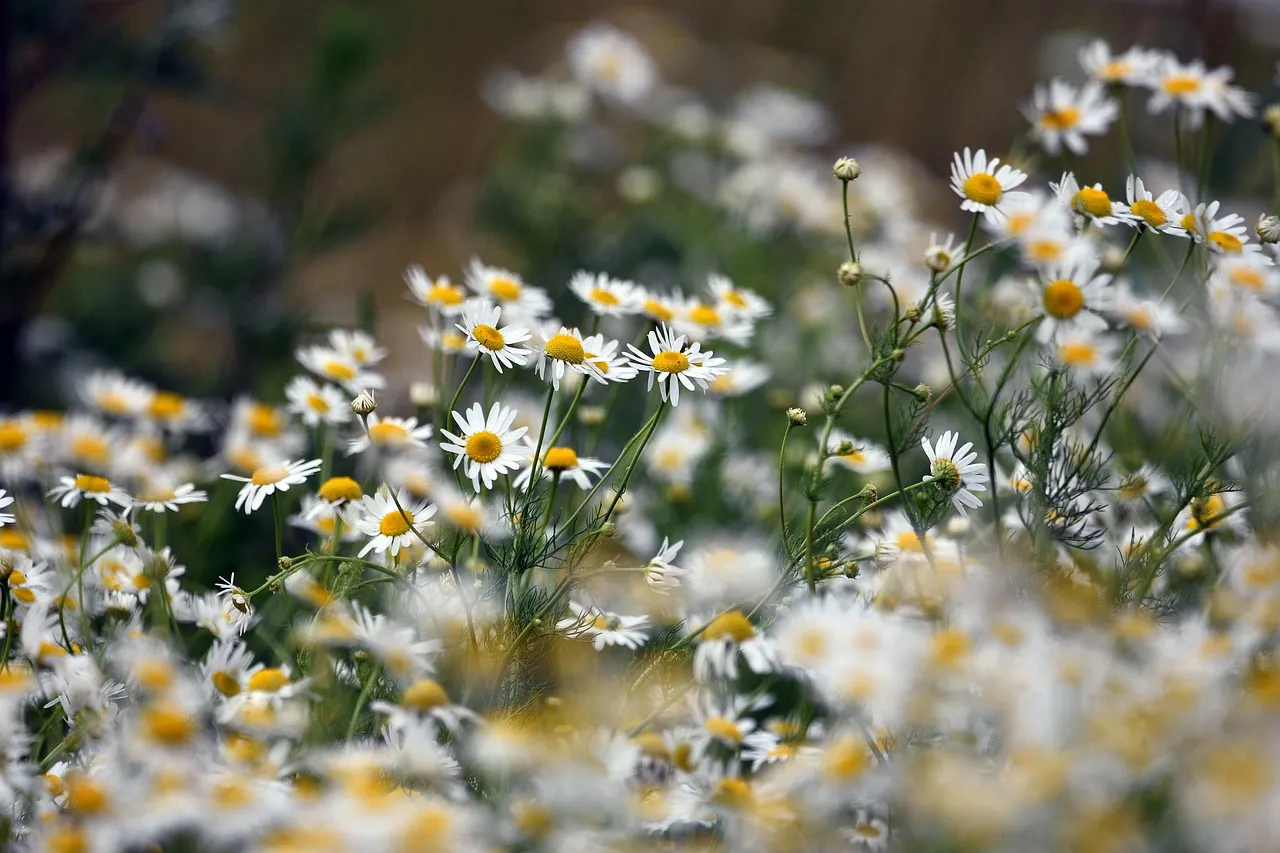
If a tea garden has one signature plant, it’s chamomile. It’s genuinely one of the most consumed herbal infusions in the world, and growers point out that this soothing herb makes the world’s most popular cup of tea and is the tea of choice for soothing cramps and nausea and helping the mind and body relax. It’s also forgiving for beginners, since it’s an annual that self seeds readily and simply needs full sun with well drained soil.
Beyond the cup, chamomile flowers have a second life as a topical remedy, since they’re also used externally to heal eczema, acne, and diaper rash. Planting a generous patch near the front of the garden makes sense too, since it’s harvested repeatedly through the season rather than just once.
Lemon Balm and Mint for Everyday Calm
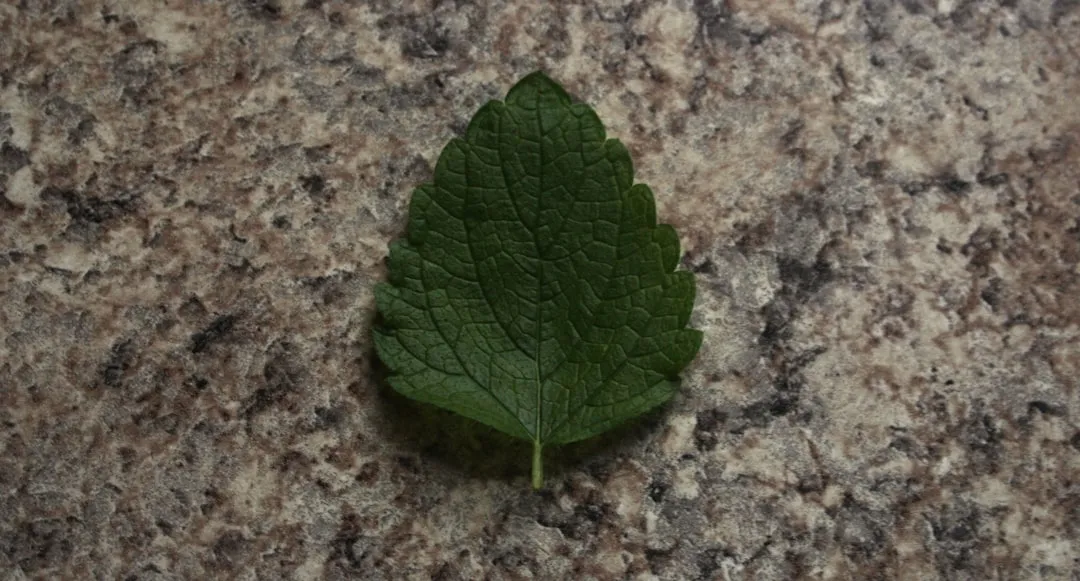
Lemon balm deserves a spot near the top of any beginner’s list because it’s almost impossible to kill. Multiple growing guides describe it as one of the easiest herbs available, noting that lemon balm is easy to grow, forgiving of neglect, and one of the best beginner herbs, dependable enough that every home gardener should grow it.
As a tea, it has a genuinely calming effect, since it has a heavenly aroma and, brewed as tea, helps calm the nervous system while stimulating the heart. Peppermint pairs naturally alongside it for digestive support, valued for stimulating appetite and easing indigestion, upset stomach, and nausea. The one caution worth repeating is that mint spreads aggressively underground, so most experienced gardeners keep it contained in a pot or a buried barrier rather than letting it roam free in the bed.
Lavender for Fragrance and Relaxation
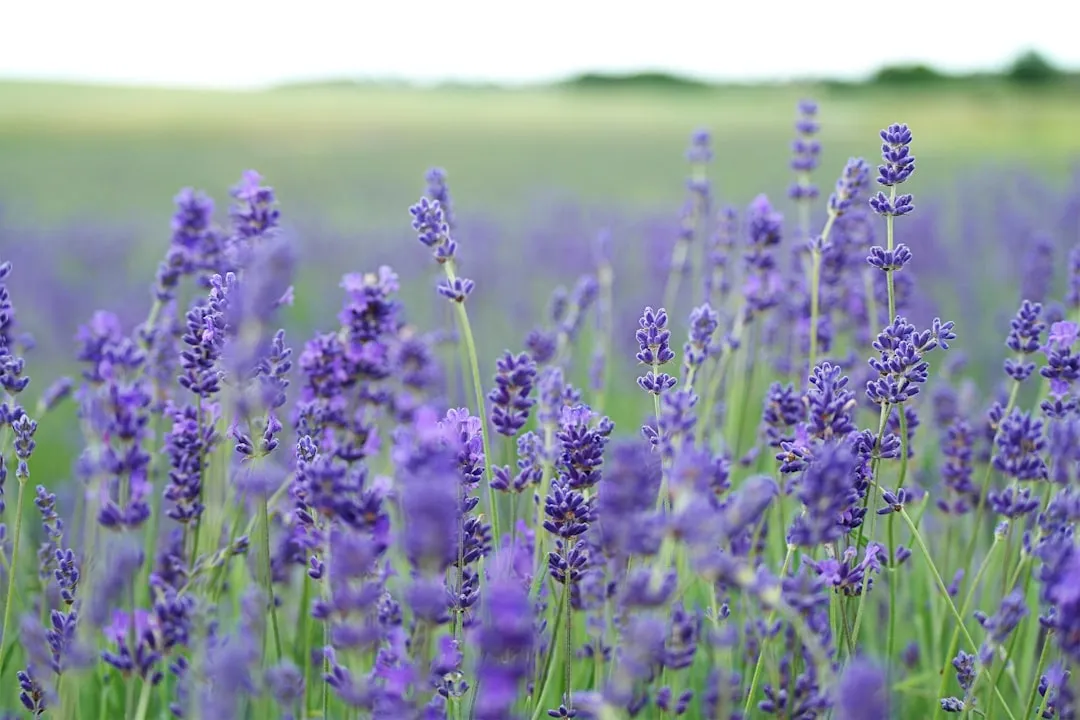
Lavender brings something different to a tea garden beyond flavor, since its scent alone does a lot of the calming work before the water even boils. It’s not the easiest herb to start from seed, and growers who’ve tried it often admit that lavender can be tricky to start from seed, so purchasing healthy starts is a smart way to avoid frustration.
Once established, though, it rewards very little fuss, thriving in dry, sandy conditions and returning as a hardy perennial across a wide range of climates. The flowers do double duty in the kitchen too, since lavender blossoms are edible and can be used to flavor ice cream, chocolate, honey, sugar, a cup of tea, and more. A few plants along a garden edge add both structure and fragrance that carries well beyond the bed itself.
Echinacea and Other Immune Support Herbs
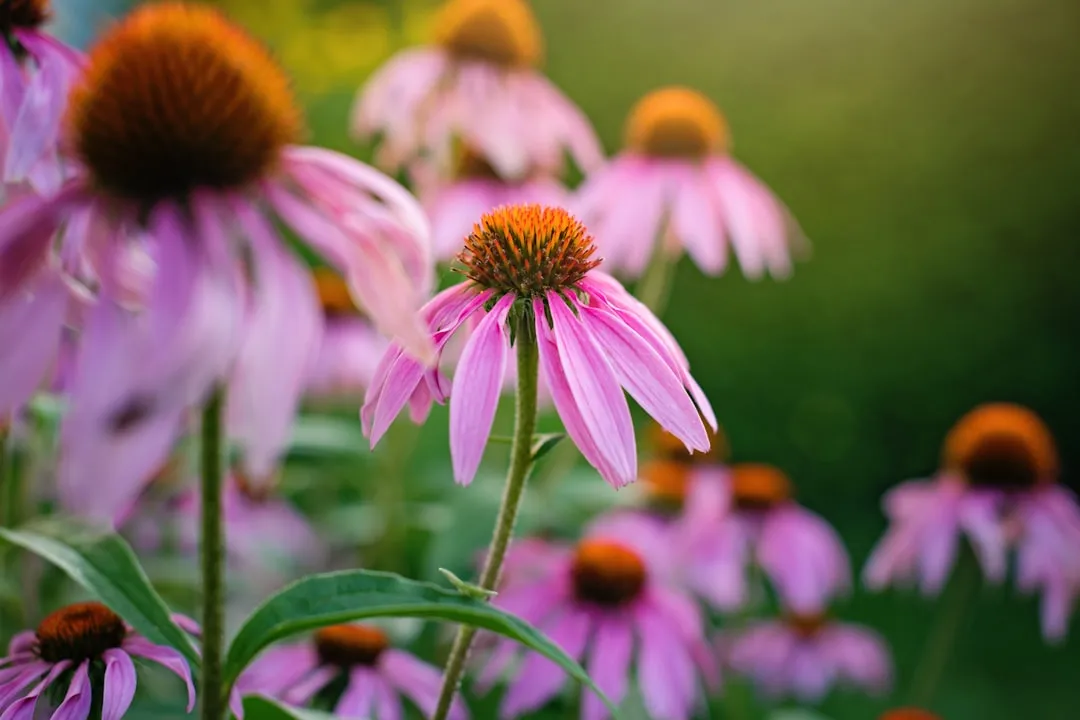
Echinacea is the herb most people reach for at the first sign of a cold, and it earns its place in a tea garden for that reason alone. It’s a genuine perennial commitment though, since growing guides note that gardeners should harvest roots after 2 to 3 years rather than expecting an instant payoff.
That patience matters for placement too, since root focused herbs like echinacea are best tucked into a less frequently disturbed corner, as one herbalist explains, plants like echinacea and astragalus should go in a less frequented or disturbed area since they’ll only need harvesting every couple years, and these are among the popular herbs whose roots carry the most medicine. Give it room from the start, since digging up roots later without damaging neighboring plants requires some planning ahead. It’s a slower reward than chamomile or mint, but for a tea garden built around wellness rather than instant gratification, that tradeoff feels appropriate.
Companion Planting and Natural Pest Control
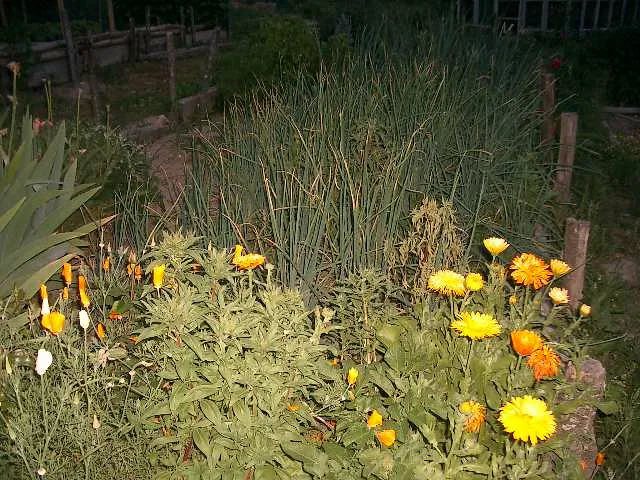
A well planned tea garden doesn’t just look good, it also helps take care of itself. Certain pairings genuinely reduce pest problems, and one apothecary garden guide recommends that gardeners plant yarrow near lavender to deter pests, or grow chamomile alongside calendula to enhance soil vitality.
Garlic, while not typically brewed into tea, earns a spot at the edge of many herb beds purely for its protective role, since it helps repel many unwanted insect species from your herb garden. Spacing plants generously also matters more than people expect, because tightly packed beds trap moisture and invite fungal disease. A little breathing room between plants, combined with a few strategic pairings, usually does more good than any spray ever could.
Harvesting, Drying, and Brewing Your Tea
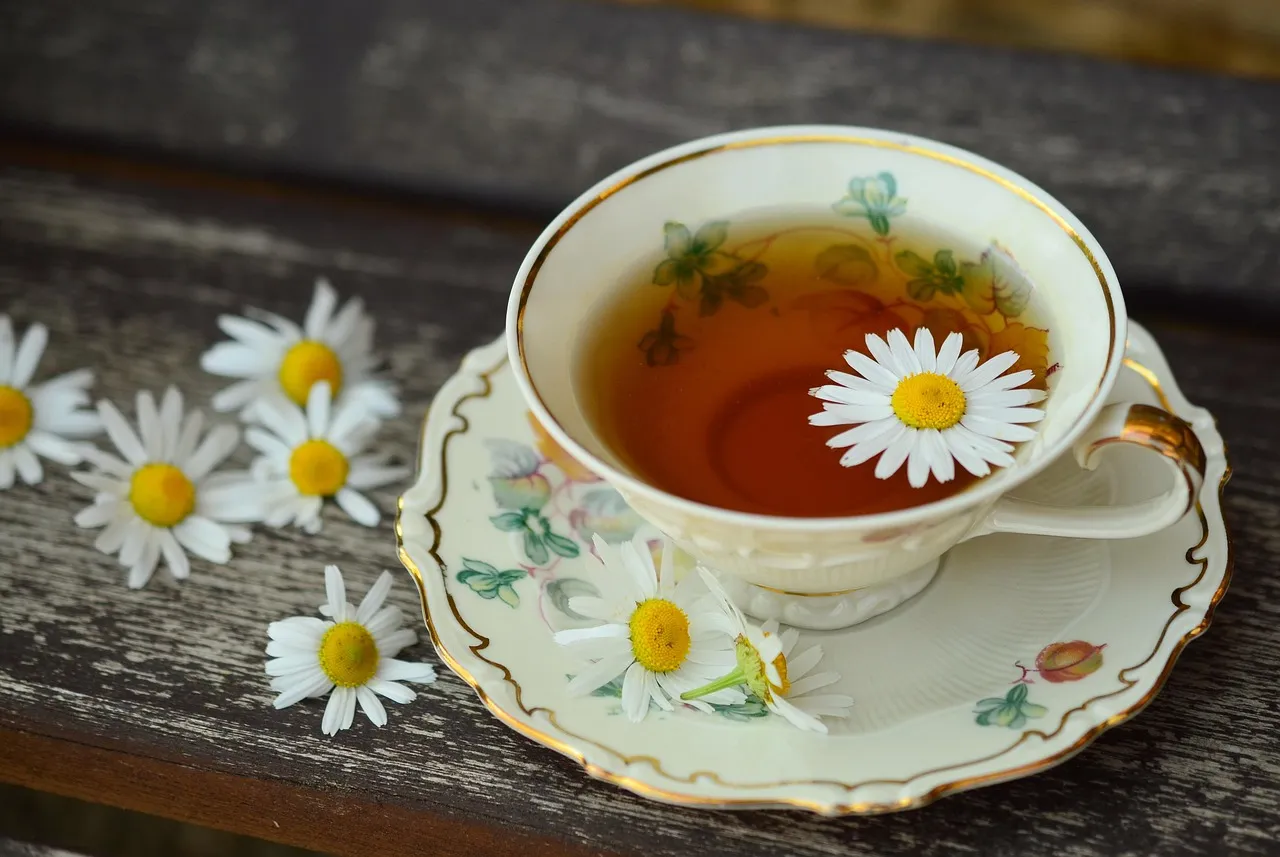
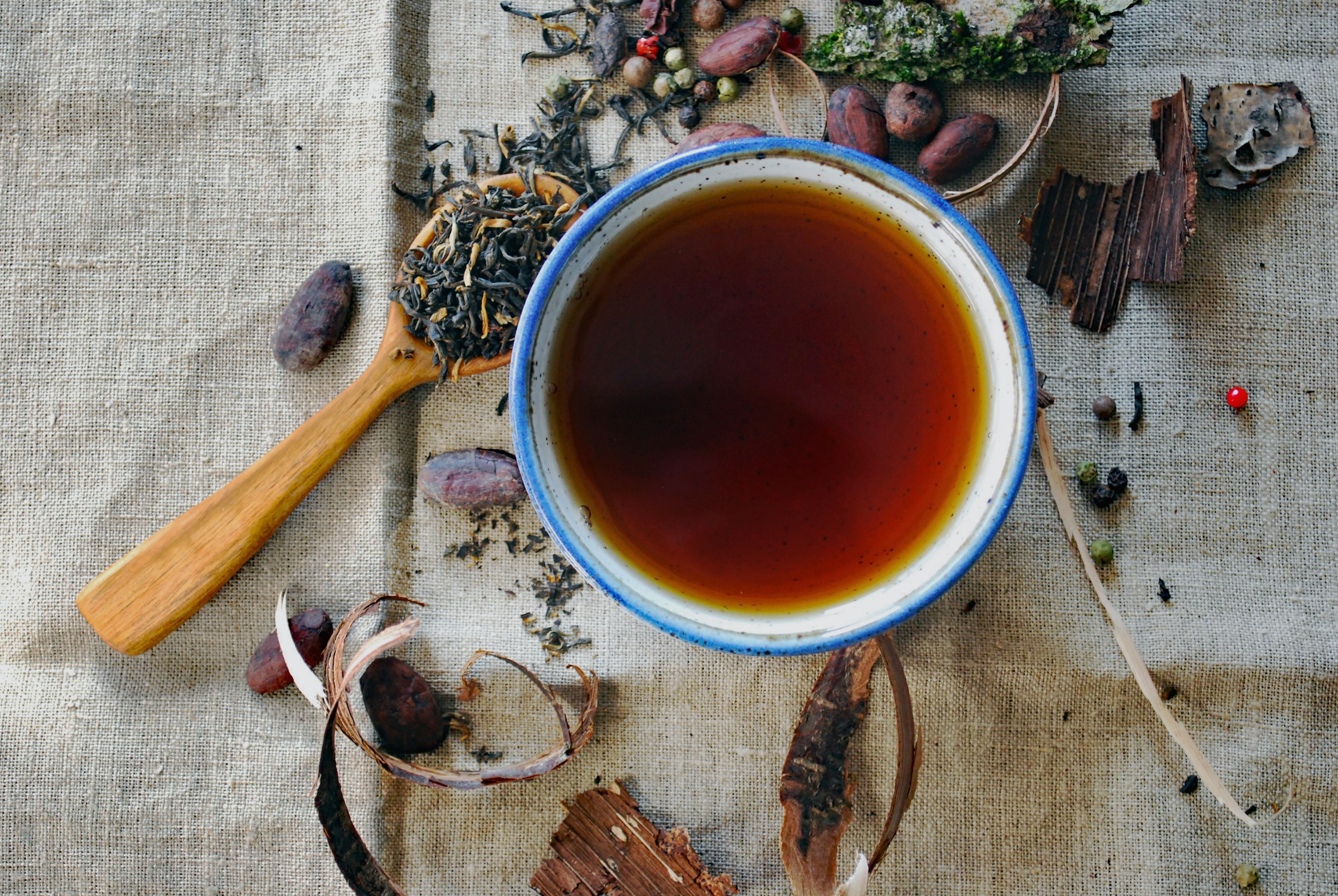
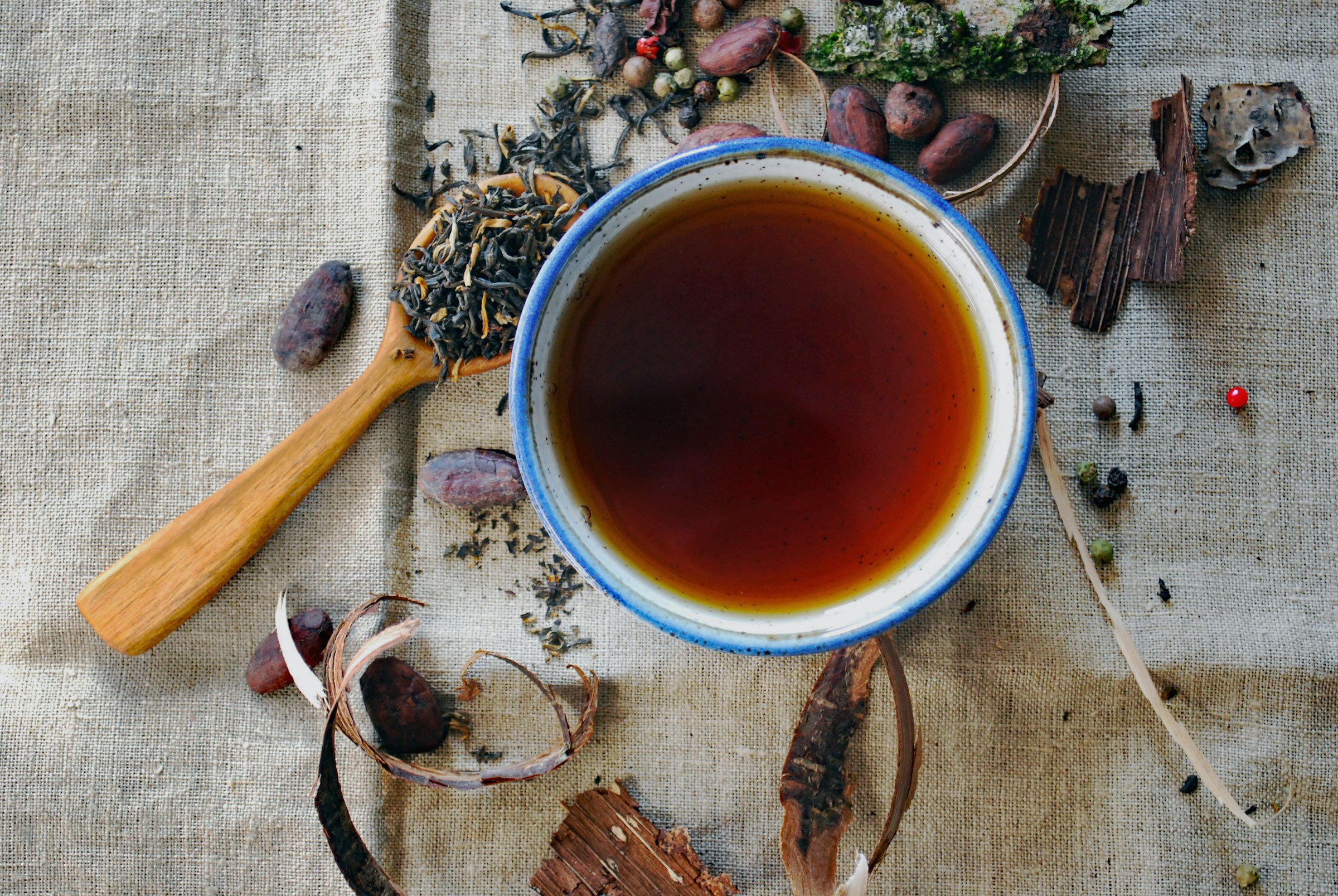
All that planning eventually leads to the actual point of the garden, which is a cup of something warm and homegrown. Timing matters at harvest, since flowers like chamomile are best picked once fully open, while leafy herbs like lemon balm and mint can be cut throughout the growing season. Once dried and stored properly in jars, these herbs keep their character for months, and gardeners who make their own blends often notice a real difference at the grocery store, since making your own tea and herbal seasonings means being able to save money at the grocery store.
It’s worth remembering that herbal teas are generally gentle but not risk free, and even trusted sources caution that while generally deemed safe, consuming them moderately and consulting with a healthcare professional is recommended, especially for individuals with health concerns or using medicinal spices. That balance of enjoyment and common sense caution is really what a good tea garden teaches over time.
A tea garden never really finishes growing, which might be the most honest thing to say about the whole project. New plants get added, old ones get moved, and the blend of what ends up in the teapot shifts season by season depending on what thrived and what didn’t. That ongoing, slightly unpredictable relationship with a small patch of ground is, in the end, most of the appeal.AI Disclaimer: This article was created with the assistance of AI tools and reviewed by a human editor.