
The Physics Behind a Sudden Cold Blast
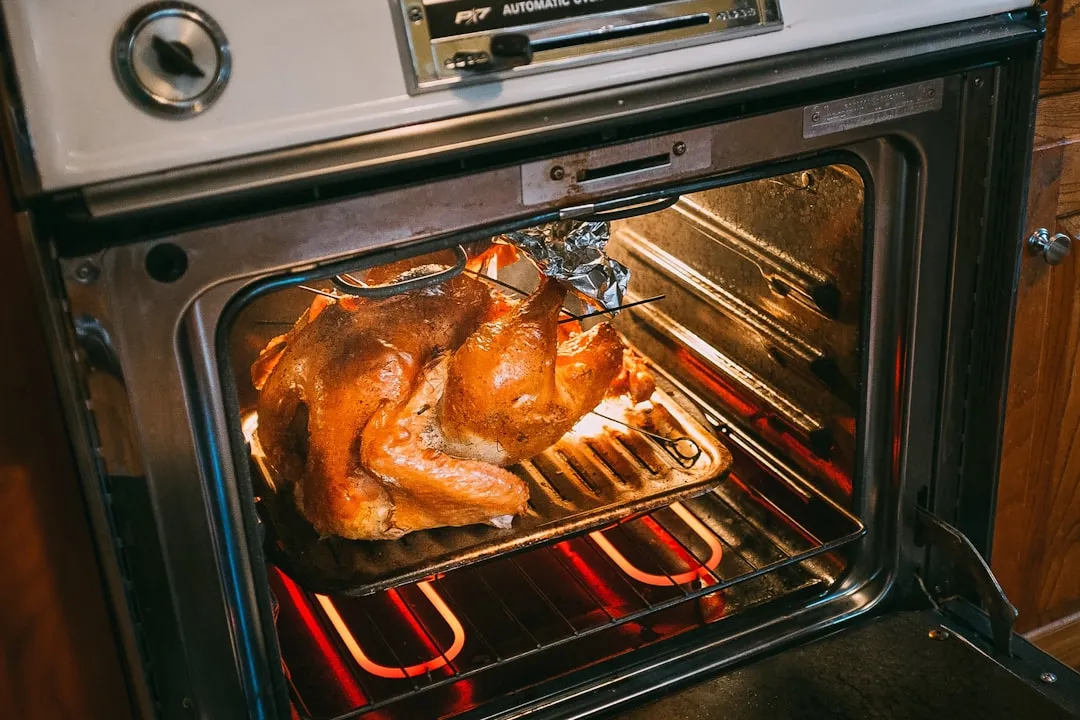
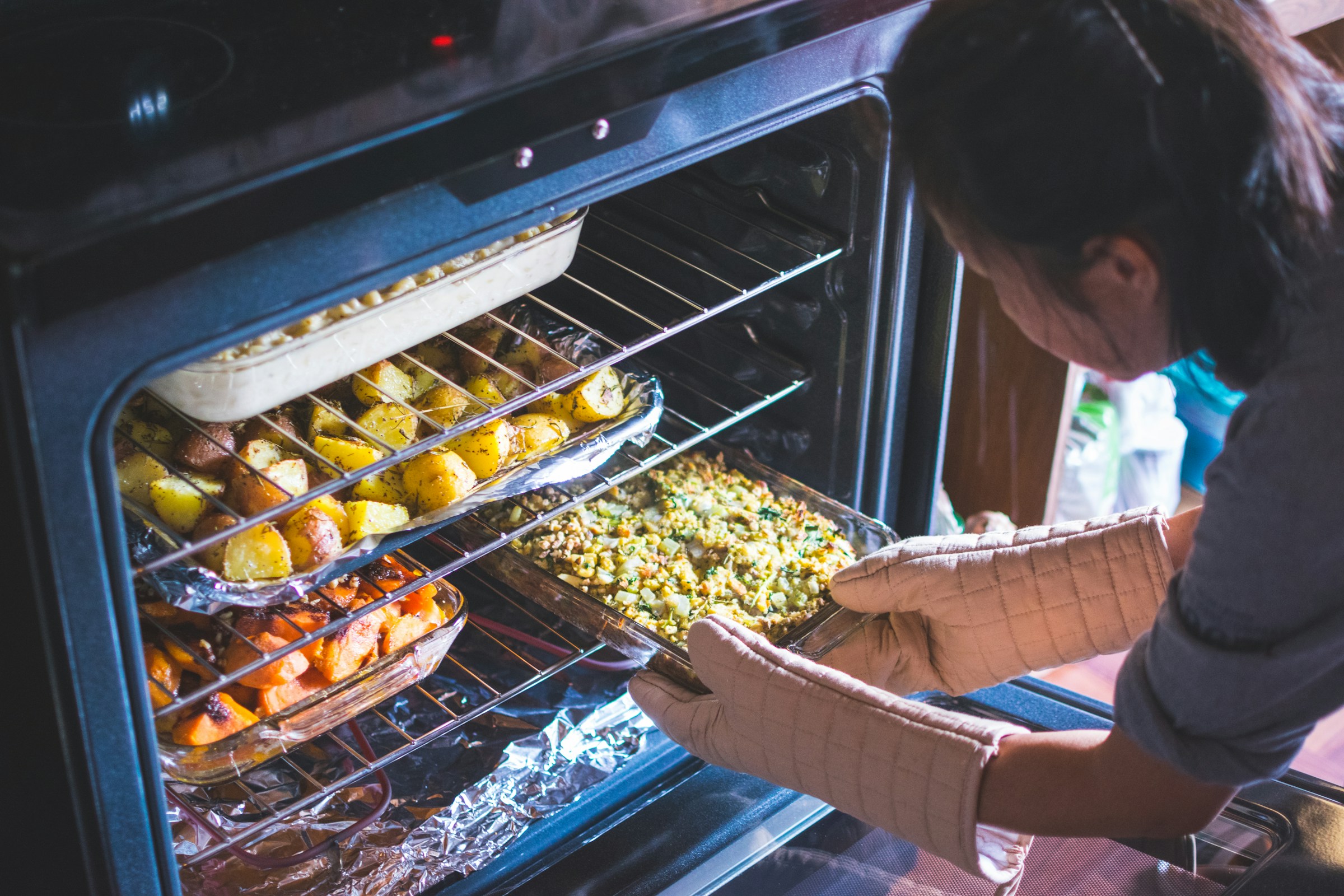
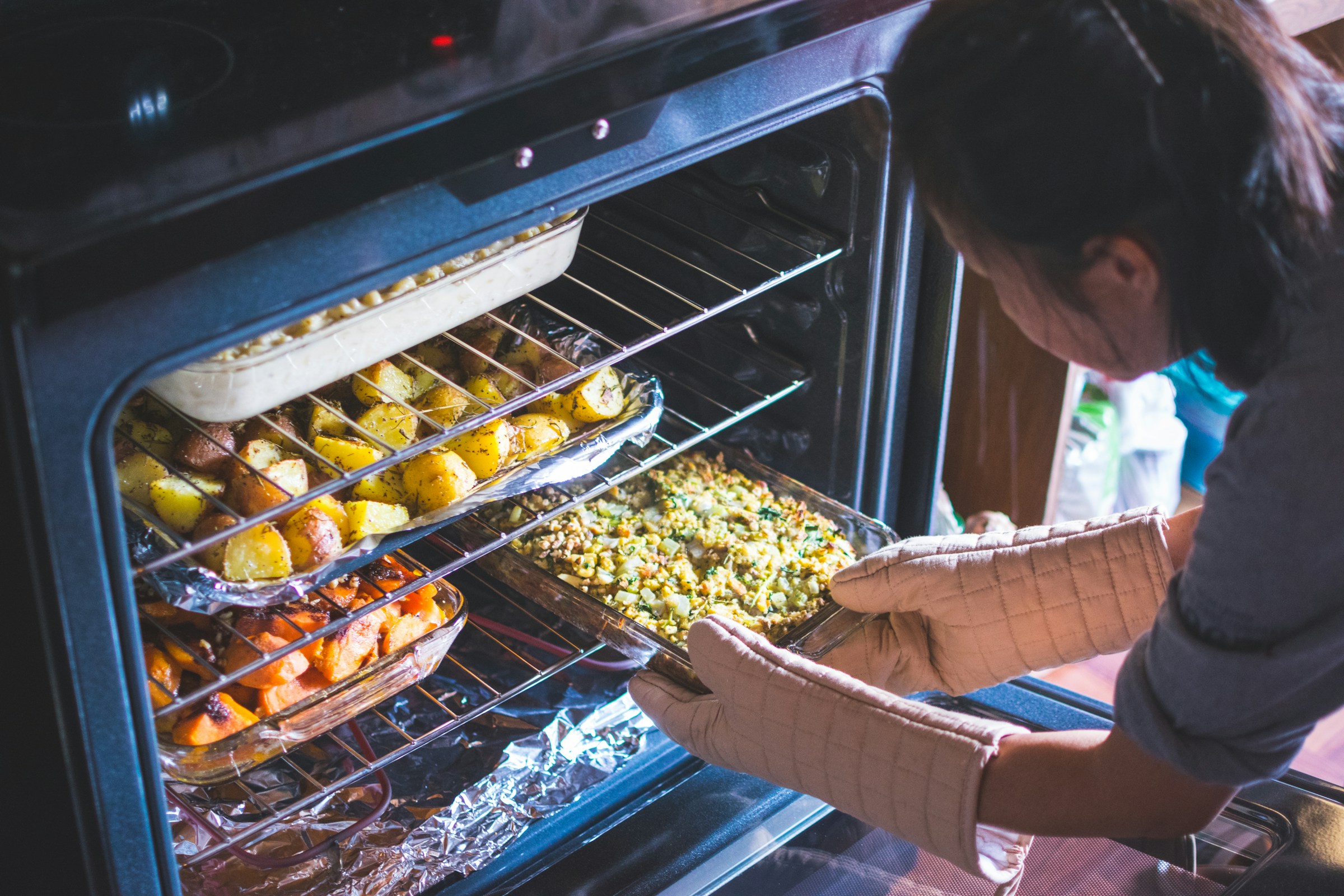
Every time an oven door swings open, hot air rushes out and cooler kitchen air rushes in, and that exchange happens almost instantly. Some sources estimate the loss at a relatively modest amount, noting that every time the door is opened, the oven can lose up to 25 degrees Fahrenheit or more, forcing it to work harder to return to the right temperature.
Other measurements suggest the drop can be far steeper depending on how long the door stays open, with food scientist Shirley Corriher writing in her book Bakewise that the oven temperature can drop 150 degrees or more if the oven door is left open just thirty seconds. Either way, the underlying lesson holds up: a quick peek is never really quick when it comes to heat.
Why Cakes Fall Flat When You Peek Too Soon
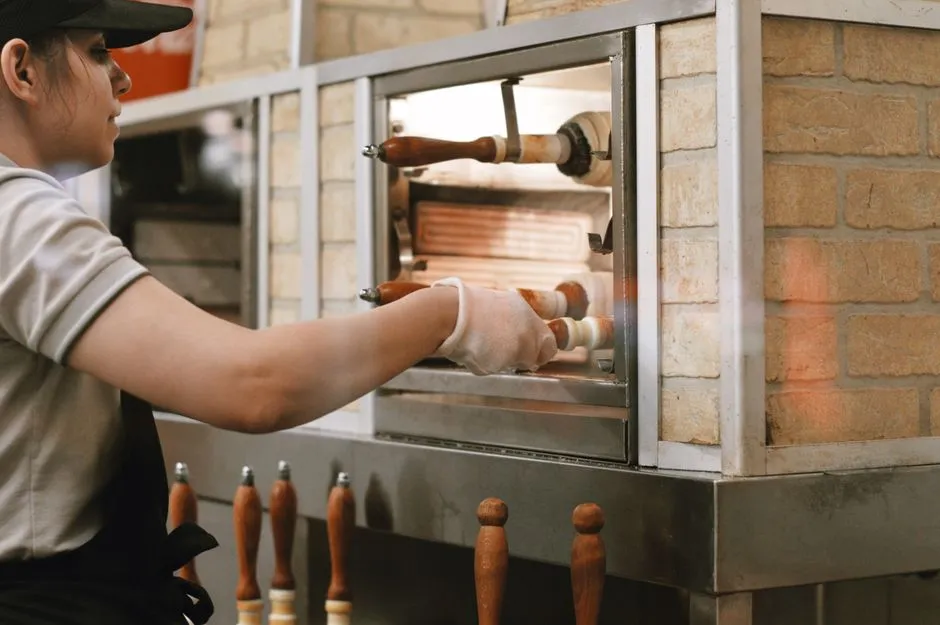
Cake batter relies on trapped gas bubbles expanding steadily as the structure around them firms up, and that process does not tolerate interruptions well. One kitchen resource notes that opening the oven door can cause the temperature to drop by as much as 100 degrees Fahrenheit, which can lead to uneven cooking and deflated baked goods. The mechanism is fairly simple once you picture it: a cake is essentially a foam that’s still setting, and a blast of cool air can literally stop that expansion mid rise. This is why so many bakers describe the moment a cake sinks in the middle as heartbreaking but also entirely predictable.
The Soufflé Effect: A Textbook Case of Structural Collapse
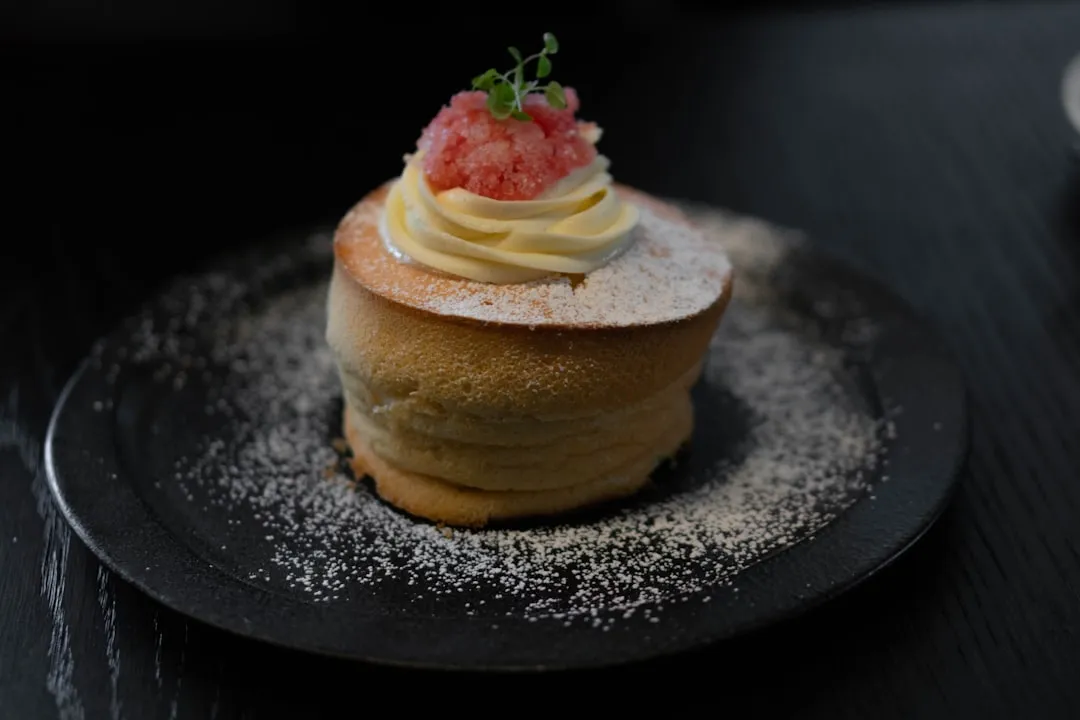
If there’s one dish that gets used as the poster child for this problem, it’s the soufflé, and for good reason. Inside the oven, air bubbles trapped in the egg whites expand, making the souffle rise, while the heat also causes the protein to stiffen and, along with fat from the yolk, forms a kind of scaffold that keeps the souffle from collapsing.
That scaffold is still soft and unfinished for much of the bake, so a rush of cold air at the wrong moment can undo minutes of careful whipping and folding in seconds, as noted by food science writers who explain that the cool air coming in from the open door will stop your souffles from rising. It’s a dramatic example, but the same basic principle applies quietly to almost everything else in the oven.
Bread and the Delicate Dance of Oven Spring
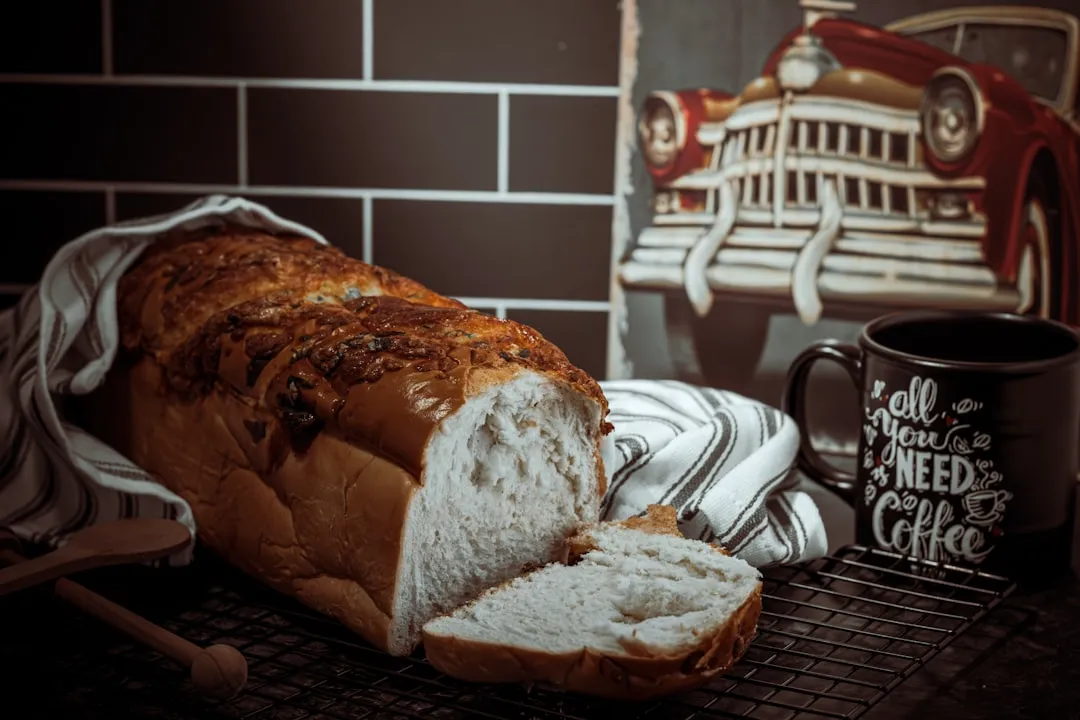
Bread goes through a brief but crucial window early in baking called oven spring, and it’s more fragile than most home bakers realize. During this stage, yeast activity and steam drive a last burst of rise, followed by starch gelatinization and protein setting, which fix the crumb structure in place. Disrupt that window with a blast of cold air, and the loaf can lose volume it will never get back, ending up denser than intended. Professional bread bakers tend to treat the first portion of any bake as sacred territory, watching through the glass rather than reaching for the handle.
Cookies: Why a Cracked Door Can Ruin the Spread
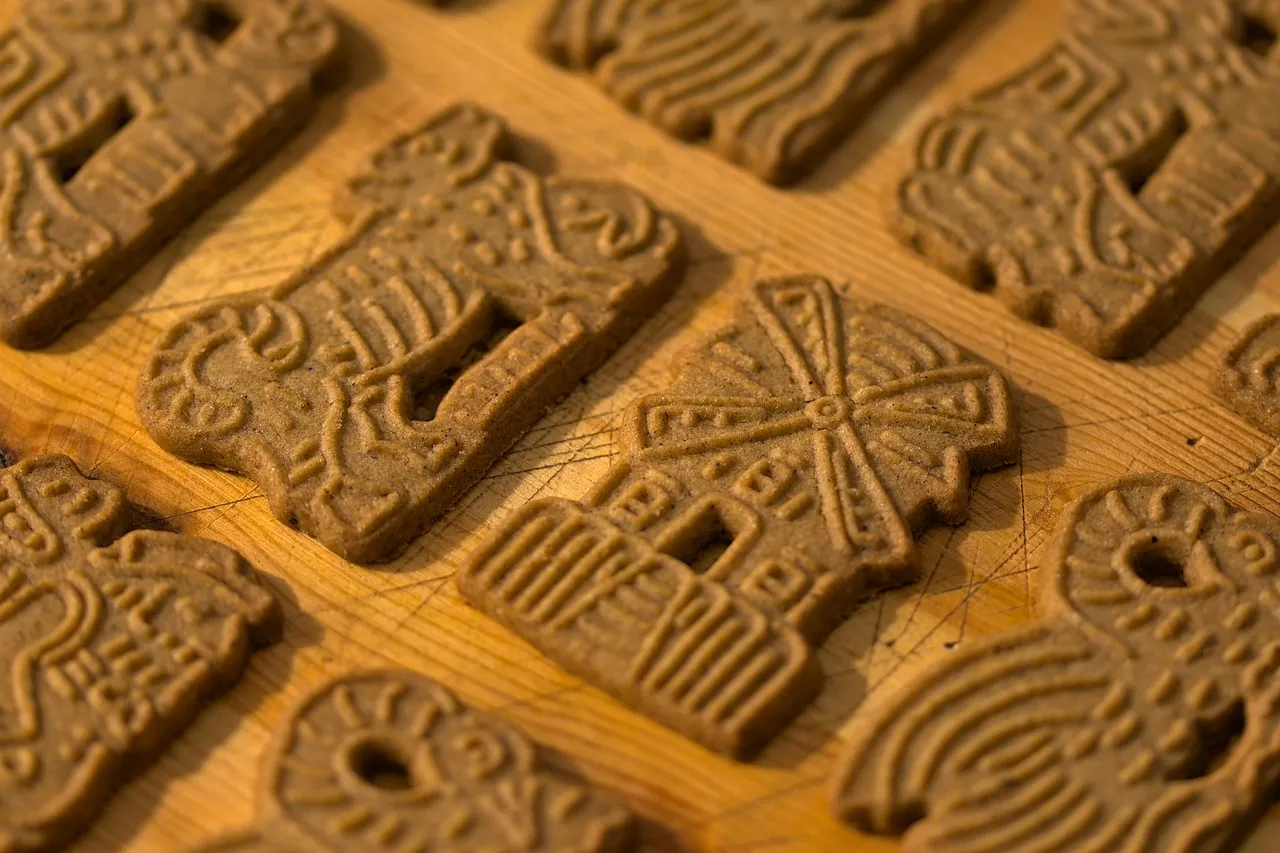
Cookies seem forgiving compared to cakes or soufflés, but they have their own vulnerability. Uneven heat during that critical early spreading phase can throw off the balance between how much a cookie flattens and how it sets, and industry guidance points out that when temperatures fluctuate, bread may not rise well, and cookies can spread too much. That’s the difference between a cookie with crisp edges and a tender center versus one that’s thin, greasy looking, and spread halfway across the pan. Bakers who work with cookies at scale tend to be especially strict about door discipline for this reason.
Uneven Cooking: Hot Spots and Cold Edges
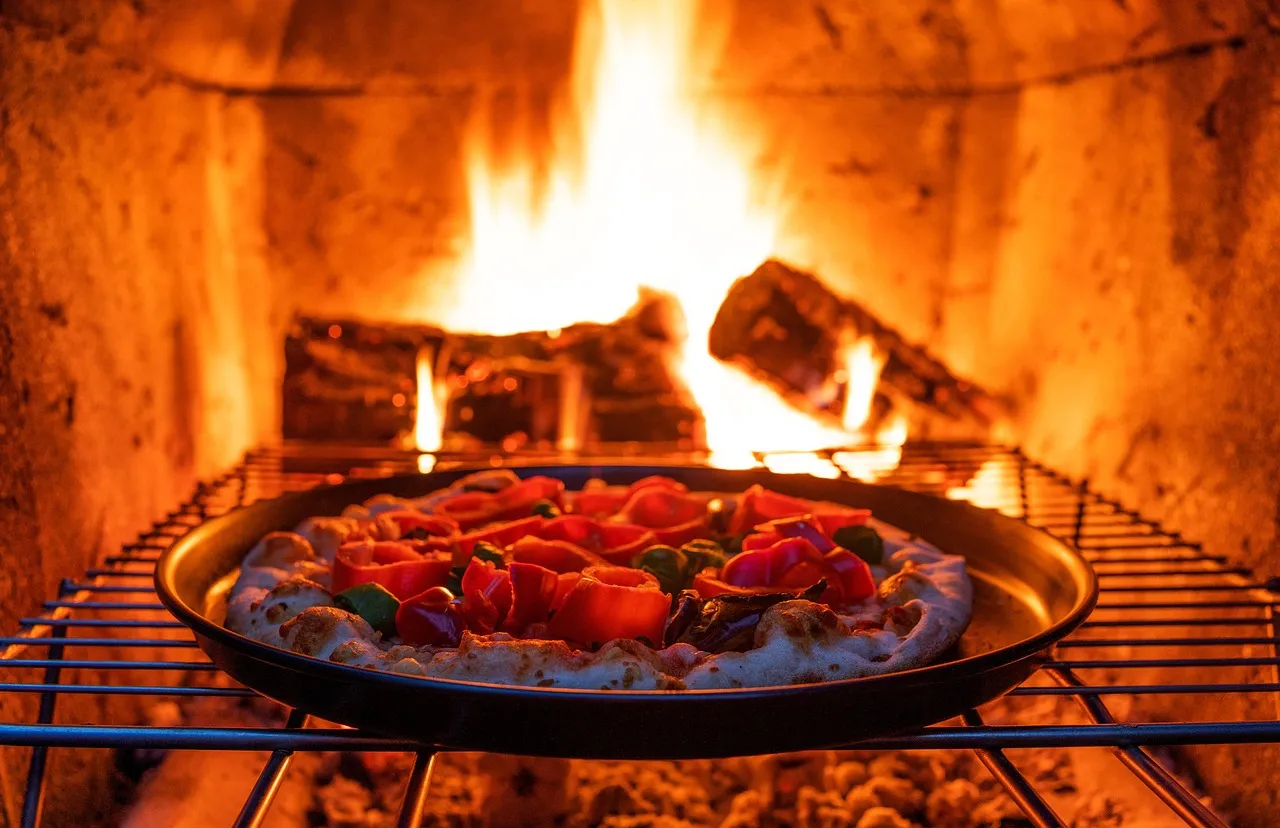
Ovens are not perfectly uniform environments to begin with, and opening the door makes the imbalance worse. According to baking research summaries, different areas of the oven may experience varying temperatures when the door is ajar, which can result in overcooked edges and undercooked centers, particularly for items like cakes and soufflés that rely on even heat. This is part of why a cake checked too early can come out with a slightly sunken, gummy middle even though the edges look perfectly done. Professional kitchens tend to treat consistent heat as a nonnegotiable, not a nice to have.
The Recovery Time Problem
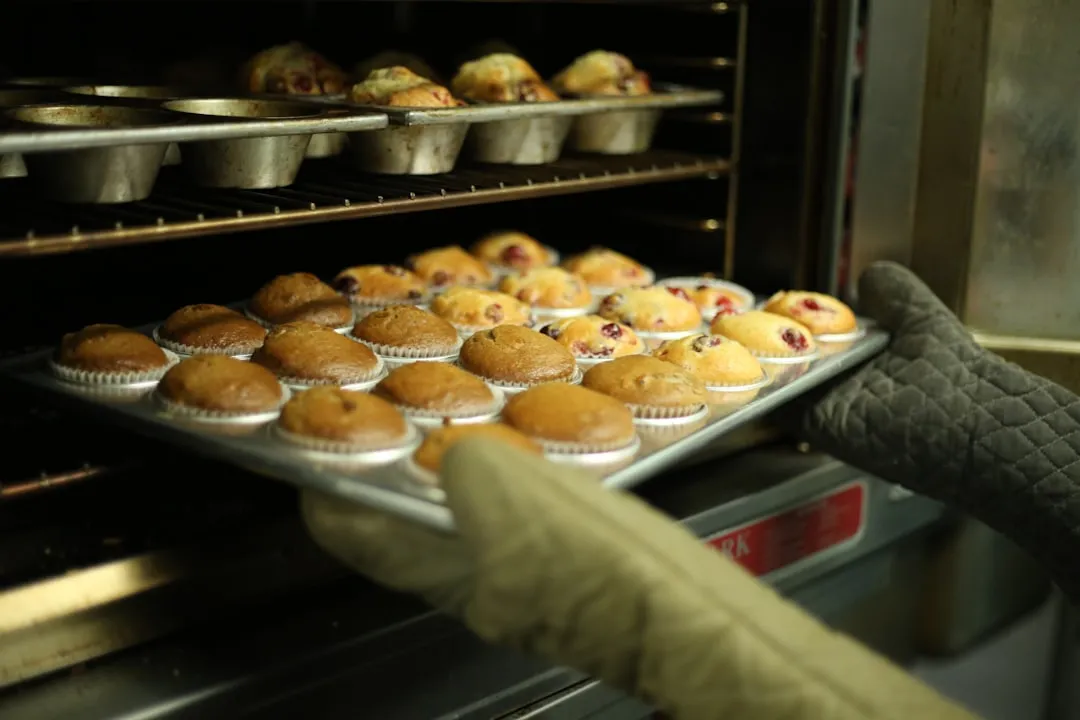
It’s not just the drop that matters, it’s how long the oven takes to climb back up afterward. Home ovens generally take a while to reach full heat in the first place, and as one culinary outlet points out, ovens take about 12 to 15 minutes to preheat to 350 degrees Fahrenheit, so depending on how long and how often the door is open, it could take several minutes for the temperature to readjust. Corriher’s research backs this up too, noting that the oven can then take several minutes to come back up to full temperature after even a brief opening. Multiply that recovery lag by every time someone checks on a dish, and it becomes clear why professionals limit themselves to as few openings as possible.
The Three-Quarters Rule Professional Bakers Swear By
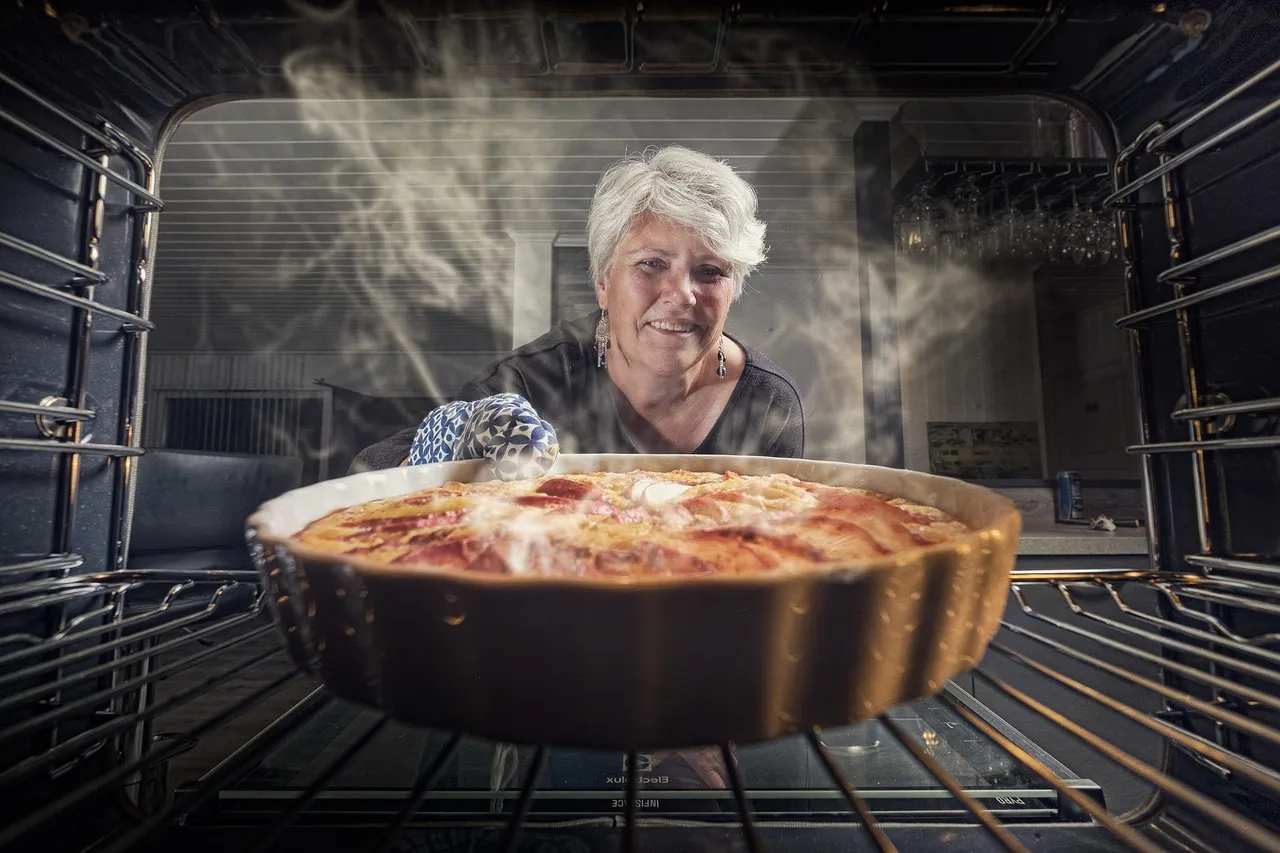
There’s a rough guideline that shows up again and again in professional and home baking circles alike. The advice is consistent: for baked goods, it’s recommended to leave the oven door closed for three quarters of the cooking time before even considering a check. Some bakers apply this rule almost automatically, treating the final quarter of any bake as the only safe window for a look. It’s not a hard scientific law so much as a practical compromise between curiosity and the realities of heat loss.
How Pros Check Doneness Without Opening the Door
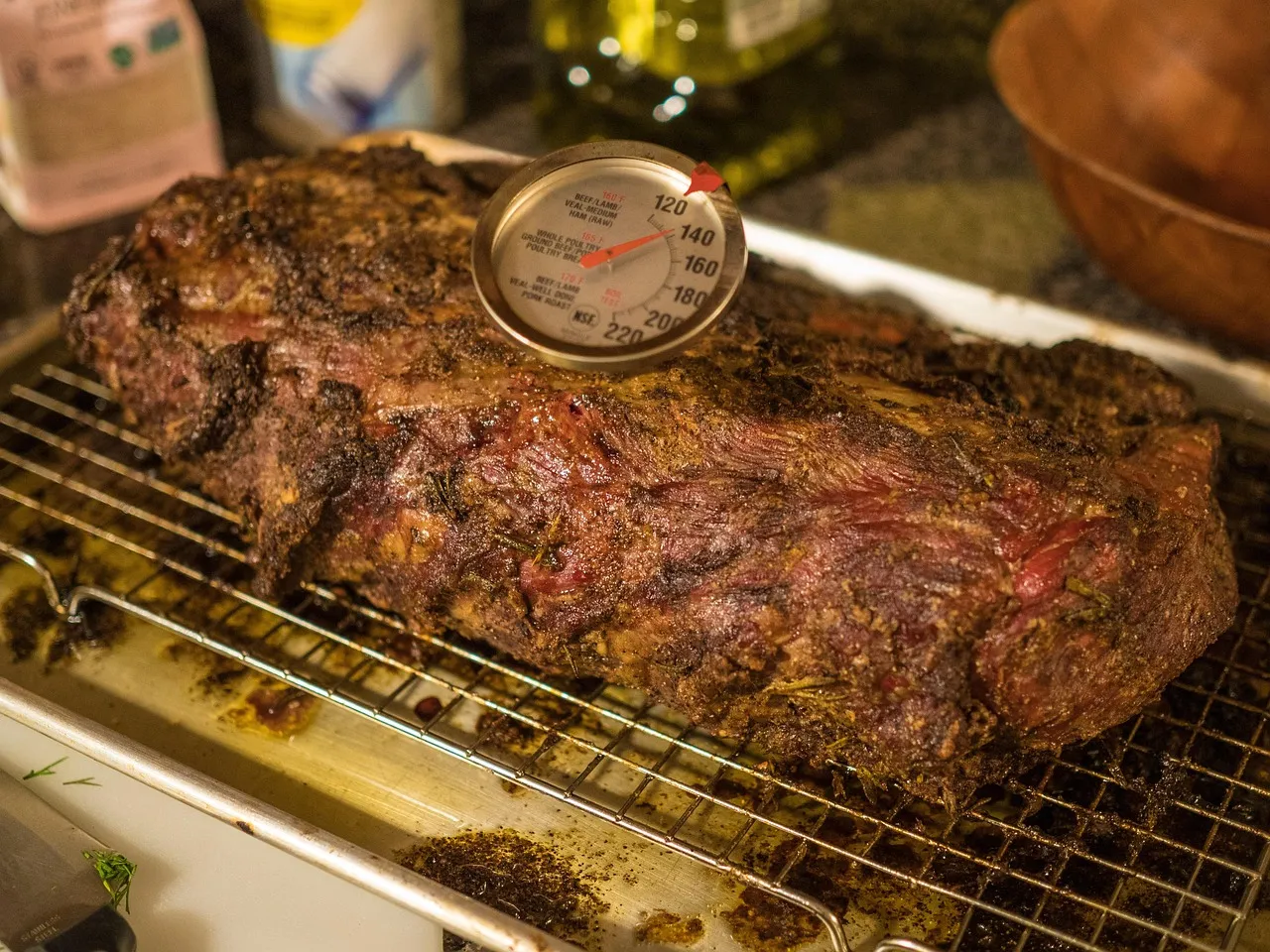
Professional bakers aren’t superhuman, they just rely on tools that don’t require cracking the door. Most kitchens lean on the oven’s built in light and window, and guidance from food writers backs this approach, suggesting bakers use the oven light and window to check progress and test doneness with a toothpick in the final minutes.
For bread specifically, many professional recipes lean on internal temperature rather than guesswork, and King Arthur Baking notes that many of their yeast bread recipes call for the perfectly baked loaf to reach an internal temperature of 190 degrees Fahrenheit. A quick insertion of a thermometer through a mostly closed door, or a glance through the glass, gives nearly all the information a stolen peek would, without the thermal cost.
What Modern Ovens Do to Compensate
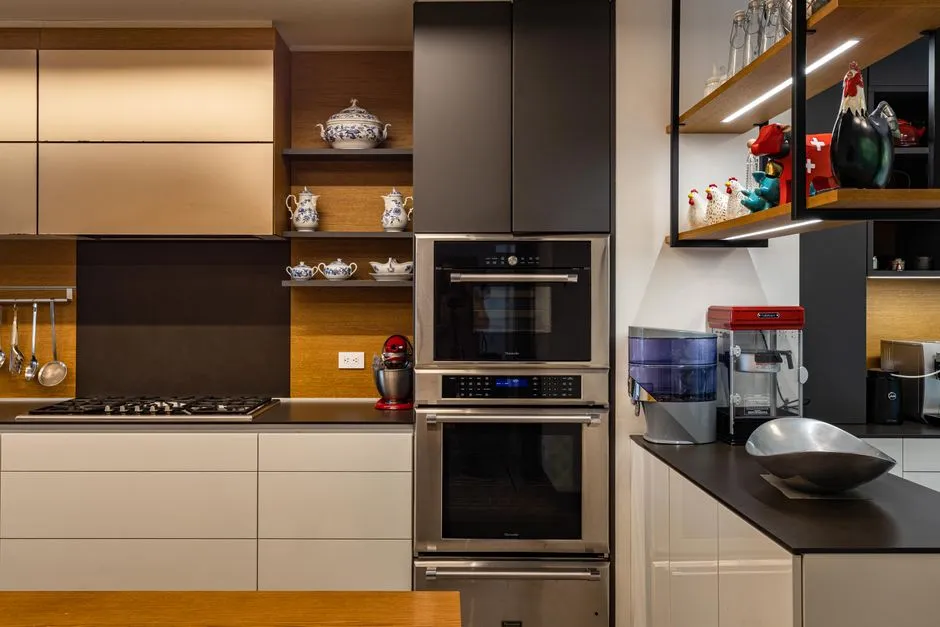
Interestingly, oven manufacturers have quietly engineered around this exact problem. Many contemporary ovens are designed so that during preheating, the oven will intentionally overshoot the target temperature, getting a little extra hot to counteract the rush of cool air when the door opens to load food in. That’s a clever workaround for the initial loading moment, but it does little to help once baking is well underway and the door opens again out of curiosity rather than necessity. In other words, the engineering solves one predictable heat loss event, but it can’t compensate for a habit of repeated checking, which is exactly why the discipline still falls on the person doing the baking.
A Simple Habit Worth Keeping
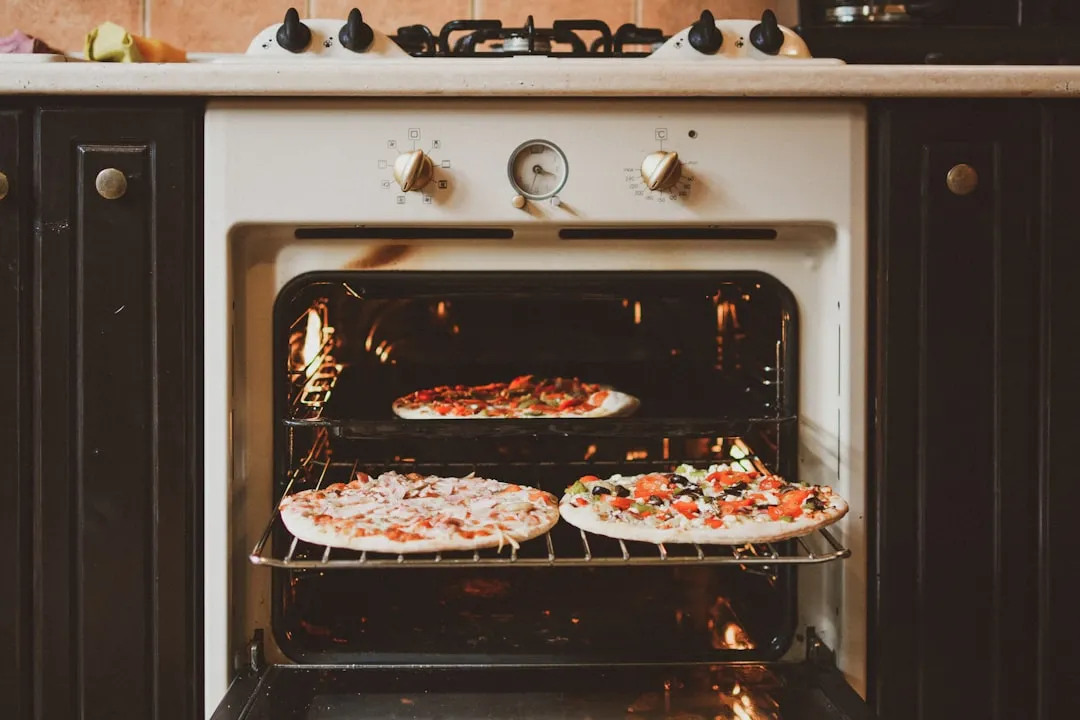
None of this is really about rigid rules or kitchen superstition. It comes down to basic thermodynamics: heat escapes fast, recovery takes time, and delicate structures like cake batter, soufflé foam, and rising bread dough are unusually sensitive to that gap. Professional bakers aren’t avoiding the oven door out of habit or tradition alone, they’re responding to something measurable and repeatable in how heat behaves. The next time a cake looks tempting through the glass, it’s probably worth trusting the timer instead of the instinct to peek.
AI Disclaimer: This article was created with the assistance of AI tools and reviewed by a human editor.