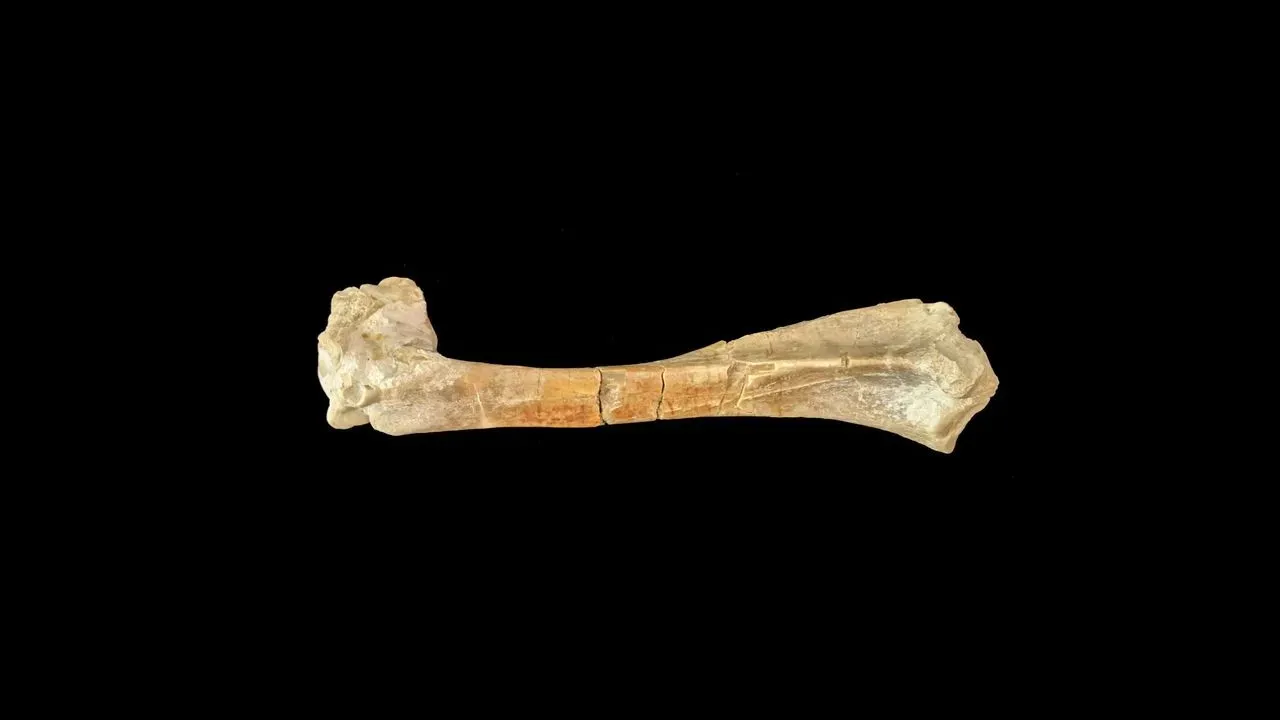

Santa Rosa Island – Bones recovered from a remote canyon on one of the Channel Islands off Southern California have been dated to roughly 13,000 years ago, placing them among the oldest confirmed human remains in North America. The discovery, first made in 1959 and later refined through advanced dating methods, continues to draw attention from researchers examining how and when people first reached the continent. Findings from these isolated islands are prompting fresh examination of migration routes that may have relied on coastal travel rather than solely inland paths.
Unearthing the Remains
Archaeologist Phil Orr came across the bones while working in Arlington Canyon on Santa Rosa Island. Two femurs and additional fragments emerged from sediments about 37 feet below the surface in what was once a marshy area. Initial analysis placed the age near 10,000 years, but later testing using improved radiocarbon techniques revised that estimate upward to approximately 13,000 years before present. The site sits within what is now Channel Islands National Park, a chain of islands that were connected as a single larger landmass during the late Pleistocene. The bones belonged to an adult individual, most likely male, who lived at a time when the climate was cooler and sea levels lower. The location itself required watercraft to reach, even in that era.
Challenging Established Timelines
For decades, the prevailing model held that the first people entered North America via an ice-free corridor between retreating glaciers in the interior. The Channel Islands evidence points instead to the possibility of earlier coastal movement along the Pacific shoreline from Northeast Asia. Reaching the islands by boat would demonstrate seafaring capabilities far earlier than many traditional accounts allowed. This coastal migration hypothesis has gained traction as similar early sites appear elsewhere along the western edge of the Americas. The Arlington Springs remains predate or match the age of other notable finds, such as those from Montana, and underscore that human presence extended to offshore locations by the end of the Pleistocene.
Continued Relevance Today
The bones were repatriated in 2022 to the Santa Ynez Band of Chumash Mission Indians following a request under federal law, returning them for reburial according to tribal customs. Scientific study of the site has included geological mapping, soil sampling, and environmental reconstruction to better understand the landscape the individual inhabited. Researchers note that the presence of humans on the islands around the same time pygmy mammoths still roamed raises questions about early interactions with now-extinct species. Ongoing work at the location continues to refine the environmental picture without altering the core age determination. The Channel Islands discovery remains a key reference point in discussions of how the Americas were populated. It highlights how a single set of remains, carefully reexamined, can shift perspectives on ancient human movement across vast distances.
AI Disclaimer: This article was created with the assistance of AI tools and reviewed by a human editor.