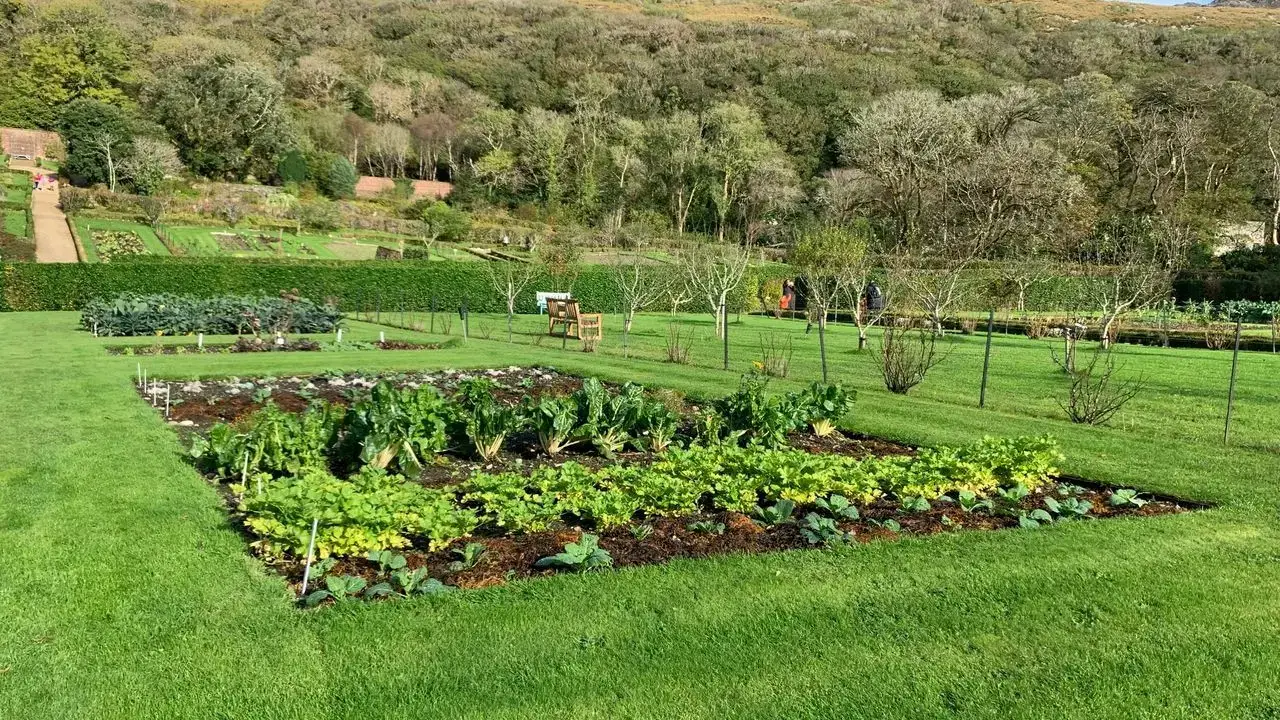

Many gardeners assume vegetable plots demand six to eight hours of direct sunlight each day. Yet that standard does not apply to every crop. Plants grown for leaves, stems or roots often succeed with far less light, opening possibilities for shaded yards that might otherwise sit unused.
The Sun Rule and Where It Falls Short
Conventional advice centers on fruiting vegetables such as tomatoes, cucumbers, squash and peppers, which need abundant direct light to produce well. Leafy, root and herb crops follow different patterns. They can deliver harvests even when fences, trees or buildings limit exposure to three or four hours of sun.
Understanding sunlight means tracking how long rays actually reach the soil without obstruction. Partial shade does not mean failure. It simply shifts the focus to crops that tolerate or even prefer gentler conditions.
Strong Performers for Lower Light
Leafy greens stand out as the most reliable choices. Arugula, bok choi, chard, collard greens, kale, loose-leaf lettuces, mustard greens, radicchio and spinach all grow steadily with limited sun. These plants channel energy into foliage rather than fruit, so reduced light rarely stops production.
Root vegetables manage with four to six hours. Potatoes, carrots, beets, parsnips, radishes and turnips develop adequately, though yields may stay smaller than in full sun. Leafy herbs also benefit from protection against intense rays. Basil, chervil, chives, cilantro, lemon balm, mint and parsley avoid scorching and premature seeding when placed in part shade.
Practical Steps for Shaded Beds
Starting seeds indoors or purchasing nursery transplants improves results, since many seeds need light to sprout outdoors. Reflective surfaces help further. A white fence or carefully positioned mirror bounces additional light onto plants and supports photosynthesis.
Edibles can also blend into existing ornamental beds. Cherry tomatoes, rainbow chard, chives, sage and amaranth add color and texture without clashing. Some gardeners tuck garlic among roses, where it deters pests and reduces fungal issues while remaining nearly invisible.
Hidden Advantages of Shade
Shaded soil retains moisture longer, cutting watering needs. Most insect pests prefer sunny locations, so infestations often decline. These factors make shade gardening less demanding once the right crops are chosen.
Gardeners facing limited light now have clear options that turn constraints into productive space. Selecting shade-tolerant varieties and applying simple adjustments can turn overlooked corners into reliable sources of fresh produce.
AI Disclaimer: This article was created with the assistance of AI tools and reviewed by a human editor.