
A Quiet Cicada Year With A Surprising Exception
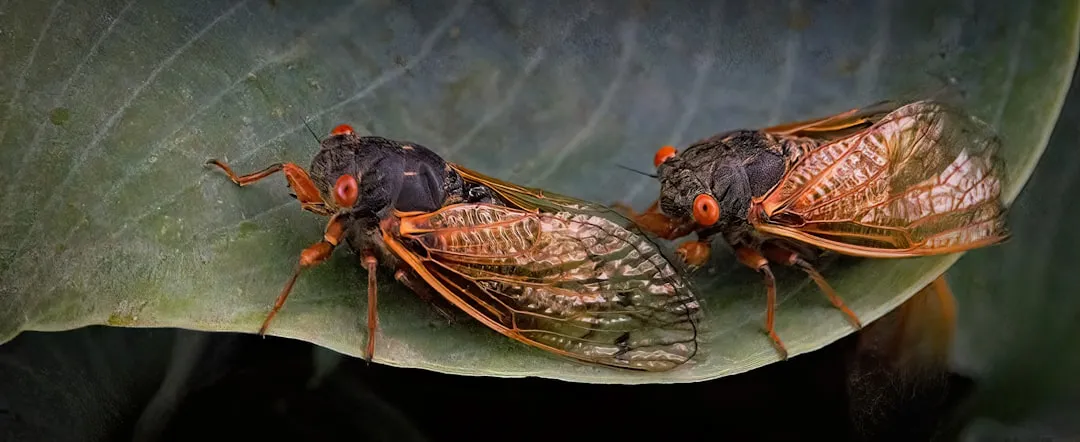
By most forecasts, 2026 was supposed to be an unremarkable year for periodical cicadas. After a busy few years for cicada broods emerging, 2026 was expected to be quiet in much of the U.S., with no major broods scheduled to emerge. That prediction has mostly held true, yet pockets of activity have popped up in unexpected places, enough to catch entomologists off guard. No major periodical cicada emergences were expected in 2026, though off-cycle emergences were still expected to occur. Those scattered, unscheduled appearances are exactly what has been showing up in certain suburban yards this season.
Understanding The Thirteen And Seventeen Year Clock
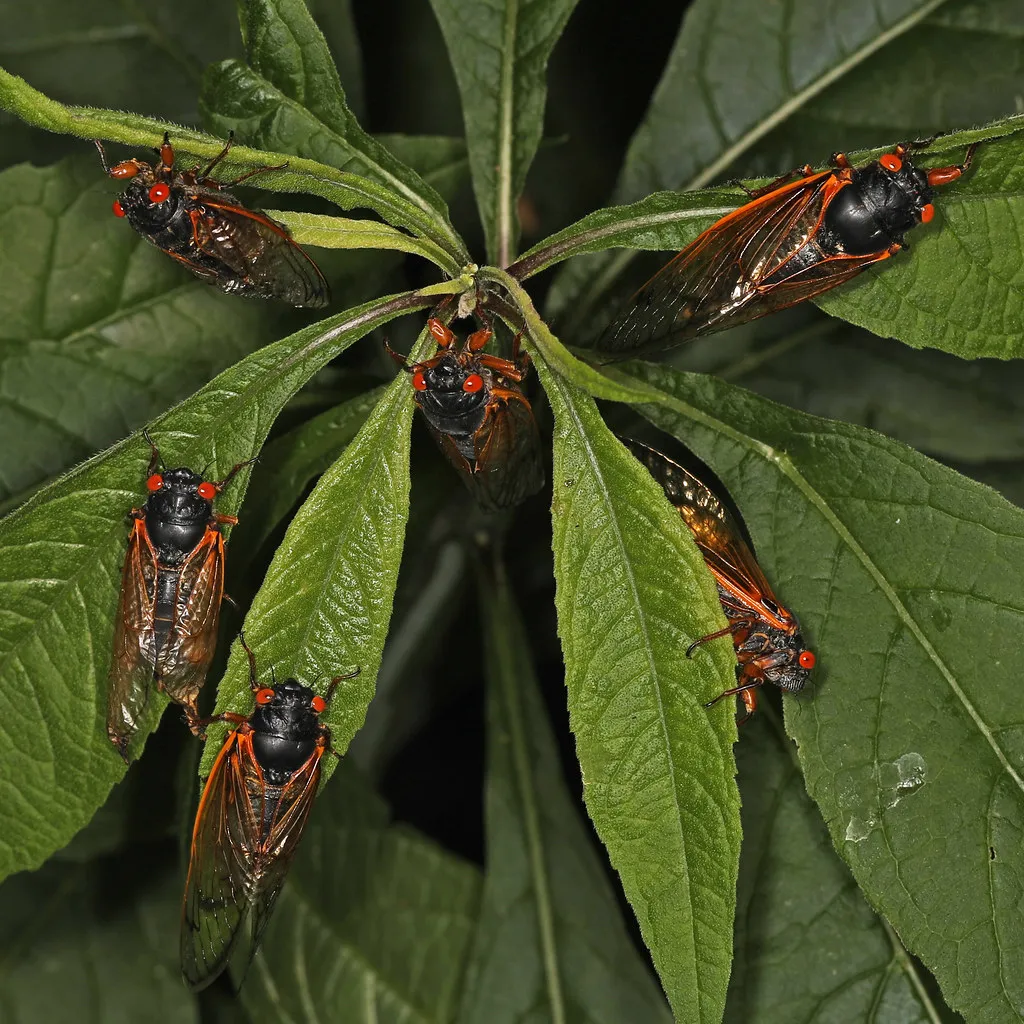
To make sense of a garden suddenly full of cicadas, it helps to understand how strange these insects already are under normal circumstances. Periodical cicadas are found only in eastern North America, and there are seven species, four with 13-year life cycles and three with 17-year cycles. Rather than chewing leaves or swarming like locusts, these insects spend most of their lives out of sight, growing underground and feeding on plant root fluids, with synchronized emergences occurring on a clockwork schedule of 17 years in the north and 13 years in the south. That kind of precision is almost unheard of in the insect world, which is part of why any deviation from it draws so much attention from scientists.
What A Subterranean Shift Really Means
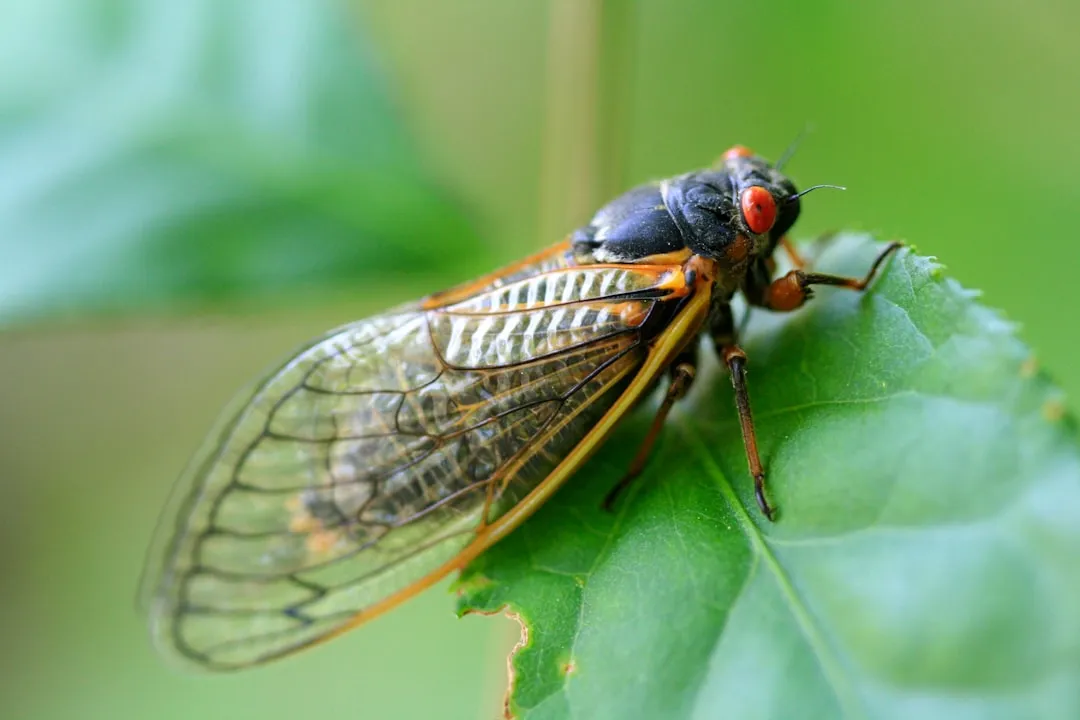
The phrase subterranean shift is a fitting way to describe what happens when a nymph’s internal calendar goes wrong. Cicadas count the years underground by detecting sap flowing in spring and fall, and researchers believe that a warm spell in late winter or early spring followed by a cold snap can trick trees into an extra bout of sap flow, which the cicadas may mistakenly count as a full year. That miscount can nudge an entire population of nymphs to dig their way out four years too soon, or occasionally later than expected. It is not a dramatic geological event, just a quiet biological error playing out beneath the lawn, but the aboveground result can look dramatic enough to alarm anyone tending a garden.
Stragglers, Nature’s Off Schedule Insects
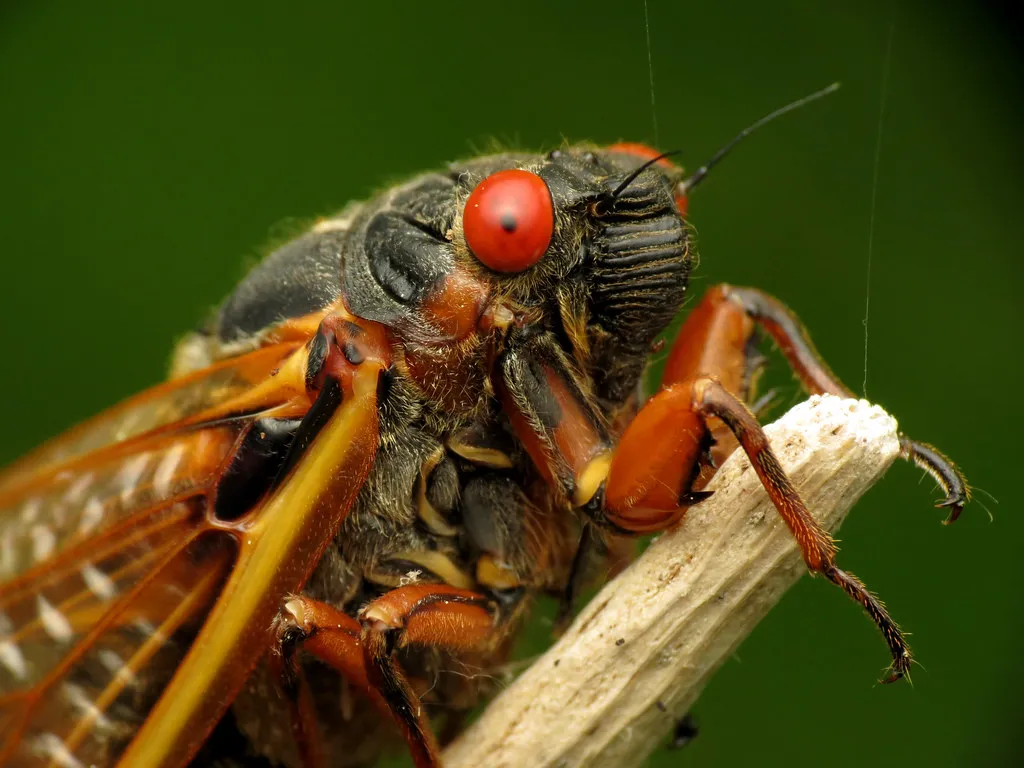
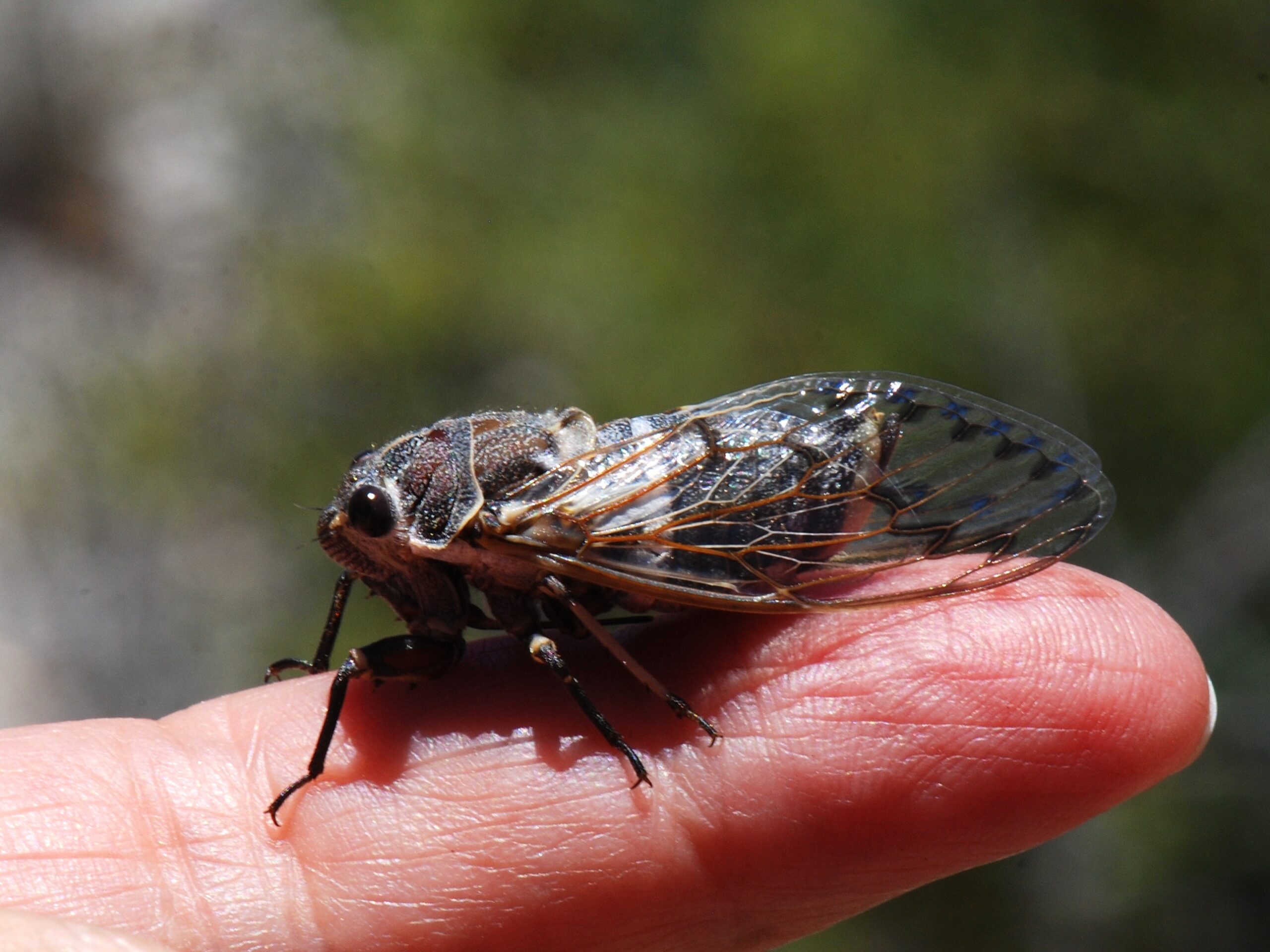
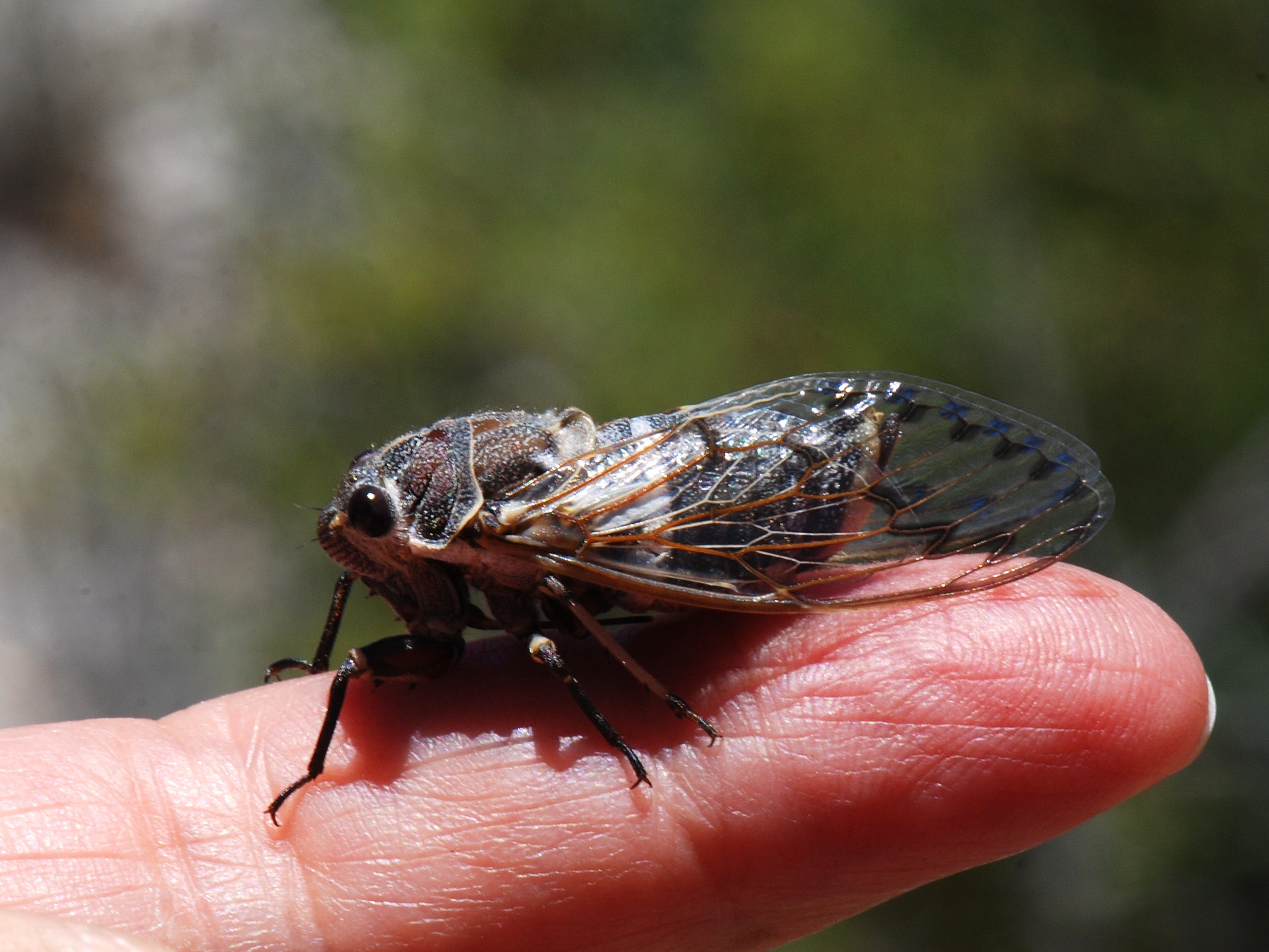
Entomologists have a specific term for cicadas that emerge outside their brood’s expected year, calling them stragglers. Michael Skvarla, an assistant research professor at Penn State University, has explained that straggler cicadas can typically be seen within one year or four years of their brood’s scheduled emergence, and that occasionally 17-year cicadas pop out at 13 years, which may be how some 13-year broods evolved in the first place. These early or late risers rarely arrive in the overwhelming numbers of a full brood, but a handful in a backyard can still feel like a lot if you were not expecting any. Cicada stragglers are simply cicadas that emerge off cycle from the rest of their massive brood.
The Mysterious Case Of Brood XV In New Jersey
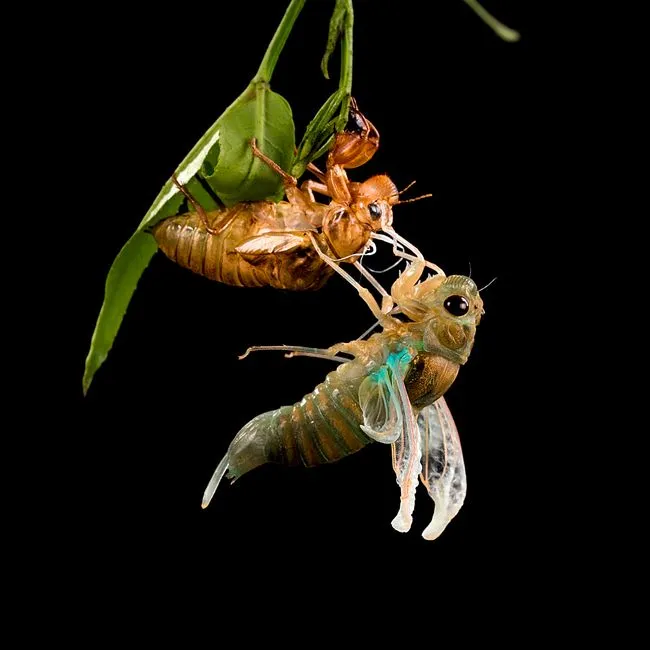
One of the more intriguing storylines of 2026 involves a possible new brood forming in real time. Cicada researchers Chris Simon and Elias Bonaros have reported credible signs that a so-called Brood XV may exist in Union County, New Jersey, specifically around Fanwood. In theory, if enough stragglers emerge together and their offspring survive to reproduce, they can form what researchers call a shadow brood, and a shadow brood based on four-year stragglers from Brood II would become Brood XV, emerging in 2026.
As of one recent update, though, the evidence pointed the other way. Field surveys in Fanwood found holes and shed skins but no adult cicadas and no singing, no massive numbers, mating, or egg laying, leading researchers to conclude that Brood XV appears to be a myth based on ordinary Brood II straggling rather than a genuine new brood.
The Numbers Behind The 2026 Sightings
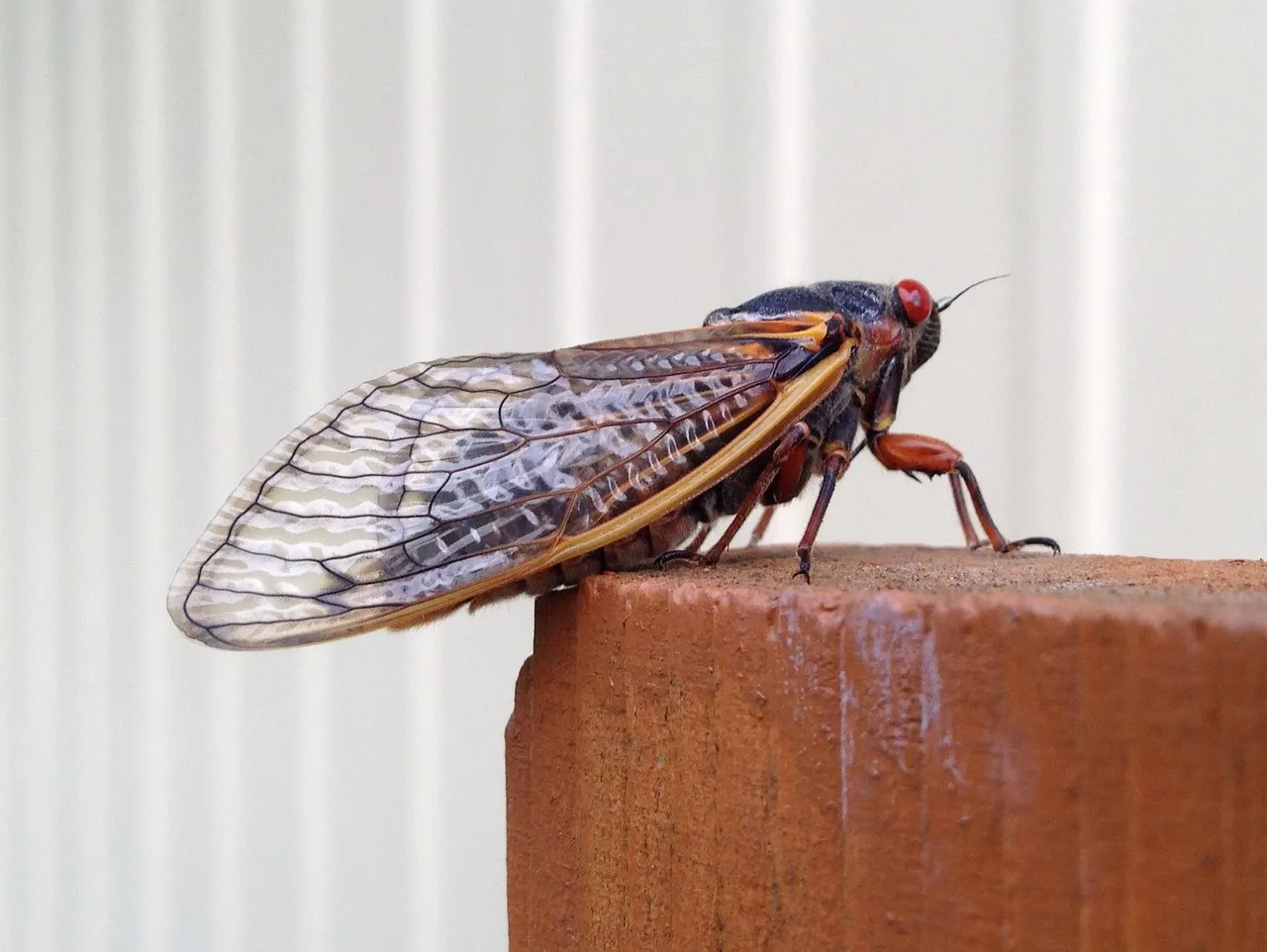
Even without a confirmed new brood, the raw data on stragglers this year has been substantial by straggler standards. The 2026 Magicicada Stragglers project logged 753 observations, with Virginia leading by a wide margin at 414, followed by New Jersey with 61, North Carolina with 57, and New York with 52. A separate account of the season described something similar in scope. One sighting near Charlottesville, Virginia mirrored more than 400 reports of cicadas across more than a dozen states in the eastern half of the country. Those figures are tiny compared to a true brood emergence, but they still add up to a noticeably active straggler year.
Why One Yard Fills Up While The Next Stays Silent
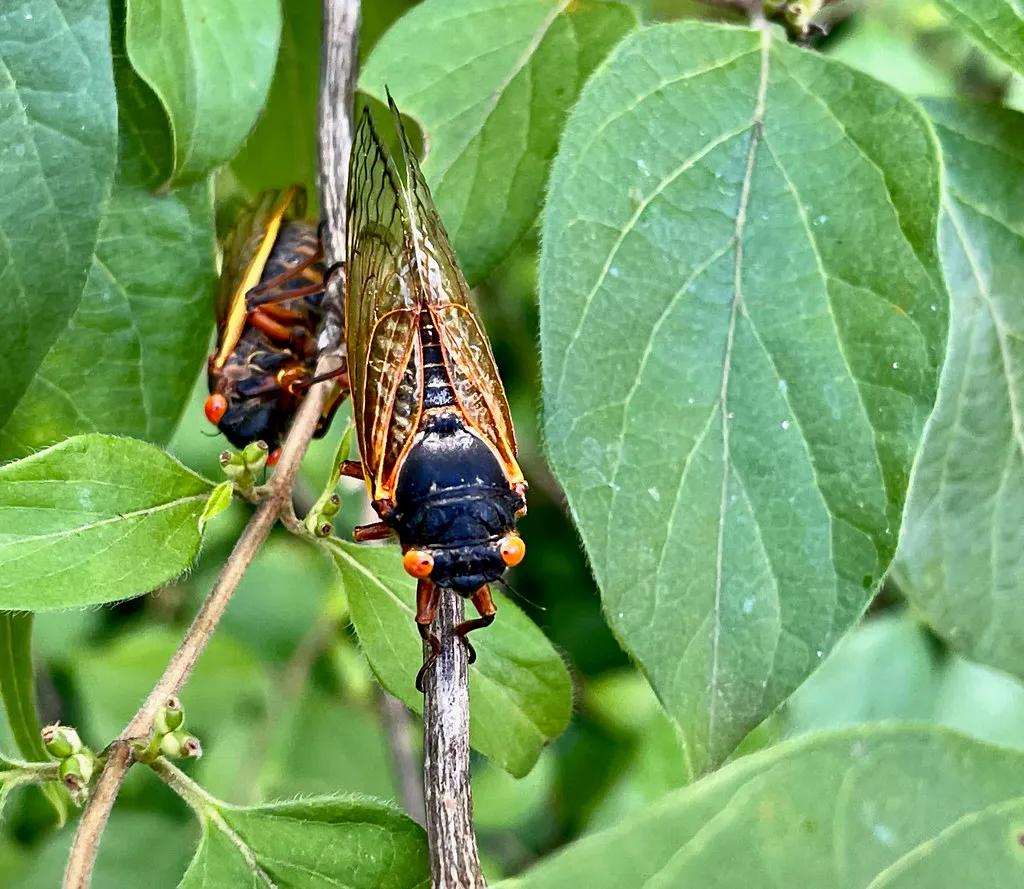
Anyone comparing notes with a neighbor this summer may have noticed a strange imbalance, cicadas everywhere in one garden and nowhere in the next. Researchers distinguish a true brood population, which should show hundreds to thousands of shed skins and adults chorusing together with noticeable mating and egg laying lasting two to four weeks, from an ordinary straggler event, which typically produces only dozens per acre with individual songs but no real chorus, since birds tend to pick off most of the lone stragglers quickly.
Soil temperature, root systems, and even the age and species of nearby trees all influence where nymphs choose to surface. Periodical cicadas prefer forest edges and thrive in suburban areas, but they cannot survive deforestation or reproduce successfully where there are no trees at all. A single mature oak or maple in the right spot can concentrate an emergence that a neighboring, tree-free yard simply never sees.
Citizen Scientists Are Mapping The Mystery
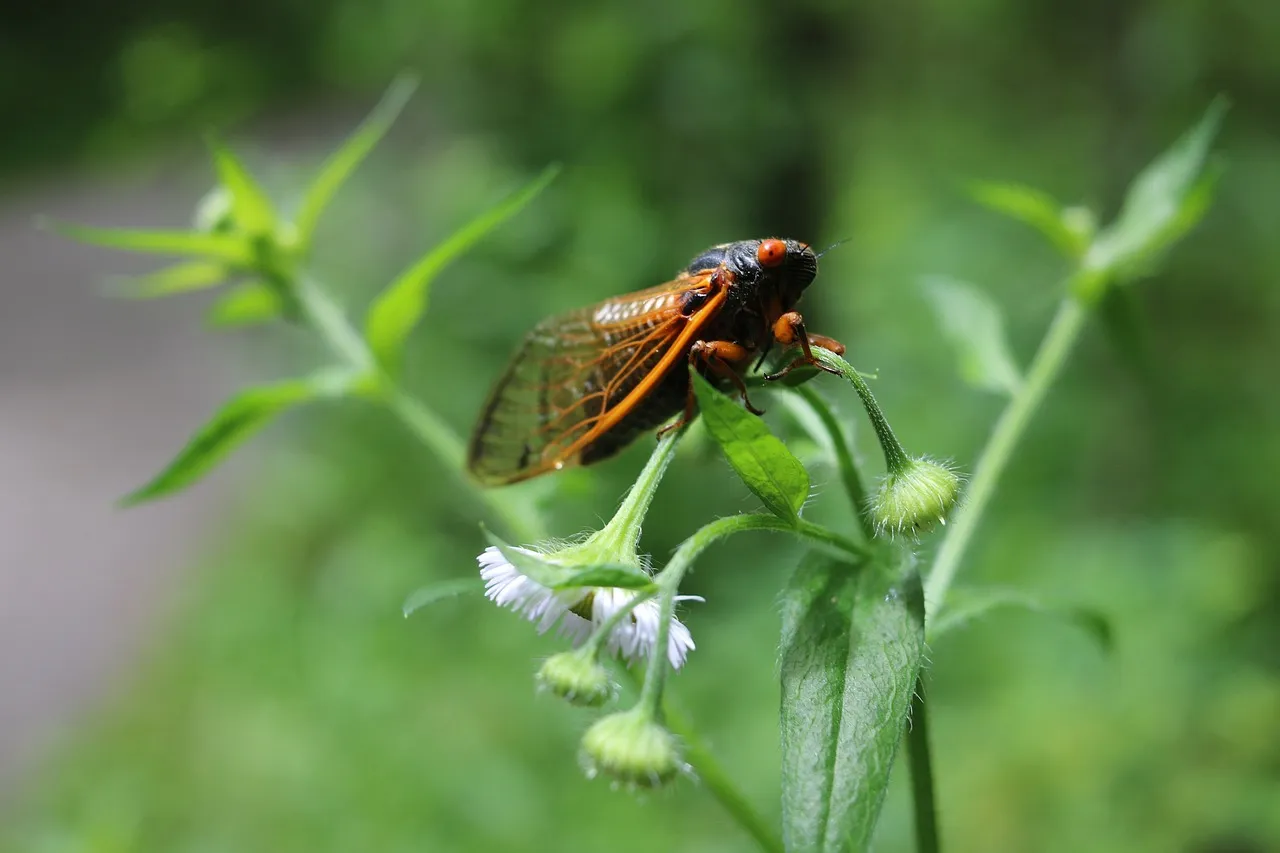
Much of what is known about this year’s scattered emergences comes not from formal research teams alone but from ordinary residents reporting what they see. The free Cicada Safari app, created by Dr. Gene Kritsky, allows anyone to photograph and submit periodical cicada sightings, which are verified and then posted to a live public map. This community science project has already resulted in hundreds of thousands of data points collected through Cicada Safari alone. Paired with observations logged on iNaturalist, these crowd-sourced reports are how researchers first noticed the Fanwood cluster and the wider straggler pattern stretching from Oklahoma to New York this spring.
What This Means For Gardens And Broods To Come
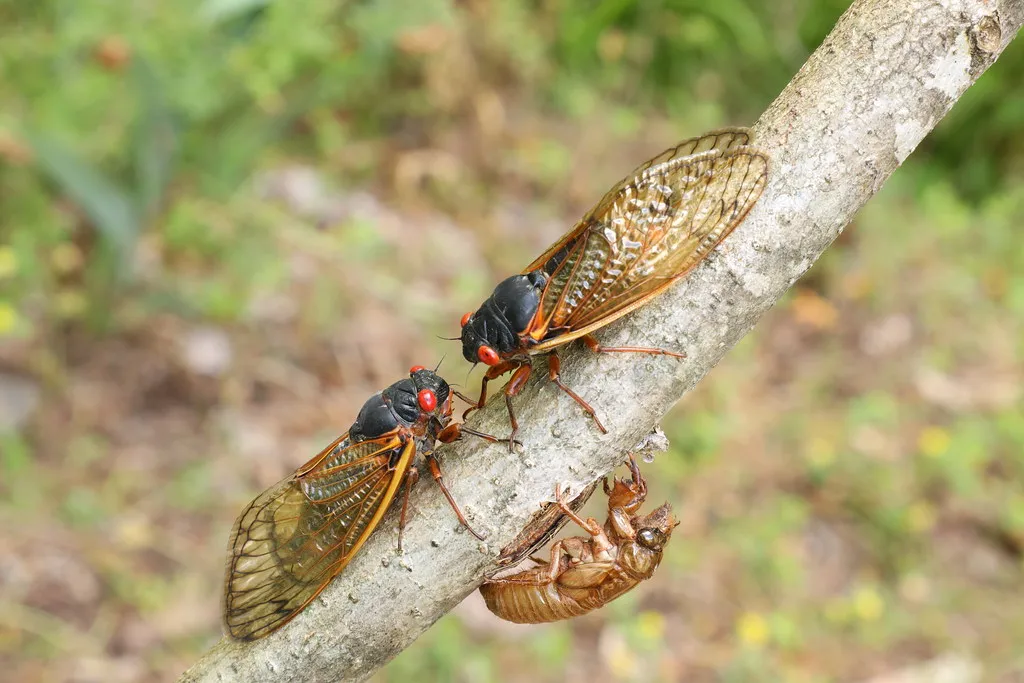
None of this year’s straggler activity threatens gardens in any lasting way, and homeowners dealing with a temporary swarm have simple options available to them. Periodical cicadas cannot survive deforestation or reproduce successfully in areas without trees, so their presence, even in large numbers, is closely tied to the health of a neighborhood’s tree canopy rather than a sign of any real threat to it. Looking further ahead, the broods that periodically overwhelm entire regions are already scheduled.
The next expected activity includes Brood XXII, 13-year cicadas due in parts of Louisiana and Mississippi in 2027, and Brood II itself, 17-year cicadas set to properly emerge in 2030 across Connecticut, Georgia, Maryland, New Jersey, New York, North Carolina, Oklahoma, Pennsylvania, and Virginia. Until then, any garden suddenly full of red-eyed visitors is most likely hosting a small, temporary straggler event rather than the start of something larger.
The cicadas that turn up early or late are not a sign of nature breaking down, they are closer to a clock that occasionally misreads its own gears. What looks like chaos in a single backyard is, on closer inspection, one small chapter in a much older and stranger story that has been unfolding underground for millions of years. The next time a garden fills with that unmistakable buzz out of season, it is worth remembering that the real event happened long before, quietly, several feet below the soil.
AI Disclaimer: This article was created with the assistance of AI tools and reviewed by a human editor.