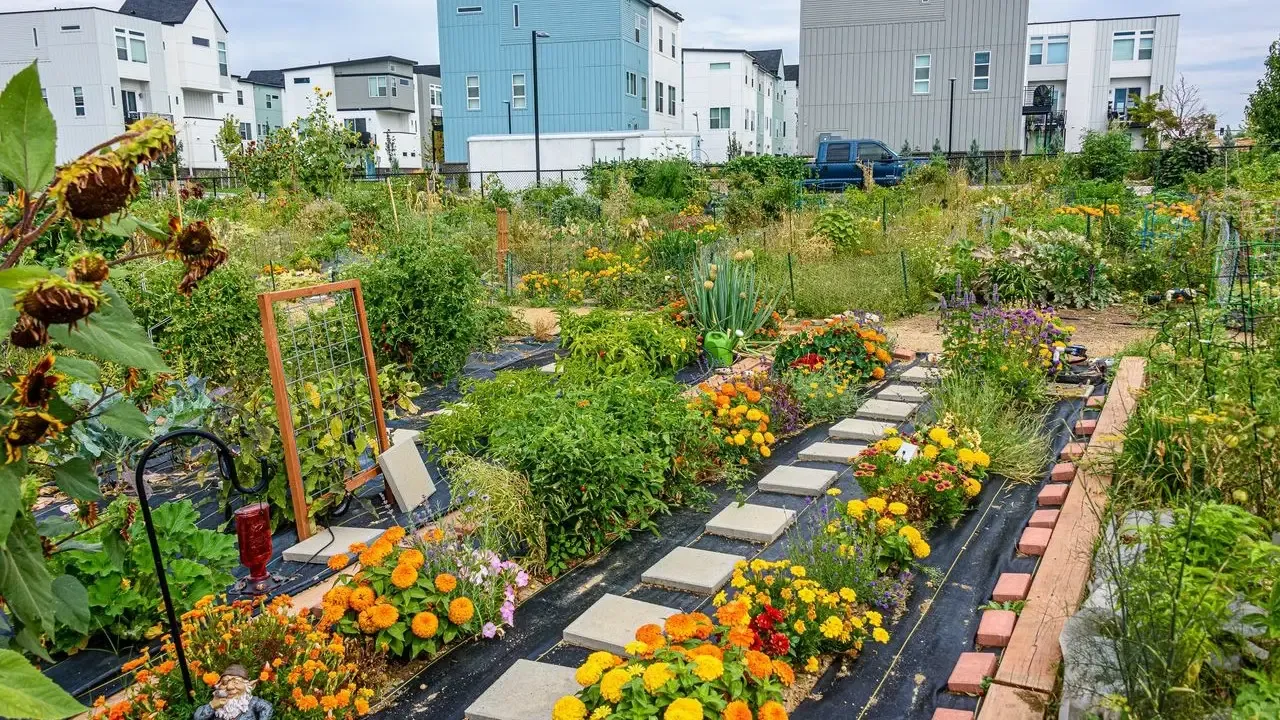

A local school garden sat unused for years, its beds overgrown and its potential overlooked. Two mothers decided the space could serve a wider purpose than basic lessons in planting. They began clearing the area and inviting families to join the effort, turning routine maintenance into regular gatherings that strengthened ties among residents.
From Overgrown Beds to Shared Purpose
The mothers identified the garden as an underused resource that could address more than plant care. They organized initial workdays focused on soil preparation and basic infrastructure, drawing on donations of tools and seeds from nearby households. Participation grew steadily as word spread through school networks and informal conversations at pickup times. Parents who joined reported feeling a renewed sense of ownership over a public space. Children contributed by tracking plant growth and helping with watering schedules. The project remained grounded in practical steps rather than large-scale plans, allowing adjustments based on what volunteers could realistically provide each week.
Building Ties Through Routine Collaboration
Weekly sessions created predictable opportunities for interaction that extended beyond the garden fence. Families exchanged advice on home growing techniques while working side by side, and older residents shared stories of earlier neighborhood traditions. These exchanges occurred naturally during breaks or while sorting harvested produce. The garden produced vegetables that were distributed at the end of each session, reducing barriers for households with limited access to fresh food. Organizers kept records of what thrived in the local climate, using those observations to refine future plantings without requiring outside expertise. Attendance remained consistent because the activities fit into existing family routines rather than demanding new commitments.
Practical Outcomes for Families and the Area
Participants noted improved familiarity with neighbors who previously remained strangers. The shared labor reduced isolation for some parents who had limited social outlets after school hours. Produce yields supported small-scale sharing events that reinforced the sense of collective contribution. The mothers maintained focus on measurable progress, such as the number of active beds and consistent volunteer turnout, rather than abstract goals. This approach allowed the initiative to continue without external funding or formal structure. Over time, the garden became a reference point for other local efforts seeking similar low-cost ways to connect residents.
AI Disclaimer: This article was created with the assistance of AI tools and reviewed by a human editor.