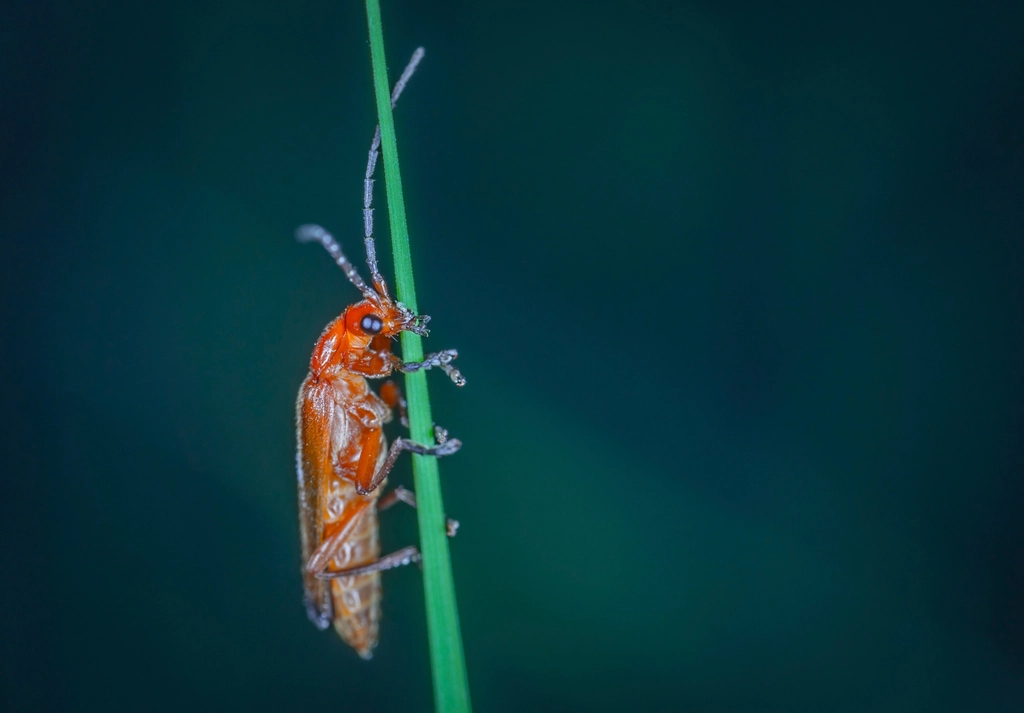

What a Trap Crop Barrier Actually Does
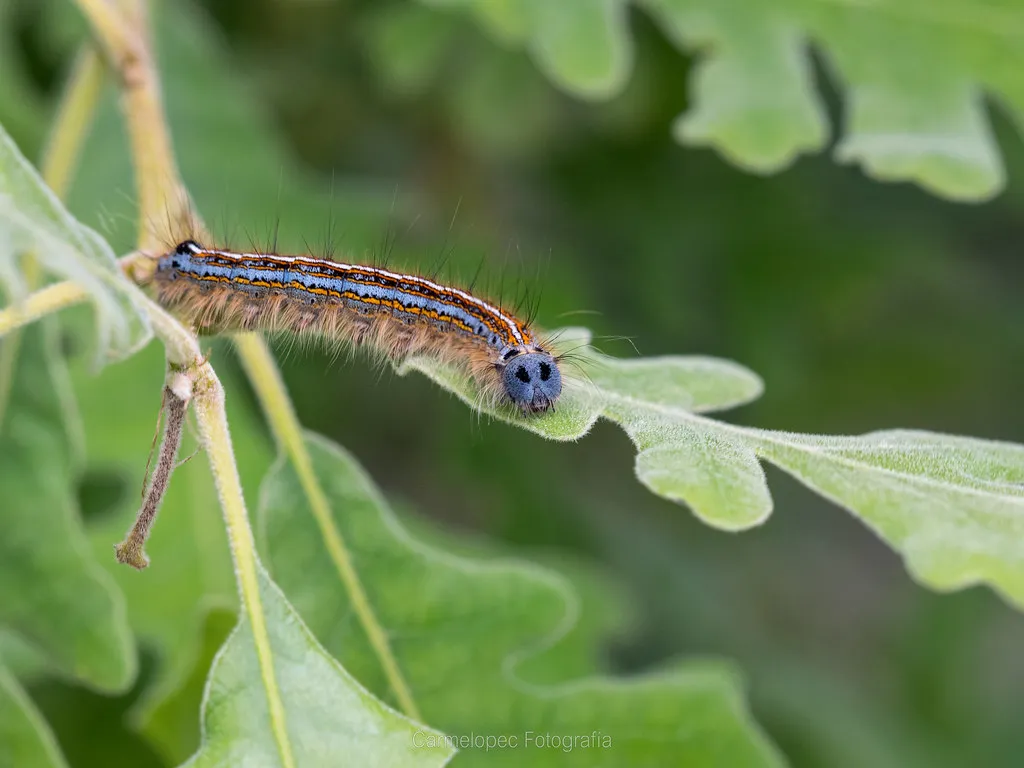
A trap crop is simply a plant that insects prefer over your main harvest, positioned so pests find it first. A trap crop, or sacrificial crop, is a plant that attracts garden pests, usually insects, away from your nearby crop, acting as a decoy that draws the pest away from the plants and saves your crop from decimation without pesticides.
Instead of chasing bugs across your whole garden, you decide in advance where the fight happens. Basically, a trap crop consists of sacrificial plants that draw the harmful bugs away from the plants you want to keep bug free, acting as a decoy so you won’t be tempted to use chemical pesticides. Think of it less as pest prevention and more as pest redirection.
The Science Behind Perimeter Trap Cropping
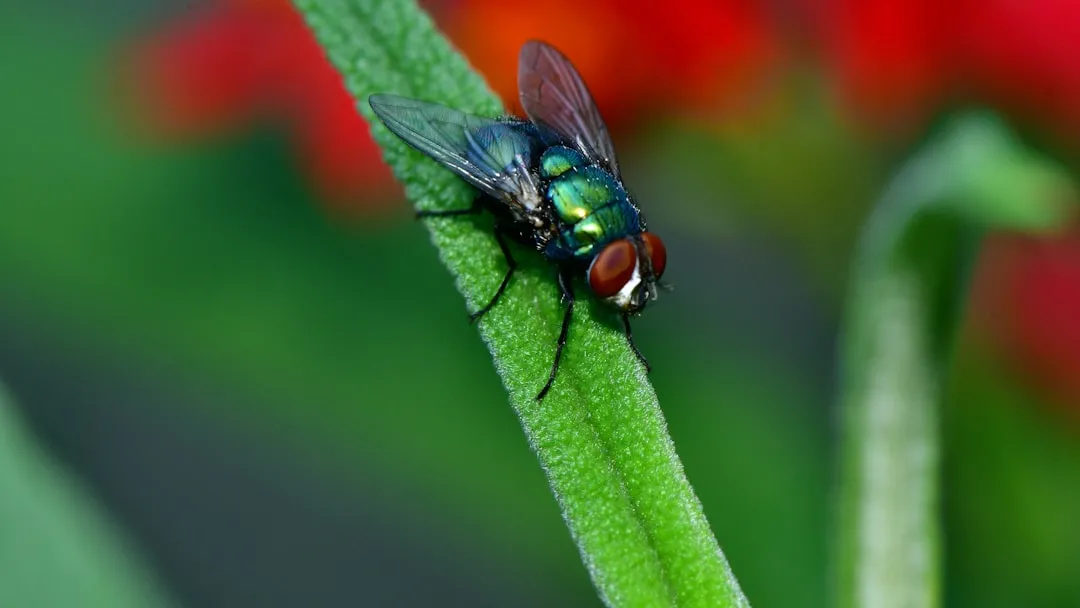
The most rigorously studied version of this idea is called perimeter trap cropping, developed largely through University of Connecticut research. Perimeter Trap Cropping involves planting trap crop plants so that they completely encircle the main cash crop like fortress walls, functioning by concentrating and/or killing the pest in the border area while reducing pest numbers and disease spread on the unsprayed cash crop in the center.
The logic rests on how many pests actually behave in the field. The trap crop, which is strongly preferred to the main crop, is planted all around the main crop like walls of a fortress, so the pest arriving from the edges encounters it first and stays along the edge of the field. That single design choice, encircling rather than scattering, is what separates a barrier that works from one that just adds more plants to weed.
Blue Hubbard Squash: The Gold Standard for Cucurbit Pests
If you grow cucumbers, zucchini, or winter squash, Blue Hubbard is the most tested trap crop available. Research studies have shown blue hubbard squash to be an effective trap crop in suppressing squash bugs, including a 1997 study from Oklahoma State University and a 2009 study from the University of Massachusetts and University of Connecticut.
A more recent Utah State University field trial backed this up outside New England too. Results showed significantly more adults, nymphs, and eggs on pumpkins in plots without the trap crop than in plots with it, indicating the hubbard squash trap crop was effective in reducing squash bugs on the cash crop. Separate UMass research measured the payoff in hard numbers, finding that a Blue Hubbard perimeter can reduce insecticide use by more than 90% in butternut squash, the primary winter squash grown in the Northeast.
Nasturtiums for Aphids, Whiteflies and Beetles
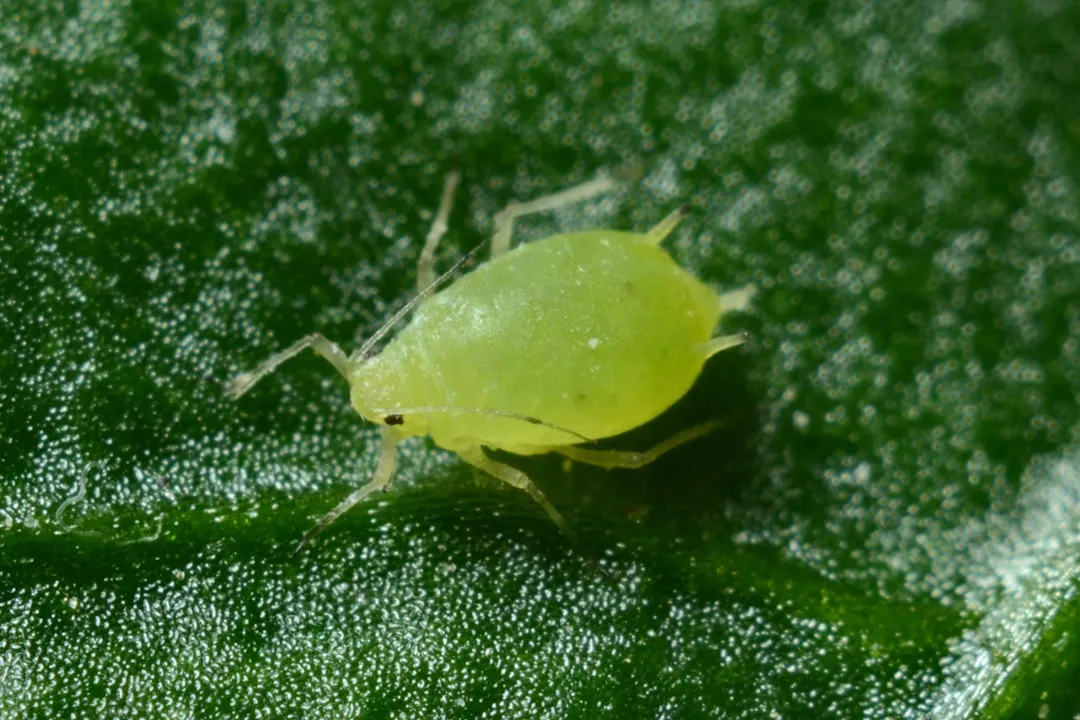
Nasturtiums are the most popular trap crop for home gardeners, and there’s a reason they keep coming up. Cucumber beetles, squash bugs, and flea beetles show strong preferences for nasturtiums over many vegetable crops, since the peppery compounds in nasturtium foliage trigger feeding responses in these pests. They’re also a favorite landing spot for aphids specifically.
Aphids are attracted to nasturtiums and seem to love them more than many other species of plants. The plant tends to shrug off the damage too, which matters for a barrier that needs to keep working all season. Nasturtiums keep producing new growth even when heavily damaged by pests, meaning they continue functioning as trap plants throughout the entire growing season, unlike some crops that shut down after moderate pest pressure.
Sunflowers Against Stink Bugs and Leaf-Footed Bugs
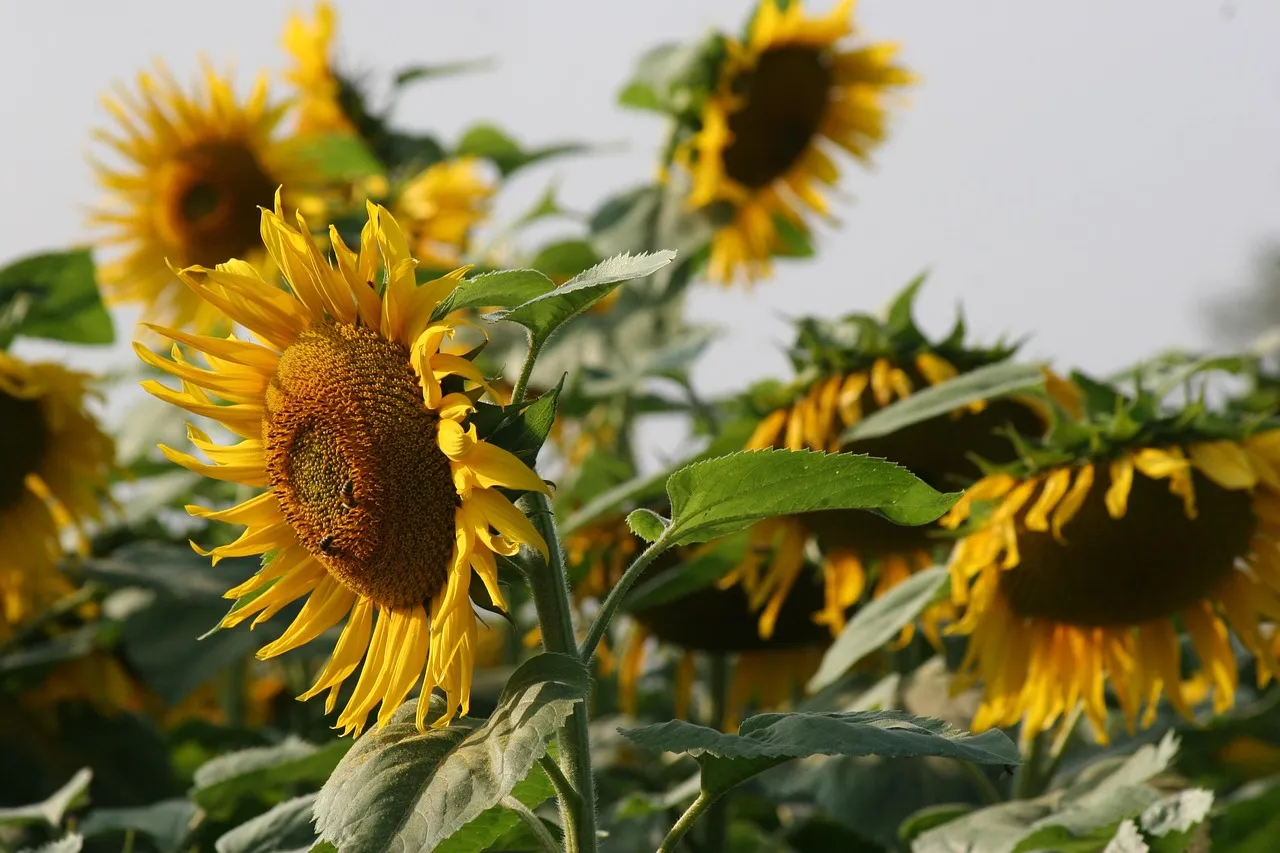
Tomato growers dealing with stink bugs and leaf-footed bugs have a reliable ally in sunflowers. Sunflower is such a huge lure for stink bugs that it is used as a trap plant in commercial crops. For farmers managing leaf-footed bugs specifically, the timing of planting matters as much as the species.
Farmers grow trap crops outside the perimeter of the patch, getting them into the ground at least two weeks before they plant the main crop so they are bigger and more attractive, and just six or eight Hubbards planted three to eight feet away from the main crop will sufficiently protect one hundred squash plants. If sunflowers aren’t an option, they also love vetch, millet, sorghum, and okra as alternatives.
Radishes and Mustards for Flea Beetles and Harlequin Bugs
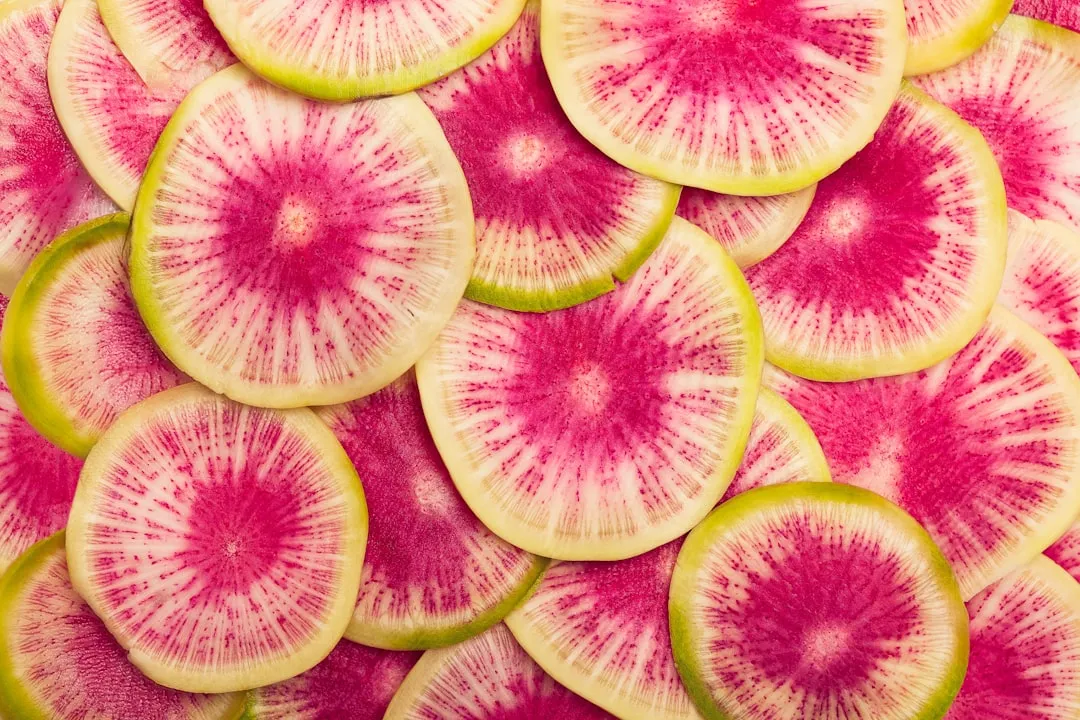
Brassica growers, meaning anyone with broccoli, kale, or cabbage, have a simple fix in radishes. Flea beetles can make brassicas look as if they have been hit with buckshot, so planting sacrificial radishes around the bed attracts flea beetles instead of other brassicas. Mustard performs a similar service against a different pest. Mustard plants attract harlequin bugs, pulling them away from more valuable crops nearby. One nice bonus with radishes as a trap crop is that even if pests wreak havoc on the radish leaves, you can still get a root harvest, so the sacrifice isn’t a total loss.
Collards for Cabbage Moths and Diamondback Moths
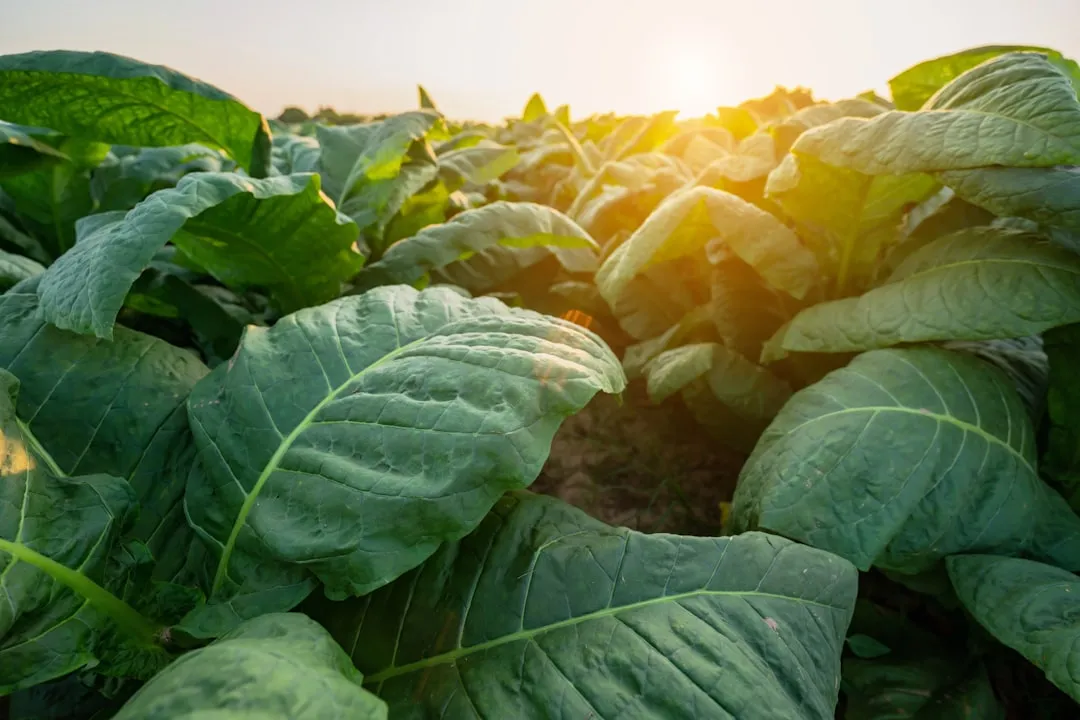
Cabbage moths, the pretty white butterflies fluttering around your garden, are more destructive than they look. Those pretty white butterflies in your garden are a major pest, and cabbage moths can be kept busy with a patch of collards planted far away from your broccoli and cabbage. Field research on a tougher relative, the diamondback moth, shows how strong this barrier effect can be at commercial scale.
Researchers in Florida were able to keep the diamondback moth from reaching action thresholds in nine commercial cabbage fields by surrounding them with two rows of collards, while sixty percent of nearby control fields without collards exceeded thresholds. That gap, sixty percent failure versus none, is a rare case where the trap crop data lines up almost too cleanly to ignore.
Dill for Tomato Hornworms
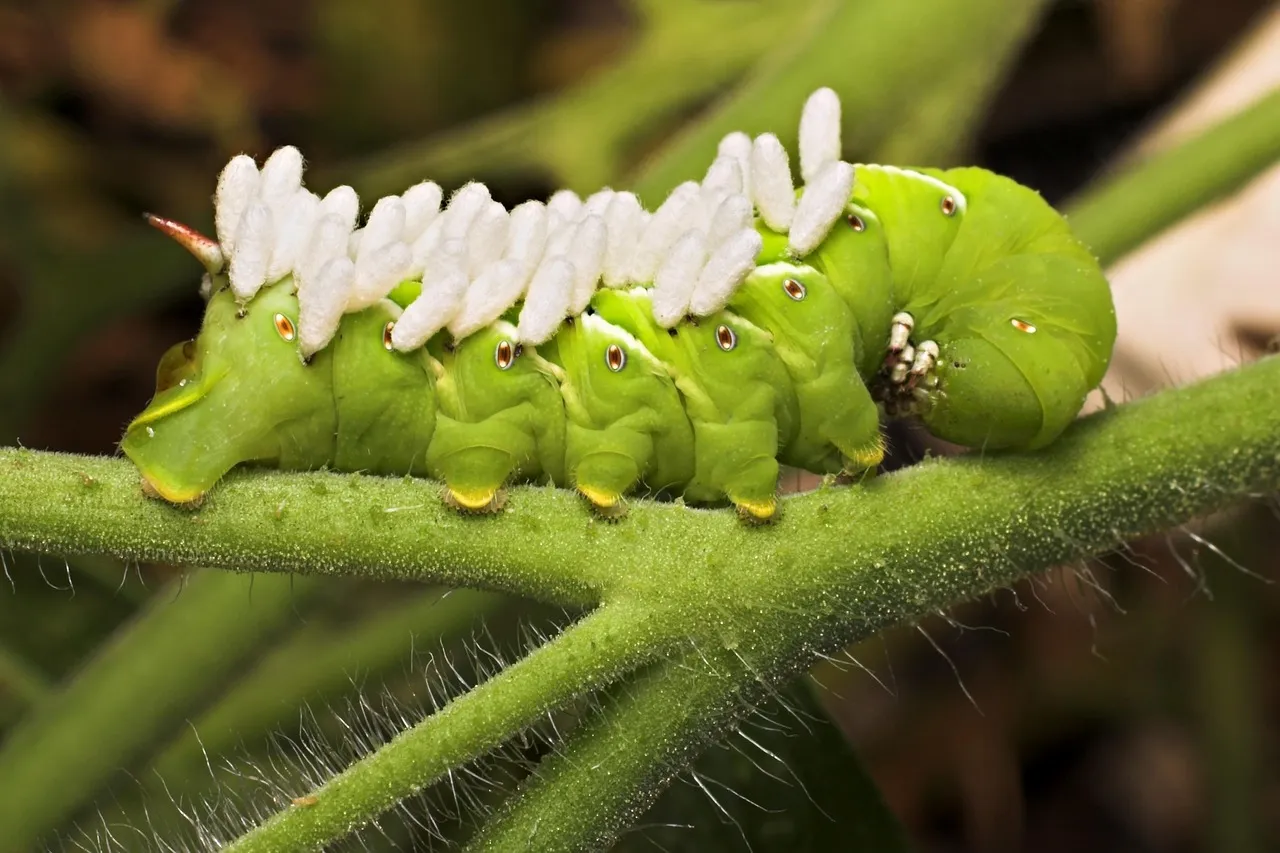
Tomato hornworms can strip a plant bare in days, and dill offers an oddly effective intercept. Tomato hornworms can defoliate a plant almost overnight and eat chunks out of green tomatoes, and since the moth that lays hornworm eggs is also attracted to dill, planting some nearby will draw it to lay eggs there instead.
This works because the egg-laying adult, a moth rather than the caterpillar itself, is the one making the choice of where to land. Planting dill along the tomato bed’s edge gives you an early warning sign before hornworms ever reach the fruit. It’s a low-effort addition since dill also self-seeds readily and attracts beneficial wasps as a side benefit.
How Wide and Where to Plant Your Barrier
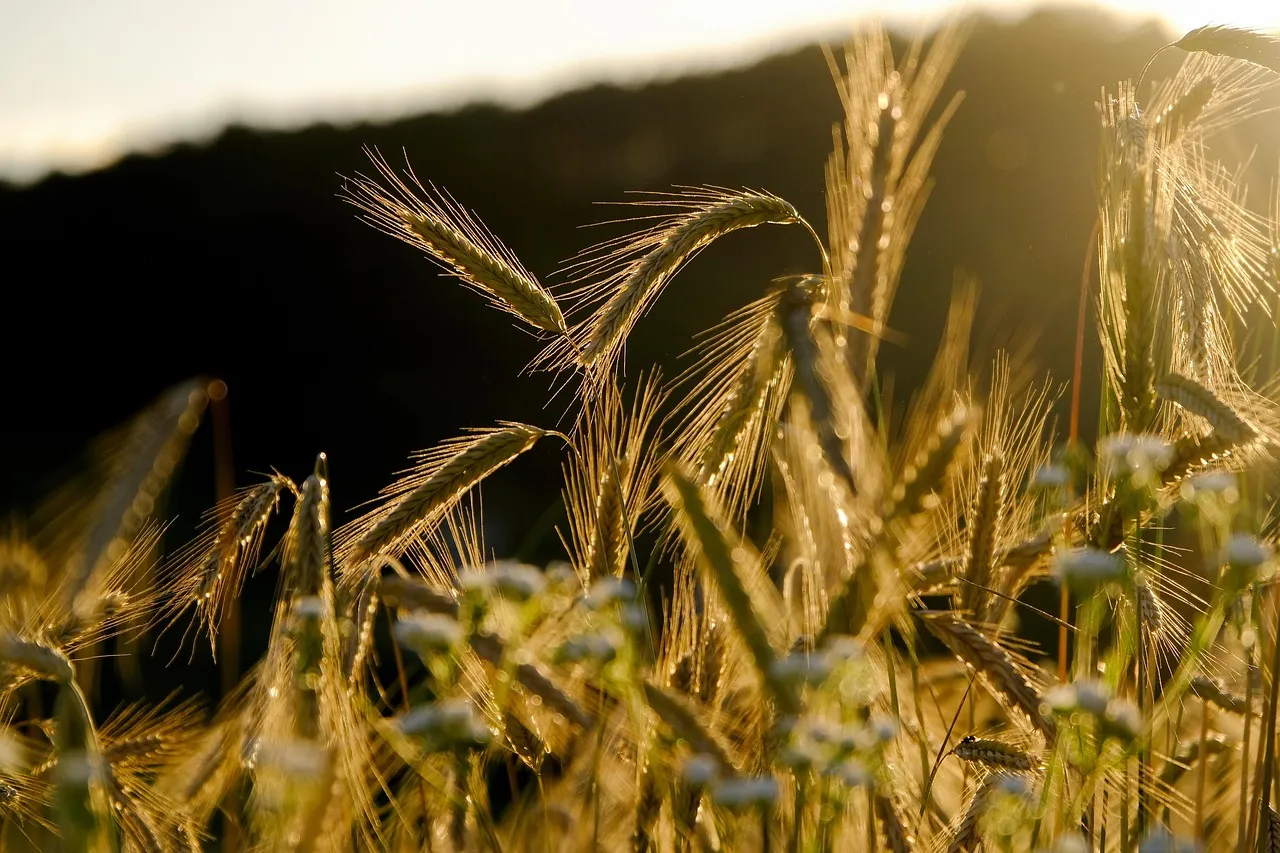
Spacing and sizing your barrier correctly matters more than picking the perfect plant. Research modeling optimal trap crop investments suggests allocating five to twenty percent of the field to trap crops may be required to maximize yield, depending on pest pressure and trap plant attractiveness. Distance from the main crop matters too, especially for less mobile pests like aphids.
To be most effective, trap crops should be placed within four or five feet, but not much closer, to the plants you’re trying to protect, since aphids tend to hop to nearby plants but won’t travel too far. Timing the planting is just as important as placement. A good starting point is planting the trap crop two weeks before the main crop so it’s already established and appealing when pests arrive.
Monitoring and Managing the Trap Crop So It Doesn’t Backfire
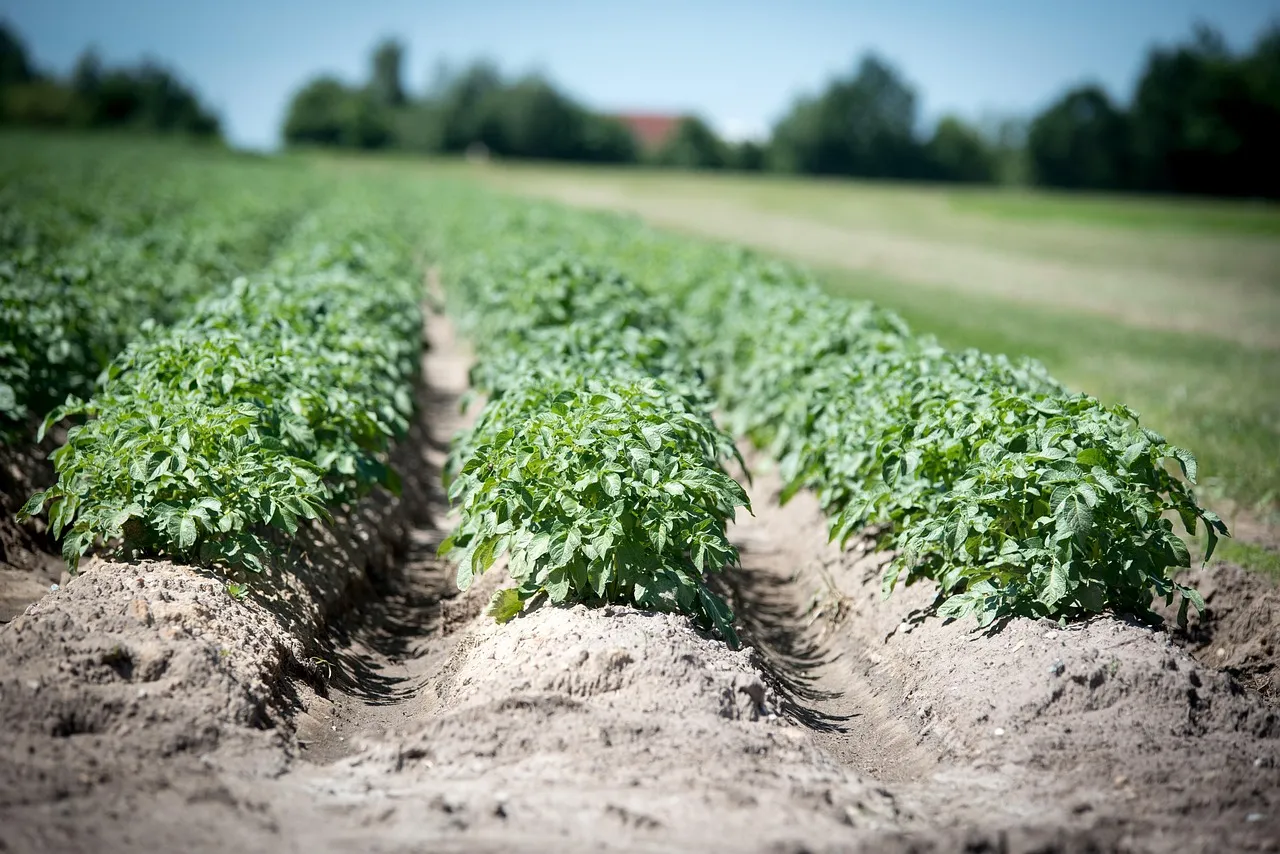
A trap crop barrier only helps if you actually deal with the pests once they’ve gathered there. Insecticide applications should be timed to protect the seedling trap crop plants as soon as beetles arrive from overwintering sites, since the trap crop functions as a poisoned fence and one to three weekly applications may be necessary. Home gardeners without a sprayer can manage smaller infestations by hand.
Check the plants in the morning and knock the offenders into a bucket of soapy water to keep them from laying more eggs. Left unmanaged, a trap crop can become a breeding ground rather than a dead end, which defeats the entire purpose of building the barrier in the first place.
What the Real-World Results Look Like
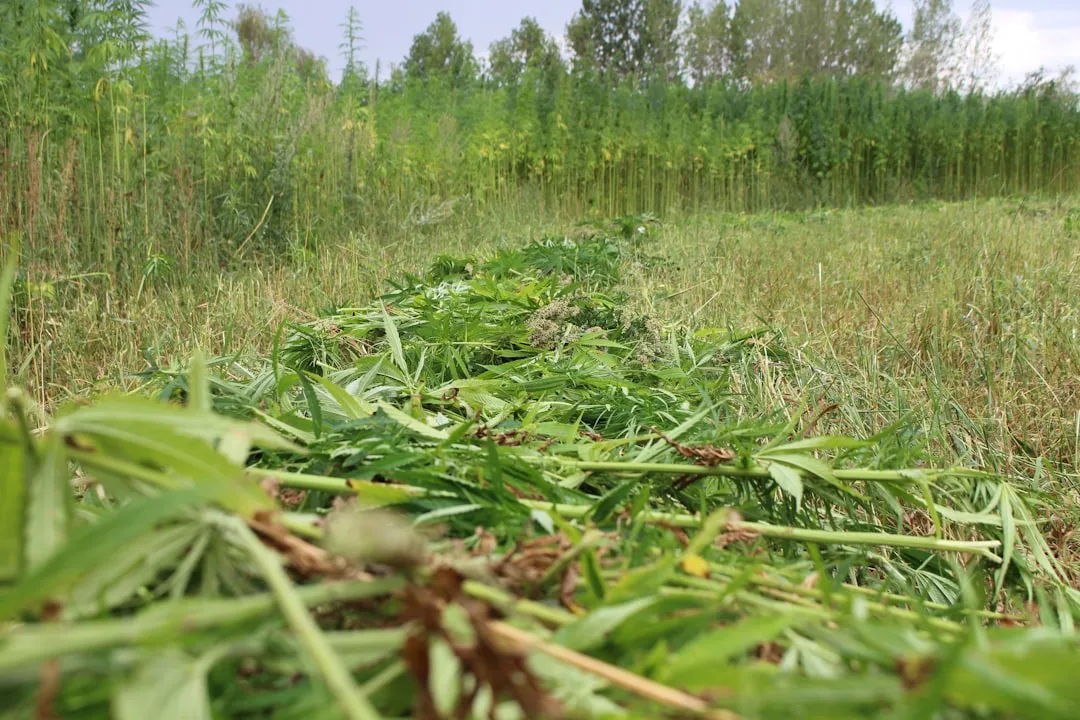
The strongest evidence for this whole approach comes from actual New England farms rather than lab plots. In 2004, nine New England growers increased yields of cucumbers and summer squash by eighteen percent and reduced insecticide use by ninety six percent, earning an extra eleven thousand dollars each on average, in research comparing a dozen farms using perimeter trap cropping to farms using the typical regimen of four sprays per year.
Grower feedback after the trial was consistently positive too. Growers planting perimeters applauded the time savings in pest scouting and pesticide spraying, and the improved economics thanks to lower input costs and higher, better quality yields. These aren’t isolated anecdotes; they reflect a technique that has been tested, refined, and adopted across dozens of working farms.
Trap crop barriers won’t eliminate every pest problem, and no extension researcher claims they will. What the data does show, consistently across squash, brassicas, and tomatoes, is that giving pests a preferred target near the edge of the garden, then managing that target actively, cuts chemical use and crop damage in ways that are measurable rather than anecdotal. The method asks for a little planning and a bit of extra bed space, but for gardeners tired of spraying everything in sight, it offers a genuinely different way to think about where the pests end up.
AI Disclaimer: This article was created with the assistance of AI tools and reviewed by a human editor.