
There’s a particular kind of relief that comes from walking past the baggage carousel while everyone else waits. No lost luggage, no lifting a fifty pound suitcase up a flight of stone stairs in a hill town with no elevator, no frantic repacking at the check in counter because your bag came in two ounces over. Packing a full week into something the size of a daypack sounds like a trick, but it’s really just a set of habits, and once you learn them, you rarely go back to hauling a big suitcase again.
Why Packing Light Matters More Than Ever in 2026
Airlines have made the decision easier for you, whether you asked for it or not. Bureau of Transportation Statistics data shows U.S. airlines brought in more than 7.4 billion dollars in passenger baggage fees in 2025, a 162 percent increase over five years. The situation escalated further in spring 2026, when a spike in jet fuel prices pushed nearly every major carrier to raise fees again within the same short window.
Southwest raised its first and second checked bag fees by 10 dollars effective April 9, 2026, bringing both bags to 45 and 55 dollars respectively, following the end of its famous two-free-bags policy in May 2025. No major US airline offers universally free checked bags as of April 2026, though elite status members, co-branded credit card holders, and premium cabin passengers still get free bags on most carriers. If you’re not chasing status miles or paying for a premium card, a daypack that never leaves your side isn’t just convenient anymore, it’s a genuine money saver.
Know Your Airline’s Real Carry-On Rules Before You Pack
Before you fold a single shirt, check the actual dimensions and weight limits for your specific airline and fare class, because the rules have gotten stricter and less forgiving. The 22 by 14 by 9 inch carry-on size limit has effectively become the standard across major US airlines, with American, Delta, United, Alaska and JetBlue all publishing that figure, though dimensions must include handles and wheels. That last detail trips people up constantly, since a bag marketed as a 22 inch carry-on can quietly exceed the limit once the wheels are factored in.
International travel adds another layer entirely. Many overseas airlines strictly enforce a 7 to 10 kilogram carry-on limit, and a bag that fits perfectly in a domestic overhead bin can still get checked on a European or Asian carrier for being too heavy. A kitchen scale at home takes thirty seconds and saves you an ugly surprise at the gate.
Choosing a Daypack That Can Actually Handle a Week
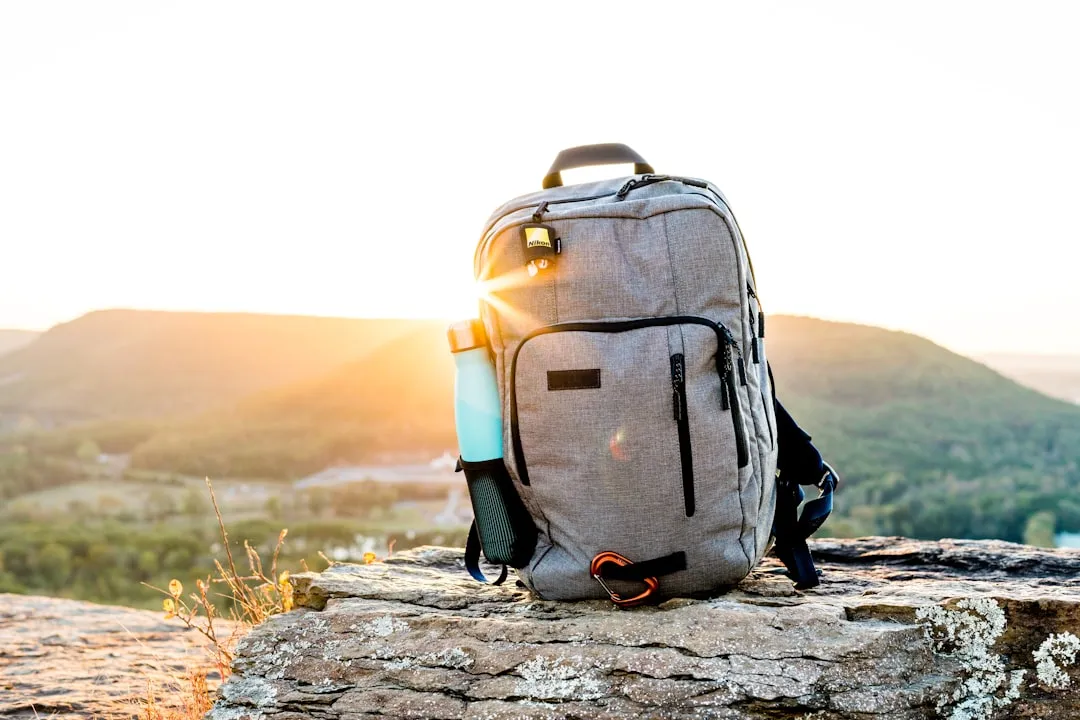
Not every daypack is built for this job, so look for one with a simple, rectangular shape rather than lots of external pockets and straps, since internal volume matters more than gadgetry. A pack somewhere between 20 and 35 liters tends to be the sweet spot: big enough for a week of clothing and gear, small enough to qualify as a personal item on most airlines. Compression straps on the outside help cinch down the load once it’s packed, which keeps the bag from ballooning into checked bag territory.
Look, too, for a back panel with some structure and padded straps, because a soft, floppy pack that’s stuffed to capacity will dig into your shoulders after even a short walk through an airport. A daypack with a laptop sleeve doubles as your under seat item, which matters given how many airlines now separate carry-on and personal item allowances by fare class.
Borrow the Ultralight Backpacker’s Mindset
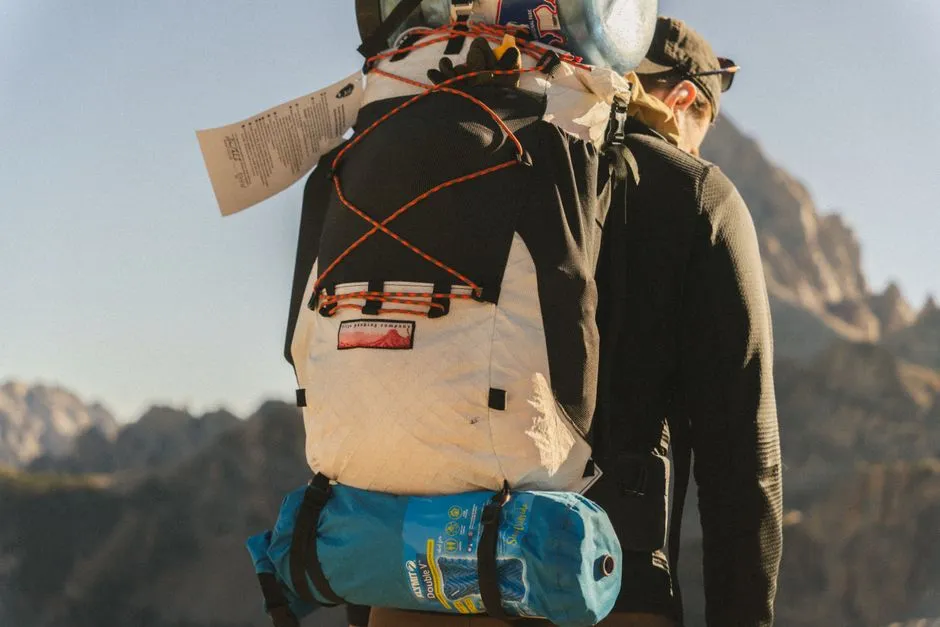
Long distance hikers solved this puzzle decades ago, and their core idea transfers directly to travel. Some hikers consider ultralight to mean an initial base weight of less than 4.5 kilograms, where base weight is the weight of a fully loaded pack excluding consumables like food and water. Swap out food and water for toiletries and electronics, and you have a useful travel equivalent.
The method behind it is refreshingly unglamorous. Weigh every item and record its weight, since this helps identify items with potential for weight reduction. Do that with your travel gear once, and you’ll be shocked at which items are dead weight, usually the ones you packed “just in case.”
Build a Capsule Wardrobe Instead of a Suitcase Full of Outfits

A capsule wardrobe solves the psychological trap of packing for every possible scenario. The 5-4-3-2-1 travel wardrobe method includes 5 tops, 4 bottoms, 3 pairs of shoes, 2 dresses or layers, and 1 statement accessory, creating roughly 30 to 40 different outfit combinations while fitting in a carry-on bag. For a daypack specifically, you’ll want to trim that further.
A typical travel capsule wardrobe contains 15 to 25 items total including clothing, shoes and accessories, though weekend trips need only 8 to 12 items while month long journeys might require 25 to 30 pieces. The trick is picking 2 to 3 neutral base colors like navy, black, gray or beige, plus 1 to 2 accent colors, creating maximum mix-and-match potential while ensuring everything coordinates. Once every top works with every bottom, you stop needing a separate outfit for each day.
Choose Fabrics That Do More Work Per Ounce

Fabric choice quietly determines whether a week’s worth of clothes fits in a daypack or spills out of a duffel. Merino wool has become the default recommendation among frequent travelers for good reason. Research shows that wool fabrics retain, on average, 66 percent less body odor than polyester and 28 percent less than cotton.
That resistance to odor means you can wear the same shirt several days running without anyone noticing, which directly cuts the number of items you need to pack. Merino wool can absorb and retain up to 30 percent of its weight in moisture and still feel dry to the touch, since the fabric wicks moisture away so odor causing bacteria don’t have the damp environment they need to thrive. It costs more upfront than a plain cotton tee, but for a week in one bag, the tradeoff usually pays for itself in laundry stops avoided.
Pack With a System, Not a Pile
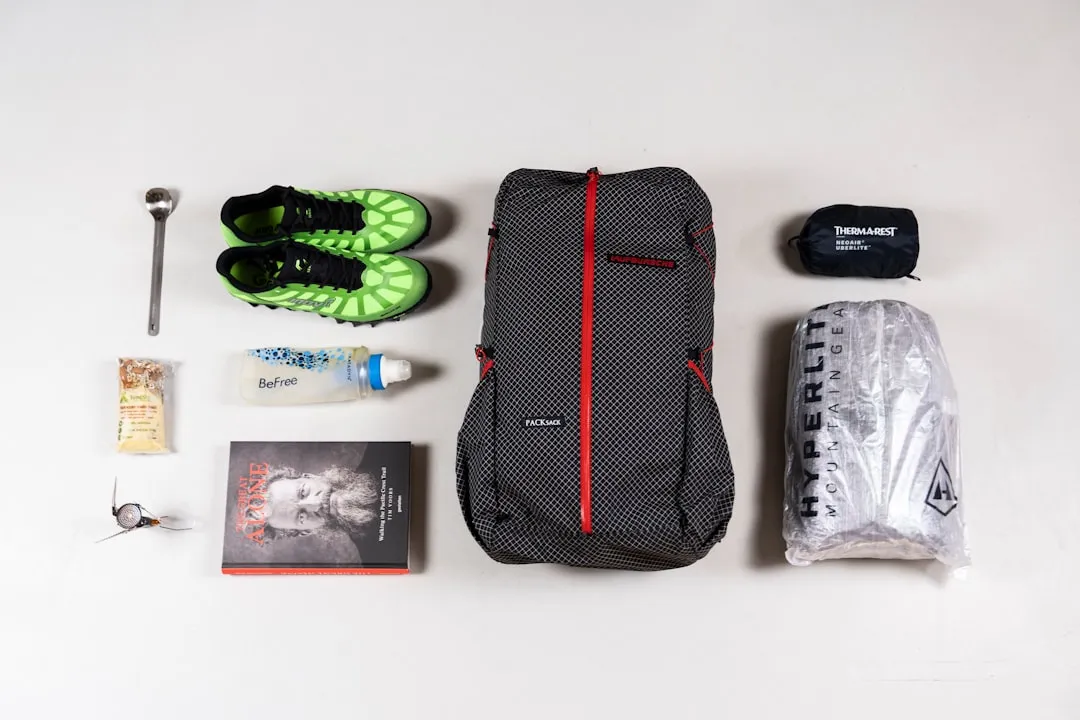
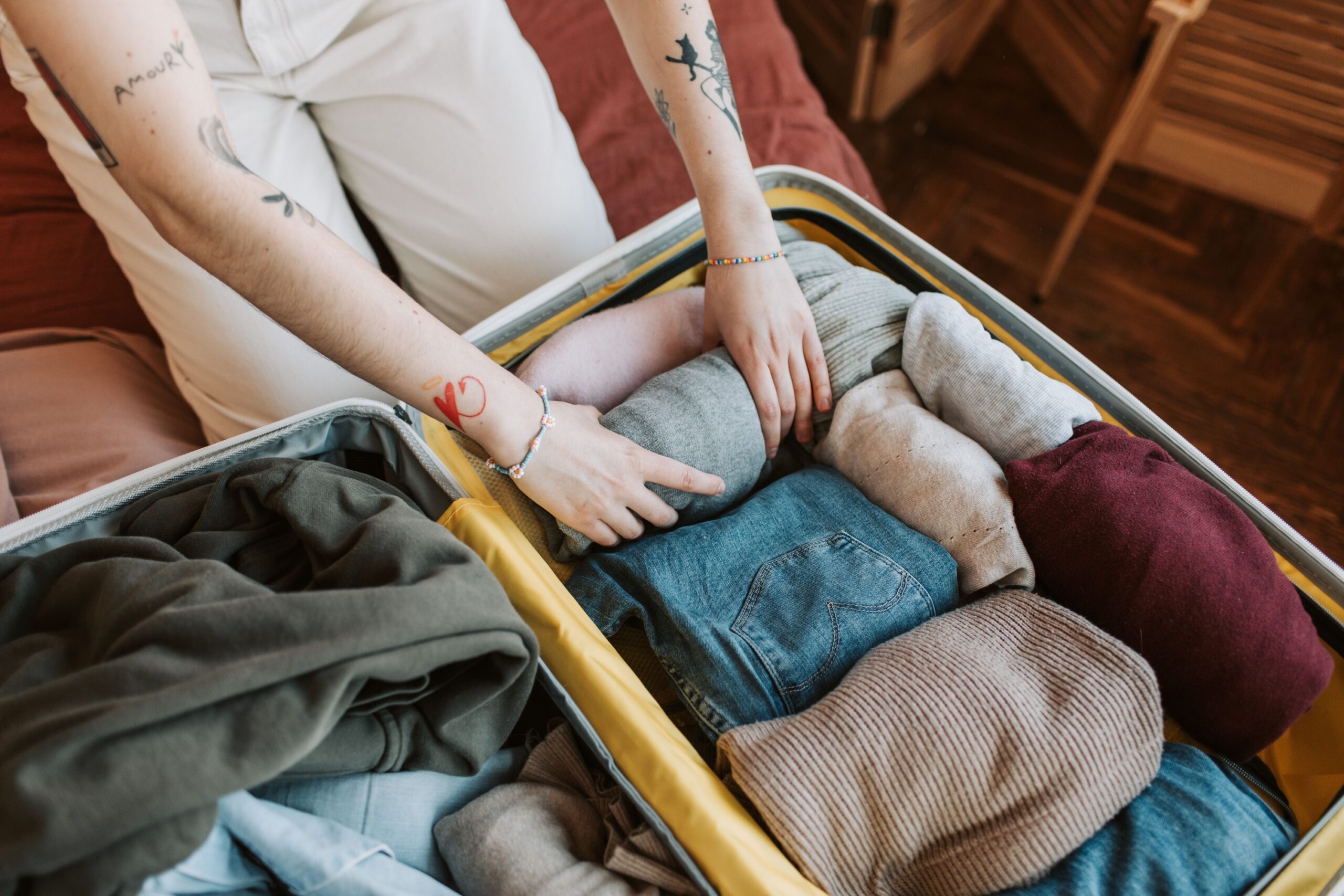
How you place items inside the pack matters almost as much as what you bring. Rolling clothes rather than folding them cuts wrinkles and shrinks bulk noticeably, and compression cubes squeeze out the remaining air pockets that eat up space. Compression packing cubes help maximize space, and travelers who use them consistently report fitting more into the same size bag than they expected.
Layer heavier items like shoes and toiletry kits at the bottom near the pack’s back panel, keep mid weight items like folded layers in the middle, and save the top and outer pockets for things you’ll need mid trip, like a charging cable or a spare mask. This kind of intentional layering also keeps the pack’s center of gravity close to your back, which matters more than people expect once you’re walking with it for hours.
Make Every Item Earn a Second Job
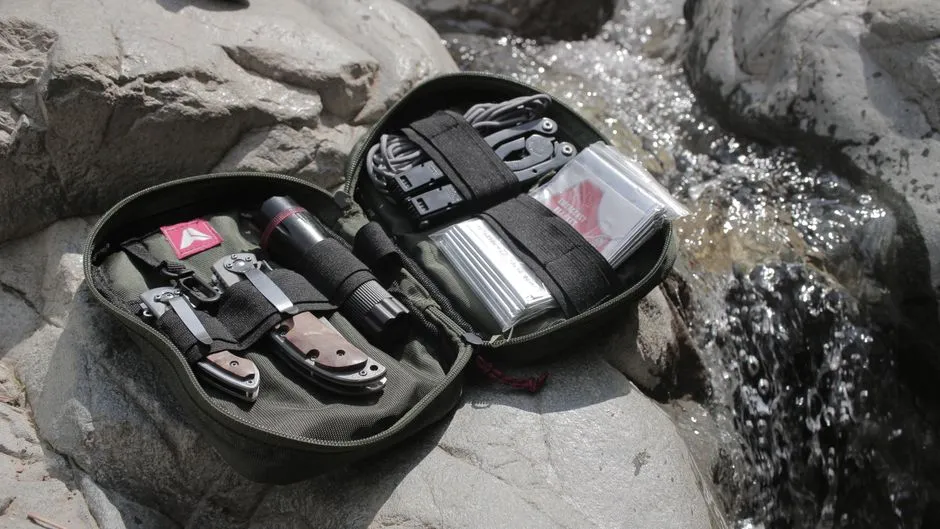
The fastest way to shrink a packing list is to demand that almost nothing gets to be single purpose. Clothing that is timeless, compact, and has dress up and dress down capabilities, where every item earns its keep by being adaptable, regularly wearable, and genuinely useful, is the real foundation of packing light. A scarf that also works as a travel blanket, a sarong that doubles as a beach towel, sunglasses that also shield you from wind and glare while hiking, these small overlaps add up fast.
The same logic applies to gear beyond clothing. A phone that replaces a separate camera, a universal charging cable that covers multiple devices, or a packable rain shell that also blocks wind all shave weight without shaving function. Before adding anything to the bag, ask whether it could plausibly serve two purposes on the trip, and if the honest answer is no, reconsider whether it needs to come at all.
Trim Toiletries and Electronics Down to the Essentials
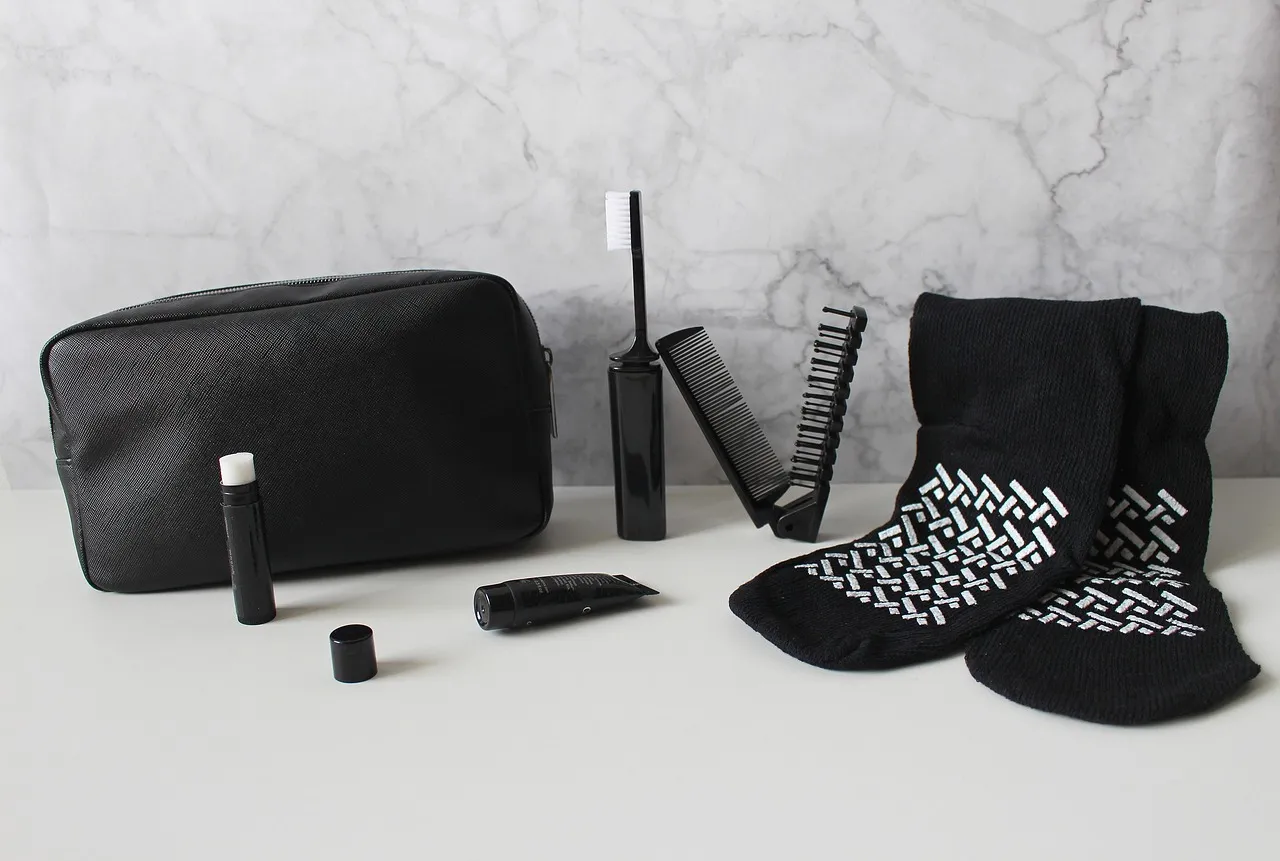
Toiletries are where most packing plans quietly fall apart, since full size bottles and duplicate products sneak in out of habit rather than need. Solid shampoo bars, multi use balms, and travel size containers refilled from home cut this category down dramatically, and most destinations sell basic toiletries if you genuinely run out. The same discipline applies to electronics, where a single lightweight charger with multiple ports usually replaces three separate cables.
It’s worth double checking battery rules too, since enforcement has tightened recently. Batteries between 100 and 160 watt-hours now require airline approval before travel, passengers are typically limited to two such batteries in carry-on luggage, and larger batteries are generally banned from passenger flights. Anyone traveling with a larger power bank or camera battery should check this before assuming it will simply pass through security.
Test Pack, Weigh It, Then Edit Ruthlessly
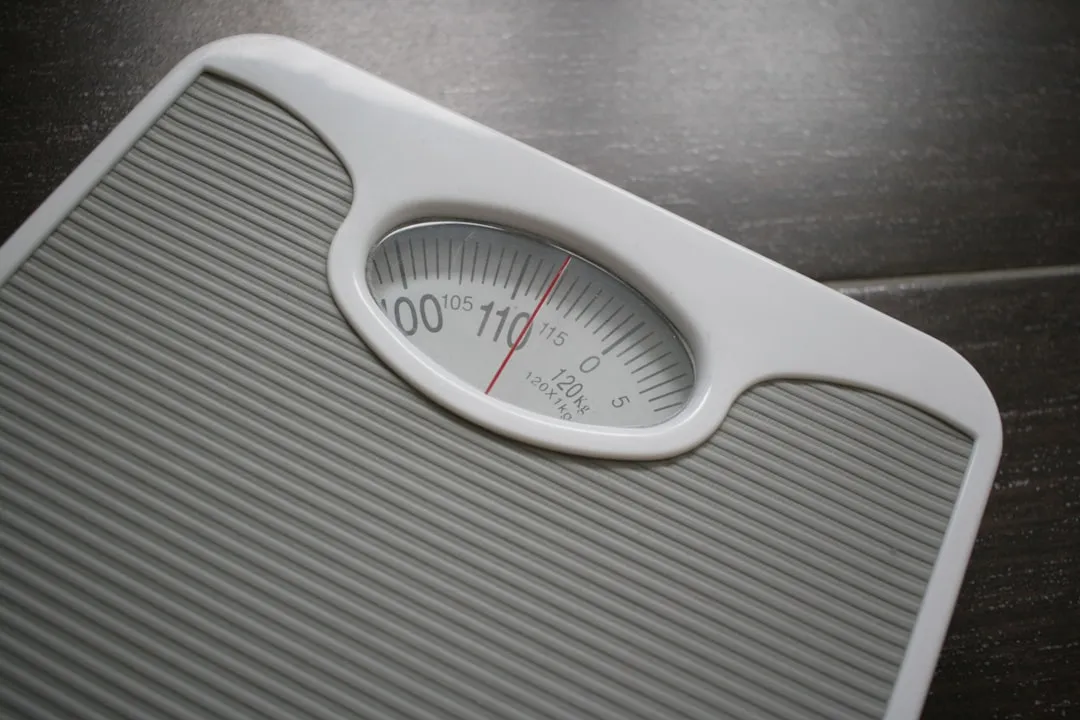
The final step is the one most people skip entirely: a full dress rehearsal a day or two before departure. Pack the daypack completely, weigh it on a bathroom or luggage scale, and wear it around the house for twenty minutes to see how it actually feels on your shoulders and back. If it’s uncomfortable at home, it will be worse after a full day of walking through a city or an airport terminal.
Once it’s packed, go through it one more time and remove at least two items you’re not fully convinced you need, since almost everyone overestimates what a week actually requires. This is also the moment to reweigh against your airline’s specific limit, especially if you’re flying internationally where the tolerance for extra kilograms tends to be much lower. A pack that passes this test rarely causes problems later, and that quiet confidence is really the whole point of packing light in the first place.
A Lighter Way to Travel
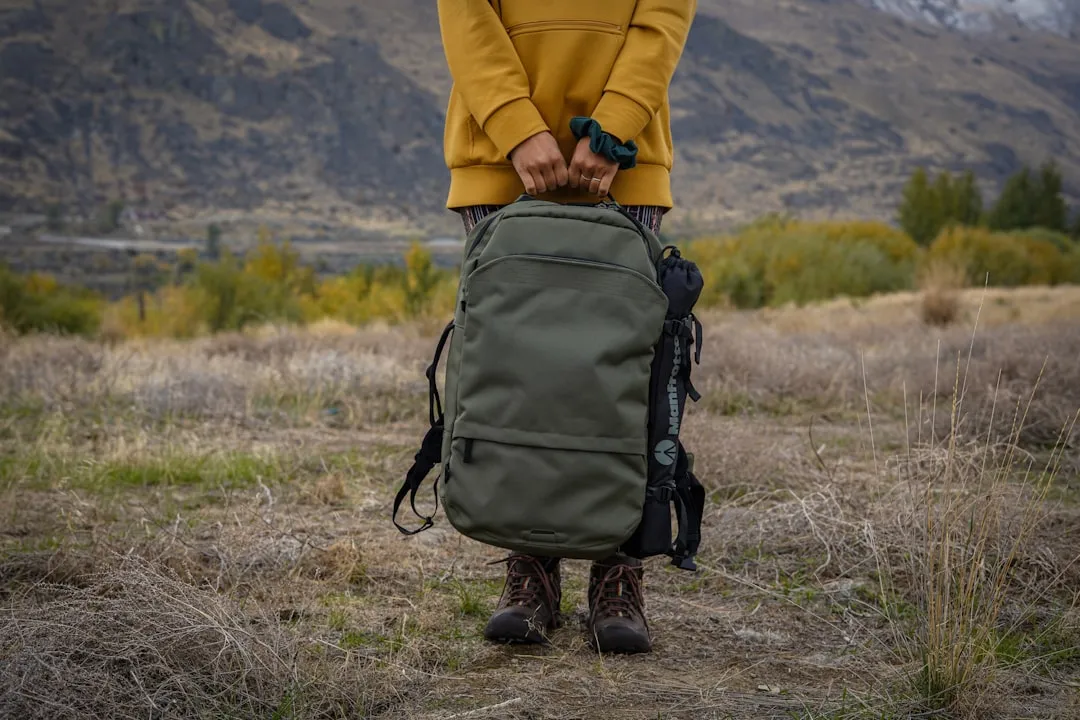
Fitting a week into a daypack isn’t really about deprivation, it’s about deciding in advance what actually matters and trusting that decision once you’re on the road. The habits that make it possible, a tighter wardrobe, smarter fabrics, a packing system, and a willingness to edit before you zip the bag shut, tend to stick around long after the trip ends. Once you’ve traveled this way and felt how much easier it makes every transfer, every set of stairs, and every rushed connection, going back to a full sized suitcase starts to feel like carrying more than the trip ever required.
AI Disclaimer: This article was created with the assistance of AI tools and reviewed by a human editor.