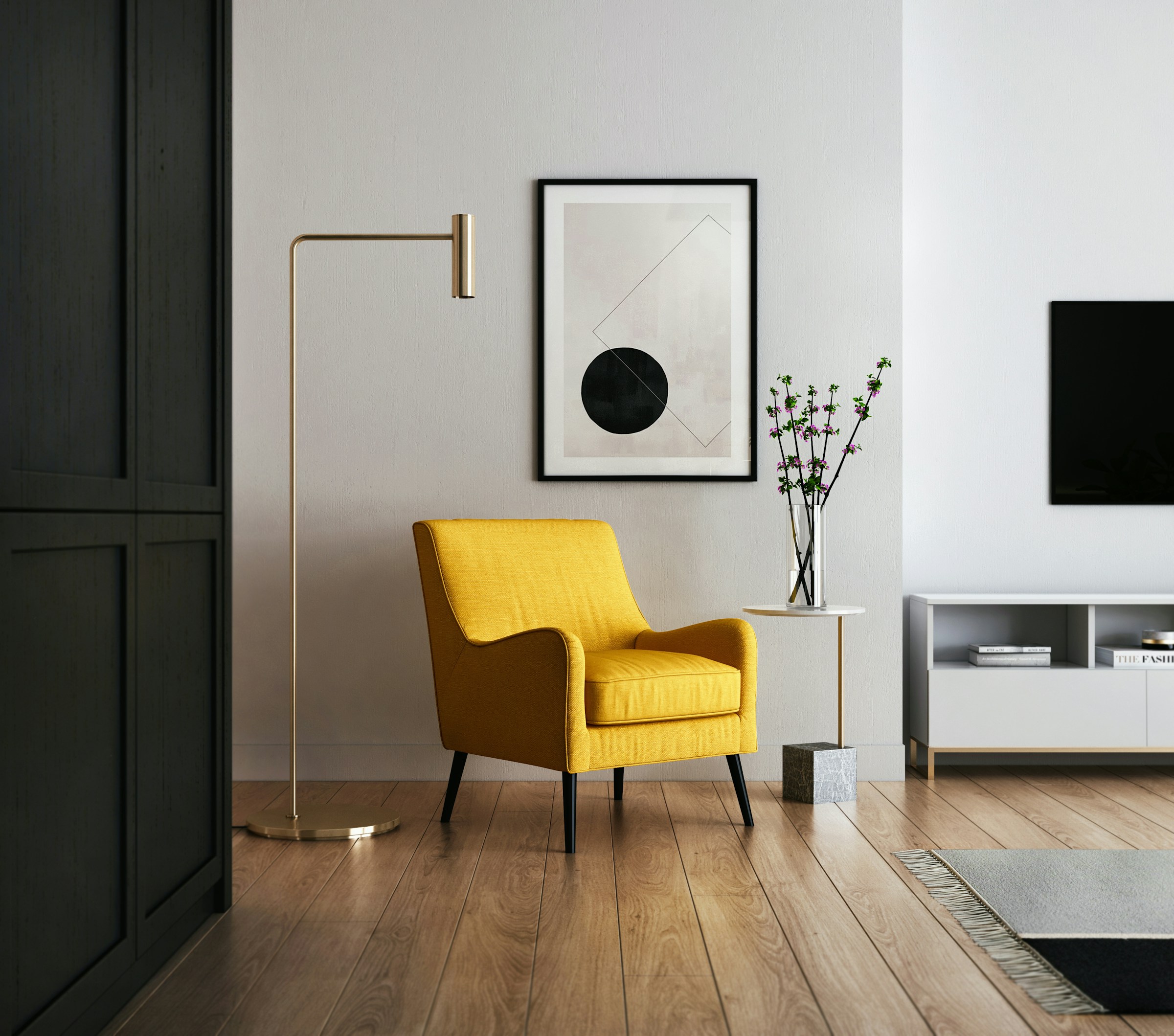

Walk into any design showroom or scroll through a decorator’s portfolio lately, and you’ll notice something familiar creeping back into frame. Warm woods, curved silhouettes, and colors that feel like they were pulled straight from a vintage postcard are showing up in living rooms again, and not as an ironic wink to the past. Designers are treating these elements as legitimate, livable choices for 2026, which raises the question of why a decade often mocked for its avocado appliances and shag carpets is suddenly worth studying again.
Sunken Living Rooms Are Making a Structural Comeback
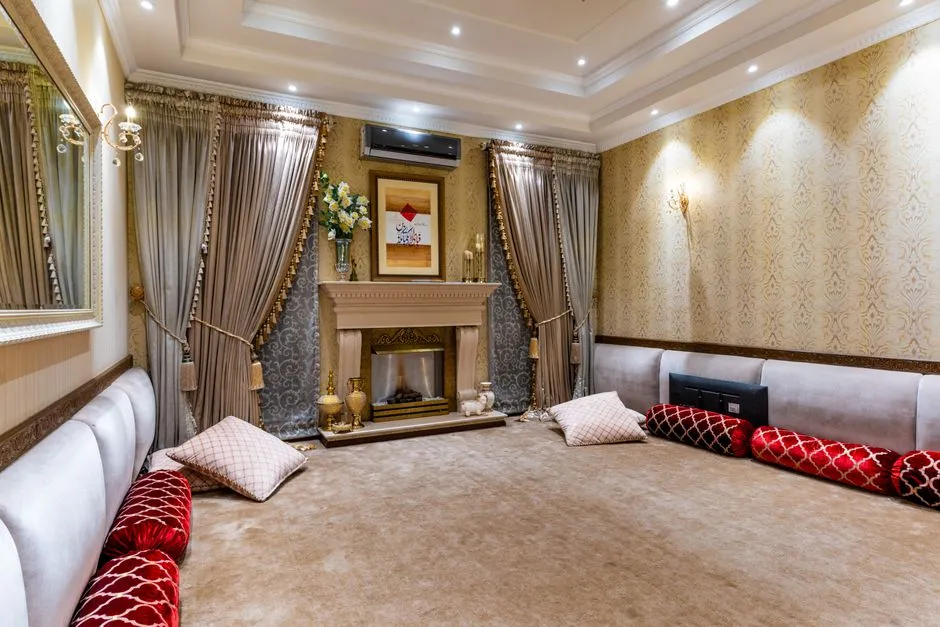
The conversation pit, once the crown jewel of mid-century entertaining, is being rebuilt in modern homes rather than just referenced in mood boards. The sunken living room is making a major comeback in 2026, and originally a hallmark of mid-century modern architecture, this design feature creates a cozy, conversation-friendly space by lowering the floor level by one or two steps.
Industry data backs this up: Apartment Therapy polled 154 design experts on their top 2025 home trend predictions, and the majority said sunken living rooms or conversation pits would make a comeback. Renovation costs vary widely depending on scope, with converting an existing flat floor into a sunken living room ranging from 13,800 to 44,000 dollars depending on structural requirements, flooring choices, and built-in features. Even homeowners without the budget for demolition are borrowing the aesthetic through furniture placement and low-slung seating arrangements.
Earth Tones Are Replacing Millennial Gray
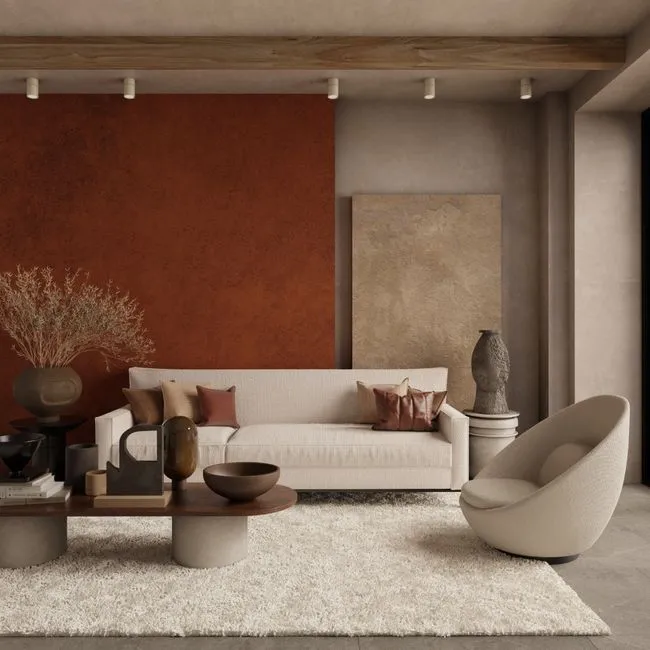
For much of the past decade, gray dominated living rooms from walls to sofas. That era appears to be ending, with deep earth-toned walls in terracotta and forest green colors emerging again to warm spaces after a decade of millennial gray.
This isn’t a random swing of the pendulum either. The 1970s were all about earthy tones, with popular colors such as mustard yellow, chocolate, olive green and beige, and designers are pulling directly from that palette while softening the saturation for contemporary tastes. Mustard and burnt orange in particular have found their way from fashion racks back onto living room walls and upholstery.
Curved Furniture Has Replaced Sharp Angles
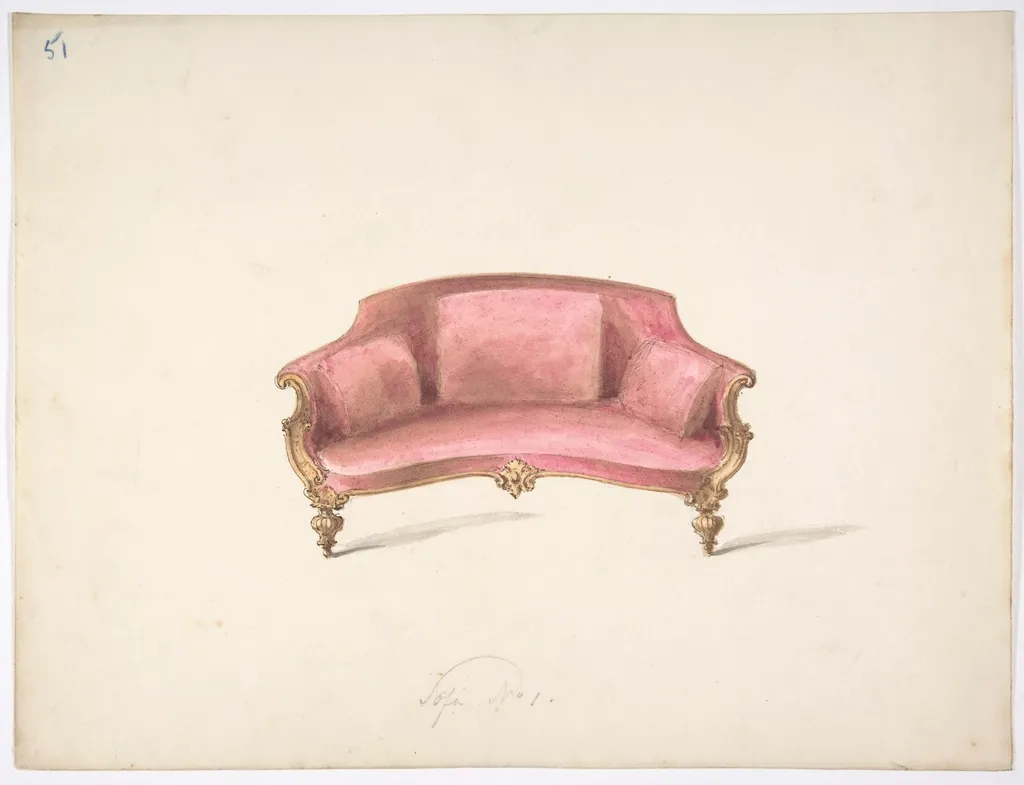
Boxy, hard-edged sofas are losing ground to rounder, softer shapes borrowed almost directly from the disco era. During the 1970s, much of the furniture was almost feminine in nature, less about hard lines or sharp angles and more about dramatic curves and a sense of plushness. That aesthetic has fully returned, and as one industry observation puts it, curvy silhouettes have officially re-entered the chat. Interior designers frequently pair these shapes with plush upholstery to recreate the lounge-like comfort the original pieces were known for.
Rattan and Wicker Are Back From the Sunroom
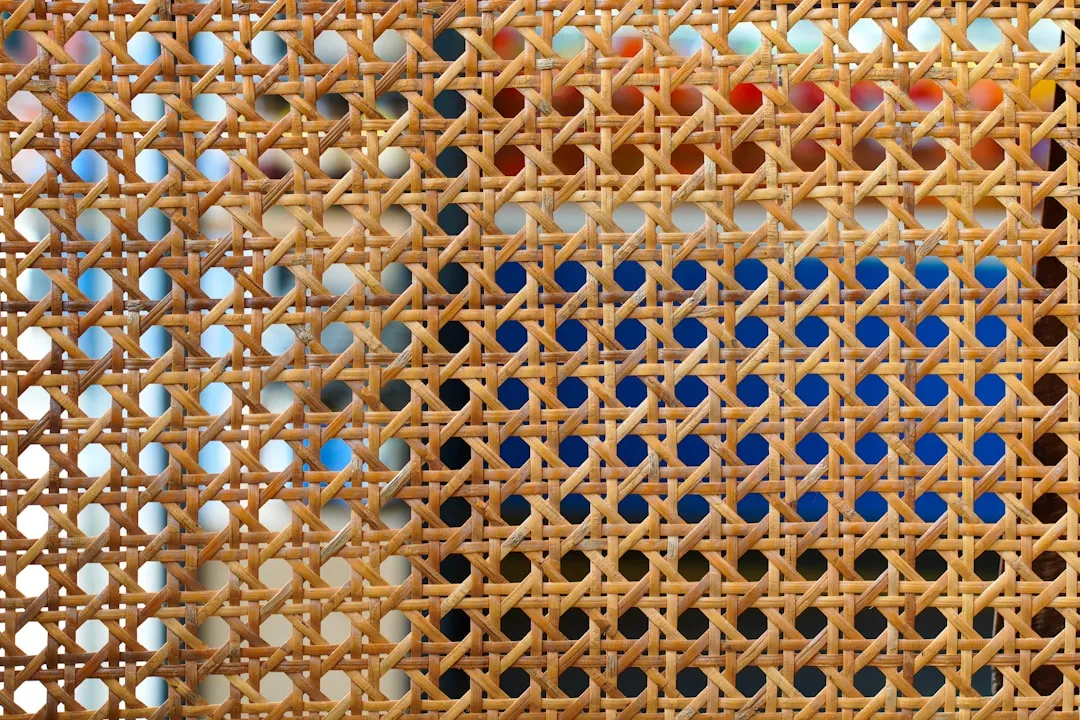
Rattan furniture, once relegated to porches and vacation homes, has moved firmly into the main living space. Rattan was a pillar of 70s interior design due to its sustainability, practicality, and relaxed aesthetic, with wicker furniture like sofas, coffee tables, and club chairs lending distinct bohemian vibes to sitting rooms.
Today it shows up in smaller doses rather than as a full room commitment. People love it now for the timelessness and texture that ties a room together, incorporating it into mirrors, light fixtures, headboards, and accent pieces, and rattan has become a hot find at thrift stores. That secondhand angle matters, since much of the current revival leans on vintage sourcing rather than mass-produced replicas.
Wood Paneling Is Getting a Second Look
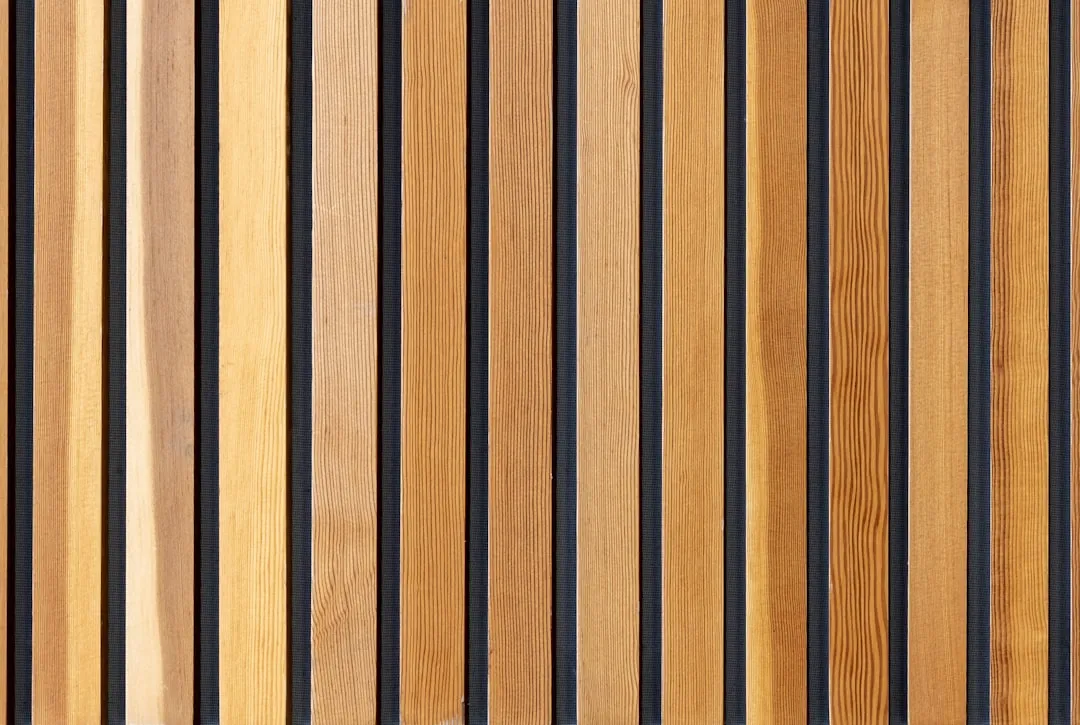
Few 1970s features carried more stigma than dark wood paneling, yet it’s reappearing under a more polished name. Design experts have noticed a resurgence of warm wood in cabinetry, furniture, and on walls, with designers using what’s being called wood drenching, the generous use of wood paneling, especially the dark and dramatic kind.
The execution today looks nothing like a dated rec room. Today’s wood paneling uses natural woods and well-crafted synthetics, incorporating a variety of installation techniques to make a warm and sophisticated space. The difference between a dated basement and a design-forward living room often comes down to finish quality and restraint in how much wall surface gets covered.
Shag Rugs Return, But in Smaller Doses
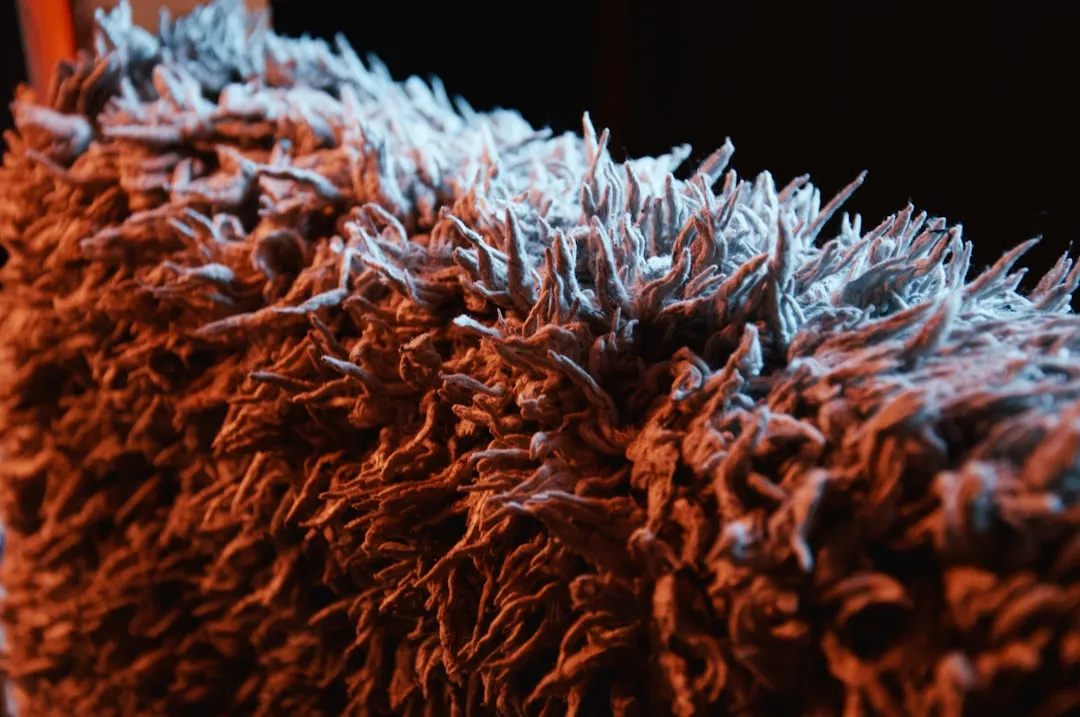
Wall-to-wall shag carpeting hasn’t come back, and designers are fairly unanimous that it shouldn’t. Instead, the texture is being reintroduced through area rugs and accent pieces. Sarah Pickard, an interior designer, says it’s best to avoid the wall-to-wall look, but that shag has the potential to be incorporated as a fun area rug, or repurposed as wall art.
Others suggest an even gentler entry point, since a modern faux-shearling throw can deliver the texture of a shag rug in a more refined manner. This kind of moderation seems to be the throughline for nearly every 70s revival element making it into current homes.
Travertine Is the Stone of the Moment
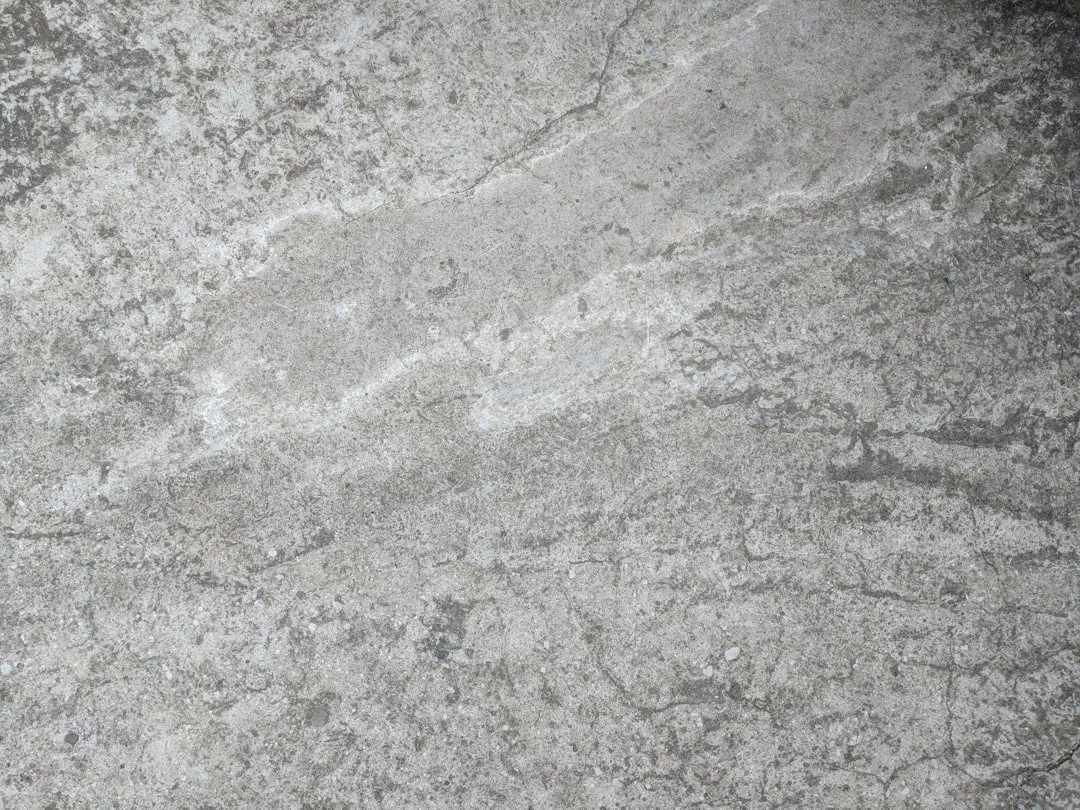
Travertine, the porous limestone associated with Roman architecture and later with 1970s Italian design, has become a defining material in living room coffee tables, kitchen islands, and feature walls. As travertine keeps popping up more and more in luxury design projects, it’s organic, textural, and full of movement, striking in its neutrality.
Its popularity isn’t purely aesthetic either. Its warm ivory-to-walnut colour range sits precisely within the natural, earthy tones that have dominated premium interior palettes for several years, and unlike trend-driven finishes, travertine’s neutrality is intrinsic to the material, so it will not look dated when palettes shift. Furniture pieces referencing the material’s design lineage are explicit about the connection, with some coffee tables marketed directly around their clear inspiration from 1970s Italian postmodern design.
Glass Block Details Are Reappearing
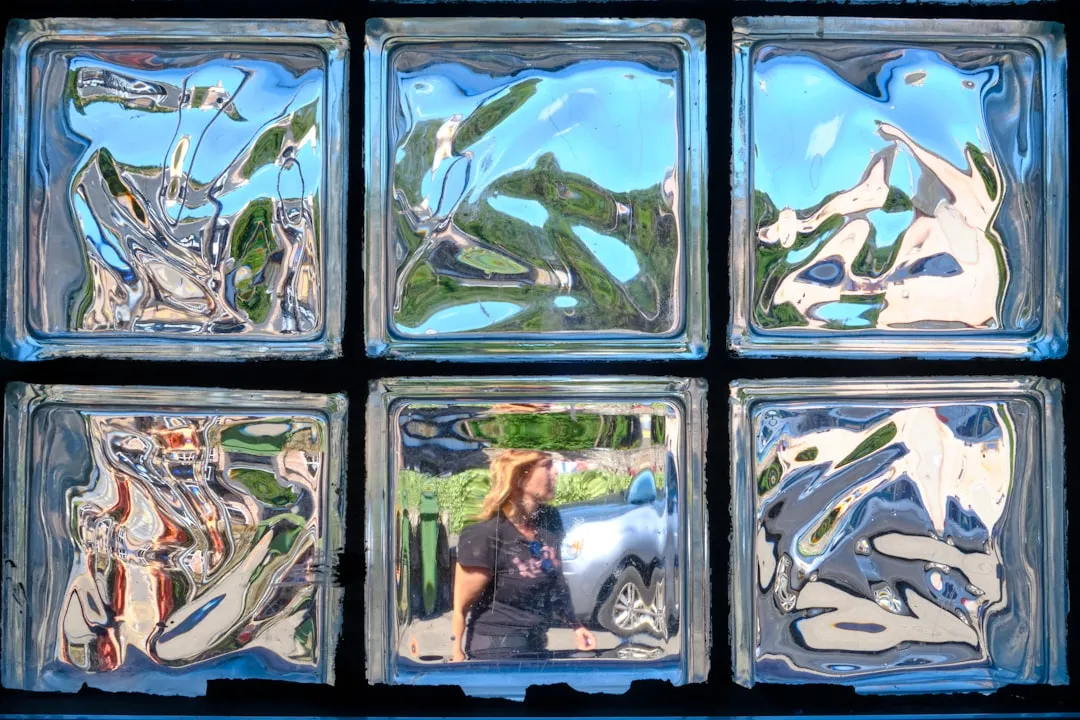
Glass block, that translucent building material associated with both 1930s architecture and 1970s renovations, is showing up again in restaurants, hotels, and residential projects. The New York Times once noted the material’s earlier renaissance as part of a more general return to elegance with polished images of mirrors, chrome and glass, and that same association with the 1970s may be why it’s back in vogue with contemporary designers.
It functions well in living rooms as a divider or accent wall, offering the practical benefit of allowing light through while still creating a sense of separation. Because it’s inexpensive and low maintenance, it fits neatly into projects where budget and visual impact both matter.
Patterned and Kitschy Sofas Are No Longer Off Limits
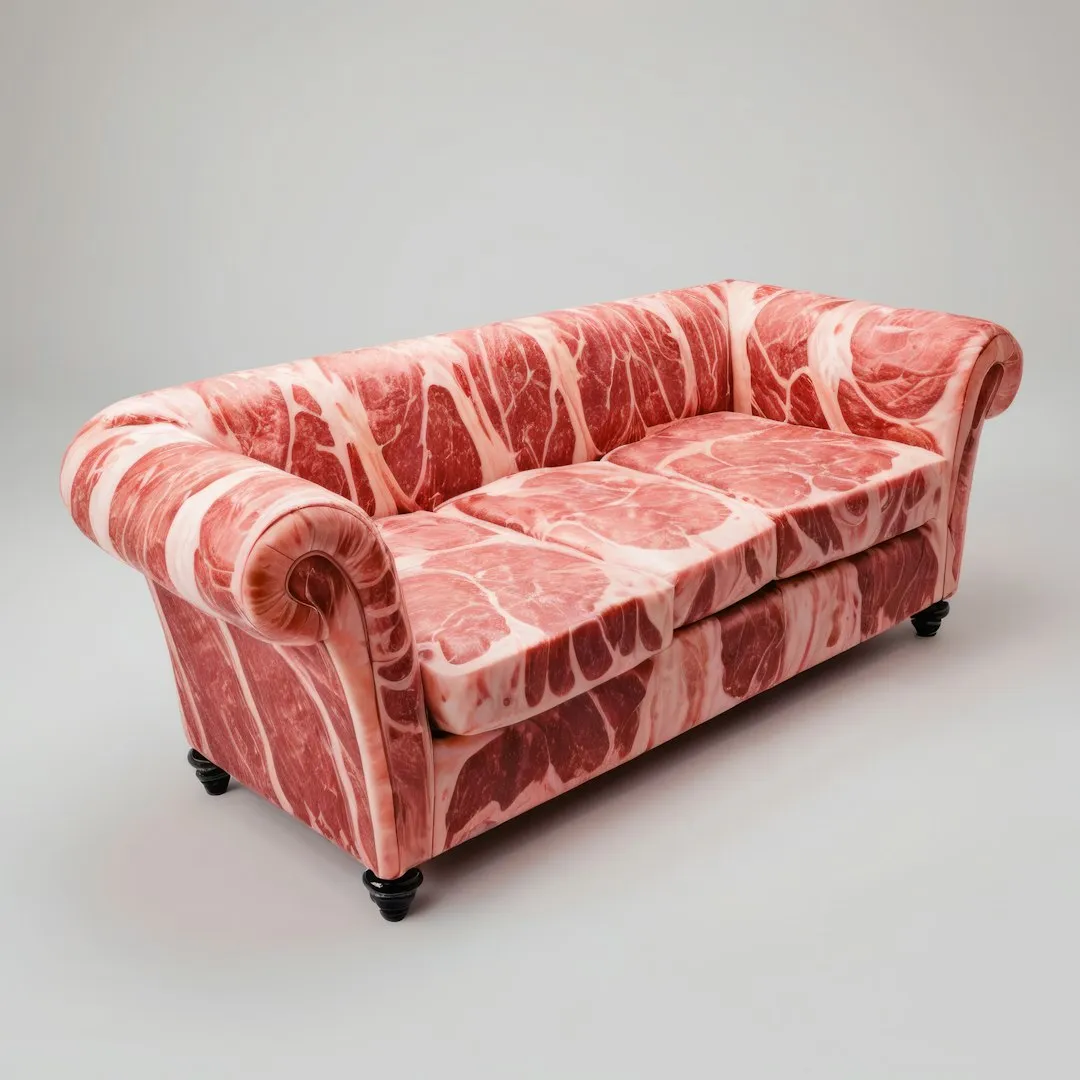
For years, a patterned sofa was considered a design risk best avoided in favor of safe neutrals. That thinking has clearly shifted heading into 2026. At one point, patterned sofas were anything but trendy, but times have changed, and now frilly, floral, romantic styles are one of the biggest sofa trends out there, with designers embracing kitschy designs once deemed dated.
There’s a practical case being made for the shift too, since designer Emma Sherlock has pointed out that sofas in a plain fabric can look very bulky, a patterned sofa can break up a room more easily, and marks are less noticeable on patterned upholstery. This willingness to embrace print and personality over safe minimalism is one of the clearest threads connecting 1970s style to where living rooms are heading now.
Biophilic Touches Round Out the Look
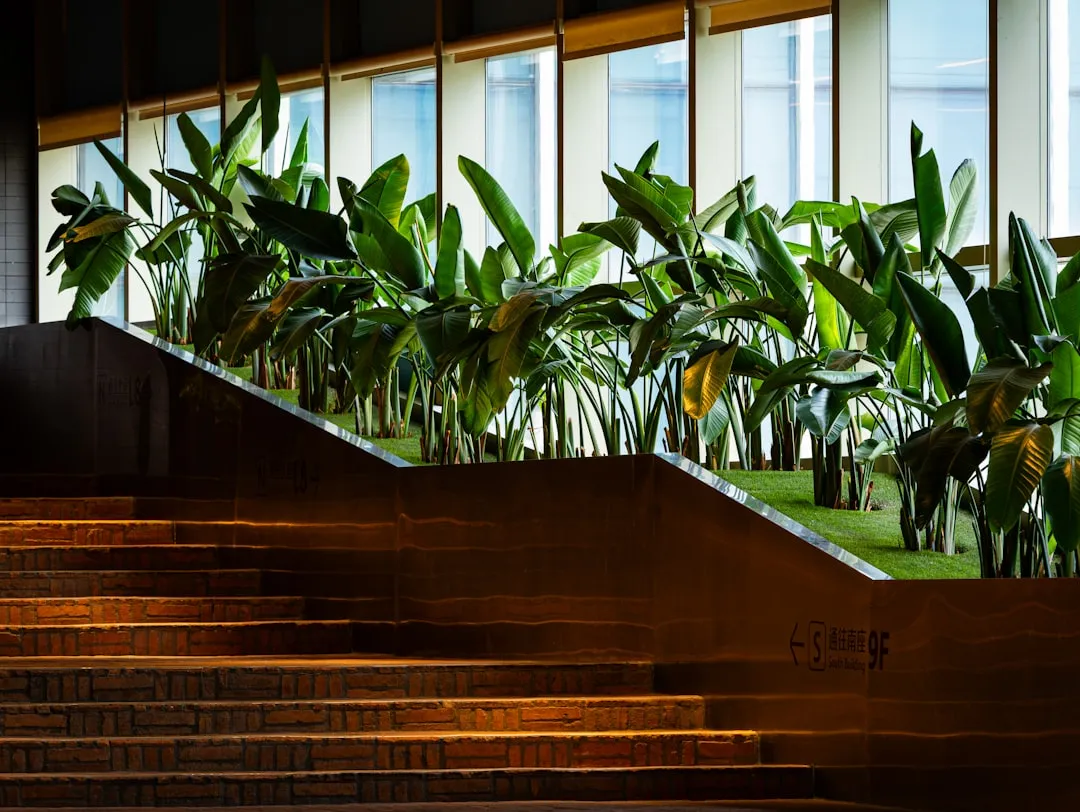
No 1970s-inspired room feels complete without a strong presence of greenery, and that instinct is resurfacing for reasons beyond nostalgia. The modern world has become so linked with technology that nature can feel far away, so to restore balance and bring comfort, people are leaning more heavily into biophilic design elements.
Designers are pairing houseplants with the era’s other signature textures rather than treating them as an afterthought. Biophilia has become an overarching theme, with designers showing that people can better connect with nature through color, texture, and elements like plants and lighting to bring balance to interior spaces. The combination of greenery, natural stone, and warm wood tends to be what separates a thoughtful 70s-inspired room from a costume version of the decade.
A Decade Worth Revisiting, Not Recreating
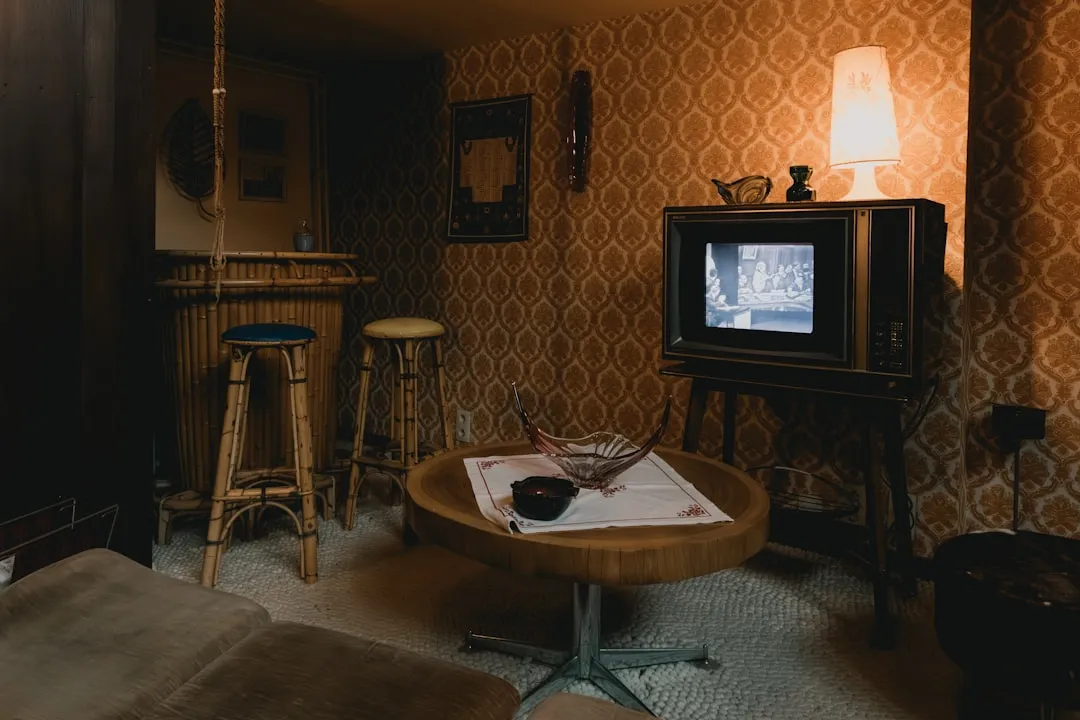
What’s happening in living rooms right now isn’t really about nostalgia for its own sake. It’s a selective borrowing from a decade that valued warmth, texture, and personality over sterile perfection, filtered through modern construction, better materials, and a lot more restraint than the original era ever had.
The designers quoted across these trends keep returning to the same idea in different words: use the 1970s as inspiration, not a blueprint. That distinction is probably why this particular revival feels less like a costume and more like a genuine shift in how people want their homes to feel.
AI Disclaimer: This article was created with the assistance of AI tools and reviewed by a human editor.