
There’s a quiet shift happening in kitchens and gardens right now, one that has nothing to do with fancy fertilizer or trendy plant apps. It starts with something almost embarrassingly simple: the cloudy water left over after boiling a pot of eggs. Instead of pouring it down the drain, more people are carrying that pot straight outside to their tomato beds, and there’s a reason this particular plant keeps coming up.
A Kitchen Habit That Refuses to Go Away
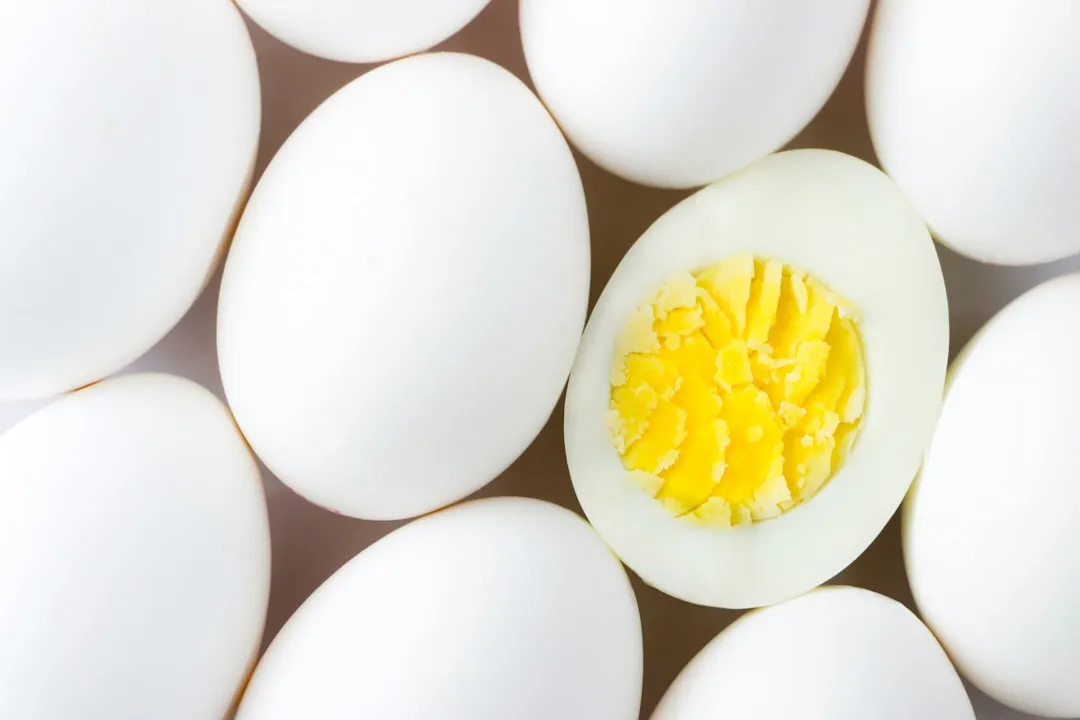
Home cooks have been quietly repurposing hard-boiled egg water for years, but the practice has picked up fresh attention in gardening circles over the past couple of seasons. Leftover water from boiling eggs is useful, and many DIY tricks are the go-to when you’re looking for cost-effective and easy ways to achieve everyday tasks, with egg water application to plants being one that surprises people because of its calcium content. It sounds almost too simple to matter, yet the chemistry behind it is real.
What Actually Happens Inside the Pot
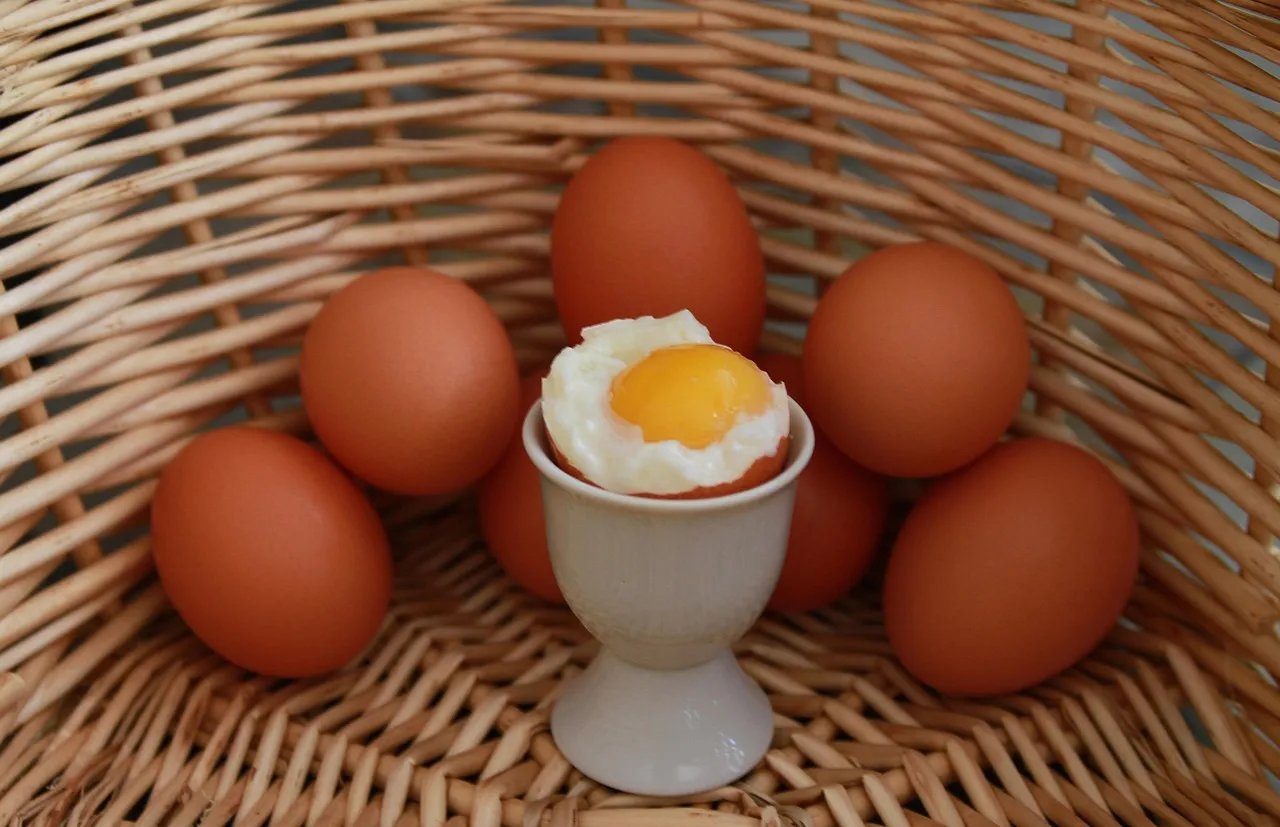
The transformation isn’t magic, it’s basic mineral chemistry playing out over heat and time. Eggshells are composed almost entirely of calcium carbonate, and although that compound is not highly soluble, prolonged boiling and cooling encourage a small amount of the mineral to leach into the liquid, resulting in a solution measurably richer in calcium than plain tap water. That’s the entire secret in a nutshell, or rather, an eggshell.
Tomatoes: The Plant Everyone Keeps Mentioning
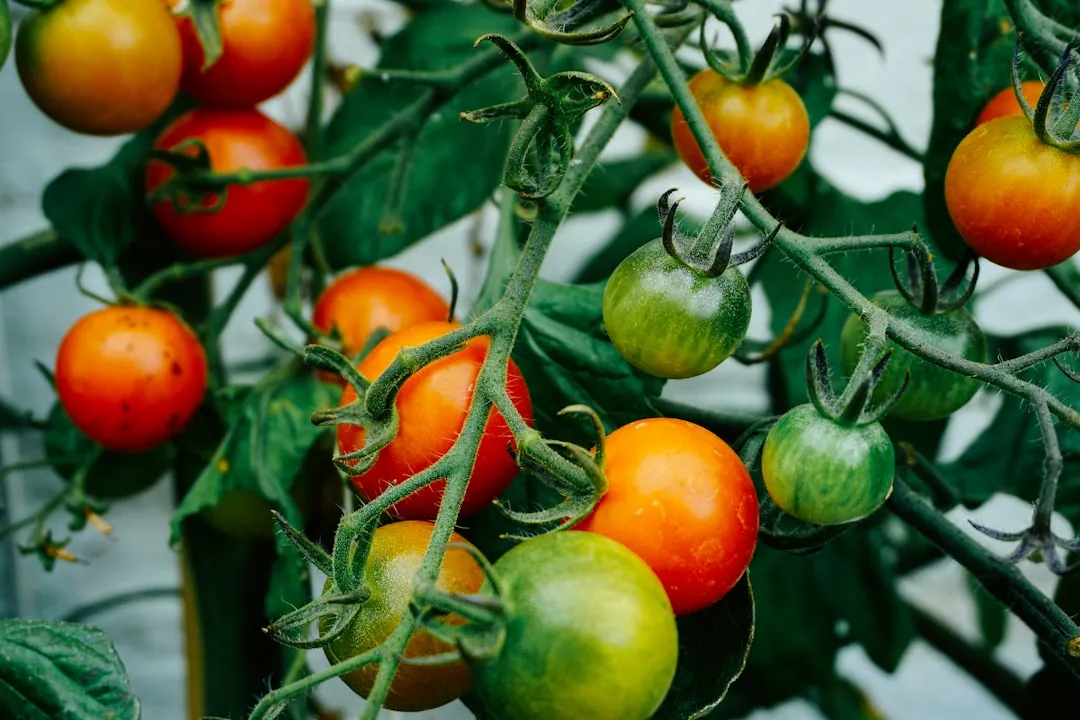
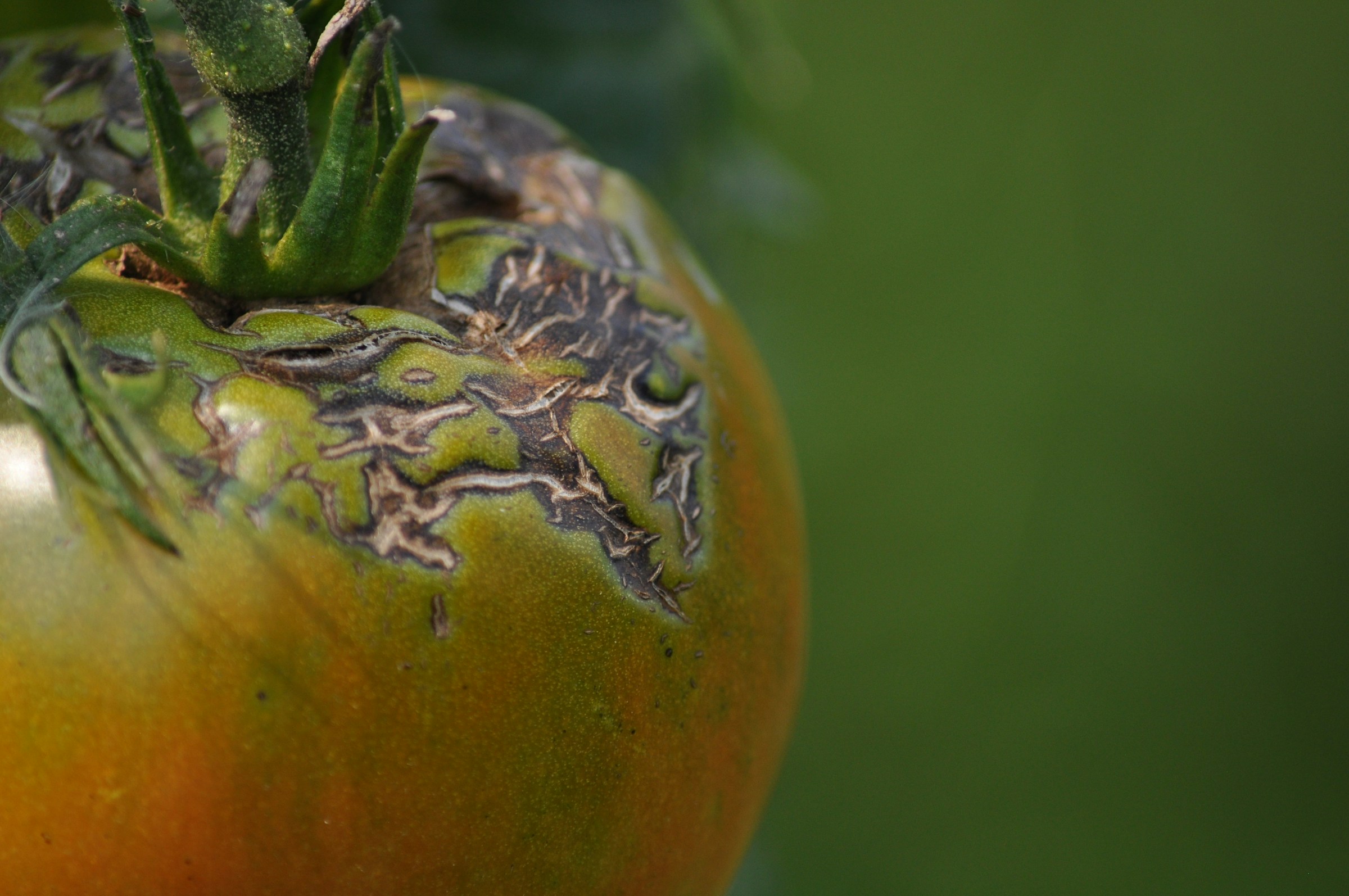
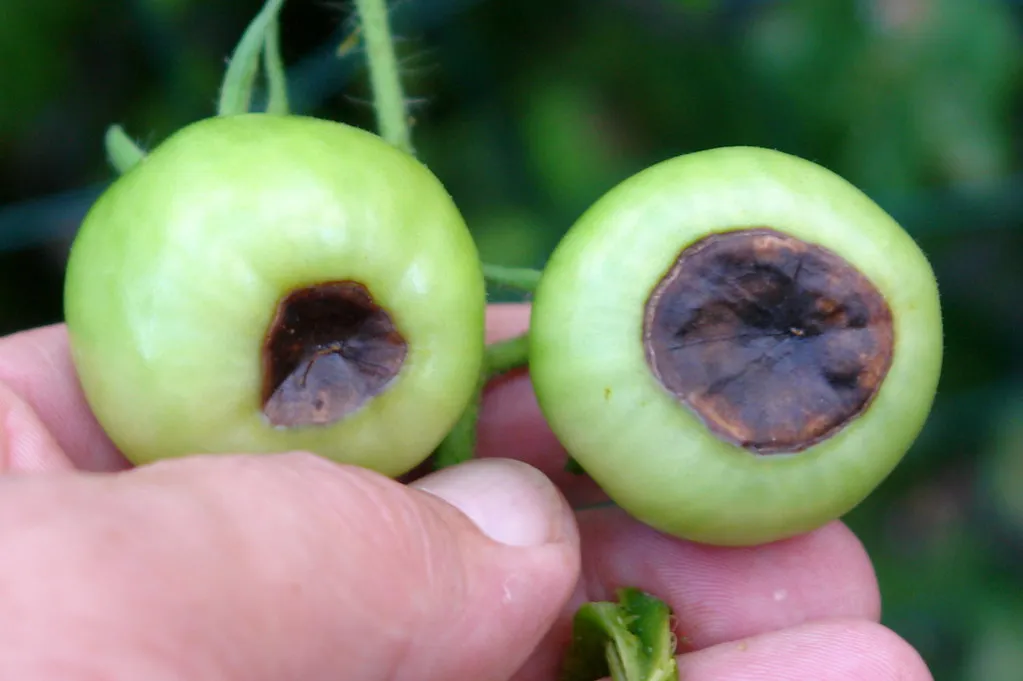
Ask around and one plant comes up again and again in this conversation: the tomato. Hard-boiled egg water is rich in calcium, an essential nutrient for plant growth, and it can be especially beneficial for tomato plants, which are prone to blossom-end rot caused by calcium deficiency. Blossom-end rot shows up as a dark, sunken patch on the bottom of the fruit, and it’s one of the most common complaints among home tomato growers every summer.
The Blossom-End Rot Connection Explained
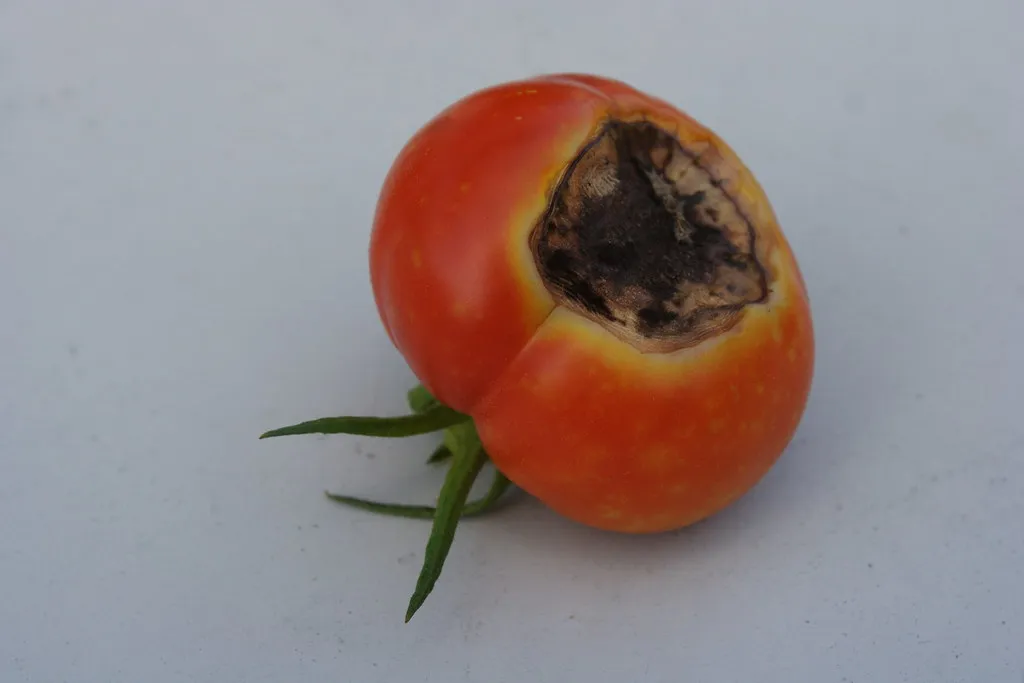
Blossom-end rot isn’t caused by a disease or pest, which surprises a lot of first-time gardeners. Calcium is an essential nutrient, part of cell walls, and it helps the development of roots and new shoots, so when it is lacking, well-known problems appear, such as those dark spots on tomatoes or peppers that are often associated with calcium deficiencies. Because calcium moves slowly through a plant and doesn’t redistribute once it’s locked into tissue, a steady, gentle supply matters more than one big dose.
Why Calcium Does More Than Just Prevent Rot
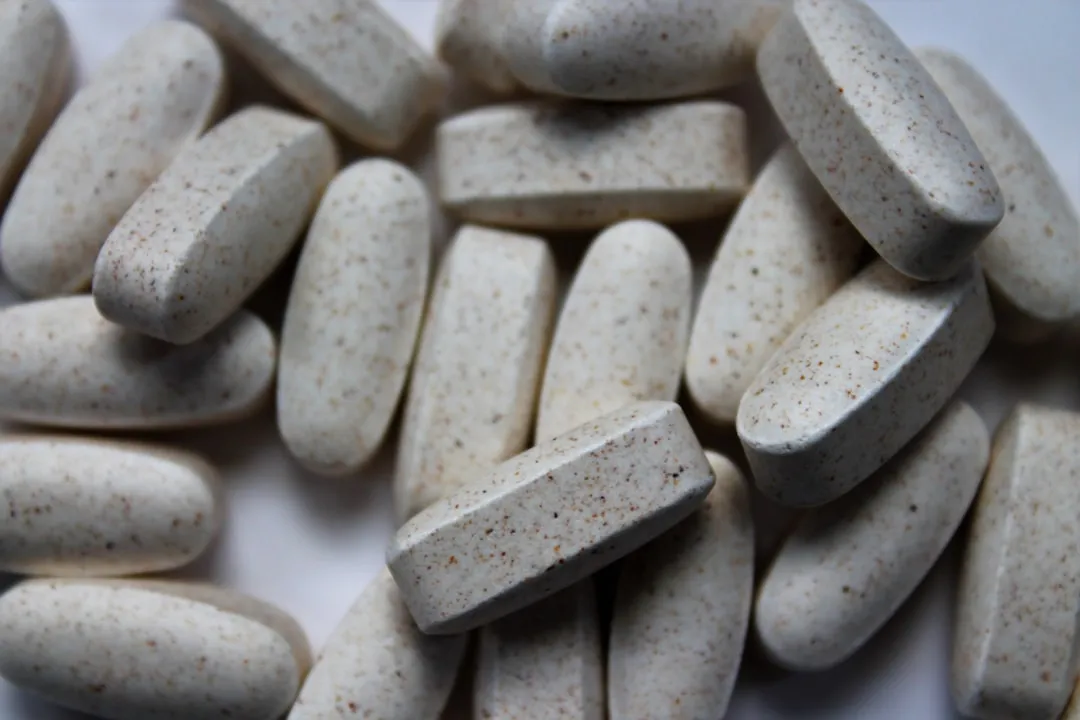
Calcium’s job in a tomato plant goes beyond damage control on the fruit itself. Calcium deficiency manifests as distorted growth in new tissues, such as young leaves and root tips, because it is immobile once deposited, and calcium helps the plant manage growth and environmental stress by maintaining strong cell walls and proper nutrient transport. A plant with consistent calcium access tends to build sturdier stems and more resilient foliage overall, not just better fruit.
There’s a Bonus Ingredient Too
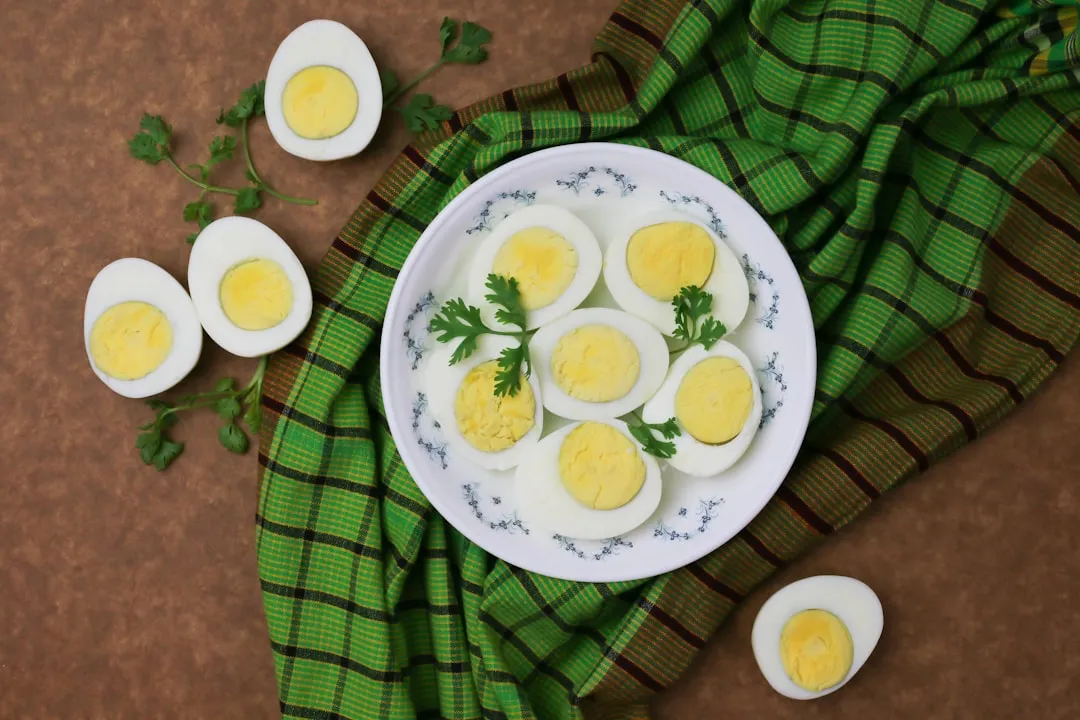
Calcium isn’t the only thing dissolving into that pot of water while the eggs cook. When you boil eggs, the calcium within the eggshells leaks into the water, creating a calcium-rich solution, and the water is also high in amino acids, another nutrient that contributes to plant growth. Amino acids are the building blocks of proteins, and plants use them in various metabolic processes, which is part of why gardeners report a broader boost in vigor, not just fruit quality.
How Soil pH Fits Into the Picture
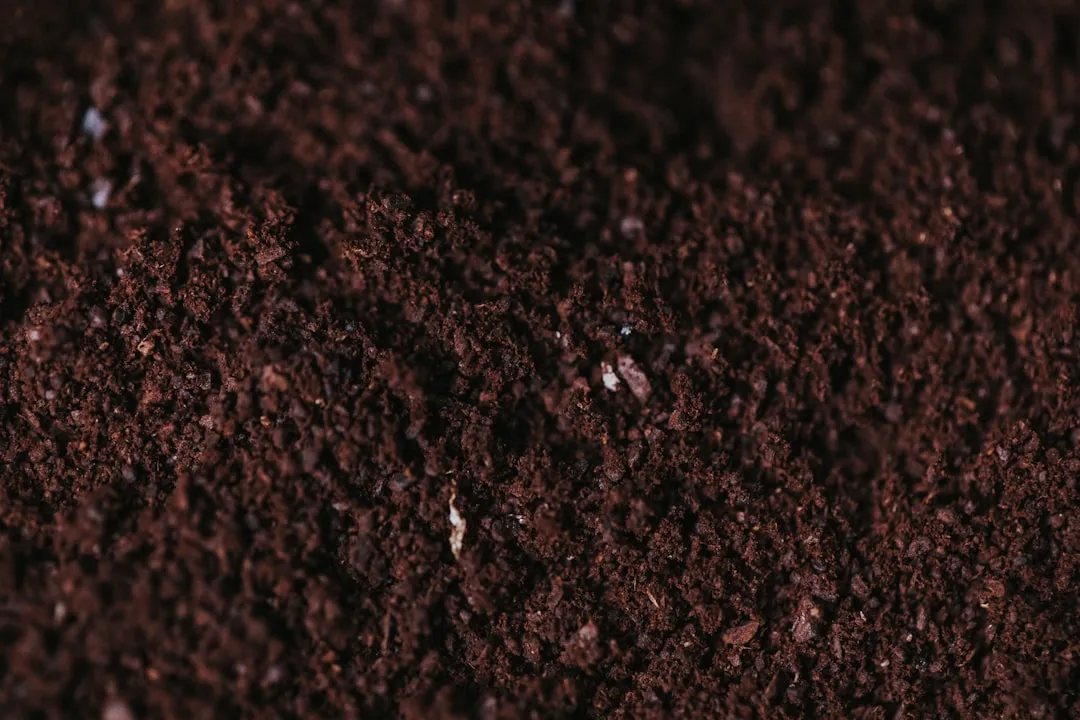
Calcium does something else that’s easy to overlook: it helps keep soil chemistry in a range plants actually like. Eggshells are a rich source of calcium, a mineral that helps keep the soil pH between 6 and 6.5, the optimal conditions for plants to extract essential nutrients. When soil sits outside that window, plants can struggle to absorb nutrients even if those nutrients are technically present in the ground.
Other Vegetables Join the Tomato in Line
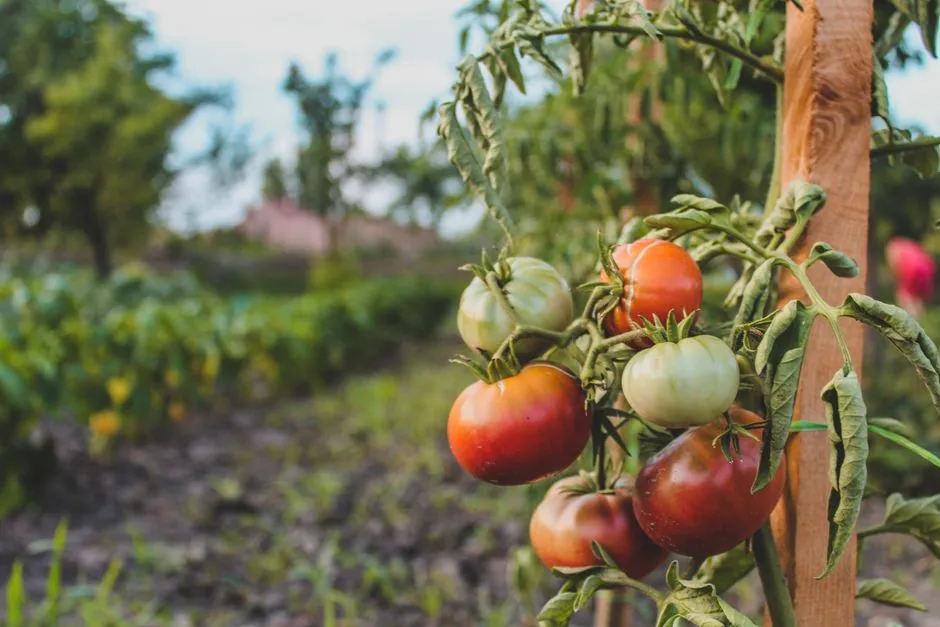
Tomatoes get most of the spotlight, but they aren’t the only heavy feeders that respond to this trick. The extra supply is usually well received by species with active growth that produce demanding fruits or structures, and in vegetable gardens, tomatoes, peppers, eggplants or squash can benefit, along with some ornamentals such as roses or flowering plants. These are all plants that pour energy into producing fruit or blooms, which naturally increases their calcium demand during the growing season.
Doing It Right: Timing, Temperature, and Restraint
![Doing It Right: Timing, Temperature, and Restraint ([puamelia], Flickr, CC BY-SA 2.0)](https://nvmwebsites-budwg5g9avh3epea.z03.azurefd.net/thegardenmagazine/58d0d612de38196bdc255966c67617f0.webp)
The method itself couldn’t be simpler, but a few details separate a helpful habit from a harmful one. Every time you boil eggs, you can save the water, the only important thing being to let it cool completely before using it since watering with hot water can damage the roots, and the frequency can be weekly or every ten days, since applying it more often does not provide real benefits and can alter the balance of the soil. Skipping salt during boiling matters too, since salt will harm plants if added to the water beforehand, so the eggs need to go into the pot plain.
The Catch Nobody Should Ignore
As encouraging as this all sounds, egg water isn’t a cure-all, and gardeners who treat it that way tend to be disappointed. The calcium left in the water acts as a supplement, not as a main solution, and not all plants, or all soils, respond the same way. Most established potting soil is already close to a healthy pH, so the real benefit shows up most clearly in fruiting vegetables like tomatoes that have a genuine, ongoing calcium demand tied to preventing blossom-end rot.
Egg water won’t replace a real feeding schedule, and it isn’t going to rescue a plant suffering from something unrelated to calcium. Still, for the cost of nothing and the effort of remembering not to pour it down the sink, it’s a small, sensible habit that lines up with something science actually backs: tomatoes need calcium, and this happens to be a free, if modest, way to help supply it.
AI Disclaimer: This article was created with the assistance of AI tools and reviewed by a human editor.