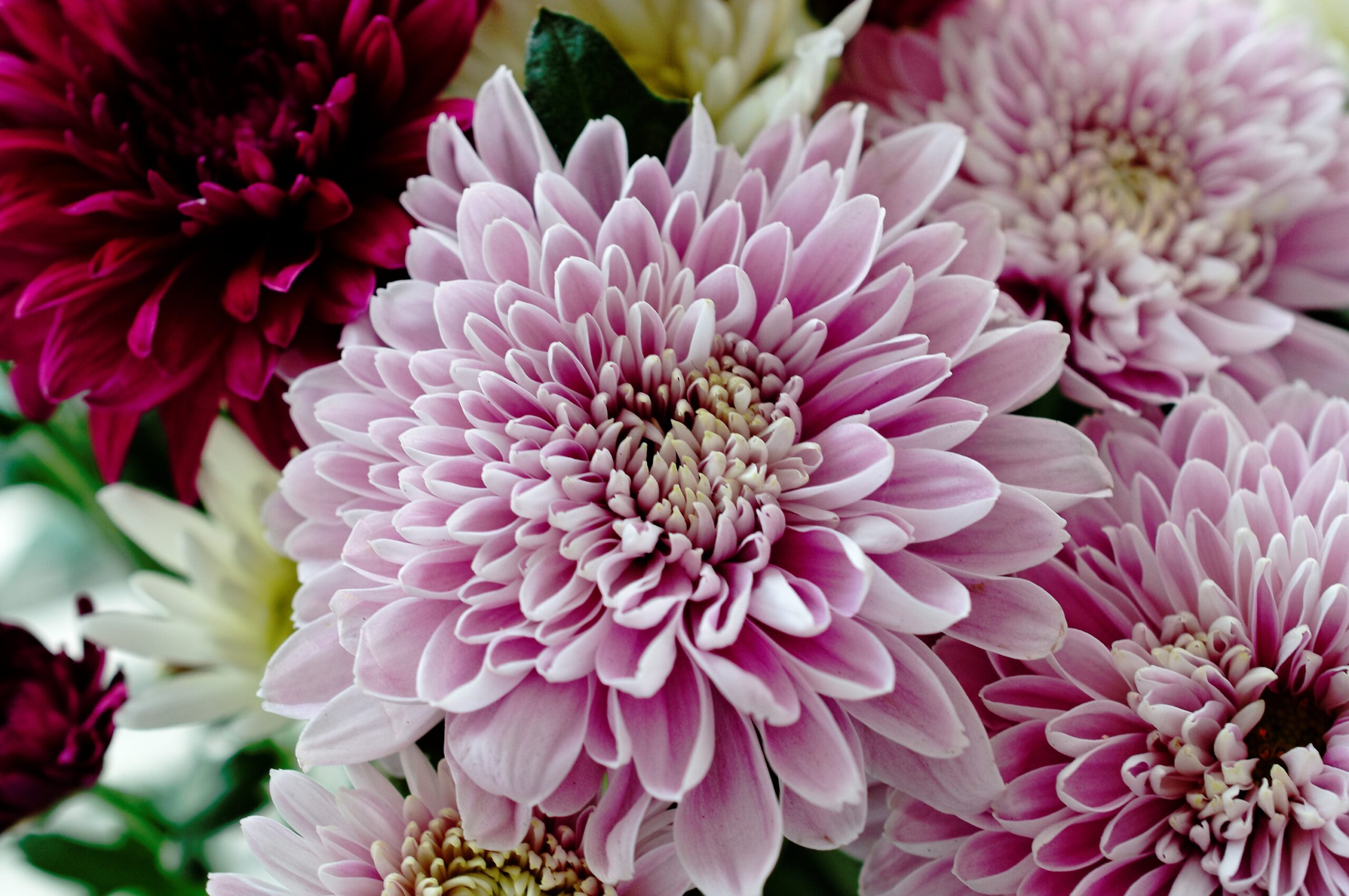

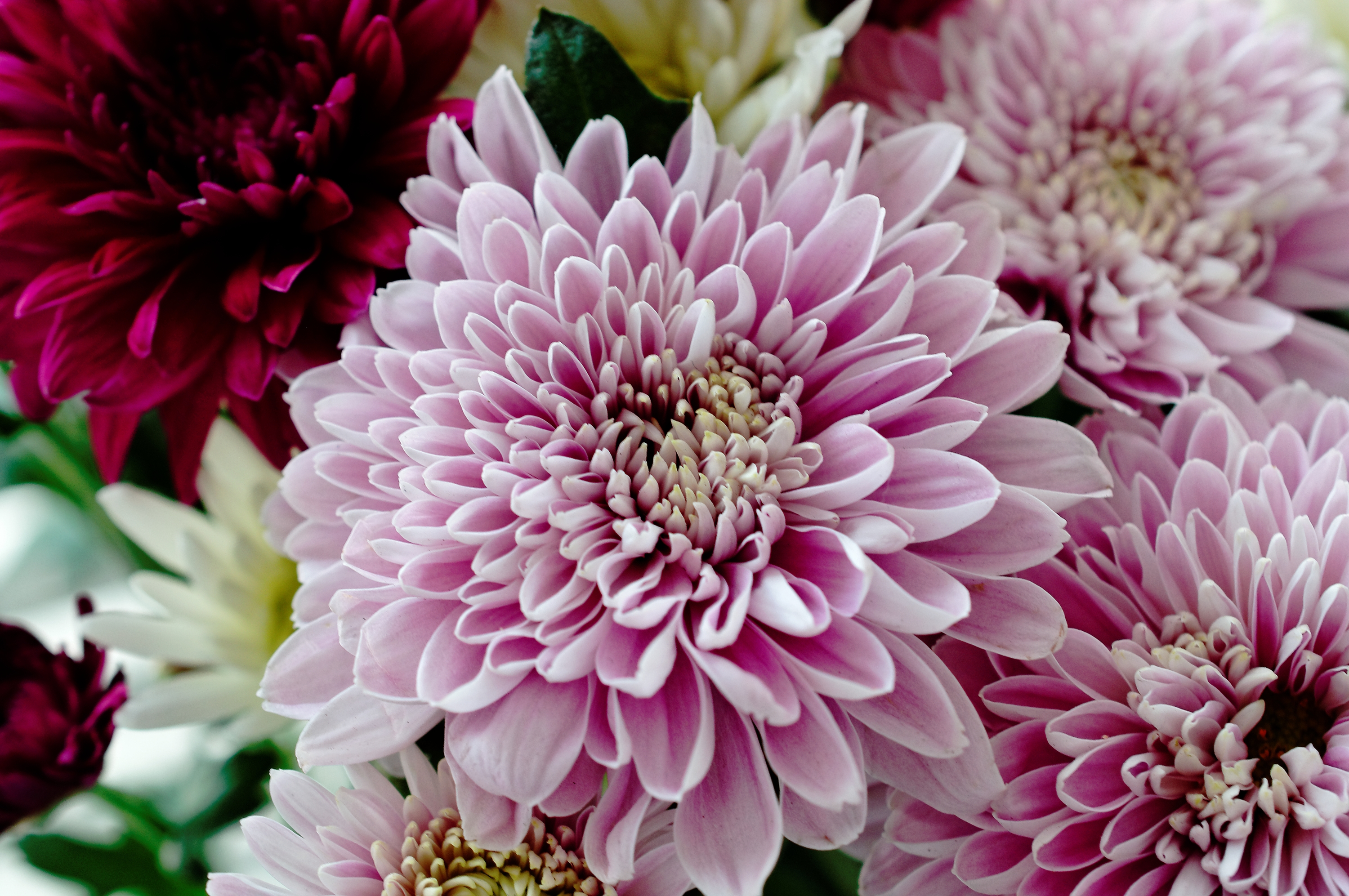
The Flower Everyone Keeps Underestimating
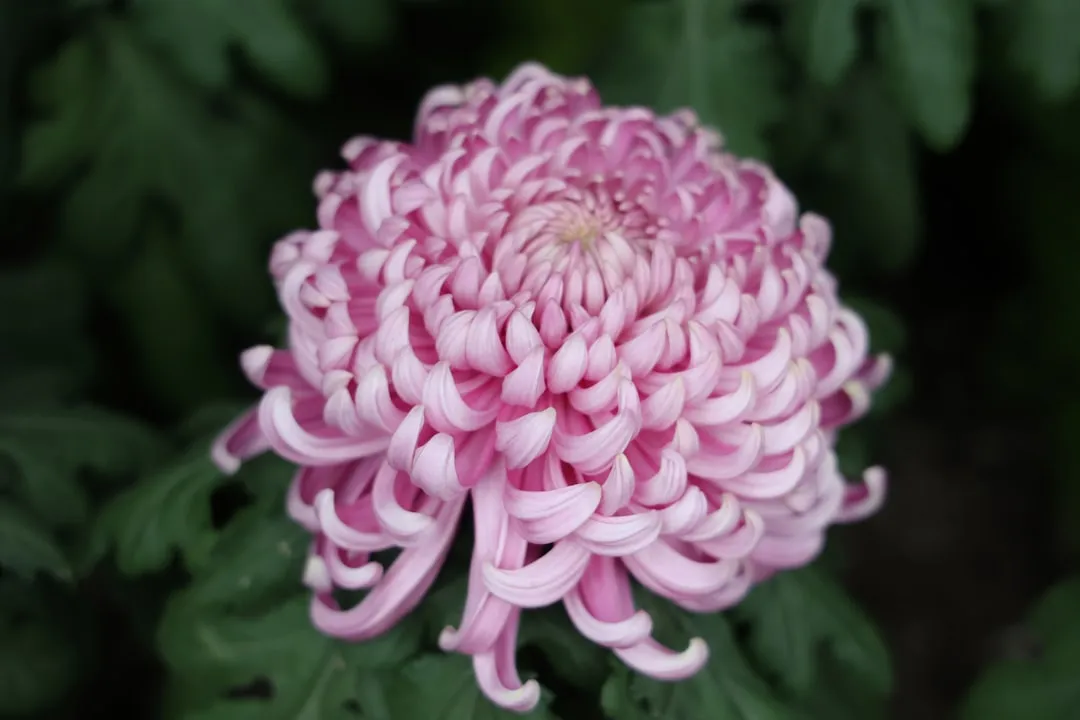
Chrysanthemums rarely get the romantic reputation that roses or peonies enjoy, yet florists consistently rank them among the toughest blooms available. Chrysanthemums deservedly top the lists of the most durable flowers, and cut chrysanthemums can stand in a vase for up to three weeks or more with minimal care. That kind of staying power is rare in the cut flower world, where most blooms start declining within a week. It’s part of why industry blogs and postharvest researchers keep circling back to this flower when the topic of vase life comes up.
What Lasting Twice As Long Actually Looks Like
The comparison becomes clearer when you line up the numbers side by side. Roses, when trimmed and placed in fresh water, can remain vibrant for up to 10 days. Chrysanthemums, meanwhile, routinely outperform that. With proper care, robust chrysanthemum blooms can last 15 to 20 days, solidifying their reputation as one of the best options for long-lasting cut flowers. Do the math and you’re looking at roughly double the display time for a flower that often costs less per stem.
Why The Stems Hold Up So Well
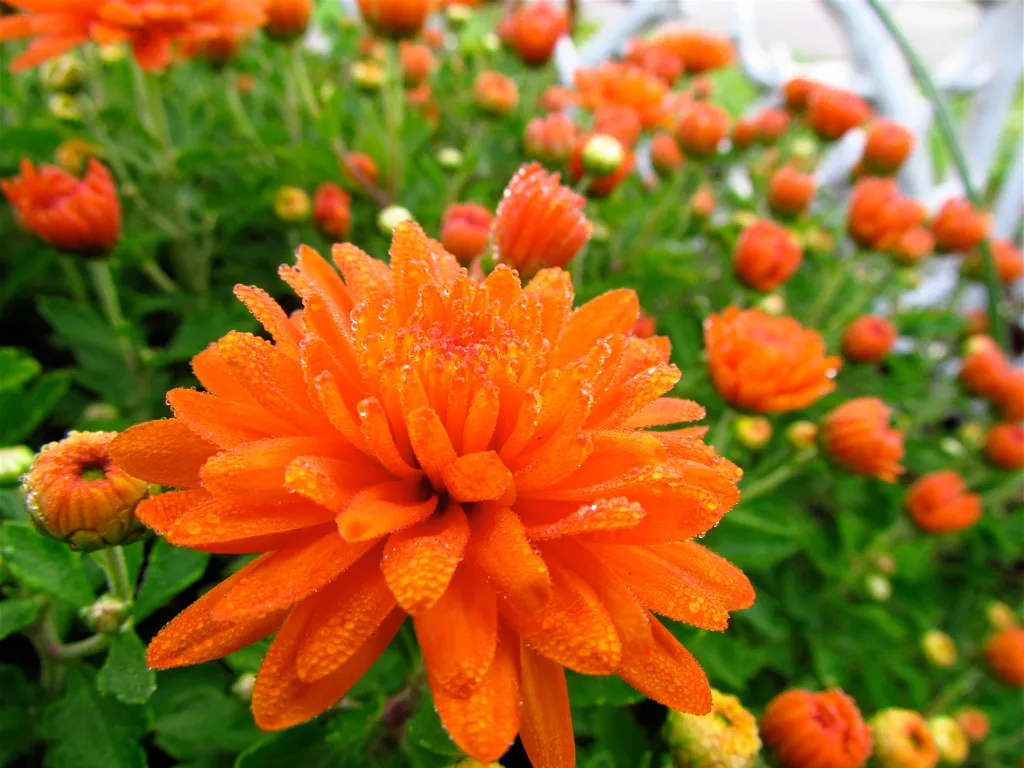
The secret isn’t magic, it’s mechanics. Longevity in a vase is not random. It comes down to structure and how a flower manages water after it is cut. Flowers with thicker stems and stronger internal structure are better at retaining moisture. Chrysanthemums happen to check both boxes, which explains why they hold their shape long after softer blooms have gone limp. Breeders have also worked on this trait for decades, selecting varieties that travel well and shrug off rough handling.
What The Research Actually Shows
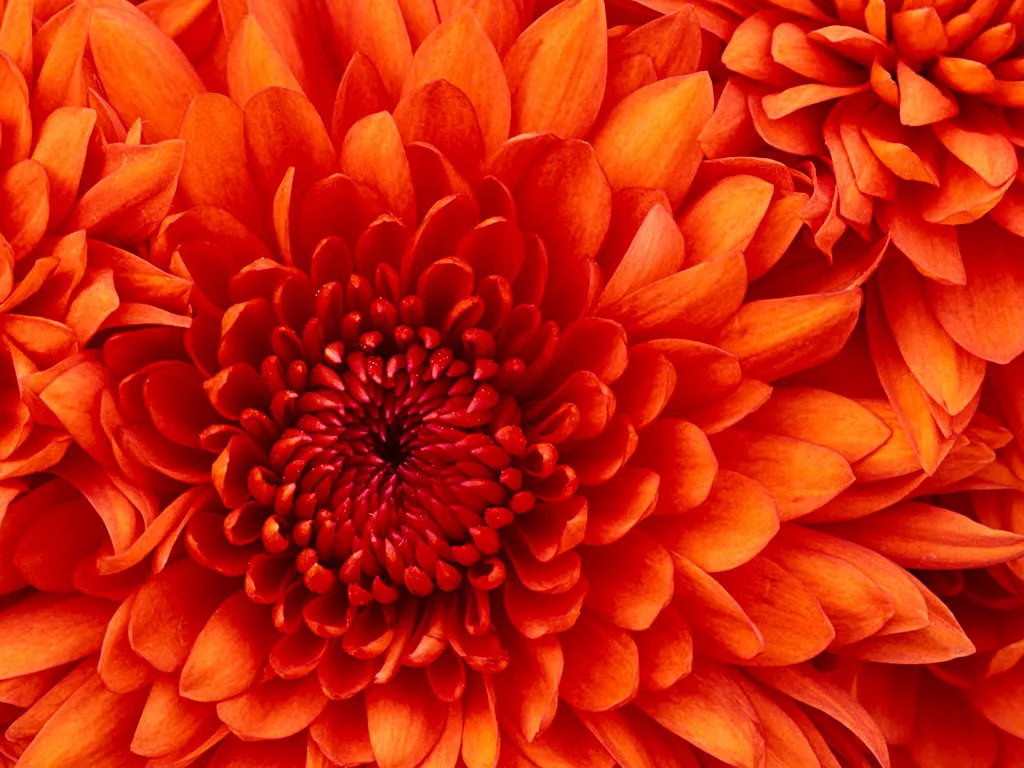
This isn’t just florist folklore, it shows up in postharvest science too. One controlled trial found the longest vase life of flowers was 18.2 days with a preservative solution called HQS. Another study on nutrient additives reported the vase life of chrysanthemum cut flowers was extended to 17 days by the addition of 20 milligrams per liter of copper nanoparticles in preservative solution, compared to a control with 14 days’ vase life. A separate essential oil trial pushed things even further, finding the longest vase life of cut chrysanthemum was 36.50 and 33.40 days with thyme oil, and 35.88 and 31.33 days with clove oil, compared with distilled water at 18.09 and 17.22 days. Even under plain water with no additives, these flowers were already lasting far longer than most cut stems manage under ideal conditions.
Comparing Against Other Long-Lasting Blooms
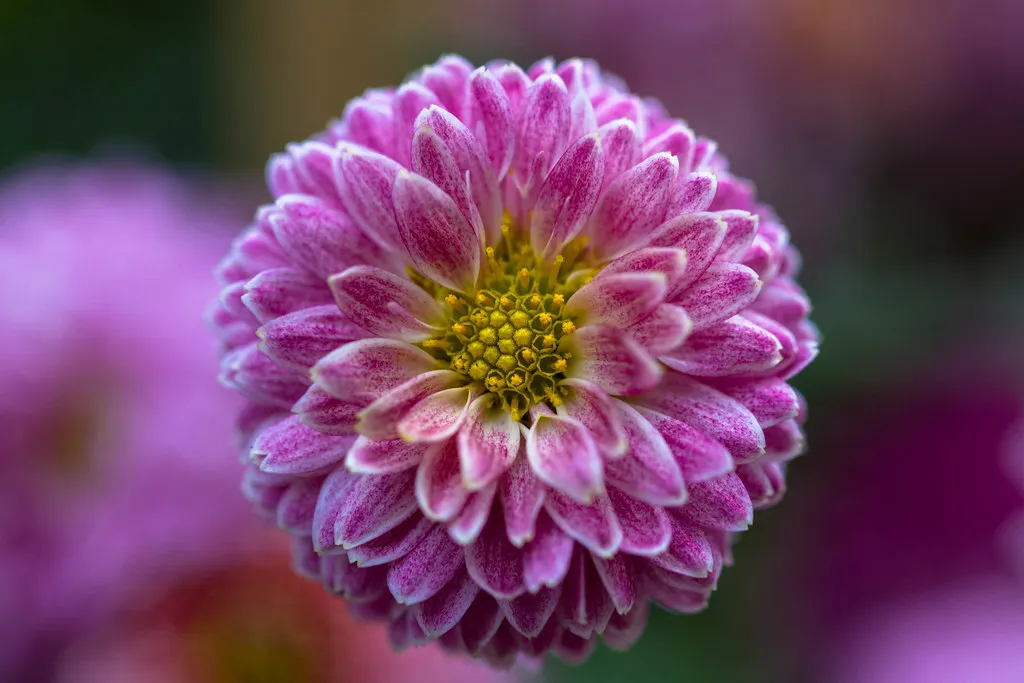
Chrysanthemums aren’t the only durable option, but they hold their own against the competition. Carnations come close, since without special care, cut carnations last about a week, and with regular maintenance they stay fresh for two to three weeks. Alstroemeria is another contender, with vase life often lasting up to two weeks or more when cared for properly. Cymbidium orchids can go even longer, since their waxy, large blooms on a cut stem can stay beautiful for up to a month with proper care, and in practice cymbidiums often stand around 30 days in a vase. Still, chrysanthemums offer that same durability at a fraction of the orchid price point, which is part of their appeal.
Why Florists Are Bringing It Back Into Fashion
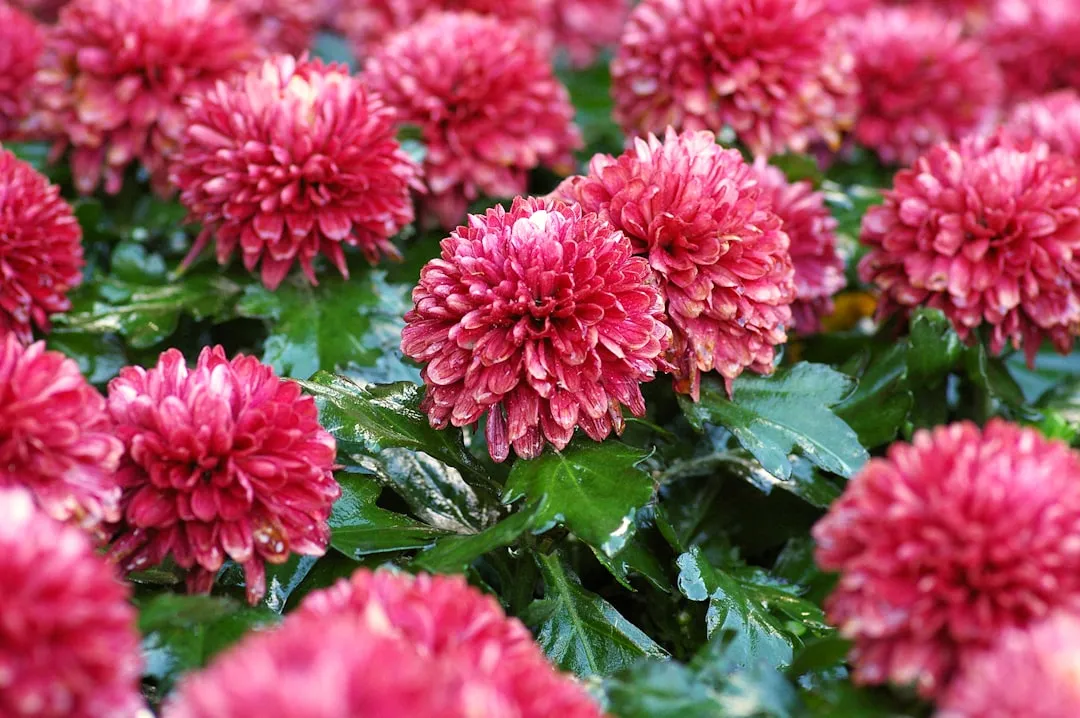
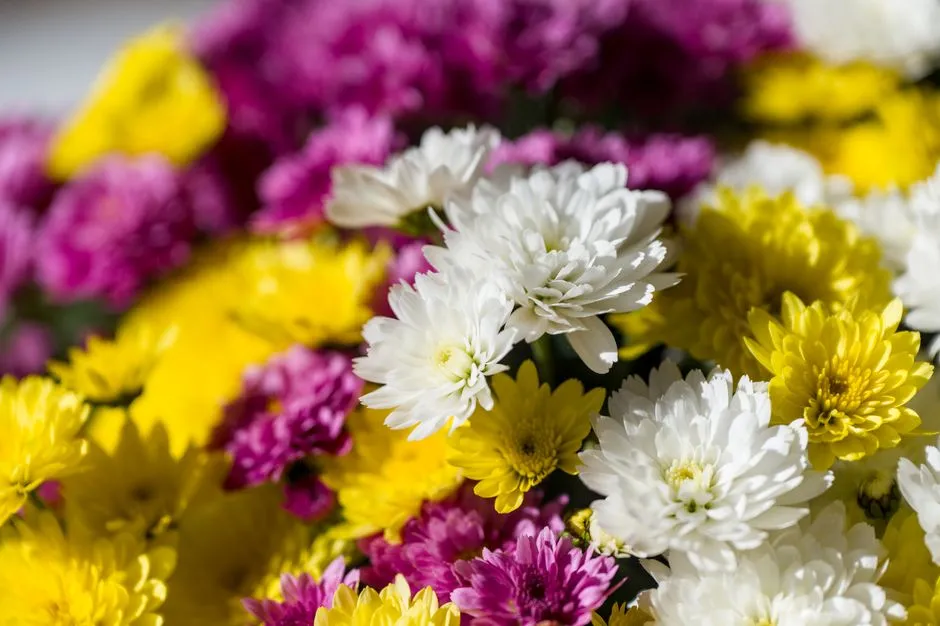
Spray chrysanthemums, sometimes sold under trade names like Santini, have quietly become a staple in modern bouquet design rather than an afterthought filler flower. Chrysanthemums are known for endurance, holding their shape, remaining firm, and resisting early shedding, with most varieties lasting two to three weeks with minimal decline in appearance. That reliability matters more now than ever, given how large the stakes have become for the industry. In 2022, the cut flower market was worth 36.4 billion dollars, and roses, alstroemeria, and chrysanthemums were among the top 10 most popular cut flowers. Florists who need consistent product for weddings and events increasingly lean on chrysanthemums precisely because they don’t need daily rescuing.
The Value Case For Everyday Buyers
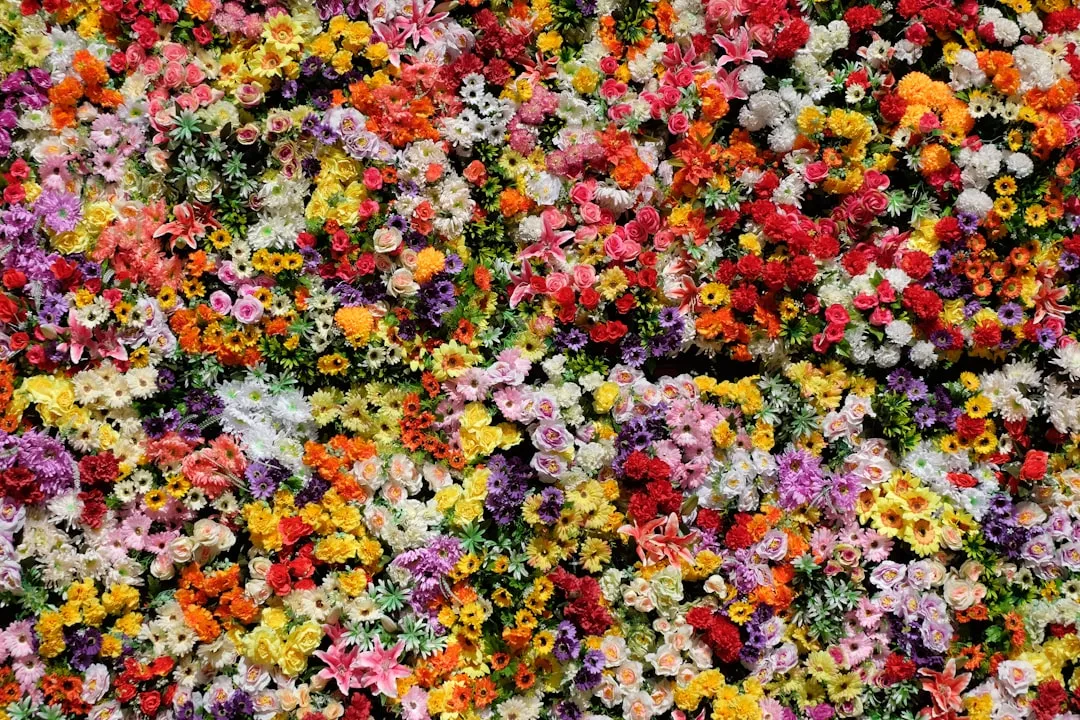
There’s a practical angle here that goes beyond aesthetics. A bouquet that lasts three weeks instead of one delivers far more value per dollar, especially for anyone buying flowers regularly for a desk, kitchen table, or gift. Roses, chrysanthemums, and alstroemeria are just a few examples of long-lasting flowers that are commonly available at both grocery stores and specialty florists, so the option isn’t hard to find. For budget conscious shoppers, that combination of low cost and long life is difficult to beat.
Simple Care Steps That Squeeze Out Extra Days
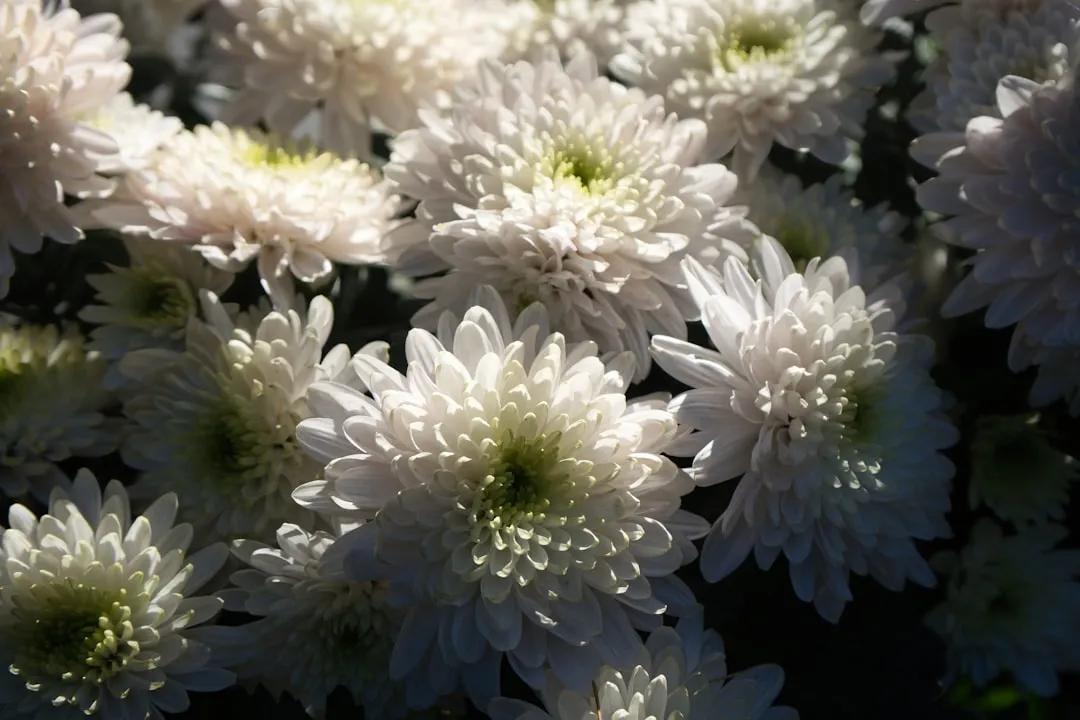
Even the toughest flower benefits from basic upkeep. Chrysanthemums offer vibrant colors and long vase life, and these flowers last the longest when their stems are trimmed and placed in fresh water daily, staying fresh for up to three weeks in ideal conditions. Deadheading also helps, since any leaves sitting in the water should be cut off to avoid rotting, and deadheading the stems should be done every three days. Placement matters too, because flowers should be kept away from direct sunlight, heat, and ripening fruit, since heat speeds up aging while fruit releases gases that can shorten vase life. None of this requires special equipment, just a bit of routine attention every few days.
Where To Find Them And What They Typically Cost
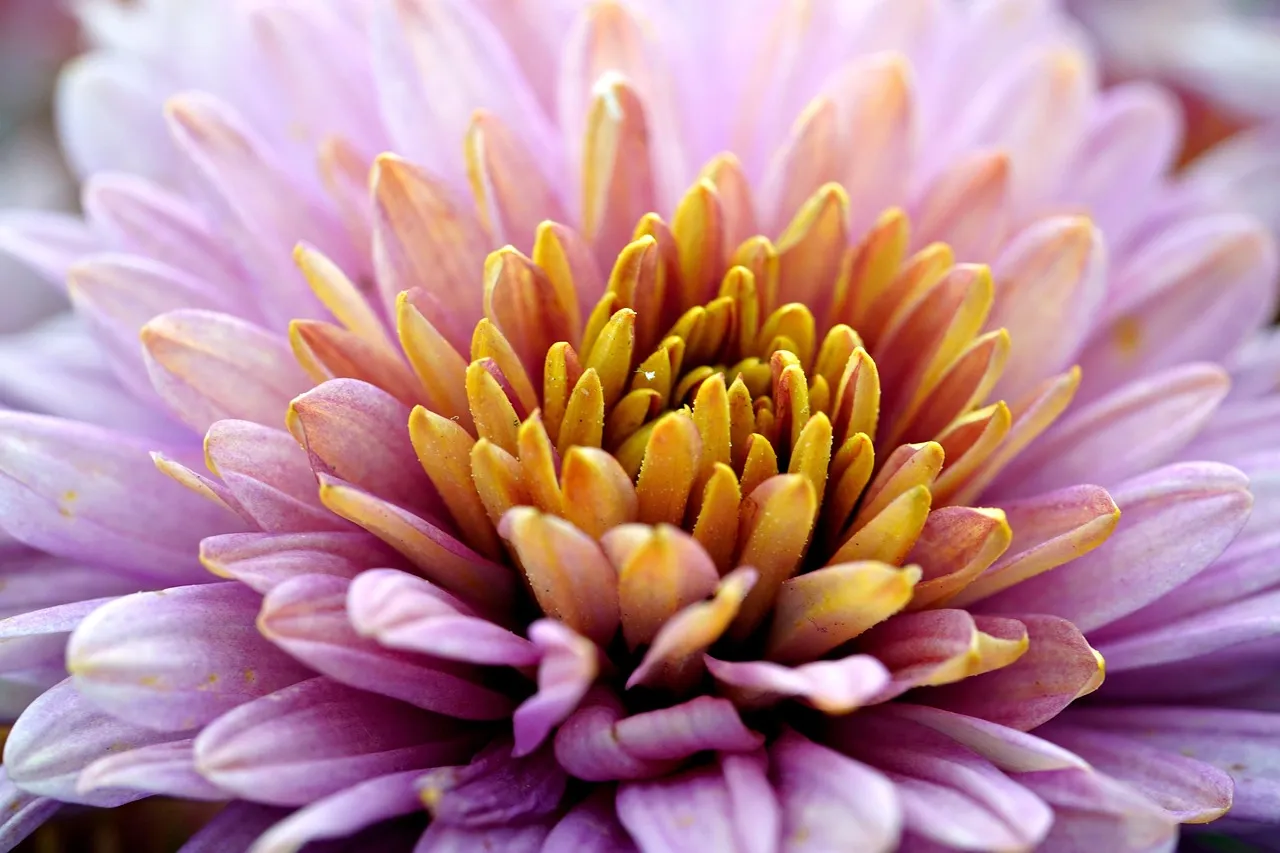
Chrysanthemums show up almost everywhere flowers are sold, from supermarket buckets to wedding wholesalers, which keeps prices reasonable. They’re rarely marketed as a premium flower the way peonies or ranunculus are, so shoppers often overlook them despite the performance advantage. Buying from a wholesale or farm direct source tends to mean fresher stems and a longer countdown before they need replacing, since transit time affects how much vase life is left by the time flowers reach a home. For anyone comparing price tags at the register, it’s worth remembering that a cheaper bunch of mums may genuinely outlast a pricier bouquet of something more delicate.
Final Thoughts On A Flower Worth A Second Look
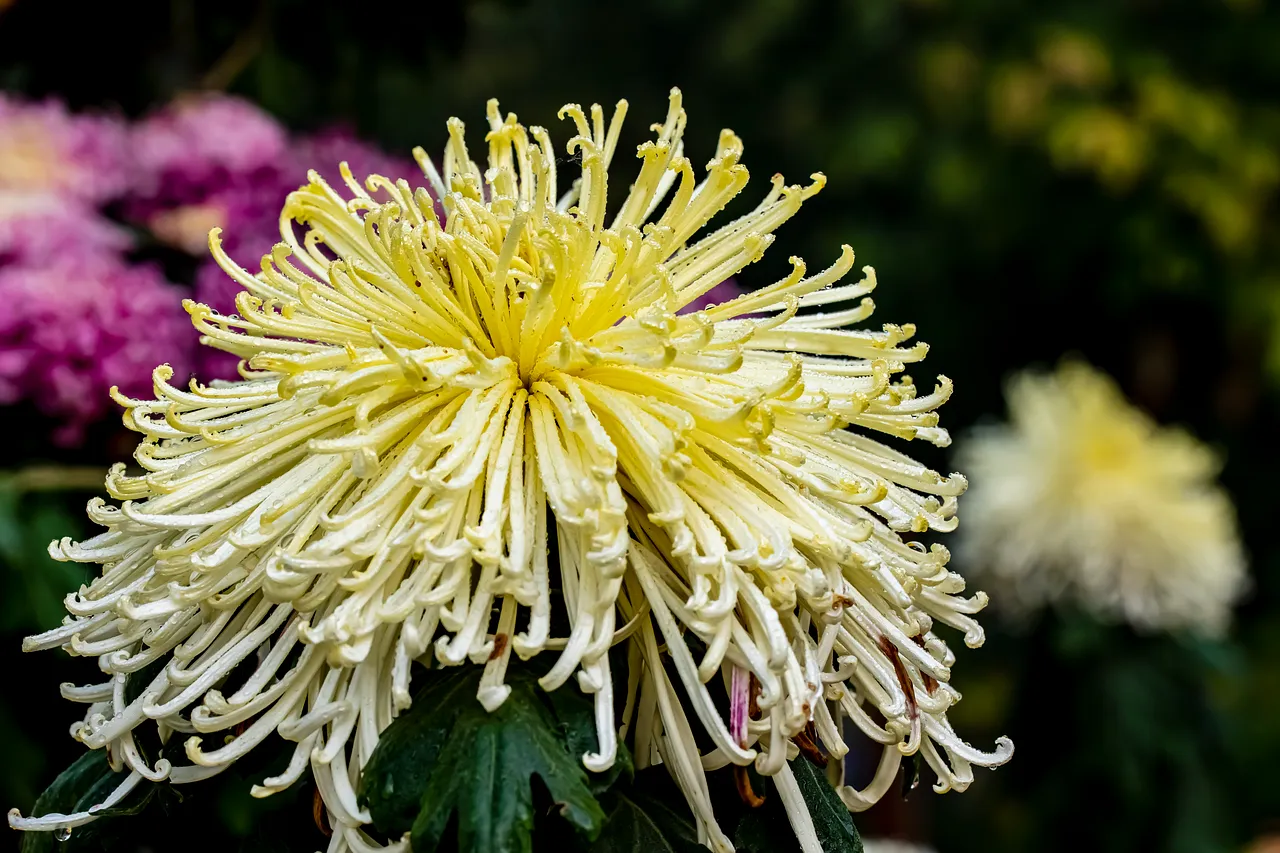
Chrysanthemums were never really hiding, they were just overshadowed by flashier blooms with shorter attention spans and shorter shelf lives. The research is consistent across multiple studies, and florist experience backs it up, pointing to a flower that regularly lasts twice as long as a classic rose with no special tricks required. As postharvest science continues refining preservative solutions and handling techniques into 2026, that gap in longevity may only widen further. For now, the takeaway is simple: the next time a bouquet catches your eye, it might be worth checking whether there are a few unassuming mums tucked into the mix.
AI Disclaimer: This article was created with the assistance of AI tools and reviewed by a human editor.