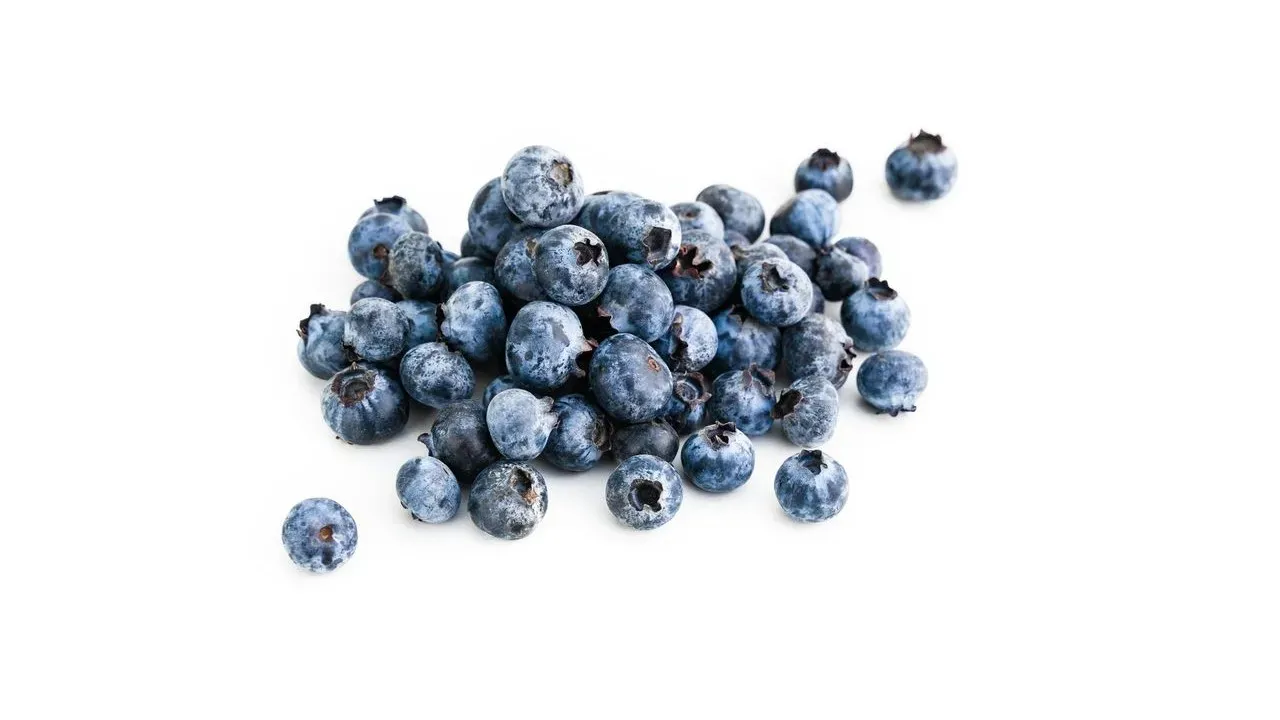

Publix has moved to recall certain frozen blueberries sold in its stores after authorities linked the product to a cluster of E. coli infections. The action follows confirmation of 12 cases tied to the berries. Shoppers who purchased the items now face a clear choice about what to do with products already in their homes.
Why the Recall Matters
Food recalls at a major regional chain like Publix affect thousands of households that rely on the retailer for everyday groceries. The decision to pull the blueberries reflects standard public health protocol when a product shows a direct connection to illness. Such steps help limit further exposure while investigators continue their work.
Stakeholders include not only customers but also suppliers, store employees, and state health departments that coordinate the response. The timeline from initial reports to the public announcement typically spans days or weeks as lab results and tracebacks are completed. This process underscores how quickly a localized issue can prompt chain-wide action.
Details of the Reported Cases
Health officials have identified 12 confirmed E. coli cases connected to the frozen blueberries. The illnesses prompted the recall once the link became clear through patient interviews and product testing. No further details on the geographic spread or severity of the cases have been released in the initial announcement.
The focus remains on the specific product rather than a broader category of produce. Investigators will likely examine supply chains, processing facilities, and distribution records to determine the source of contamination. Until that work concludes, the recall serves as the primary safeguard.
Practical Steps for Shoppers
Customers should inspect freezers for any Publix-brand or store-sold frozen blueberries purchased recently. If the product matches the recalled items, it should be discarded or returned to the store for a refund. Receipts are not always required for such returns during active recalls.
Anyone who has consumed the blueberries and experiences symptoms such as stomach cramps, diarrhea, or fever should contact a healthcare provider. Symptoms can appear several days after exposure, so monitoring remains important even if no immediate effects are felt. The company has not issued additional guidance beyond the standard recall notice.
Looking Ahead
Recalls like this one highlight the ongoing challenge of ensuring safety across the fresh and frozen produce supply. Publix and regulators will likely share updates as more information becomes available. In the meantime, the emphasis stays on quick consumer action to reduce risk.
Food safety systems depend on rapid reporting and cooperation between retailers, suppliers, and public health agencies. This episode serves as a reminder that even common grocery items can require vigilance once a problem surfaces.
AI Disclaimer: This article was created with the assistance of AI tools and reviewed by a human editor.