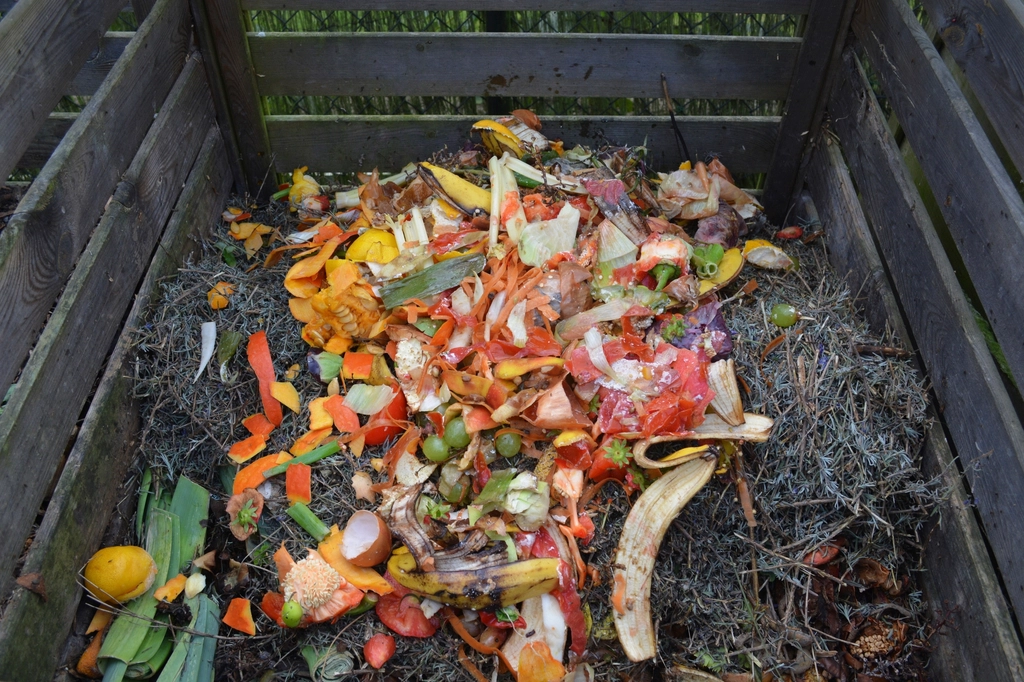

There’s a particular smell that clings to old garden sheds, a mix of turned earth, rotting leaves, and something faintly sweet. Anyone who grew up watching a grandparent tend a vegetable patch probably remembers a compost pile sitting quietly in the corner of the yard, fed with kitchen scraps and grass clippings and left alone to do its slow work. It seemed almost too simple to matter, especially once garden centers started selling bags of fast-acting fertilizer that promised results in days rather than months.
Yet decades later, soil scientists keep circling back to the same conclusion those old-timers seemed to know instinctively. The dirt-under-the-fingernails wisdom of building soil rather than just feeding plants turns out to hold up remarkably well against modern chemistry.
The Old Method: What Grandpa Actually Did
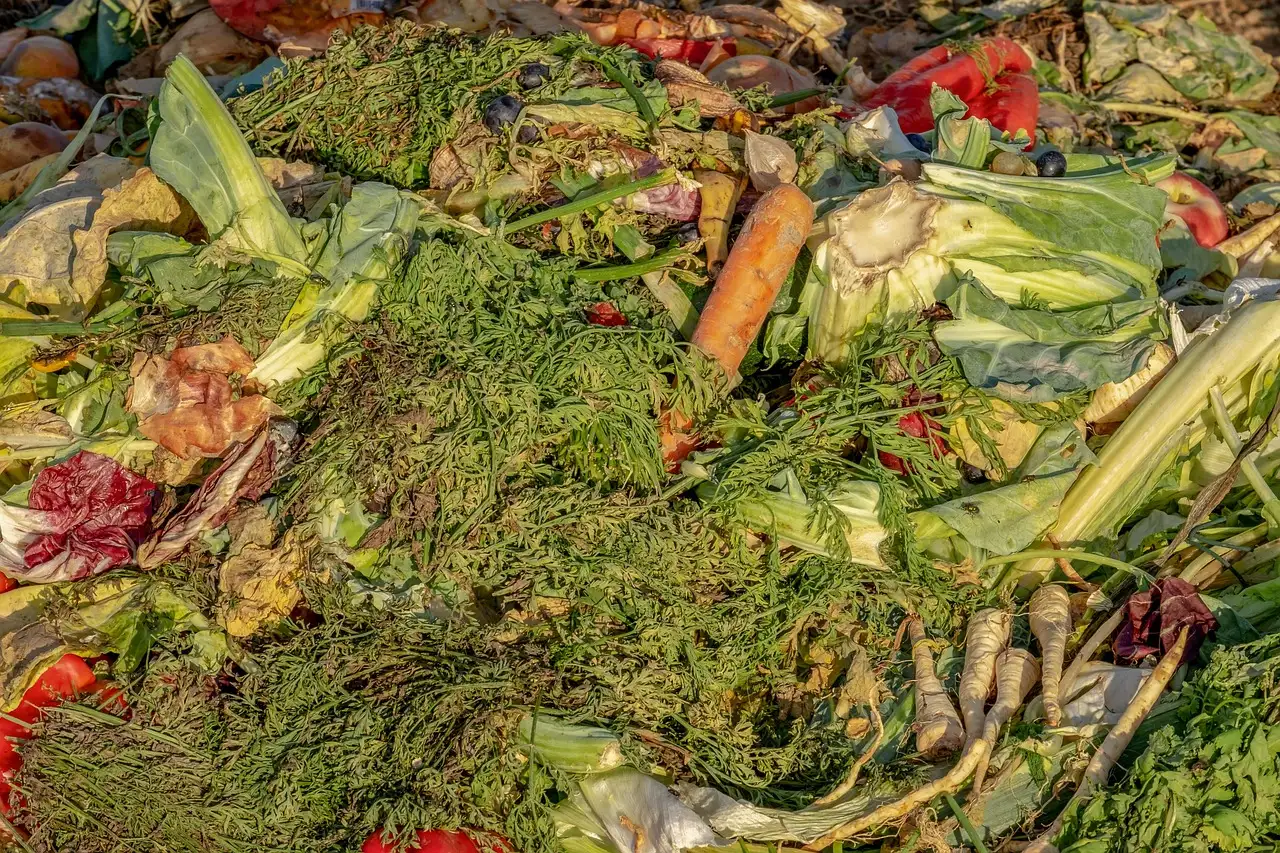
Traditional composting was never complicated. It involved layering kitchen waste, yard trimmings, and sometimes manure, then letting microorganisms break everything down over weeks or months into a dark, crumbly material. There was no synthetic input, no factory process, just organic matter returning to the earth in a form plants could use. What made this approach effective wasn’t speed, it was that it fed the whole soil system rather than just the crop sitting on top of it.
Compost Builds Soil, Fertilizer Just Feeds Plants
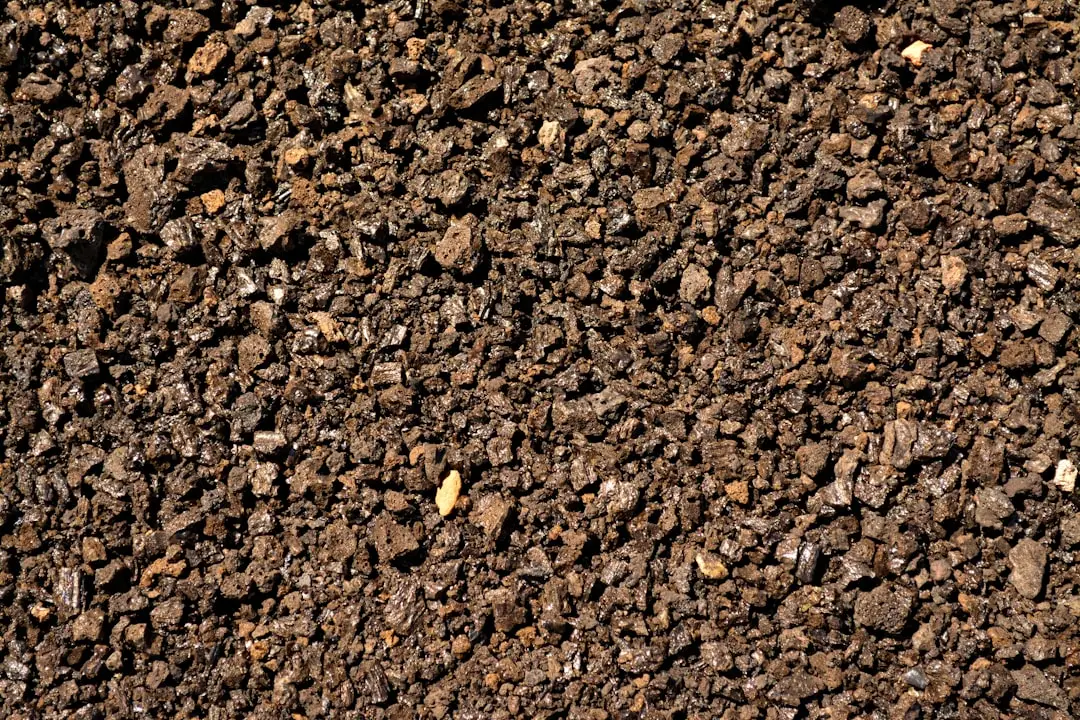
Modern research keeps confirming a distinction that gardeners like grandpa understood without needing a lab coat. Synthetic fertilizers are manufactured with precise nutrient formulations, often focusing on nitrogen, phosphorus, and potassium, offering a readily available source of nutrients that leads to quick growth, though there’s a catch.
Overuse of synthetic fertilizers can lead to soil degradation, a decline in microbial diversity, and environmental problems like nutrient runoff that can harm waterways. Compost, by contrast, works on the structure of the soil itself rather than just the plant sitting in it.
The Microbial Difference: Life Underground
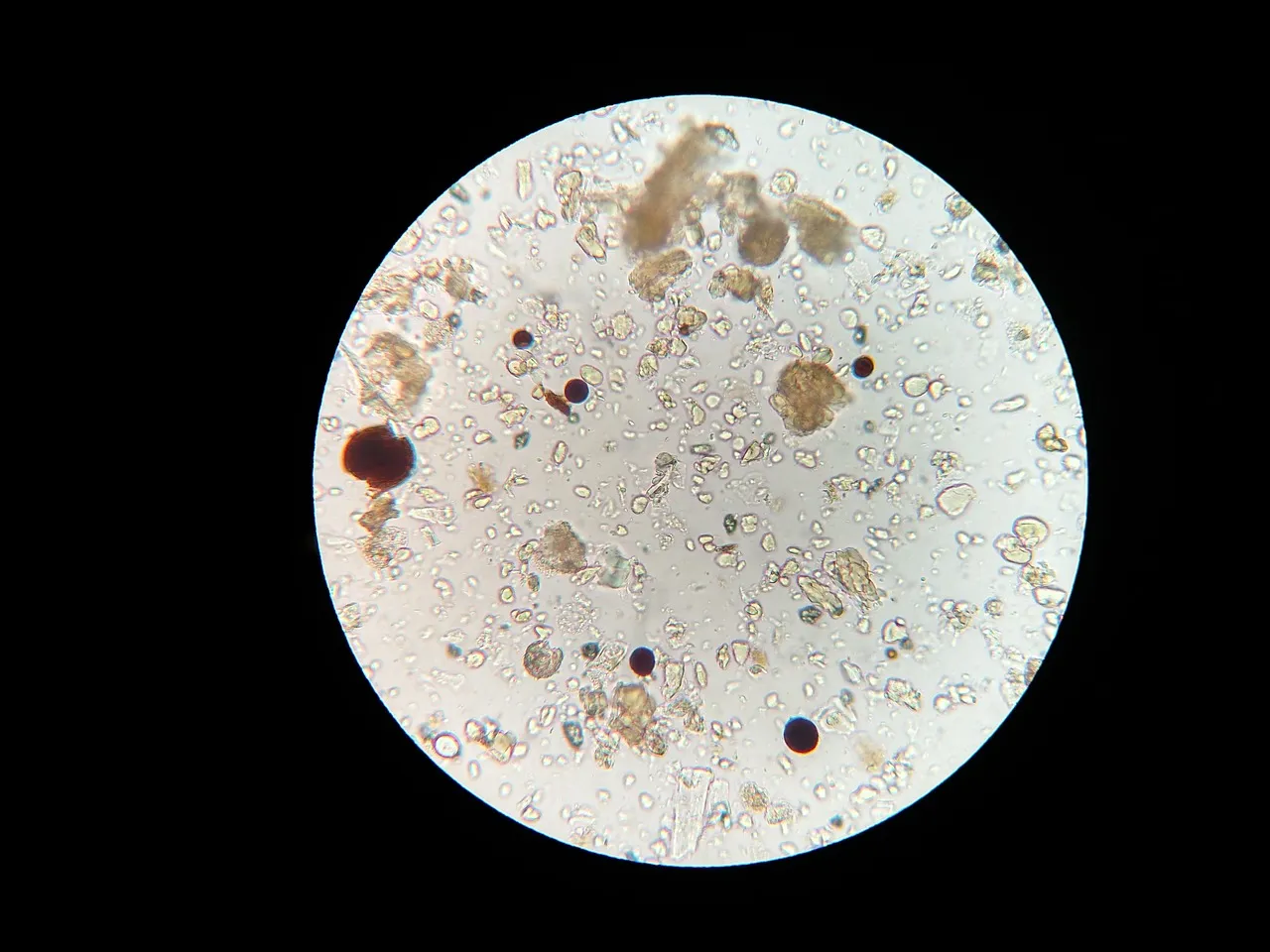
One of the clearest findings from recent studies involves the tiny organisms living in soil that most people never think about. A meta-analysis comparing organic, organic plus synthetic, and synthetic-only fertilization on microbial biomass found the pattern was organic roughly equal to organic plus synthetic, but both far outperformed synthetic alone, with a highly significant two-fold difference.
Compost doesn’t just supply nutrients, it introduces and sustains an entire community of bacteria and fungi that keep cycling those nutrients long after the compost itself has broken down. Studies have shown that long-term application of chemical fertilizers significantly decreased the bacterial richness of soil and its diversity, and disturbed the ecological balance of soil microbial communities.
Water Retention: Compost’s Quiet Superpower
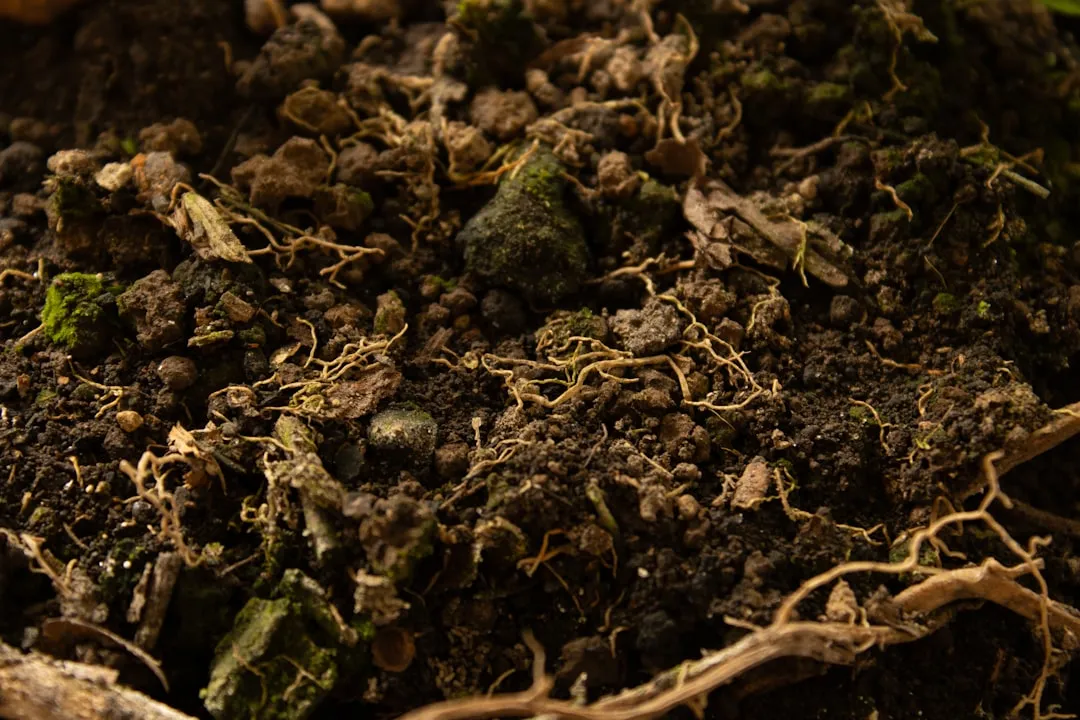
Anyone who has gardened through a dry summer knows how much water retention matters, and this is where compost quietly outperforms bagged fertilizer. Soil scientists report that for every 1 percent of organic matter content, soil can hold roughly 16,500 gallons of plant-available water per acre down to one foot deep.
A separate USDA estimate puts the figure even higher, noting that 1 percent organic matter in the top 6 inches of soil holds about 27,000 gallons of water per acre. Synthetic fertilizer does nothing for this capacity since it adds no organic bulk to the soil at all, it simply dissolves and moves through.
Slow Release Versus Quick Fix: Why Timing Matters
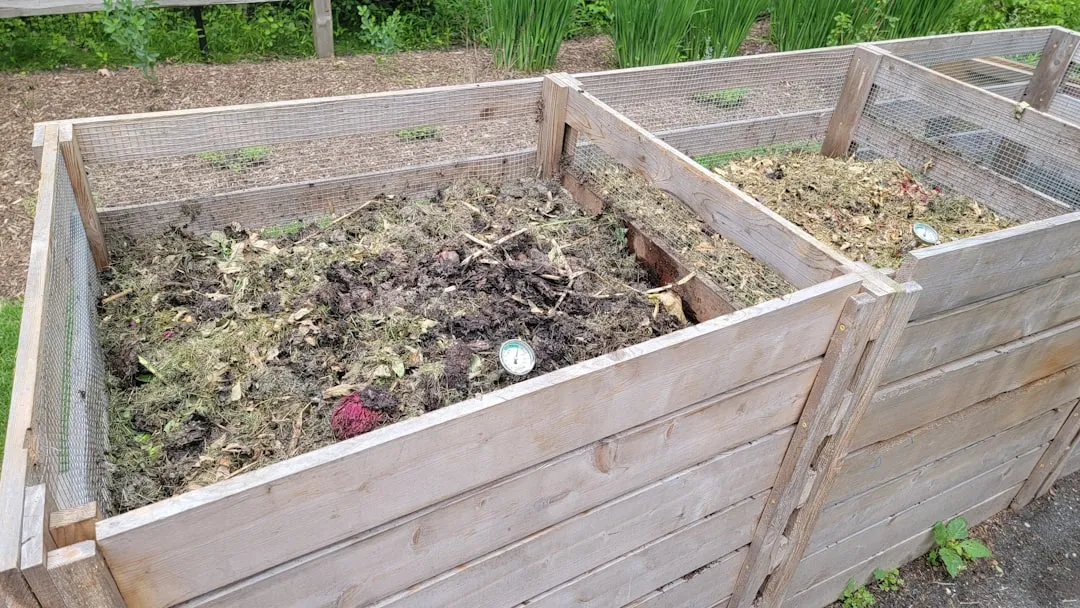
Grandpa’s compost never worked in a hurry, and that turned out to be part of its value. Organic fertilizers are made from plant or animal sources, are less concentrated, and are predominately slow-release, meaning it may take days or weeks for soil organisms to transform the nutrients into plant-available forms.
Synthetic fertilizers, derived from man-made compounds like ammonium nitrate and ammonium phosphate, are typically water-soluble and quick-acting instead. That speed sounds appealing, but it also means nutrients are available to leach away before a plant’s roots can absorb them, which is exactly what compost’s gradual release is built to avoid.
The Runoff Problem: Where Synthetic Fertilizer Goes Wrong
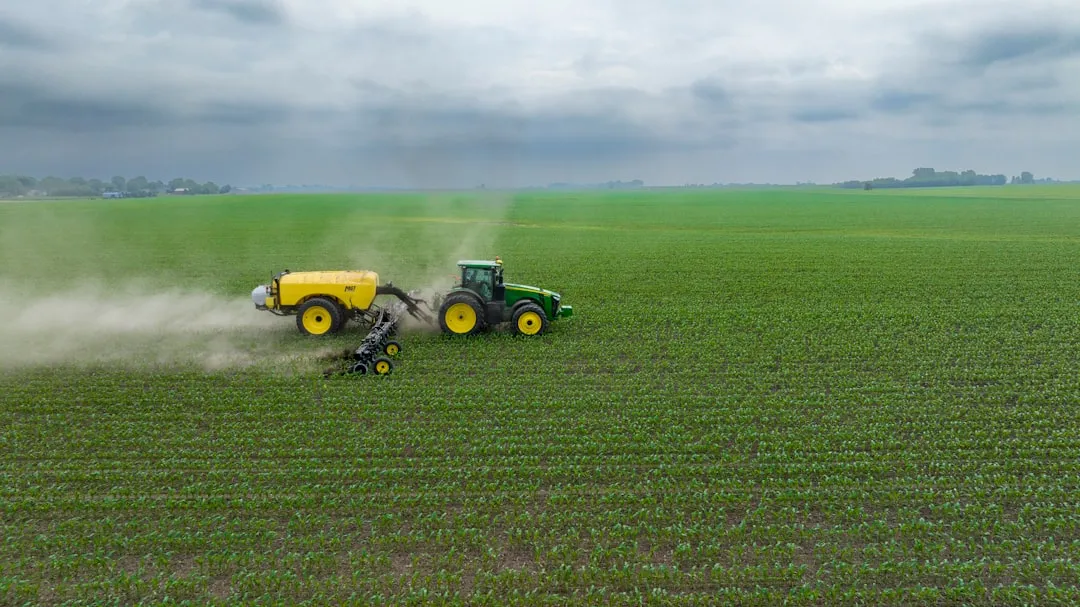
Fast-release nitrogen has an environmental cost that goes well beyond the garden fence. Nutrients from fertilizers, particularly nitrogen and phosphorus, often leach into nearby rivers, lakes, and oceans through runoff, triggering eutrophication where excess nutrients cause rapid algae growth that blocks sunlight and depletes oxygen, creating dead zones where aquatic life cannot survive.
Nitrogen fertilizer runoff from the Midwest is one of the major contributors to the Gulf dead zone, estimated to cost 2.4 billion dollars in lost livelihoods. Compost’s slow-release nature and its tendency to bind to soil particles rather than wash away means far less of this nutrient ends up somewhere it was never meant to go.
Carbon and Climate: An Unexpected Bonus
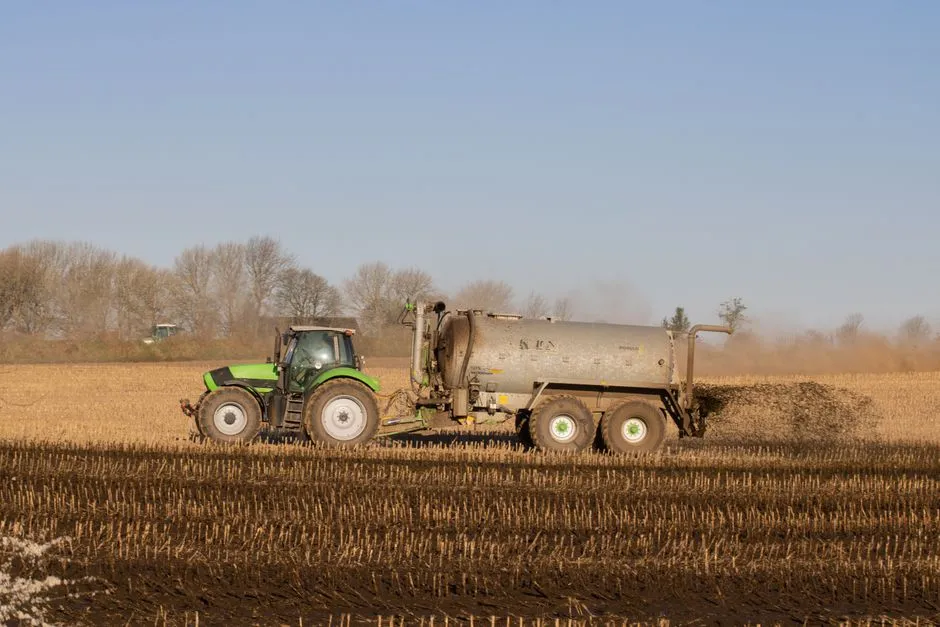
There’s a climate angle to this comparison that grandpa almost certainly never considered, though it matters a great deal today. Fertilizer production is energy-intensive and relies heavily on fossil fuels, and when nitrogen-based fertilizers are applied to soil they release nitrous oxide, a greenhouse gas nearly 300 times more potent than carbon dioxide, with the IPCC estimating that these emissions account for around 5 percent of global greenhouse gas emissions.
Compost, made from materials that would otherwise decompose and release methane in a landfill, effectively recycles carbon back into the ground instead of the atmosphere. It’s not a dramatic fix on its own, but at scale it represents a meaningfully different footprint than a bag of chemical granules trucked in from a factory.
Disease Suppression: Compost’s Natural Defense
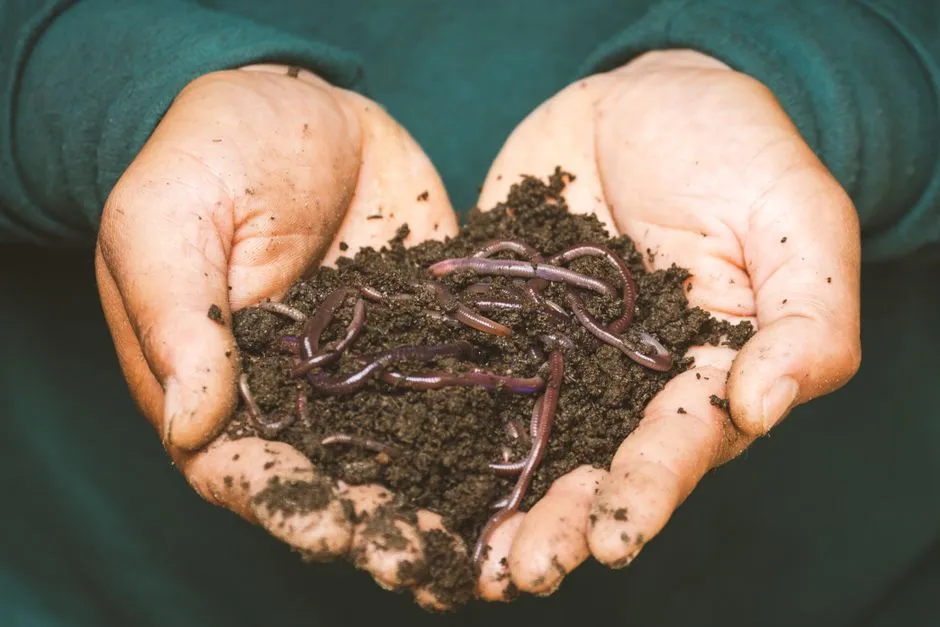
Healthy soil doesn’t just grow bigger plants, it also tends to grow healthier ones, and compost seems to play a direct role in that. Research has found that compost enriched the relative abundance of beneficial microorganisms while reducing those of harmful microorganisms in soil.
Several studies have reported that the application of compost increases microbial biomass and activities and nutrient uptake by plants and decreases disease incidence, which promotes plant growth. Synthetic fertilizer offers no equivalent benefit since it contains no living organisms and no organic matter capable of suppressing pathogens the way a mature compost pile can.
The Balanced Approach: What Modern Science Confirms
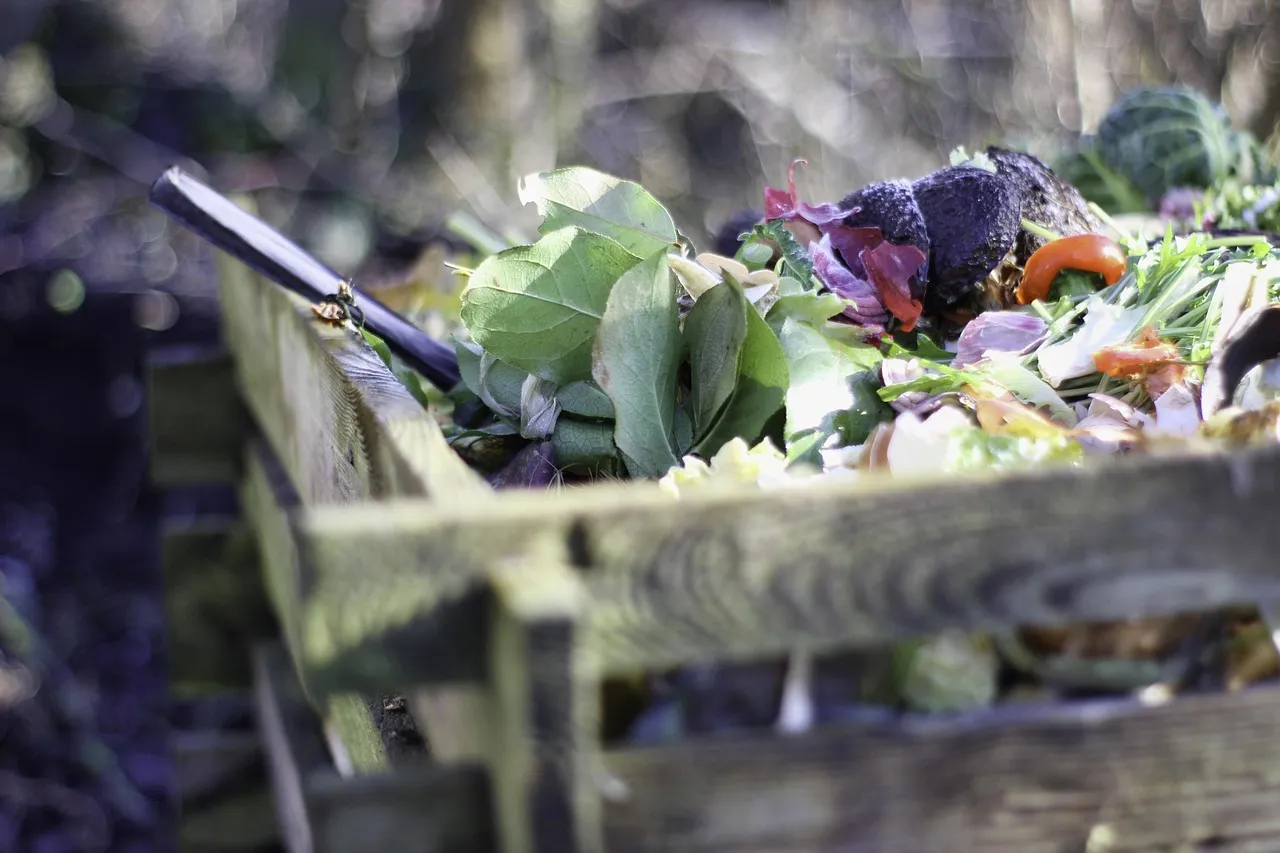
None of this means synthetic fertilizer is useless, and it would be misleading to pretend the research says otherwise. One study found that while two treatments gave similar crop yields, compost-amended soil had 43 percent higher total soil organic carbon, 65 percent higher active soil organic carbon, and 35 percent higher microbial activity than soil amended with poultry litter.
Some recent trials even found compost application increased soil total nitrogen by 23 percent relative to synthetic fertilizer but resulted in lower yields and nitrogen use efficiency, which is a fair reminder that compost isn’t a magic bullet for every short-term yield goal. The most consistent recommendation across current agronomy research is a hybrid one, integrating compost with reduced synthetic nitrogen rates to enhance soil organic matter accumulation and long-term fertility while sustaining productivity.
Bringing Grandpa’s Wisdom Into 2026 Gardens
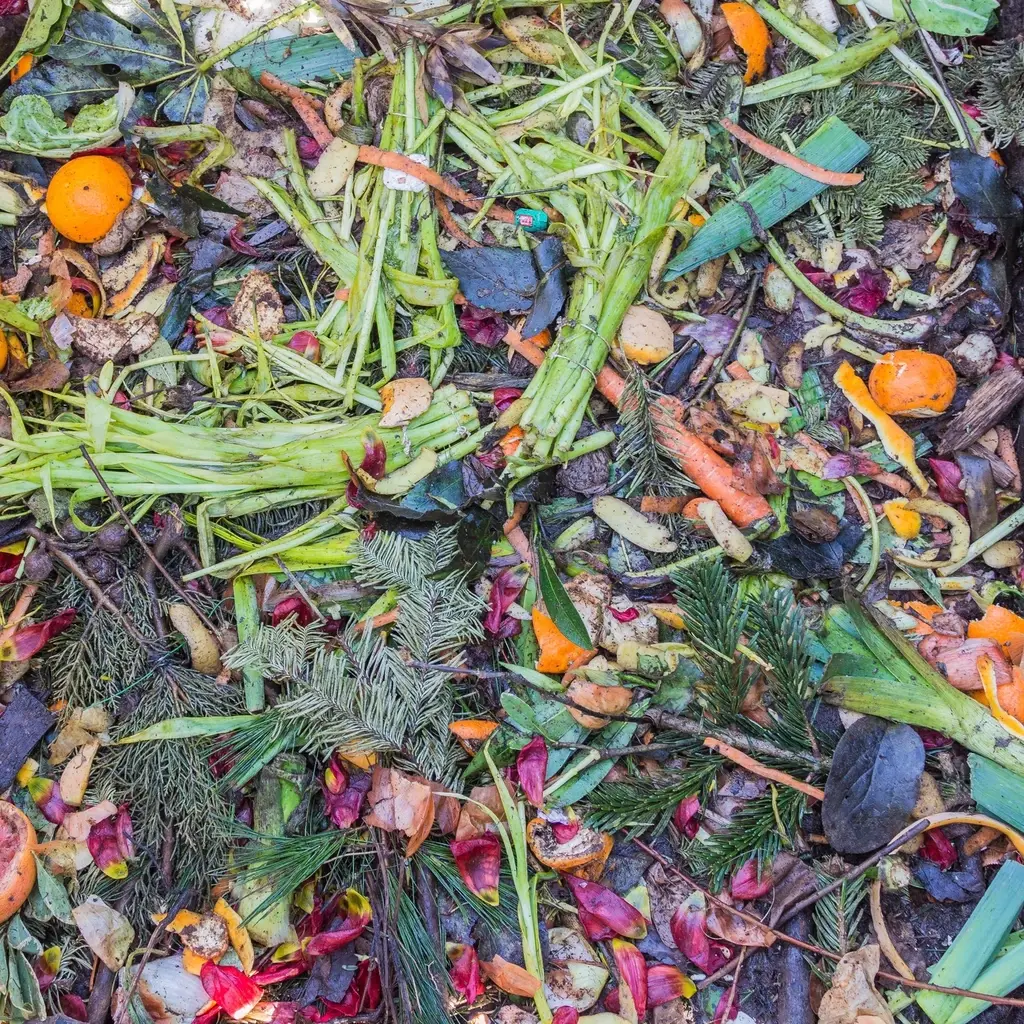
What all this research really points to is less a rejection of modern fertilizer and more a rediscovery of something older gardeners never stopped doing. Compost builds a foundation, slowly and reliably, while synthetic fertilizer simply borrows against that foundation for a quick payoff.
The healthiest gardens and farms today tend to combine both, leaning on compost for structure, water retention, and microbial life, while using synthetic inputs sparingly and only where a targeted deficiency calls for it. Grandpa’s pile in the corner of the yard wasn’t old-fashioned so much as it was patient, and patience, it turns out, is still one of the better strategies soil has ever had going for it.
AI Disclaimer: This article was created with the assistance of AI tools and reviewed by a human editor.