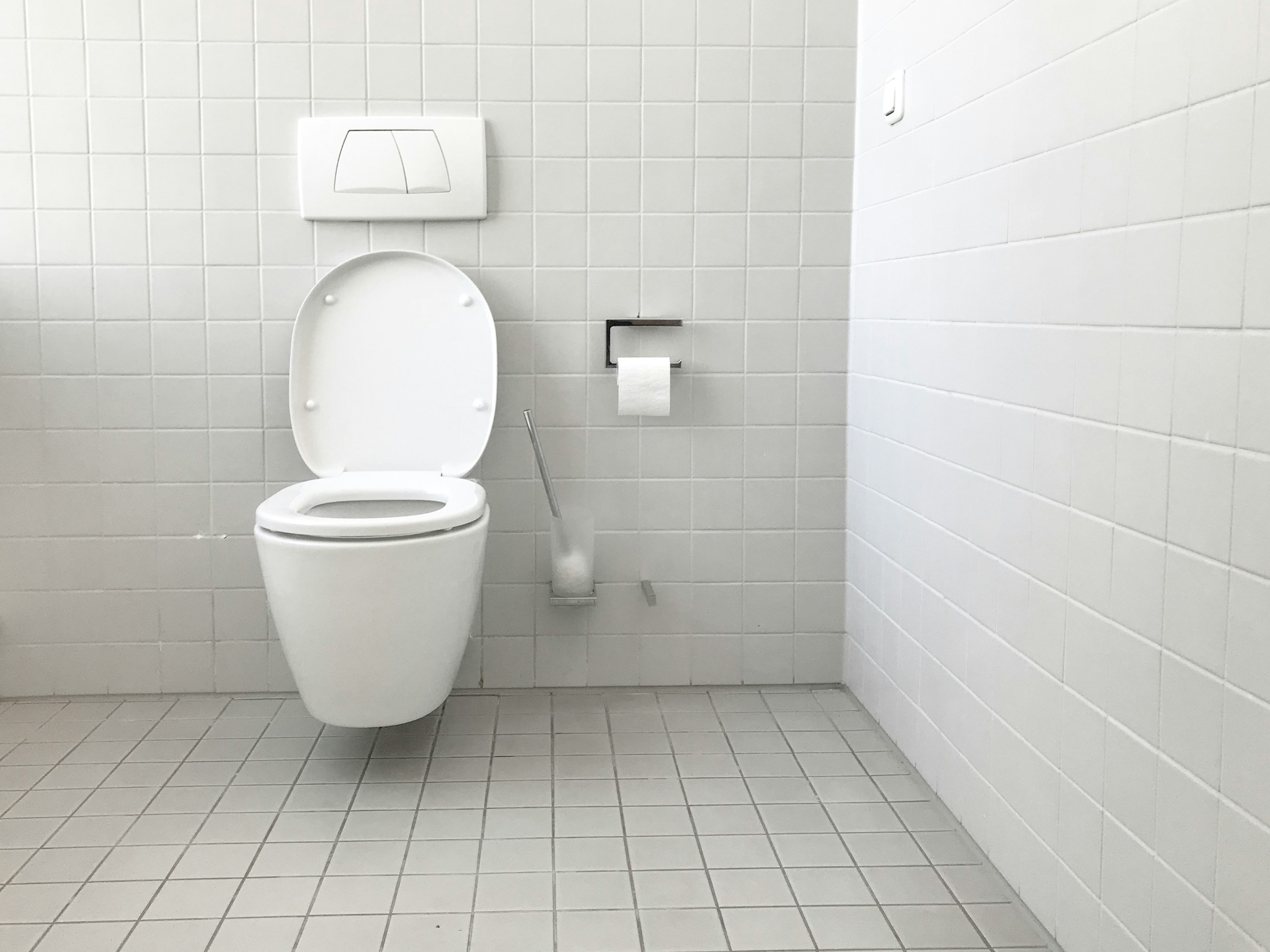

Most people picture the bathroom as the germiest room in the house, and it’s easy to see why. Yet when microbiologists actually start swabbing surfaces and counting colonies under a microscope, the results rarely match that assumption. Toilet seats, it turns out, get cleaned often enough and dry quickly enough that they end up far less contaminated than a surprising number of everyday objects sitting in plain sight around your home and office.
1. The Kitchen Sponge Tops Almost Every List
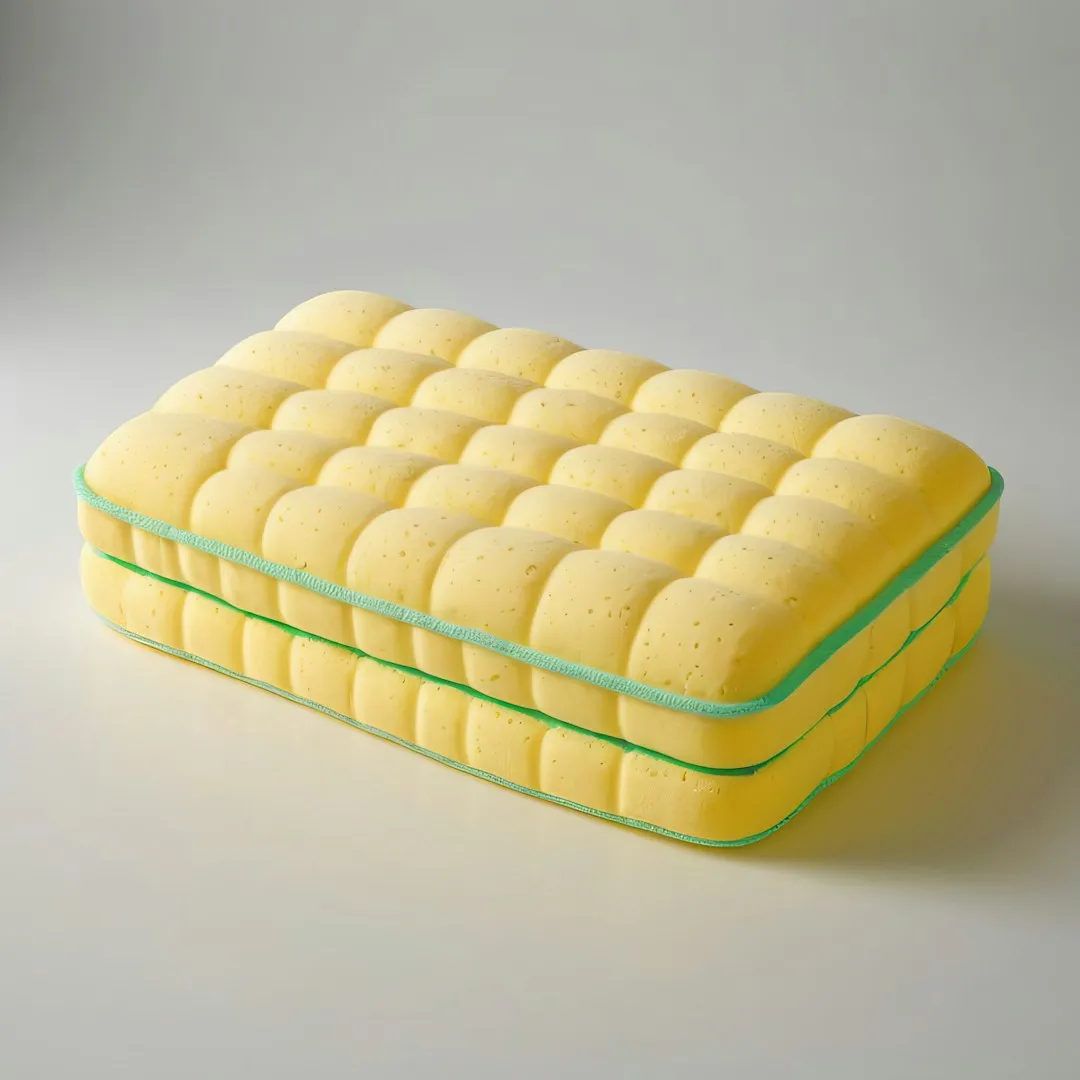
If there’s one item that keeps showing up at the center of this conversation, it’s the humble kitchen sponge. A widely cited German study led by microbiologist Markus Egert at Furtwangen University sampled sponges from real households and found bacterial density reaching 54 billion per square centimeter of sponge tissue, which is similar to the microbial density of stool samples.
Researchers from Clemson University’s Home and Garden Information Center put actual numbers next to a toilet seat for comparison, finding that kitchen counters and toilet seats had similar amounts of bacteria, at 316 and 398 bacteria per 25 square centimeters, while the kitchen sink had nearly 32,000. Sponges stay damp for hours after use and are packed with tiny pores that trap food residue, which together create ideal breeding conditions bacteria simply don’t get on a smooth, quick drying toilet seat.
2. Your Smartphone Travels Everywhere, Including the Bathroom
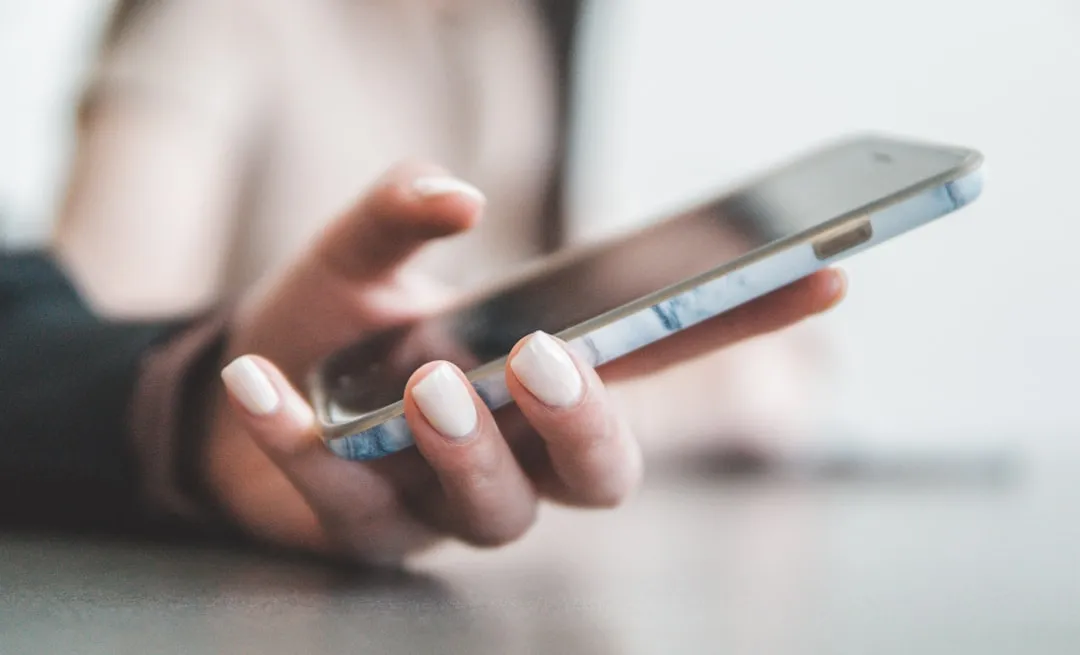
Phones rarely leave our hands, which is exactly the problem. A frequently referenced University of Arizona study, later reported by Time and the University of Michigan’s Institute for Healthcare Policy and Innovation, found that cell phones carry 10 times more bacteria than most toilet seats. Part of the explanation is behavioral, not just biological, since human skin is naturally covered in microbes, and that natural bacteria, plus the oils on your hands, get passed onto your phone every time you check a text or send an email.
A separate ATP based swab study by Initial Washroom Hygiene compared readings across touchpoints and reported that using the same swabbing method, the average reading for a toilet seat is 220, meaning the average mobile phone reading is more than six and a half times higher.
3. Office Keyboards Rarely Get a Second Thought
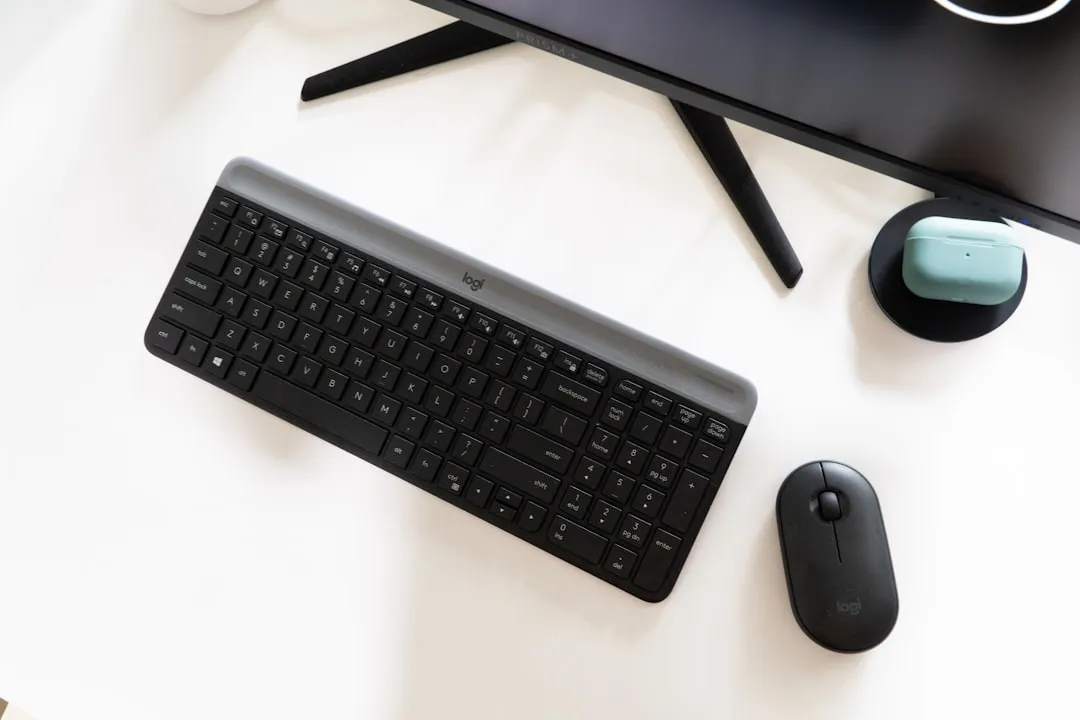
Keyboards sit under our fingers for hours at a time, yet almost nobody disinfects them the way they would a bathroom fixture. Research highlighted by the National Center for Health Research points to University of Arizona findings showing that the average desktop has 400 times more bacteria than the average toilet seat.
CBS Boston covered the same research, confirming that one prior study from the University of Arizona found that the average desktop has 400 times more bacteria than the average toilet seat. The reason is fairly ordinary once you think about it: crumbs from lunch, skin cells, and hand oils settle between the keys and rarely get cleaned out, unlike a toilet seat that typically gets wiped down on a regular schedule.
4. The Computer Mouse Might Be Even Worse
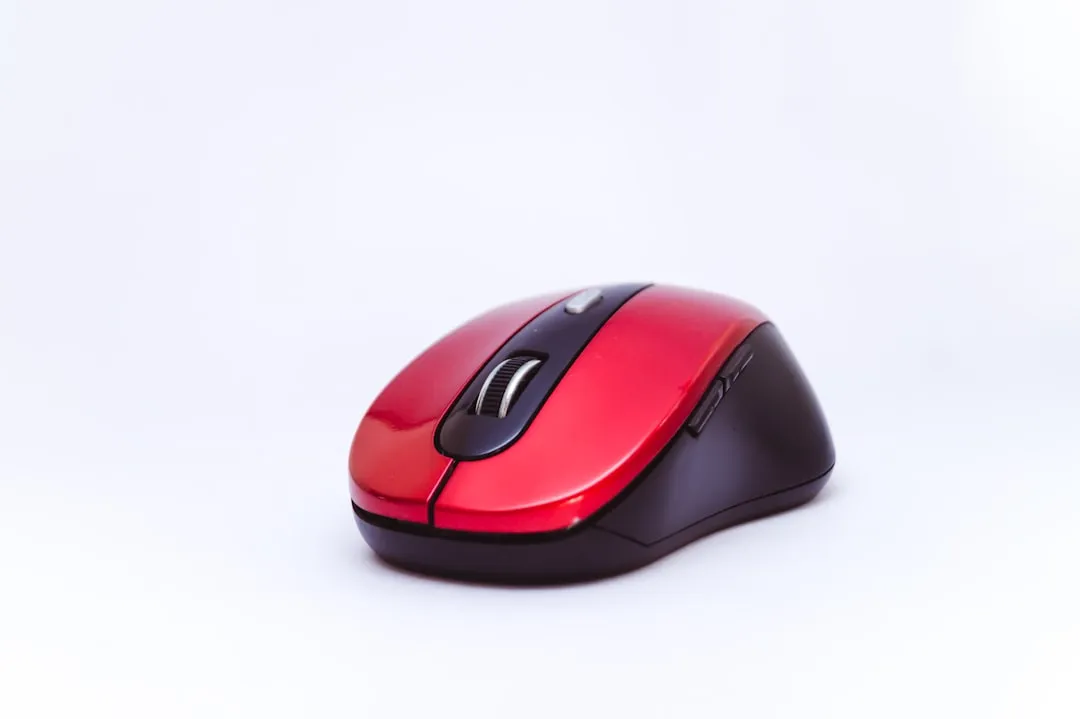
If keyboards are dirty, the mouse sitting right next to them often measures worse in direct testing. A workplace hygiene survey covered by UNILAD Tech found that the average office keyboard had 3,543,000 colony forming units of bacteria per square inch, which is more than 20,000 times the amount typically found on a toilet seat, and the same testing round showed the mouse carrying an even heavier load, at 1,370,068 CFU per square inch, compared with just 30 CFU on a toilet handle.
Unlike a toilet handle, which gets a quick swipe with disinfectant during routine cleaning, a mouse is gripped constantly throughout the workday and almost never wiped down at all.
5. Company ID Badges Carry More Than a Name and Photo
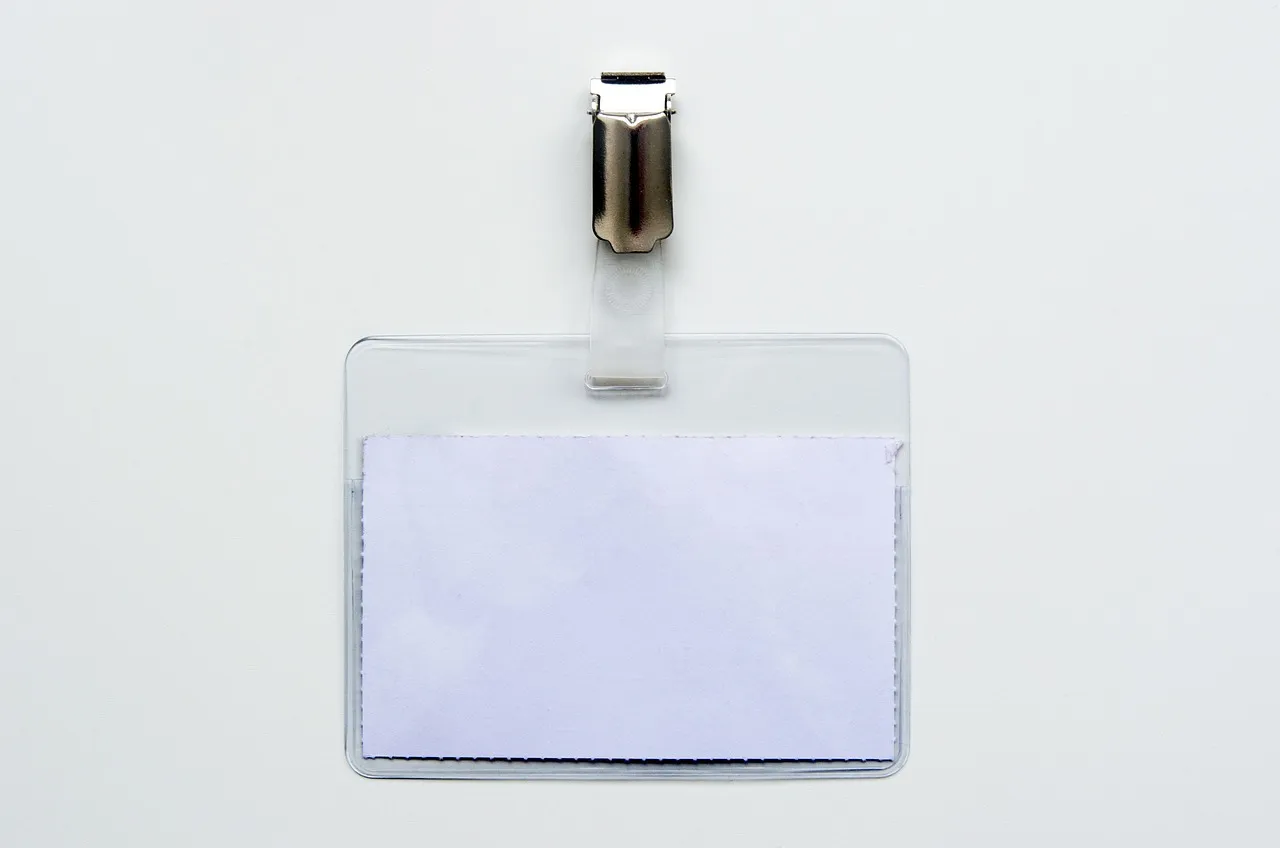
It sounds like an odd item to worry about, but the same office hygiene testing turned up a genuine surprise here. The study found that a company ID badge was actually the dirtiest item tested, with an average of 4,620,000 colony forming units per square inch. Badges get clipped to shirts, tossed on desks, swiped against card readers, and handled dozens of times a day without ever being cleaned, which lets bacteria accumulate steadily over weeks or months of continuous use.
6. Kitchen Cutting Boards Carry a Different Kind of Risk
Cutting boards deserve special mention because the bacteria involved come directly from raw food rather than skin contact. Dr. Chuck Gerba, a professor of microbiology at the University of Arizona whose research anchors much of this field, has stated that there are about 200 times more fecal bacteria on a kitchen cutting board than on a toilet seat.
The distinction matters because bacteria found on toilet seats are mostly skin borne, while bacteria in kitchen sponges and by extension cutting boards often come from food residues that can harbor a range of harmful pathogens. Washing a board with hot soapy water after every use, especially after raw meat, makes a real difference here.
7. Reusable Grocery Bags Rarely Get Washed
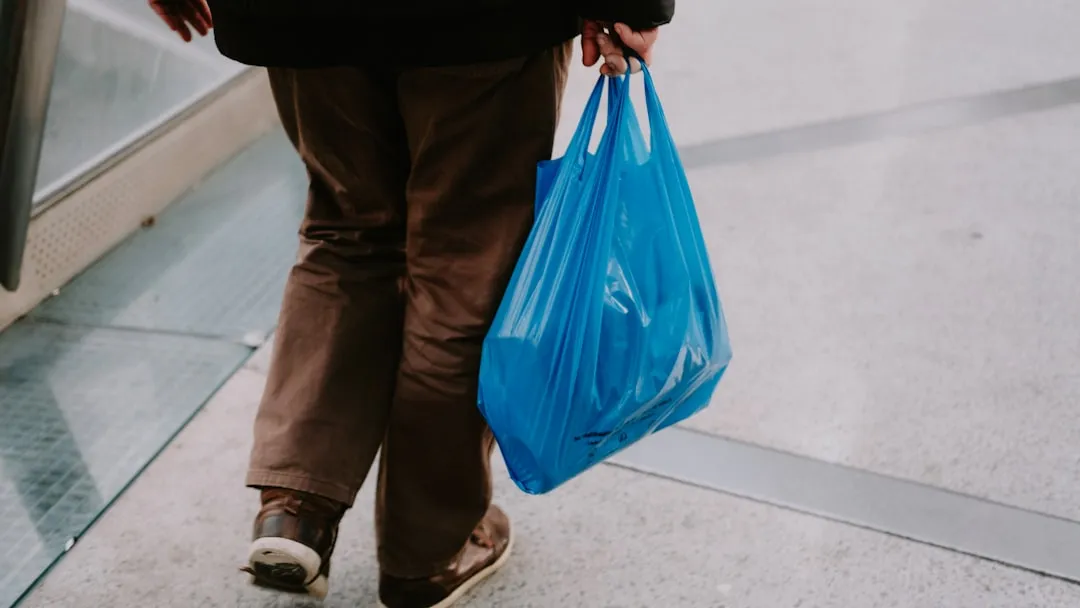
Reusable totes are good for the environment, but most people never think to launder them. Research led by Charles Gerba on reusable shopping bags found fairly large numbers of bacteria, sometimes more than the number found on a toilet seat.
A companion Loma Linda University study backed this up, reporting that large numbers of bacteria were found in almost all bags, with coliform bacteria in half and E. coli identified in twelve percent of the bags tested. The same research also offered good news, showing that hand or machine washing was found to reduce the bacteria in bags by more than 99.9 percent, which makes this one of the easier problems on this list to actually fix.
8. Public Touchscreens Get Touched by Everyone
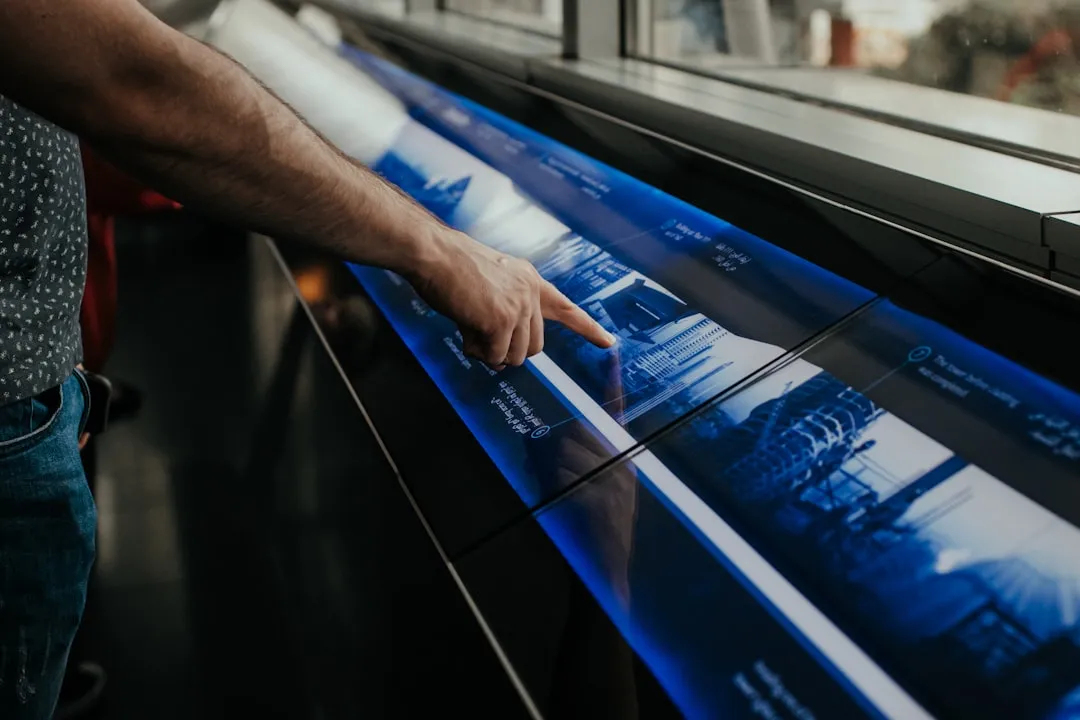
Self service kiosks, airport check in screens, and grocery store touchpads see hundreds of different hands every single day with no cleaning in between. A comparative usability study published on arXiv noted that such devices have been found to have 1,475 times more bacteria than the average toilet seat. Because these screens are used briefly by strangers who rarely sanitize their hands beforehand, the surface builds up a mix of whatever those people were touching just before, from door handles to their own faces.
9. Your Suitcase Picks Up Germs From the Floor
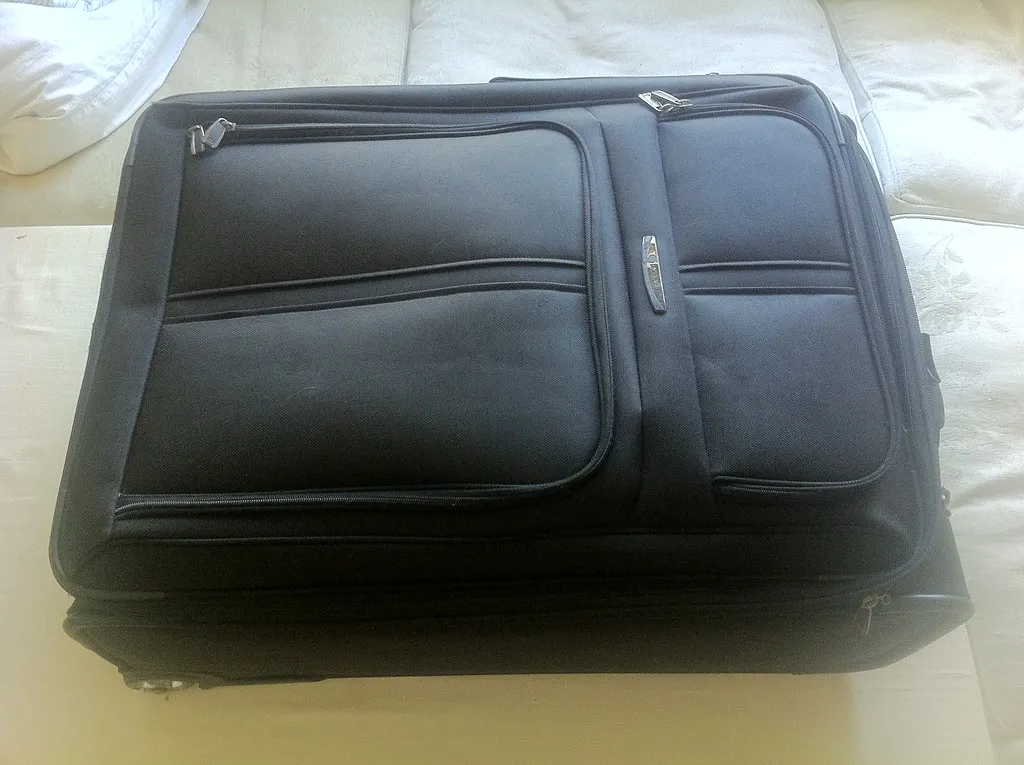
Luggage spends a lot of time rolling across airport floors, hotel lobbies, and train station platforms, all surfaces that see heavy foot traffic. A study covered by InsureandGo found that the wheels of suitcases were the most heavily contaminated part tested, carrying nearly 58 times more bacteria than a public toilet seat.
The same testing showed that an airport luggage trolley handle is also likely to be more contaminated with bad bacteria than a public toilet seat, including Bacillus cereus and Staphylococcus aureus, both organisms linked to foodborne illness and skin infections.
10. The Ordinary Office Desk Ties It All Together
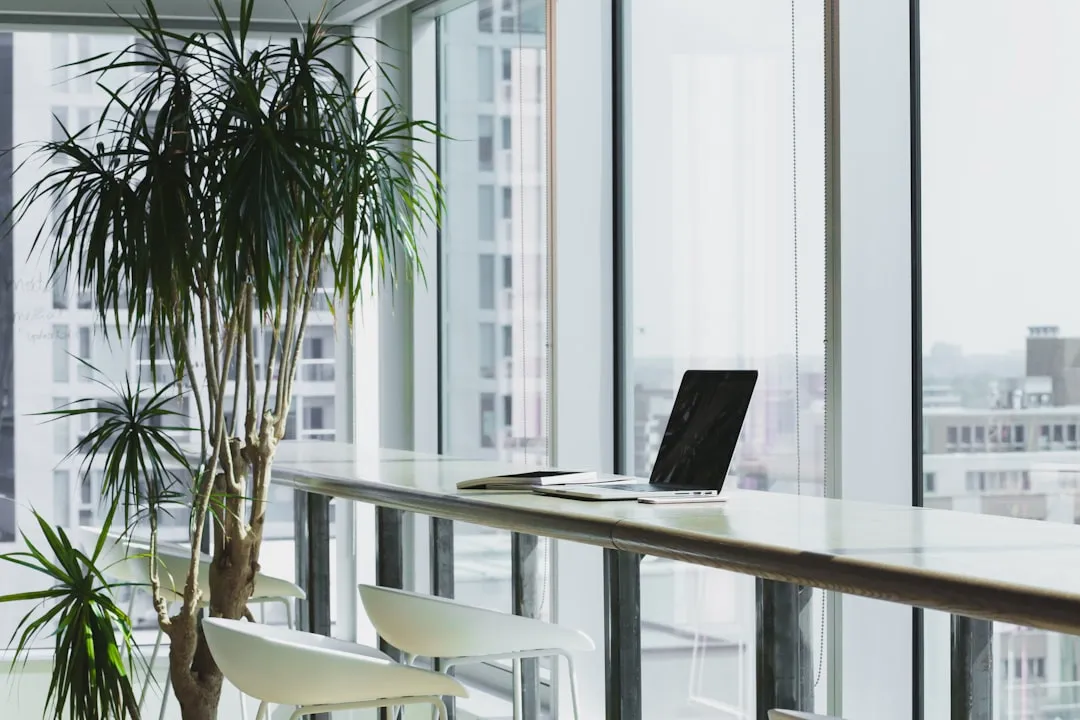
Zoom out from any single object and the office desk as a whole tells a consistent story. The same University of Arizona research repeatedly cited throughout this list found that the average desktop has 400 times more bacteria than the average toilet seat, with samples taken from offices across the United States also showing that women’s desks tended to harbor more bacteria than men’s, likely tied to habits like keeping tissues, cosmetics, and snacks nearby.
It’s a fitting closing point, since it shows that the pattern isn’t about one dirty object hiding in your home, but about how rarely we think to clean the things we touch the most.
A More Useful Way to Think About Germs
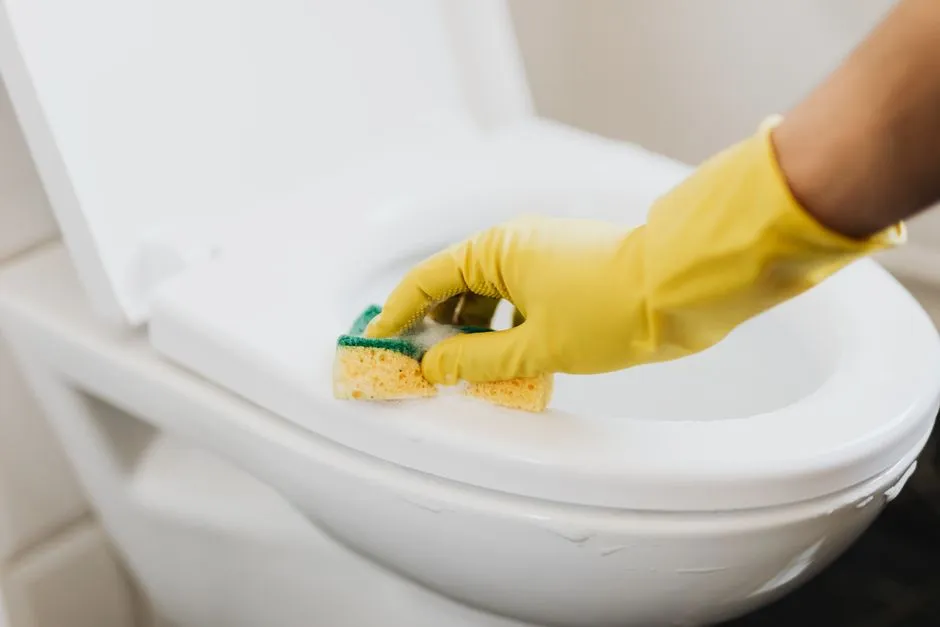
None of this means toilet seats are secretly pristine or that panic is the right response to any of these findings. What the research consistently shows is that cleaning habits, not the nature of an object itself, determine how many bacteria accumulate over time, and toilet seats simply get wiped down more often than sponges, phones, or badges ever do. The real takeaway isn’t to fear your desk or your grocery bag, but to give the objects you touch constantly the same basic attention you already give the bathroom.
AI Disclaimer: This article was created with the assistance of AI tools and reviewed by a human editor.