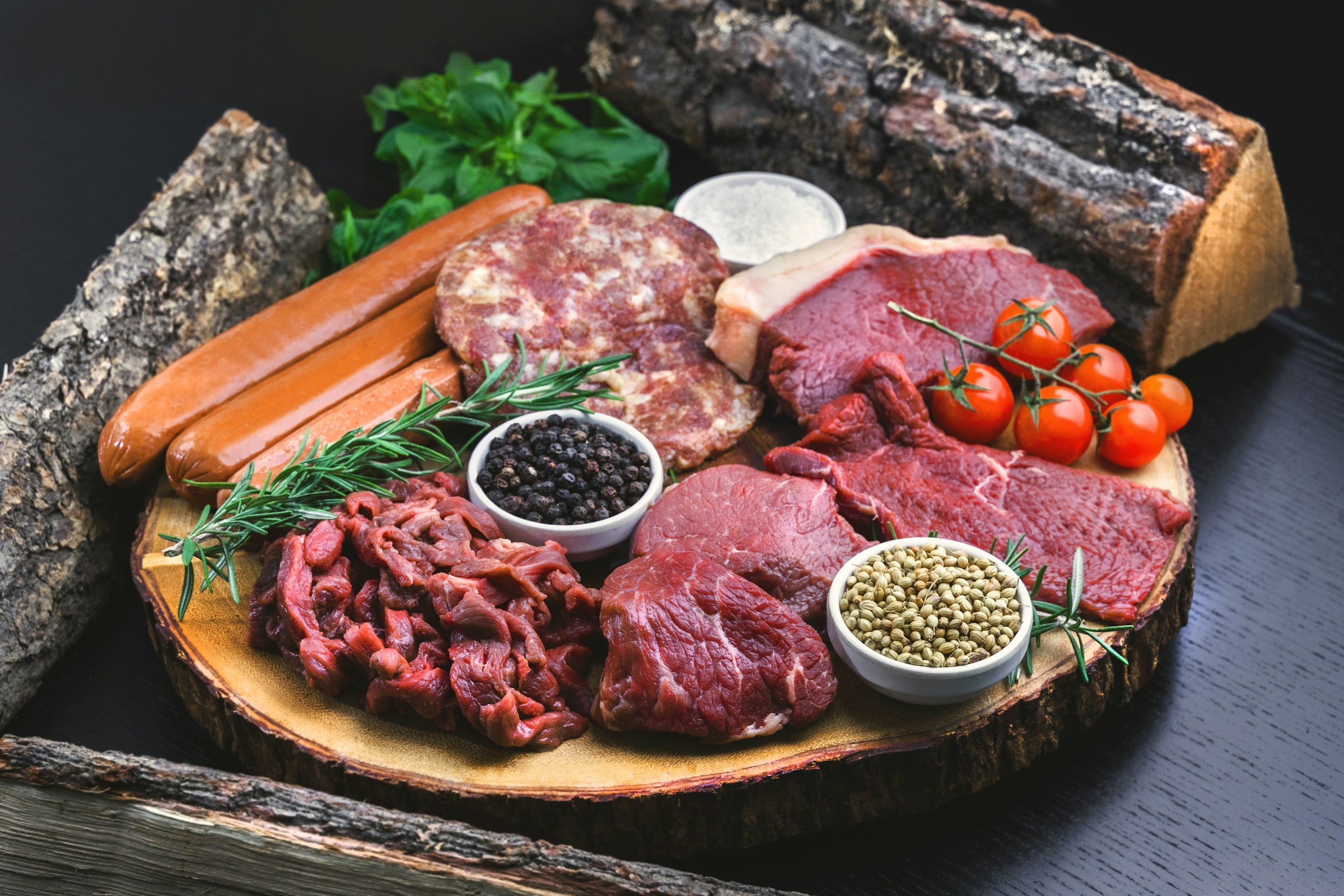

Most people glance at the date stamped on a package and treat it like a countdown timer, as if food turns unsafe the moment that number passes. In reality, confusion over date labels leads U.S. consumers to throw away close to three billion pounds of food every year, worth roughly seven billion dollars, according to the nonprofit ReFED. What gets less attention is the opposite problem: certain foods can turn well before that printed date, not because the label lied, but because handling along the way quietly shortened the real clock.
1. Bagged Salad and Pre Cut Leafy Greens
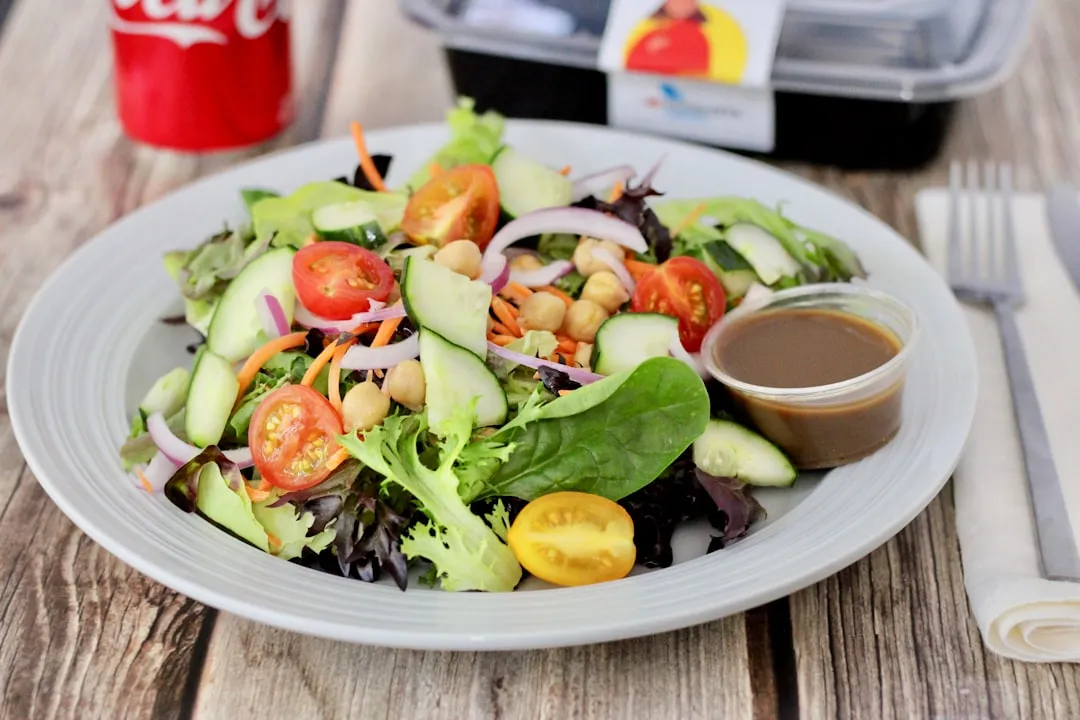
Researchers with the USDA Agricultural Research Service have found that packaged salad greens are highly sensitive to storage temperature, since cutting the leaves before bagging exposes far more surface area to bacteria. In their studies, E. coli O157:H7 multiplied rapidly once temperatures crept above 45°F, with populations increasing tenfold or even a hundredfold within just a few days. That is one reason the FDA Food Code requires cut leafy greens to be received at 41°F or lower at every step.
Because bagged mixes deteriorate faster than whole heads of lettuce, a bag left in a warm shopping cart or a hot car for even an hour can shave real days off its usable life. Delicate greens like arugula and spring mix can start declining within three to five days of opening, even when refrigerated properly, well before many use by dates expire.
2. Sliced Deli Meat and Cold Cuts
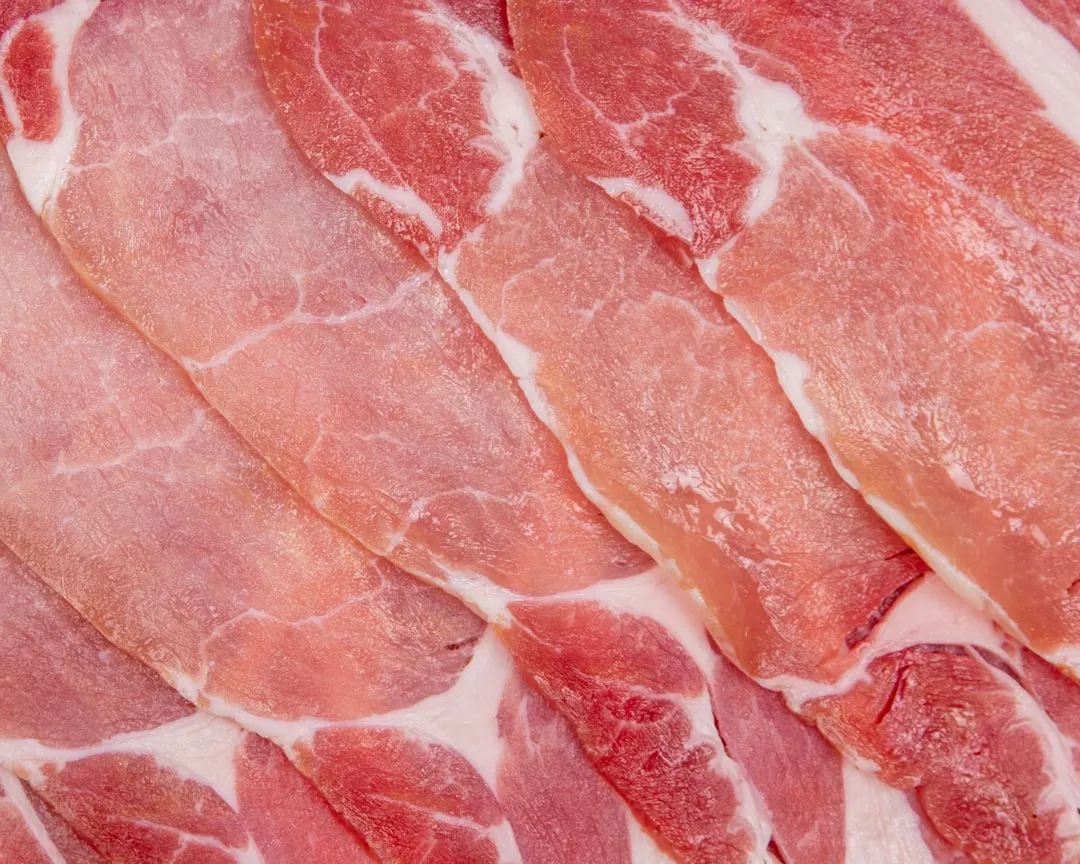
USDA guidance is fairly direct about this one: no matter what the sell by sticker says, deli meat should be eaten within three to five days of purchase once it has been opened or freshly sliced. Part of the reason is that Listeria monocytogenes can double in number every twenty minutes under favorable conditions, so a single stretch of time in a warm car adds up quickly.
A slimy texture showing up before the printed date is almost always a sign of improper storage rather than a mistaken label. Factory sealed packages rely on modified atmosphere packaging to hold bacteria back, and that protection disappears the instant the seal is broken, which is why the safe window shrinks the moment you open it.
3. Soft Ripened Cheeses Like Brie and Camembert
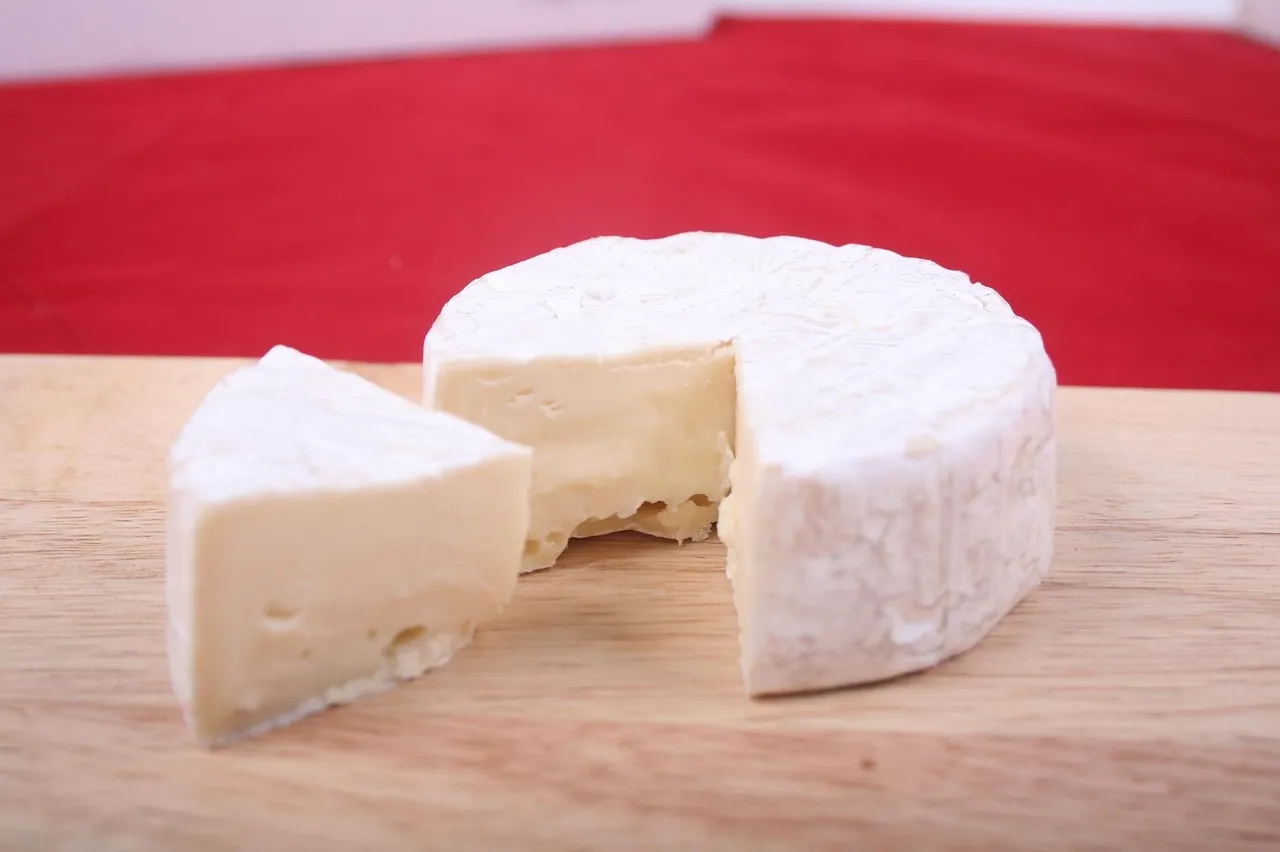
Soft cheeses are simply more perishable than aged, hard cheeses, and they spoil noticeably quicker once the package is opened. Opened soft cheese typically lasts only a week to a few weeks in the refrigerator, a much tighter window than the best by stamp on an unopened wheel would suggest.
Public health agencies have documented Listeria outbreaks tied to soft cheeses over the years, which is why guidance urges pregnant people, older adults, and anyone with a weakened immune system to confirm the cheese was made from pasteurized milk. That number on the wrapper only estimates flavor and texture at the time of packaging. It says nothing about a fridge that runs a few degrees too warm for a few days.
4. Milk After It Has Been Opened

Most research suggests unopened milk stays good for five to seven days past its printed date, but that window collapses to roughly two to three days once the carton has been opened. The original date assumes a sealed, properly chilled container, not one that sat on the counter during breakfast or spent extra time on a warm delivery truck.
An acidic, sour smell is usually the first sign that milk has turned ahead of schedule. A bluish tinge or a chunky texture are further warning signs that spoilage has set in, regardless of what the cap says.
5. Yogurt With Fruit Mixed In
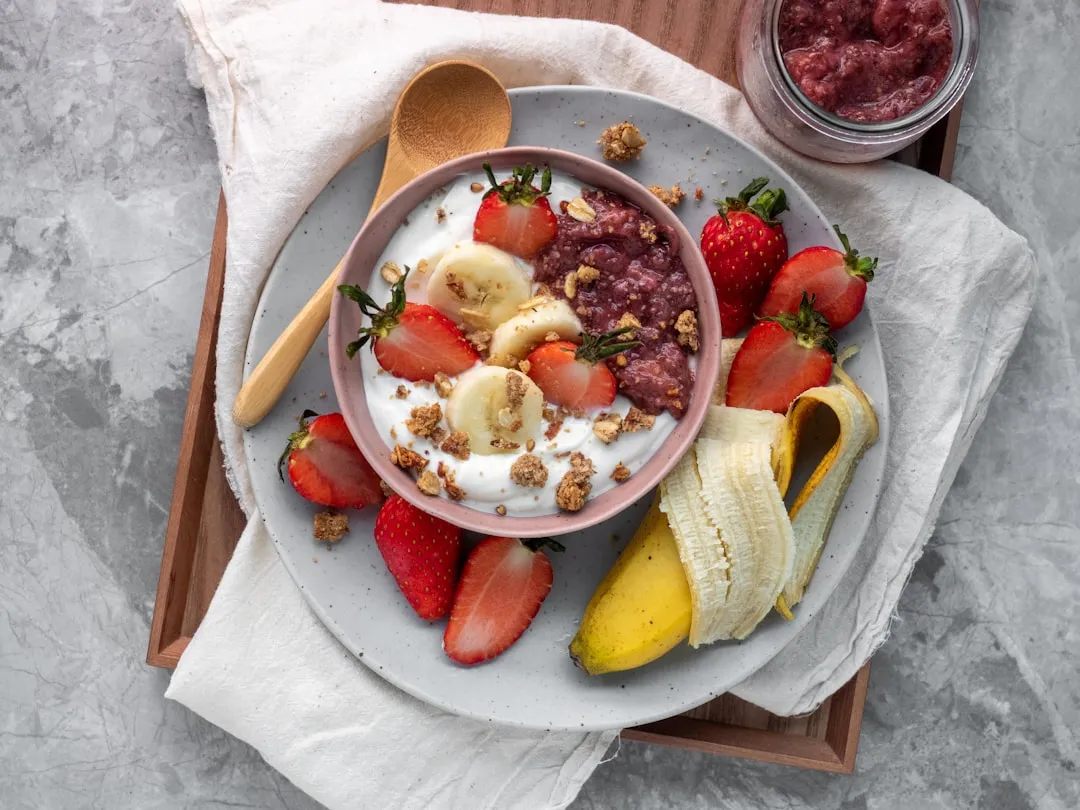
Plain yogurt can often stay edible for up to two weeks past its listed date, but yogurt blended with fruit is a different story, since the fruit can harbor yeast and mold that speed up spoilage. Once opened, yogurt generally lasts only about a week past the stamped date at most.
Exposure to air, or a spoon that has already touched a mouth going back into the tub, introduces bacteria that accelerates the decline further. None of that extra contamination shows up as any change to a date that was printed weeks earlier at the factory.
6. Pre Cut Melon and Fresh Cut Fruit
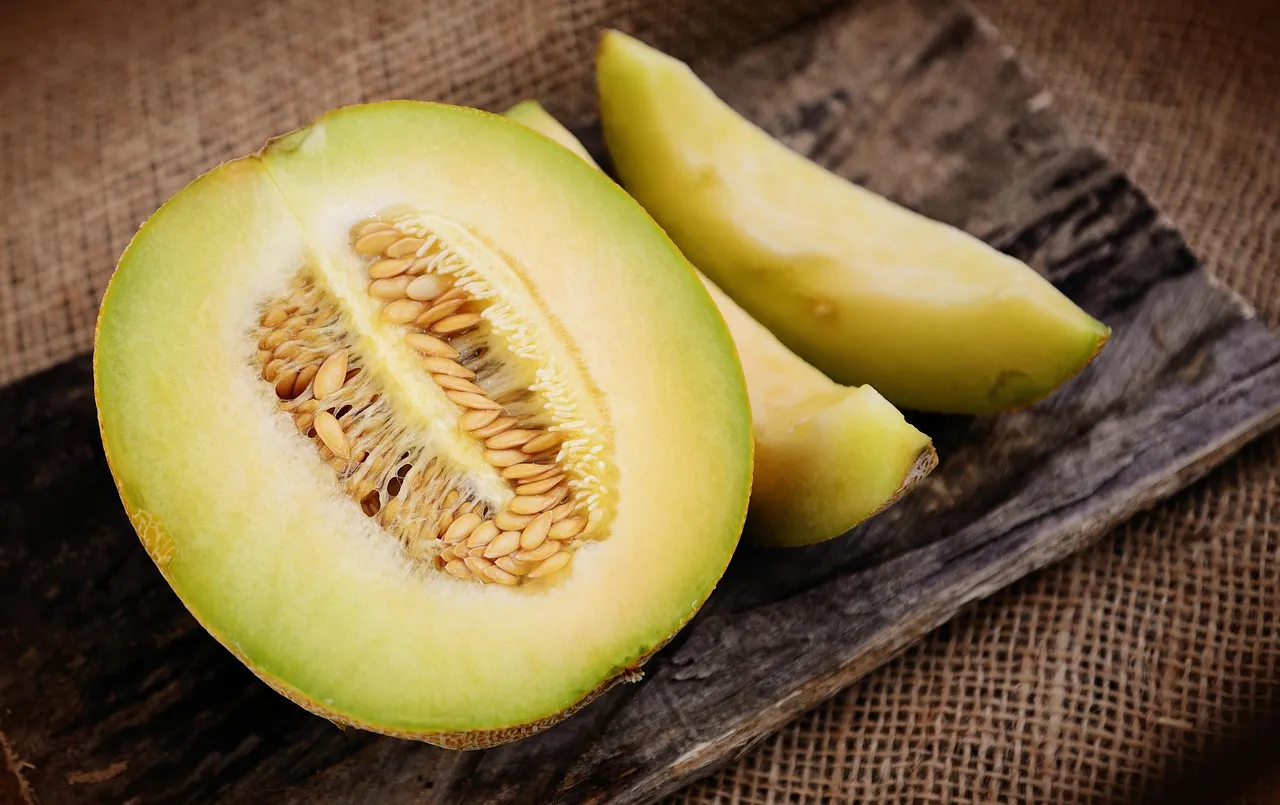
Food safety researchers group pre cut melon among the moist, low acid, ready to eat foods capable of supporting Listeria growth even under refrigeration. Cut fruits and vegetables in general are flagged as providing ideal bacterial growth conditions the moment they sit at unsafe temperatures, even briefly.
Whole melon has a thick rind that acts as a natural barrier, but slicing it removes that protection entirely. A few extra minutes at room temperature during restocking or a grocery run can matter more than the estimate printed on the container.
7. Deli Salads Like Chicken, Ham, and Seafood Salad
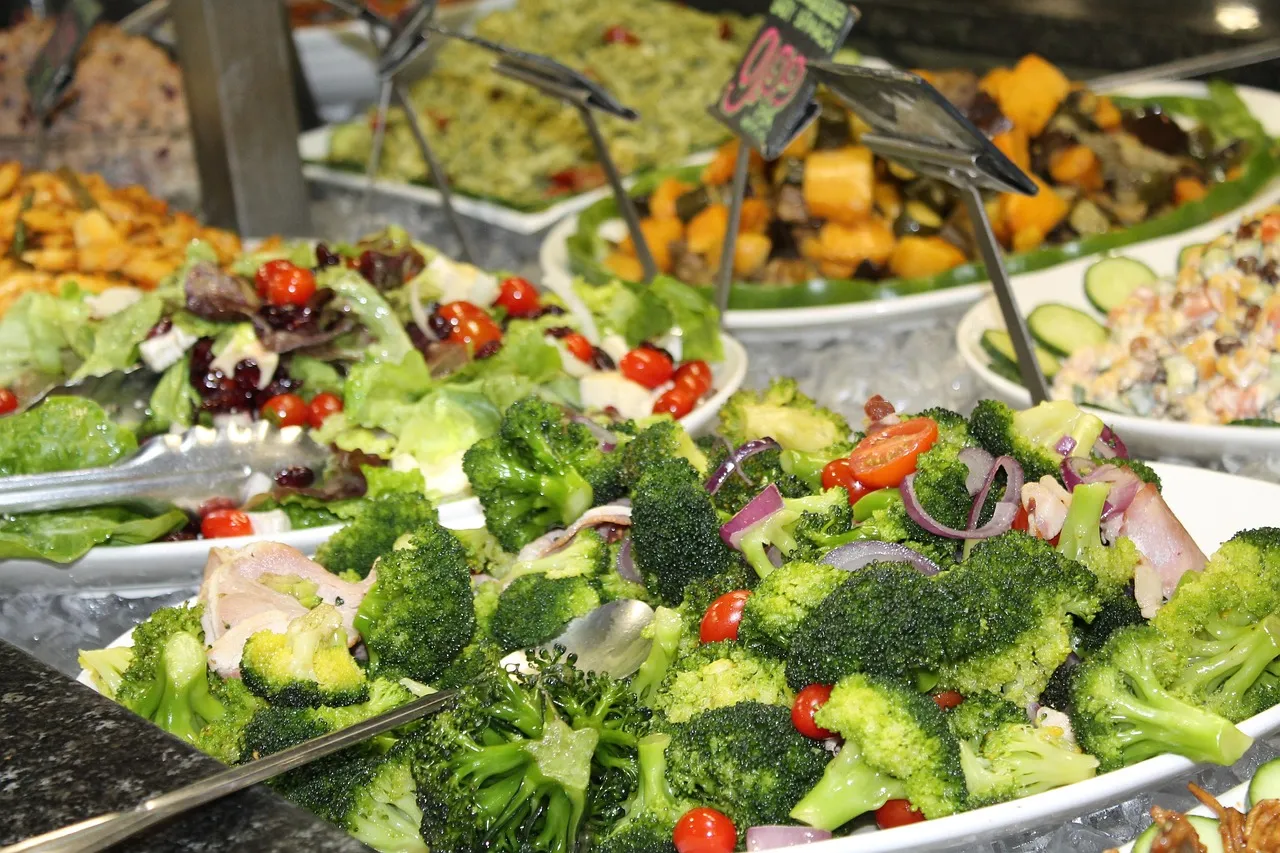
The CDC specifically lists chicken salad, ham salad, and seafood salad as foods carrying real Listeria risk, since they combine moisture, cold storage, and ready to eat status. USDA guidance offers a concrete example: cold chicken salad taken to a picnic and left above 40°F for more than two hours should not be eaten, no matter what the label says.
These mixed salads are especially vulnerable because the mayonnaise base and protein combination give bacteria more to feed on than a plain vegetable would. A short lapse in refrigeration between the deli counter and the home fridge can quietly undercut a use by date that assumed cold storage the entire way.
8. Smoked Seafood
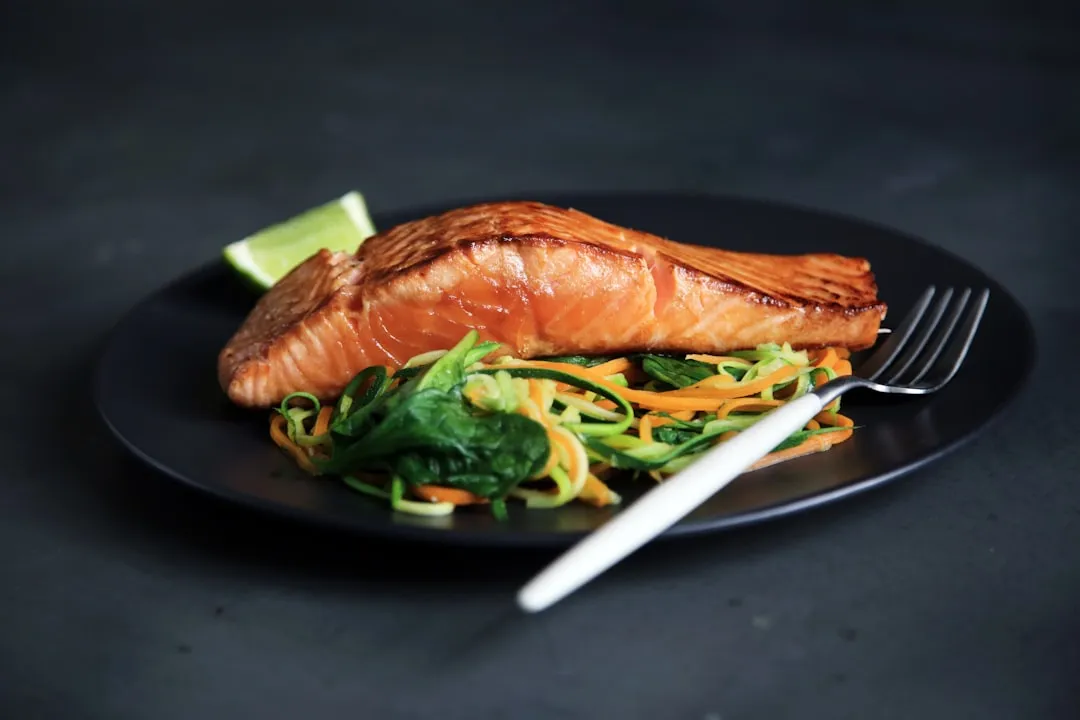
Smoked seafood appears on the CDC’s list of foods carrying meaningful Listeria risk for pregnant people and other vulnerable groups, right alongside soft cheeses and deli meats. Seafood more broadly tends to deteriorate quickly once it drifts out of the correct cold holding range, which also raises the risk of Vibrio infections on top of ordinary spoilage.
Because smoked seafood is usually eaten cold, straight from the package, there is no cooking step to kill off bacteria that may have multiplied during a warm delivery or a poorly chilled store display. The gap between smelling fine and actually being safe tends to close faster than most shoppers expect.
9. Cooked Rice and Pasta Left Over
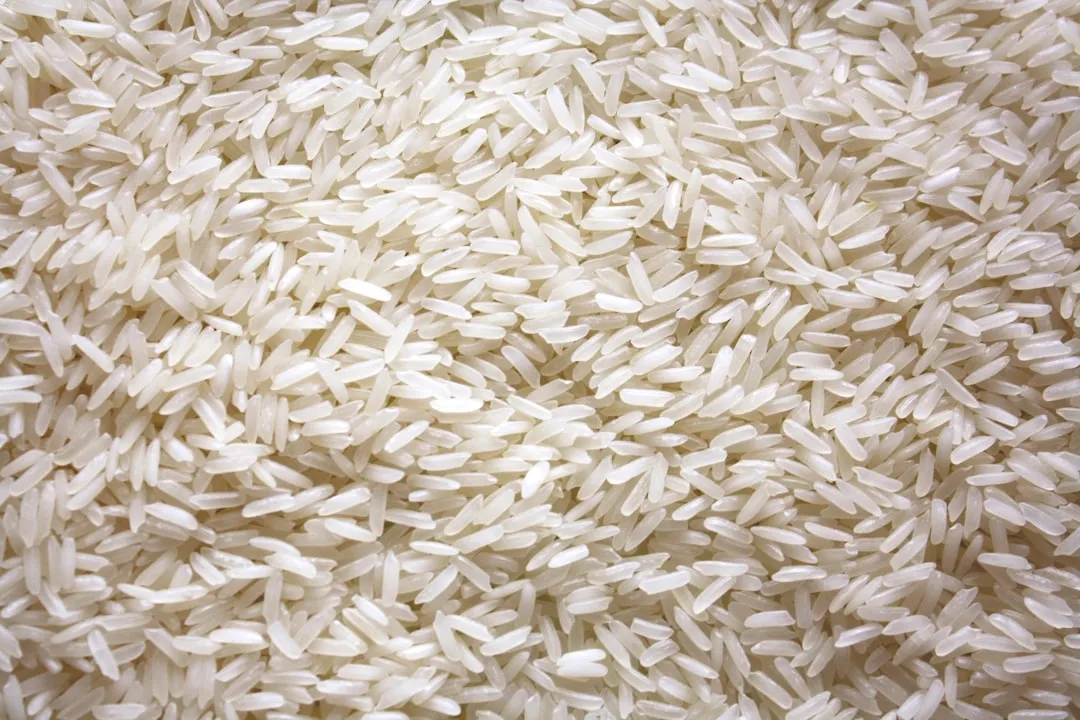
Starch heavy leftovers like rice and pasta can harbor Bacillus cereus, a bacteria linked to food poisoning once these foods sit at unsafe temperatures before refrigeration. This one has less to do with a package date and more to do with how quickly a home cooked pot gets chilled after the stove is turned off.
Rice cooling on the counter for even an hour gives Bacillus cereus spores exactly the window they need to multiply. By the next day it can look, smell, and taste completely normal while still carrying enough toxin to make someone sick.
10. Tofu and Other Soy Products
Tofu’s high protein and moisture content make it a strong candidate for bacterial growth the moment it drifts above safe cold holding temperatures. Since tofu is often packaged in a liquid filled tub, rough handling or brief warming during transport can affect it well before the printed date without any visible sign until the package is opened.
Once opened, tofu deserves the same caution as any high moisture protein: keep it cold, use it promptly, and judge it by smell and texture rather than the number on the lid. That pattern shows up again and again across this list. A date on a label is a starting estimate, not a guarantee.
Reading Labels With a Little More Skepticism

Most date labels were only ever designed to indicate peak quality, not a hard safety cutoff, which is part of why misunderstanding them contributes so heavily to household food waste. The foods in this list show the flip side of that same confusion. When storage slips, even briefly, the real shelf life can run shorter than the print suggests, no matter how trustworthy that number looks.
None of this means treating every date stamp with suspicion. It simply means paying attention to how food has actually been handled, not just what the package promises, since that’s usually the better predictor of what’s safe to eat.
AI Disclaimer: This article was created with the assistance of AI tools and reviewed by a human editor.