
A Habit With Deep Roots, Now Back in Fashion
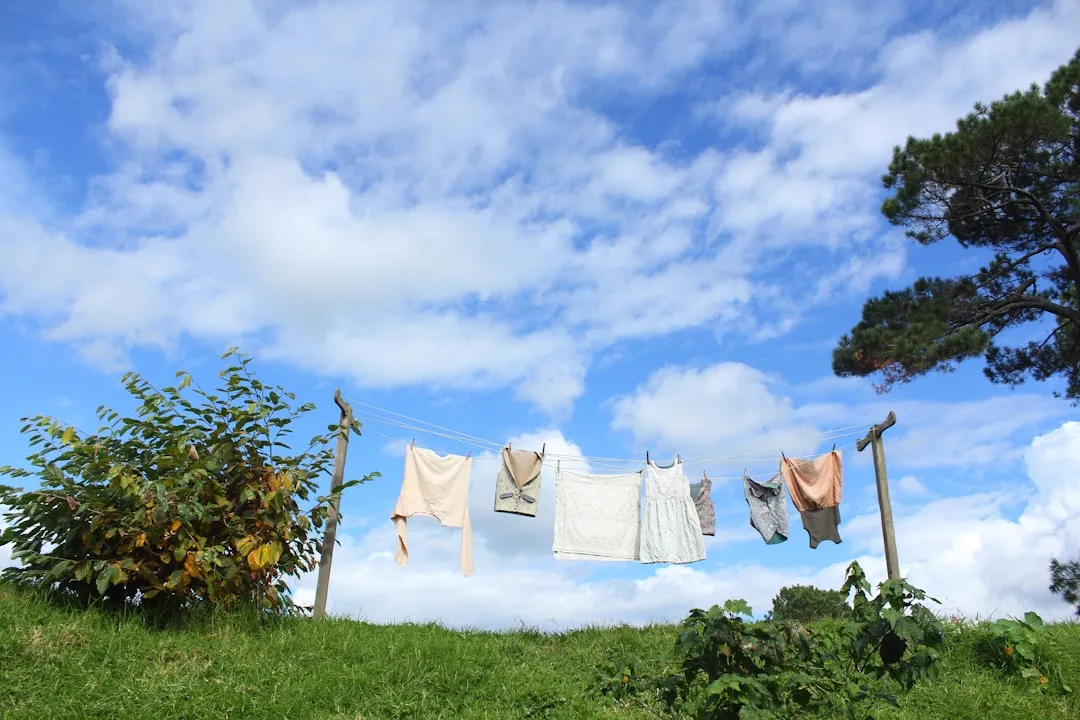
Hanging laundry outside is about as old as laundry itself, predating electric dryers by centuries. The appliance that replaced it only became a household fixture in the mid twentieth century, pushed along by postwar marketing campaigns that recast the dryer as modern and the clothesline as something poorer families relied on.
That stigma lingered for generations, even as energy costs and environmental concerns quietly shifted the math back in the clothesline’s favor. Today, a mix of rising electricity prices, climate awareness, and a broader interest in simpler home routines is pulling the practice back into daily life for a growing number of households.
How Much Energy Does Your Dryer Really Use
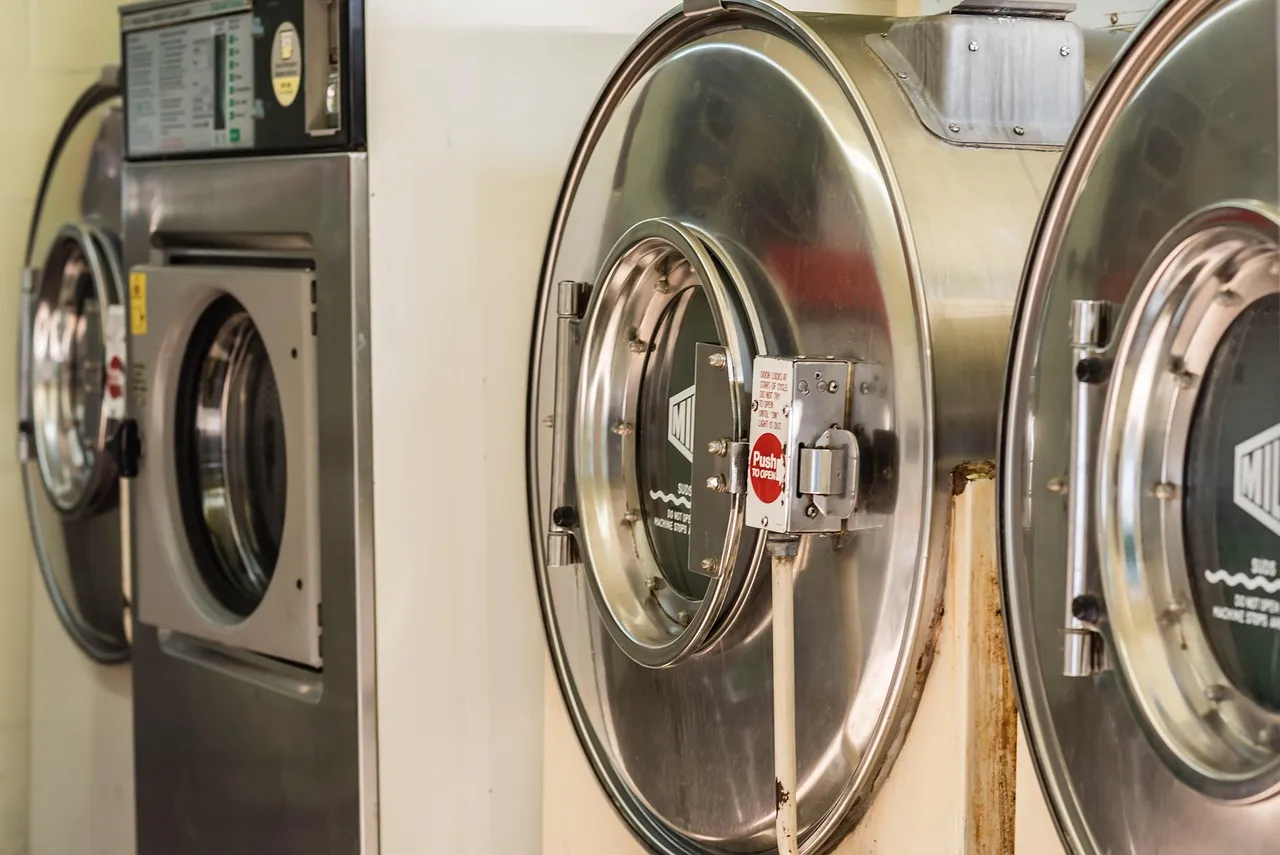
The numbers behind dryer energy use are more significant than most people assume. Household dryers in the U.S. consume about 3% of our residential energy budget, about six times that used by washing machines, and collectively cost more than $7 billion to power each year while emitting the equivalent of more than 27 million tons of carbon dioxide. Part of the reason is simply how many homes own one.
The U.S. also leads the world in dryer ownership, with more than 80% of homes having one, compared with less than 30% in South Korea, just over 40% in Germany and just under 60% in the United Kingdom. That gap says something about culture as much as climate, since plenty of those other countries have comparable weather but very different laundry habits.
What a 2025 University of Michigan Study Revealed
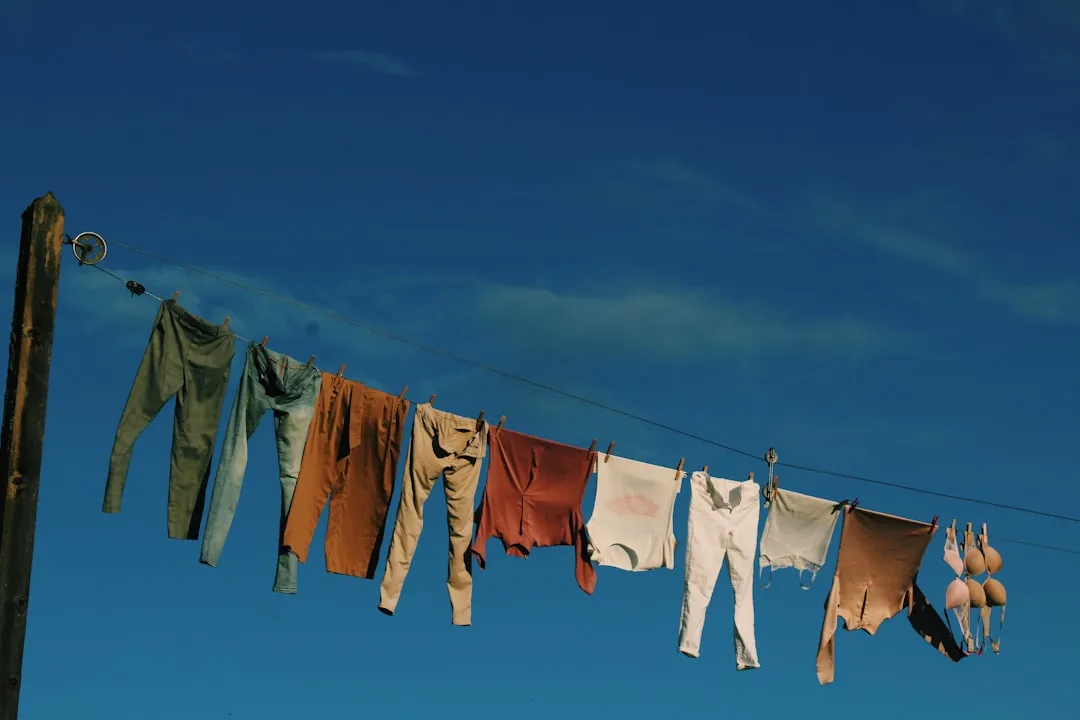
Much of the current interest traces back to research published in 2025 by the University of Michigan’s School for Environment and Sustainability. Researchers found that over the lifetime of a dryer, 100% line drying could save a household upwards of $2,100, while also cutting back CO2 emissions by more than 3 tons per household over the same time.
What stood out to the study’s authors was that behavioral change outperformed hardware upgrades in many scenarios. A mixture of line drying and dryer use proved to be the second most economical and eco-friendly option, over changes like upgrading to more efficient dryers, and in some cases households that invested in more energy-efficient dryers wouldn’t end up saving money in the long run. It’s a reminder that buying a fancier machine isn’t always the smartest fix, sometimes the cheapest solution is also the simplest one.
The Dollars and Emissions Add Up Fast
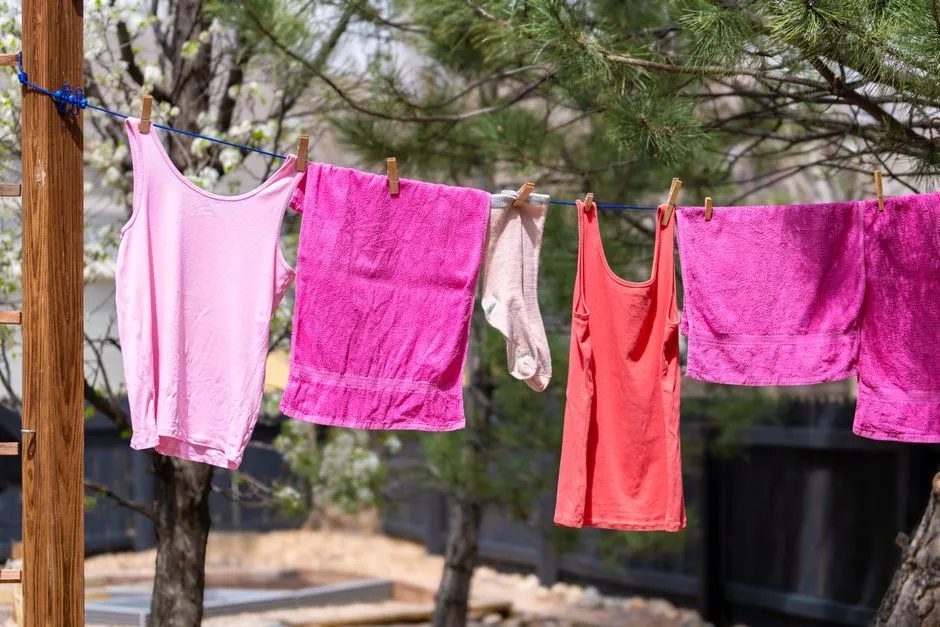
Beyond the headline figures, smaller adjustments matter too. The same Michigan research found that running dryers at night during off-peak hours can reduce emissions by 8 percent, which is a meaningful bump for anyone not ready to give up the dryer entirely. Other analyses point in a similar direction on a national scale, since replacing every dryer sold in the country with an ENERGY STAR model could still only capture part of the potential savings.
If all clothes dryers sold in the U.S. were ENERGY STAR certified, Americans could save more than $1.5 billion each year in utility costs and prevent greenhouse gas emissions equivalent to those from more than 2 million vehicles. Line drying, by comparison, produces no emissions at all during use, which is why researchers keep returning to it as the more powerful lever.
Right to Dry Laws Across the States
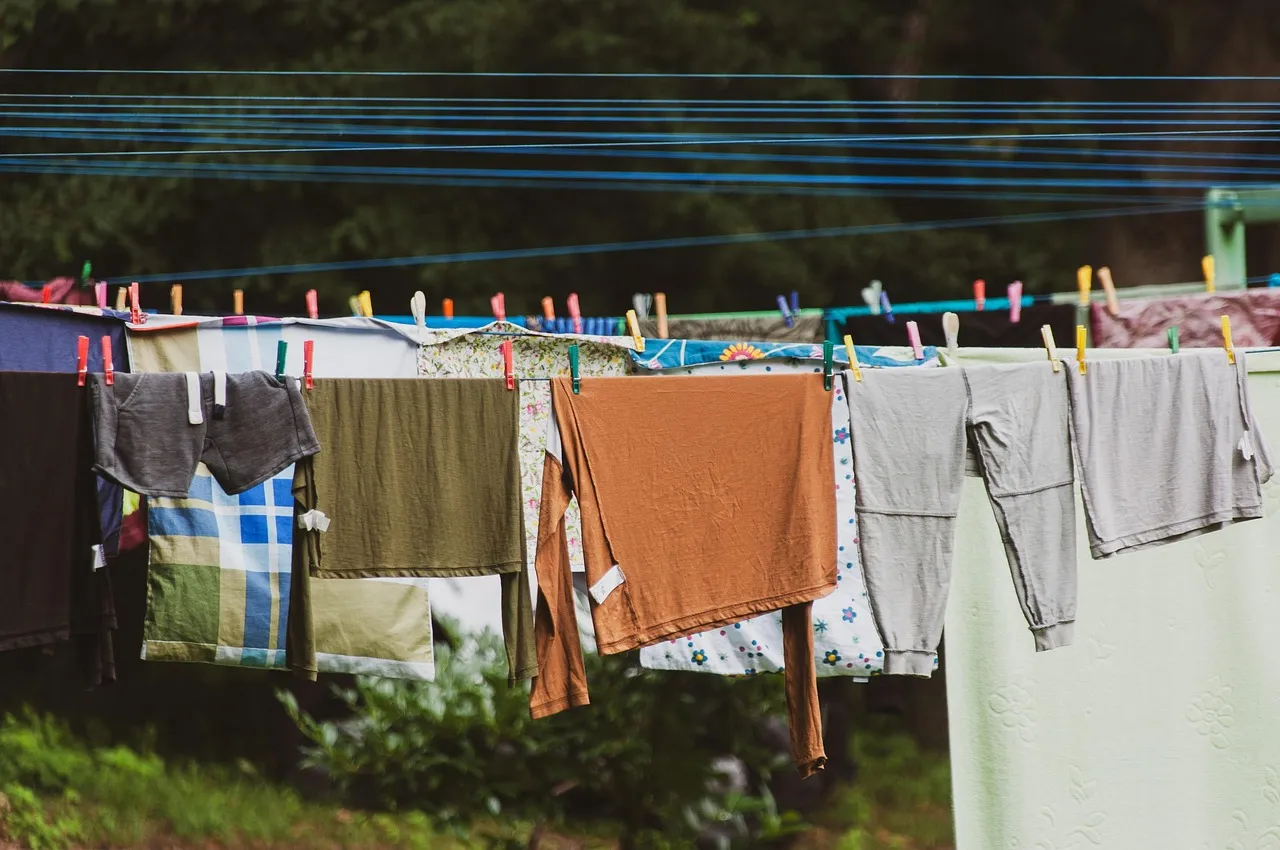
Not everyone who wants a clothesline is free to hang one, which is where a patchwork of state laws comes in. States with explicit right-to-dry laws include Florida, Colorado, Hawaii, Maine, Maryland, and Vermont, and these statutes typically declare HOA provisions that ban or unreasonably restrict clotheslines to be void and unenforceable. A wider group of states protect the practice indirectly through older solar access statutes.
A broader set of states, including California, Texas, Arizona, Nevada, Illinois, Indiana, Louisiana, Massachusetts, New Mexico, North Carolina, Virginia, and Wisconsin, have solar access laws originally designed to protect solar panels, and because clotheslines use the sun’s energy to dry clothes, they are considered solar energy devices under these statutes.
California’s version is fairly specific, since California enacted Civil Code §4750.10 via AB 1448, signed October 8, 2015, effective January 1, 2016, under which any HOA provision that effectively prohibits or unreasonably restricts an owner’s ability to use a clothesline or drying rack is void and unenforceable.
When HOAs and Homeowners Clash
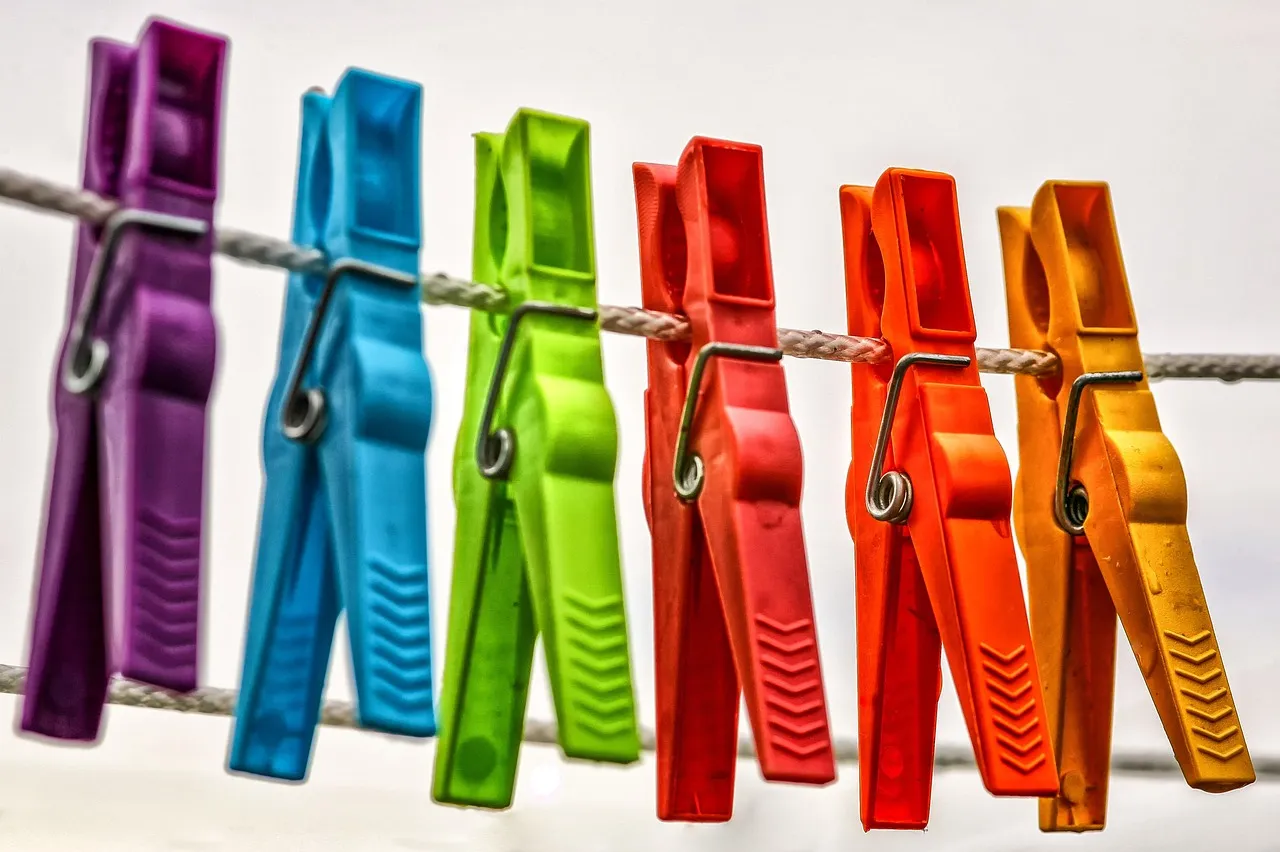
Even in protected states, disputes still pop up regularly, often centered on appearance rather than actual harm. Right-to-dry advocates have long argued the restrictions are more widespread than people realize, and right-to-dry activist Alexander Lee estimates that more than half of all HOAs restrict or ban the use of clotheslines. Pennsylvania took a legislative swing at the issue in 2025, when a bill aimed squarely at condo and HOA residents cleared a major hurdle.
The law protecting the right to hang laundry out to dry on the backyard clothesline passed the Pennsylvania House on May 13, written by state Rep. Lisa Borowski, aimed at residents of condominiums, cooperatives, and planned communities where homeowners’ associations have banned the traditional practice. Cases like a North Carolina homeowner’s recent standoff with their association show these fights are still very much live, not settled history.
Gentler on Fabric, Kinder to Your Wallet
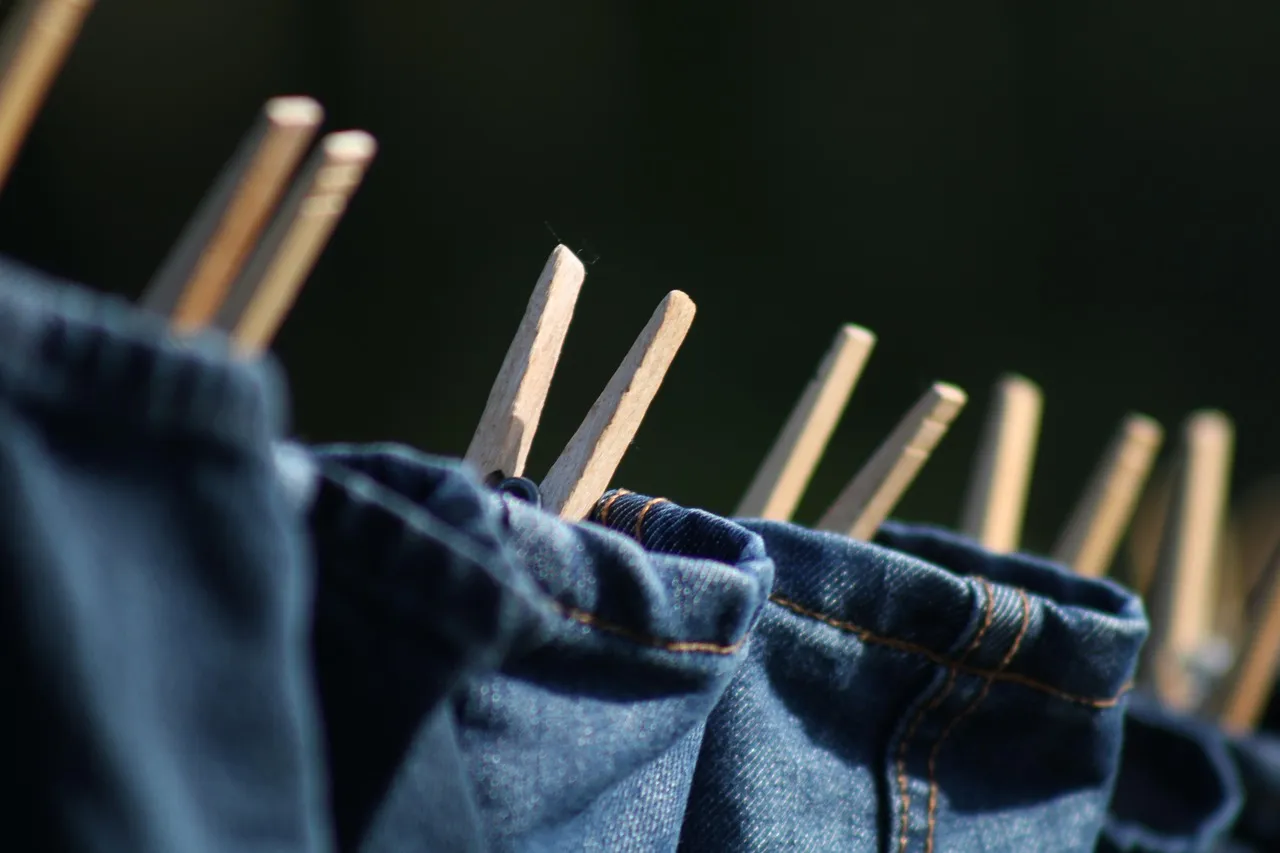
The appeal of line drying isn’t only about the electricity bill, it’s also about what heat does to clothes over time. In addition to reducing energy costs, line drying extends the lifespan of clothing, since tumble dryers can be harsh on fabrics, causing them to wear out more quickly. The mechanics of why are fairly straightforward.
The friction caused by tumbling in a dryer can damage the fibers in fabric and cause it to wear out more quickly, whereas a clothesline lets gravity naturally spread out the weight of the fabric, eliminating rubbing or tugging on the fibers. Elastic waistbands, delicate seams, and stretchy activewear tend to hold their shape longer once the dryer’s heat is taken out of the equation.
Indoor Drying Racks for Cold or Rainy Days
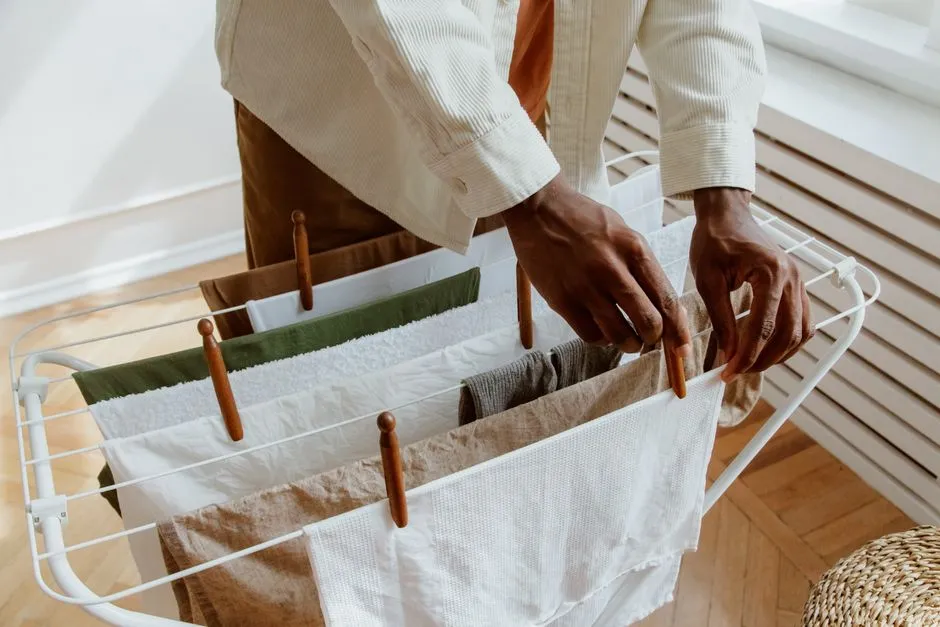
One common objection to line drying is climate, especially in places with long winters or frequent rain. Researchers behind the Michigan study addressed this directly, noting that households do not necessarily need a backyard or even outdoor space, since indoor drying is a viable alternative, especially during winter months.
A folding rack near a window or a radiator, or even a portable line strung across a spare room, does much of the same job without any outdoor setup at all. It won’t dry as quickly as a sunny afternoon outside, but it still avoids the dryer’s energy use entirely for whatever gets hung.
The Modern Clothesline Gets a Design Upgrade
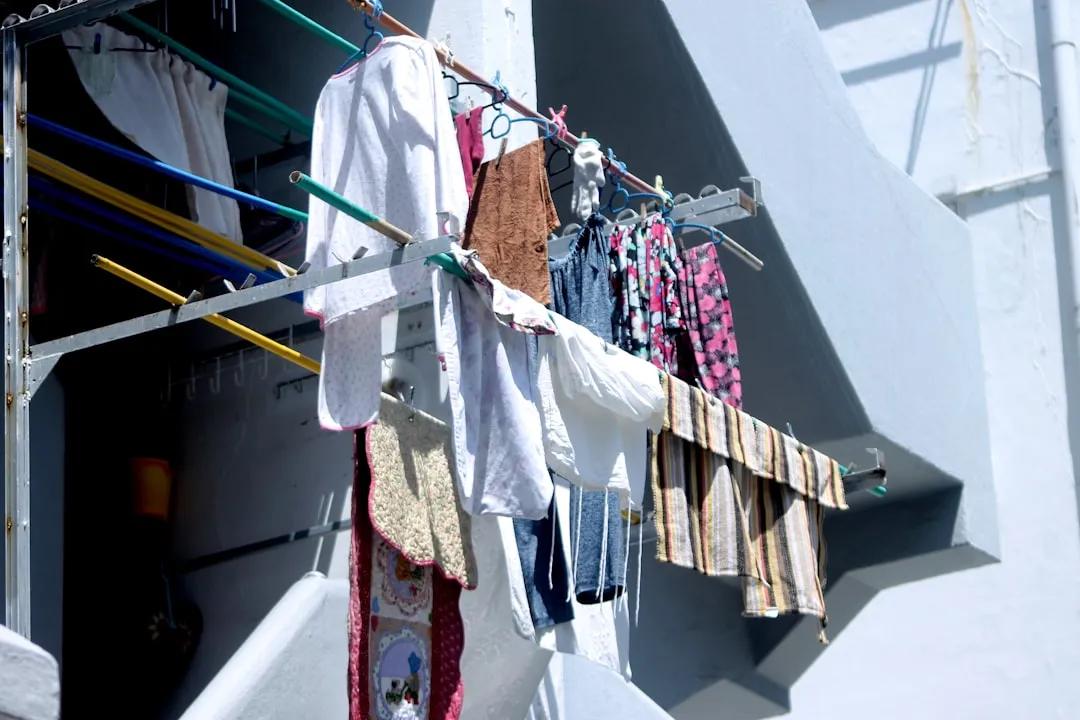
Manufacturers have noticed the renewed interest, and the product category has evolved well past the basic backyard line. The retractable clothesline market was valued at USD 150 million in 2024 and is projected to reach USD 250 million by 2033. Much of that growth is tied to how people live now rather than where.
As urban living spaces become smaller and more compact, the need for space-saving solutions like retractable clotheslines has become essential. Apartment dwellers without a yard can now choose from wall-mounted retractable lines, tension rods, and slim folding racks that tuck away when not in use, which has done a lot to make the habit realistic for people who never had a backyard clothesline to begin with.
A Quiet Cultural Shift Toward Simpler Chores
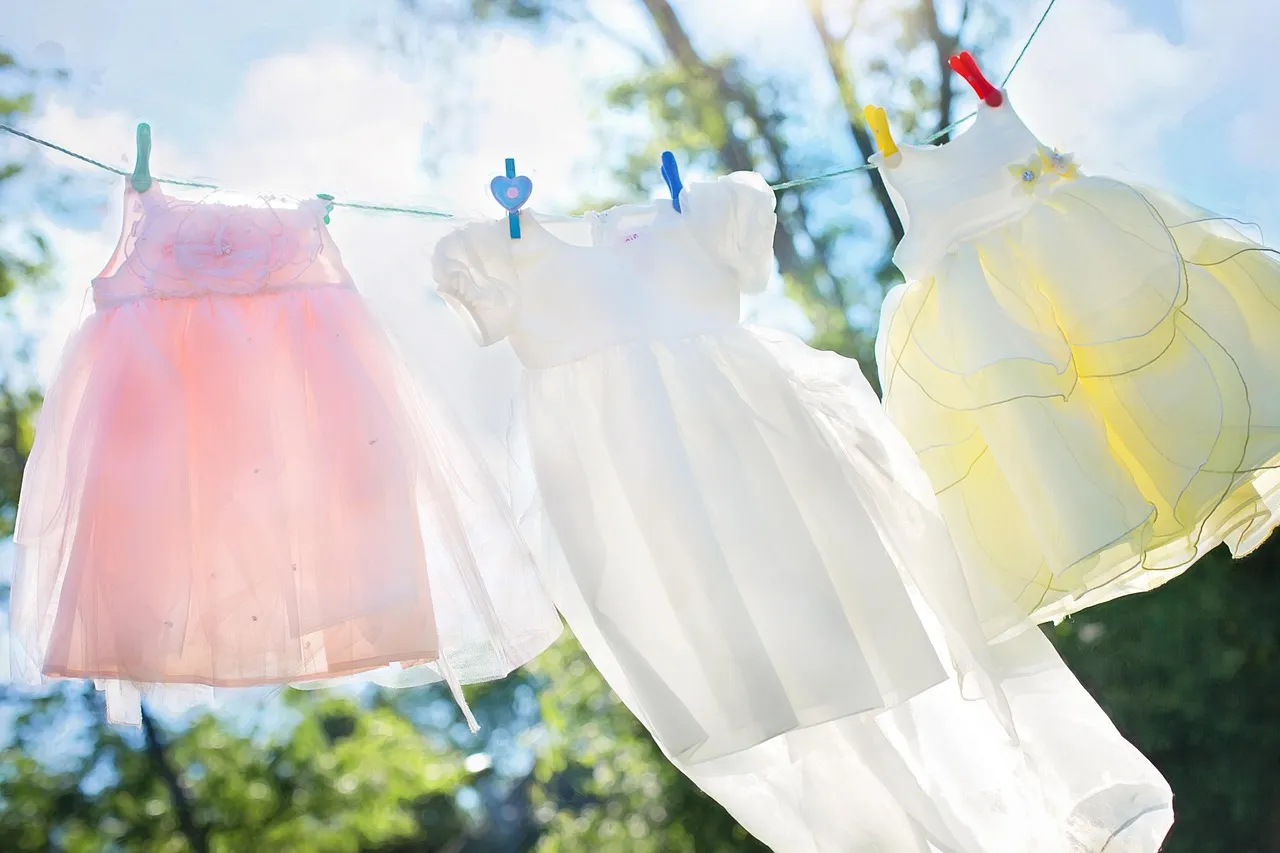
None of this is happening in isolation. As more people turn to sustainable living, the demand for eco-friendly laundry solutions has surged. It fits alongside other small household shifts, like swapping dryer sheets for reusable wool balls or paying closer attention to how appliances are used rather than just how new they are. There’s also a practical safety angle that rarely gets mentioned. According to the US Fire Administration, there are 2,900 clothes dryer fires per year, costing $35 million in property loss, and 34% of those fires are due to a failure to clean lint from the dryer. Fewer loads through the dryer means less lint buildup and one less thing to worry about, which is a modest but real bonus on top of the energy savings.
The clothesline was never really gone, it just fell out of habit for a while. What’s changed is the evidence behind it, from university research quantifying real dollar and carbon savings to state laws finally catching up with what solar access always implied. None of this requires giving up the dryer entirely. Even a partial return to the line, a few loads a week hung outside or on a rack by a window, adds up in ways that are easy to underestimate until you actually see the numbers.AI Disclaimer: This article was created with the assistance of AI tools and reviewed by a human editor.