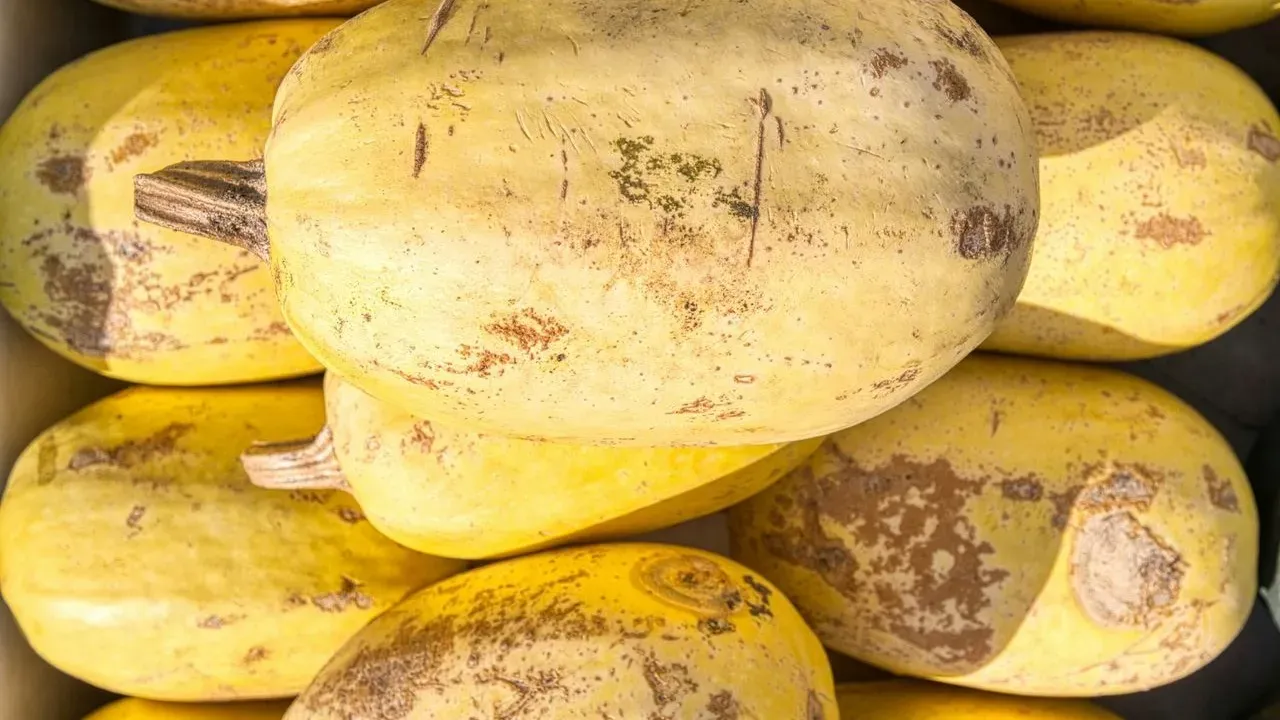

Squash vine borers rank among the most frustrating pests for vegetable gardeners, often destroying summer and winter squash crops before the damage becomes obvious. The larvae tunnel into stems, cutting off water and nutrients, and leave plants wilted or collapsed with little warning. A targeted change in planting choices offers an effective way to avoid the problem entirely while staying within organic practices. The approach centers on selecting squash types that the pest cannot successfully attack. This method addresses the issue at its root rather than reacting after infestation occurs.
Understanding the Pest and Its Impact
Squash vine borers affect both summer squash such as zucchini and winter varieties including pumpkins and acorn squash. The adult moths lay eggs near the base of plants, and the resulting larvae bore into hollow stems where they feed for several weeks. Gardeners typically notice the problem through sudden wilting that does not recover in cooler evening temperatures, accompanied by orange, sawdust-like frass at the stem base. Once inside, the caterpillars cause extensive internal damage that usually proves fatal to the plant. The pest appears across much of the United States, with southern regions sometimes supporting two generations in a single season due to milder winters.
The Core Solution: Choosing the Right Species
Squash vine borers target plants in the species Cucurbita pepo and Cucurbita maxima, which feature hollow stems. Varieties belonging to Cucurbita moschata possess dense, solid stems that the larvae cannot penetrate or consume effectively. Switching to these types removes the food source and breaks the pest’s lifecycle in the garden. Many C. moschata varieties can be harvested young and used in the same ways as traditional summer squash, providing similar flavor and texture with only minor adjustments in cooking time. Examples include Tromboncino and certain Korean zucchini types, which remain productive and versatile throughout the season.
Additional Prevention Strategies
Gardeners who prefer familiar varieties or face shorter growing seasons can combine the species change with other timed practices. Late planting allows crops to mature after adult moths have completed their egg-laying period, effectively starving out the next generation. Row covers placed early in the season block moths from reaching stems, though they must be removed at flowering to permit pollination. When damage appears, removing affected plants promptly and applying beneficial nematodes to the soil targets remaining pupae without introducing synthetic chemicals.
Practical Outcomes for Gardeners
Adopting these steps reduces reliance on reactive treatments and supports consistent harvests of both summer and winter squash. The methods require planning at the start of the season but deliver reliable results across different climates. Over time, consistent use of resistant species and supporting tactics can lower pest pressure in subsequent years, allowing gardeners to focus on productivity rather than repeated interventions.
AI Disclaimer: This article was created with the assistance of AI tools and reviewed by a human editor.