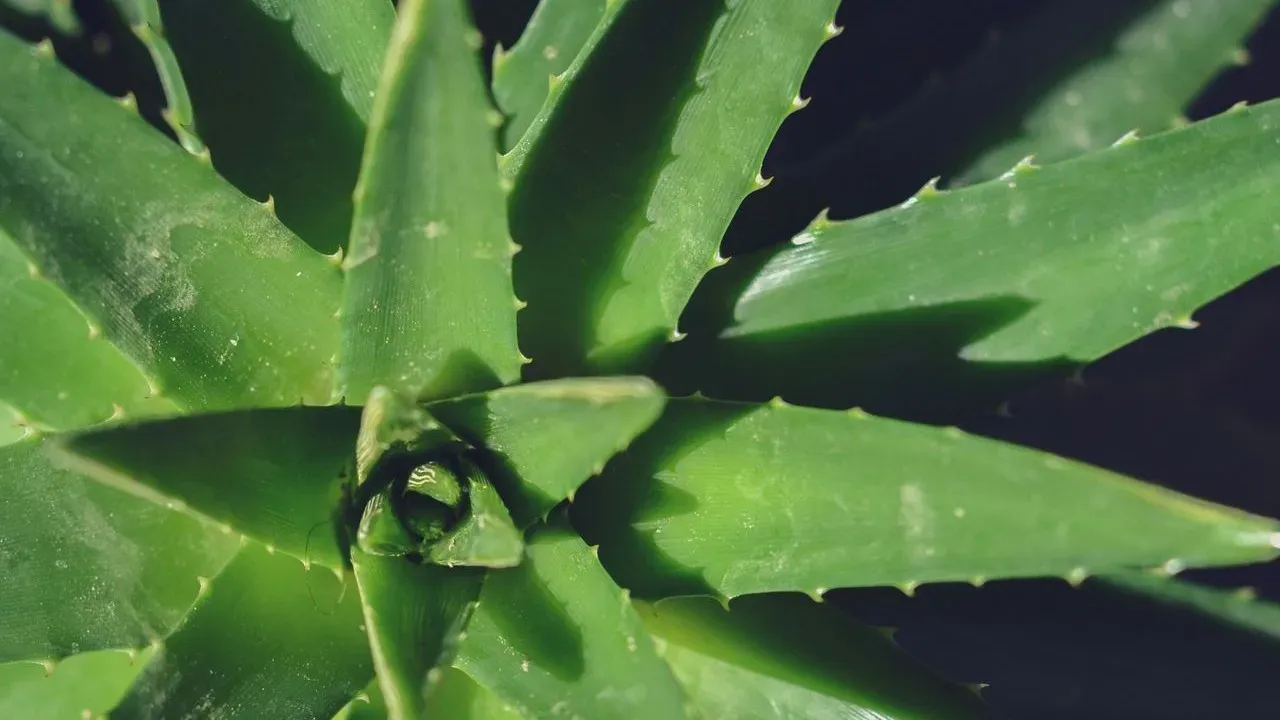

Aloe vera has earned its place on countless windowsills and in home first-aid kits thanks to its distinctive rosettes and the soothing gel found in its leaves. Yet this single species forms only a small part of a much larger group of plants. Many other aloes exist, each with its own growth habits and visual qualities that suit both outdoor designs and potted arrangements.
The Familiar Starting Point
Most people encounter aloe through the common medicinal variety sold in garden centers and supermarkets. Its thick, fleshy leaves store water efficiently, allowing the plant to survive periods of drought with little intervention. The gel inside those leaves has long been valued for minor skin irritations, which explains the plant’s enduring popularity as both a decorative and practical houseplant. Still, reliance on this one type limits the range of textures, sizes, and colors available to gardeners. Aloe vera tends to remain relatively compact, which works well indoors but may not provide the scale needed for larger beds or focal points outside.
Why Broader Options Matter
The aloe genus contains dozens of species and cultivated forms that differ in leaf shape, height, and flowering patterns. Some produce tall flower spikes that attract pollinators, while others develop striking variegation or unusual spine arrangements along the leaf margins. These differences allow gardeners to select plants that match specific design goals rather than settling for a single, familiar look. Choosing from a wider selection also supports greater resilience in varied conditions. Certain aloes tolerate more sun or cooler temperatures than the standard houseplant version, opening possibilities for mixed succulent plantings that change with the seasons.
Putting Aloes to Work Outdoors and Indoors
In landscaping, taller or spreading aloes can serve as architectural accents in rock gardens, borders, or xeriscapes where water conservation is a priority. Their sculptural forms contrast effectively with grasses or low-growing ground covers, creating year-round interest with minimal maintenance once established. Containers offer even more flexibility. Smaller or slower-growing varieties fit neatly on patios, balconies, or windowsills, where they can be moved to protect them from extreme weather. Grouping several different aloes together in one pot highlights their contrasting leaf colors and shapes while simplifying care routines.
Building a More Varied Collection
Gardeners who begin with aloe vera often find that adding other members of the genus refreshes both indoor and outdoor spaces. The process starts with observing how existing plants perform in local conditions, then selecting companions that fill gaps in height, color, or flowering time. Over time, such choices create displays that feel more personal and dynamic than a single-species planting. The result is a collection that continues to offer visual appeal and practical benefits long after the initial purchase.
AI Disclaimer: This article was created with the assistance of AI tools and reviewed by a human editor.