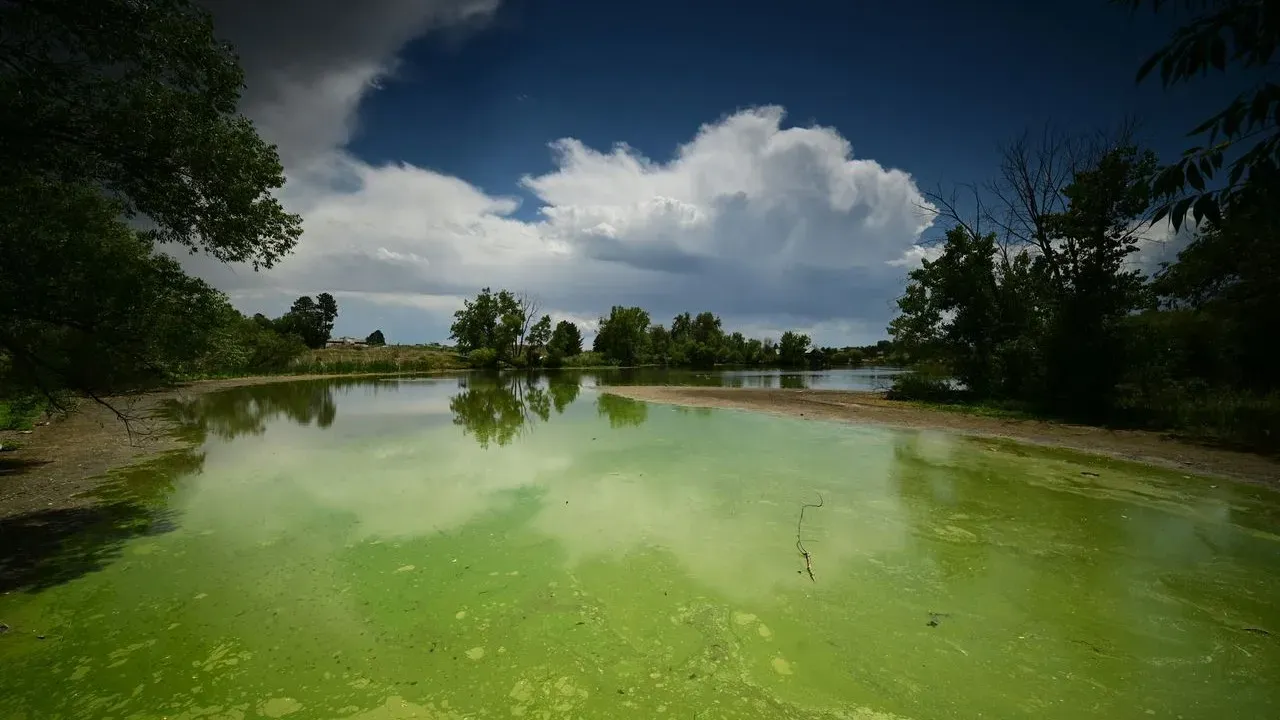

The Lincoln Memorial Reflecting Pool occupies a central place on the National Mall, drawing millions of visitors each year who expect its waters to mirror the surrounding monuments in calm reflection. A recent renovation project, completed at a cost of $14.6 million, sought to address long-standing maintenance needs and restore the pool to optimal condition. Shortly after the structure was refilled, however, the water took on a muddy green appearance due to algae growth.
Details of the Renovation Effort
The project represented a substantial investment in one of the capital’s most recognizable landmarks. Work focused on structural improvements and water system upgrades intended to support long-term clarity and functionality. Such efforts reflect ongoing federal commitments to preserve historic sites that serve both ceremonial and public purposes. Stakeholders including the National Park Service and the Department of the Interior coordinated the timeline to minimize disruption to visitors. Completion of the work allowed the pool to reopen, only for the temporary water quality issue to emerge during the refilling phase. The sequence underscores the practical challenges of managing large-scale water features in an urban environment.
Emergence of the Algae Bloom
Algae appeared in the pool as water levels were restored after the renovation. The growth produced the characteristic green tint that contrasted sharply with the intended reflective surface. This development occurred rapidly once filling began, illustrating how quickly biological factors can influence newly introduced water in an open setting. The incident highlighted the sensitivity of such installations to environmental variables during transition periods. Even with modern filtration and treatment systems in place, the initial stages of refilling can create conditions favorable to algae until balance is achieved. Officials monitored the situation closely as part of standard operational procedures. The bloom remained limited in duration. It did not affect the structural integrity of the renovated pool or require additional major interventions beyond routine management. Visitors continued to access the surrounding memorial grounds while the water issue was addressed.
Official Confirmation of Resolution
Interior Secretary Doug Burgum stated that the algae is all gone. He described the occurrence as a momentary condition tied directly to the refilling process. The assessment indicates that normal water quality has been restored without extended closure or further expense. This outcome aligns with expectations for temporary fluctuations during the startup of renovated water systems. Maintenance teams applied established protocols to clear the algae and return the pool to its designed state. The episode concluded without altering the overall success of the renovation investment.
Looking Ahead for National Landmark Care
Maintenance of iconic water features like the Reflecting Pool involves continuous attention to both infrastructure and natural processes. The recent project and its immediate aftermath demonstrate the interplay between engineering upgrades and ecological realities. Future management will likely incorporate lessons from this brief episode to refine refill procedures. The pool now stands ready once again to serve its role as a focal point for reflection and remembrance. Ongoing stewardship by federal agencies ensures that such landmarks remain accessible and visually consistent for the public.
AI Disclaimer: This article was created with the assistance of AI tools and reviewed by a human editor.